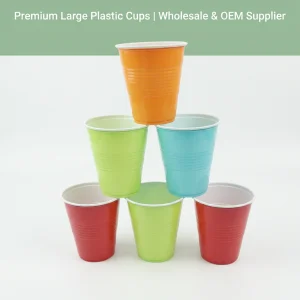
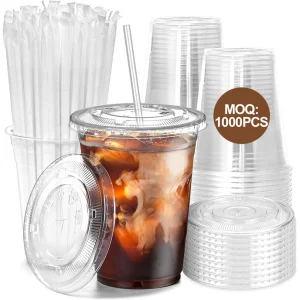
Explore our certified compostable, food-grade, and custom-brand-ready PLA & PET selection engineered for structural integrity and high transparency.
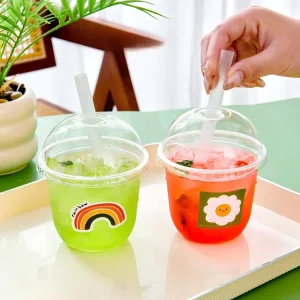
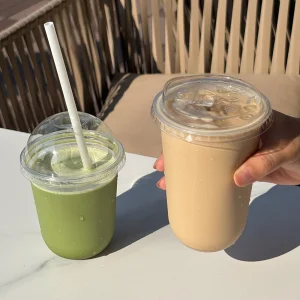
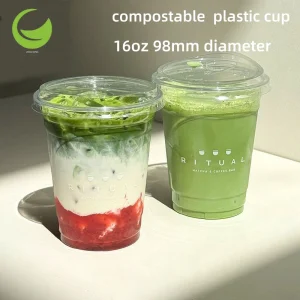
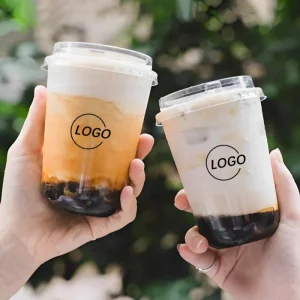
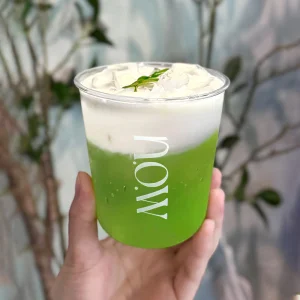
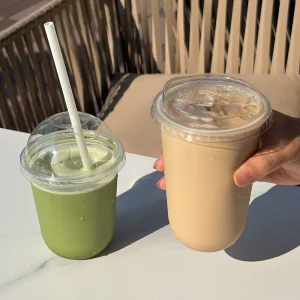
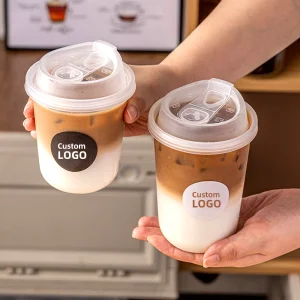
Shandong PsiPrime Packaging Co., Ltd. is a premier developer and manufacturer of eco-friendly, food-grade packaging products. Emphasizing structural strength, biological sustainability, and clean aesthetics, we engineer high-performance solutions for quick-service restaurants (QSR), institutional cafeterias, beverage chains, and FMCG distributors worldwide.
Our operational framework focuses on resolving the critical trade-offs between processing efficiency, compostability, and unit economics. Leveraging automated processing lines, state-of-the-art co-extrusion thermoforming equipment, and cleanroom production, we deliver highly reliable food-contact materials that comply with the strictest regulatory regimes across the Americas, the European Union, and the Asia-Pacific region.
Our corporate ethos is rooted in sustainable stewardship and chemical safety. By integrating agricultural byproducts like Polylactic Acid (PLA) into consumer food packaging, we actively suppress greenhouse gas outputs relative to petroleum-based polymers.
We work closely with global distribution networks to maintain inventory buffers, providing custom printing (up to 8 colors) and variable sizes. From custom prototype tooling to end-of-life material consultation, PsiPrime is your trusted engineering partner.
Understanding the molecular properties, degradation pathways, and temperature physics of Polylactic Acid (PLA).
PLA is derived from 100% renewable resources like corn starch, cassava root, or sugarcane. Through bacterial fermentation, starch is converted into lactic acid, followed by ring-opening polymerization to form high-density polylactic acid chains.
Standard PLA exhibits a glass transition temperature (Tg) of 55°C to 60°C. Standard PLA cups are strictly designed for cold applications. Storing or serving liquids above 45°C (113°F) will cause structural deformation due to polymer relaxation.
Under industrial composting conditions (60°C, high humidity, microbial activity), PLA degrades completely into CO2, water, and biomass within 90 to 180 days. In landfills, degradation slows down, meaning dedicated industrial compost systems are preferred.
For decades, traditional beverage packaging relied heavily on Polyethylene Terephthalate (PET) and Polypropylene (PP). While these polymers provide exceptional barrier properties and low production costs, their non-biodegradable carbon chains persist in the biosphere for centuries. PLA (Polylactic Acid) represents a clean, renewable alternative.
From an ecological standpoint, PLA production generates approximately 68% fewer greenhouse gas emissions and consumes 45% less energy compared to conventional petroleum-derived plastics. This makes it a foundational component of modern corporate Net-Zero and decarbonization frameworks. For commercial buyers, migrating to PLA is no longer merely a public relations choice; it is a critical strategy for mitigating impending carbon taxes and plastic-restricted regulatory zones.
How Shandong PsiPrime Packaging leverages vertical integration, high-tech automation, and logistics to lower procurement overhead.
By centralizing the acquisition of certified bio-resins and deploying high-tonnage extrusion systems, Chinese factories minimize material loss and reduce per-unit energy consumption, leading to lower bulk pricing for global buyers.
Our engineering facility utilizes multi-axis CNC machines and automated EDM tooling. This enables us to design, prototype, and manufacture custom cup shapes, embossing, and lid fittings within 15 days, dramatically shortening time-to-market.
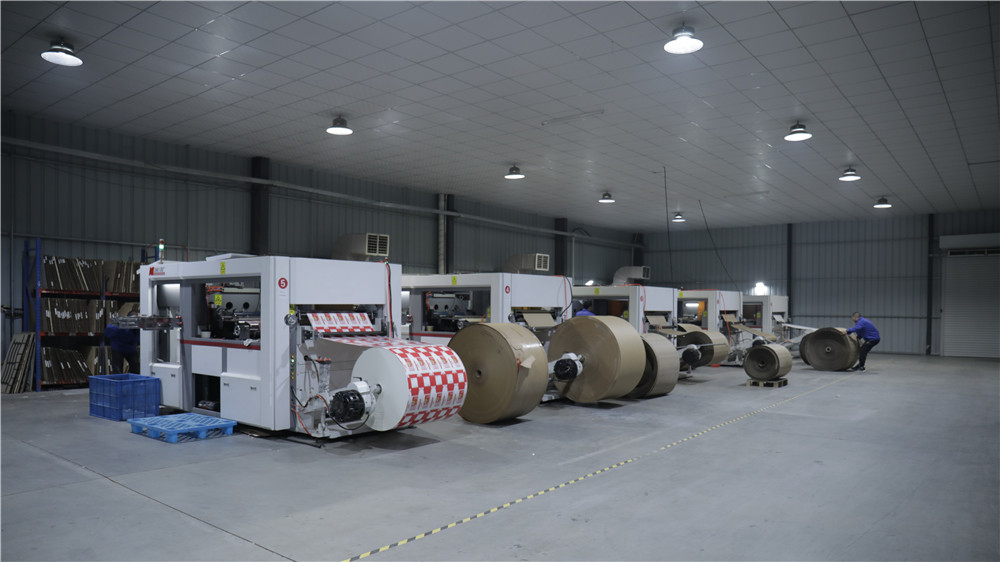
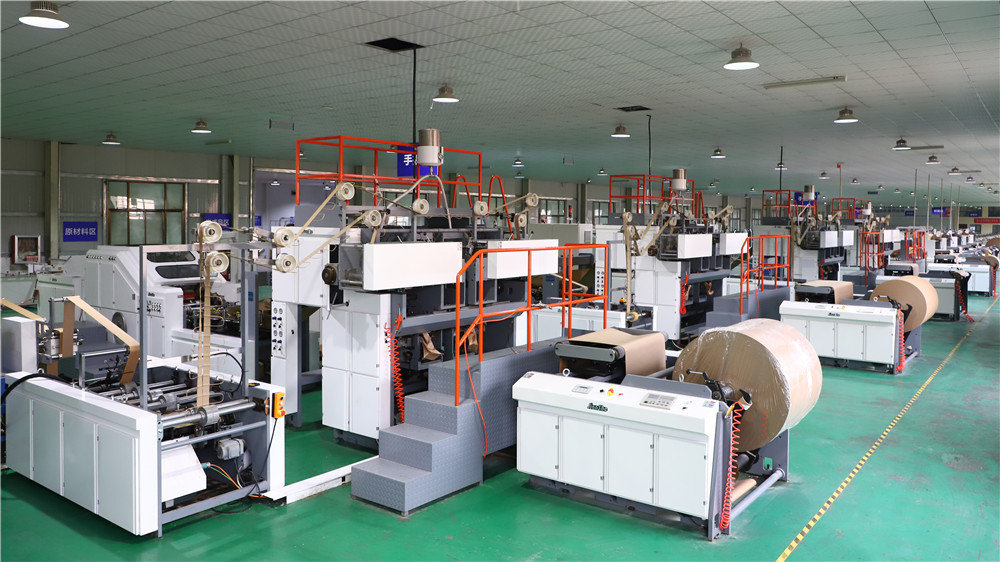
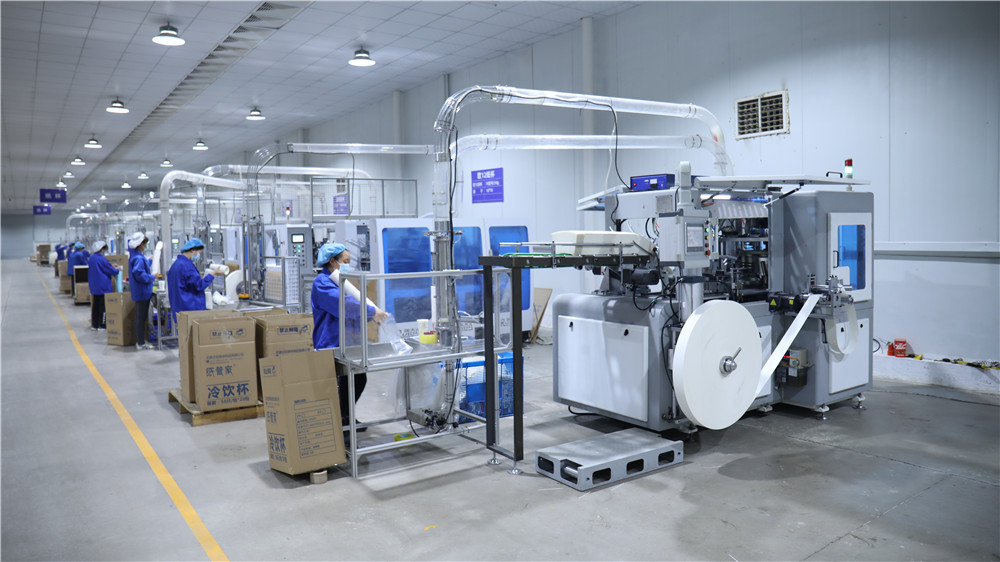
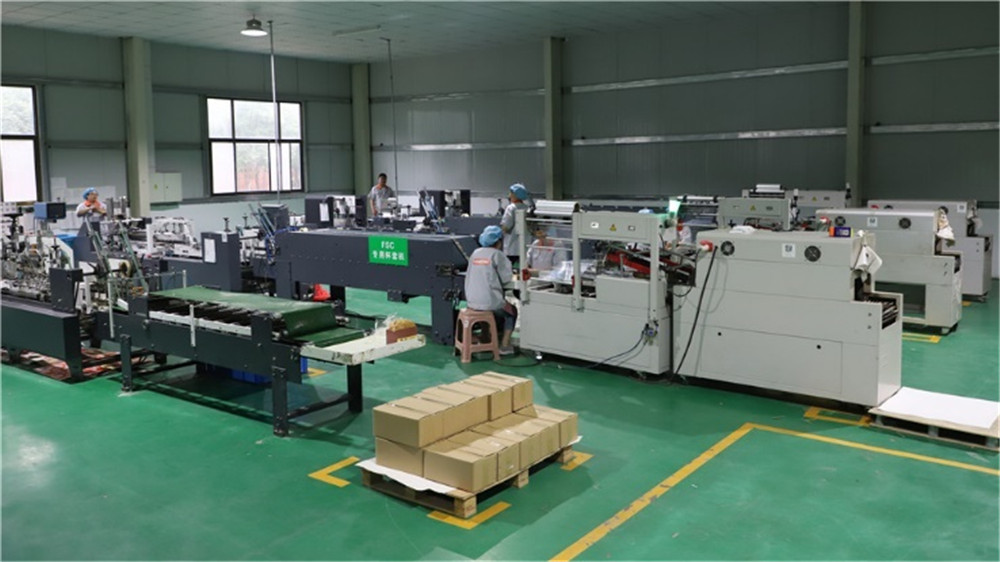
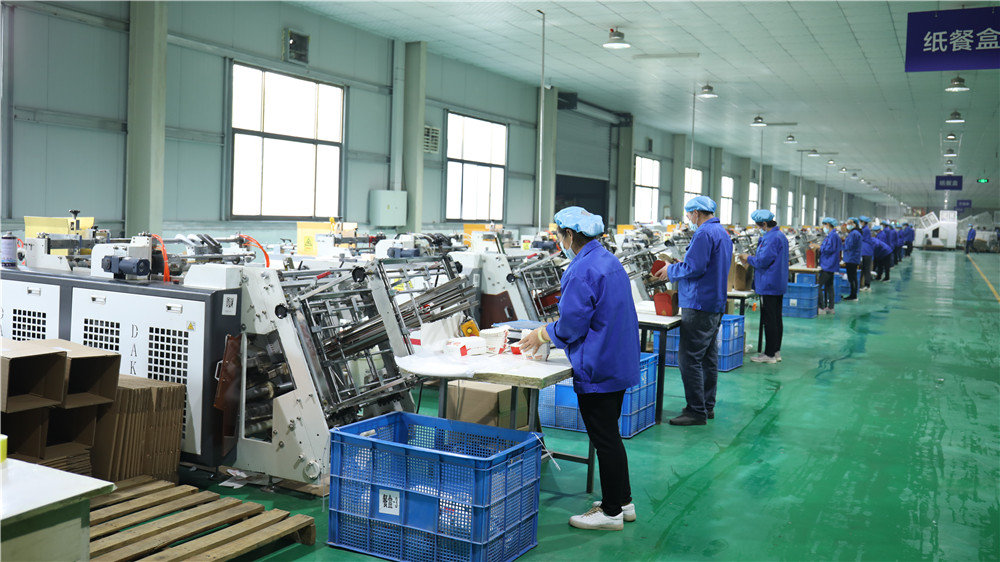
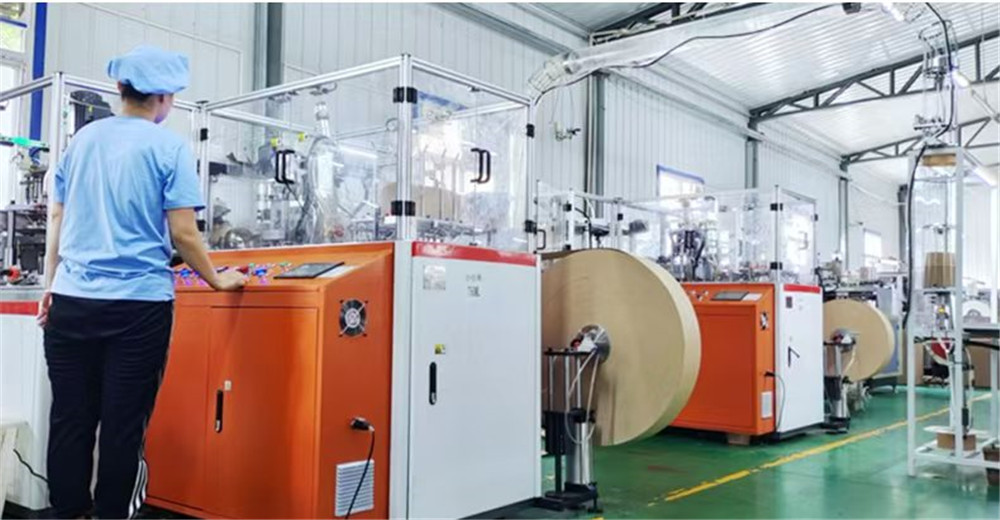
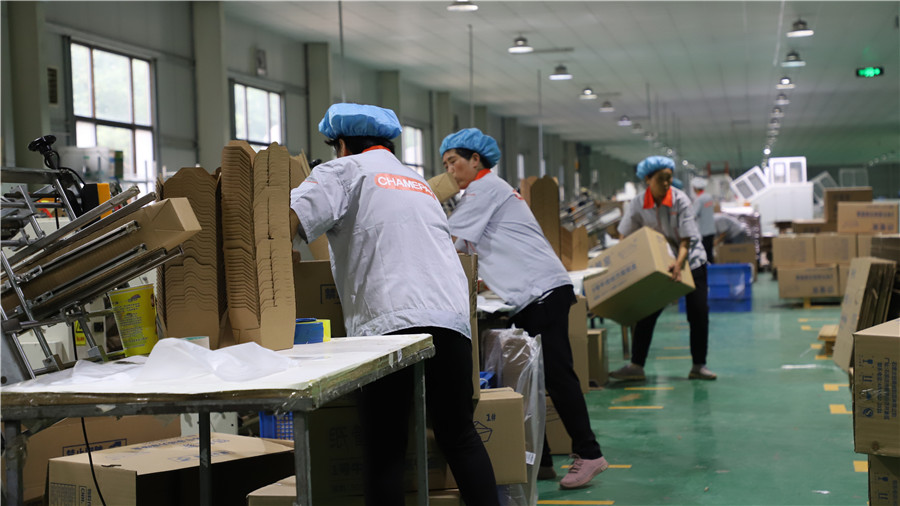
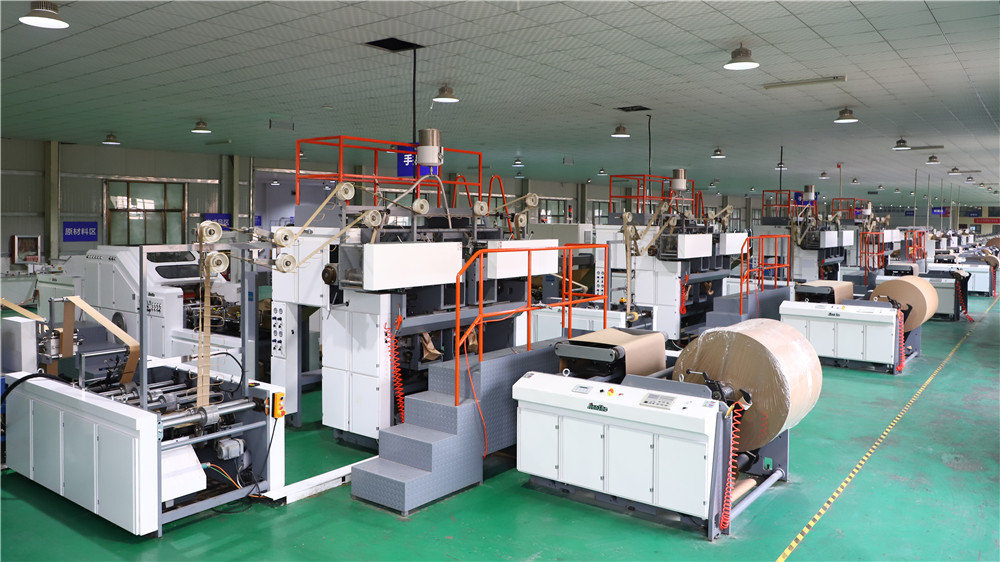
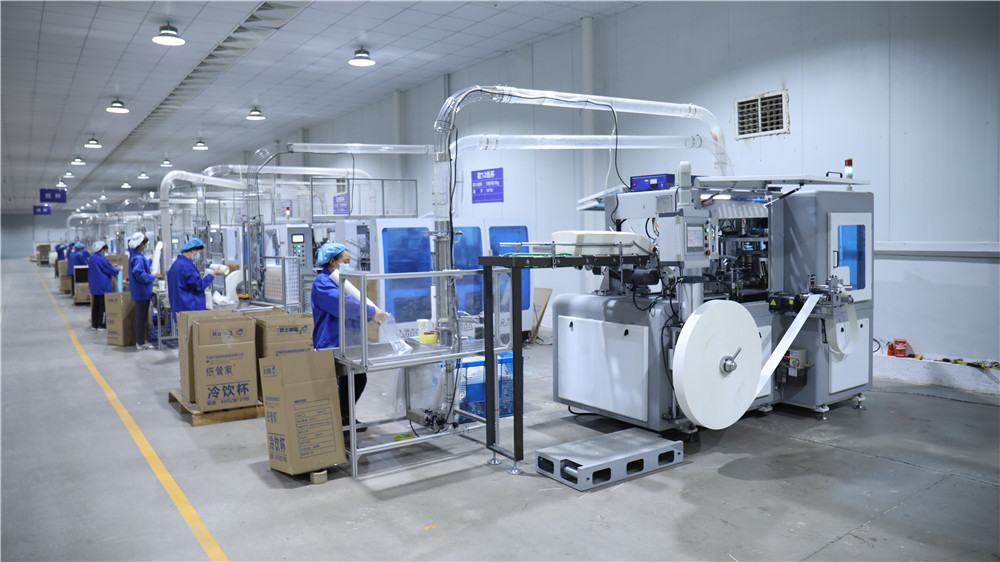
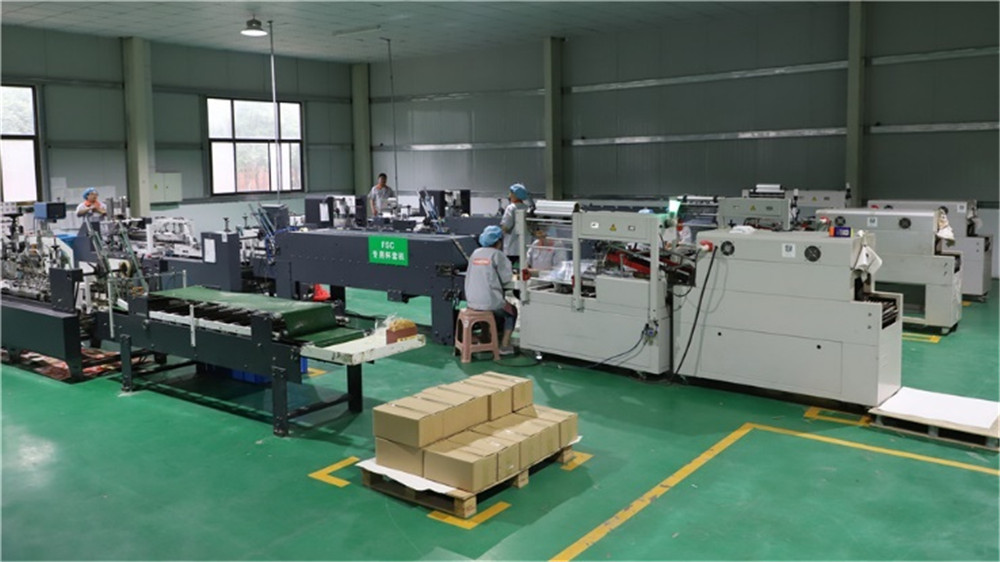
We control the production chain from PLA raw material blending and sheet extrusion to high-speed cup thermoforming, inline quality inspection, printing, and automated packing. This ensures traceability and stable quality control.
Global logistics demand strict reliability. Shandong PsiPrime Packaging Co., Ltd. utilizes close partnerships with major shipping lanes originating from Qingdao Port. This geographical advantage reduces inland haulage costs and shipping times. Furthermore, because PLA is highly sensitive to temperatures above 45°C, our supply chain utilizes climate-controlled storage and insulated ocean containers (reefers) during high-temperature seasons, preventing deformation during transit through tropical channels.
Critical engineering considerations, caliper options, and custom branding technologies for B2B buyers.
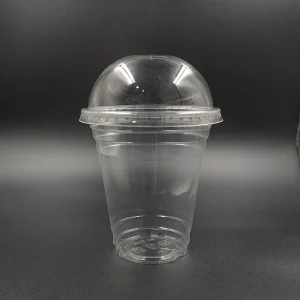
For franchise brands, consistency is critical. Our tooling ensures consistent rim profiles, preventing leaks between the cup and lid interface. We offer flat lids, dome lids with straw holes, and modern strawless sip lids to align with regional straw bans.
Our printing process utilizes high-speed, 8-color UV dry-offset and flexographic printing presses. We use certified food-grade, odor-free inks that adhere to the PLA film without flaking or bleeding under condensation. Whether you need a simple logo or a full-wrap design, our printing lines maintain registration tolerance within ±0.5mm, ensuring clean and sharp brand presentation.
Simplifying international trade compliance, environmental certifications, and chemical safety rules.
All PLA raw materials and additives we use are certified under FDA 21 CFR 177.2420 and European Union Regulation (EU) No. 10/2011 for direct food contact, ensuring they do not migrate toxic chemicals or alter tastes.
Our PLA cups hold official certifications including Biodegradable Products Institute (BPI) certification for North America, and conform to European Standard EN 13432, DIN CERTCO, and OK COMPOST for eco-friendly compliance.
As governments globally levy taxes on single-use fossil-fuel plastics, sourcing 100% bio-based PLA products helps buyers avoid structural fines, plastic import tariffs, and high municipal disposal taxes.
In addition to raw material safety, Shandong PsiPrime Packaging Co., Ltd. provides comprehensive export documentation, including Certificate of Origin (Form A/E/F), SGS testing data, and custom brokerage support. This helps minimize customs delays, ensuring a smooth and reliable import process for our customers.
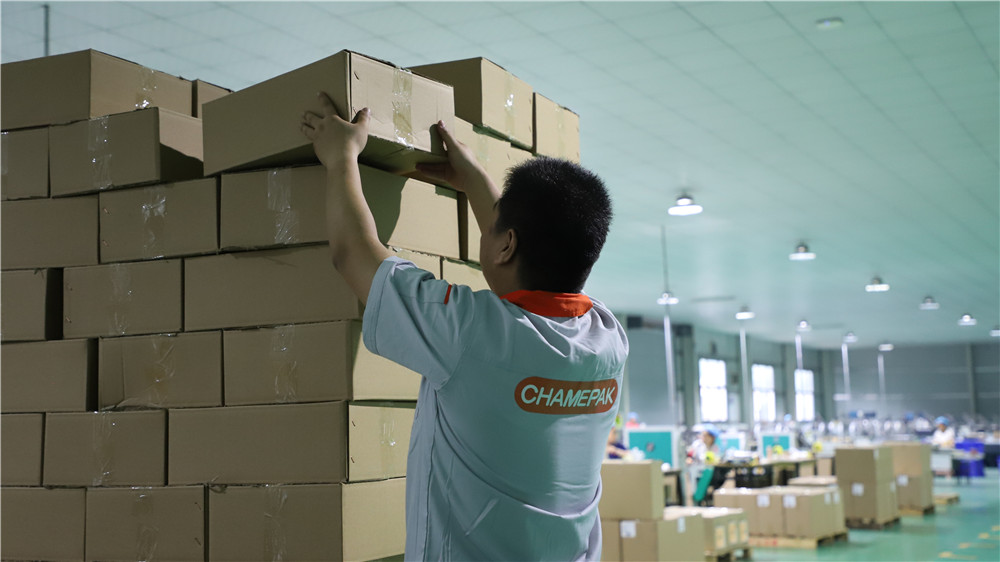
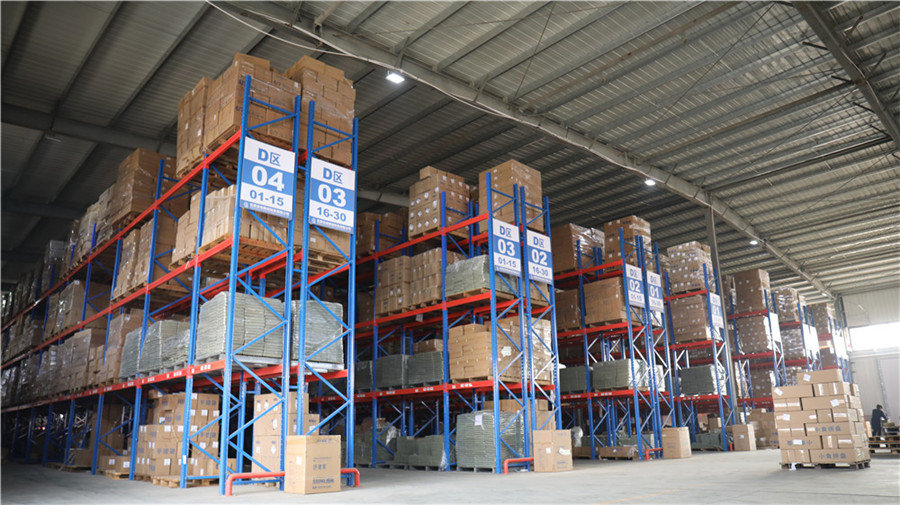
Inside our automated production line: step-by-step from raw materials to final packaging.
Understanding the shifts in raw materials, municipal laws, and consumer demand shaping the bio-packaging sector.
The global biodegradable foodservice packaging market is projected to grow significantly, driven by regulatory bans on single-use plastics and rising consumer preference for sustainable alternatives. Key industry trends include:
By partnering with a vertically integrated manufacturer like Shandong PsiPrime Packaging Co., Ltd., sourcing companies can secure stable pricing, consistent quality, and a reliable supply chain amid changing international regulatory environments.
How businesses integrate PLA cold cups across different sectors to combine branding with sustainability.
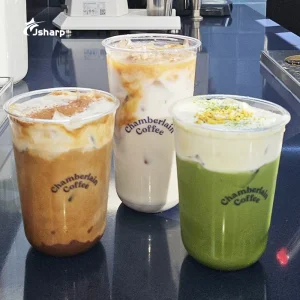
High-clarity PLA cups showcase the visual layers of iced lattes, nitro cold brews, and macchiatos, maintaining product appeal while aligning with the eco-friendly focus of modern specialty coffee brands.
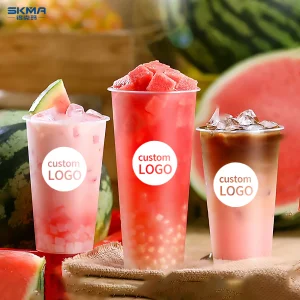
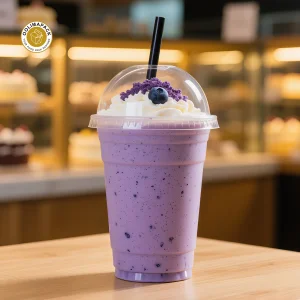
Our 90mm and 95mm caliber U-shape cups are designed to withstand high-speed sealing machines. They are ideal for serving bubble tea, thick smoothies, and fruit juices with custom brand logo printing.
For music festivals, conferences, and sporting events, our certified compostable cups help organizers meet green initiatives, simplify waste sorting, and reduce cleanup times.
Get quick, direct answers regarding pricing, shelf life, shipping, and technical specifications.
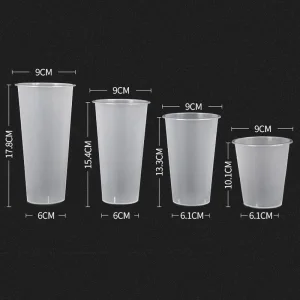
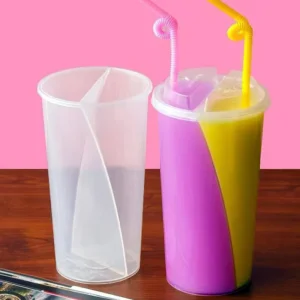
Explore our complete catalog, featuring double-walled, frosted, split-cup, and classic custom-printed PLA and PP beverage packaging solutions.
 PsiPrime Packaging