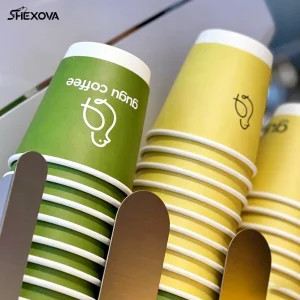
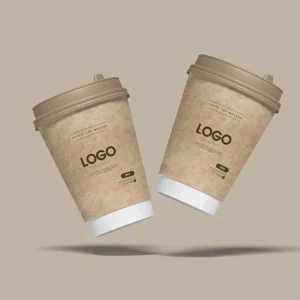
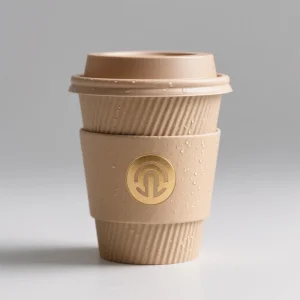
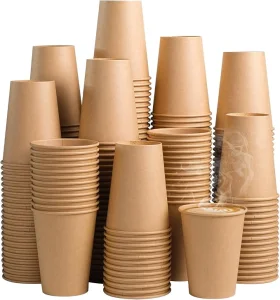
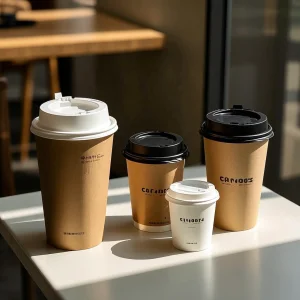
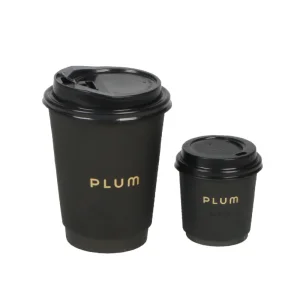
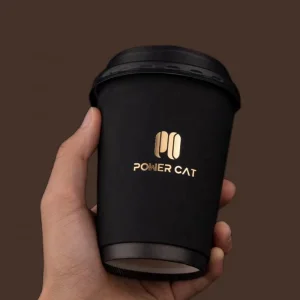
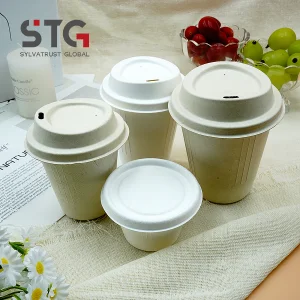
Explore our industrial-grade compostable hot-drink containment systems, leveraging advanced structural barrier engineering and renewable material substrates.
As a premier global enterprise, Shandong PsiPrime Packaging Co., Ltd. is dedicated to advancing sustainable packaging solutions and promoting the reduction of single-use plastics. We serve as a vital conduit helping foodservice and food-related industries transition toward more environmentally responsible, zero-waste operations. By challenging traditional petrochemical barriers, we formulate advanced, food-grade coatings and structural cardboards that align with the global transition toward bio-based, circular economies.
Our core commercial thesis revolves around the concept of “plastic alternatives.” We firmly believe that biodegradable and compostable packaging materials represent the future of sustainable development. By utilizing renewable plant-based feedstocks, such as bagasse fiber and FSC-certified wood pulp, combined with next-generation bio-polymers like PLA and PBS, we engineer disposable food packaging solutions that leave zero microplastics in the environment. We help brands globally navigate the evolving regulatory landscapes and consumer sentiments toward eco-responsibility.
The engineering of sustainable compostable coffee cups requires overcoming complex physical barrier challenges to ensure integrity, insulation, and safety.
Traditionally, paper cups are lined with polyethylene (PE) to provide a moisture and grease barrier. However, PE-lined cups are nearly impossible to recycle in standard paper processing facilities and are not biodegradable. Shandong PsiPrime Packaging Co., Ltd. resolves this critical issue through a multi-tiered technological roadmap utilizing advanced coating engineering:
Sourced from corn starch or sugarcane, PLA acts as a thermal barrier lining. Our PLA formulations are optimized for standard hot beverage delivery, maintaining mechanical rigidity up to 85°C (185°F). They are fully compostable in industrial facilities.
Representing the forefront of eco-barrier technology, our water-based barrier coatings (aqueous dispersion) are applied directly to the paperboard. This eliminates the polymer film layer entirely, allowing the cups to be easily repulped and recycled in conventional paper streams.
For high-temperature applications requiring extreme thermal stability, we are pioneering Polybutylene Succinate (PBS) and Polyhydroxyalkanoates (PHA) coatings. These materials offer marine-biodegradability and home-compostable properties under natural conditions.
Our R&D team works on the microscopic level to refine the heat-sealing activation temperatures, preventing delamination at the cup's bottom seam. By optimizing the crystallization kinetics of our biopolymers, we increase the mechanical tensile strength indices, ensuring our cups exhibit no structural failure or leakage over prolonged exposure to boiling liquids.
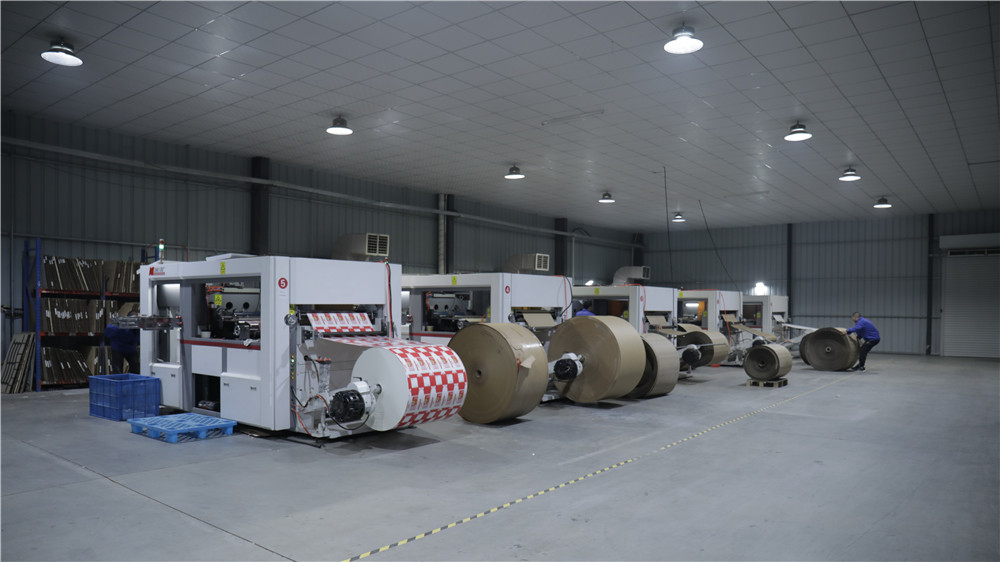
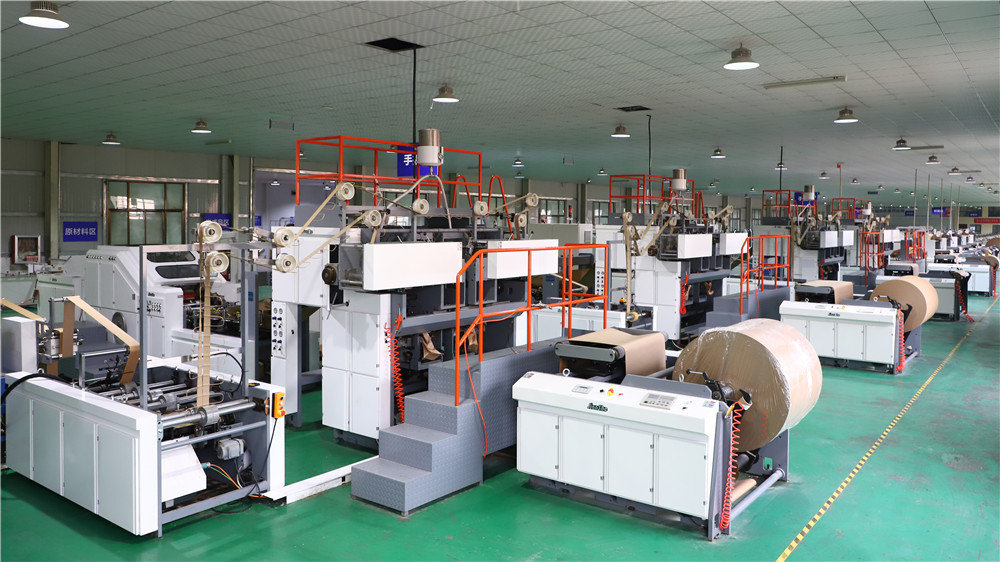
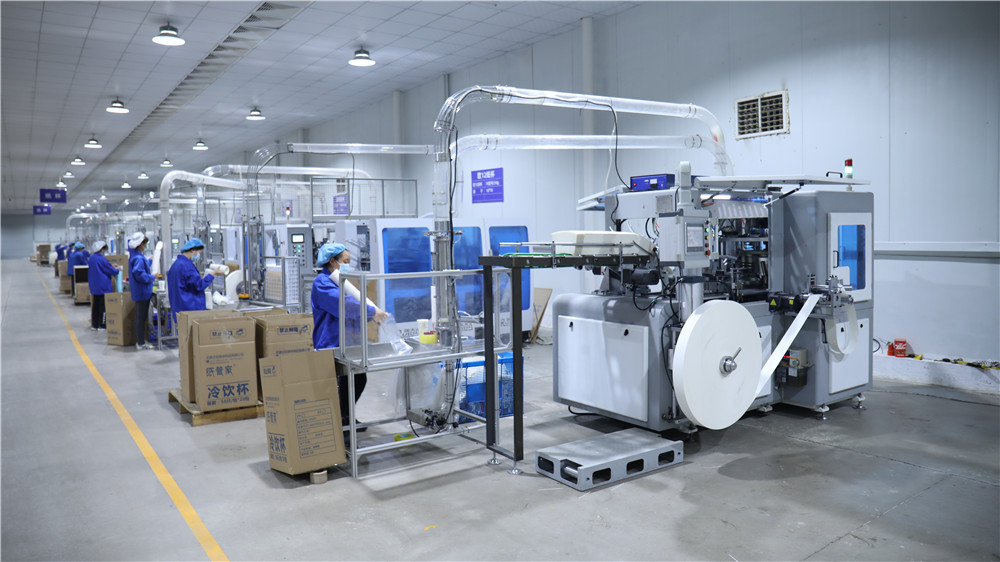
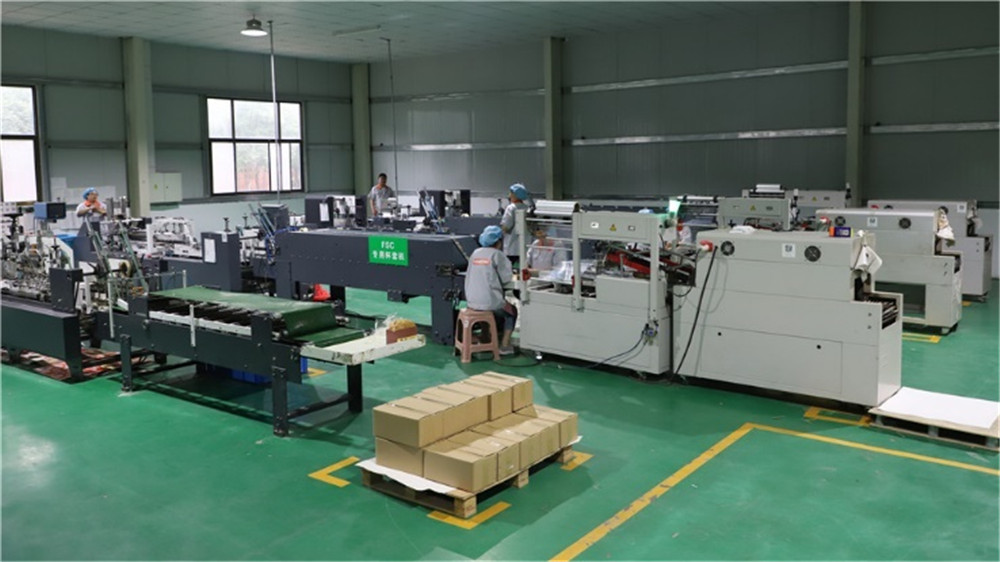
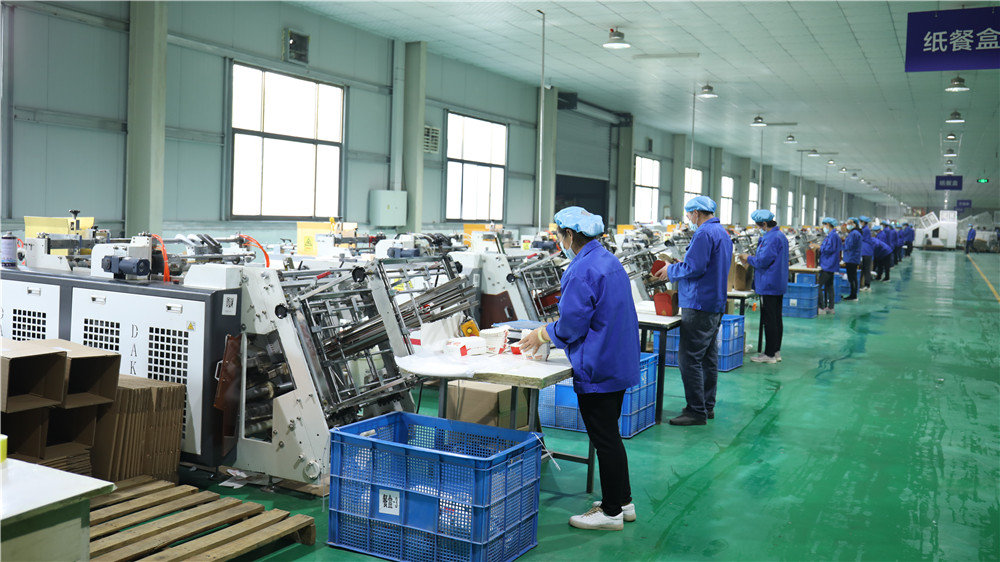
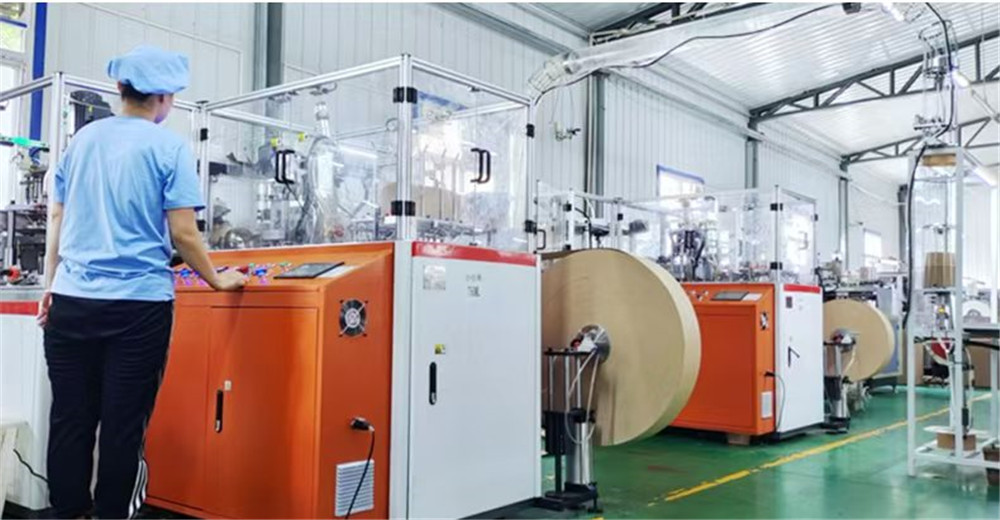
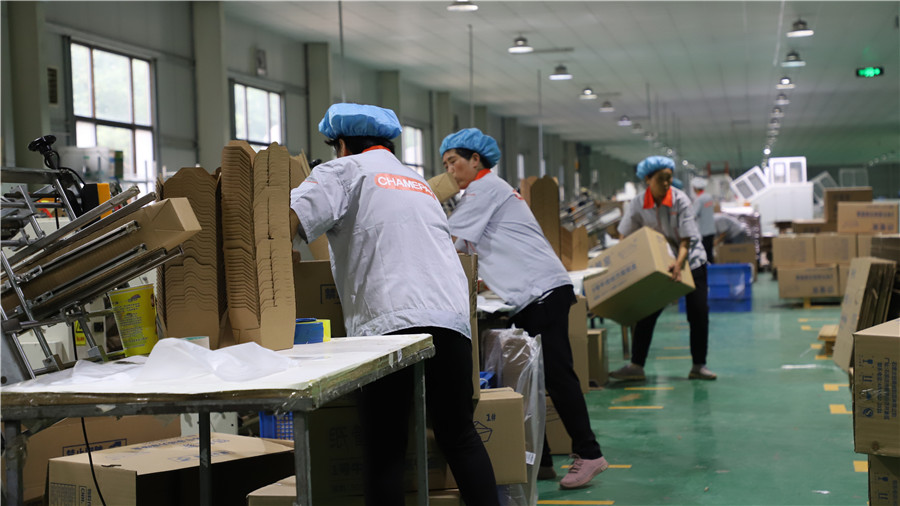
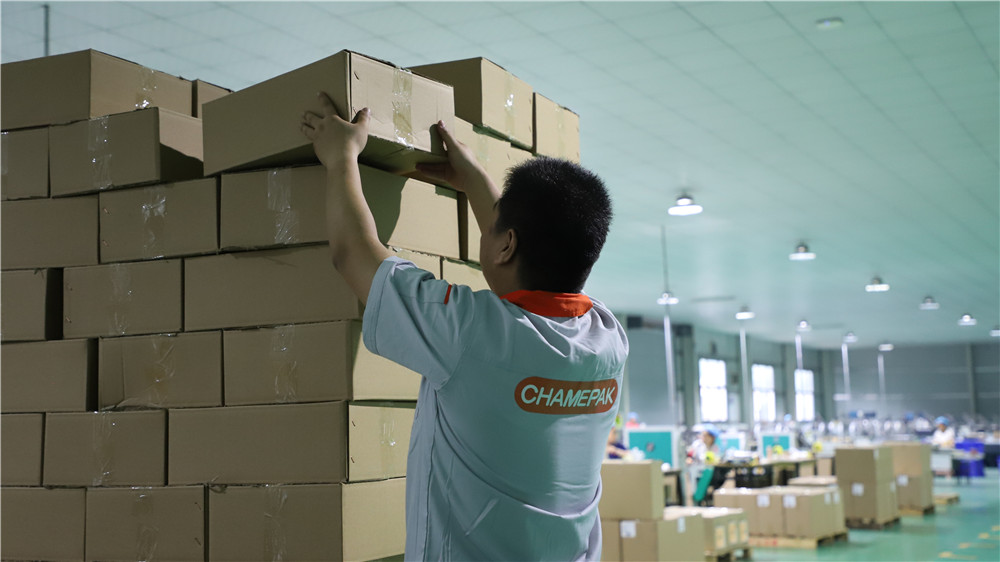
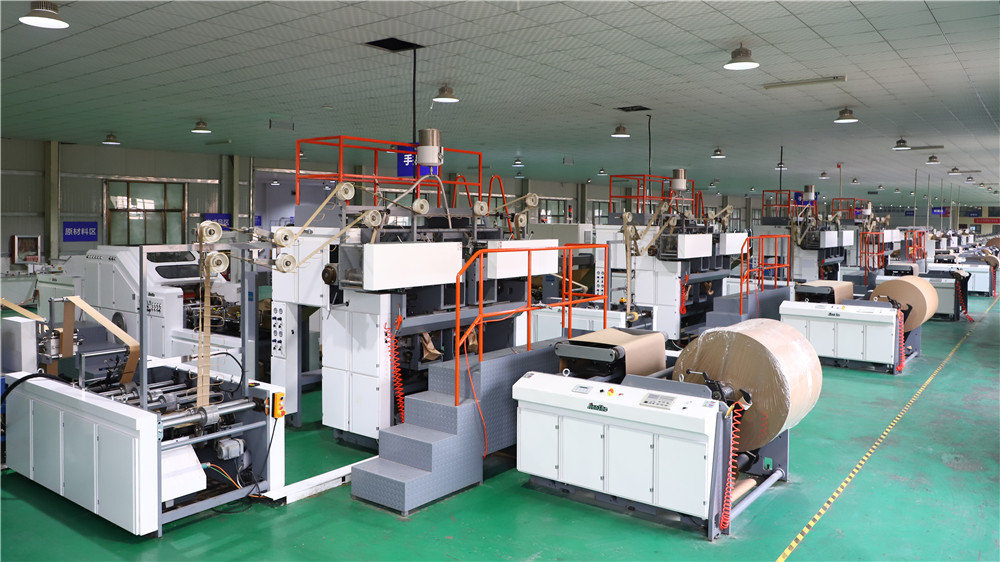
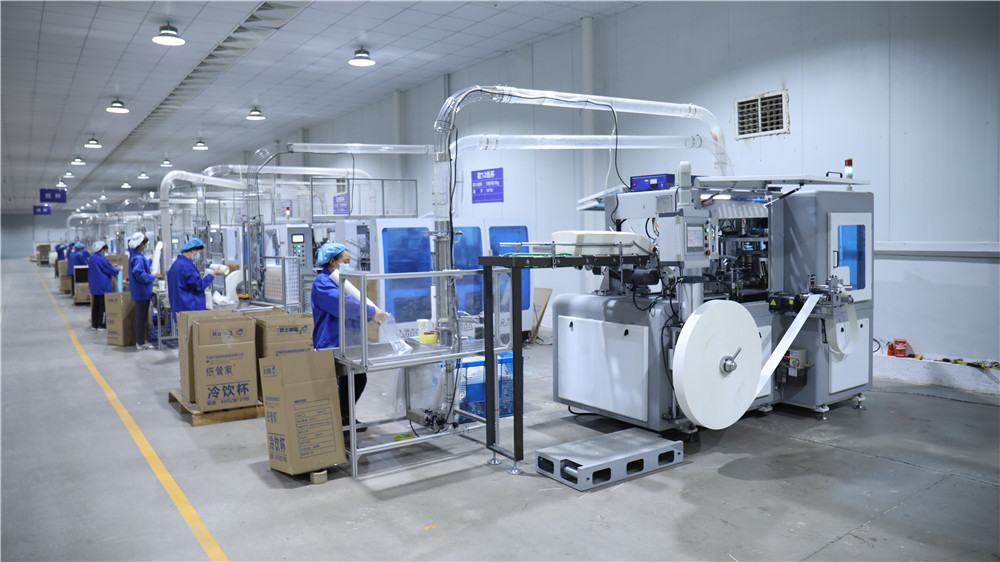
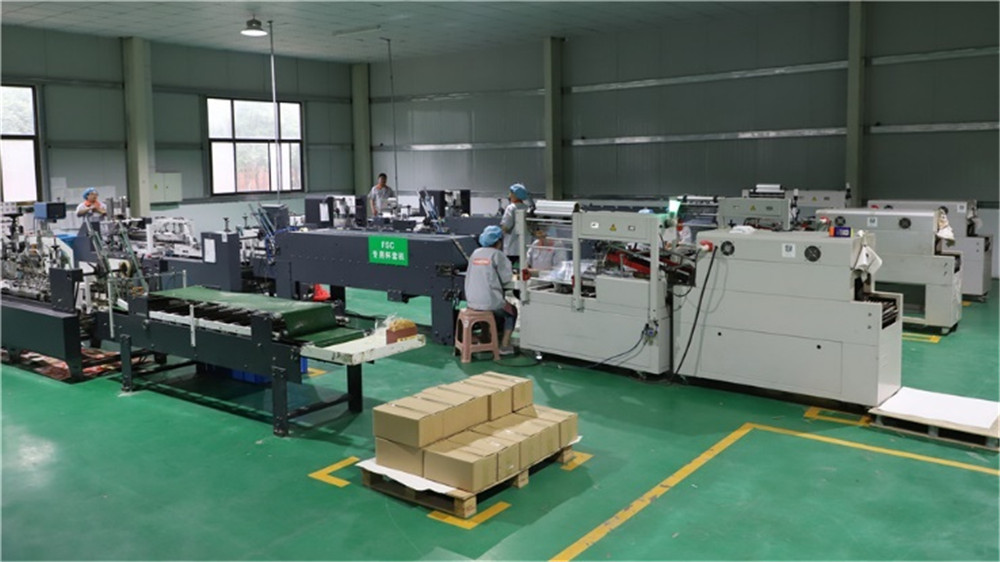
Our state-of-the-art production facility in Shandong, China, integrates advanced industrial automation, high-speed precision molding, and strict lean manufacturing protocols to deliver robust volume capacity.
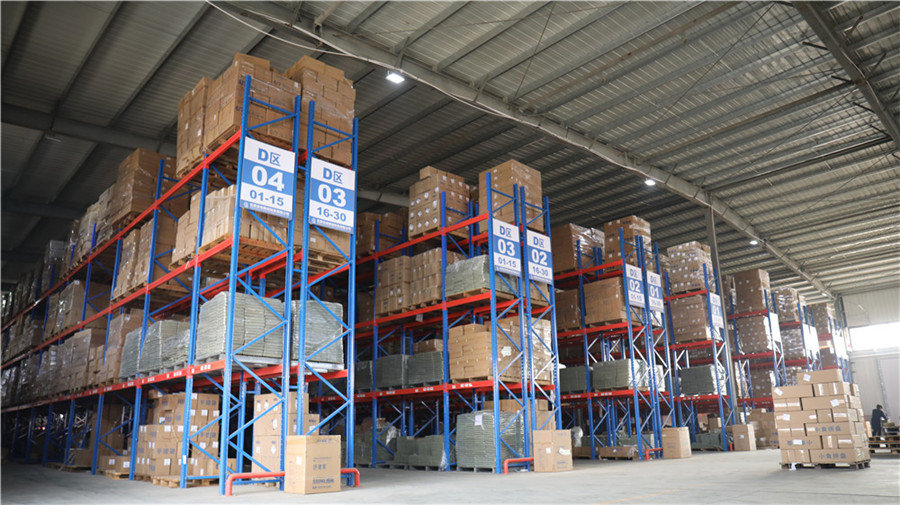
By implementing Internet of Things (IoT) sensors and digital quality monitoring at each step of production, Shandong PsiPrime Packaging Co., Ltd. guarantees unparalleled product consistency. From primary precision material cutting to high-speed forming, our automated lines minimize human handling, maintaining the highest levels of food hygiene. Our supply chain resilience is anchored in our domestic sourcing of high-purity virgin pulp, direct logistics routes, and automated warehousing systems.
Global food brands, multinational coffee shop chains, and delivery giants face unprecedented pressures to meet Scope 3 emissions targets and ESG (Environmental, Social, and Governance) expectations. Packaging plays a pivotal role in this calculus. Switching to compostable paper coffee cups from fossil-fuel-derived alternatives lowers carbon footprints across the product lifecycle.
By conducting comprehensive Life Cycle Assessments (LCAs), we ensure our carbon footprint from raw materials to manufacturing is minimized. When composted, our cups break down into water, CO2, and nutrient-rich organic matter. This supports soil quality instead of producing methane in landfill systems.
Shandong PsiPrime Packaging Co., Ltd. designs customized circularity programs for urban waste streams. We partner with local composting facilities and waste management agencies, securing closed-loop disposal routes for universities, stadiums, corporate campuses, and large-scale festivals.
Navigating global chemical laws and food contact safety guidelines requires strict material testing and validation.
At Shandong PsiPrime Packaging Co., Ltd., we prioritize regulatory compliance. We provide complete chemical safety documentation and heavy metal migration test reports to ensure our clients face no friction during customs clearance or distribution. Our materials undergo testing to meet global standards:
FDA Title 21 CFR food contact compliance, ensuring zero toxic chemical transfer. We hold BPI (Biodegradable Products Institute) certification under ASTM D6400 guidelines for industrial compostability.
Fully compliant with EU Regulation No. 10/2011 on plastic materials intended to come into contact with food, and DIN CERTCO / TÜV AUSTRIA OK Compost Home & Industrial certifications under EN 13432.
Certified AS 4736 (industrial biodegradation) and AS 5810 (home compostability) compliance for Australian markets, and strict adherence to China's GB 4806.8 national food safety standard.
Streamlined customization, design support, and supply chain logistics engineered for large-scale operations.
Our enterprise integration services help brand managers, procurement professionals, and distributors introduce customized eco-friendly packaging with ease. Our standard operating procedures (SOP) include:
Choose from cup substrates (e.g., bagasse, FSC kraft paper, bleached pulp) and coatings (e.g., PLA, aqueous dispersion, PBS) matching your specific beverage temperature profile and shelf life requirements.
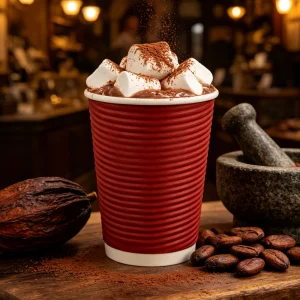
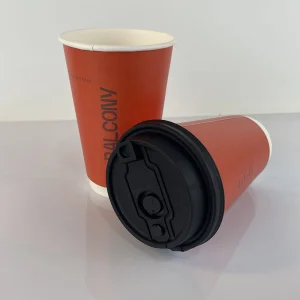
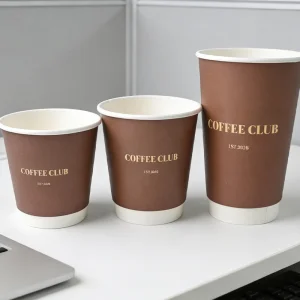
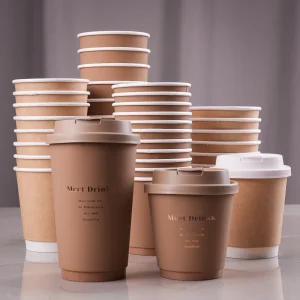
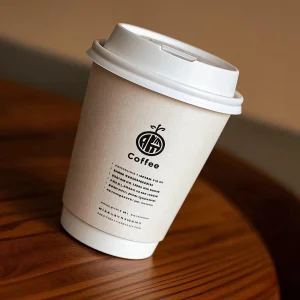
Choose from single-wall, double-wall, or ripple-wall designs. Double-wall and ripple-wall cups provide excellent air-gap thermal insulation, eliminating the need for separate cardboard sleeves.
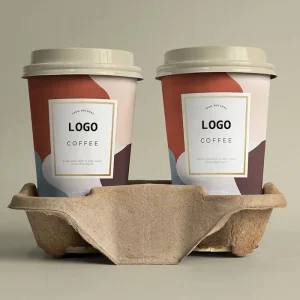
We use soy- and water-based inks for flexographic and offset printing, ensuring your custom logos look clear without introducing toxic compounds or interfering with the compostability process.
Our factories are equipped to handle high-volume orders, with a standard Minimum Order Quantity (MOQ) tailored to support container-load efficiencies. We coordinate closely with global freight forwarders to manage FOB, CIF, or DDP shipments, ensuring reliable on-time delivery.
Detailed technical explanations and purchase details to help you make informed decisions.
Explore our custom-engineered single-layer and double-wall insulated paper cups, designed for commercial food service operations.
 PsiPrime Packaging