Engineered with proprietary wax formulations and eco-friendly substrates to satisfy stringent food-safety and barrier performance metrics.
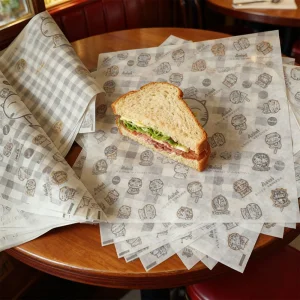
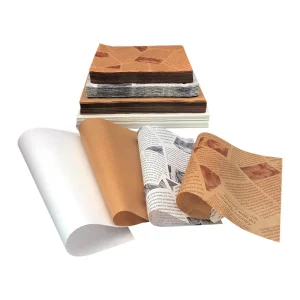
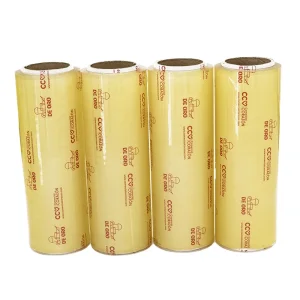
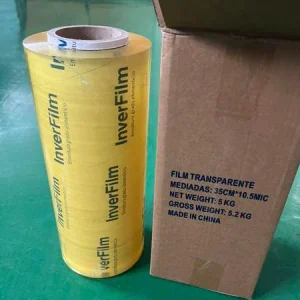
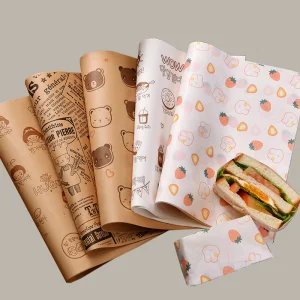
The food packaging sector is undergoing a profound structural shift driven by legislative mandates, shifting consumer preferences, and advances in material science. Waxed food wrapping rolls, historically utilized as a basic barrier solution for butcher shops and delis, have evolved into a highly engineered technology essential for sustainable food preservation. Unlike conventional plastic wraps that generate persistent microplastics or standard uncoated papers that fail under high-grease conditions, modern waxed rolls utilize a composite architecture to balance mechanical integrity with eco-friendly decomposition profiles.
Historically, commercial food wrapping relied heavily on paraffin waxes derived from petroleum refining. While effective at creating a hydrophobic barrier, paraffin-waxed papers present difficulties regarding end-of-life processing. The current market trajectory favors sustainable, renewable coatings such as refined beeswax, soy-wax blends, and plant-derived formulations. These natural coatings offer comparable moisture vapor transmission rates (MVTR) and high grease resistance (measured via Kit rating tests) while degrading naturally without contaminating compostable streams. This development aligns with the global push to replace single-use plastics in quick-service restaurants (QSR), institutional catering, and meat-processing operations.
"Information Gain Insight: The integration of natural waxes onto base papers derived from Forest Stewardship Council (FSC) certified mills has created a circular product lifecycle, transforming a high-volume consumable into an environmental asset rather than a waste management liability."
Regulatory initiatives like the EU Single-Use Plastics Directive (SUPD), the California Assembly Bill 1200, and nationwide bans on PFAS (per- and polyfluoroalkyl substances) in food contact materials have reshaped procurement standards. Procurement officers are no longer just looking at cost per square meter; they must verify chemical compliance. PFOS/PFAS had been the standard for greaseproofing paper for decades, but the industry is shifting toward waxes and physical-barrier coatings. Waxed rolls provide a natural physical barrier that prevents grease penetration without the use of fluorinated chemicals, helping brands maintain regulatory compliance.
B2B buyers, including multinational food service groups, large-scale bakery networks, and packaging distributors, operate within a demanding risk-management framework. Ensuring consistent supply chains while adhering to sustainability standards requires a clear understanding of material performance. In the procurement of waxed food wrapping rolls, buyers evaluate three primary performance variables:
The ability to contain moisture and fats is crucial. Dry-waxed papers, where the wax is driven into the paper fibers, are suited for warm food applications (e.g., wrap sheets). Wet-waxed papers, which feature a surface glaze, are ideal for cold-storage barriers (e.g., butcher sheets).
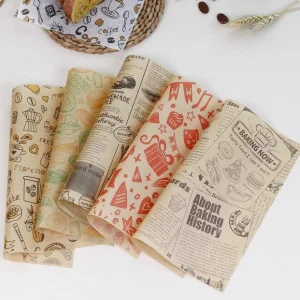
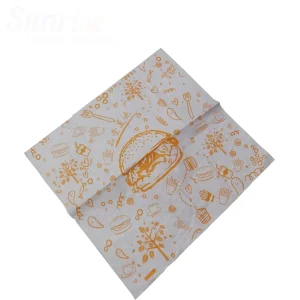
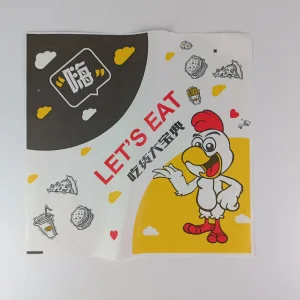
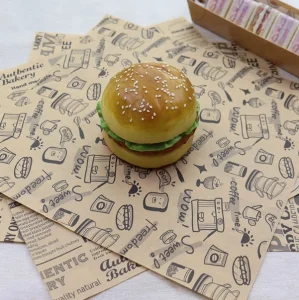
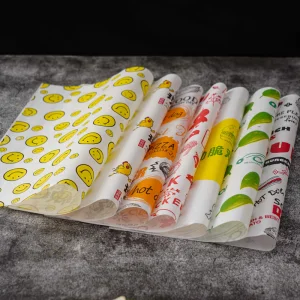
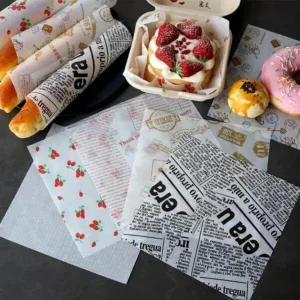
Brand visibility remains a key differentiator. The challenge lies in applying water-based or soy-based inks to paper substrates prior to waxing, ensuring the inks do not bleed or migrate under heat, grease, or high-humidity conditions.
As municipalities build out industrial composting facilities, B2B procurement demands certifications showing that waxed materials will decompose cleanly according to ASTM D6400 or EN 13432 standards.
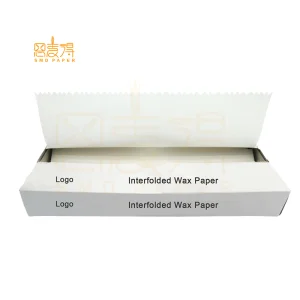
Industrial buyers require manufacturers to provide stable pricing and reliable delivery schedules. The raw material supply chain of food wrapping involves paper mills, chemical refiners for natural/synthetic waxes, and ink suppliers. Companies that control these vertical steps are better equipped to absorb pricing fluctuations in pulp and base resins. Additionally, because transport volumes for food packaging rolls are high, manufacturers must offer customized configurations—such as jumbo master rolls, pre-cut dispenser boxes, or interfolded sheets—to help clients reduce storage footprints and minimize handling costs.
Driving Sustainable Innovation in Eco-Friendly and Biodegradable Food-Grade Barrier Systems.
Shandong PsiPrime Packaging Co., Ltd. is committed to advancing sustainable packaging solutions and promoting the reduction of single-use plastics, helping foodservice and food-related industries transition toward more environmentally responsible operations.
The company strongly believes that biodegradable and compostable packaging materials represent the future of sustainable development. It actively promotes the concept of “plastic alternatives” and works to raise awareness of eco-friendly packaging across global markets. With extensive industry experience and a reliable supply chain, we provide high-quality, sustainable food packaging solutions to customers in many countries and regions.
Shandong PsiPrime Packaging Co., Ltd. specializes in the research, development, and manufacturing of eco-friendly food-grade packaging products. Its product portfolio includes compostable food containers, paper-based food packaging, eco-friendly paper bags, food wrapping paper, and disposable catering supplies. These solutions are designed to meet the diverse needs of restaurants, food delivery platforms, food processors, and retail businesses.
The company is dedicated to a customer-centric philosophy, offering one-stop customization services ranging from product design and material selection to custom printing. This enables clients to build strong, recognizable brand packaging while maintaining sustainability goals. At the same time, we emphasize stable delivery performance and strict quality control to ensure efficient and reliable global supply.
Through continuous improvements in production processes and supply chain management, Shandong PsiPrime Packaging Co., Ltd. enhances both cost efficiency and operational reliability, supporting clients in achieving sustainable growth in competitive markets. Looking ahead, the company will continue investing in innovation in biodegradable materials and expanding the application of compostable products across more industries, working together with global partners to build a low-carbon, environmentally friendly, and sustainable future.
Our highly integrated production facility combines automated machinery, high-precision slitting, and cleanroom packaging to maintain strict quality standards.
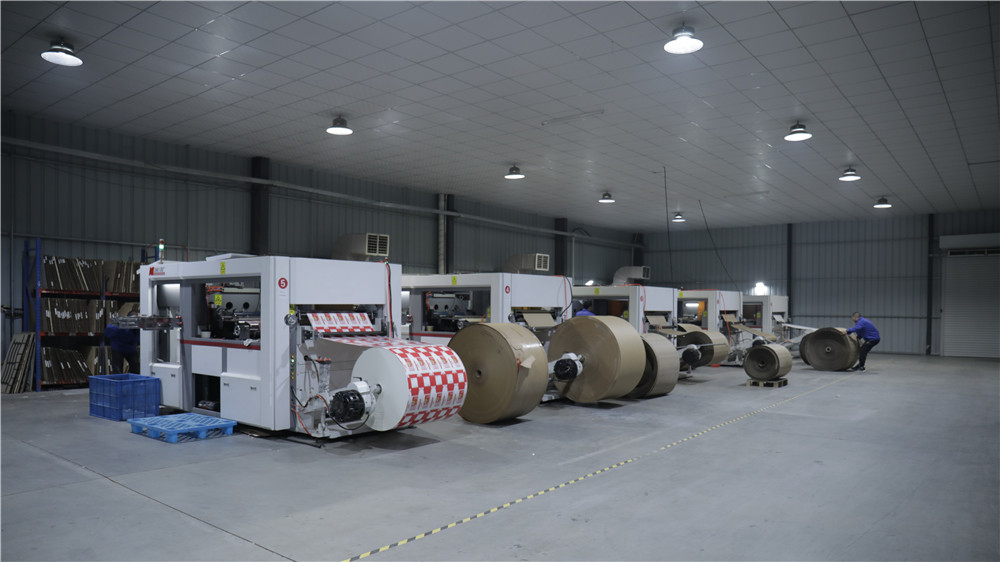
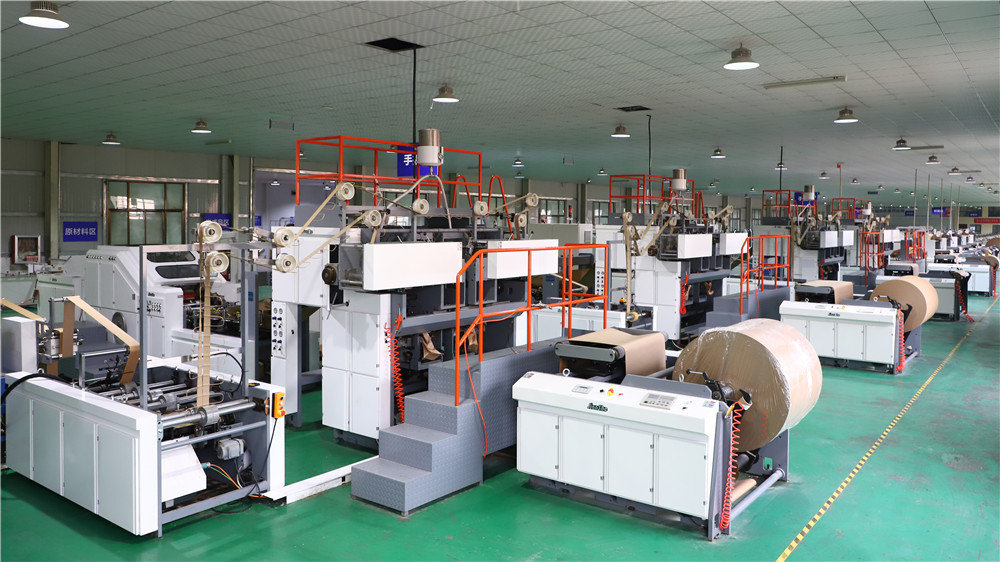
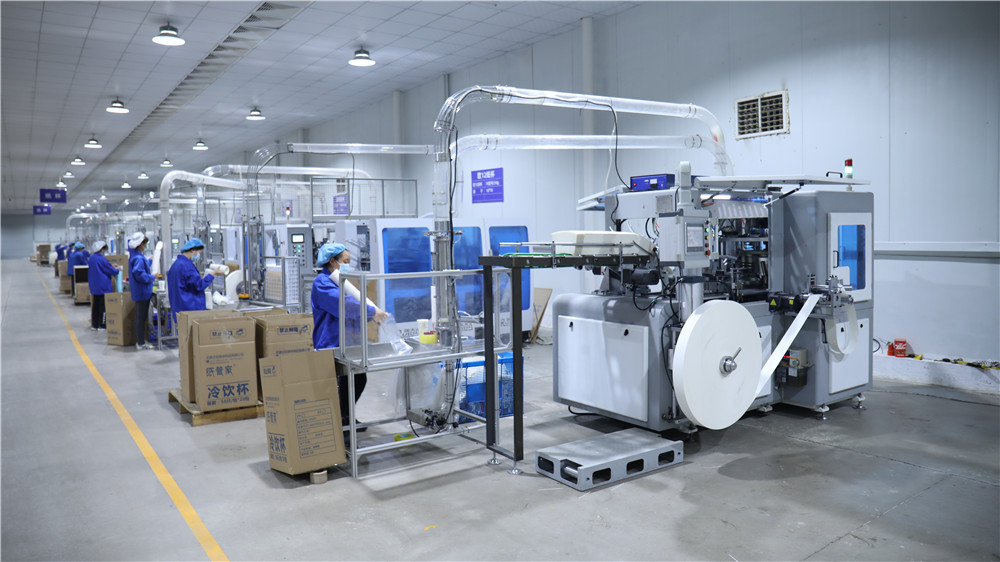
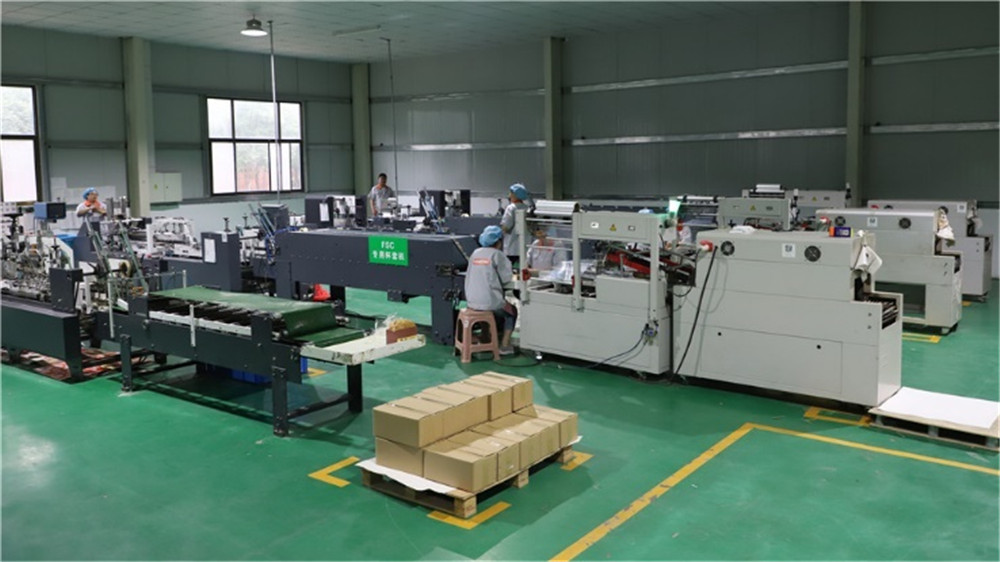
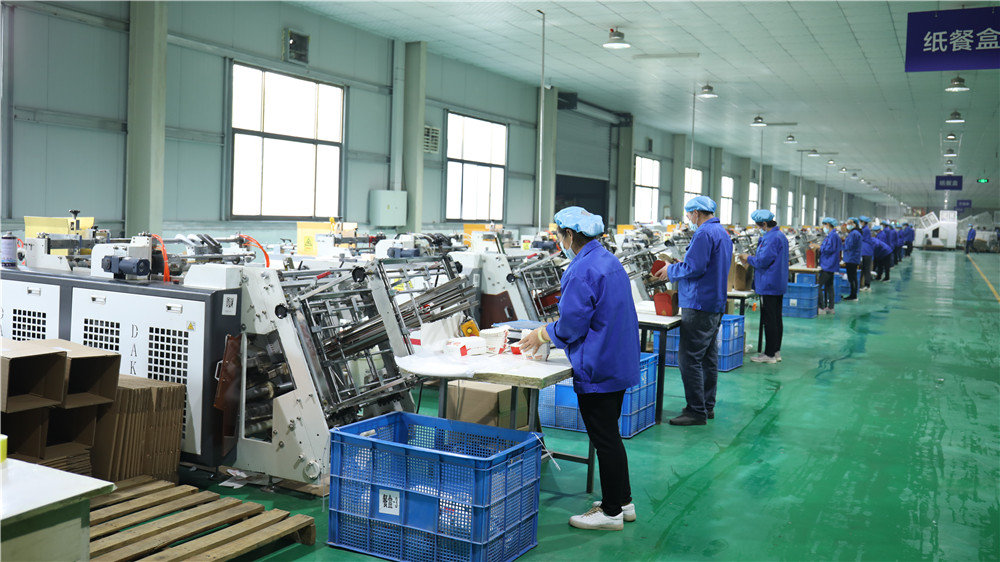
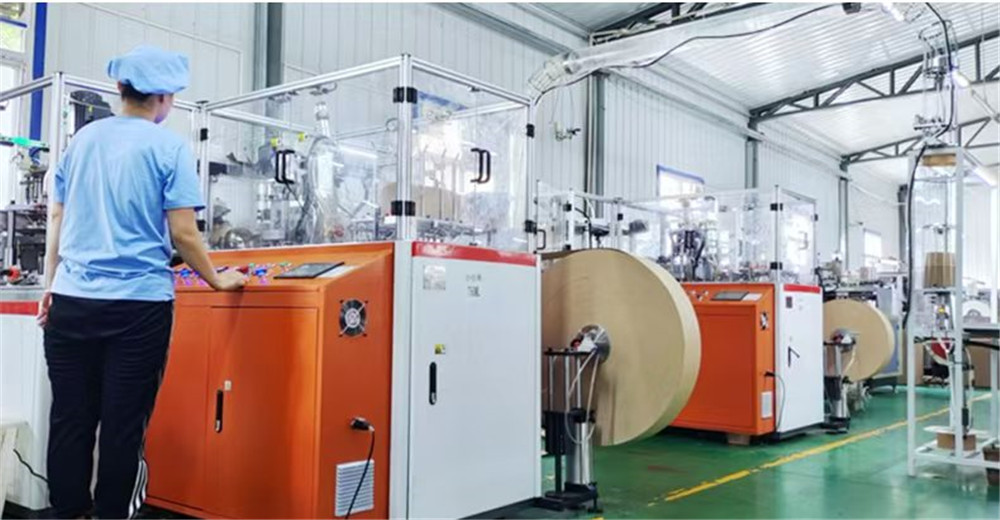
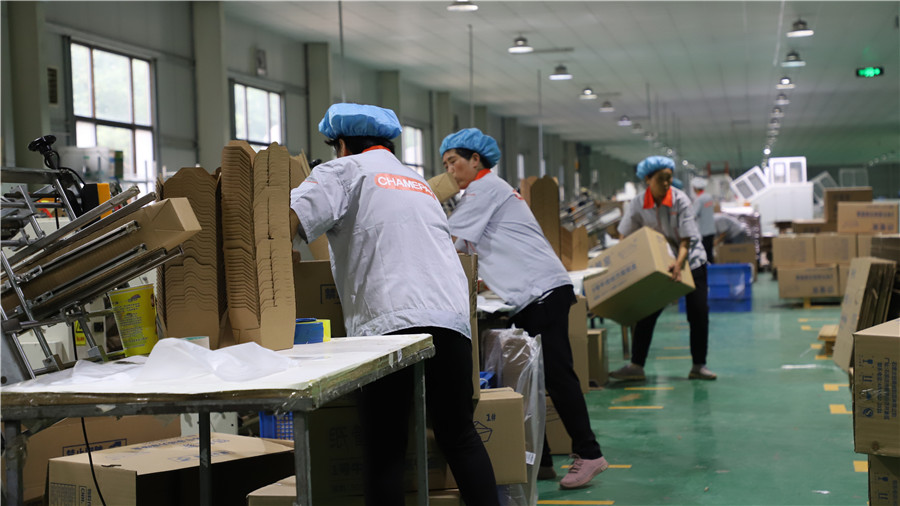
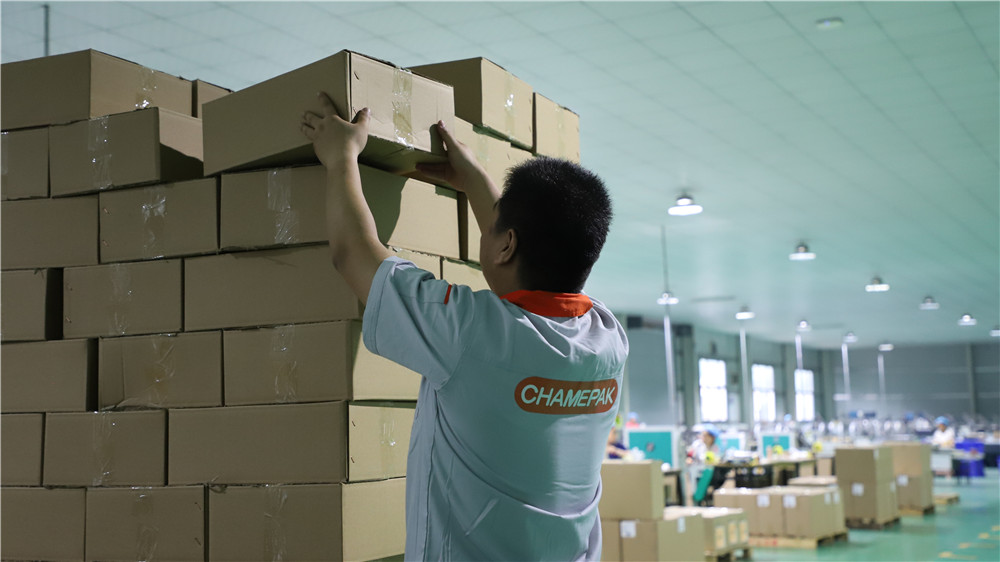
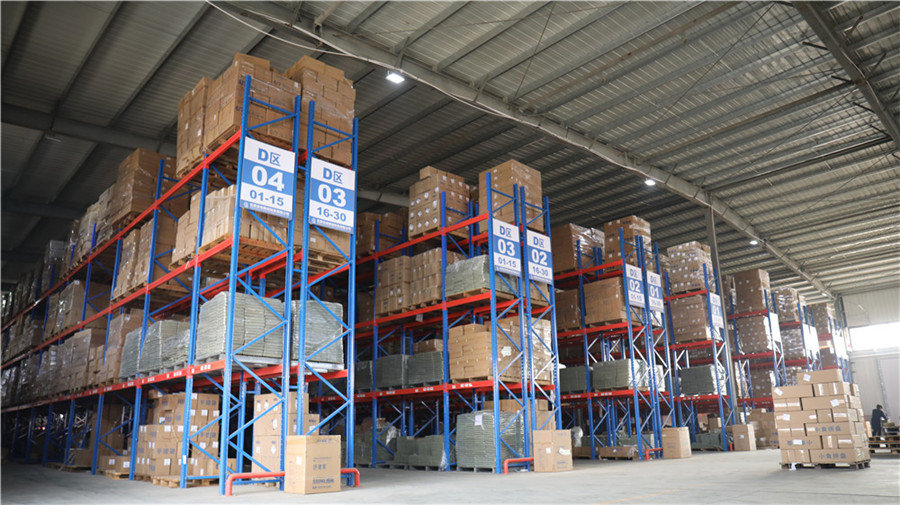
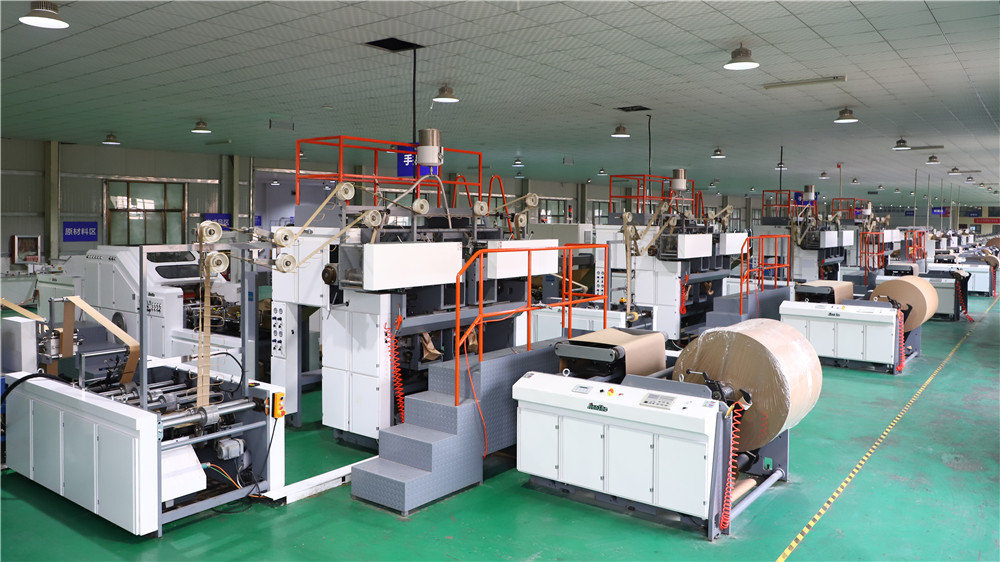
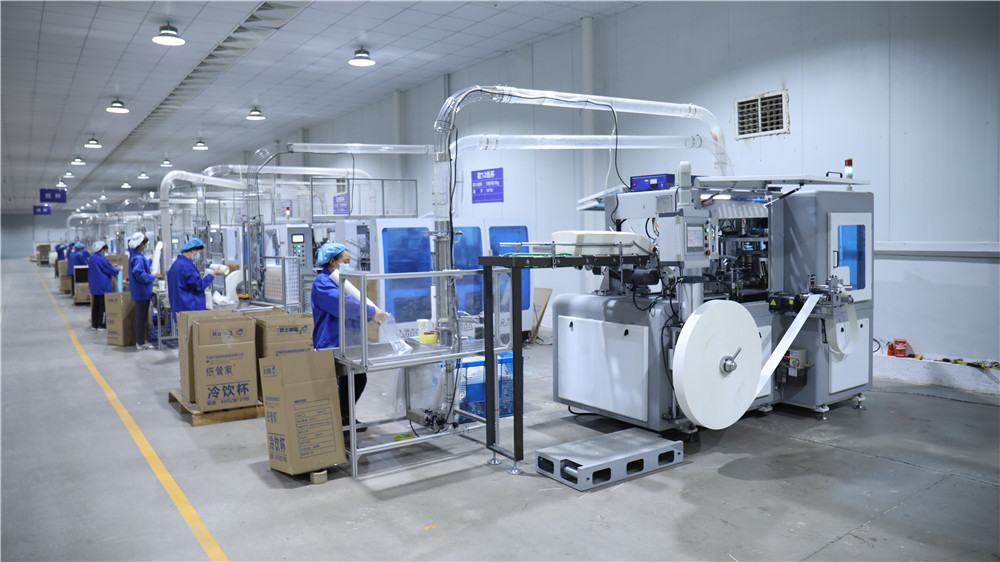
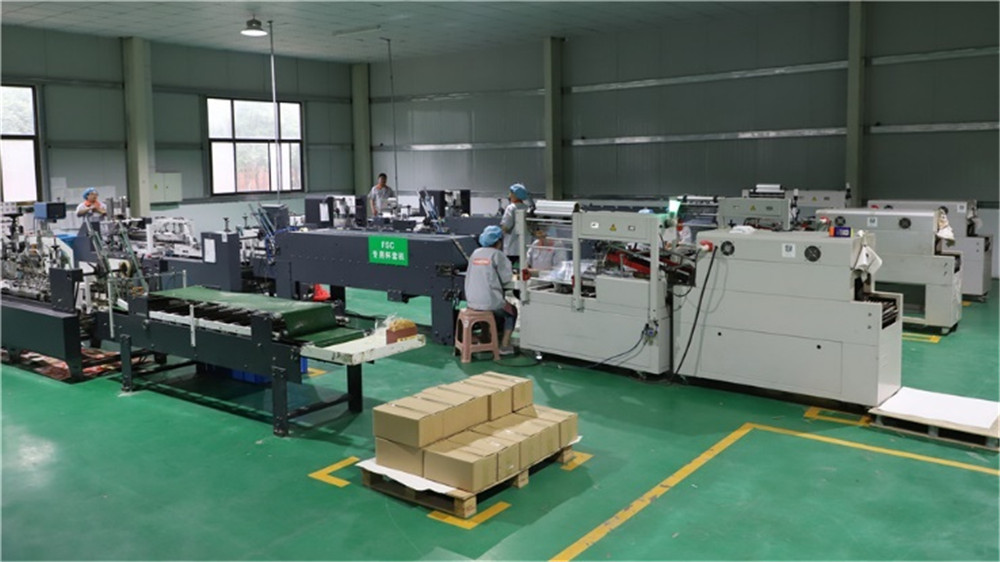
By leveraging Factory 4.0 paradigms, Shandong PsiPrime Packaging Co., Ltd. integrates automation from basic material processing to secondary conversion (cutting, forming, checking, packing). The coordination between automated slitting systems and multi-color flexographic printing machines maintains dimensional consistency across production runs. In-line defect detection systems identify printing issues or coating unevenness, ensuring only compliant material is packed for export.
This manufacturing integration is crucial for global supply chain resilience. Under volatile container-freight dynamics and raw pulp pricing, the ability to scale production runs while maintaining high material efficiency minimizes unit overhead. Operating from our production base in Shandong, we maintain strong relationships with domestic container ports, ensuring stable export logistics to North America, Europe, Oceania, and Southeast Asia.
Waxed paper wrap is not a one-size-fits-all product. Different applications require specific grease resistance, moisture retention, and breathability profiles. Below, we examine the typical structural demands across distinct commercial scenarios:
In fast-food operations, packaging must handle greasy and high-temperature foods like burgers and fries. For these applications, dry-waxed sheets with a medium-weight base paper (typically 25-35 gsm) are ideal. The wax layer prevents moisture loss while resisting hot oil without tearing. Additionally, the paper's dead-fold performance—its ability to stay folded around a hot sandwich without tape—helps speed up high-volume food prep.
For artisanal cheese and baked goods, packaging must manage gas exchange to prevent surface drying or mold growth. Unlike airtight plastic wraps, specialty waxed papers offer a breathable barrier. They allow small amounts of carbon dioxide and moisture to escape while maintaining a protective micro-climate. For these applications, natural beeswax-based coatings on unbleached Kraft paper provide both functional protection and a rustic, artisan aesthetic.
Industrial meat processing requires heavy-duty wet-waxed sheets. These sheets feature a thick layer of food-grade wax on both sides of a high-tensile base sheet (often 40-60 gsm). This provides strong moisture resistance and prevents blood or grease from seeping through during transport. Additionally, the wax surface prevents food items from sticking to the wrap, helping protect delicate cuts during thawing or freezing.
Addressing the technical, regulatory, and mechanical questions asked by procurement professionals and packaging engineers.
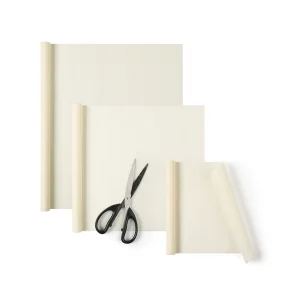
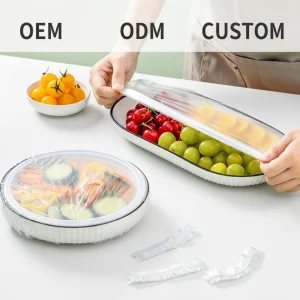
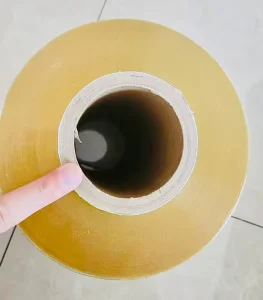
A broad range of high-performance wraps designed for commercial kitchens, food processing plants, and retail packaging lines.
 PsiPrime Packaging