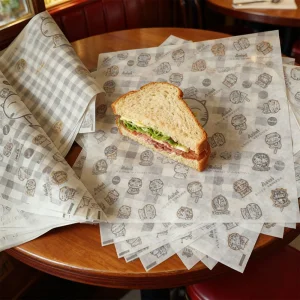
Shandong PsiPrime Packaging Co., Ltd. is a globally recognized manufacturer and exporter dedicated to formulating, engineering, and mass-producing high-performance biodegradable food cartons, containers, and comprehensive catering supplies. We exist to address the critical environmental impact of traditional fossil-fuel-based single-use plastics. By offering high-integrity "plastic alternatives," we support quick-service restaurants (QSRs), industrial food processors, global distribution networks, and hospitality groups in decarbonizing their operations.
Our philosophy centers on bridging the gap between ecological responsibility and functional excellence. We believe that sustainable packaging must perform just as well as, or better than, legacy petroleum-based products. To achieve this, we leverage natural fibers—such as sugarcane bagasse, agricultural residues, and responsibly harvested wood pulp—creating oil-resistant, water-resistant, and high-heat food containers that break down cleanly in commercial composting systems.
As a client-centric enterprise, Shandong PsiPrime Packaging Co., Ltd. operates a vertically integrated business model. From initial material R&D and compound blending to structural carton design, automated forming, and multi-color customized flexographic printing, we offer a comprehensive OEM/ODM package. We maintain a reliable global supply chain that guarantees strict quality control and predictable lead times, ensuring your business meets local regulatory demands while enhancing your brand's environmental profile.
Globally, the food and beverage industry is experiencing intense regulatory and consumer pressure to eliminate expanded polystyrene (EPS) and single-use plastics. Shandong PsiPrime Packaging Co., Ltd. addresses this transition by designing systems that integrate directly into circular economic frameworks.
Optimized structural stiffness prevents structural failure during transit. High heat-retention keeps food fresh, while breathable bagasse molds eliminate condensation and sogginess.
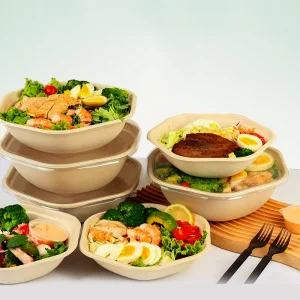
High-barrier salad bowls and multi-compartment trays designed for high-speed automated filling lines. They feature excellent film-sealing characteristics and compatibility with cold-chain storage.
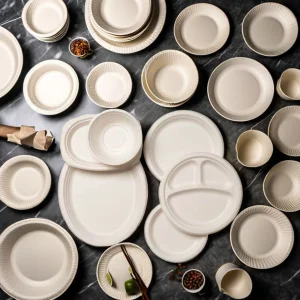
Lightweight, easily stackable, and space-saving designs for schools, hospitals, and corporate catering. These options simplify post-consumer waste sorting by being fully compostable.
The primary challenge with natural fiber packaging is ensuring reliable barrier protection. Raw agricultural fibers are naturally hydrophilic (water-absorbing) and lipophilic (oil-absorbing). Shandong PsiPrime Packaging Co., Ltd. uses clean, mechanical, and food-grade chemical engineering processes to solve this issue.
Bagasse is the fibrous residue left behind after crushing sugarcane stalks to extract juice. Instead of burning this material, we refine it into high-cellulose pulp. Because the fibers are naturally short and highly cross-linked, they form incredibly dense molded sheets. We use mechanical refining processes that retain the natural strength of the fibers, avoiding harsh chemical bleaching. This process produces high-density food cartons that maintain their shape and structural integrity under load.
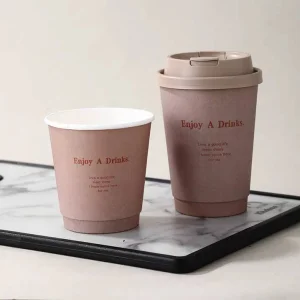
Traditionally, paper cups and lunchboxes are lined with Polyethylene (PE) or Polypropylene (PP) to prevent liquid penetration. However, this thin plastic layer prevents the container from being composted or recycled. Our research and development team focuses on aqueous dispersion barrier coatings. These coatings use water-based polymer emulsions that penetrate the paper surface. When dried, they form a micro-thin, continuous protective barrier that resists hot oils and boiling water. Because the barrier is water-dispersible, the package can be easily repulped during paper recycling and breaks down completely in standard industrial composting systems.
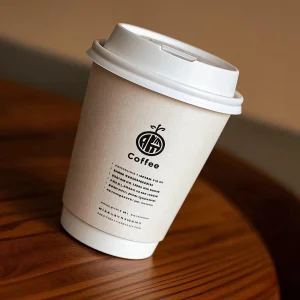
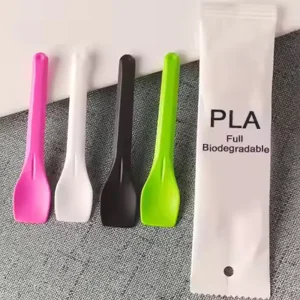
For products that require exceptional rigidity and clear heat resistance—such as coffee cup lids, soup containers, and ice cream spoons—we utilize PLA (Polylactic Acid) and CPLA (Crystallized Polylactic Acid). Derived from fermented plant starches (mostly corn starch), PLA serves as an excellent lining material. For high-temperature applications up to 95°C (203°F), CPLA is processed through crystallization to enhance its thermal performance, ensuring structural stability without relying on petrochemical additives.
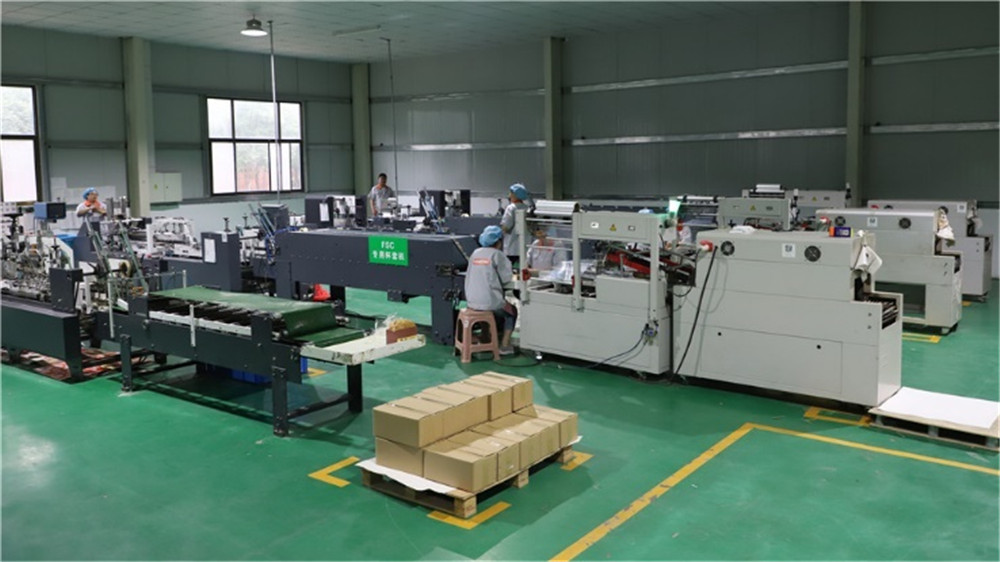
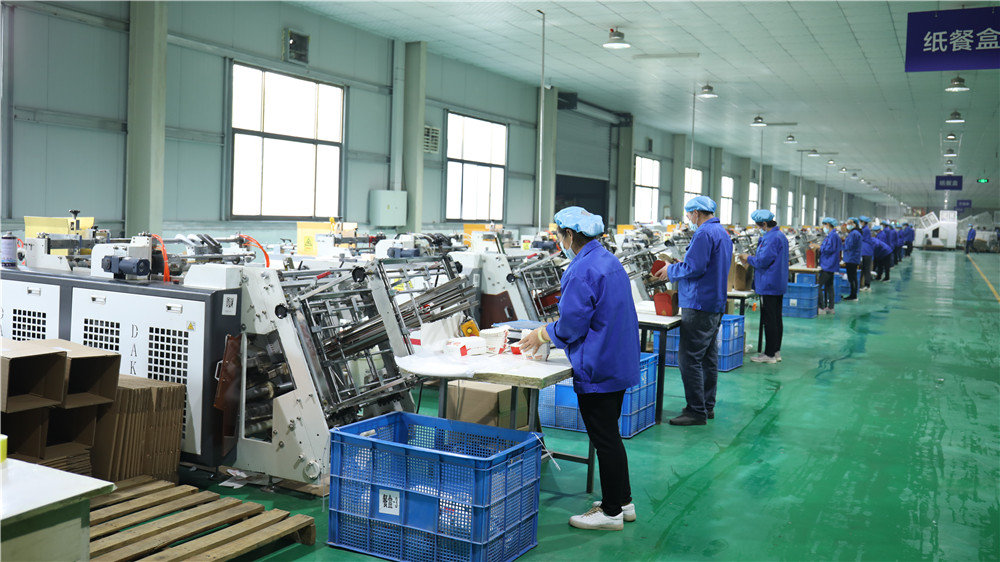
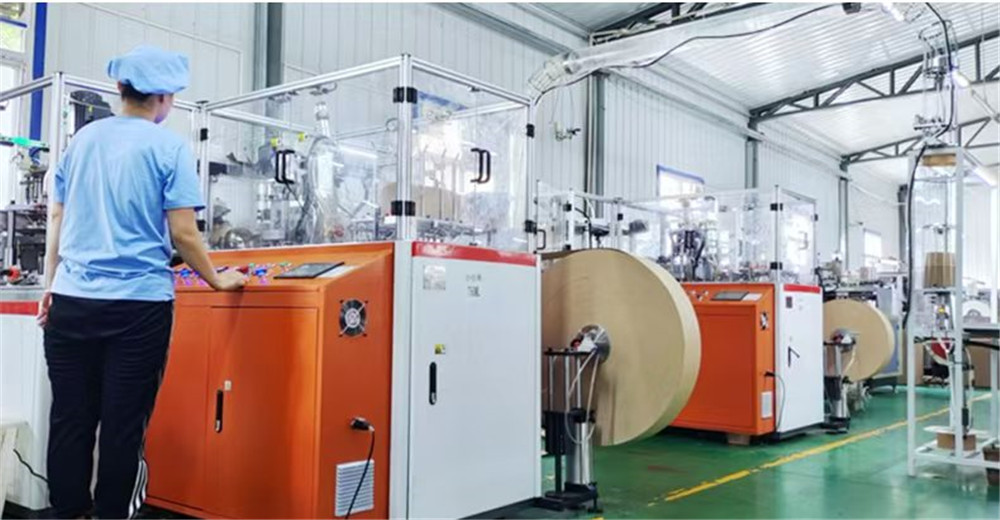
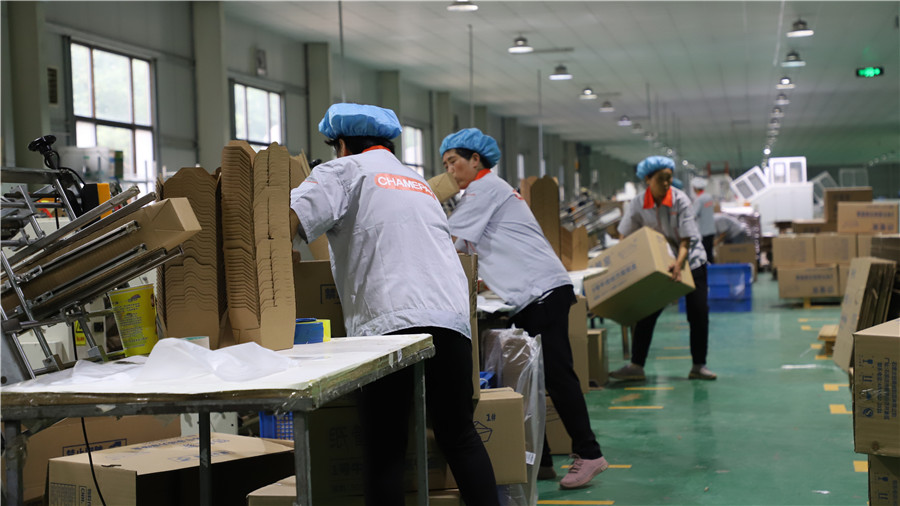
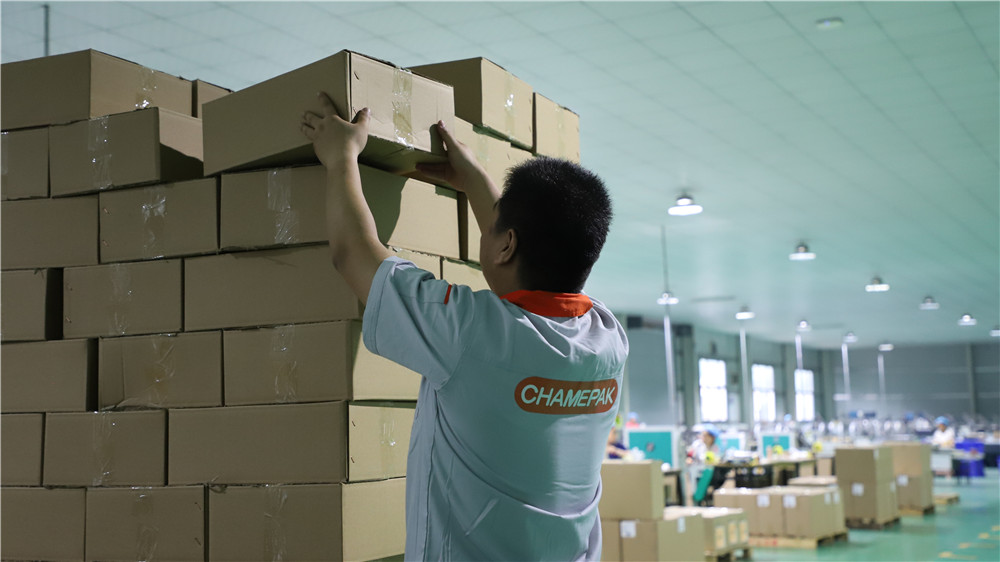
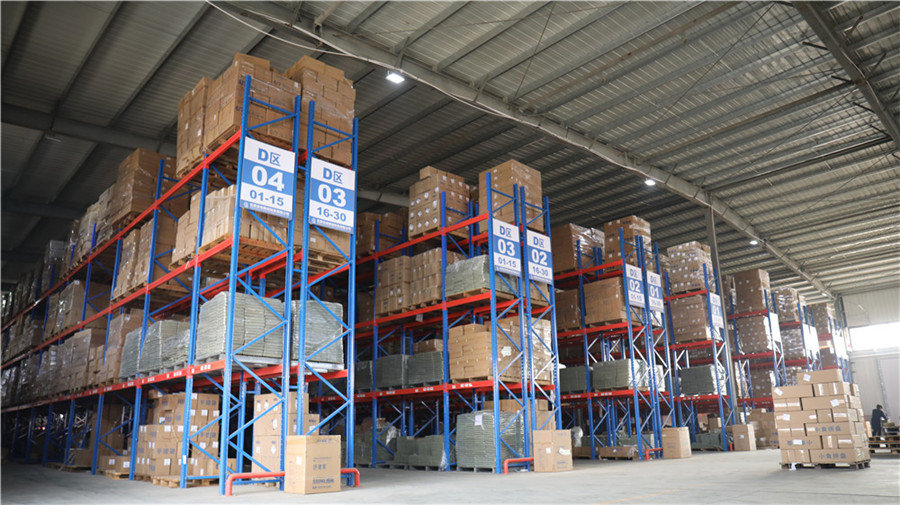
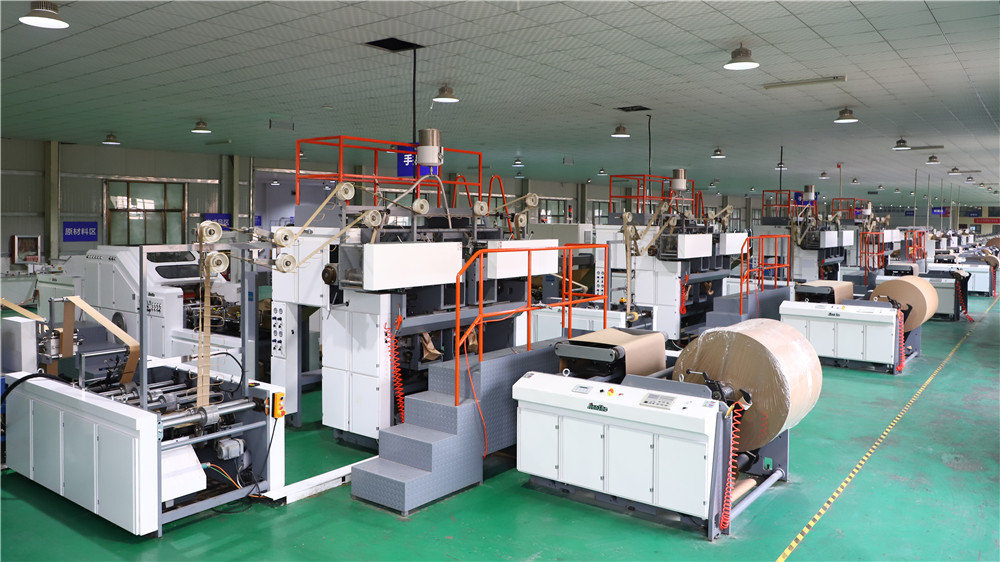
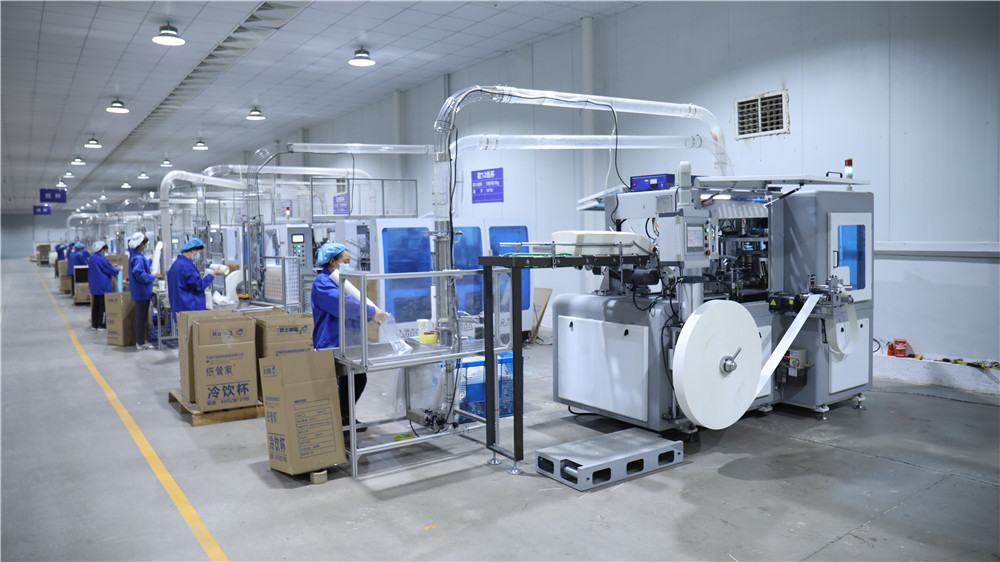
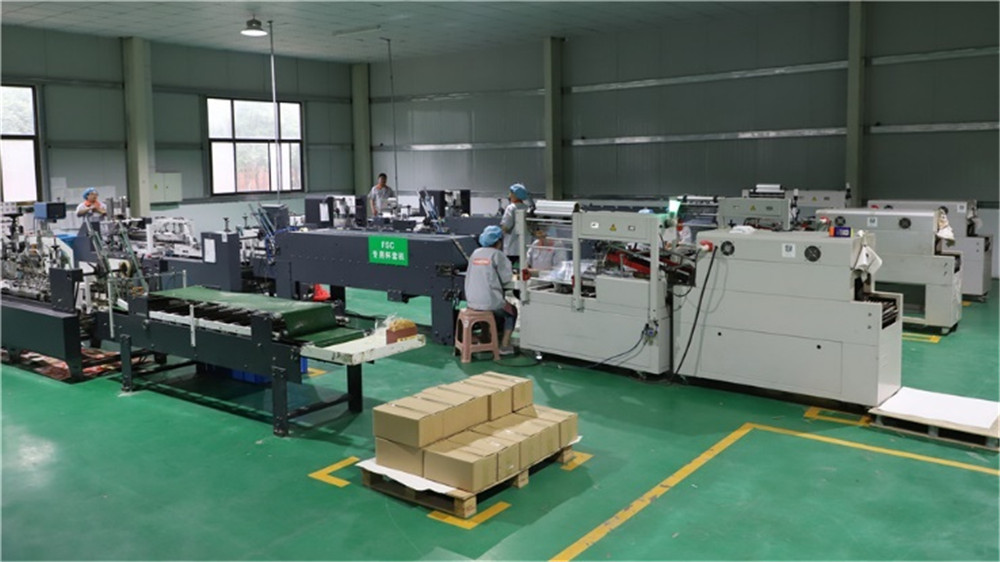
Our state-of-the-art production facility uses automated thermoforming and conversion lines to maintain consistent quality and meet high global demand.
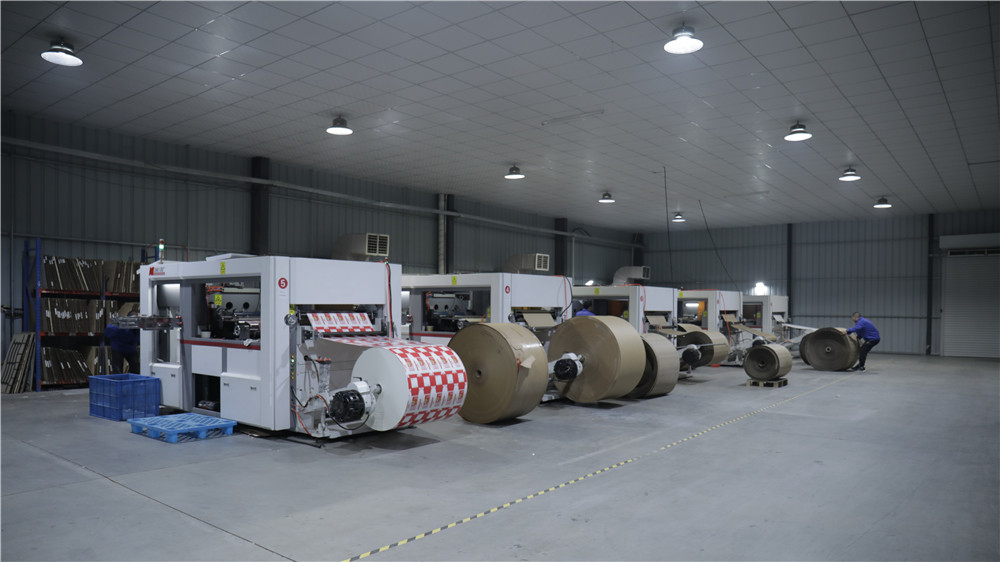
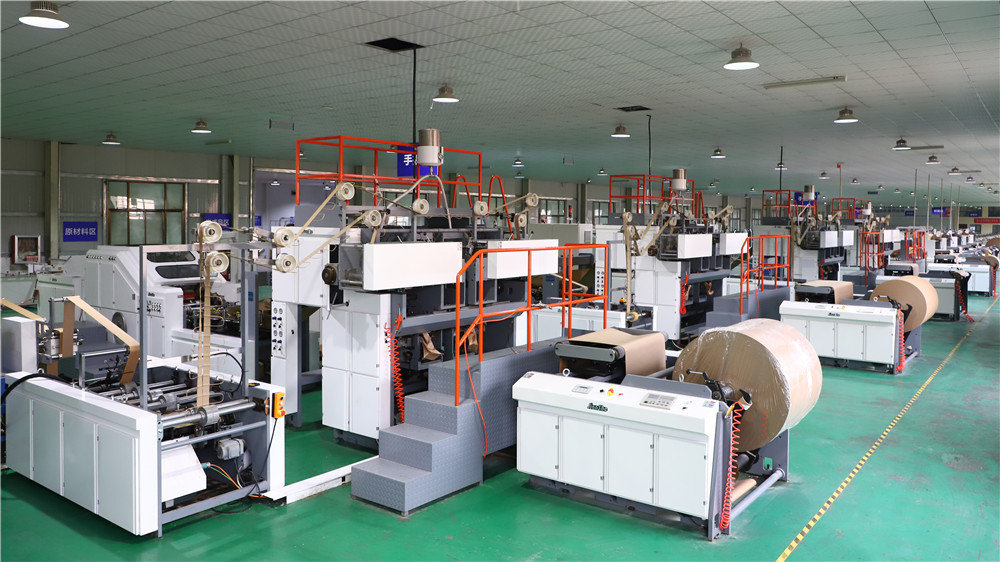
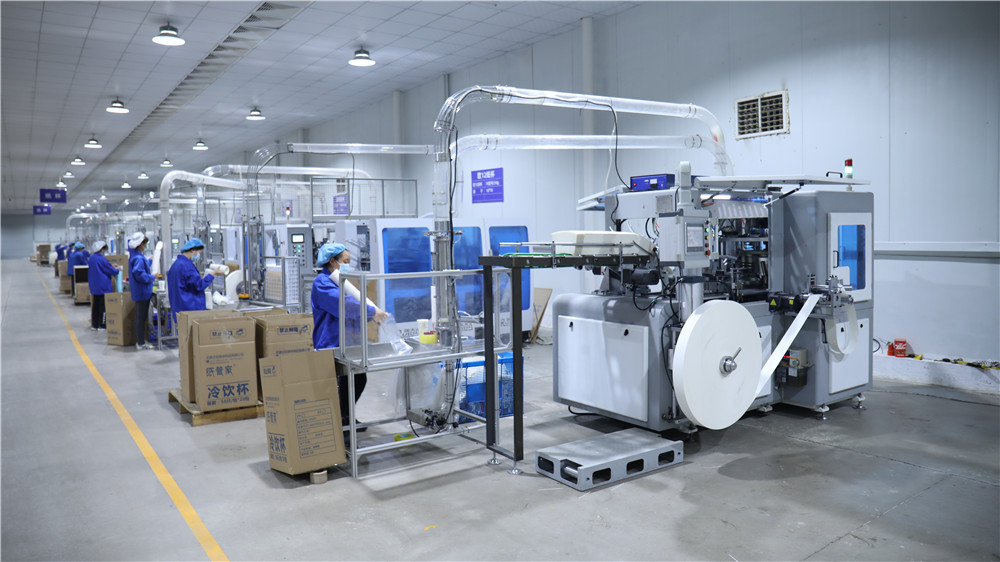
Navigating the complex landscape of international food-contact safety and environmental regulations is essential for global distributors. Shandong PsiPrime Packaging Co., Ltd. simplifies this process by ensuring our materials meet or exceed major international standards.
All of our raw materials undergo strict extractable chemical testing to comply with FDA (US Food and Drug Administration) standard 21 CFR and EU Regulation No. 10/2011 for plastic materials and articles intended to come into contact with food. This verification process ensures that our products are free from harmful volatile compounds, heavy metals, and persistent chemical treatments, such as fluorinated compounds (PFAS), making them safe for hot, acidic, and fatty foods.
We design our packaging to break down cleanly without leaving chemical residues. Our products hold certifications under standard ASTM D6400 (USA) and EN 13432 (Europe). These certifications verify that the material undergoes at least 90% aerobic biological degradation within 180 days in a commercial composting facility, turning into carbon dioxide, water, and nutrient-rich biomass.
Packaging performance depends on localized atmospheric conditions, transport methods, and regional food preferences. A carton designed for cool, dry regions may not perform well in warm, humid climates. Shandong PsiPrime Packaging Co., Ltd. customizes its fiber blends and barrier properties to suit specific environments.
In tropical regions, moisture in the air can soften conventional paper packaging, leading to structural failure. To prevent this, we modify our fiber formulation by blending long-fiber softwood pulp with short-fiber sugarcane pulp. This step increases the packaging's wet-tensile strength, ensuring it remains rigid even in high humidity.
Foods like fried chicken, gravies, and baked goods can easily penetrate weak grease barriers. We apply high-performance, vegetable-derived starch and clay coatings that seal the surface pores of the fiber. This barrier resists hot grease up to 120°C (248°F) without absorbing oils, ensuring a clean and reliable customer experience.
The packaging industry is evolving rapidly, moving beyond basic compostability to include intelligent functionalities. Shandong PsiPrime Packaging Co., Ltd. invests in research and development to bring innovative solutions to the market.
Our developmental pipeline focuses on three main technological innovations:
 PsiPrime Packaging