As a global leader in high-performance eco-packaging solutions, Shandong PsiPrime Packaging Co., Ltd. is committed to advancing sustainable packaging technologies and accelerating the elimination of single-use plastics. We act as an industrial bridge, helping quick-service restaurants, retail operations, and international catering brands transition into carbon-neutral circular economies.
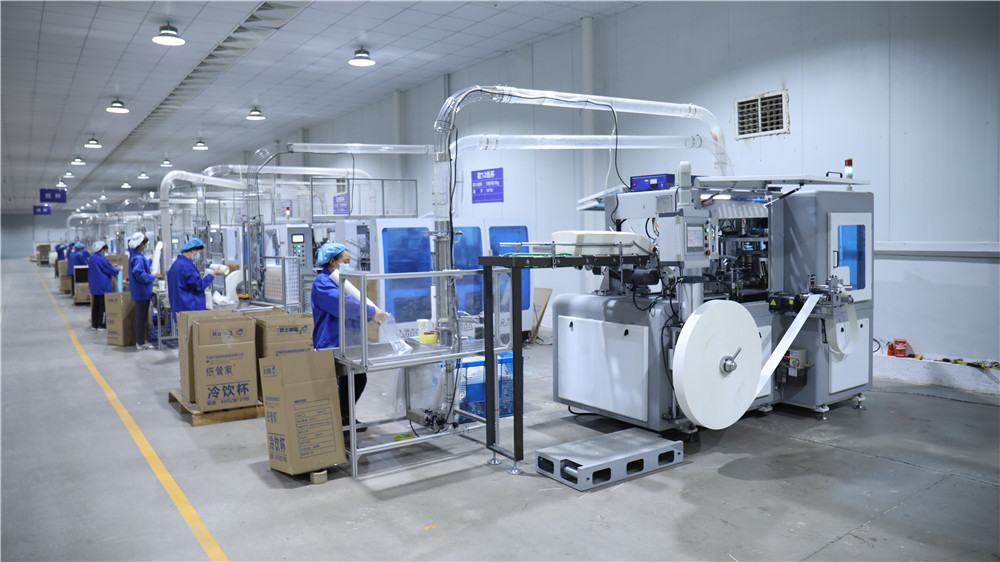
Our organization operates on the absolute conviction that biodegradable and compostable packaging is not a temporary trend but the foundational architecture of the future of food logistics. In response to global single-use plastic restrictions, we engineer and manufacture certified bio-based polymer linings, agricultural residue fibers, and barrier-coated kraft containers. Our integrated production lines achieve high stability, dimensional accuracy, and food-grade compliance under extreme temperature cycles.
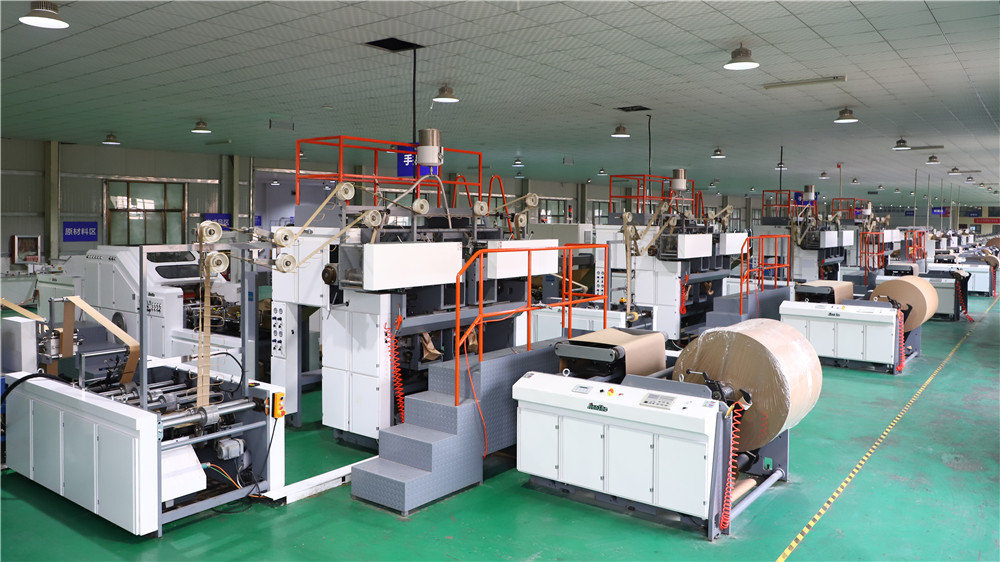
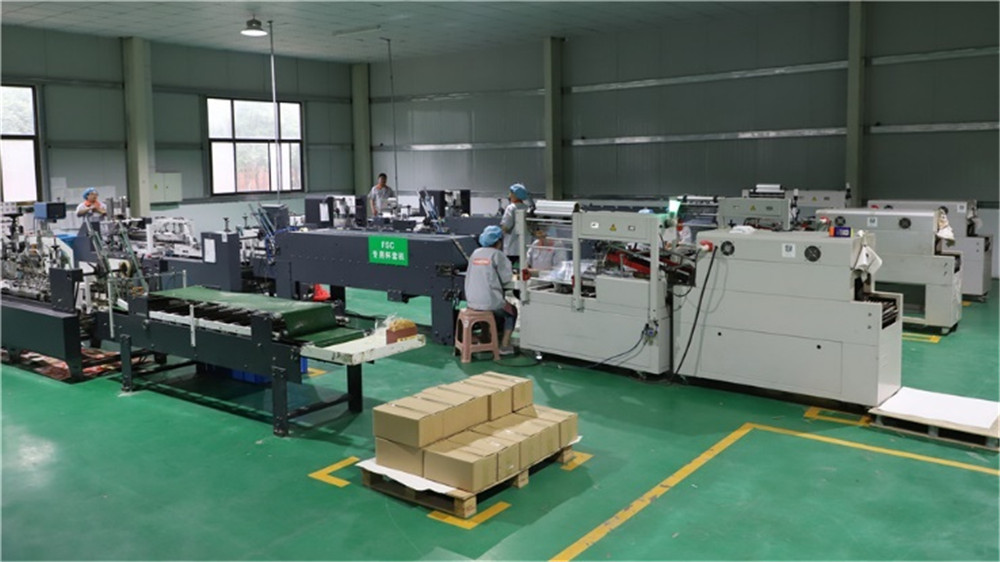
Leveraging our advanced manufacturing facility, we offer comprehensive OEM and ODM support. From preliminary structural design and computer-aided prototyping to high-speed flexographic printing, our design and quality assurance divisions manage every variable. We guarantee the structural performance of your packaging while keeping lead times low and costs predictable.
"We do not merely supply boxes and cups. We engineer the biological cycle that returns packaging back to nature—retaining zero chemical residues or persistent microplastics in the ecosystem."
Polylactic Acid (PLA) synthesized from fermented plant starch (corn or cassava) provides crystal-clear clarity and high tensile strength. CPLA (Crystallized PLA) adds natural mineral fillers to withstand temperatures up to 90°C (194°F), making it suitable for hot beverage lids and structural cutlery.
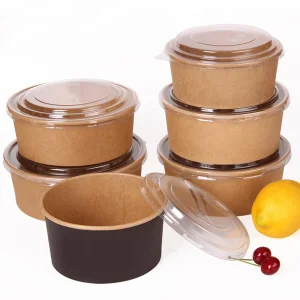
Our advanced aqueous coatings replace traditional plastic (PE) linings with a microscopic polymer dispersion. Applied directly to paperboards during the converting phase, these barriers repel oils and boiling liquids while remaining fully repulpable in standard paper recycling streams.
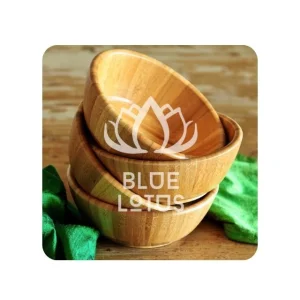
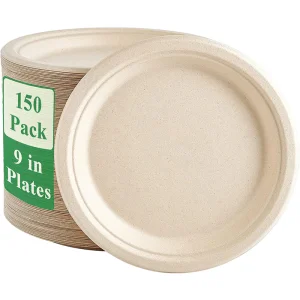
Using agricultural byproducts, we dry-press bagasse and bamboo fibers under high thermal pressure. This process creates a dense, naturally interlocking fibrous matrix. These products are compostable at home and require no supplementary polymer liners to prevent leakage.
| Material Class | Maximum Temperature Limit | Oil & Grease Resistance | End-of-Life Biodegradation Cycle | Optimal Application Scenarios |
|---|---|---|---|---|
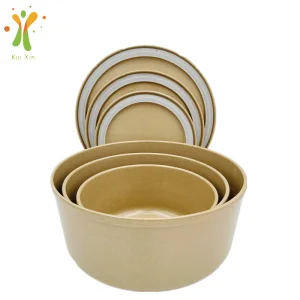
| Aqueous-Coated Kraft | 100°C / 212°F | Excellent (Hydrophobic Barrier) | Industrial Compost & Paper Recyclable | Hot Coffee Cups, Soup Bowls, Soup Containers |
| PLA-Lined Paperboard | 40°C / 104°F | High (Oleophobic Coating) | Industrial Composting (6-12 Weeks) | Cold Drinks, Milkshake Cups, Iced Teas |
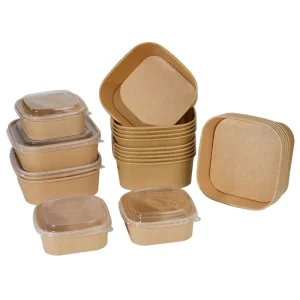
| Molded Bagasse / Bamboo Fiber | 120°C / 248°F (Microwave Safe) | Superior (Natural Interlocking Fibers) | Home Composting & Marine Safe | Foodservice Trays, Salad Bowls, Take-Out Clamshells |
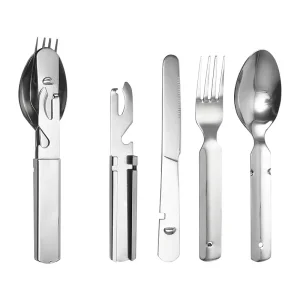
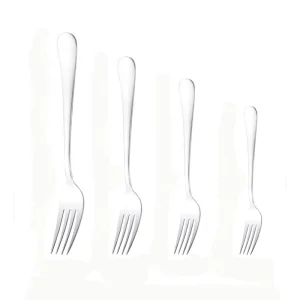
| CPLA (Crystallized PLA) | 90°C / 194°F | Absolute Inert Barrier | Industrial Composting (90 Days) | Hot Beverage Lids, Soups Spoon, Cutlery Sets |
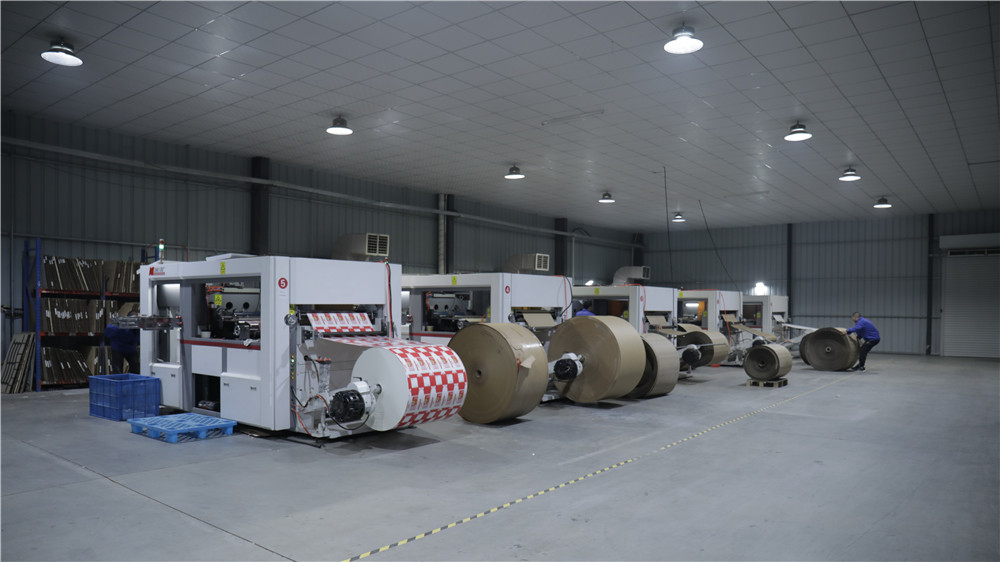
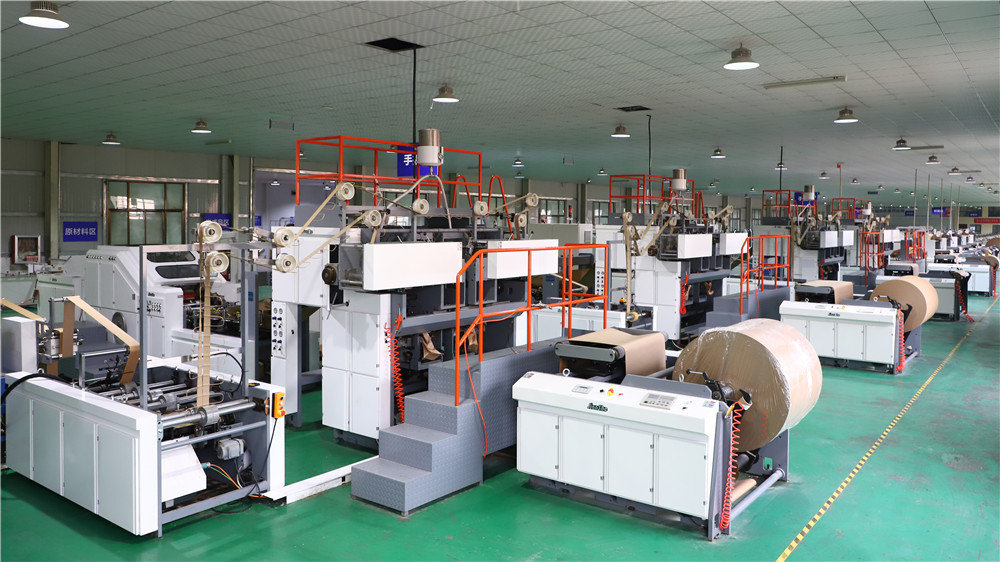
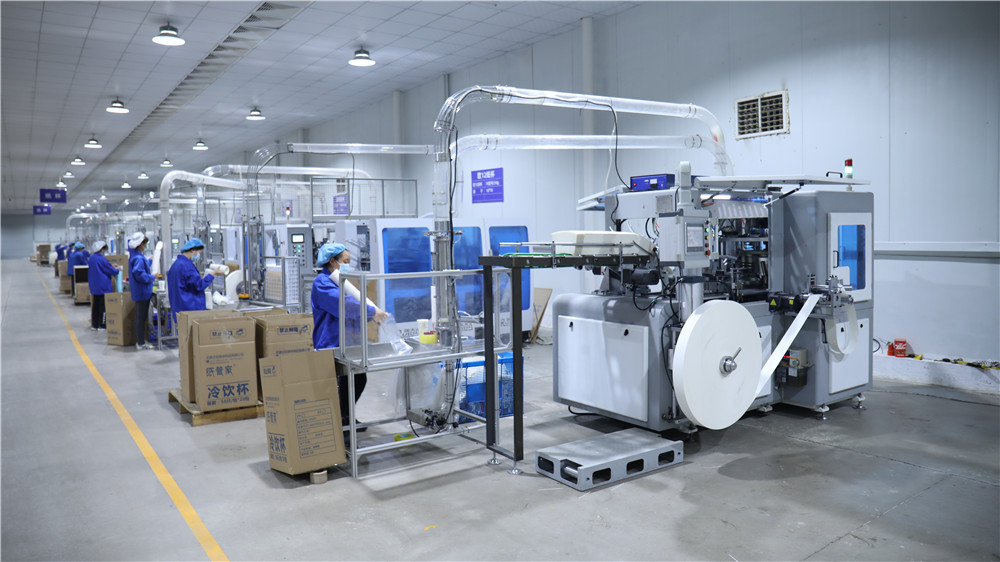
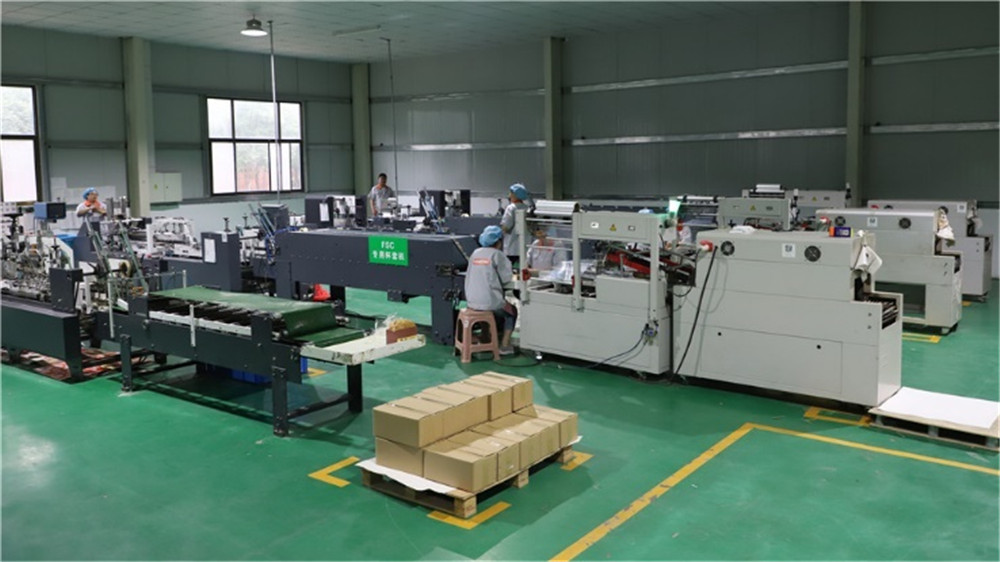
The transition toward biodegradable beverage containers is driven by shifts in the global regulatory landscape. The European Union’s Single-Use Plastics Directive (SUPD), coupled with Extended Producer Responsibility (EPR) programs in North America, has changed compliance requirements from optional initiatives to strict operational mandates. Businesses importing food-contact packaging must balance strict chemical safety standards with supply chain consistency.
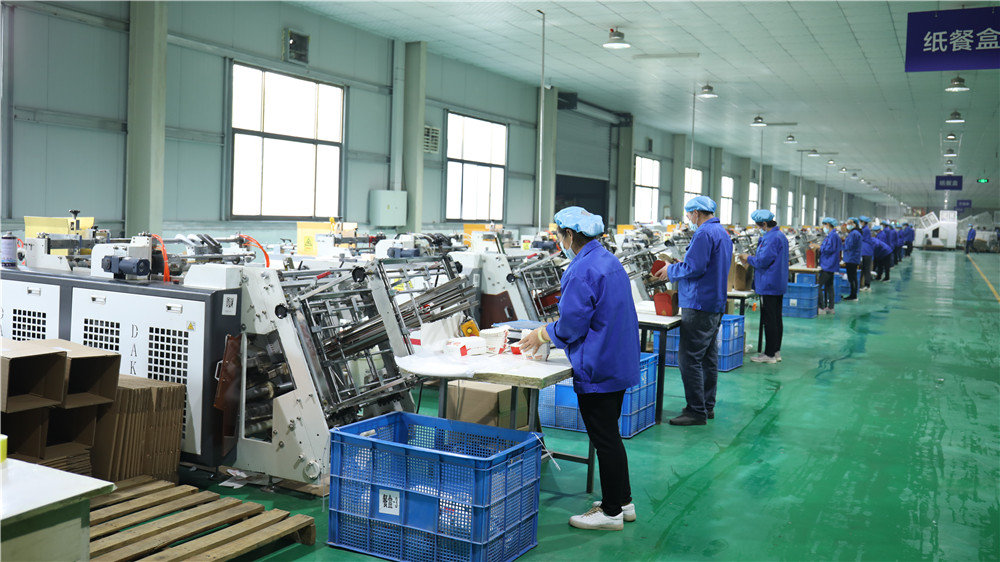
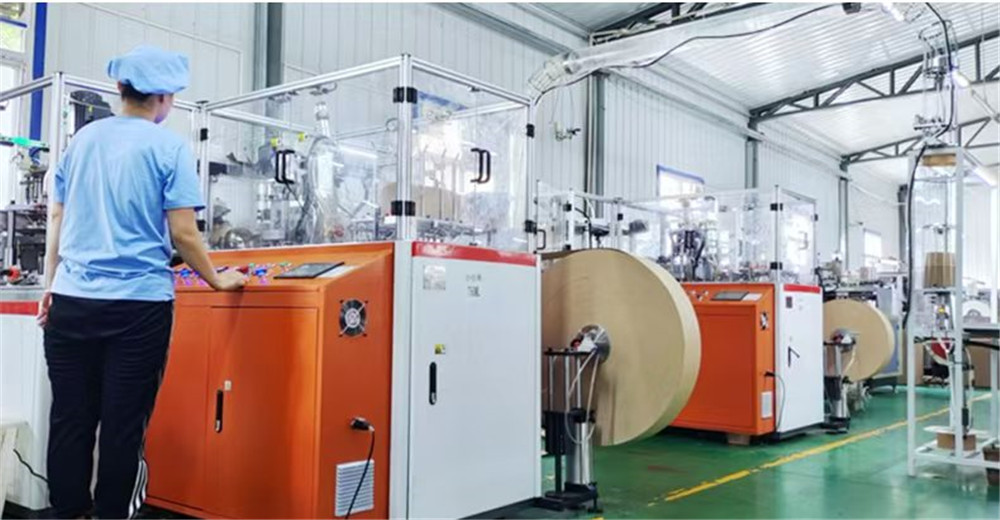
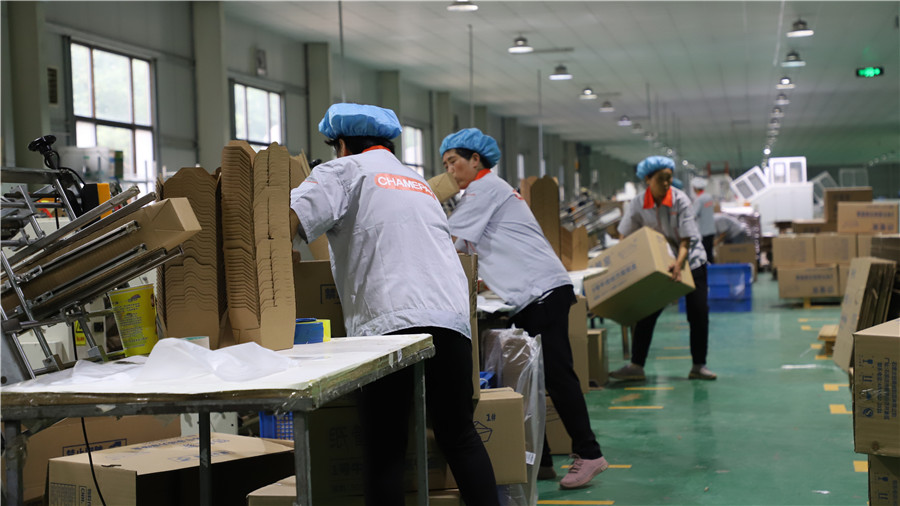
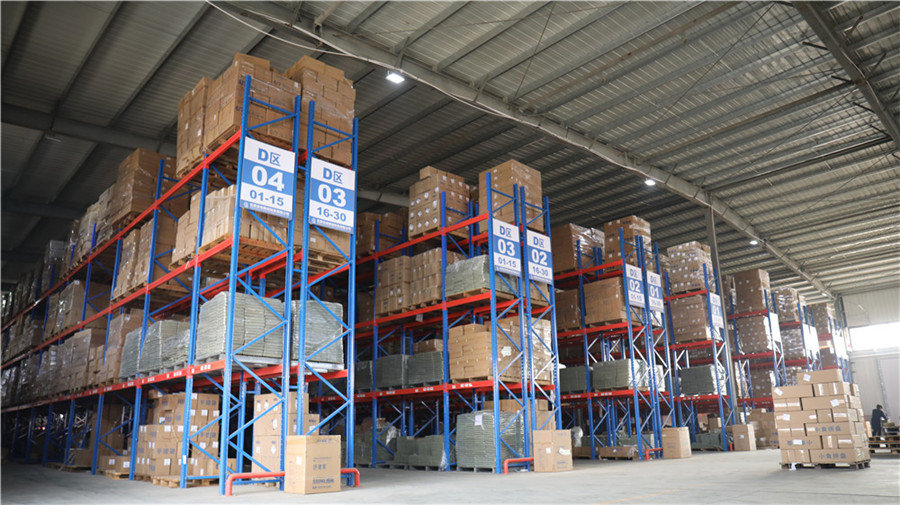
In this environment, China's manufacturing ecosystem provides valuable stability. Shandong PsiPrime Packaging Co., Ltd. manages a complete upstream raw-material and downstream converting network. Located in Shandong Province, we leverage a regional industrial cluster that provides raw bamboo, agricultural pulp, and starch-derived PLA at stable pricing. Our facility uses advanced, high-speed rotary thermoforming systems to maintain fast throughput, helping cushion clients against global raw material fluctuations.
A single packaging solution cannot meet the demands of every environment. Our OEM/ODM service adapts products to the requirements of your target market:
We are expanding research into Polyhydroxyalkanoate (PHA)—a bio-polymer synthesized by bacterial fermentation. PHA degrades in natural marine environments and soil without industrial composting assistance, providing a reliable option for single-use straw and lid applications.
We are optimizing our water-based dispersion barriers to meet Home Composting standards (TÜV OK Compost Home). This allows food-contact materials to fully break down in residential compost piles within 24 weeks at ambient outdoor temperatures.
To meet strict health and environmental standards, we use advanced vegetable-fatty-acid grafting and natural mineral barriers. This achieves oil resistance in molded pulps without using fluorinated chemicals (PFAS).
Our biodegradable PLA-lined and dispersion-coated paper products maintain their structural integrity for up to 24 months when stored under standard dry warehouse conditions (relative humidity under 60% and temperatures below 40°C/104°F). Exposure to extreme heat, moisture, or direct UV light should be avoided during storage to prevent premature biodegradation.
Yes. Our natural molded bagasse products and water-dispersed barrier cups comply with the EU SUPD. Because they contain no polymer liners, they are categorized as plastic-free cellulose-based solutions. For products that require thin PLA linings, we provide clear labeling to meet regional tracing laws.
Our molded sugarcane bagasse and bamboo-fiber containers withstand temperatures up to 120°C (248°F). They are safe for microwave and light oven reheating, resisting deformation better than standard PET or polystyrene (PS) containers, which soften or leach chemicals under heat.
All raw materials and finished products are tested by third-party laboratories (including SGS and TÜV). We maintain active certifications including US FDA 21 CFR food contact compliance, BPI (ASTM D6400 / ASTM D6868), OK Compost (EN 13432), and FSC (Forest Stewardship Council) Chain of Custody certification to confirm sustainable fiber sourcing.
For standard custom-printed paper cups and containers, our MOQ begins at 50,000 units per size. Custom molds for novel structural designs require an initial tooling cycle (15-20 days for testing prototypes). Once a design is approved, production typically completes in 20-30 days, depending on batch volume.
Yes. We use natural vegetable-fatty-acid formulations to provide oil and water resistance. This ensures our products comply with zero-PFAS laws in California, the US, and Europe, maintaining full compostability without relying on fluorinated processing aids.
 PsiPrime Packaging