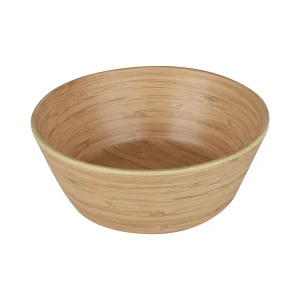
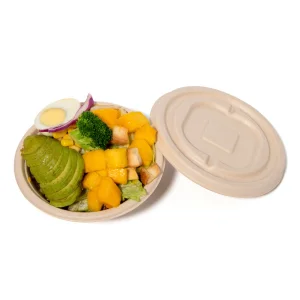
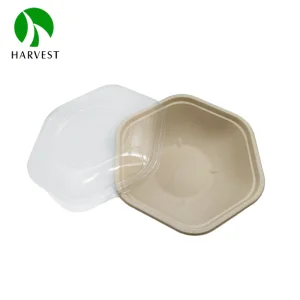
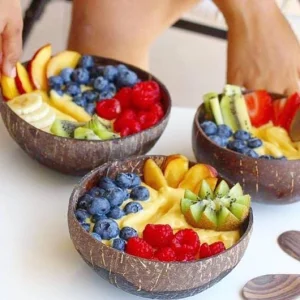
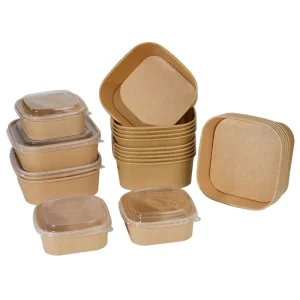
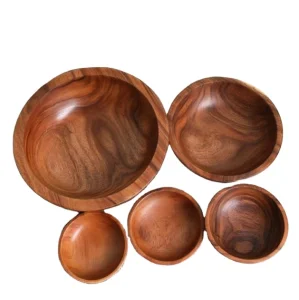
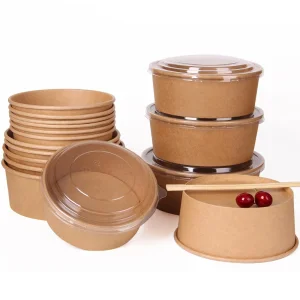
Engineered with superior leak-resistance and thermal integrity, tailored specifically to meet the strict demands of food logistics and local delivery operations in the Indian market.
The food service landscape in India is undergoing a profound structural shift. Driven by a combination of strict government regulations—including the Central Pollution Control Board's (CPCB) nationwide ban on single-use plastics—and a massive cultural shift toward environmental awareness, businesses are actively phasing out petroleum-derived polymers. Importers, brand owners, and purchasing managers across major Indian metropolitan areas like Delhi-NCR, Mumbai, Bengaluru, and Pune are actively seeking reliable global suppliers for premium, food-safe, plant-based packaging solutions.
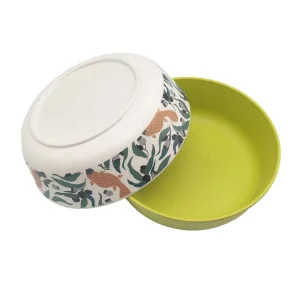
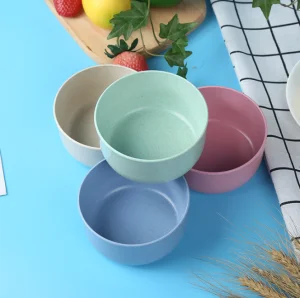
In particular, the rapid expansion of organized quick-service restaurant (QSR) chains, specialty organic eateries, and large-scale corporate catering requires packaging materials that combine outstanding functional performance with compostable properties. Plant-based salad bowls made from agricultural by-products (such as sugarcane bagasse, wheat straw, bamboo fiber, and PLA) have emerged as the industry gold standard. They help brands achieve zero-waste operations while complying with the strict guidelines set by the Food Safety and Standards Authority of India (FSSAI).
"Our mission is to help Indian food enterprises transition smoothly to sustainable solutions. By leveraging advanced material science and automated manufacturing, we deliver food packaging that meets international performance standards and supports local compliance requirements."
India’s food delivery and packaging market is growing rapidly. Industry research indicates that the Indian online food delivery sector is projected to expand at a compound annual growth rate (CAGR) of over 28% in the coming years. This boom is fueled by platforms like Swiggy and Zomato, as well as the rise of cloud kitchens. These virtual kitchens rely entirely on high-quality disposable tableware to deliver hot, cold, soupy, or dry meals to millions of urban consumers every day.
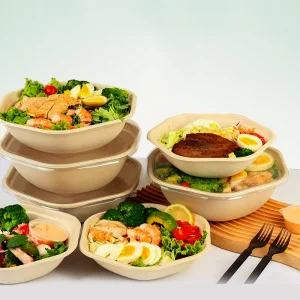
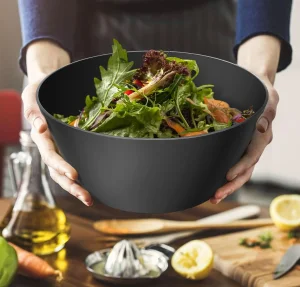
This rapid growth highlights a major operational challenge: the need for high-performance packaging that maintains structural integrity during delivery. Classic Indian dishes, as well as complex western options like salads with heavy oil-based dressings, require packaging with exceptional grease and moisture barriers. Standard paper bowls can quickly soften or leak under these conditions. Plant-based salad bowls, particularly those made with compostable sugarcane bagasse and bamboo fiber, provide the necessary oil-resistance and tensile strength to withstand hot climates and transport times of up to 45 minutes.
For large-scale food distributors, retail chains, and international buyers, sourcing plant-based salad bowls requires a thorough vetting process to ensure quality and compliance. Professional buyers look for suppliers who can provide comprehensive certifications and reliable technical support. Key compliance requirements include:
Shandong PsiPrime Packaging Co., Ltd. stands at the forefront of sustainable packaging innovation, helping foodservice and packaging distribution businesses transition smoothly toward environmentally responsible operations. Our company believes that biodegradable and compostable packaging materials are essential for sustainable growth. We actively promote the concept of plastic alternatives, providing high-quality, eco-friendly food packaging solutions to customers in many countries and regions, including India.
Operating out of our advanced manufacturing facilities, we specialize in the research, development, and manufacturing of eco-friendly, food-grade packaging products. Our portfolio includes compostable food containers, paper-based food packaging, eco-friendly paper bags, food wrapping paper, and disposable catering supplies, designed to meet the diverse needs of restaurants, food delivery platforms, food processors, and retail businesses.
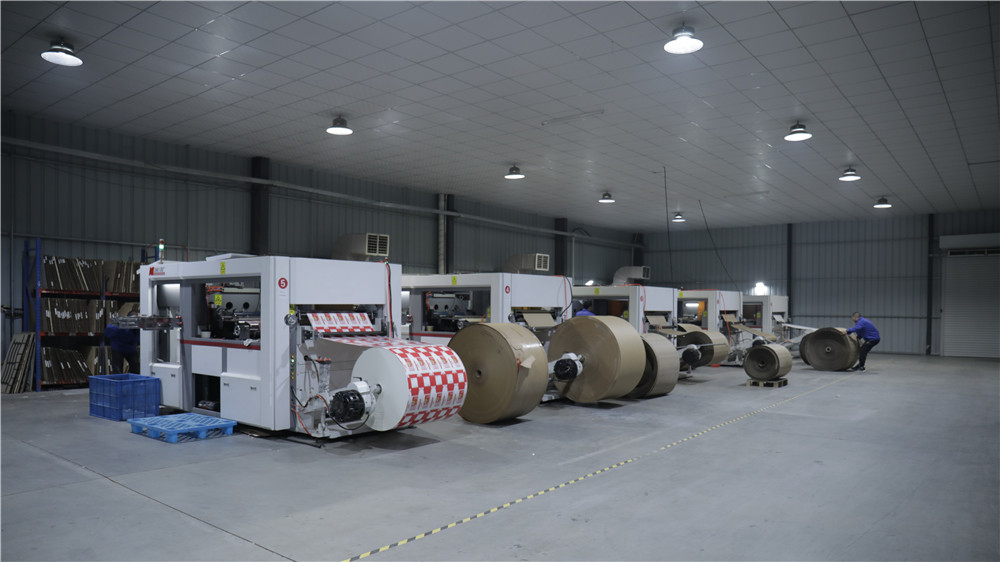
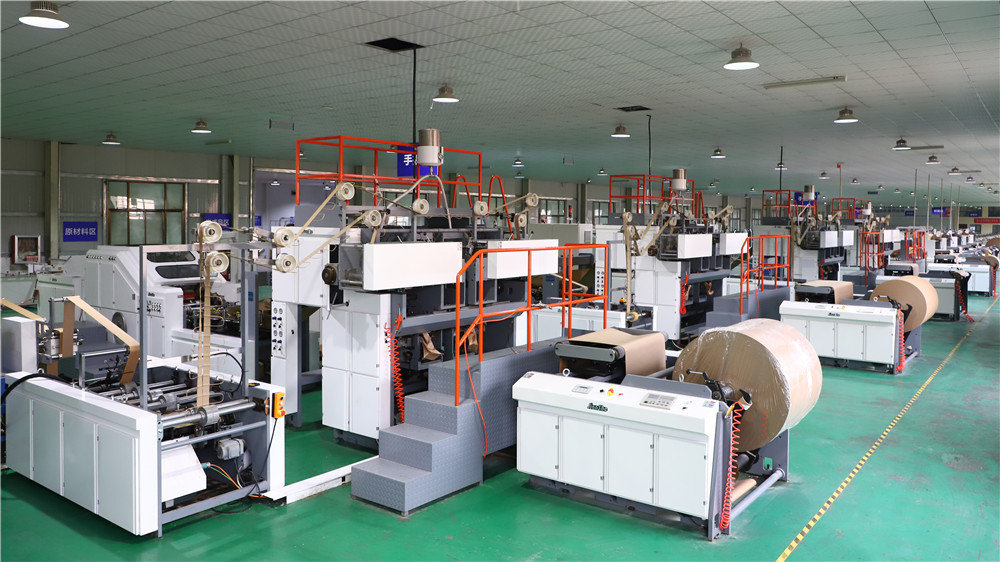
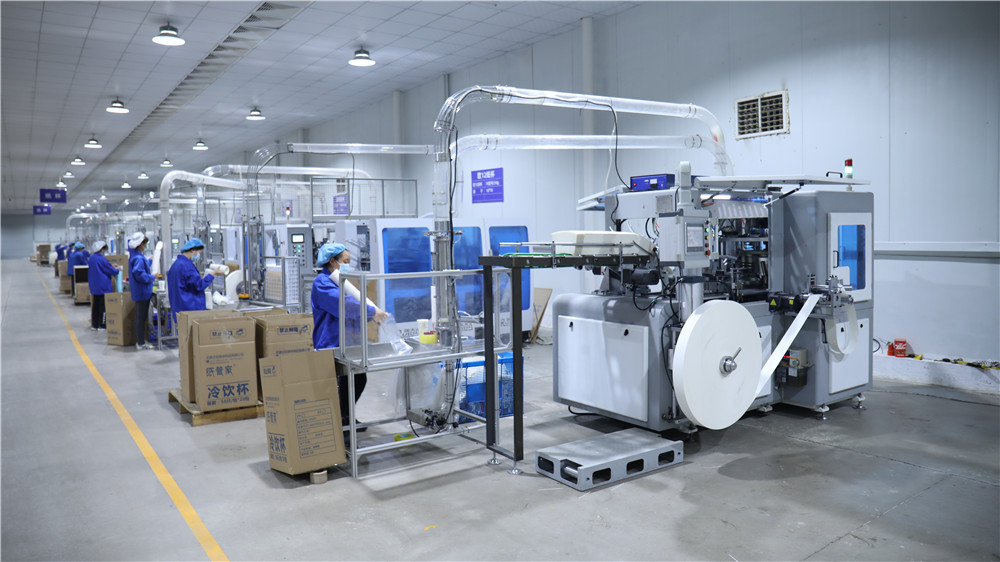
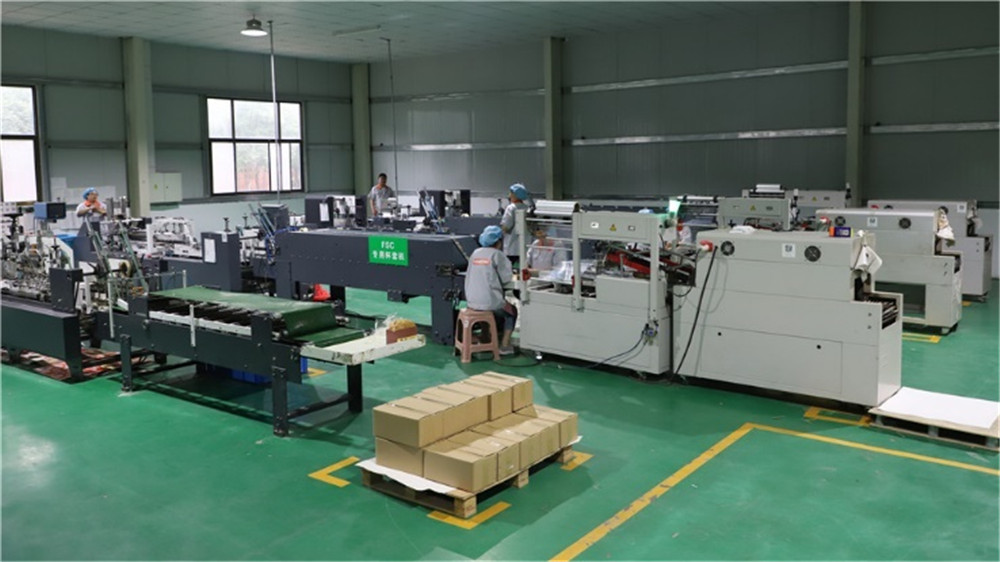
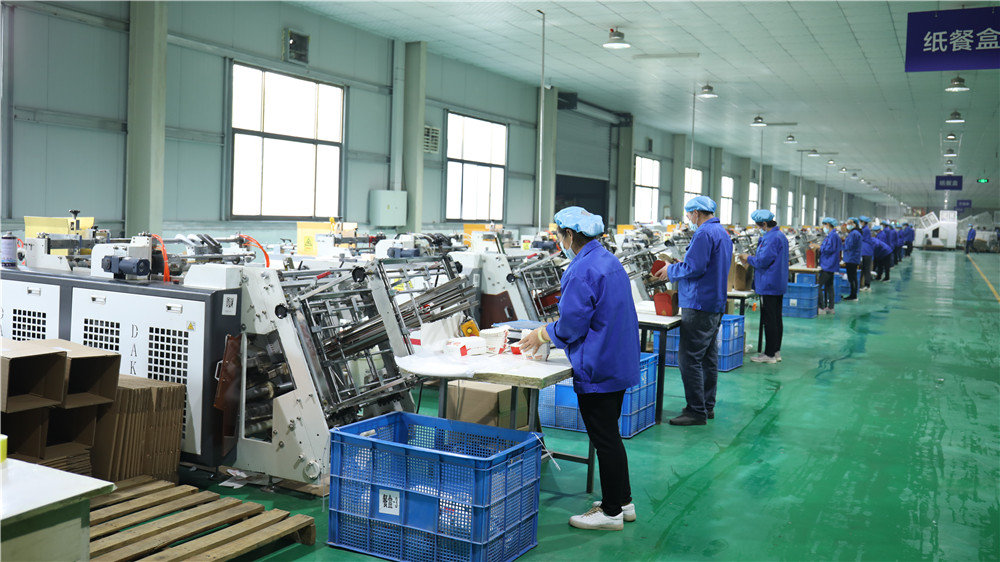
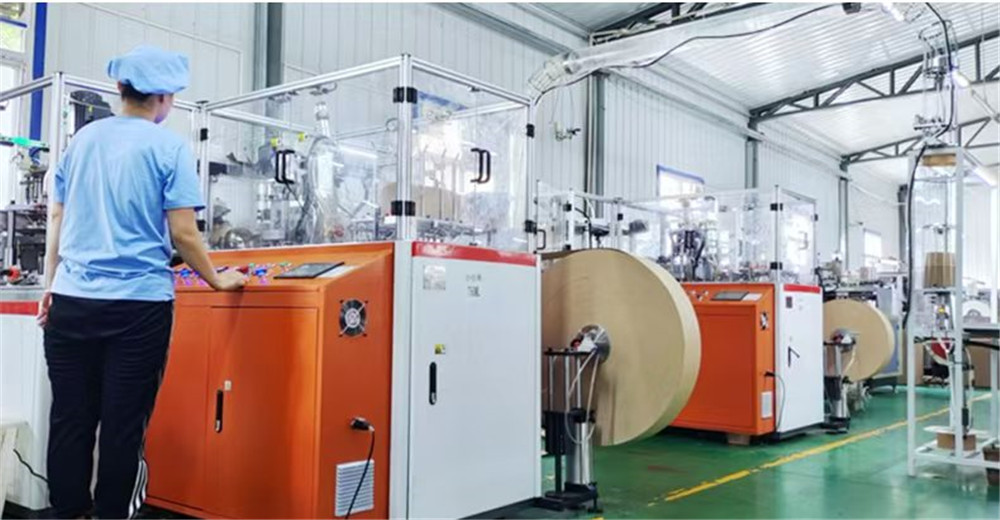
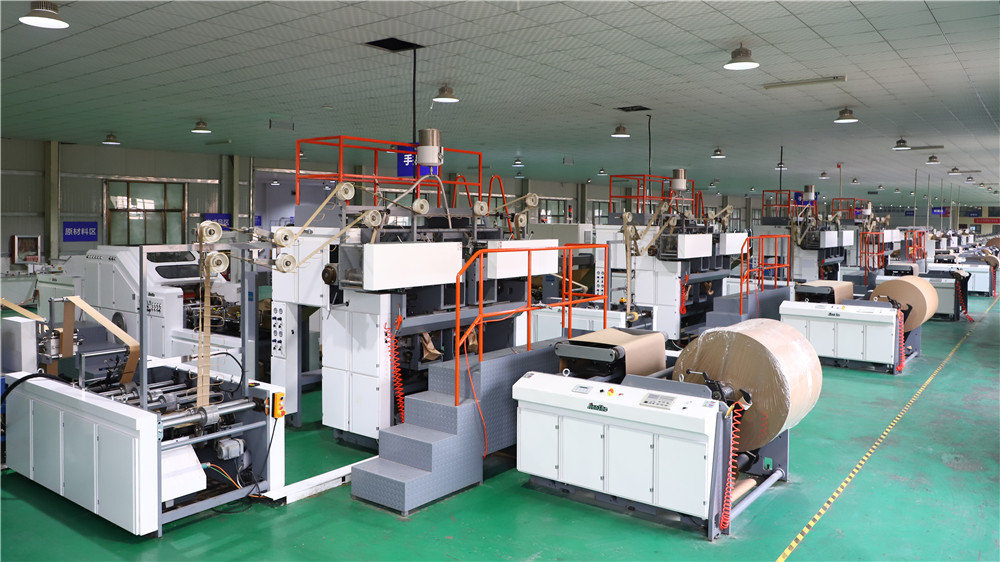
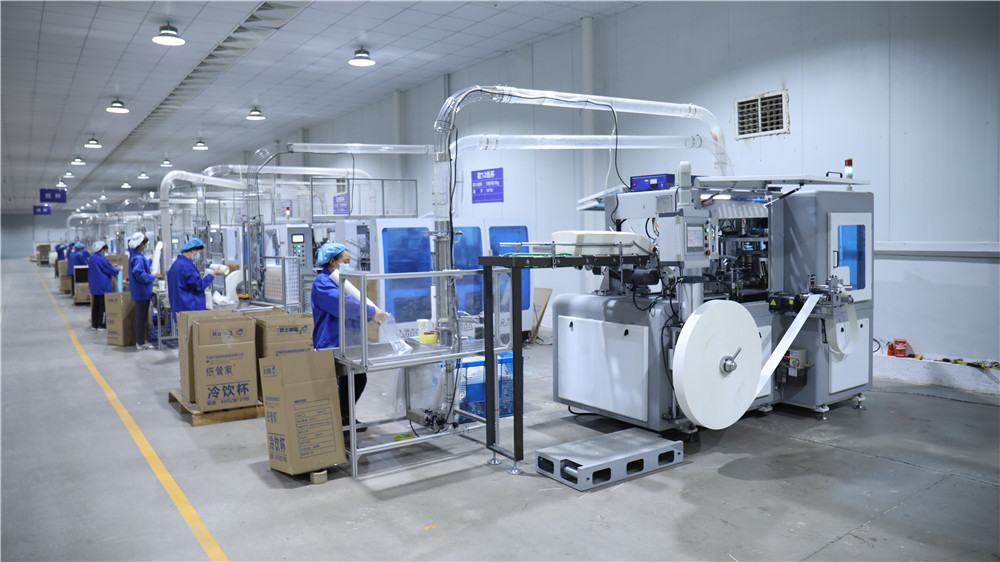
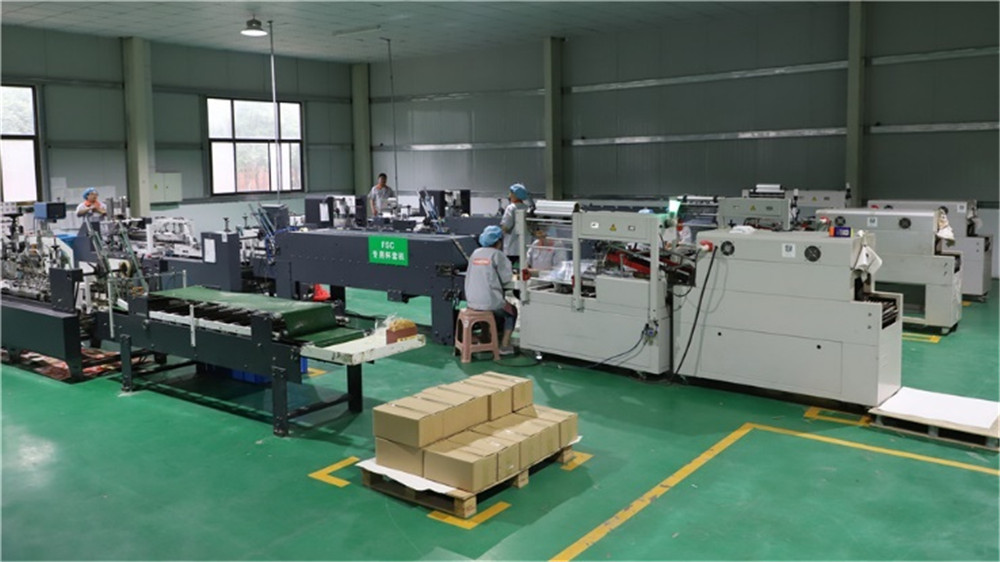
By implementing advanced Industry 4.0 automated production lines, we ensure high precision, minimize human error, and achieve significant economies of scale. This allows us to keep our pricing competitive for our clients in India.
We prioritize a customer-centric philosophy, offering one-stop customization services that range from initial product design and material selection to custom printing. This enables clients to build strong, recognizable brand packaging while supporting their sustainability goals. At the same time, we emphasize stable delivery performance and strict quality control to ensure efficient and reliable global supply.
Through continuous improvements in our production processes and supply chain management, Shandong PsiPrime Packaging Co., Ltd. enhances both cost efficiency and operational reliability, helping clients achieve sustainable growth in competitive markets. Looking ahead, we will continue investing in the innovation of biodegradable materials, working together with global partners to build a low-carbon, environmentally friendly future.
Developing high-quality plant-based salad bowls requires a deep understanding of natural fibers and compostable polymers. We carefully match raw materials with their ideal applications:
| Material Type | Primary Source | Temperature Range | Key Technical Advantage |
|---|---|---|---|
| Sugarcane Bagasse | By-product of sugar processing | -20°C to 120°C | High rigidity, excellent hot oil & water resistance |
| Bamboo Fiber | Fast-growing bamboo crops | -20°C to 110°C | Naturally antibacterial, high tensile strength |
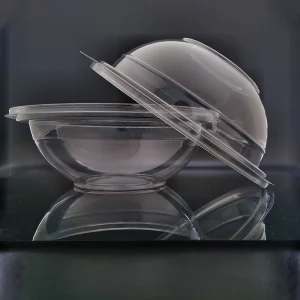
| Polylactic Acid (PLA) | Fermented plant starch (corn) | -10°C to 50°C (Cold only) | High transparency, ideal for cold deli salads |
| Kraft Paper (Bio-coated) | Sustainable wood pulp | -20°C to 100°C | Excellent printability, customizable structural designs |
Our plant-based salad bowls are designed to meet the unique needs of the Indian market:
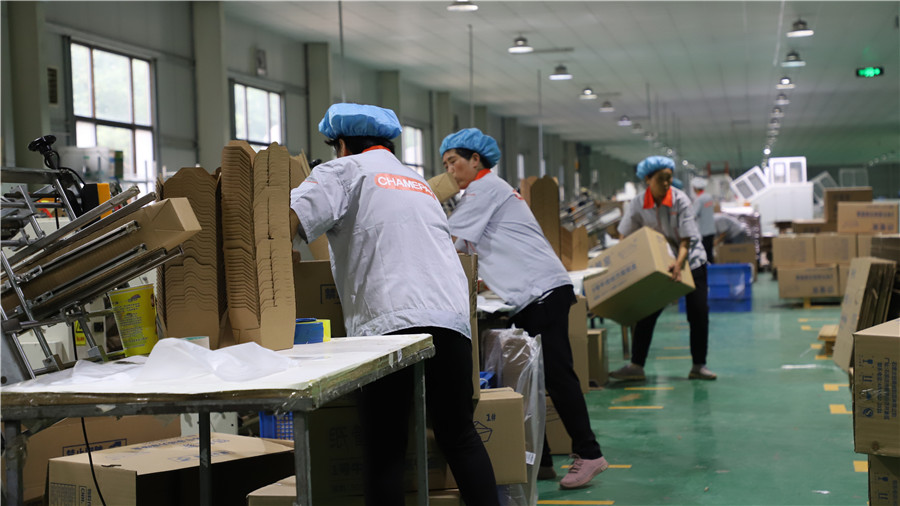
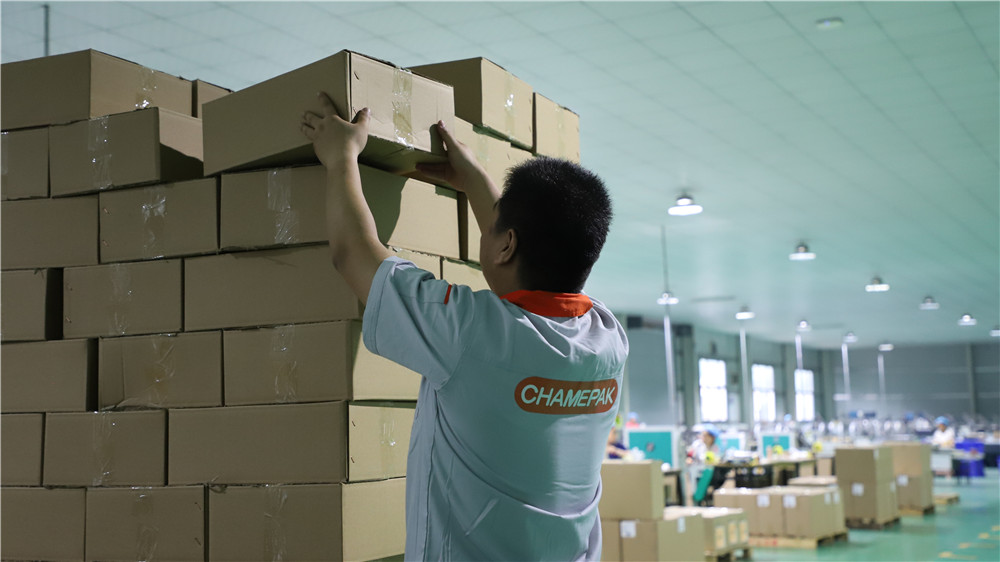
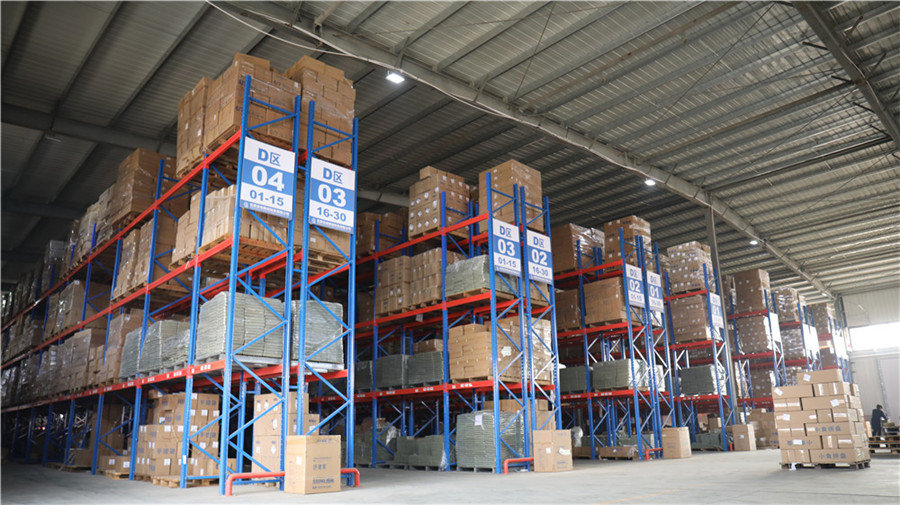
Step inside our state-of-the-art production plant, where we utilize high-precision automation and strict quality control processes to ensure every batch meets global packaging standards.
Everything you need to know about sourcing, customization, shipping, and regulatory compliance when importing our plant-based salad bowls into India.
Explore our full range of plant-based, compostable, and biodegradable food service packaging solutions, designed to help your brand make a positive environmental impact.
 PsiPrime Packaging