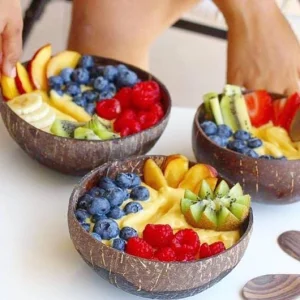
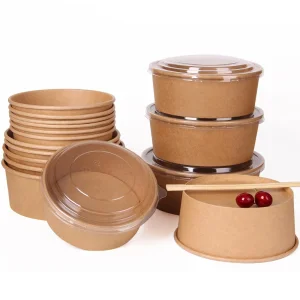
Engineered for high-volume urban grab-and-go hubs, premium department stores, and fast-casual restaurants in Osaka.
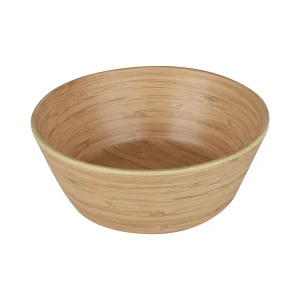
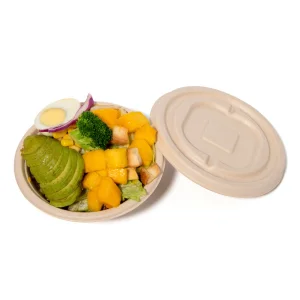
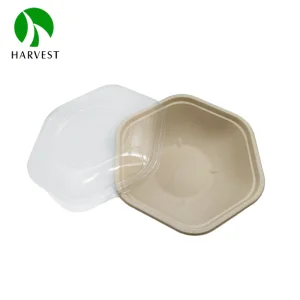
As the historic culinary heart of Japan, Osaka (often celebrated as the nation's kitchen or *Tenka no Daidokoro*) is undergoing a profound structural shift toward sustainable consumption. Spearheaded by the Osaka City Resource Recycling Promotion Plan and aligned with Japan's nationwide *Act on Promotion of Resource Circulation for Plastics* enacted in April 2022, local businesses—from hotel groups in Umeda and Namba to high-volume takeaway hubs in Dotonbori—are rapidly replacing conventional petroleum-based plastics with advanced plant-based salad bowls.
The upcoming Expo 2025 Osaka/Kansai, which prioritizes the United Nations' Sustainable Development Goals (SDGs), has intensified this transition. Commercial operators are required to minimize waste footprints, demanding food containers that provide zero plastic migration, rapid biodegradation, and superior performance under heat and moisture. To meet these rigorous guidelines, Osaka importers are sourcing directly from top-tier Chinese manufacturing complexes that combine technological depth with robust supply chain economics.
In the Japanese foodservice ecosystem, aesthetic integrity and leak-proof resilience are non-negotiable. Traditional paper packaging often fails when exposed to the high dressing-to-greens ratio typical of local salad selections. This is where modern composite biomaterials like PLA (Polylactic Acid), sugarcane bagasse pulp, and certified bamboo fiber become essential.
Our packaging solutions conform directly with the Japan Food Sanitation Act (JFSL 370), ensuring that no harmful substances, chemical plasticizers, or heavy metals migrate into food contents. By utilizing agriculture residues from sugarcane and fast-growing bamboo, our containers achieve high rigidity, grease-proofing, and thermal stability up to 120°C, serving both chilled gourmet salads and hot deli meals without compromising structural integrity.
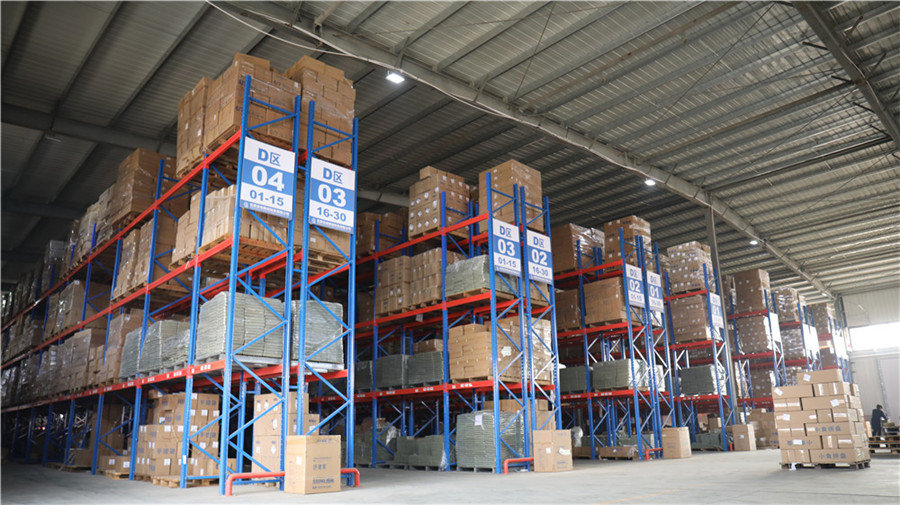
Delivering high-capacity, cost-efficient manufacturing and structural supply chain security directly to Osaka Port.
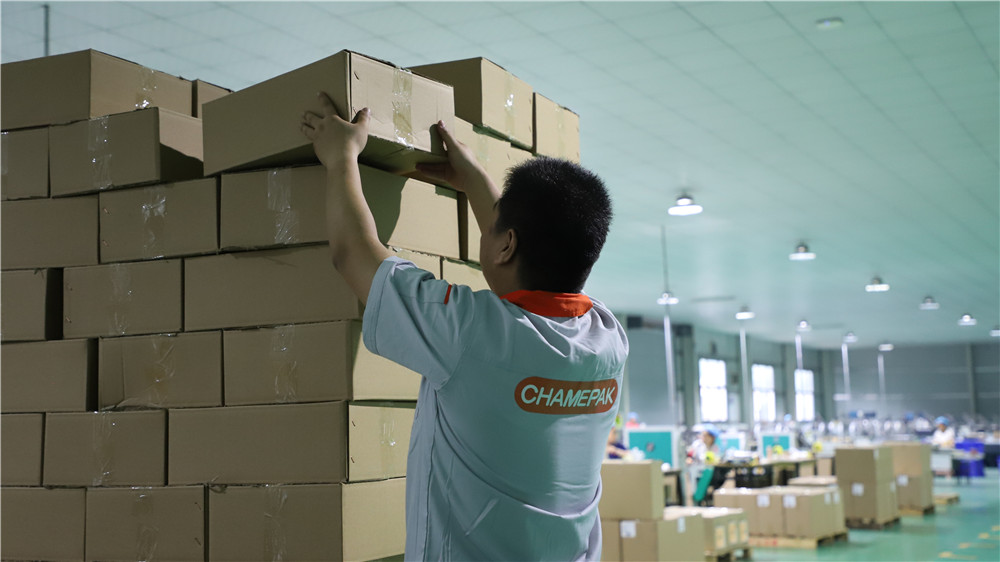
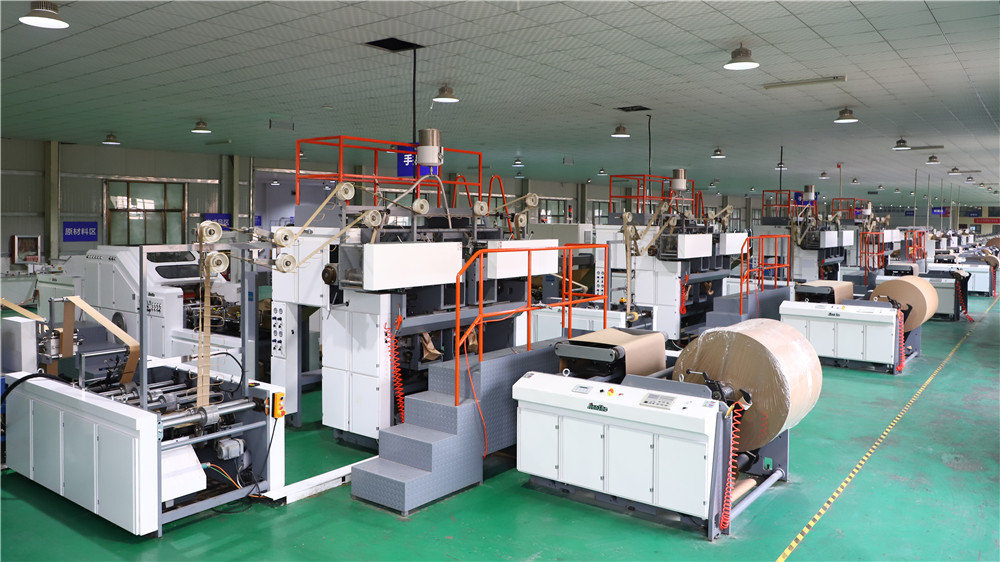
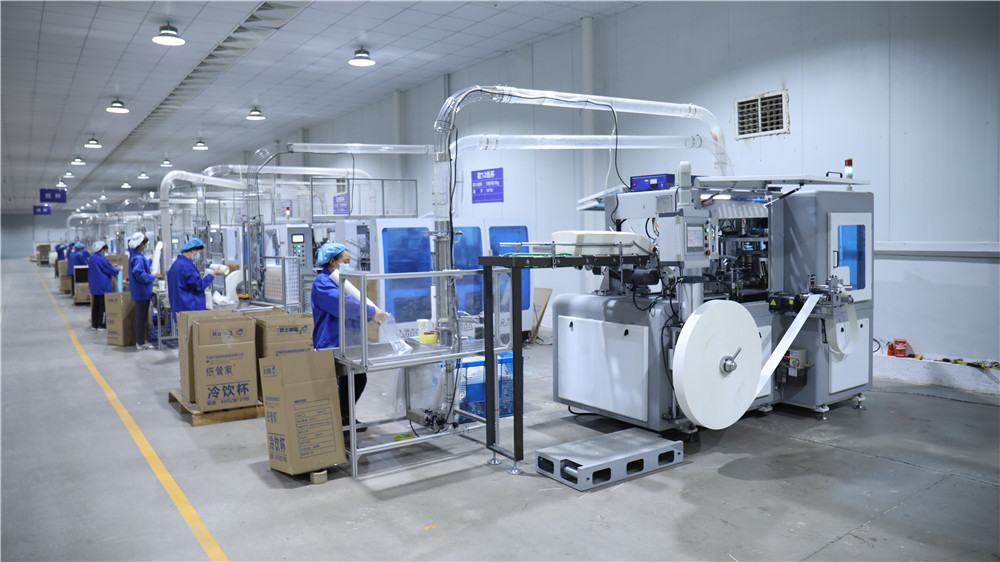
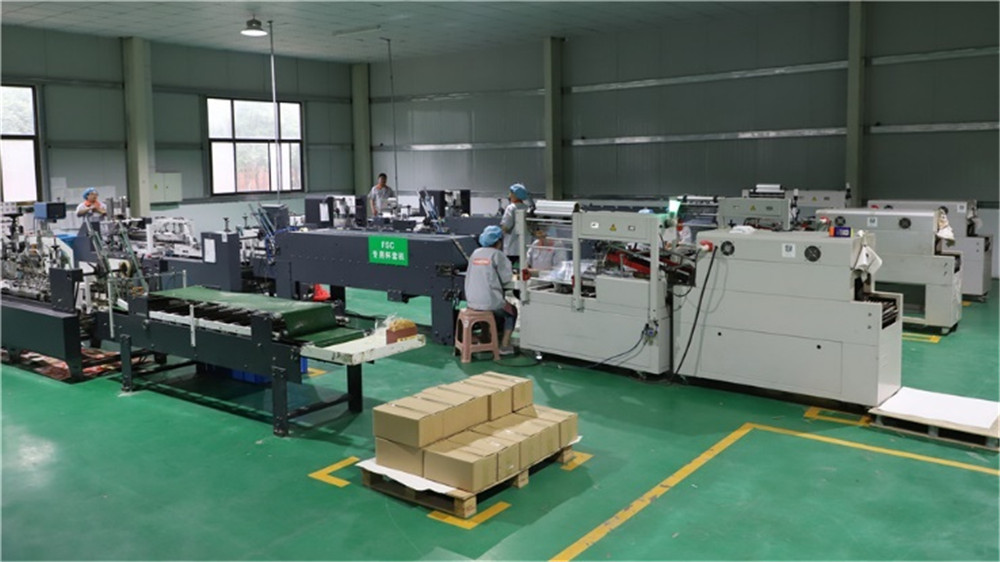
PsiPrime controls the entire supply chain—from pulping raw materials to custom thermoforming, printing, and automated packing. This minimizes waste and maintains cost leadership.
Our production facilities are compliant with BPI, DIN CERTCO, TUV OK Compost, FDA, and LFGB, matching the strictest standards of Japan’s customs and health inspection boards.
Located near primary northern Chinese ports like Qingdao, we guarantee fast shipping lanes to Osaka Port, securing predictable lead times and shielding buyers from global shipping shocks.
Shandong PsiPrime Packaging Co., Ltd. is committed to advancing sustainable packaging solutions and promoting the reduction of single-use plastics, helping foodservice and food-related industries transition toward more environmentally responsible operations.
The company strongly believes that biodegradable and compostable packaging materials represent the future of sustainable development. It actively promotes the concept of “plastic alternatives” and works to raise awareness of eco-friendly packaging across global markets. With extensive industry experience and a reliable supply chain, we provide high-quality, sustainable food packaging solutions to customers in many countries and regions.
We specialize in the research, development, and manufacturing of eco-friendly food-grade packaging products. Our product portfolio includes compostable food containers, paper-based food packaging, eco-friendly paper bags, food wrapping paper, and disposable catering supplies. These solutions are designed to meet the diverse needs of restaurants, food delivery platforms, food processors, and retail businesses.
Through continuous improvements in production processes and supply chain management, we enhance both cost efficiency and operational reliability, supporting clients in achieving sustainable growth in competitive markets.
Step-by-step transparency of our clean, high-precision manufacturing lines.
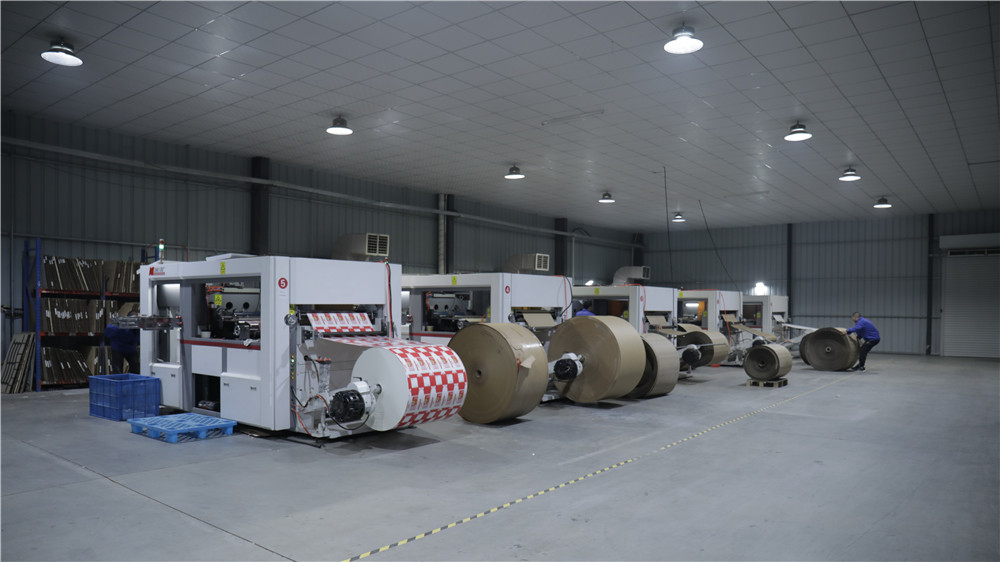
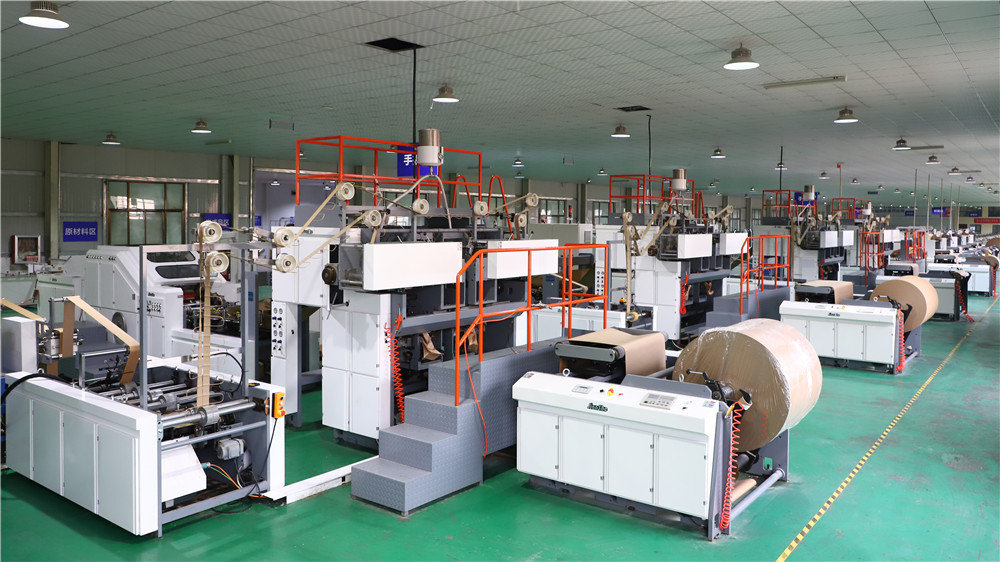
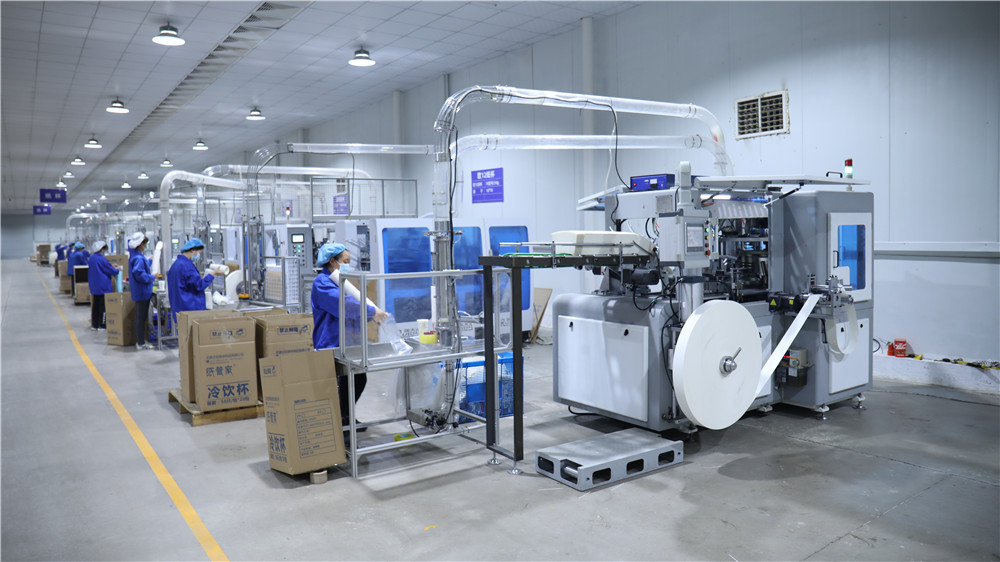
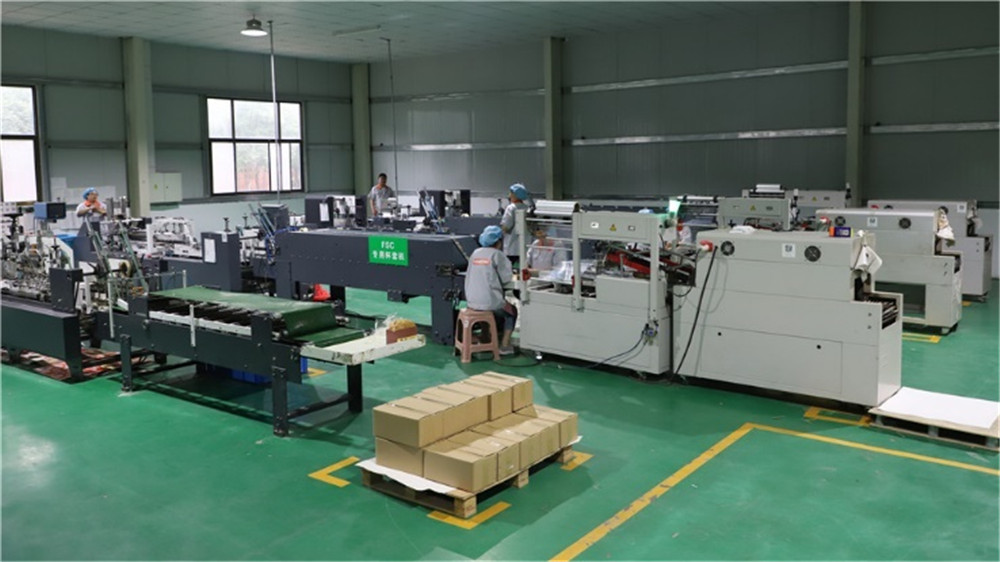
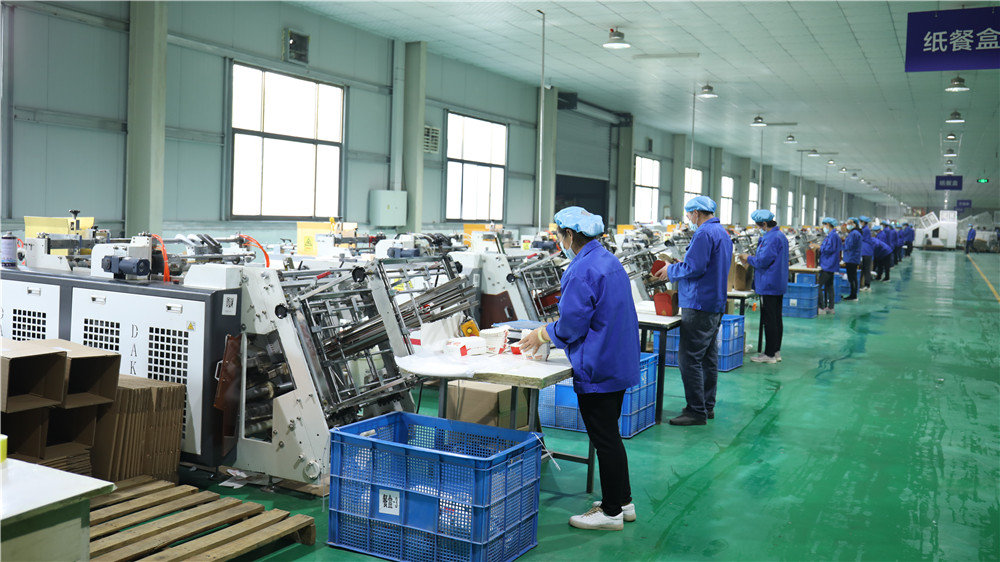
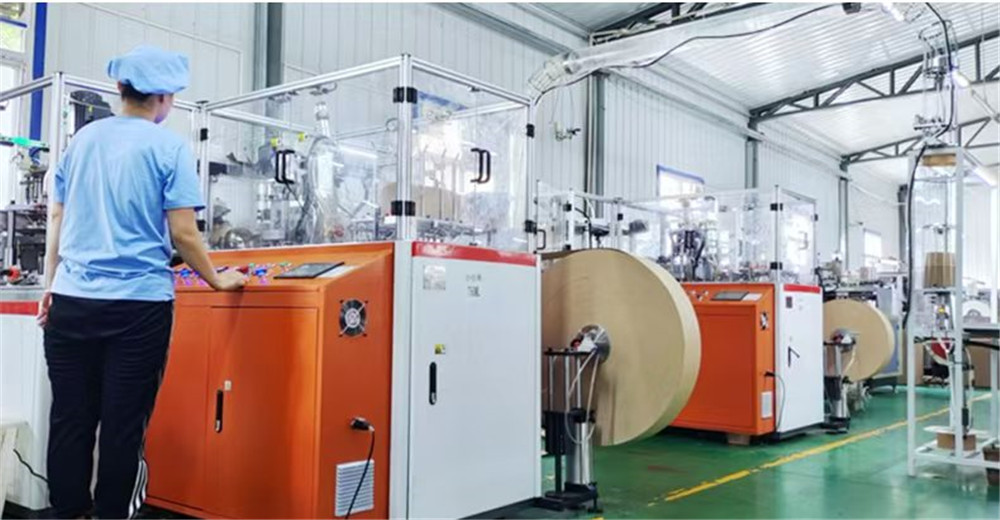
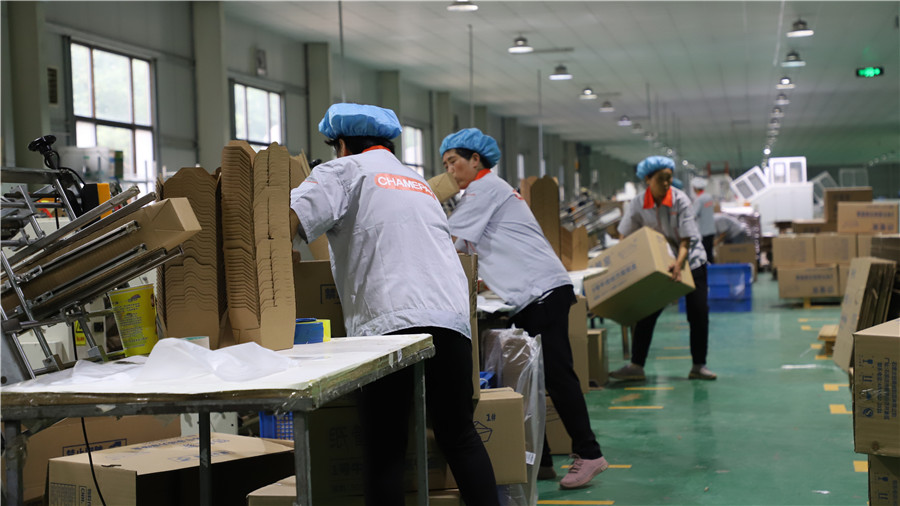
The global single-use packaging landscape is rapidly shifting toward 100% compostable and bio-sourced structures. Traditionally, wax and PE (Polyethylene) coatings were applied to paper salad bowls to resist liquids. However, these coatings prevent recycling, rendering containers persistent in municipal landfills.
Technological innovations have introduced biological barriers. Using PLA (derived from fermented corn starch) or water-dispersed barrier coatings, modern salad bowls hold oily, acidic, and liquid dressings without compromising recyclability. Industrial compostability (conforming to EN 13432) ensures these bowls break down into organic compost within 90 to 180 days under standard industrial conditions, closing the circular economy loop.
For supermarket chains, franchise food groups, and broadline distributors in the Kansai region, packaging procurement is more than a purchase order—it requires a dependable, large-scale supplier. Large enterprises require strict consistency, customizable sizing, and high structural stability across varying temperatures.
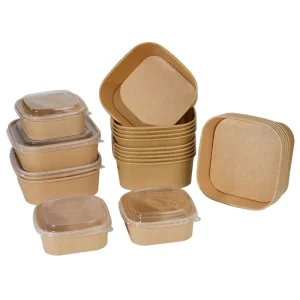
We provide integrated systems: optimized nesting designs to reduce shipping volumes, high-clarity anti-fog lids for display setups, and customizable embossing for brand identification. Our automated production processes maintain tight tolerances, ensuring each container fits standard lidding machines seamlessly and operates efficiently in high-speed commercial assembly lines.
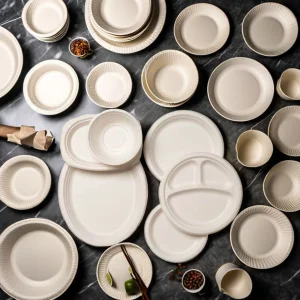
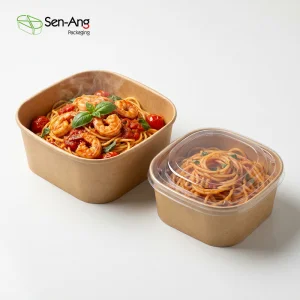
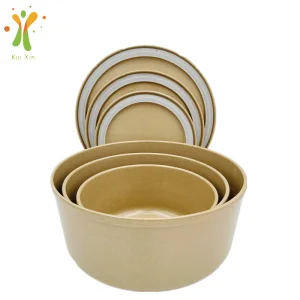
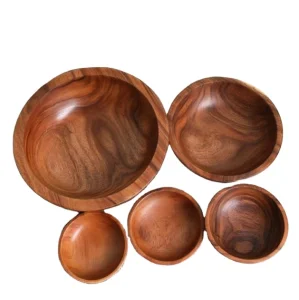
Browse our complete catalog of food-grade, certified compostable food bowls, boxes, and serving dishes.

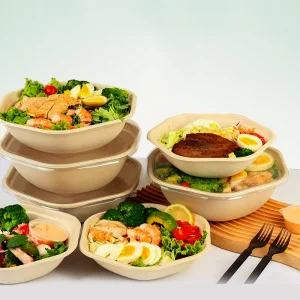
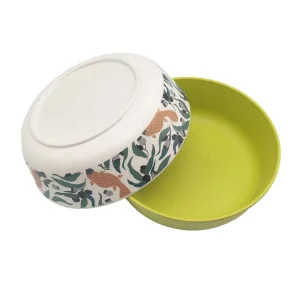

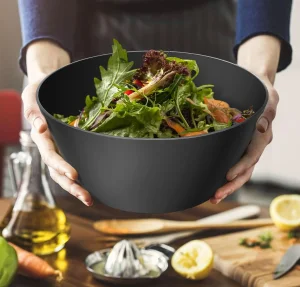
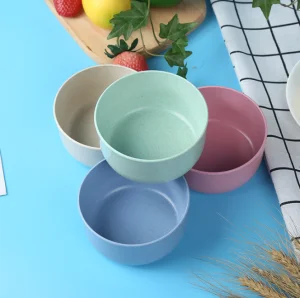
Answers to technical, regulatory, and logistics questions about importing plant-based food packaging to Osaka.
Partner with China's reliable plant-based packaging producer to secure custom branding, steady volume supply, and regulatory compliance for the Osaka market.
Send Inquiry Now PsiPrime Packaging