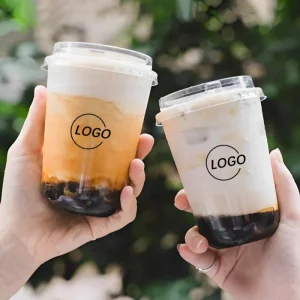
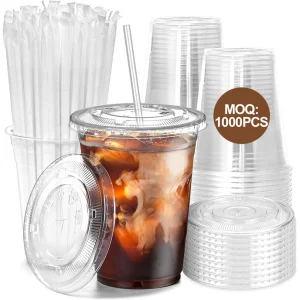
Engineered for high-volume beverage franchises, street-food conglomerates, and luxury hospitality venues across the Bangkok metropolitan area.
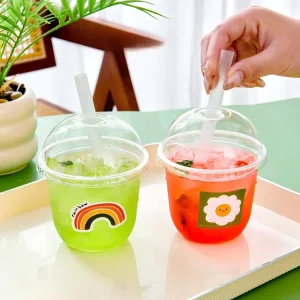
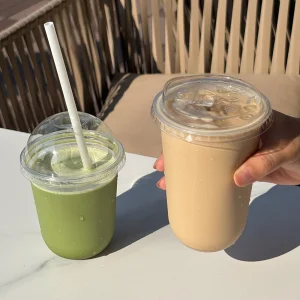
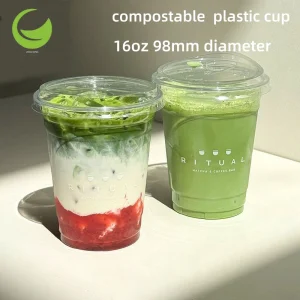
As the primary economic and tourist hub of Thailand, Bangkok faces a pressing environmental imperative. The Metropolitan Administration (BMA) has accelerated its solid waste mitigation plans under the national Roadmap on Plastic Waste Management 2018-2030. This has driven a major transition in food-service operations—shifting from standard oil-derived polymers to certified Polylactic Acid (PLA) and other plant-based alternatives.
Thailand's emphasis on the Bio-Circular-Green (BCG) Economic Model positions Bangkok as a major regional market for eco-friendly packaging. With millions of tourists visiting districts like Siam, Sukhumvit, and Silom, food-service businesses must balance sustainability with high-performance packaging. Our biopolymer cups provide crystal-clear transparency and durable structure while meeting local and international compostability standards.
Our PLA formulations are engineered for tropical climates like Bangkok, where high humidity and elevated temperatures are common packaging challenges.
Specially treated PLA prevents deformation in temperatures up to 50°C during transport.
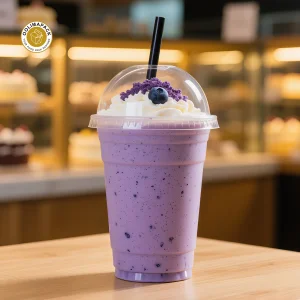
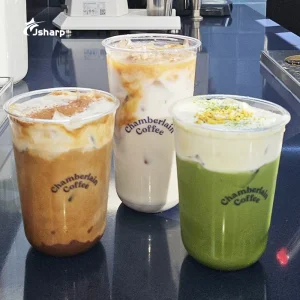
Ensures visual clarity comparable to traditional PET, highlighting drink appearance.
Complies with FDA regulations, EU Food Contact laws, and Thailand Food Safety norms.
Reinforced rims prevent cracking during high-speed automated lid application.
A closer look at polymer engineering: overcoming glass transition limitations in high-ambient-temperature environments.
Standard Polylactic Acid has a glass transition temperature ($T_g$) of approximately 55°C to 60°C. In tropical logistic routes—such as transit through Bangkok's Laem Chabang Port or storage in non-airconditioned warehouse facilities—temperatures can spike. This environment can cause structural deformation in untreated bioplastics.
To address this, our manufacturing facilities utilize advanced copolymerization and blending technologies, including:
We are currently testing second-generation agricultural-byproduct PLA, incorporating local crop waste fibers. This research aims to further reduce carbon footprints and lower reliance on food-source starch inputs, creating a circular economy model tailored for the Southeast Asian agricultural sector.
Shandong PsiPrime Packaging Co., Ltd. manages a fully integrated manufacturing process from raw material synthesis to global delivery, offering reliable supply and cost efficiencies.
Shandong PsiPrime Packaging Co., Ltd. is focused on developing sustainable packaging solutions that support the food-service industry's transition away from single-use plastics. By focusing on biodegradable and compostable alternatives, we help brands implement practical eco-friendly options.
We provide a comprehensive product line, including compostable food containers, paper-based packaging, eco-friendly paper bags, wrapping paper, and disposable catering supplies. These products serve a wide range of clients, from independent cafes to large food delivery networks and retailers.
Our operation prioritizes reliable delivery schedules, consistent quality control, and custom print capabilities. We support clients through the entire design and logistics process, helping them maintain supply chain continuity and brand visibility.
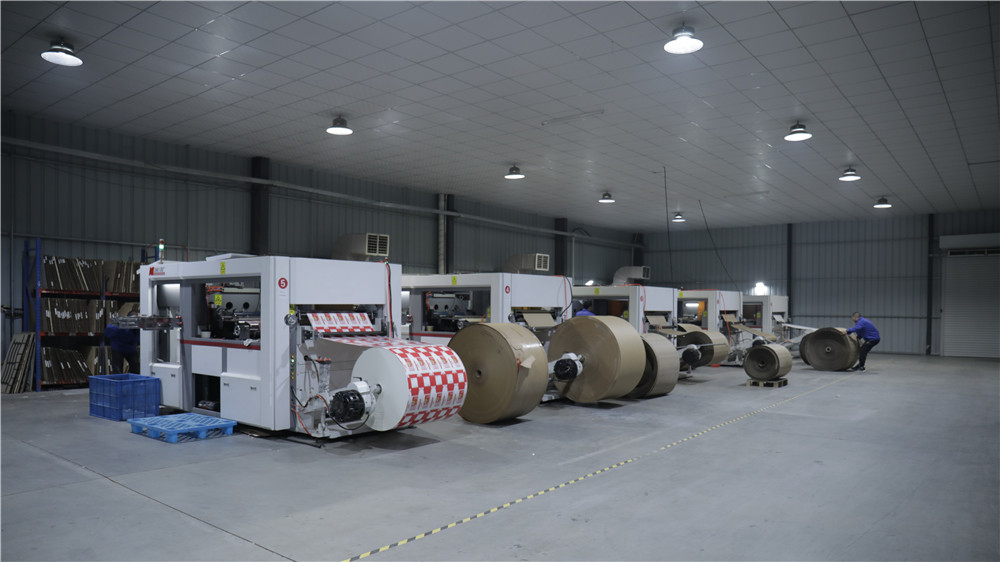
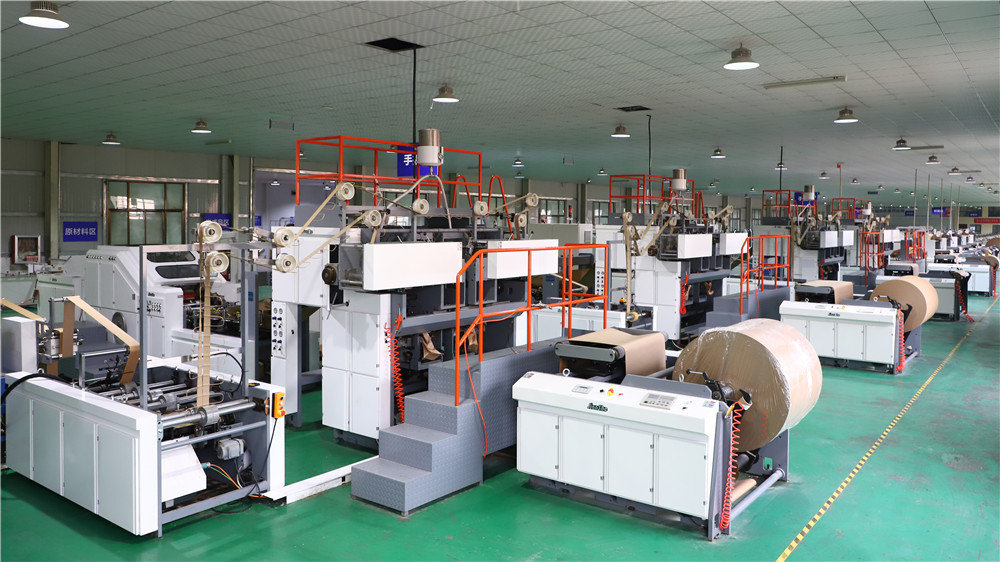
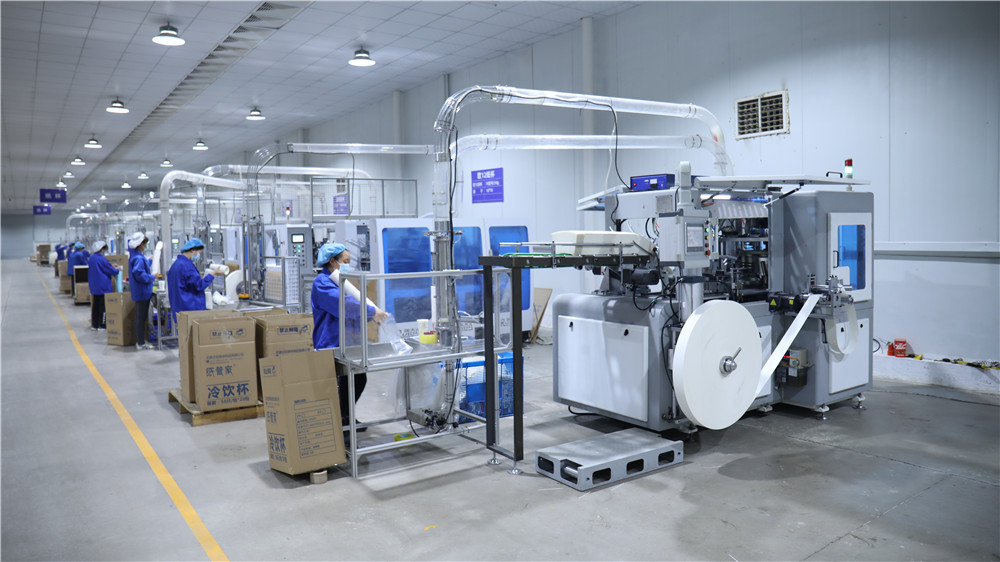
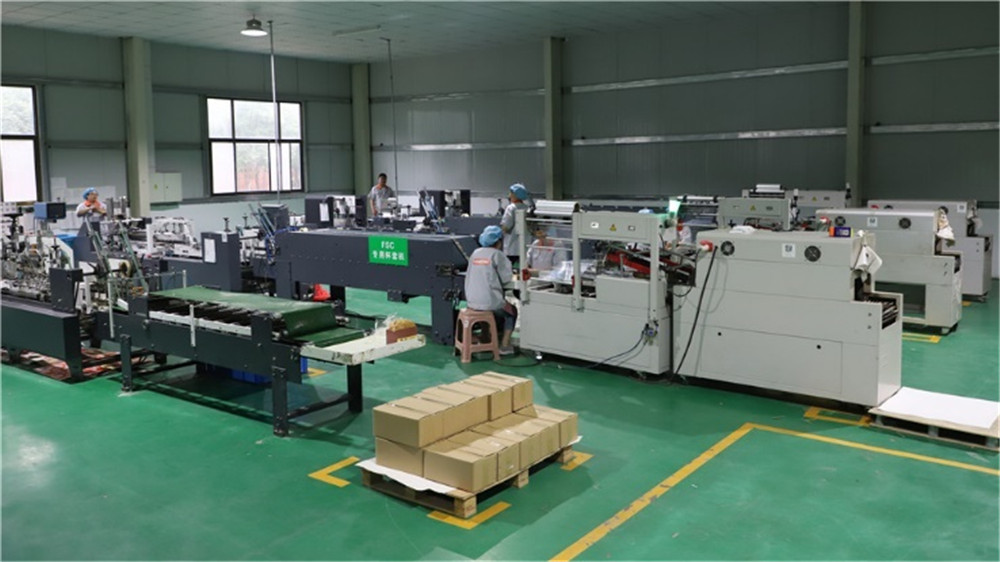
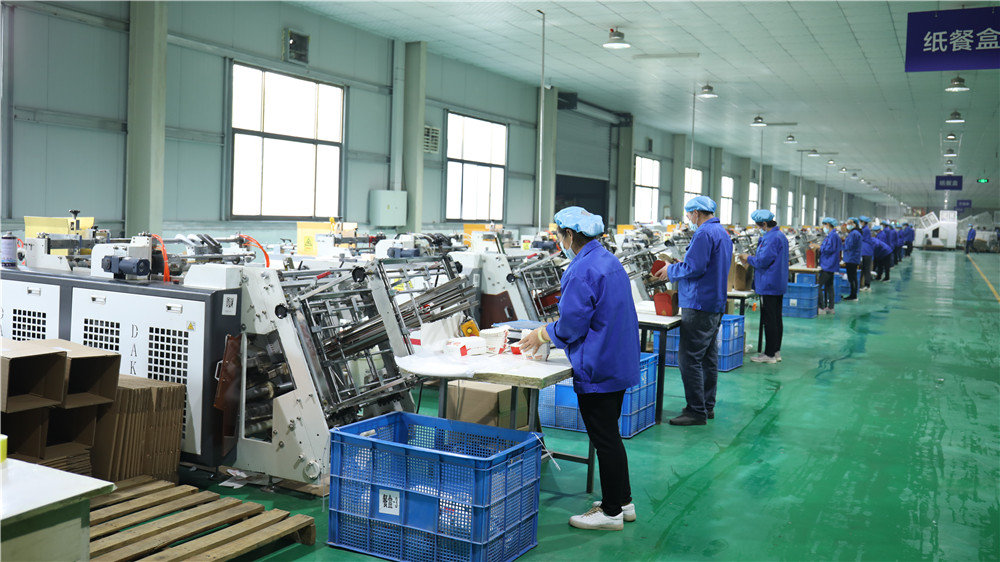
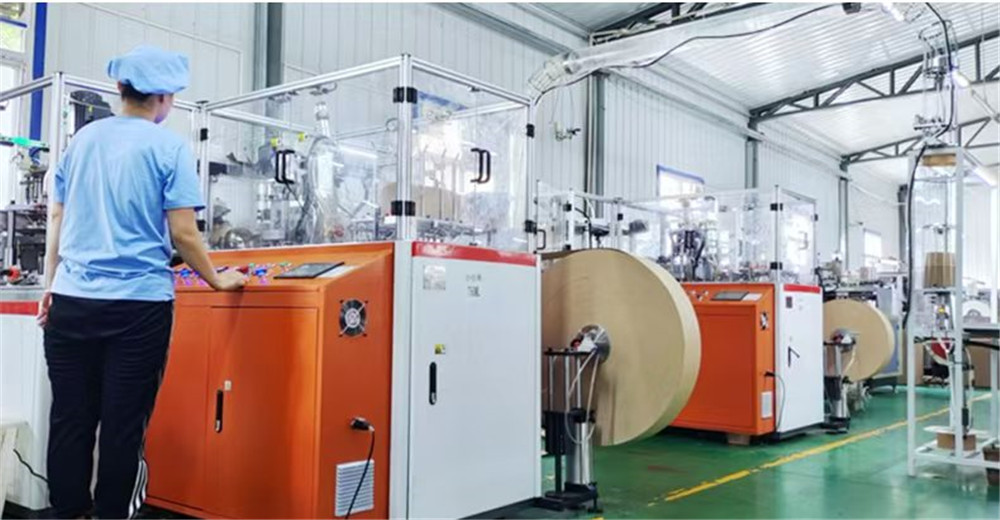
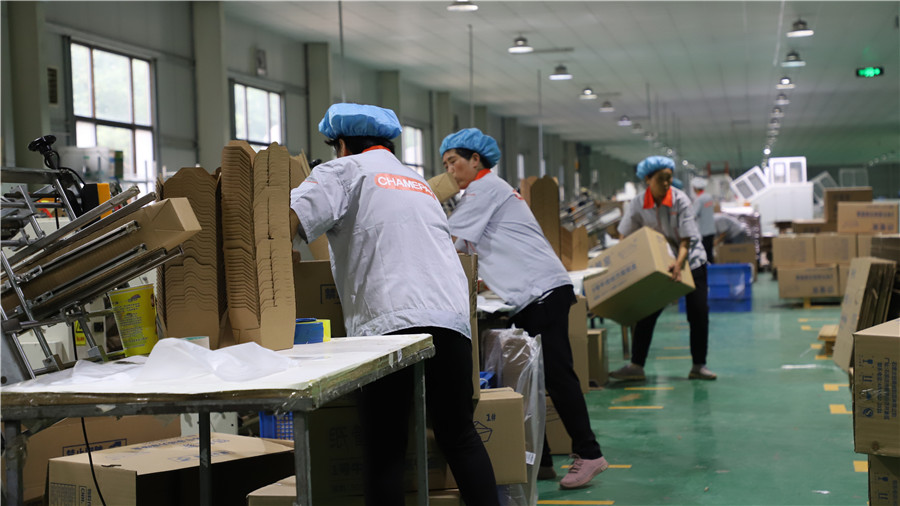
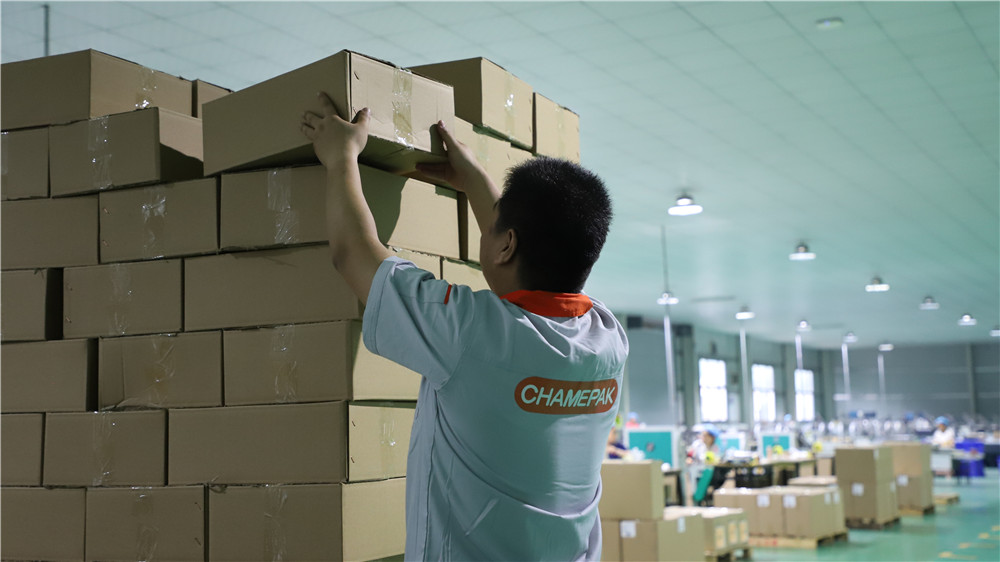
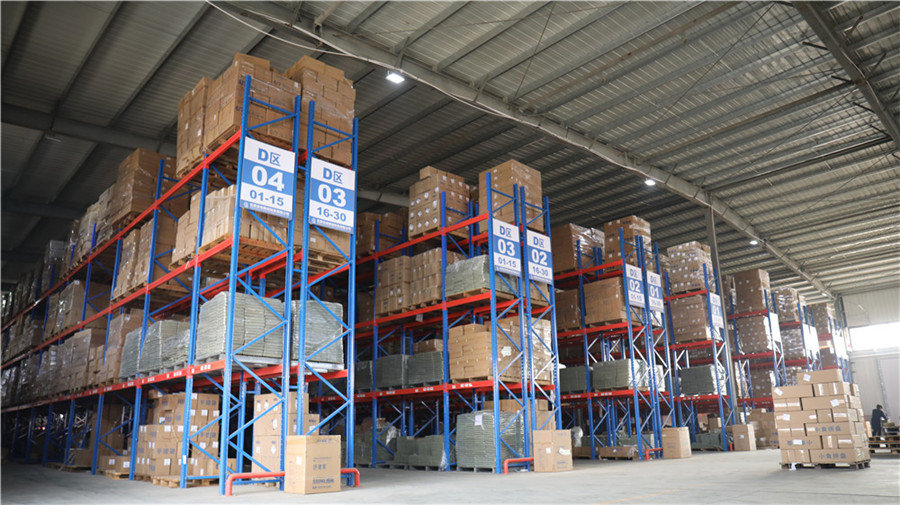
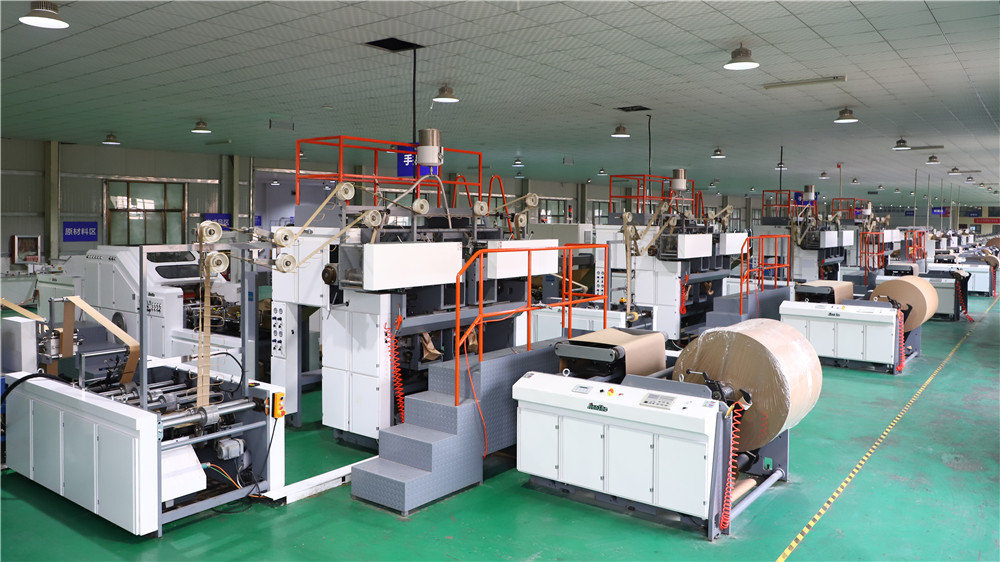
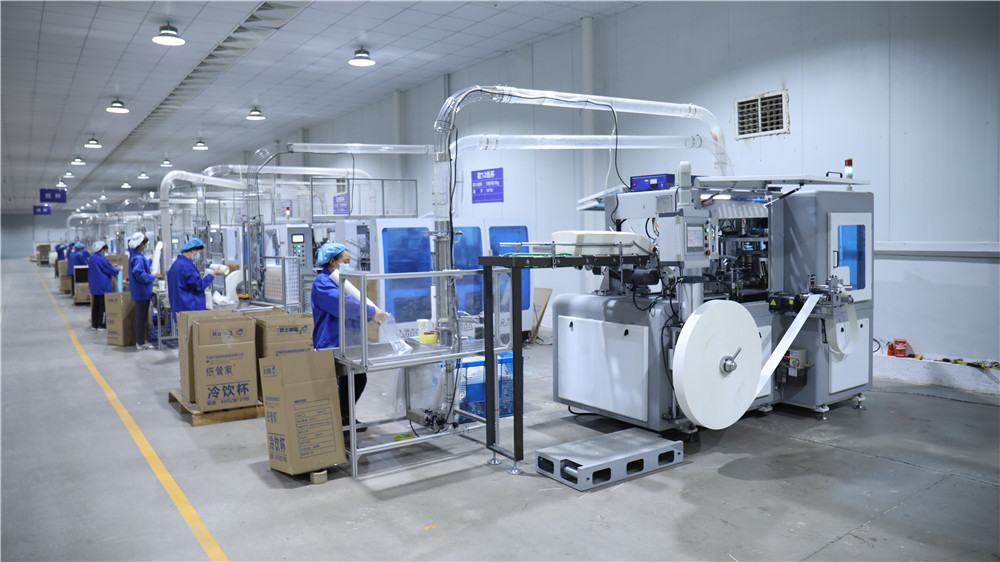
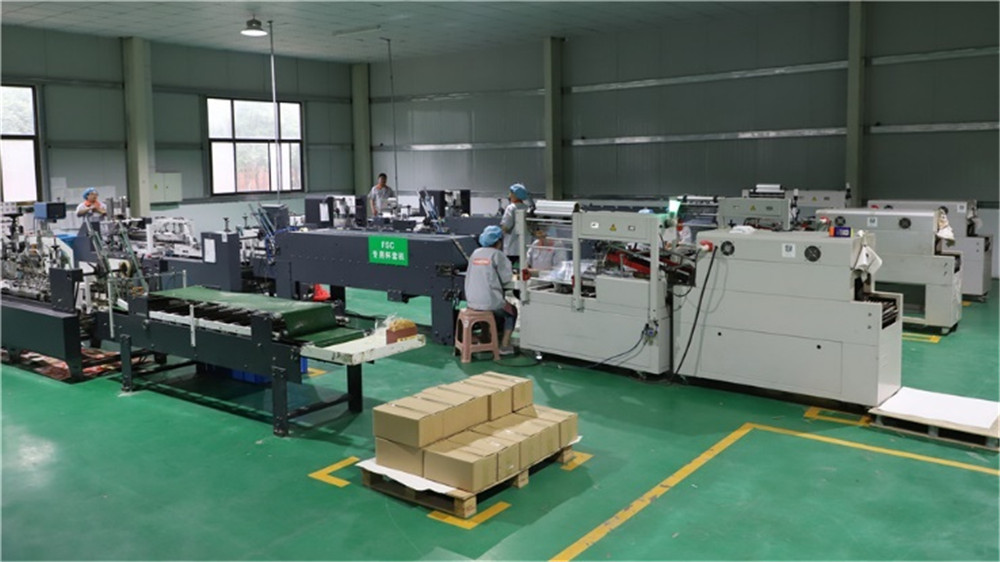
Our production facilities utilize modern automation to control costs, maintain tolerances, and minimize material waste. Our logistics setup connects directly to major port networks, facilitating consistent shipping timelines to Bangkok's Laem Chabang Port.
Navigating standards, certifying bodies, and duty-free import advantages for bulk sustainable packaging.
For operations in Bangkok, sourcing bioplastics requires verification of international environmental standards to comply with regional waste regulations. Our PLA cups carry several key certifications:
Importing sustainable packaging into Thailand is supported by regional trade agreements. We offer structured logistics services for the Bangkok market:
Discover our full range of customizable, food-safe packaging products designed for regional commercial applications.

Providing technical clarity, logistical answers, and material science guidance for procurement managers.
 PsiPrime Packaging