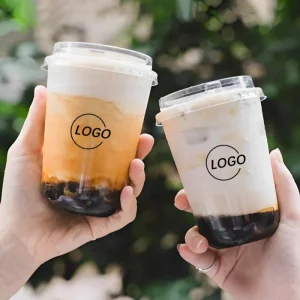
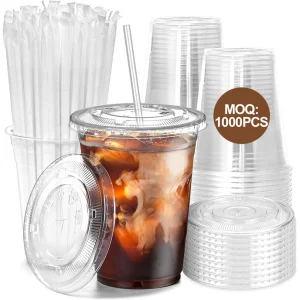
As a leading supplier of eco-friendly food packaging solutions, Shandong PsiPrime Packaging Co., Ltd. serves the Singapore F&B sector with high-performance compostable options. Below are our premier featured packaging products optimized for local hot and cold beverage service requirements.
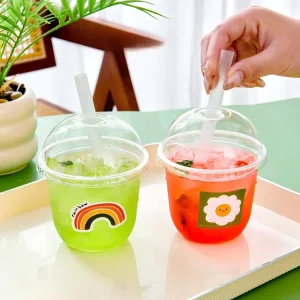
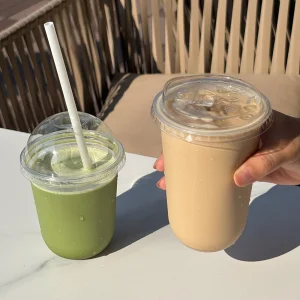
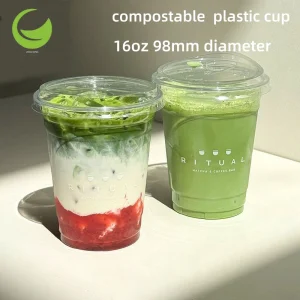
Singapore's rapid urban landscape and unique zero-waste vision have positioned the nation as a regional leader in environmental stewardship. Under the **Singapore Green Plan 2030**, the government has outlined strict directives to minimize carbon footprints, phase out non-compostable single-use plastics, and promote circular economies. For Singaporean food beverage brands, hotels, and mass catering operators, moving to **Polylactic Acid (PLA) packaging** represents a key operational and environmental milestone.
"By adopting certified PLA packaging solutions, Singaporean enterprises can align their supply chains with the NEA’s Zero Waste Masterplan, optimizing waste-to-energy pathways while demonstrating genuine commitment to corporate social responsibility."
Unlike conventional petroleum-based plastics like PET or polystyrene, PLA is synthesized from renewable biological resources such as corn starch, sugarcane, or cassava. Under the regulatory jurisdiction of the National Environment Agency (NEA), the city-state relies on waste-to-energy incinerators to manage municipal solid waste. Because PLA is bio-derived, incinerating it produces carbon-neutral emissions, as the carbon dioxide released was previously extracted from the atmosphere by the source crops. This thermal energy recovery process aligns with Singapore's environmental policies.
The international bio-packaging sector is experiencing a significant shift in material science. Global directives, such as the European Union’s Single-Use Plastics Directive (SUPD), have catalyzed the large-scale industrialization of PLA, PHA, and starch blends. As production capacities scale up worldwide, the unit economics of PLA cold drink cups have become highly competitive, allowing forward-thinking operators in Singapore to adopt sustainable packaging without compromising profitability.
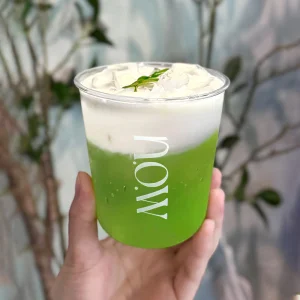
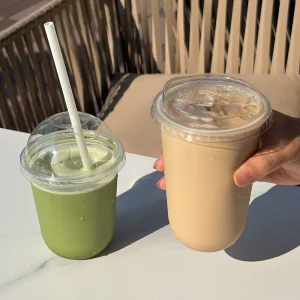
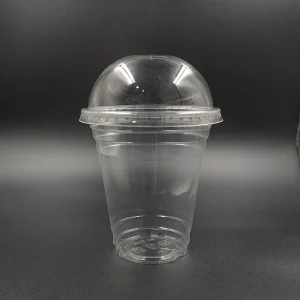
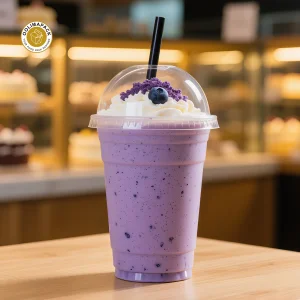
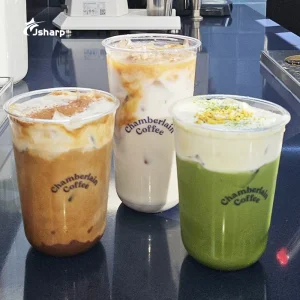
Our PLA formulations deliver exceptional optical clarity and surface gloss. This provides the aesthetic appeal required for premium iced beverages, local bubble teas, and fresh cold-pressed juices.
Engineered to prevent cracking, splitting, and warping under high-humidity conditions. Our cups are ideally suited for Singapore’s tropical climate and busy takeaway environments.
PsiPrime's PLA range holds international compostability certifications, including BPI, DIN Certco, and OK Compost, ensuring compliance with global waste management standards.
For Singapore's highly competitive food and beverage sector—ranging from heritage brand outlets in Chinatown to upscale cafes in Tanjong Pagar and Orchard Road—packaging serves as a key touchpoint for brand communication. Consumers increasingly expect packaging that is both functional and environmentally responsible. PsiPrime works closely with local logistics hubs, distributors, and directly with brands to secure reliable supply lines and offer customized design services that meet these expectations.
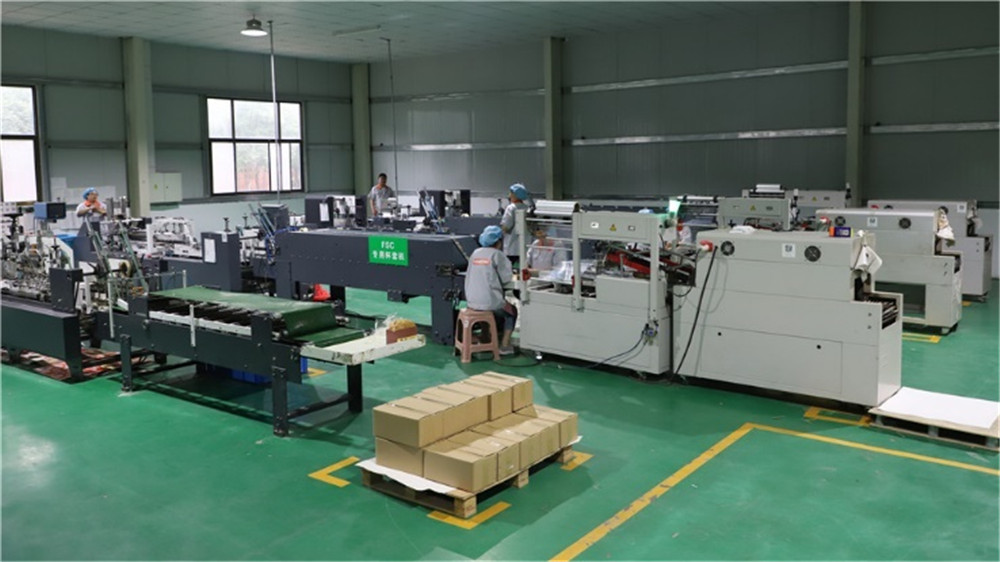
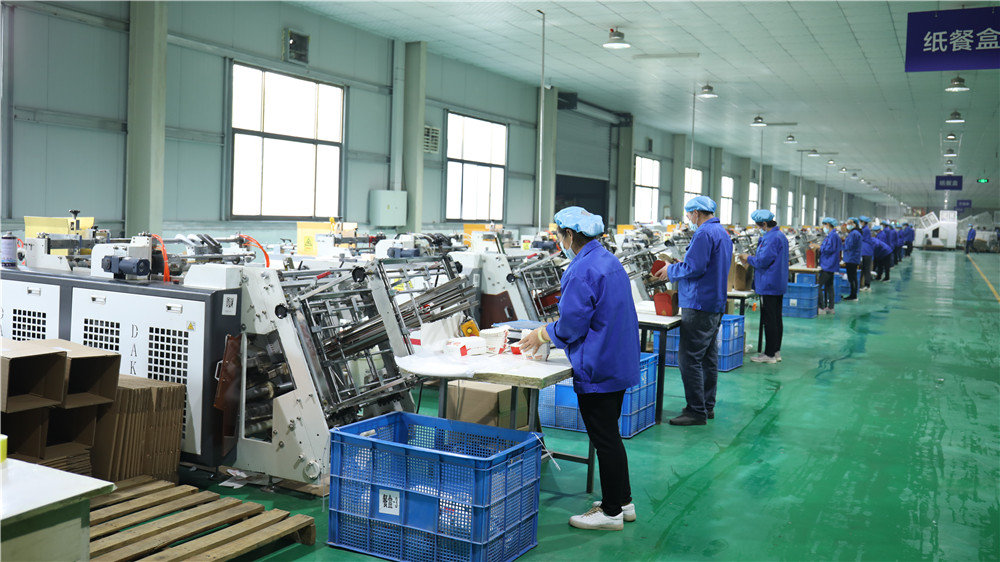
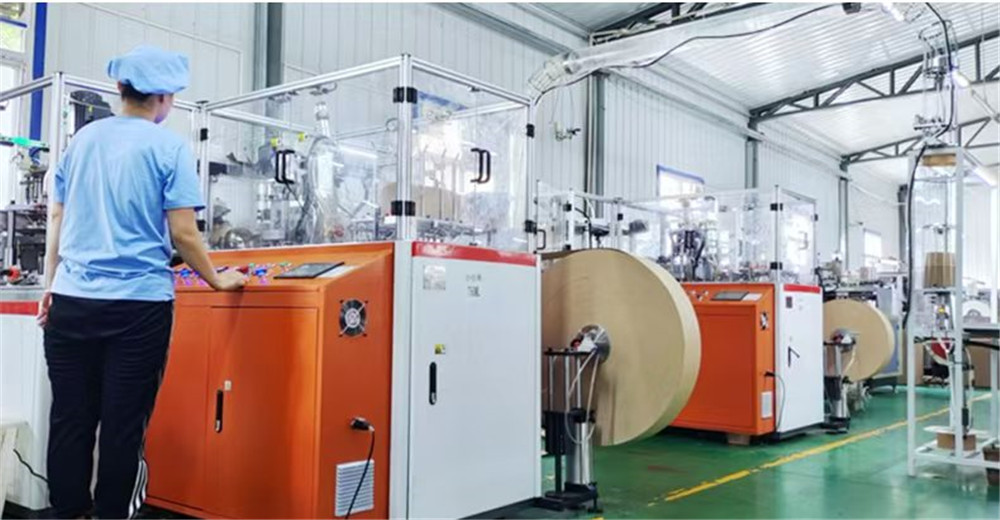
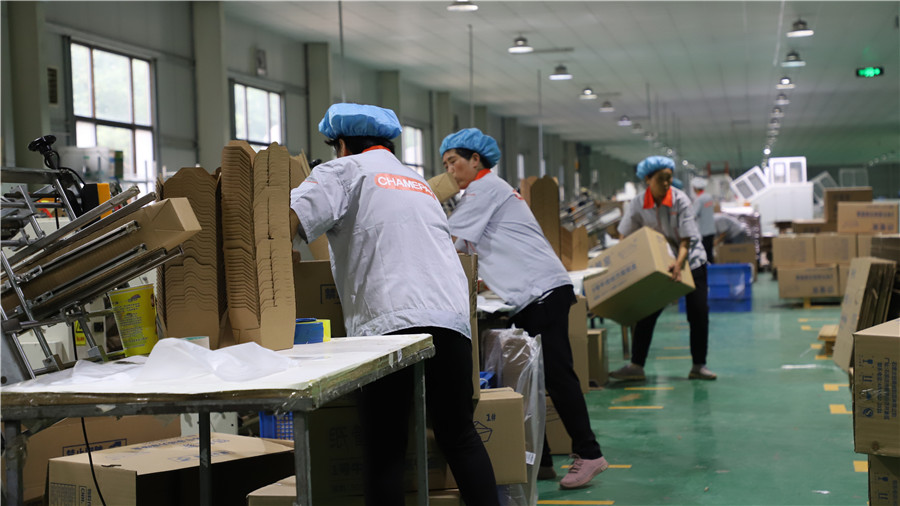
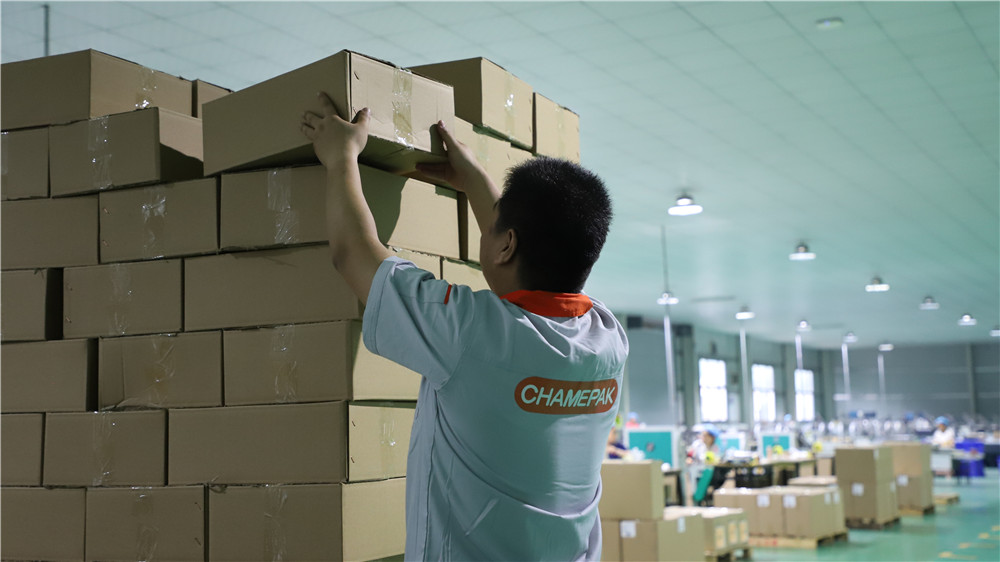
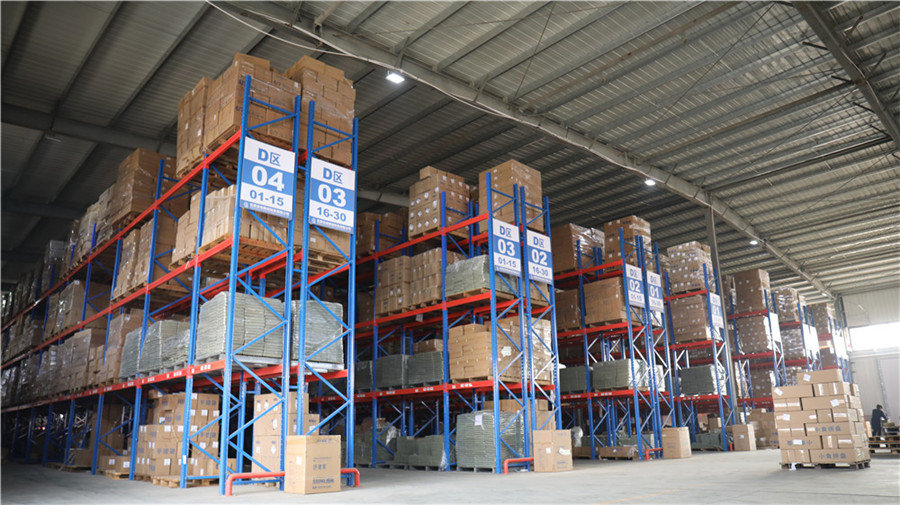
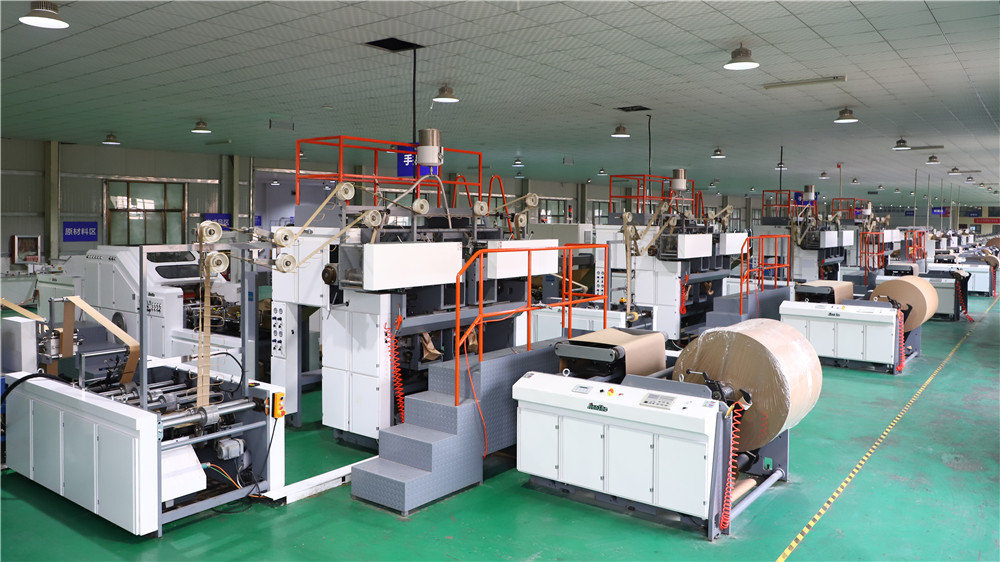
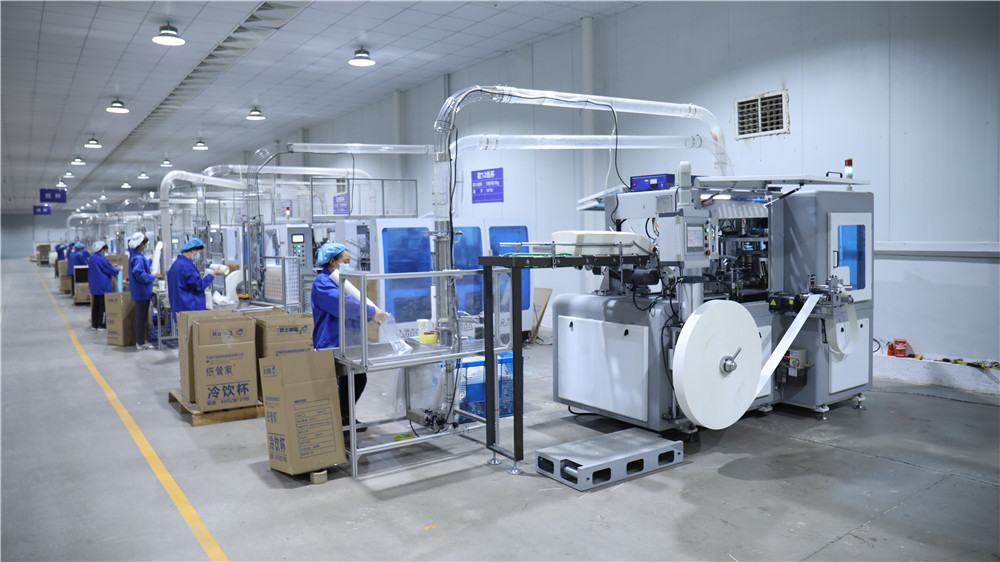
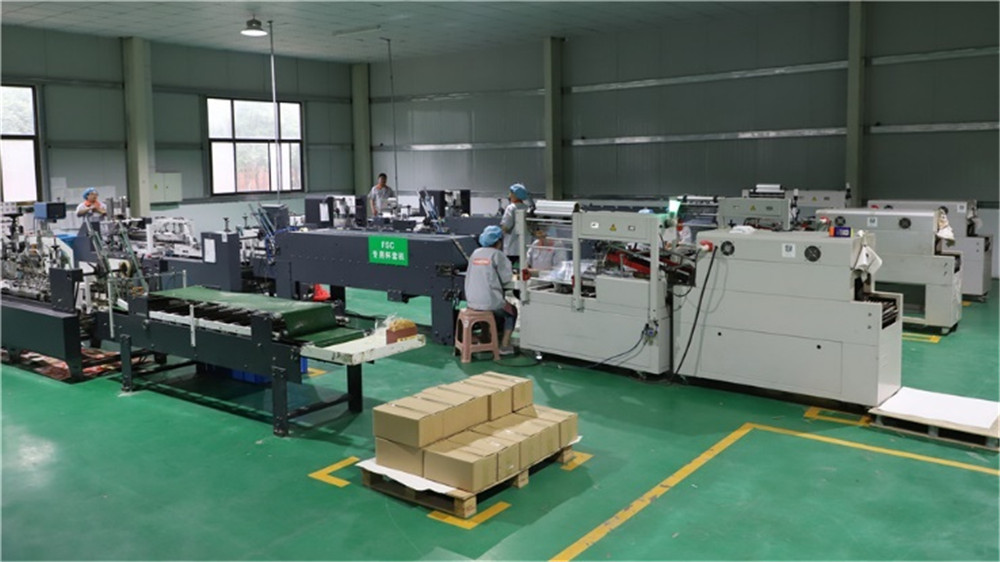
Shandong PsiPrime Packaging Co., Ltd. operates state-of-the-art production lines designed for food-grade cleanroom performance, consistent wall thickness, and precise caliber dimensions. Below is an overview of our end-to-end manufacturing and quality control workflow, ensuring reliable performance for every batch delivered to the Singapore market.
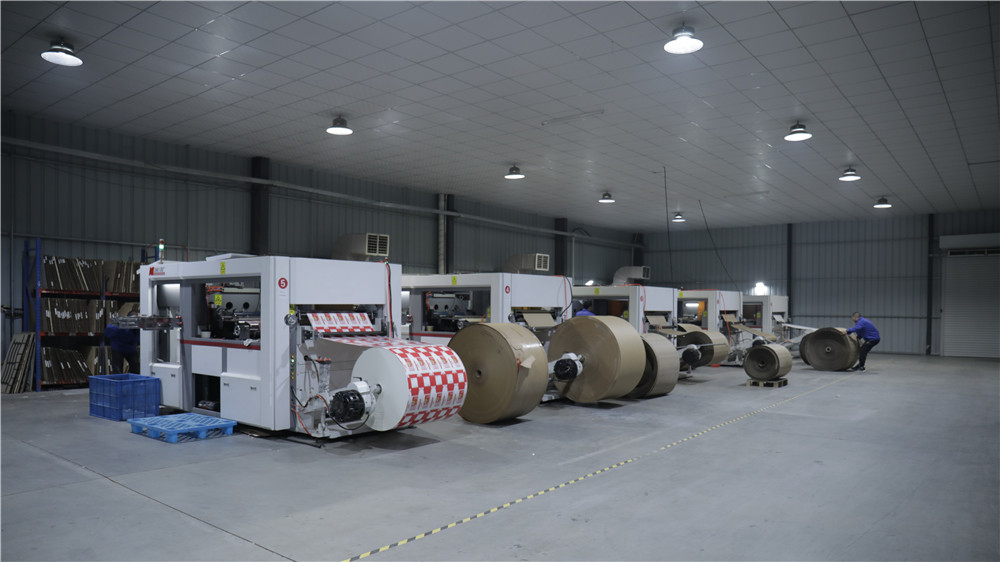
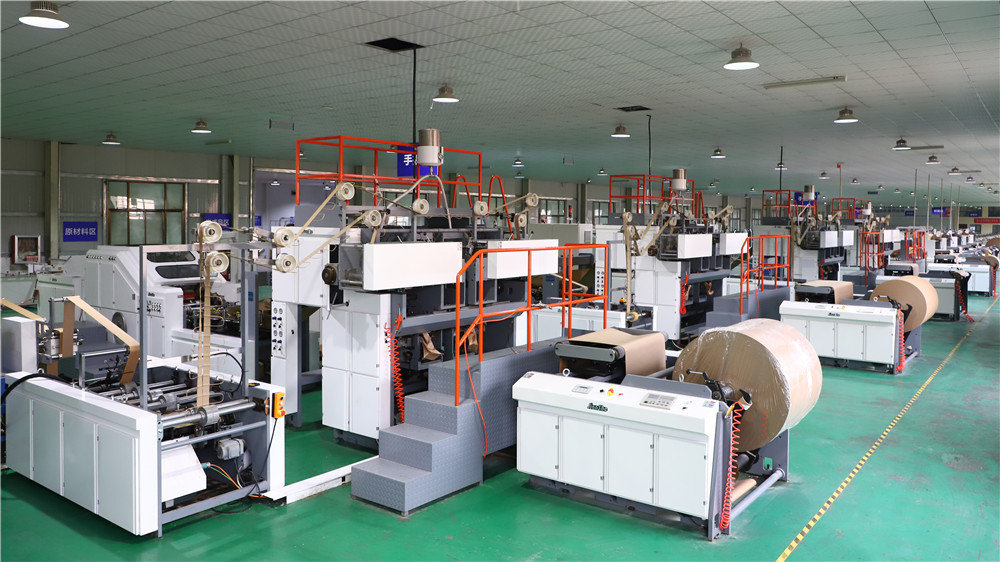
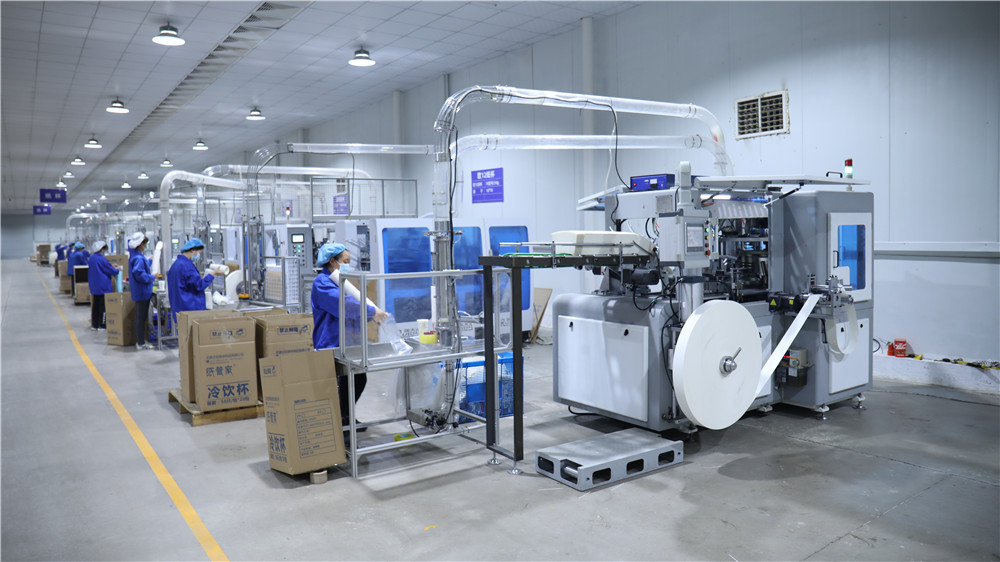
To understand why Polylactic Acid is replacing conventional plastics in high-performance settings, we must look at its underlying molecular structure. PLA is a thermoplastic aliphatic polyester synthesized via the ring-opening polymerization of lactide monomers. For cold drink packaging, our chemical formulations utilize a balanced ratio of L-lactide and D-lactide isomers. This stereochemical control optimizes crystallization kinetics, allowing the cups to achieve high clarity while maintaining structural integrity.
One of the primary engineering challenges in tropical regions like Singapore is managing the glass transition temperature (Tg) of standard PLA, which typically ranges between 55°C and 60°C. In high ambient temperatures, such as those found in non-air-conditioned shipping containers or outdoor events, improper storage can lead to product deformation. To mitigate this risk, PsiPrime's logistics and manufacturing teams implement strict thermal insulation procedures for shipping containers, ensuring products arrive in optimal condition. Additionally, we offer custom PLA formulations designed to withstand elevated temperatures, making them ideal for Singapore's food delivery networks.
Our cups also feature optimized barrier properties. While PLA naturally exhibits a higher water vapor transmission rate (WVTR) than traditional PET, our food-grade manufacturing processes yield a dense polymer matrix that minimizes condensation runoff. This design ensures that cold cups remain sturdy and comfortable to hold, even during humid Singapore afternoons.
PsiPrime's design and engineering teams customize our packaging range to meet the specific requirements of various local F&B contexts:
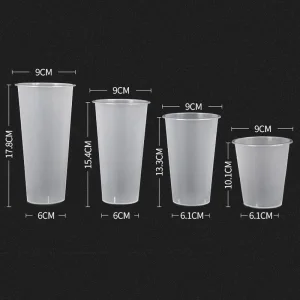
Local beverage chains require packaging that combines fast sealing with reliable structural integrity. Our 90mm and 95mm caliber cups are compatible with automated sealing machinery, enabling quick-service operations for iced Kopi, Teh Peng, and sugarcane juices.
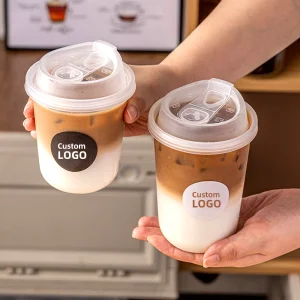
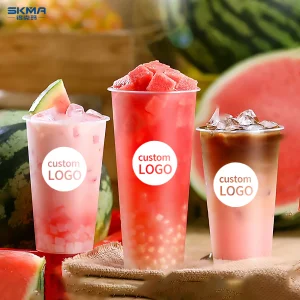
For boutique cafes located in areas like Tanjong Pagar and Tiong Bahru, customized logo printing is essential for brand visibility. We use soy-based, non-toxic inks to print detailed brand assets directly onto high-clarity PLA cups, helping brands communicate their commitment to sustainability.
Large hotels and event organizers in the Marina Bay Sands precinct and Sentosa resorts must meet stringent corporate ESG targets. Transitioning to certified BPI compostable PLA cups helps these organizations comply with internal carbon-neutral mandates and international environmental standards.
Browse our complete selection of PLA, PET, and PP disposable cups and packaging accessories. We offer customization, custom branding, and shipping logistics tailored for B2B procurement partners across Singapore and Southeast Asia.

Developing sustainable packaging requires a comprehensive look at the entire lifecycle of the product. From raw material sourcing to end-of-life processing, we evaluate the environmental impact at every stage. In Singapore's localized waste management model, domestic trash is collected and routed directly to modern waste-to-energy (WTE) facilities. The combustion of biological PLA produces a clean carbon-neutral cycle, avoiding the release of fossilized carbon associated with conventional petrochemical plastics.
For businesses targeting closed-loop circular systems, PLA is also suitable for industrial composting facilities. When exposed to controlled environments with high humidity and temperatures above 58°C, PLA breaks down into carbon dioxide and water within 60 days, leaving no toxic synthetic residues behind. We assist corporate clients in evaluating these waste pathways to optimize their local ESG reporting metrics.
In terms of logistics, Shandong PsiPrime Packaging Co., Ltd. coordinates shipments from our northern China manufacturing facilities directly to the Port of Singapore. We partner with reliable freight operators to maintain temperature-controlled shipping environments, preventing premature thermal exposure and ensuring our products arrive in pristine condition.
Explore technical answers regarding material stability, custom printing capabilities, minimum order quantities, and transit options for the Singapore market.
 PsiPrime Packaging