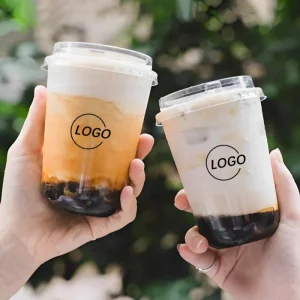
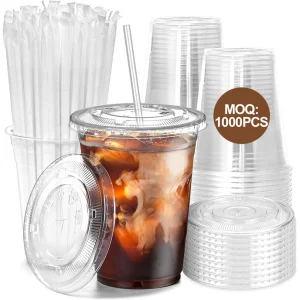
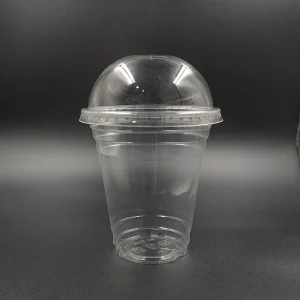
Engineered with crystalline clarity and compostable certification to align with Japan's stringent waste classification guidelines.
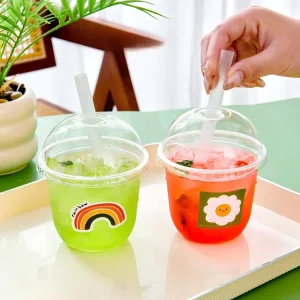
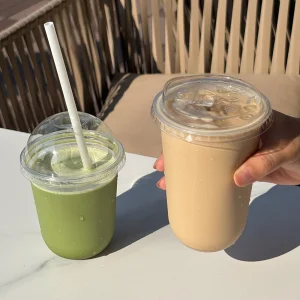
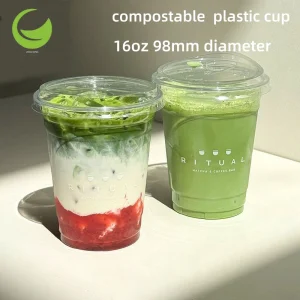
Shandong PsiPrime Packaging Co., Ltd. is committed to advancing sustainable packaging solutions and promoting the reduction of single-use plastics, helping foodservice and food-related industries transition toward more environmentally responsible operations. By deploying advanced thermoforming technologies and utilizing high-grade Polylactic Acid (PLA) polymers derived from renewable agricultural feedstocks, we supply the international markets with high-specification biodegradable drinkware. We specialize in catering to eco-conscious municipal zones like Tokyo, Osaka, and Kanagawa, where local commercial entities actively enforce modern ESG mandates.
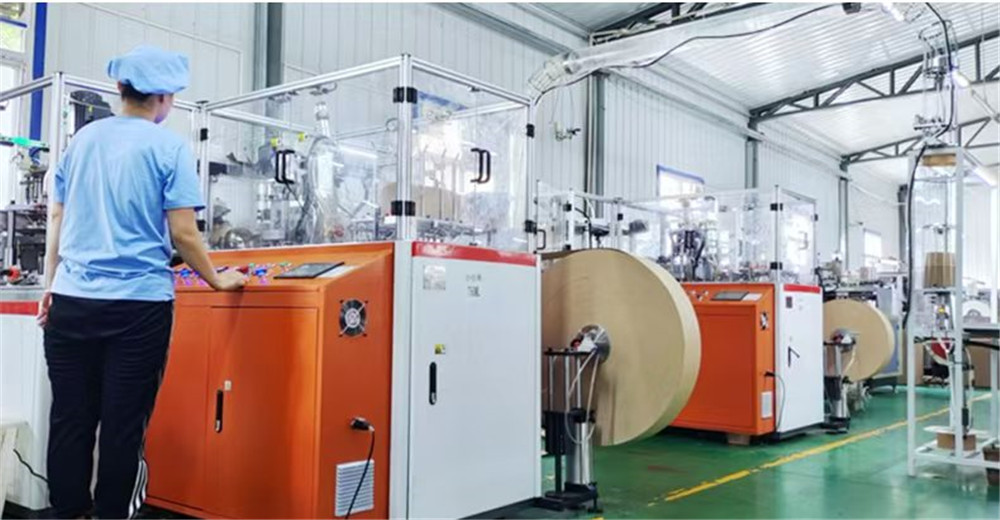
The company strongly believes that biodegradable and compostable packaging materials represent the future of sustainable development. It actively promotes the concept of “plastic alternatives” and works to raise awareness of eco-friendly packaging across global markets. With extensive industry experience and a reliable supply chain, we provide high-quality, sustainable food packaging solutions to customers in many countries and regions. Our technical capabilities allow us to manage precise polymer extrusion parameters, ensuring that the finished products offer pristine optical clarity, durable tensile strength, and reliable sealing properties.
Shandong PsiPrime Packaging Co., Ltd. specializes in the research, development, and manufacturing of eco-friendly food-grade packaging products. Its product portfolio includes compostable food containers, paper-based food packaging, eco-friendly paper bags, food wrapping paper, and disposable catering supplies. These solutions are designed to meet the diverse needs of restaurants, food delivery platforms, food processors, and retail businesses. Every batch undergoes rigorous quality assurance steps, matching the strict standards governed by the Ministry of Health, Labour and Welfare of Japan.
Looking ahead, the company will continue investing in innovation in biodegradable materials and expanding the application of compostable products across more industries, working together with global partners to build a low-carbon, environmentally friendly, and sustainable future.
Tokyo is currently executing one of Asia's most progressive waste management transitions. Driven by the Tokyo Metropolitan Government’s (TMG) "Plastic Strategy," the prefecture aims to reduce single-use fossil-fuel plastics by 25% by the year 2030. In districts like Shibuya, Shinjuku, and Ginza, the concentration of high-volume cafes, premium convenience store chains, and corporate offices has generated an unprecedented surge in demand for non-petroleum packaging. This shifts the industrial landscape toward Polylactic Acid (PLA) and Crystalline PLA (CPLA) cold drink cups.
However, importing and distributing food-contact items within Japan requires deep alignment with the Food Sanitation Act (Act No. 233 of 1947) and the newly instituted Positive List System for synthetic resins. For sourcing directors evaluating PLA factories to serve Tokyo's demanding consumer base, it is critical to verify that the raw materials, colorants, and processing additives match these regulations. Shandong PsiPrime Packaging Co., Ltd. ensures that its food-grade PLA products are compliant with global international certifications (FDA, BPI, EN 13432) and align with Japan's safety requirements, providing Tokyo distributors with complete regulatory peace of mind.
Polylactic Acid (PLA) is a biopolymer synthesized via the ring-opening polymerization of lactide, which is obtained from fermenting plant starches (such as corn starch or sugarcane). In comparison to traditional Polyethylene Terephthalate (PET) or Polypropylene (PP), PLA exhibits a significantly lower carbon footprint, releasing up to 75% fewer greenhouse gases during its life cycle. It behaves like a thermoplastic polyester, retaining excellent clarity and rigidity at lower temperatures.
Understanding the thermomechanical limitations of PLA is vital for procurement. PLA has a relatively low glass transition temperature ($T_g$) ranging from 55°C to 60°C. This means that if PLA cups are exposed to temperatures exceeding this range during transit, warehousing, or outdoor storage in Tokyo’s humid summers, they can undergo deformation. To mitigate this risk, PsiPrime executes precise thermal-profile management during shipping (reefer containers) and employs modified polymer compounding technologies that improve the thermal durability of our cold drinkware series.
| Material Property | Standard PLA Cup | Conventional PET Cup | PsiPrime Optimized PLA |
|---|---|---|---|
| Raw Material Source | 100% Corn / Sugarcane Starch | Fossil Fuels (Petroleum) | Gen-II Renewables & Purified PLA |
| Decomposition Method | Industrial Composting (EN 13432) | Non-degradable (Centuries) | Compostable / Certified Bio-degradable |
| Clarity / Transparency | Very High (>90%) | Excellent (>92%) | Premium Optical Grade (>91%) |
| Glass Transition Temp ($T_g$) | 55°C | 67°C | Modified up to 58°C - 60°C |
| Carbon Footprint (CO₂ eq/kg) | ~1.2 | ~3.4 | ~0.95 (Low-emission production) |
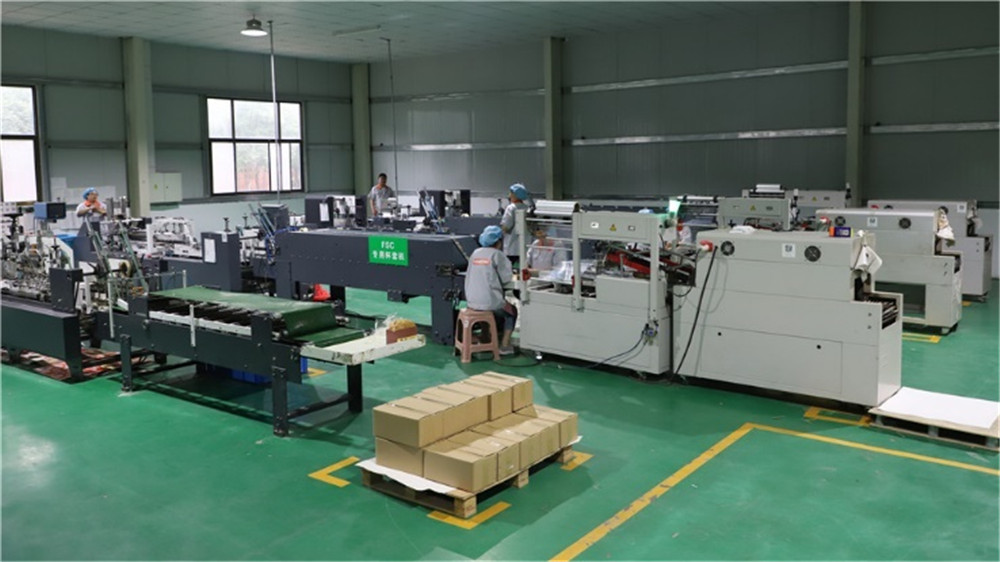
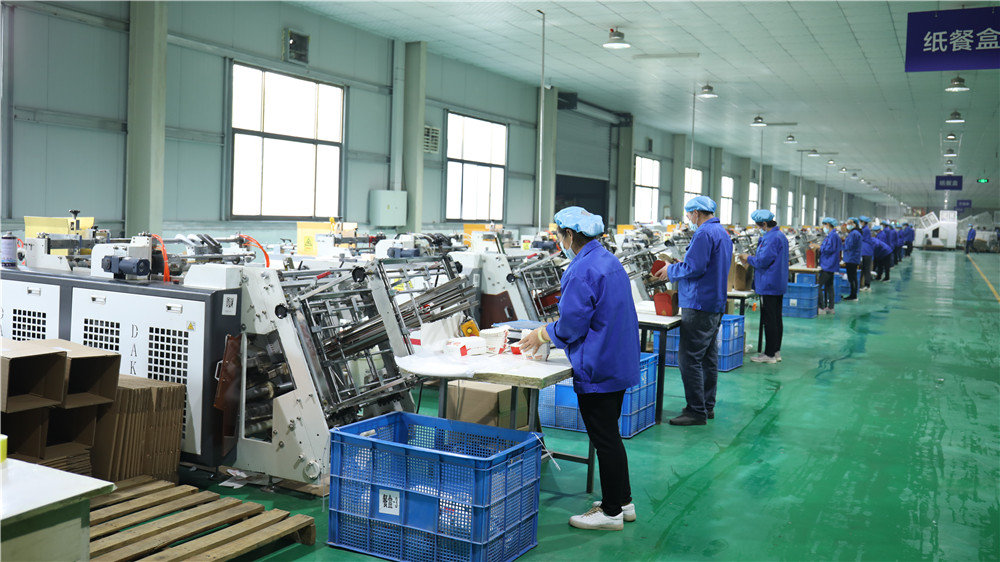
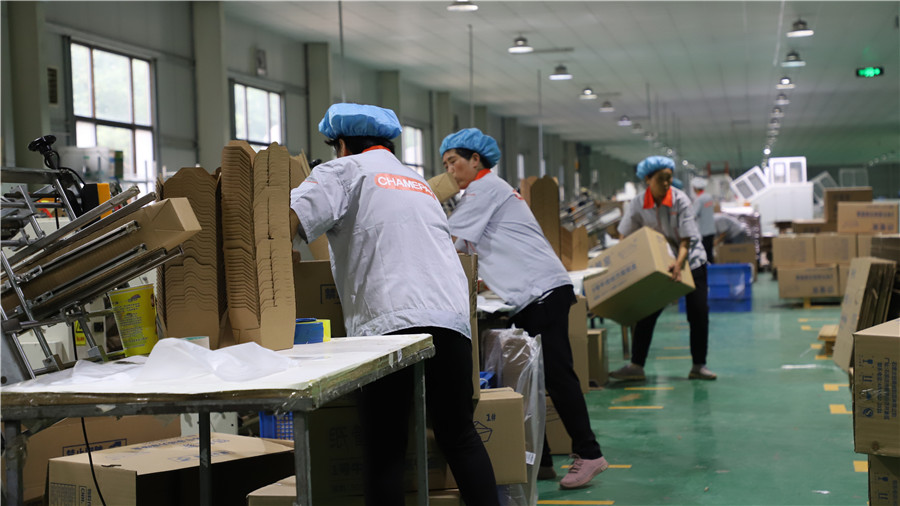
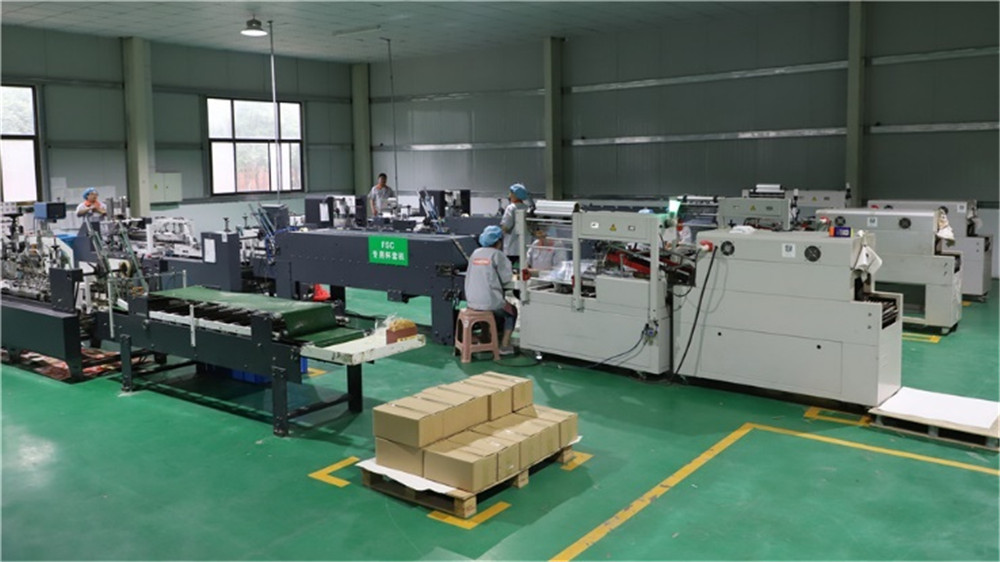
Undergoing continuous technological audits to guarantee high-precision calibration, dust-free manufacturing, and uniform wall thickness.
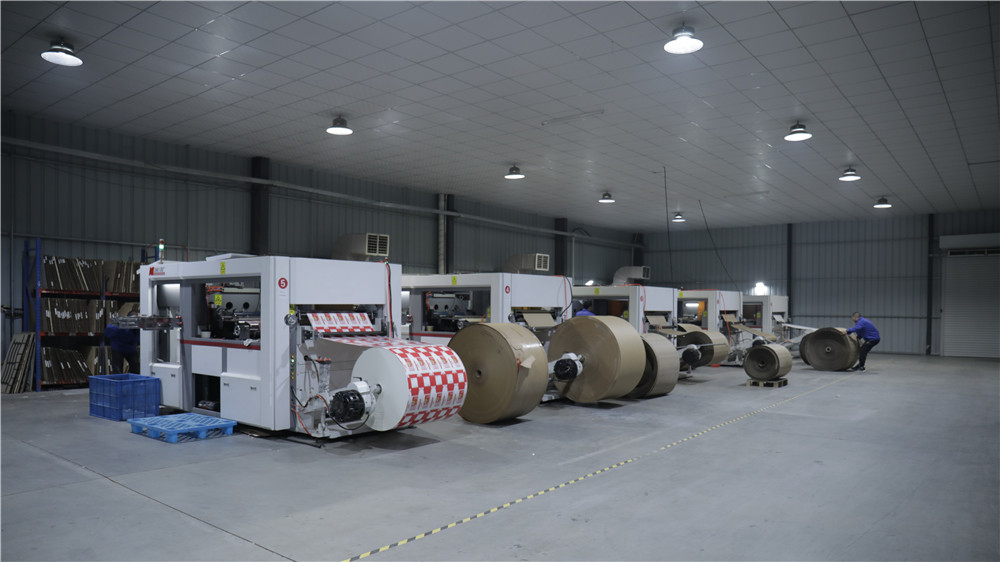
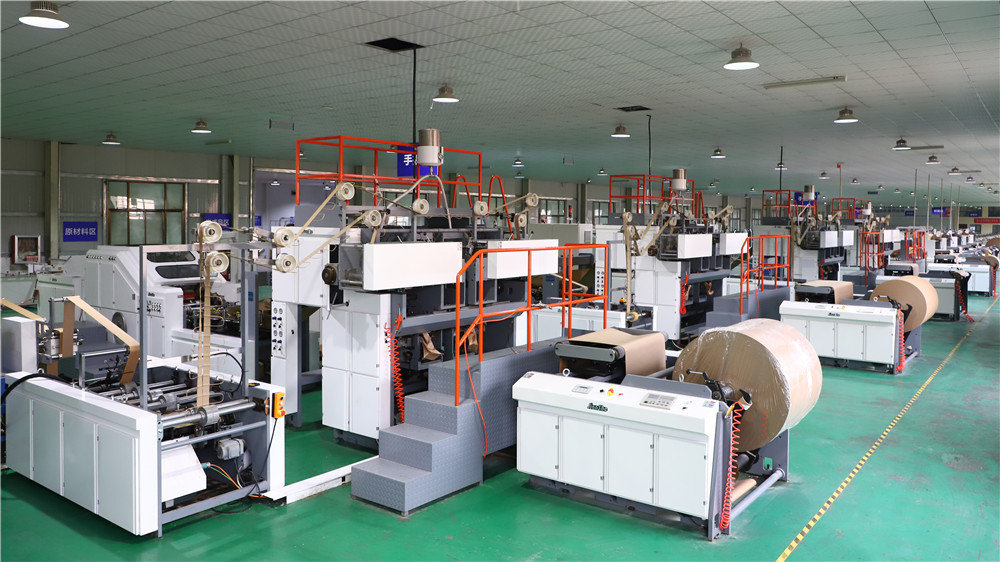
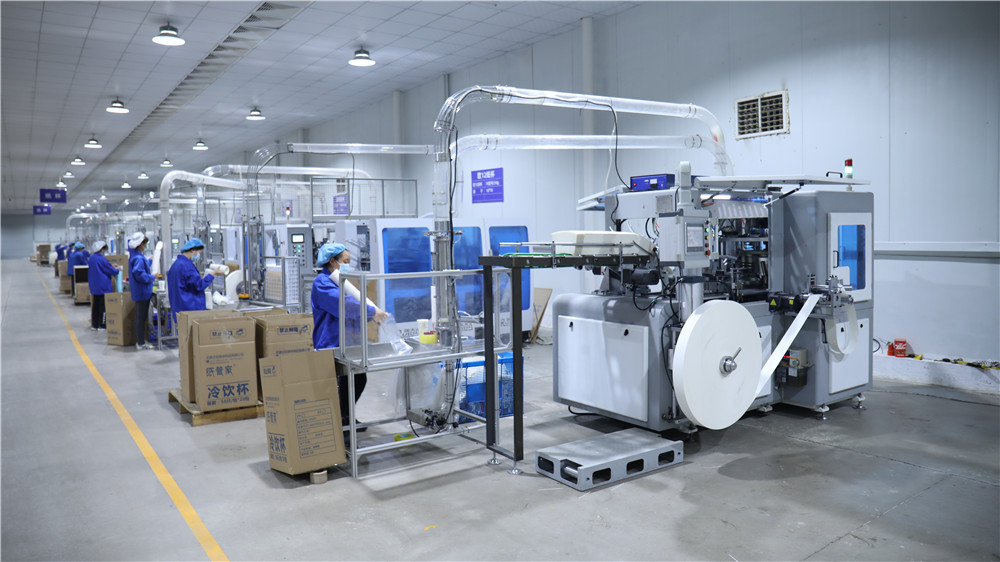
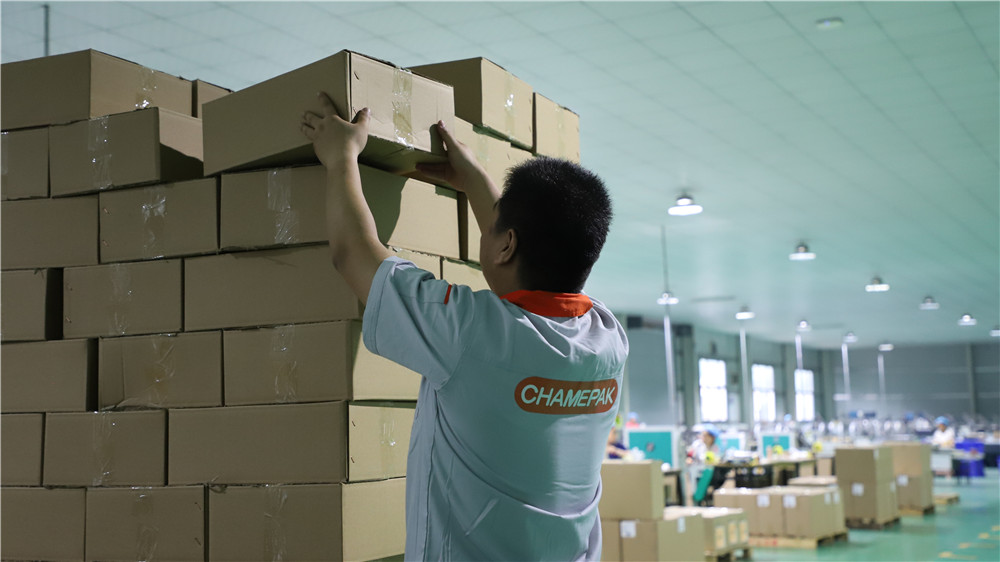
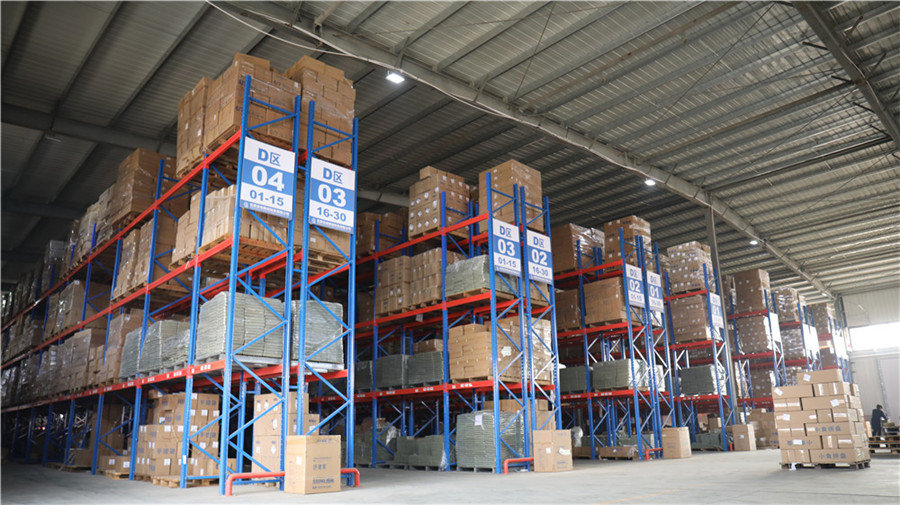
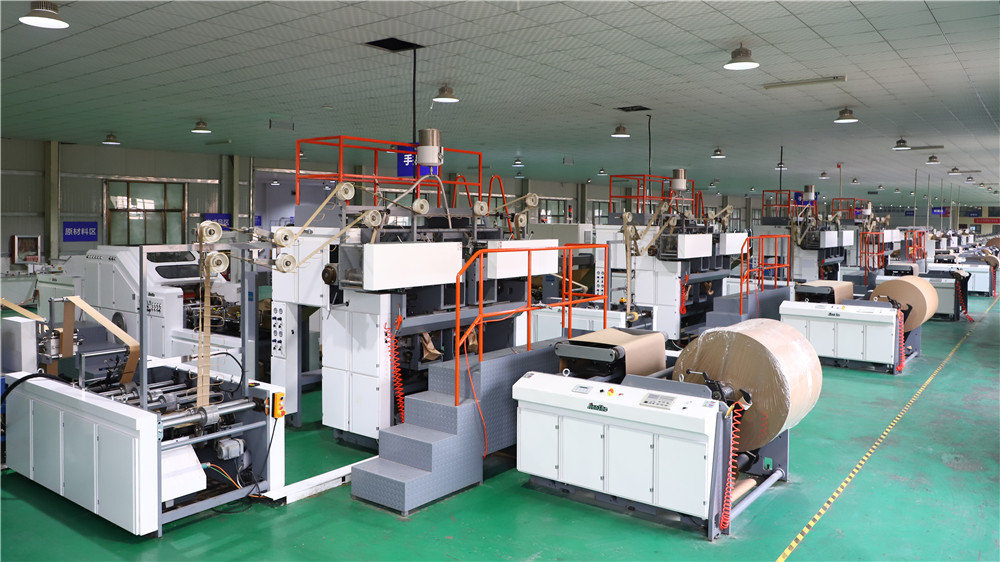
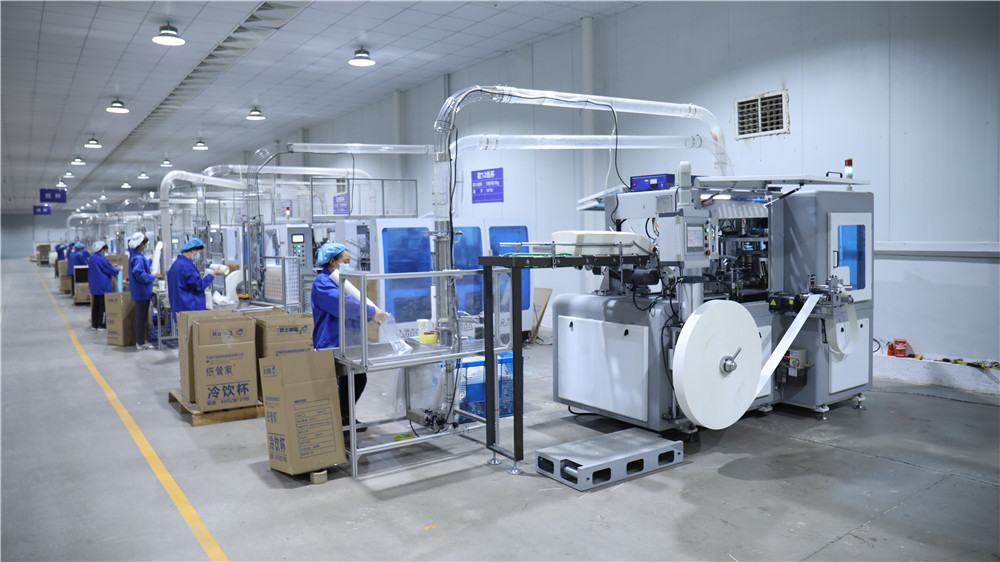
Procuring compostable plasticware at scale demands careful supply chain execution. When importing container loads into major Japanese ports like Tokyo Port (Ohi or Aomi Terminals) or Yokohama Port, buyers must navigate custom protocols, domestic warehousing constraints, and seasonal lead times. At Shandong PsiPrime Packaging Co., Ltd., we have established optimized freight paths that ensure prompt delivery cycles and continuous supply safety stocks.
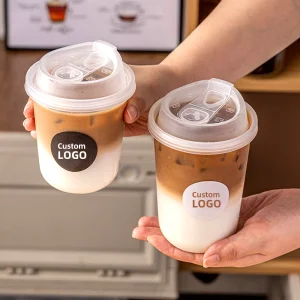
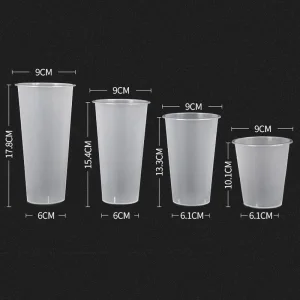
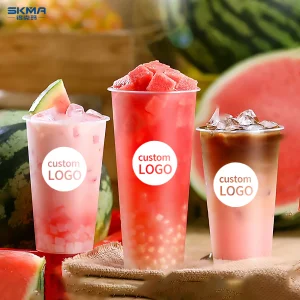
Our OEM/ODM services are designed to accommodate customized requirements. We handle various caliber profiles (including the popular 90mm and 95mm outer diameters) and support up to 6-color flexographic or offset printing using food-safe, soy-based inks. Our design team works directly with corporate branding departments to overlay high-resolution vectors, helping brand owners display their eco-friendly messaging clearly on every cup.
Furthermore, our supply chain guarantees strict adherence to international temperature parameters. Given the specific heat-resistance threshold of PLA, we utilize temperature-controlled dry vans or reefer shipping containers for summer shipments crossing the East China Sea. This ensures that every shipment arrives in pristine, undeformed condition, ready for retail or commercial use.
In accordance with Japan's recycling and waste guidelines, single-use compostable products must meet recognized testing protocols to assure municipal systems that they will not disrupt conventional mechanical recycling streams. Shandong PsiPrime Packaging Co., Ltd. ensures its PLA products conform to global testing frameworks:
Explore our full catalog of sustainable packaging. Original product URLs and details are preserved in full.





Addressing technical, logistics, and material compliance inquiries from procurement managers in Tokyo.
 PsiPrime Packaging