Engineered specifically to comply with the European circular economy directives and anti-waste standards.
As European consumer centers accelerate their transition toward circular economies, the agrifood sector in the Île-de-France region finds itself at the forefront of a packaging revolution. In Paris, regulatory frameworks such as the Loi AGEC (Anti-Waste for a Circular Economy Law) have introduced strict limits on single-use plastics for fresh produce under 1.5kg. This legislative shift has converted sustainable, biodegradable, and high-performance mesh fruit storage bags from elective options into baseline operational mandates for commercial growers, packers, and distributors.
Globally, the demand for agricultural netting is characterized by a stark divide between low-cost, single-use, non-recyclable meshes and high-durability, food-contact certified packaging systems. While emerging markets are still reliant on standard polypropylene (PP) extrusion nets, European and North American buyers are prioritizing circularity. Key characteristics of this global shift include:
Shandong PsiPrime Packaging Co., Ltd. is committed to advancing sustainable packaging solutions and promoting the reduction of single-use plastics, helping foodservice and food-related industries transition toward more environmentally responsible operations. Our integrated manufacturing hub in Shandong combines world-class polymer extrusion, precision textile knitting, and automated custom finishing lines to achieve unmatched product quality and cost efficiency.
The company strongly believes that biodegradable and compostable packaging materials represent the future of sustainable development. It actively promotes the concept of "plastic alternatives" and works to raise awareness of eco-friendly packaging across global markets. With extensive industry experience and a reliable supply chain, we provide high-quality, sustainable food packaging solutions to customers in many countries and regions.
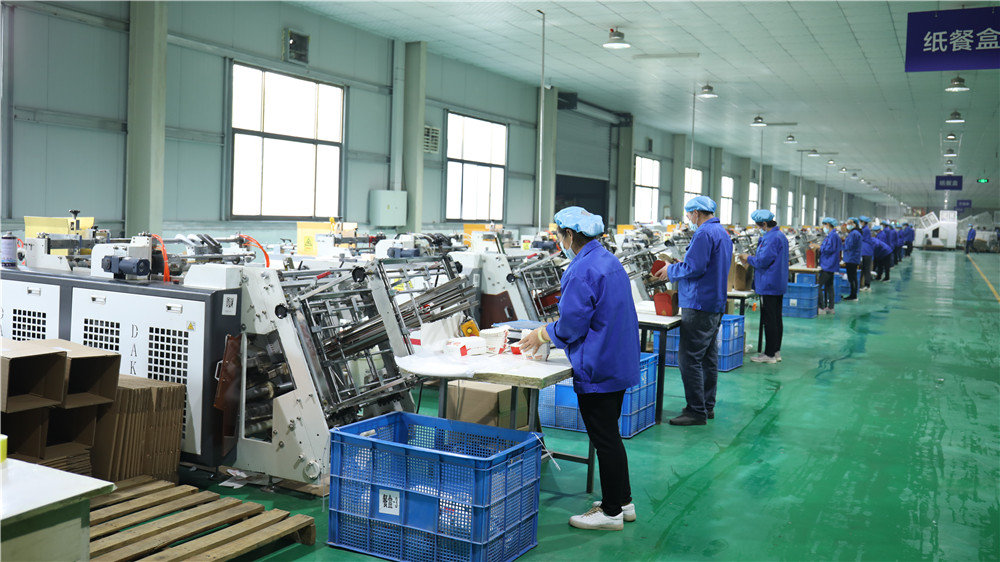
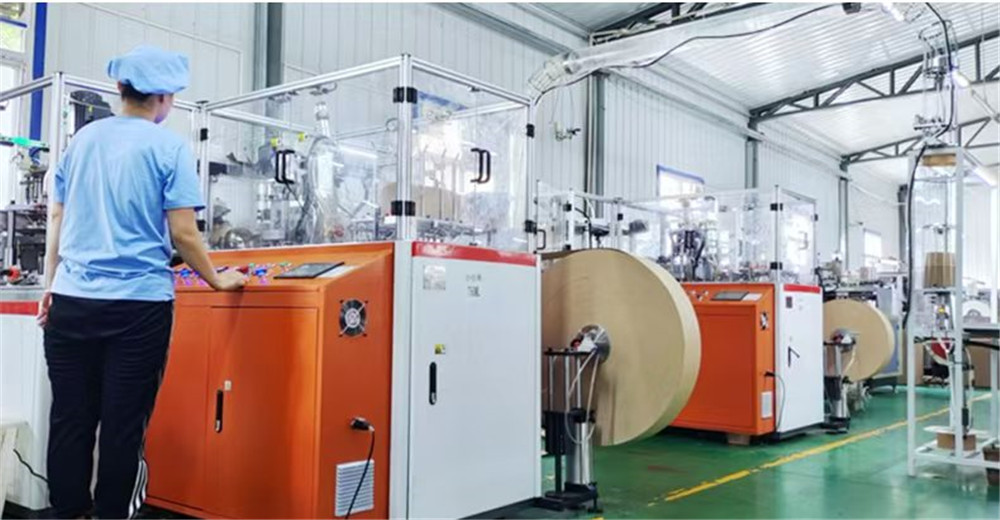
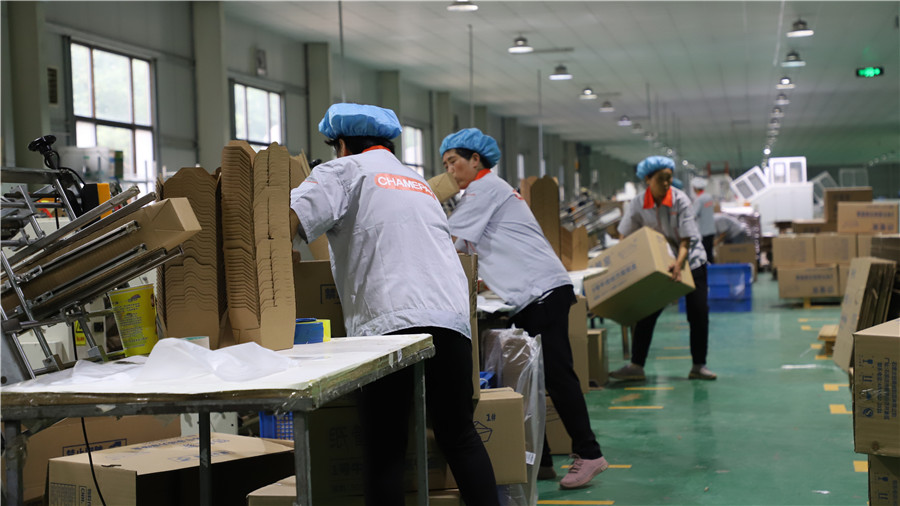
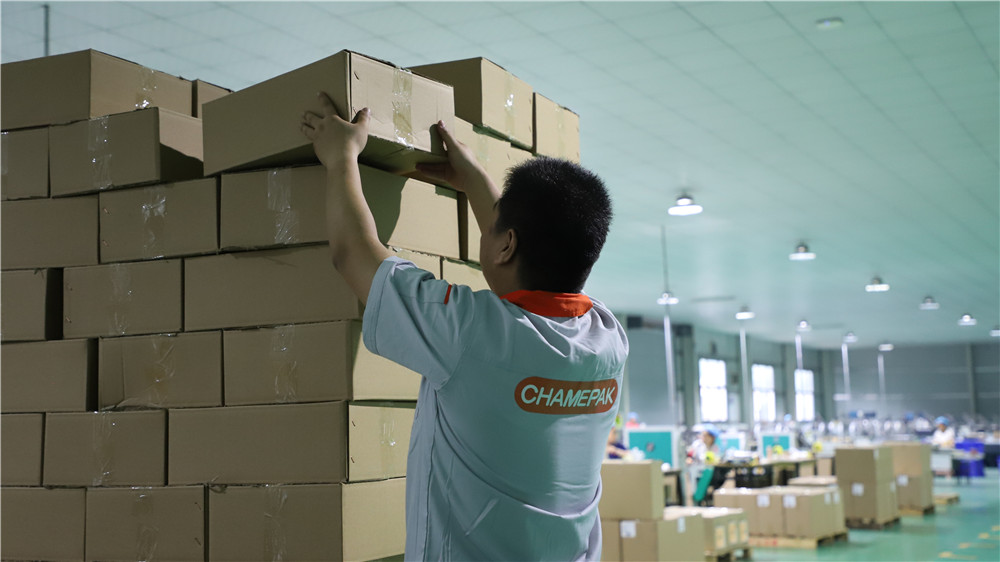
Our facility operates at high precision, optimizing every stage of production from raw material selection to extrusion and final assembly. By consolidating the supply chain, we offer Paris importers and European retailers a seamless procurement pipeline, ensuring consistent quality control across all product classes.
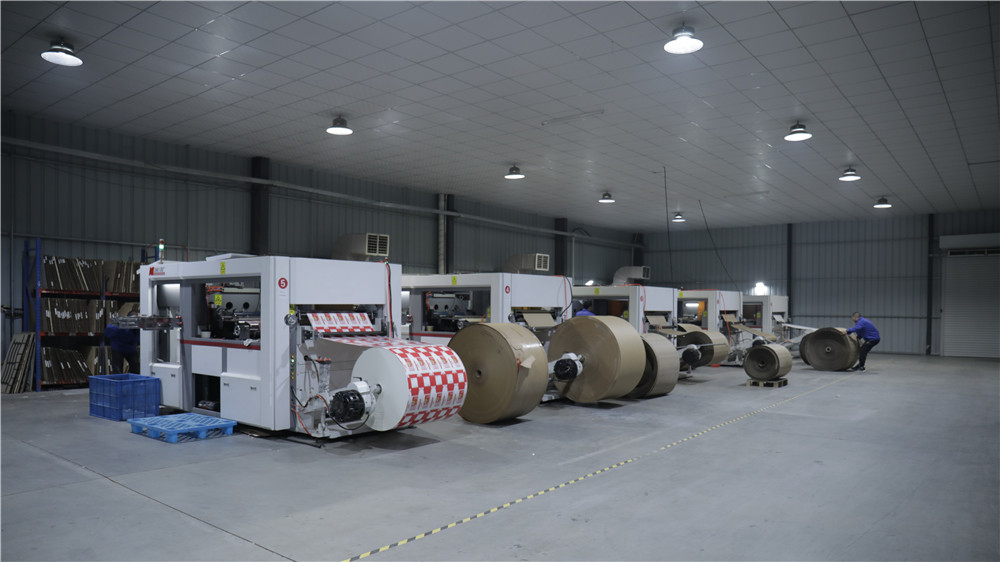
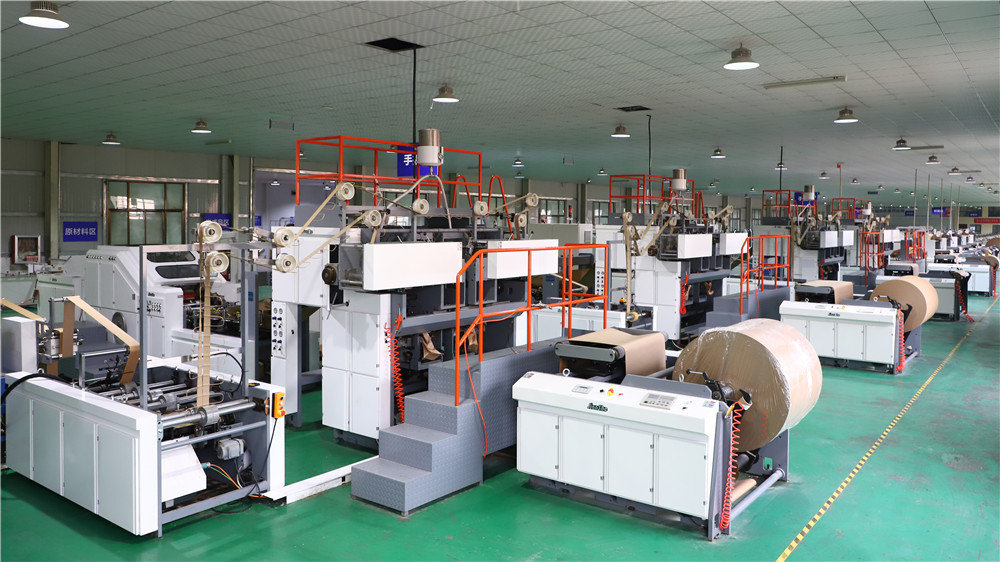
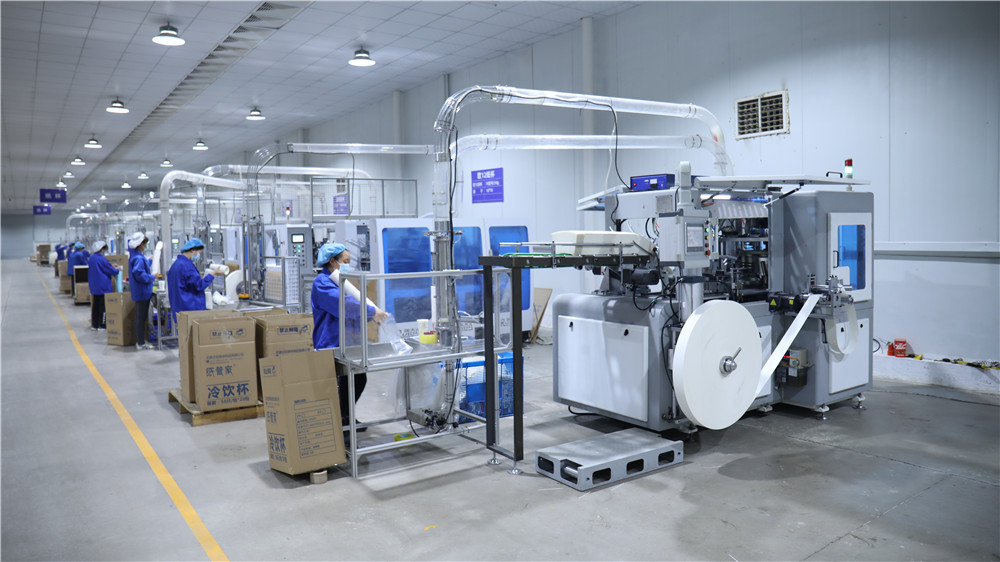
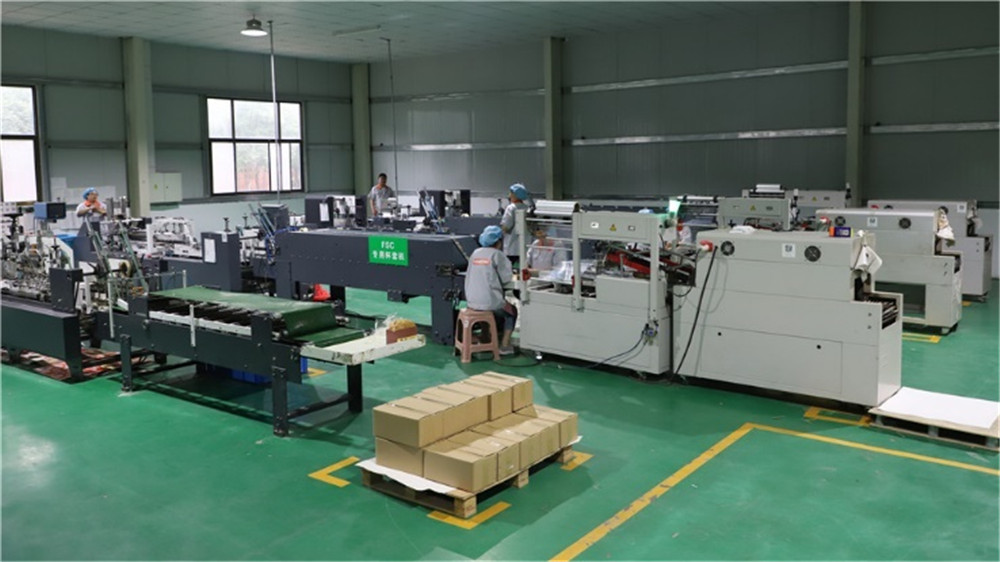
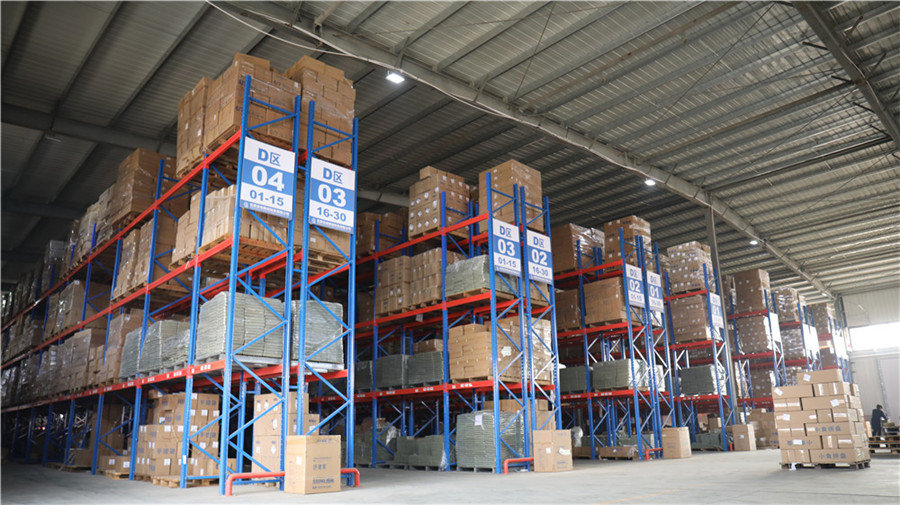
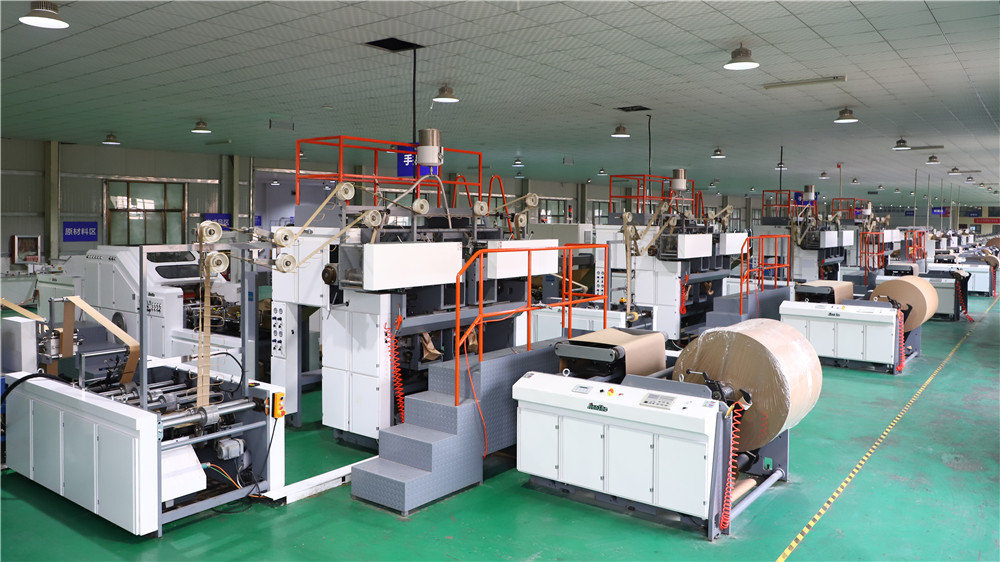
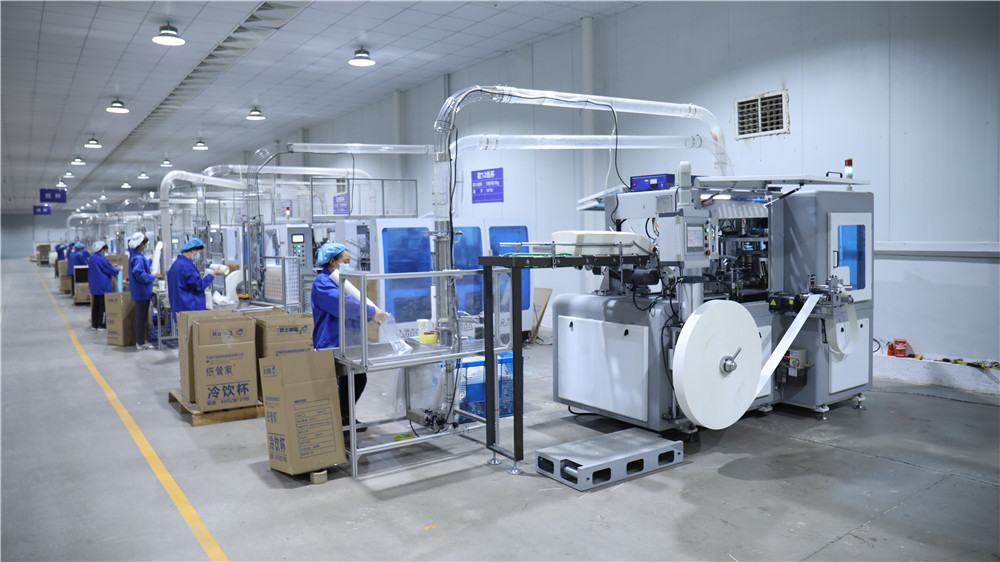
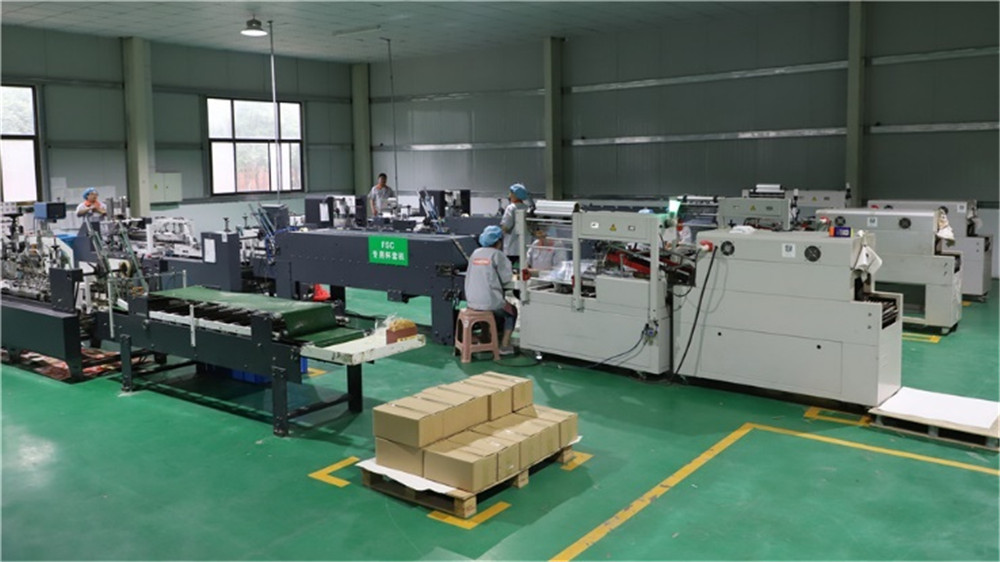
Why top European food producers partner with Shandong PsiPrime Packaging for Paris operations
The agrifood infrastructure of Paris demands targeted packaging specifications. Our product portfolio is tailored to integrate seamlessly into several critical local hubs:
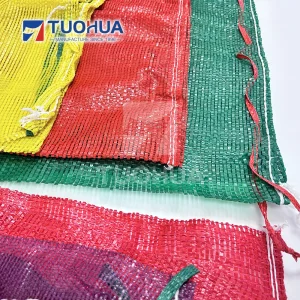
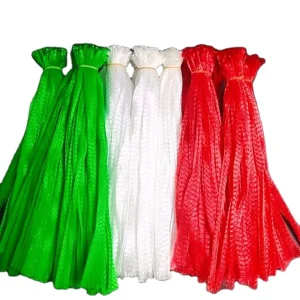
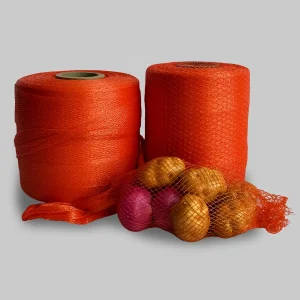
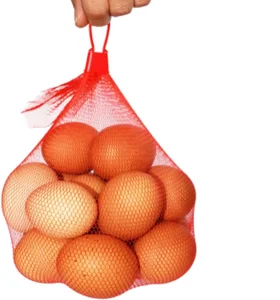
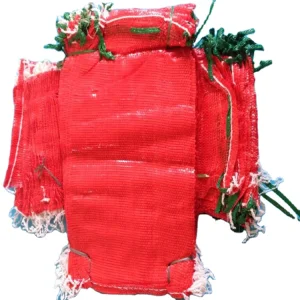
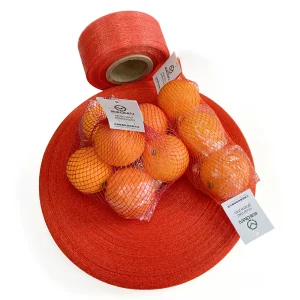
As the largest fresh produce wholesale market in the world, Rungis requires high-tensile, highly ventilated mesh solutions that can withstand mechanized handling. Heavy-duty tubular mesh rolls and raschel net bags (such as our custom PE and UV-treated formulations) are ideal for palletized transport of heavy root vegetables (potatoes, onions, garlic) from the agricultural fields of Picardy and central France directly to the wholesale halls.
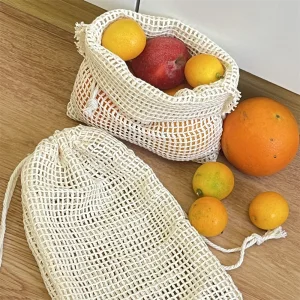
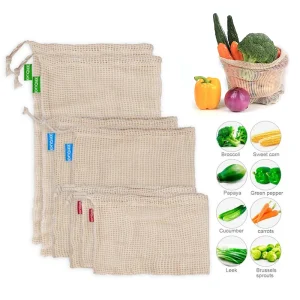
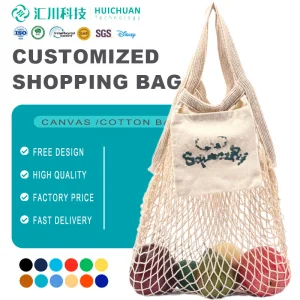
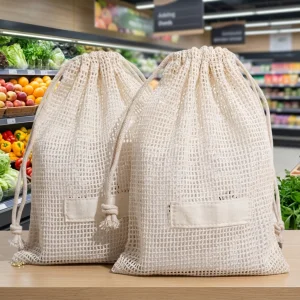
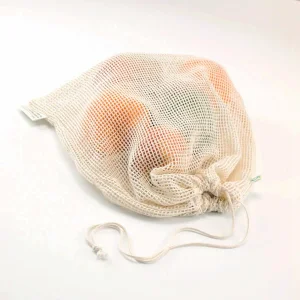
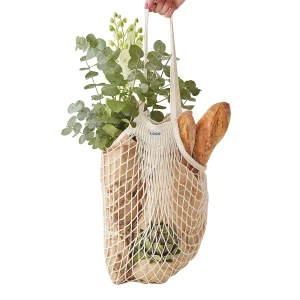
Within central Paris, including high-traffic consumer retail zones in Le Marais and Saint-Germain-des-Prés, eco-conscious consumerism dominates. Our GOTS-certified organic cotton string and biodegradable produce bags satisfy consumer expectations for non-synthetic shopping tools. These reusable, machine-washable alternatives serve as branding touchpoints for boutique grocers seeking to align with municipal waste reduction initiatives.
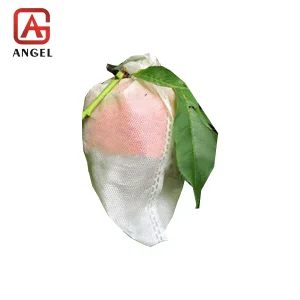
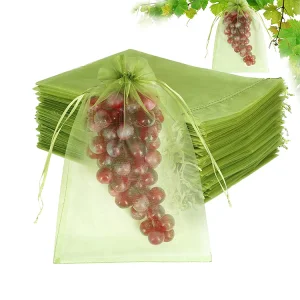
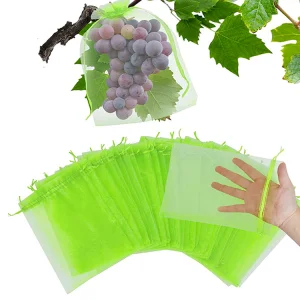
Localized rooftop farms and regional market gardening networks (Maraîchage) around the Paris periphery utilize our nylon protection mesh bags. These fine-mesh solutions protect high-value crops (such as table grapes and premium stone fruits) from birds and insects without requiring chemical pesticides, directly supporting organic farming practices (Agriculture Biologique).
For procurement directors managing distribution grids, sourcing agricultural packaging requires analytical control. Below are the key engineering specifications that should guide your Request for Proposal (RFP) evaluations when procuring mesh storage systems:
| Material Class | Tensile Strength | Primary Application | Environmental Profile |
|---|---|---|---|
| High-Density PE (HDPE) | High (25-35 MPa) | Onion/Potato Bulk Packing | 100% Recyclable (Class 2) |
| Compostable Biopolymers (PLA/PBAT) | Medium (15-22 MPa) | Lightweight Produce sleeves | Industrial Compostable (EN 13432) |
| Organic Cotton / Linen | High (Reusable Grade) | Consumer Zero-Waste Shopping | Renewable, Fully Biodegradable |
European buyers often run into lead-time delays when dealing with seasonal shifts in crop harvest cycles. By leveraging Shandong PsiPrime Packaging’s predictive manufacturing models, we ensure raw material polymer inventories are pre-allocated for our Paris distributors. This reduces delivery volatility, protecting your logistics pipeline during peak harvest seasons across France and Spain.
Explore our full line of sustainable, reusable, and agricultural protection mesh packaging solutions.
Expert analysis addressing critical sourcing, logistics, and certification queries for Paris and global trade.
 PsiPrime Packaging