Engineered for high aeration, structural durability, and eco-legislative compliance in Korea's premium produce retail and export markets.
Analyzing the shift from traditional single-use plastics to highly engineered, recyclable mesh packaging solutions under the Korean Resource Circulation Act.
South Korea’s agricultural and fresh food retail markets are undergoing a significant structural transition. Driven by both strict environmental regulations enforced by the Ministry of Environment (ME) and the rapid modernization of agricultural distribution systems (such as K-Smart Farms and regional Agricultural Cooperatives, or Nonghyup), the demand for high-performance mesh fruit storage bags has surged. In local distribution networks from Gyeonggi-do to Jeju Island, packaging must deliver dual outcomes: keeping products pristine during high-speed automated sorting and meeting national EPR (Extended Producer Responsibility) requirements.
Korea's premium agricultural goods—such as high-value Korean Pears (Bae), Shine Muscat Grapes, and premium strawberries—rely heavily on moisture management during shipping. Non-ventilated packaging causes condensation to accumulate inside cold storage facilities, leading to premature mold growth and fruit decay. High-density polyethylene (HDPE) and polypropylene (PP) mesh storage bags have become the industry standard because of their high tensile strength and air permeability, which are critical in cold-chain logistics.
Direct integration with automated sorting, grading, and packing machinery in Korea's agricultural production centers.
Ensures consistent ethylene gas release and airflow, reducing rot by up to 30% inside cold storage units.
Fully compliant with South Korea's recyclability grading standards, minimizing tax penalties for regional retail chains.
How Shandong PsiPrime Packaging Co., Ltd. bridges high-volume production efficiency with South Korea’s rigorous quality and safety expectations.
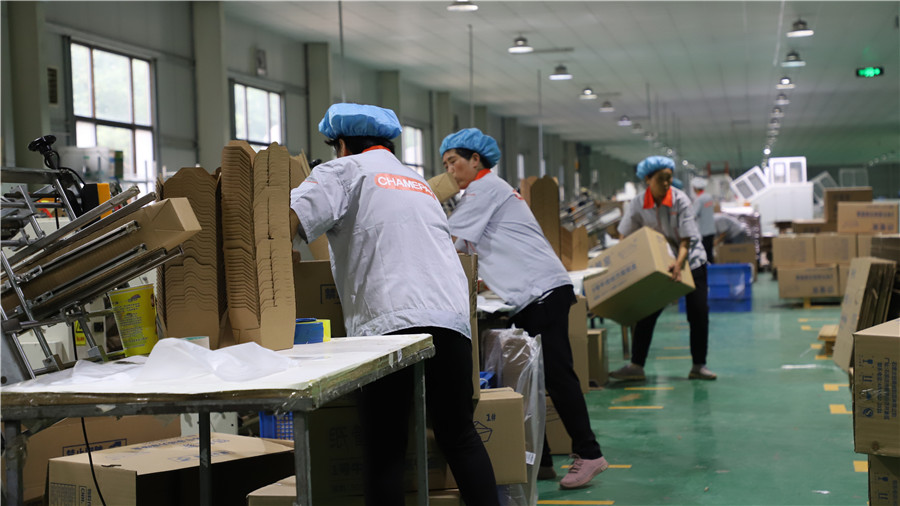
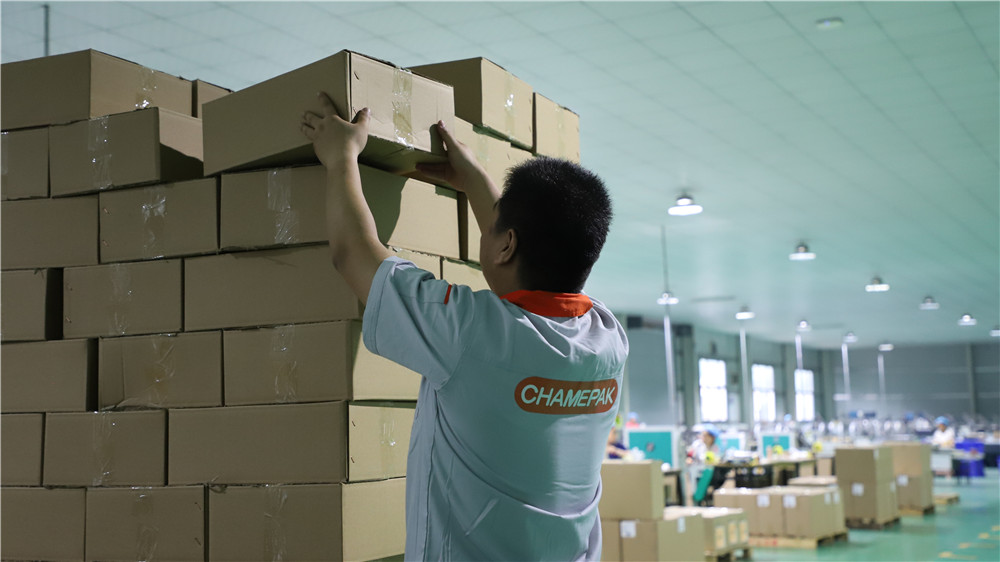
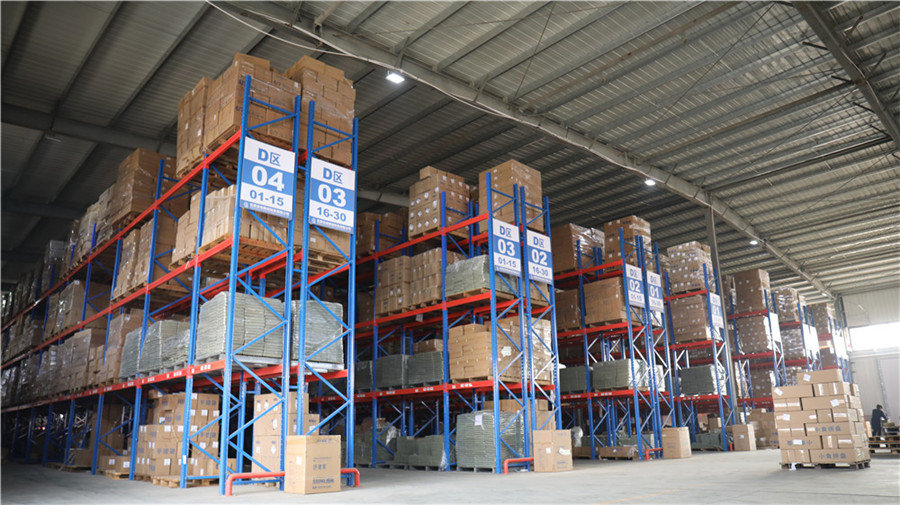
Located in Shandong, China—the closest industrial province to the Korean peninsula—Shandong PsiPrime Packaging Co., Ltd. serves as a key supply chain partner for Korean importers and agricultural conglomerates. Our close proximity to major logistics hubs like Qingdao Port allows us to offer short delivery times to Incheon, Busan, and Pyeongtaek, matching the rapid pace of Korea's fresh produce seasons.
Our manufacturing advantages are built on three core pillars:
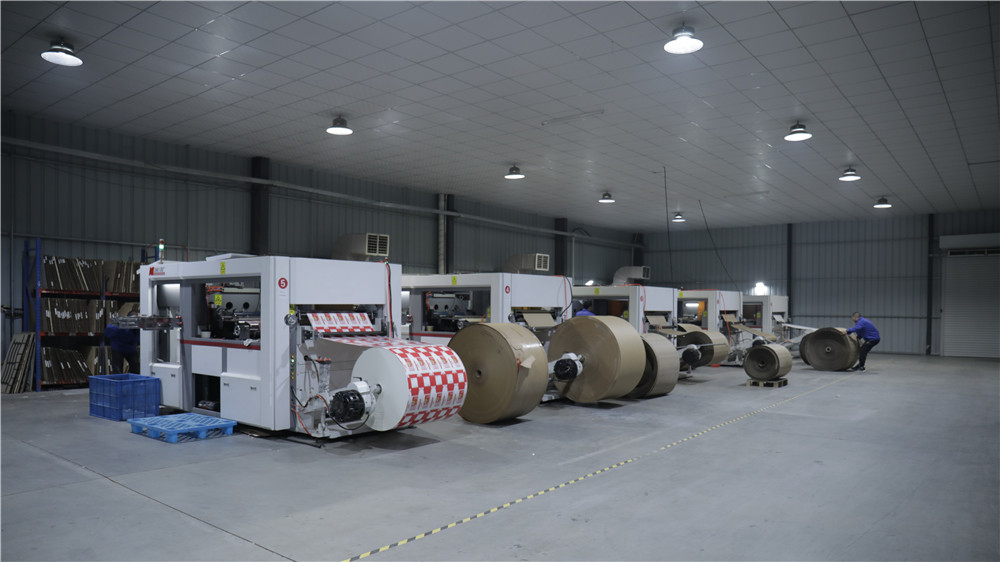
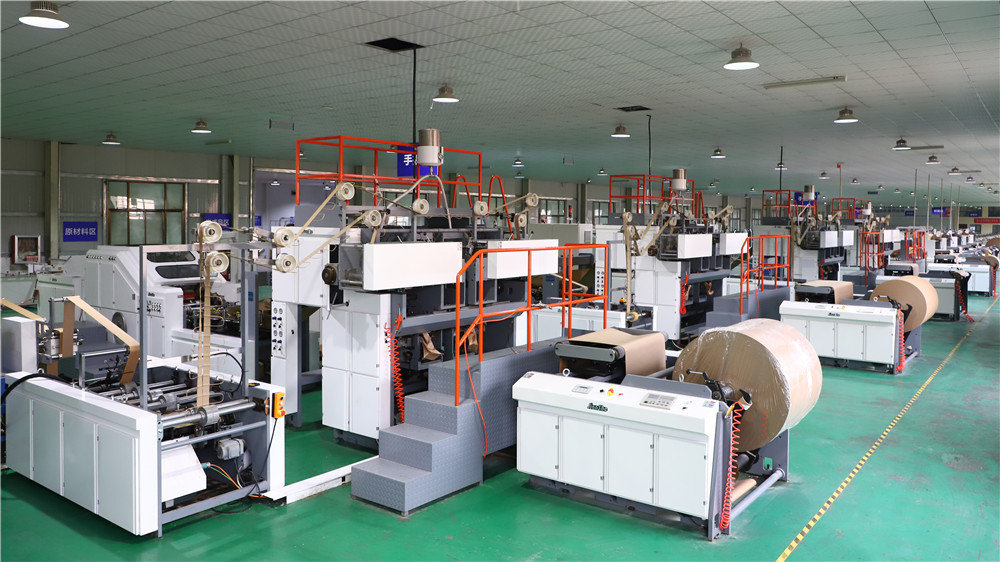
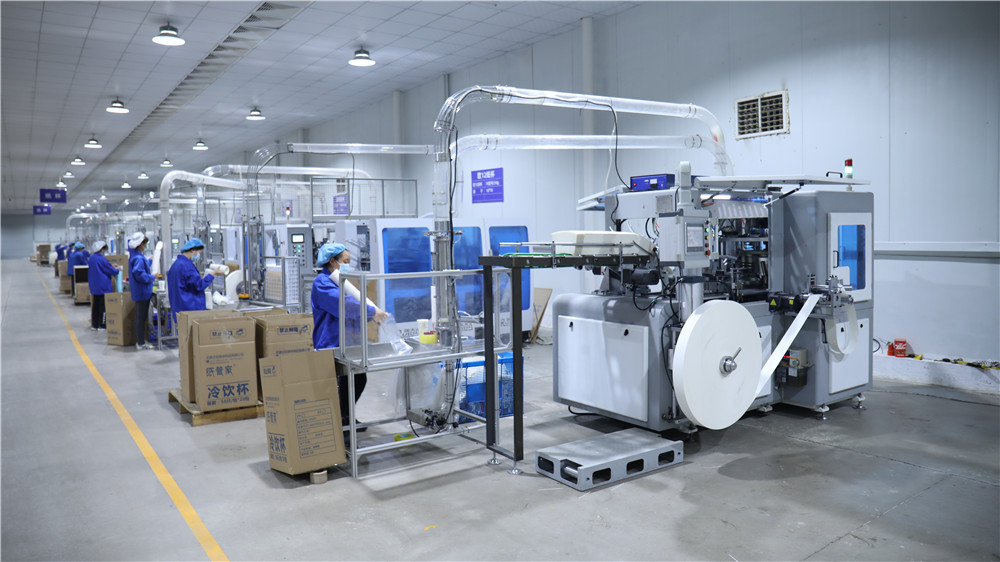
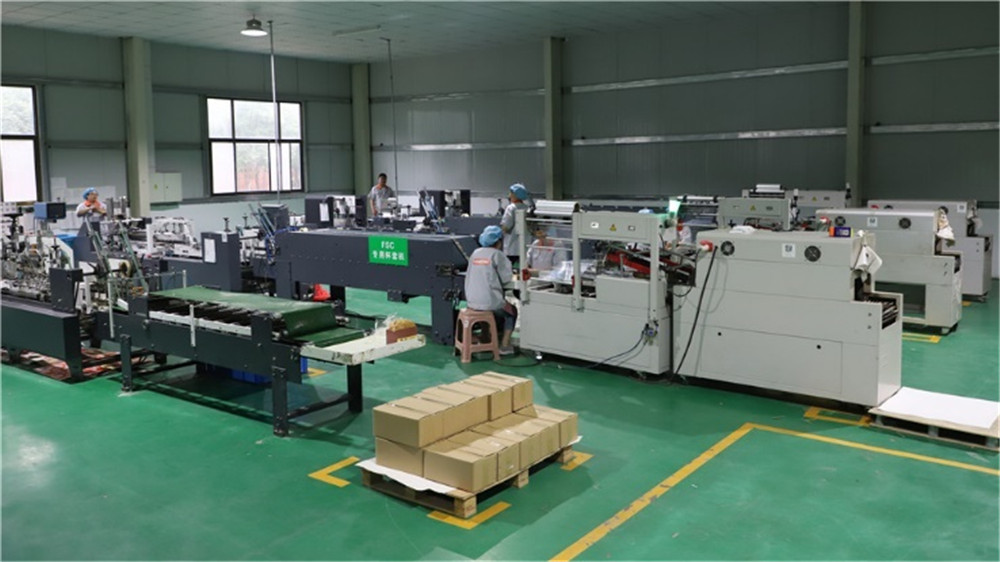
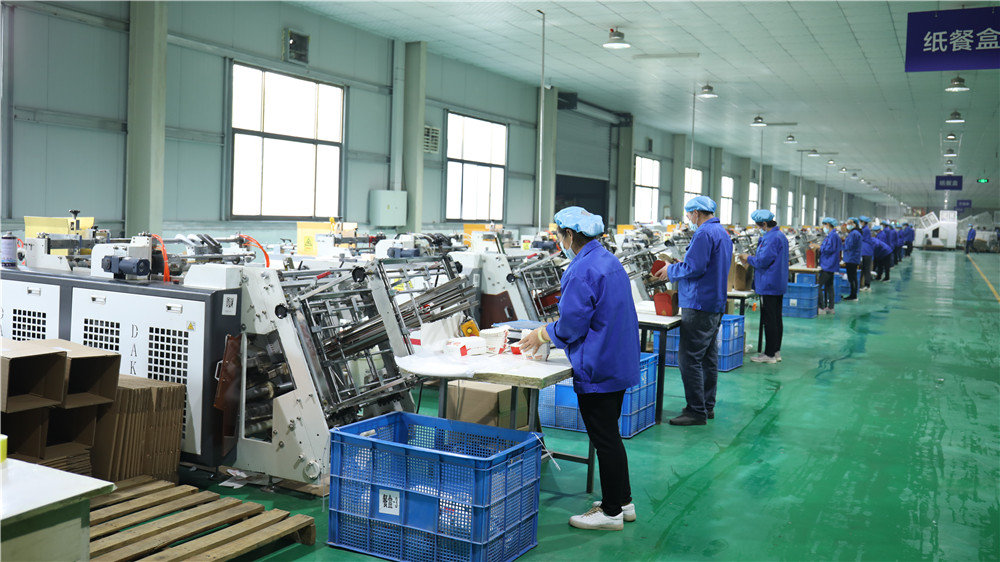
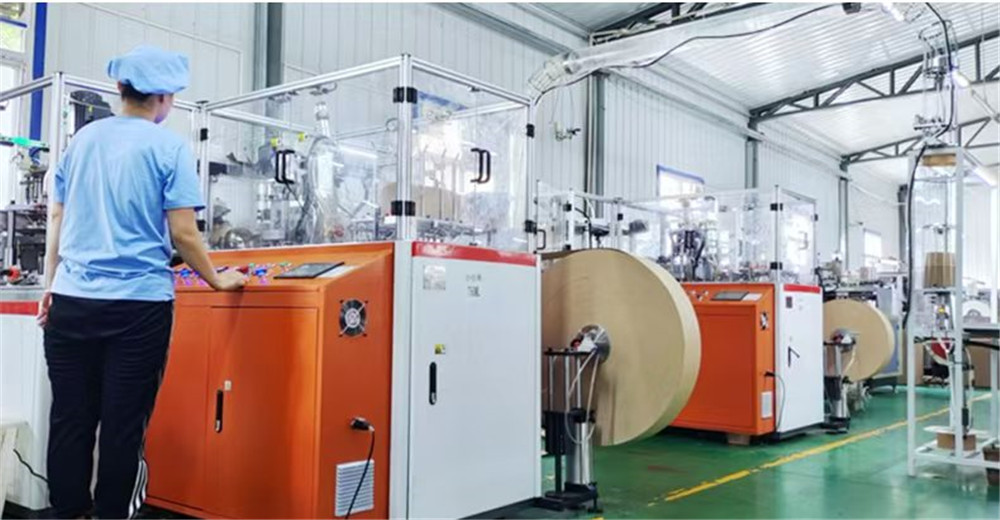
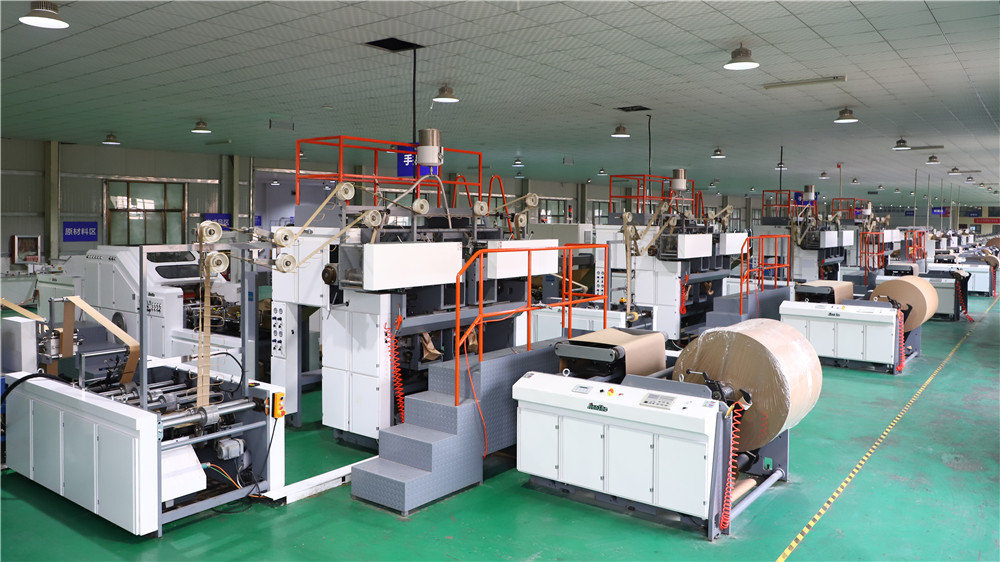
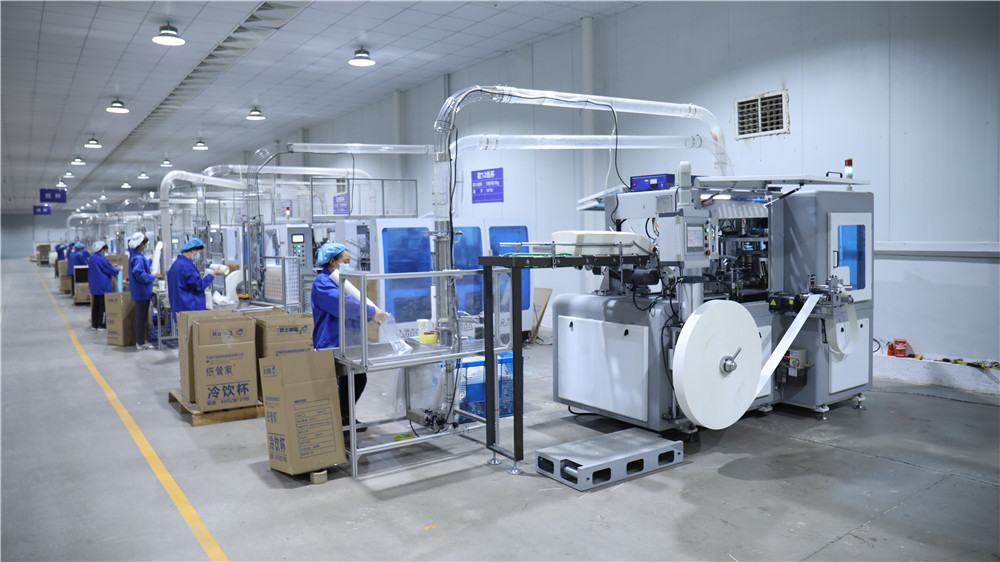
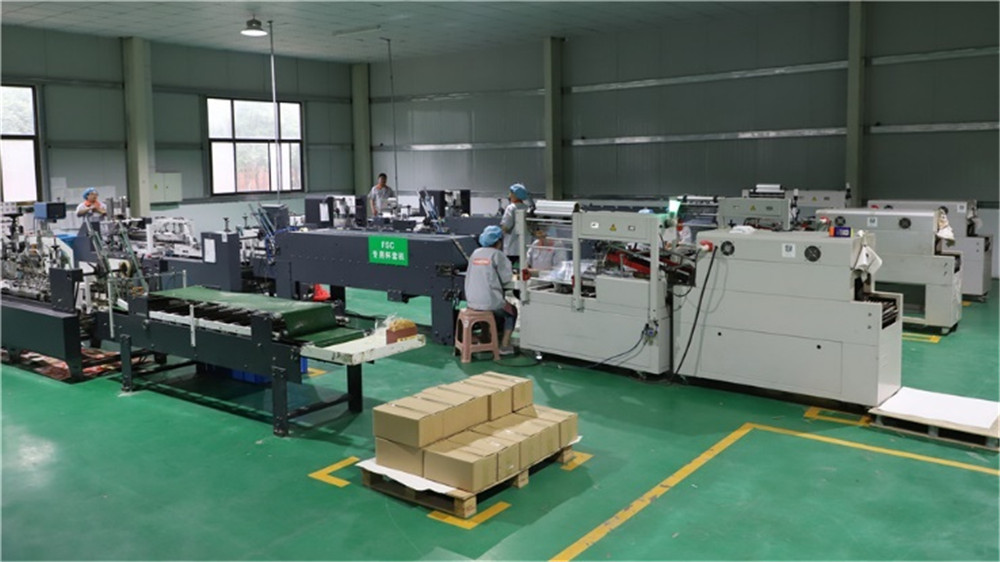
We operate advanced extrusion lines and high-speed Raschel and circular knitting looms. This specialized equipment allows us to control thread density, mesh size, and weight, ensuring each batch meets tight tolerances. For Korean buyers, this means consistent tensile strength that prevents tearing on high-speed automated packaging lines.
We source only 100% virgin HDPE, PP, and organic cotton raw materials. Every production lot is certified to be free of heavy metals and plasticizers, satisfying Korea's Food Sanitation Act and domestic food safety standards. This makes our mesh bags safe for direct contact with fresh produce, dry food, and agricultural exports.
Under the Regional Comprehensive Economic Partnership (RCEP) agreement between China and South Korea, many of our polymer and textile mesh products qualify for preferential tariff rates. This, combined with our direct shipping routes from Shandong, helps Korean importers lower their overall landing costs while maintaining a reliable supply chain.
How modern agricultural producers are using high-performance mesh materials to address food waste, logistics costs, and environmental targets.
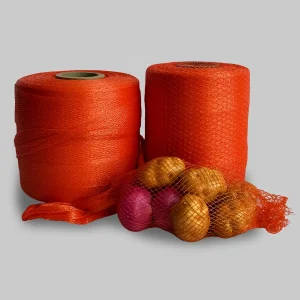
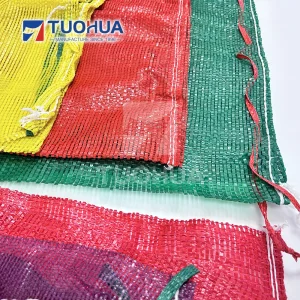
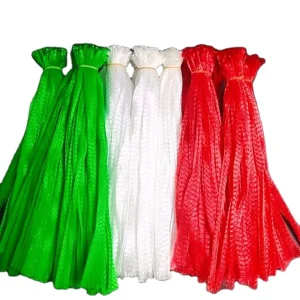
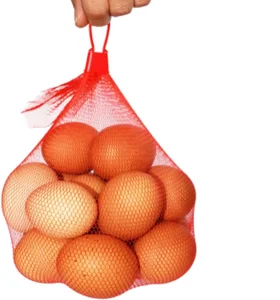
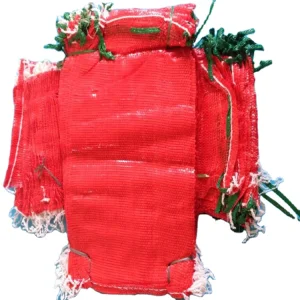
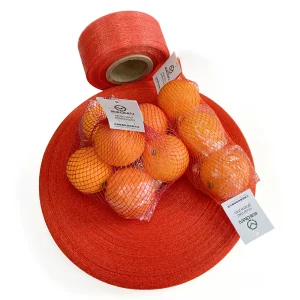
In modern agricultural packaging, the choice of weave determines the performance of the bag. We offer two primary styles tailored to different logistics requirements: Raschel (Leno) weaves and extruded tubular monofilament nets. Raschel mesh bags feature a flat-knit structure that provides high tensile strength, making them ideal for heavy bulk items like potatoes, onions, and citrus fruits (ranging from 5kg to 30kg capacity). Extruded tubular net wraps, on the other hand, offer excellent elasticity and conform closely to the shape of the fruit. This makes them popular in premium retail packaging for apples, pears, and melons, where visual appeal and a secure fit are key.
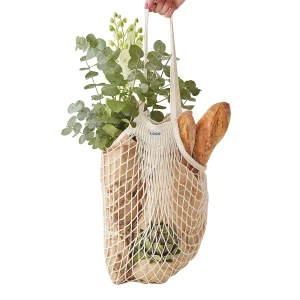
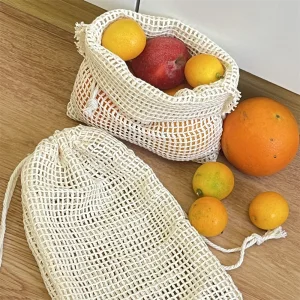
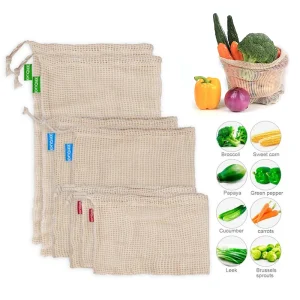
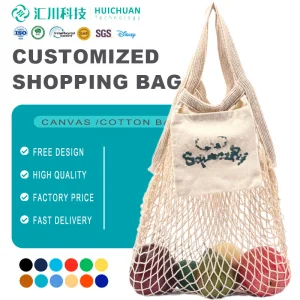
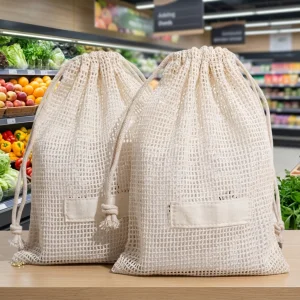
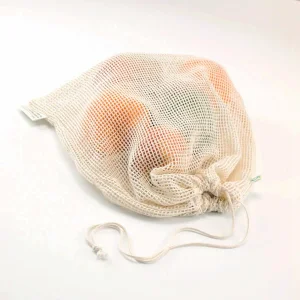
As governments globally enforce stricter bans on single-use plastics, biological alternatives like Polylactic Acid (PLA) and certified organic cotton are moving from niche options to mainstream solutions. PLA mesh, derived from fermented plant starch (such as corn or sugarcane), is fully industrial-compostable and breaks down without leaving microplastic residues. Organic cotton string bags are also highly favored by eco-conscious consumers for grocery shopping and reusable home storage. These materials help brands meet consumer demand for sustainable packaging and comply with strict national environmental regulations.
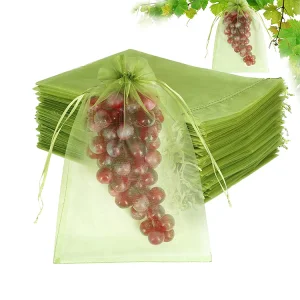
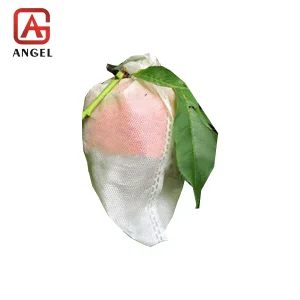
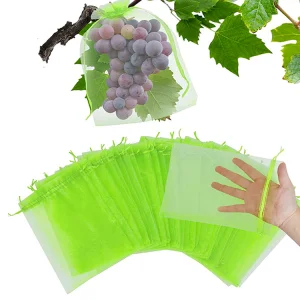
Sunlight exposure during transit and storage can degrade polymer materials, leading to premature tearing. To address this, we integrate custom UV inhibitors into our HDPE and PP extrusion lines. This UV stabilization treatment extends the service life of our agricultural nets in the field—such as fruit-growing protection bags and firewood sacks—ensuring they remain durable under high solar radiation without breaking down.
Get professional insights on material specifications, customization capabilities, and importing procedures for South Korean agricultural markets.
Explore our complete range of certified mesh packaging products, designed for diverse industrial, agricultural, and retail applications.
Looking for a custom sizing run, specific mesh densities, or RCEP compliance certificates? Request a quote today and get competitive bulk pricing from our Shandong factory.
Send Inquiry Now PsiPrime Packaging