Engineered for high aeration, structural integrity, and prolonged shelf-life in hot climates
The United Arab Emirates (UAE) sits at the crossroads of global transshipment routes, functioning as the premier trading hub for the Middle East and North Africa (MENA) region. With hubs like Jebel Ali Port in Dubai and Khalifa Port in Abu Dhabi, the country handles millions of metric tons of perishable goods annually. However, the local climate presents intense challenges: ambient summer temperatures frequently surpass 45°C (113°F) with high humidity, accelerating microbial growth, cellular respiration, and senescence in harvested fresh fruits and vegetables.
In response to these conditions, the UAE National Food Security Strategy 2051 emphasizes reducing post-harvest waste, which globally accounts for up to 30% of agricultural losses. Mesh fruit storage bags have transitioned from basic consumer packaging to a vital component of cold chain and regional agricultural distribution. Unlike airtight plastic packaging, which traps heat and moisture, high-density polyethylene (HDPE), polypropylene (PP), and organic cotton mesh bags facilitate continuous gas exchange. This rapid heat dissipation is crucial during transport from refrigerated containers (reefers) to wholesale markets such as the Al Aweer Fruit & Vegetable Market.
From a material engineering perspective, fruit mesh bags are designed based on mechanical tensile strength, stretch coefficients, and thermal stability. Shandong PsiPrime Packaging Co., Ltd. leads in these material formulations, supplying high-performance agricultural packaging to GCC importers. Our product categories target specific logistics applications:
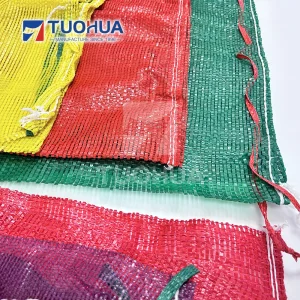
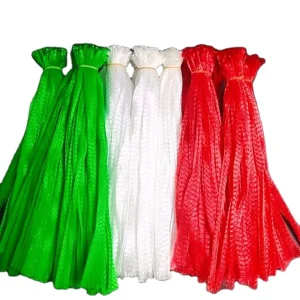
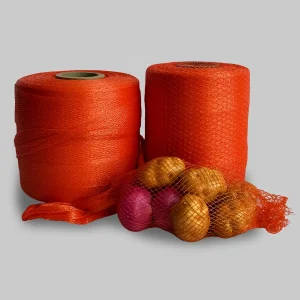
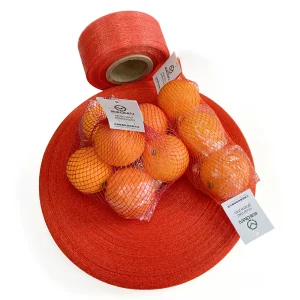
High-Density Polyethylene (HDPE) Extruded Tubular Mesh: Ideal for automatic packaging lines. It offers excellent vertical load strength and dimensional stability, ensuring that heavier items like onions, potatoes, and citrus fruits are packed efficiently without tearing.
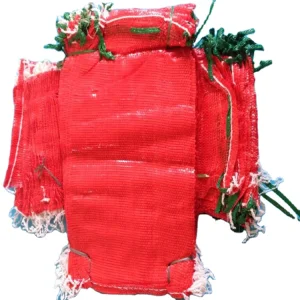
Woven Polypropylene (PP) Raschel Bags: Known for high tensile strength and wear resistance. These bags are widely used in long-haul shipping from cold storage facilities, handling mechanical friction during multi-modal transit across GCC borders.
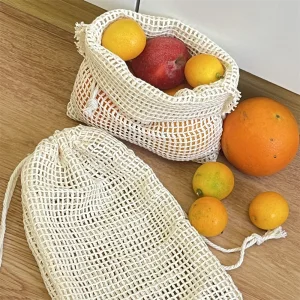
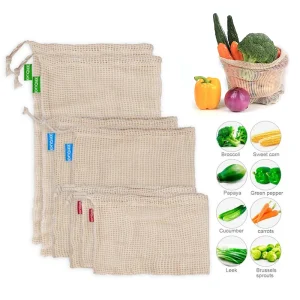
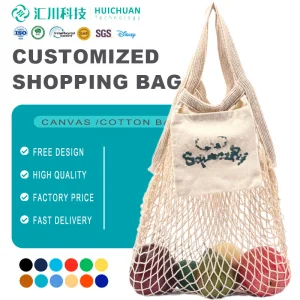
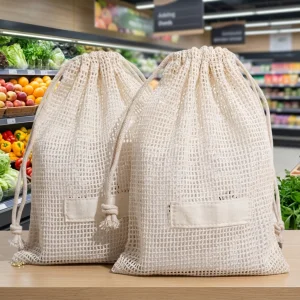
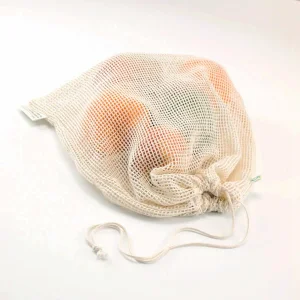
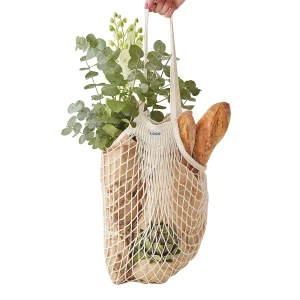
Natural Cotton and Biodegradable PLA Networks: Driven by the UAE's environmental initiatives, such as the Dubai single-use plastic ban, retailers are adopting biodegradable mesh bags. These sustainable materials naturally decompose without leaving microplastics, meeting both regulatory and consumer demands for eco-friendly packaging.
Shandong PsiPrime Packaging Co., Ltd. supports global sustainable packaging goals by reducing reliance on single-use plastics, helping foodservice and food-related industries transition toward more environmentally responsible operations. The company believes that biodegradable and compostable materials represent the future of sustainable packaging.
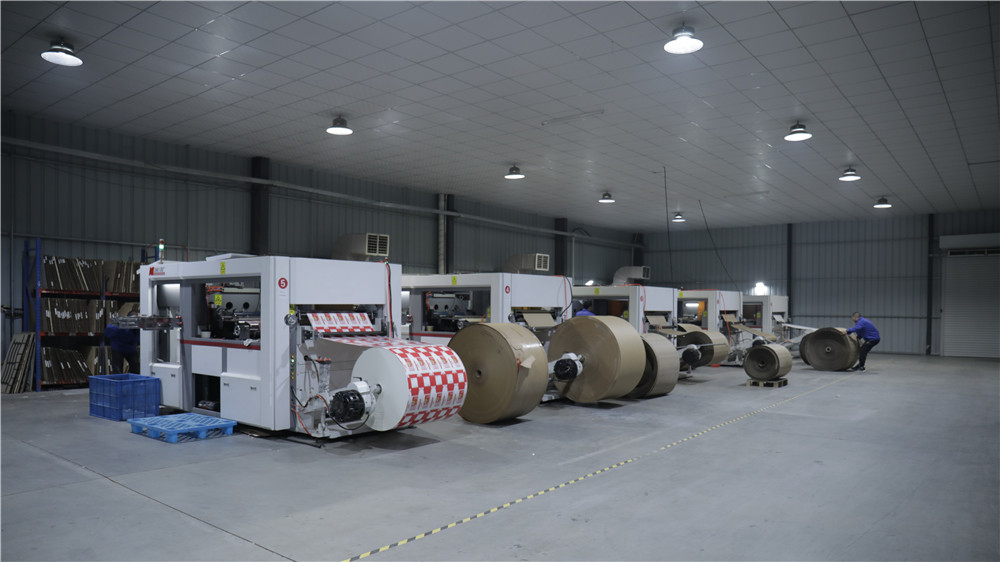
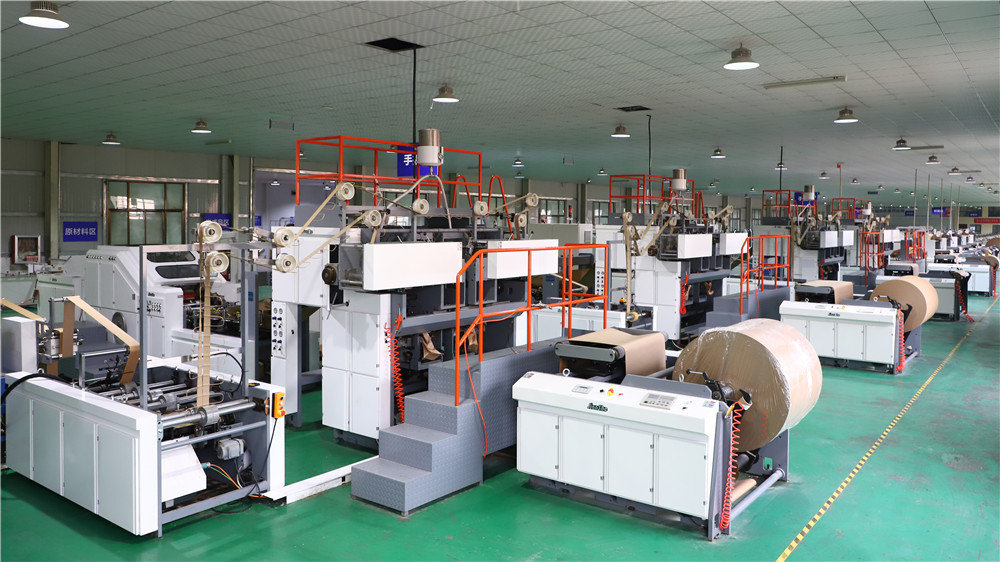
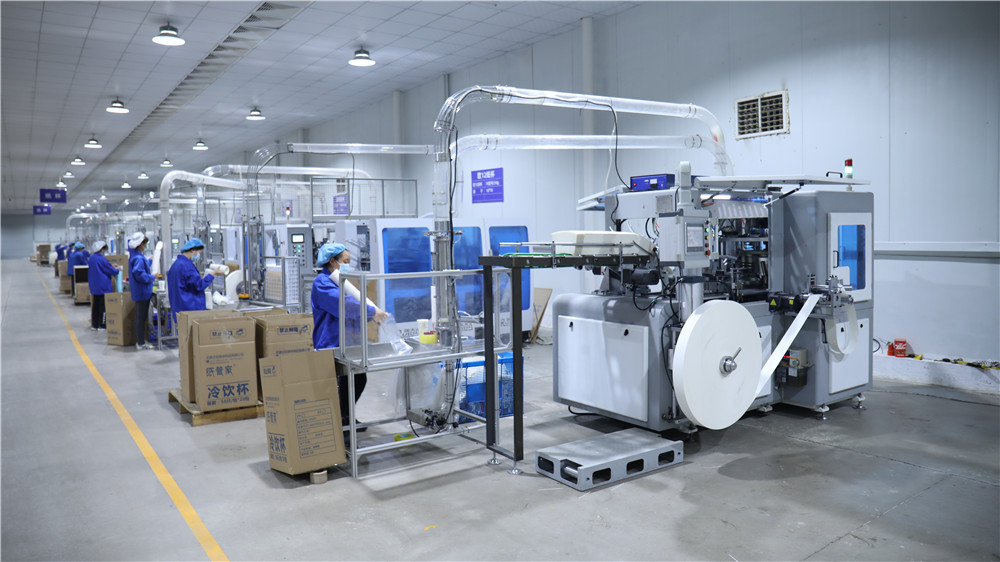
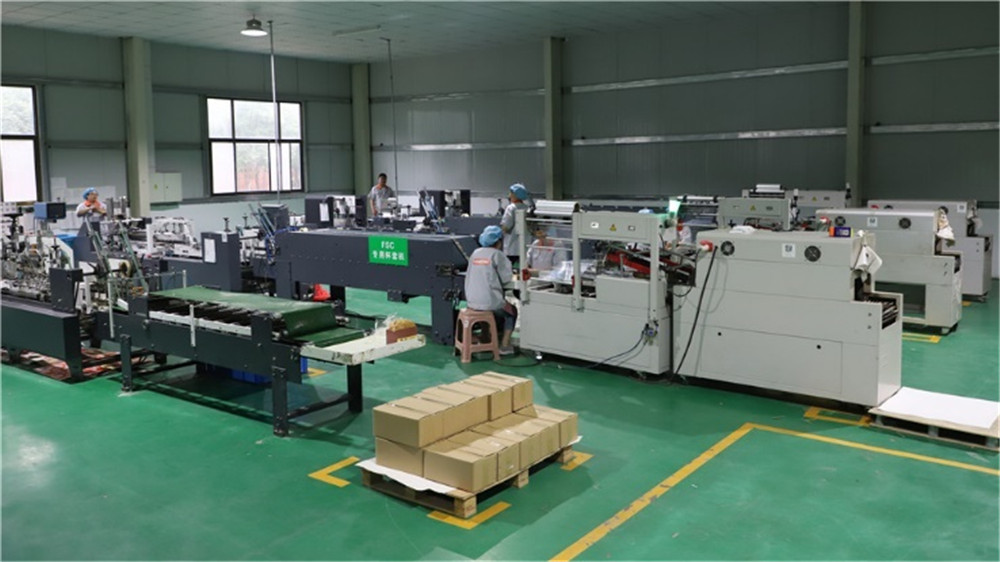
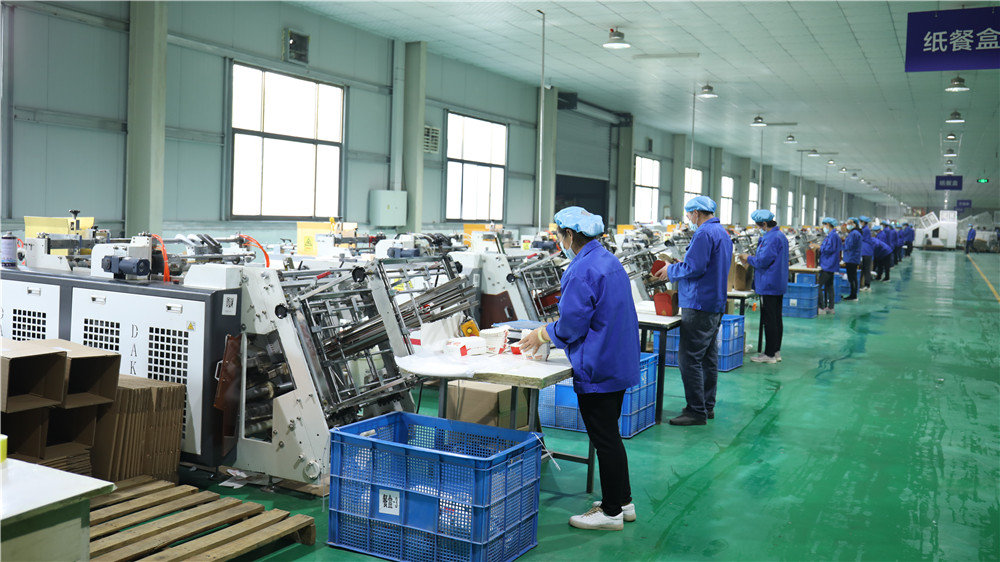
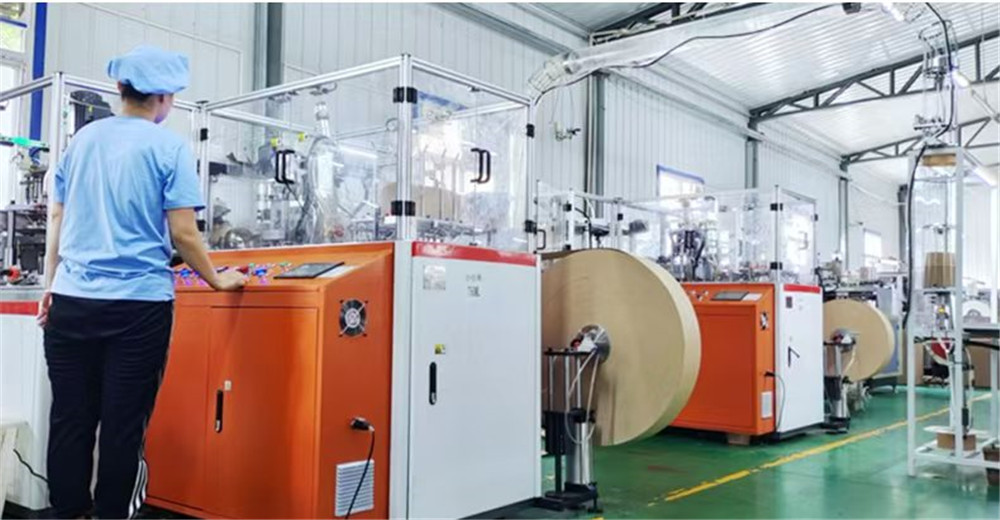
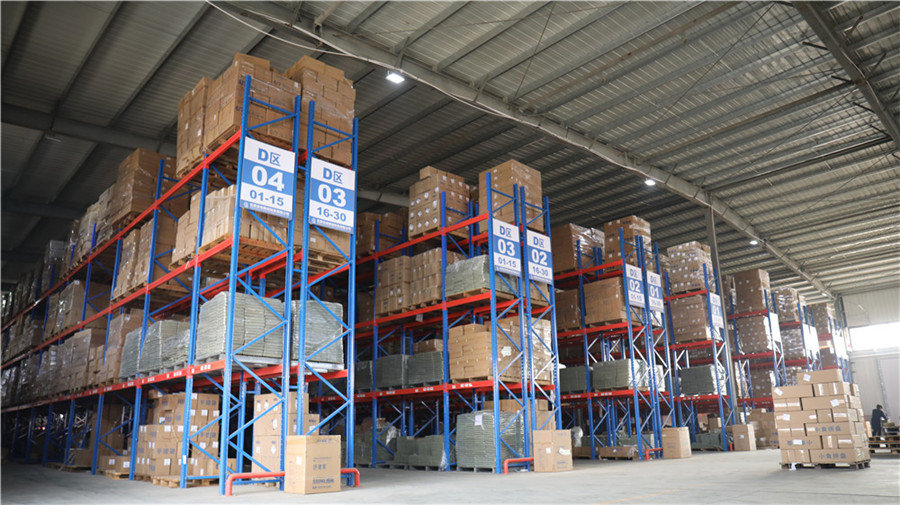
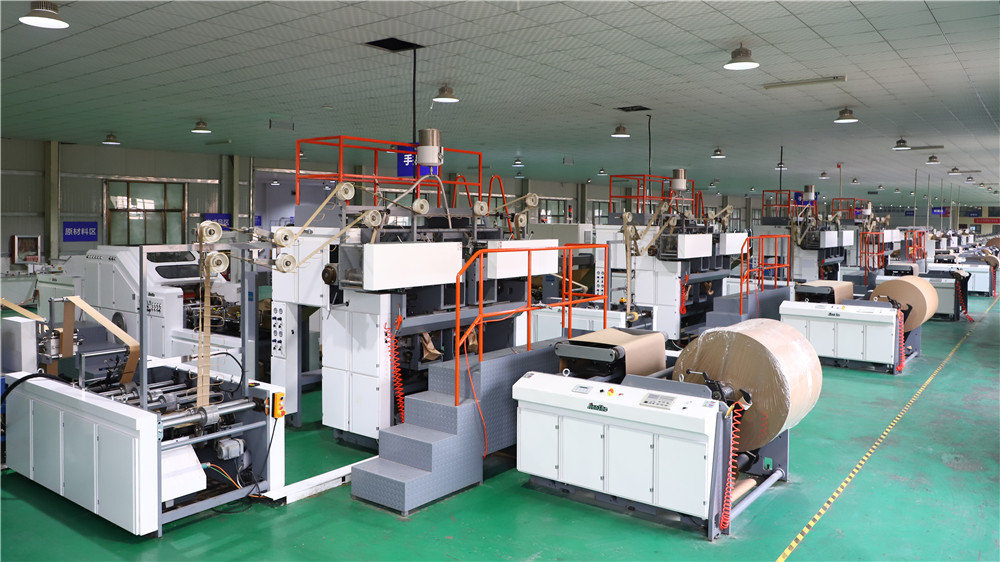
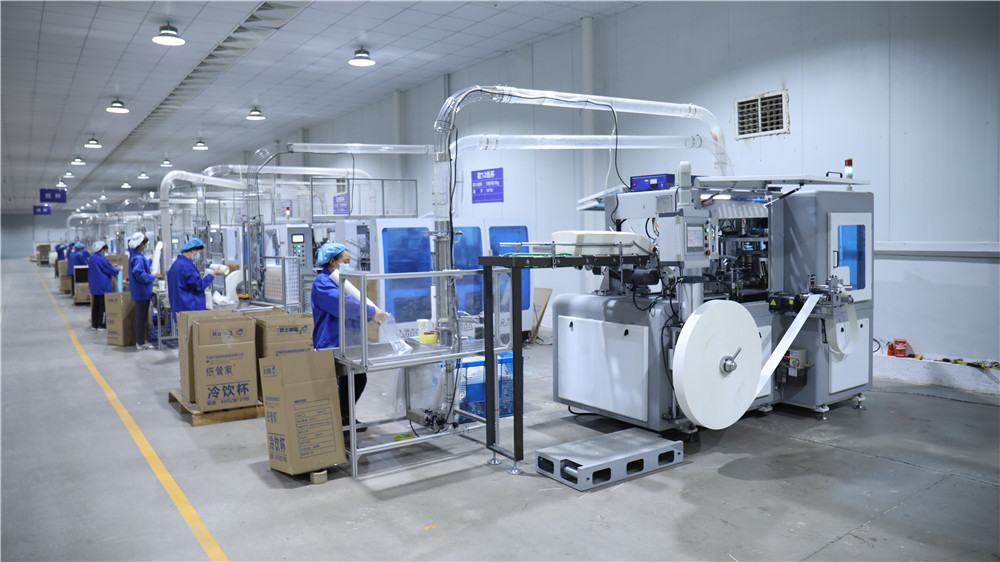
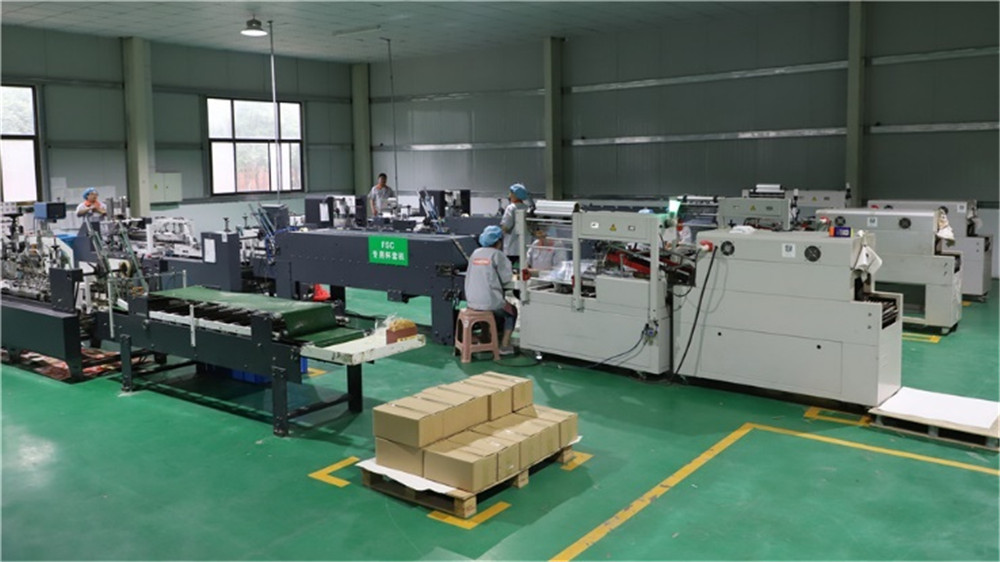
Our integrated manufacturing setup in China connects directly with logistics centers in Dubai and Abu Dhabi. By maintaining strict quality control and utilizing advanced, automated extrusion machinery, we ensure a reliable supply of customizable packaging options. This vertical integration allows UAE agricultural exporters, wholesalers, and retail distributors to secure consistent shipments, stabilizing operational costs against global supply fluctuations.
The performance demands of mesh packaging vary by crop and distribution channel across the region:
High-Volume Onion & Potato Distribution: Centralized distribution centers in Dubai's Al Aweer and Abu Dhabi's Khalifa Port require heavy-duty, 25kg to 50kg capacity PP Raschel bags. These bags must withstand palletized stacking and crane loading while maintaining airflow to prevent rot.
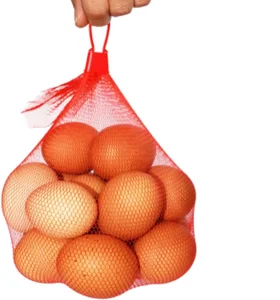
Pre-Packaged Retail Display: Supermarket chains like Carrefour, LuLu Hypermarket, and Spinneys utilize PE tubular net bags in 500g to 2kg formats for lemons, limes, and local dates. Bright colors (such as red, yellow, and orange) are selected to enhance the visual appeal of the produce under store lighting.
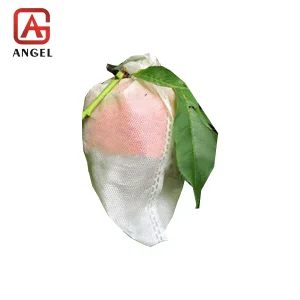
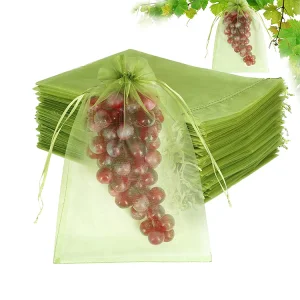
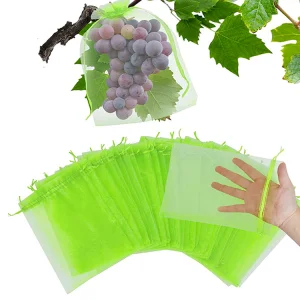
Crop Protection in Desert Agriculture: Farms in Al Ain, Liwa, and Ras Al Khaimah face intense sunlight and pests. Lightweight nylon and UV-treated PE mesh sleeves are applied directly to growing fruits, such as dates and guavas, shielding them from UV damage and insects before harvest.
Exporters to the UAE must comply with food safety standards set by the Ministry of Industry and Advanced Technology (MoIAT). Our products meet these requirements, ensuring smooth clearance through Customs and municipal inspections:
ECAS Certification: The Emirates Conformity Assessment Scheme (ECAS) regulates food-contact materials. Our plastic mesh packaging is certified free from harmful chemical migration, including Bisphenol A (BPA) and heavy metal residues.
Traceability Requirements: Importers must provide complete compliance documentation from material source to final product. Shandong PsiPrime supports this with batch-testing certificates, manufacturing origin documentation, and food-grade raw material declarations.
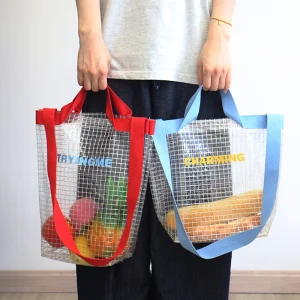
Customizable sizes, weaves, and materials engineered for specific agricultural applications
Answers to common questions from procurement departments and agricultural importers in the UAE
Our mesh storage bags are certified food-grade. We provide ECAS (Emirates Conformity Assessment Scheme) certificates, RoHS conformity, and comprehensive migration testing reports to ensure hassle-free customs clearance in Abu Dhabi, Dubai, and Sharjah.
Standard plastic degrade quickly under high solar radiation. Our GCC-targeted bags are treated with premium UV stabilizers, protecting their mechanical strength and extend their lifespan during outdoor field storage.
For custom dimensions, mesh structures, or colors, our MOQ starts at 50,000 units. We offer customized branding labels and drawstring integrations to suit your retail packaging lines.
Yes, we manufacture certified biodegradable mesh bags using organic cotton and PLA biopolymers. These meet both local standards and EN 13432 requirements for industrial compostability, supporting the UAE's zero-waste initiatives.
 PsiPrime Packaging