Explore our premium selection of eco-friendly, compostable food-grade packaging and tableware alternatives.
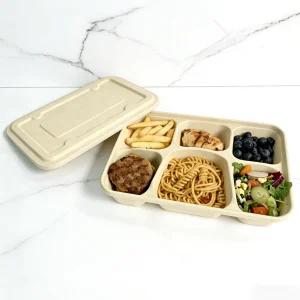
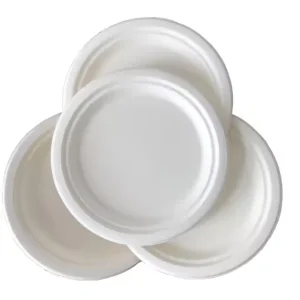

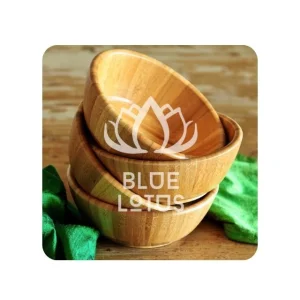
As the global consciousness shifts toward environmental responsibility, the demand for sustainable, non-toxic, and high-performance food packaging has reached unprecedented heights. Shandong PsiPrime Packaging Co., Ltd. is at the forefront of this green transition. We are committed to advancing sustainable packaging solutions and promoting the reduction of single-use plastics, helping foodservice and food-related industries transition toward more environmentally responsible operations.
"The company strongly believes that biodegradable and compostable packaging materials represent the future of sustainable development. It actively promotes the concept of 'plastic alternatives' and works to raise awareness of eco-friendly packaging across global markets."
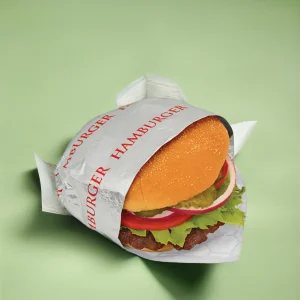
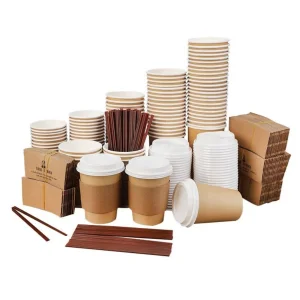
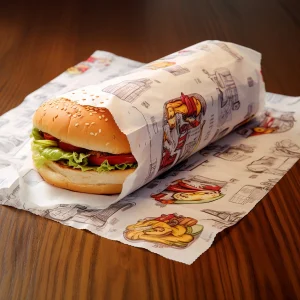
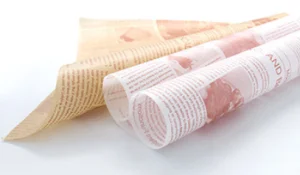
With extensive industry experience and a reliable supply chain, we provide high-quality, sustainable food packaging solutions to customers in many countries and regions. Specializing in the research, development, and manufacturing of eco-friendly food-grade packaging products, Shandong PsiPrime's product portfolio includes compostable food containers, paper-based food packaging, eco-friendly paper bags, food wrapping paper, and disposable catering supplies.
To achieve true sustainability without sacrificing functionality, manufacturers must look to nature's structural polymers. Plant-based packaging relies on renewable biomass sources, transforming agricultural byproducts and fast-growing grasses into robust barrier packaging.
Sugarcane bagasse is the fibrous residue remaining after sugarcane stalks are crushed to extract their juice. Historically treated as agricultural waste, this material is highly rich in cellulose. Through high-heat pulping, molding, and pressing, bagasse fibers interlock to form rigid structures that are highly resistant to water and grease. Unlike standard paper, bagasse products require no plastic lining to prevent leakage, making them 100% compostable in industrial facilities within 60 to 90 days.
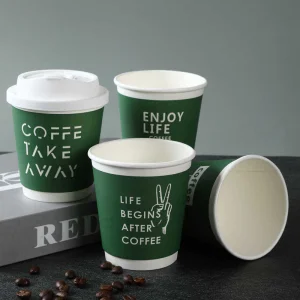
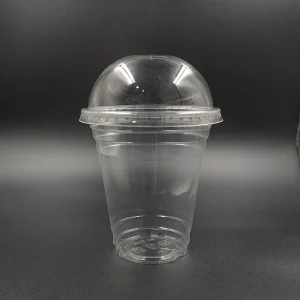
Polylactic Acid (PLA) is a thermoplastic aliphatic polyester derived from renewable, fermented plant starch (primarily corn or cassava). Under controlled conditions, PLA mimics the clarity and strength of traditional polymers like PET and PP. Shandong PsiPrime utilizes PLA for cold beverage cups, cup lids, and clear windows in bakery bags, ensuring that consumers retain the aesthetic appeal of clear packaging while maintaining a zero-fossil-fuel footprint.
Paper bags, cups, and bowls require superior tensile strength to survive delivery routing and moisture accumulation. We source Forest Stewardship Council (FSC) certified long-fiber virgin wood pulp and organic bamboo fibers. Bamboo is particularly advantageous due to its rapid harvest cycles (maturing in 3–5 years compared to 20–30 years for softwood trees) and its natural antibacterial properties, which enhance the safety profile of raw food wraps.
Why source plant-based packaging from a leading factory in China? The answer lies in the unique industrial clustering and advanced manufacturing ecosystems developed over the past decade. Shandong PsiPrime leverages these geographical and technological benefits to pass cost efficiencies and quality guarantees directly to global enterprises.
Our proximity to major agricultural centers in Shandong provides us with direct, cost-stable access to bagasse and bamboo pulping mills, slashing internal logistics emissions and stabilizing raw material procurement.
We boast internal tooling workshops that can design, refine, and fabricate complex molds for sugarcane tableware and ripple-wall cups at a fraction of Western tooling costs, accelerating speed-to-market.
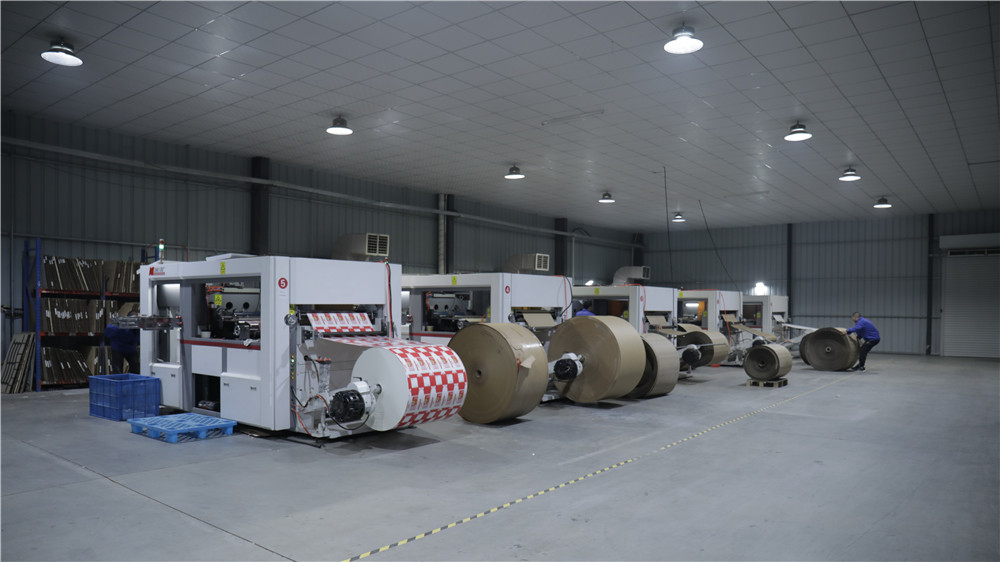
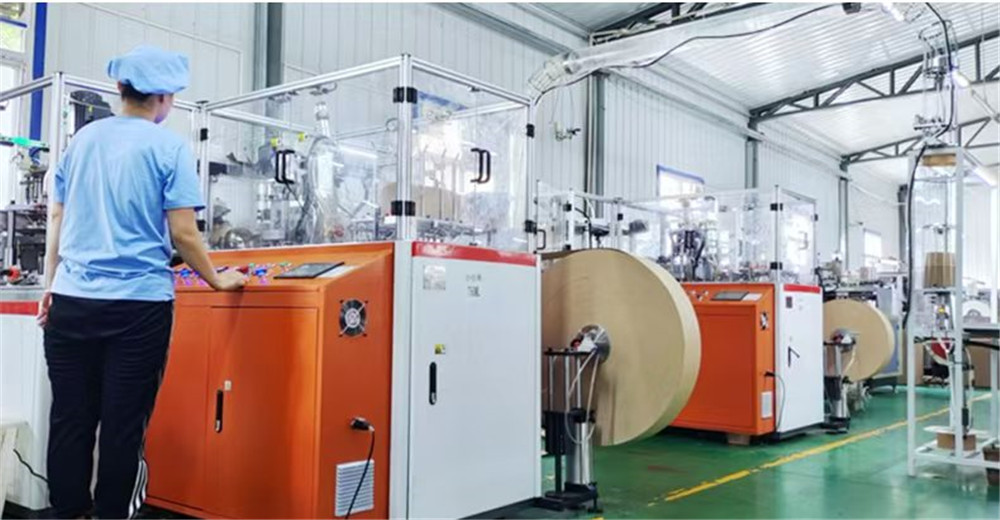
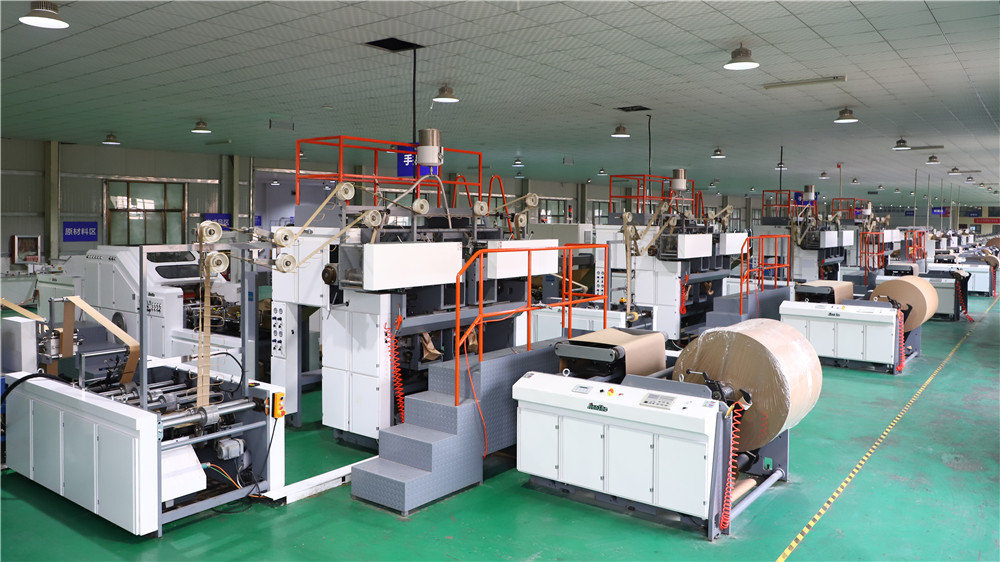
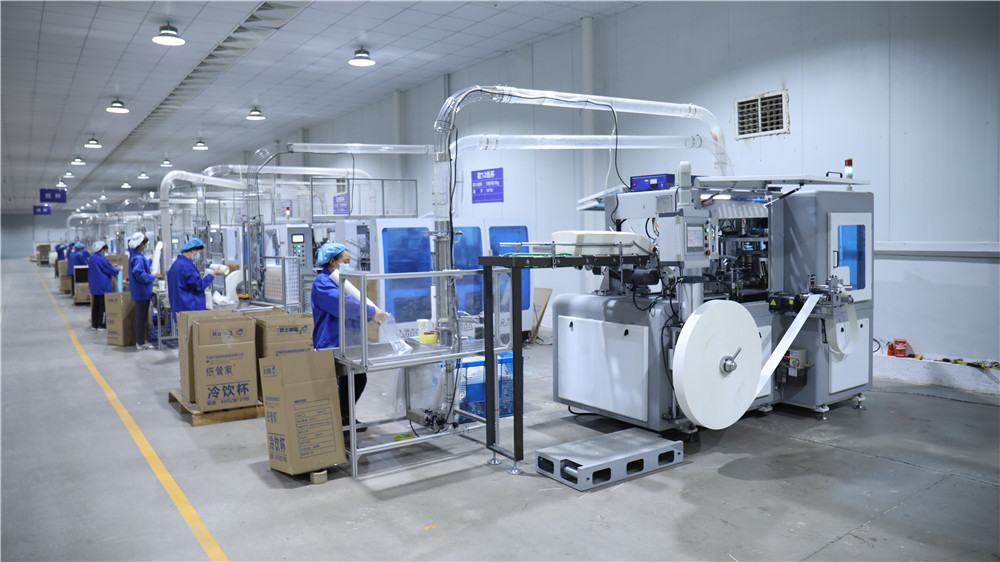
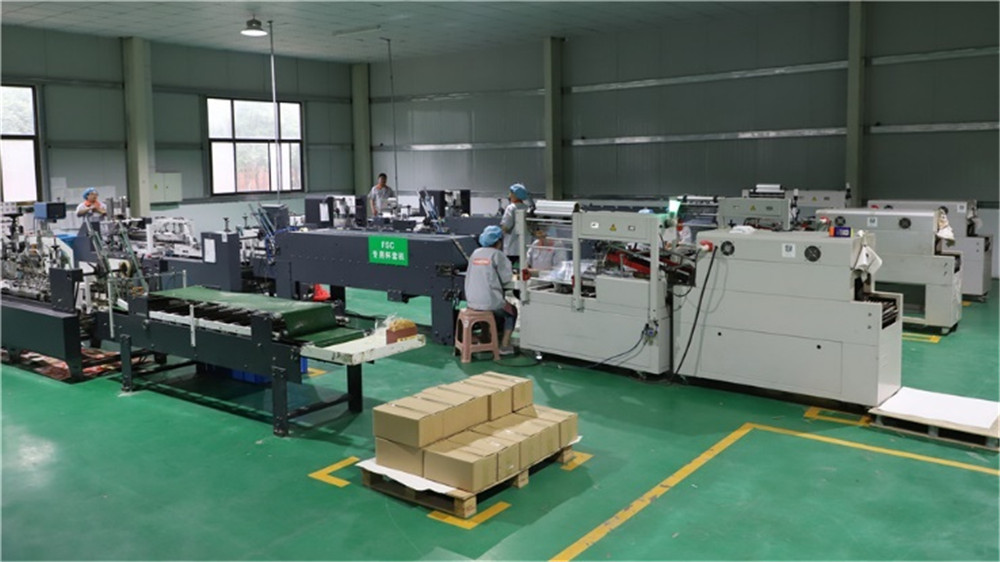
By implementing advanced CNC cutting, high-speed bag-forming machinery, and electronic defect scanners, we maintain stable visual and dimensional tolerances across multi-million unit batches.
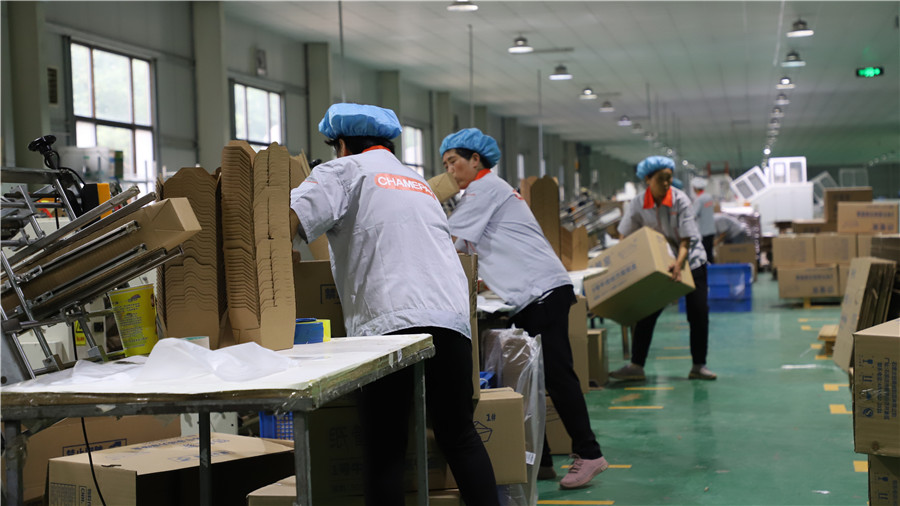
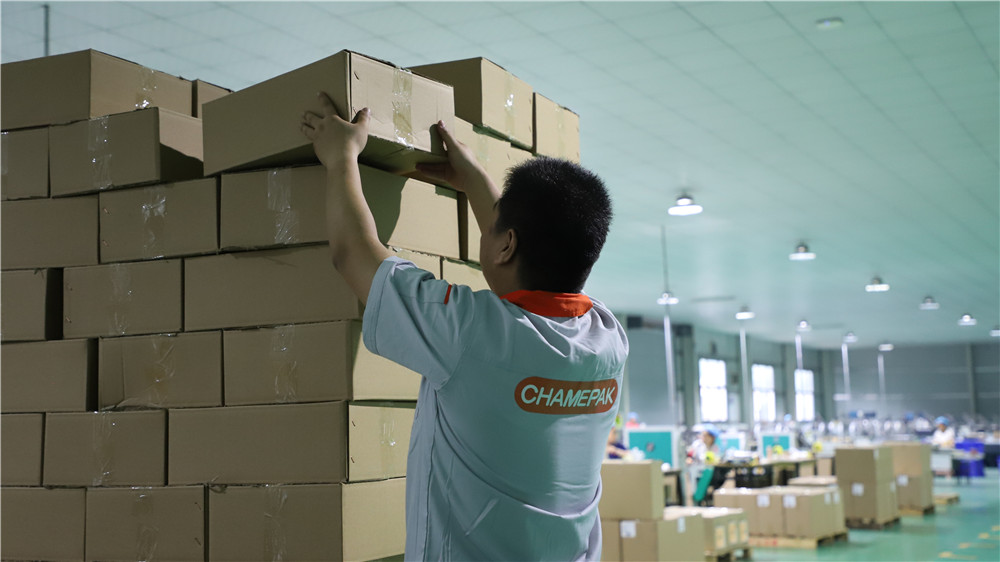
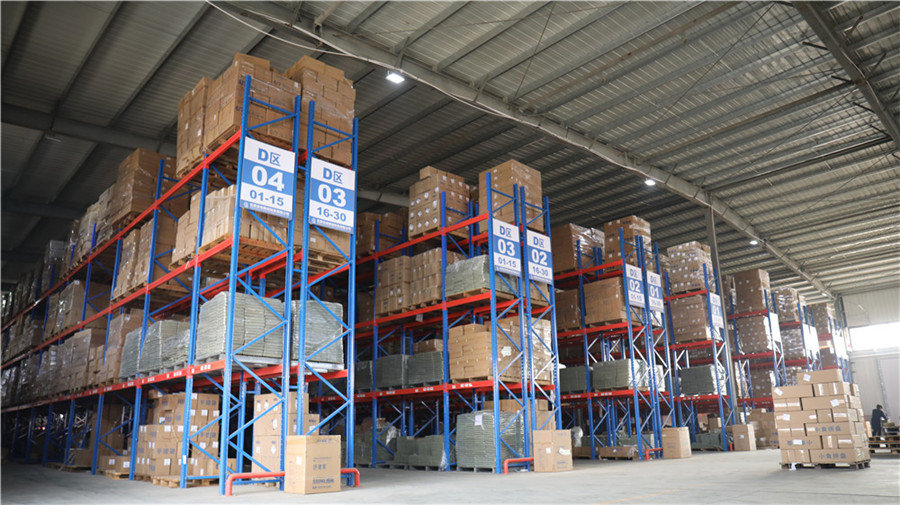
Inside Shandong PsiPrime's cleanroom-grade automated manufacturing facilities.
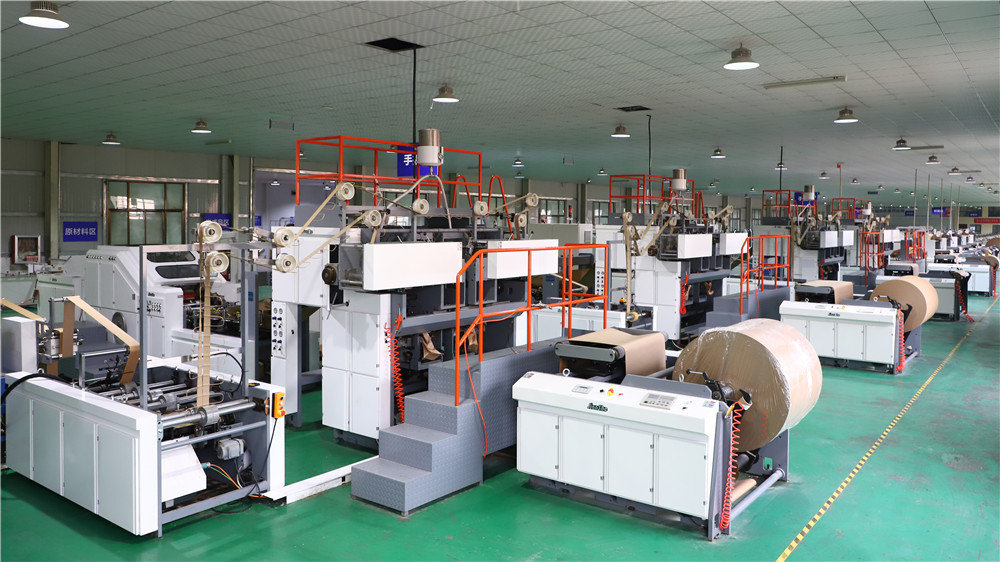
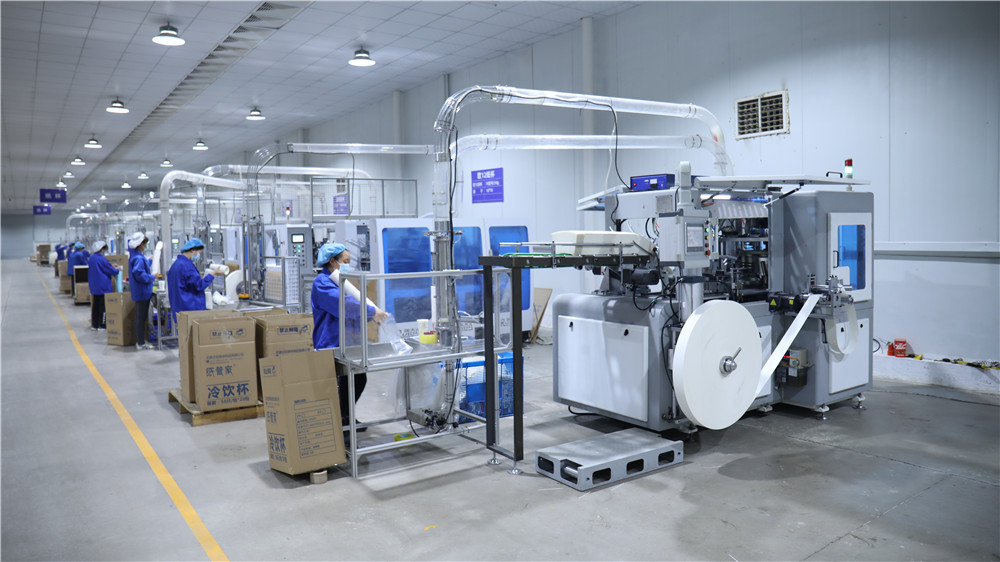
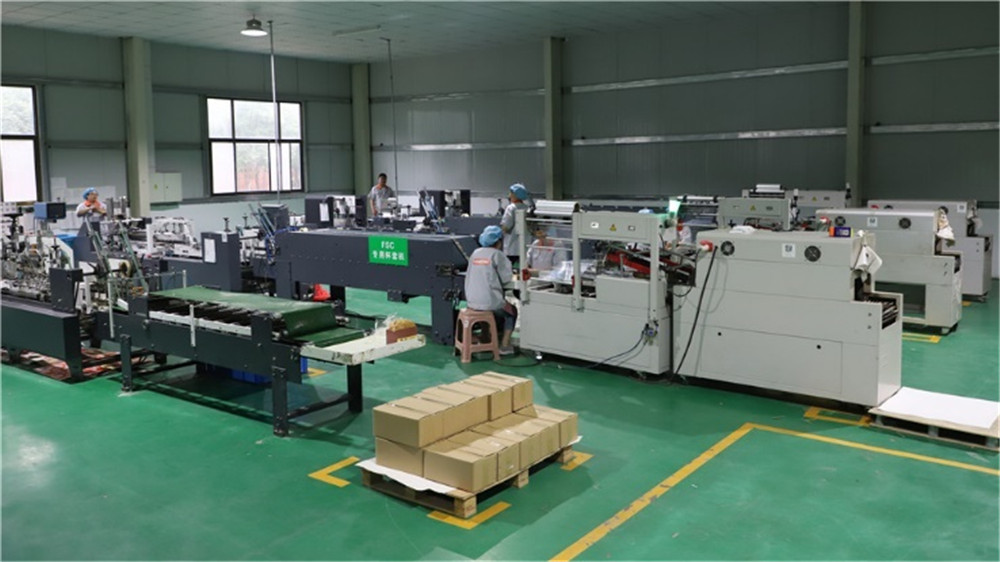
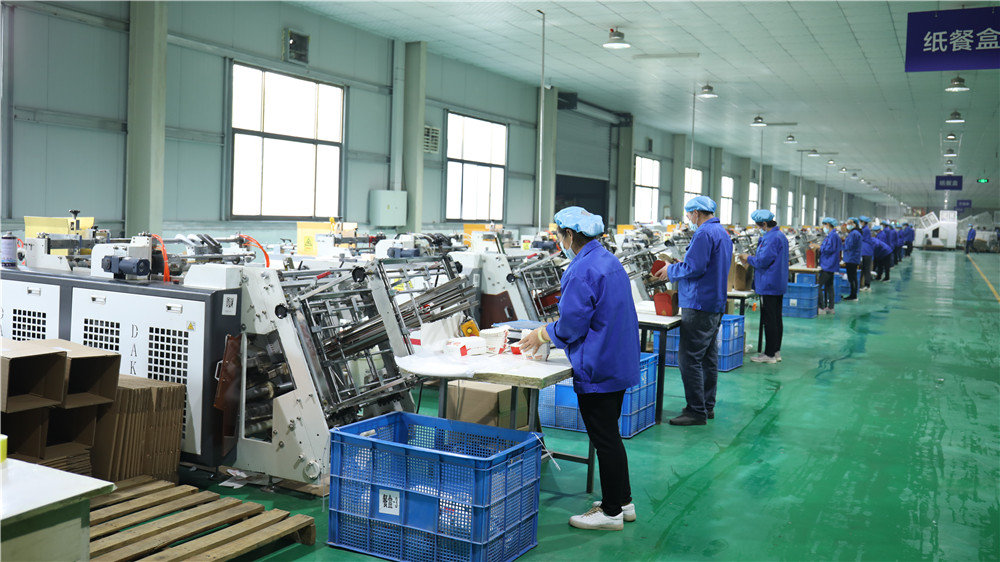
Environmental policies vary by jurisdiction. A multi-national food brand operating in Western Europe has vastly different compliance hurdles than a regional quick-service restaurant (QSR) network in Southeast Asia. Our design department customizes material formulations and barrier coatings to adapt to local realities.
Food delivery services require containers that prevent thermal loss, handle structural stress during transport, and resist grease migration. By deploying our sugarcane bagasse clamshells, brands can prevent structural collapse from steam condensation—a common issue with plastic and low-grade paperboard packaging.
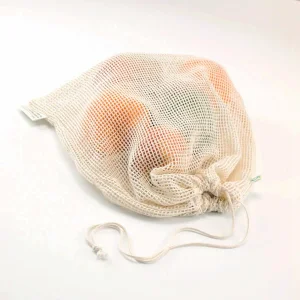
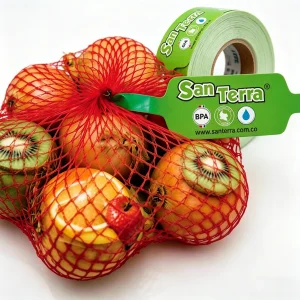
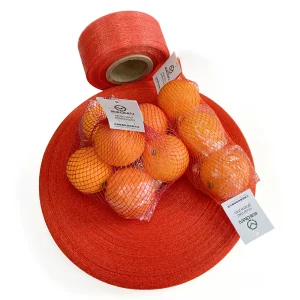
Moisture control is critical to extending the shelf-life of fresh fruits and vegetables. Organic produce bags must allow for air exchange to prevent anaerobic decay. Our heavy-duty micron mesh bags and cotton net bags allow produce to breathe, optimizing humidity and reducing upstream waste.
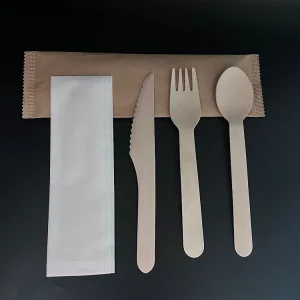
Corporate campuses and public events generate thousands of tons of mixed food waste daily. Sorting plastic cutlery from compostable organic waste is costly and labor-intensive. By standardizing on our 16cm wooden cutlery sets and sugarcane plates, institutions can consolidate all waste streams into a single composting bin, drastically reducing refuse management costs.
Enterprise buyers at large food-related chains must satisfy internal ESG frameworks and comply with regional laws (such as the EU Single-Use Plastics Directive). When evaluating manufacturers, purchasing departments prioritize specific quality standards and manufacturing capacities.
Compostability claims must be backed by third-party laboratory verification. Our materials are tested to comply with EN 13432 and ASTM D6400 standards, ensuring they decompose entirely under commercial composting parameters without leaving microplastics or toxic residues in the soil.
Plant-based packagings must not migrate chemical substances into hot foods. Our coatings, inks (utilizing soy-based formulations), and natural starches undergo strict chemical migration testing to meet the rigorous safety thresholds set by the United States Food and Drug Administration (FDA) and European German LFGB regulations.
A transition to sustainable packaging is only successful if delivery dates are reliable. Shandong PsiPrime utilizes a "One-Stop Shop" service framework—handling graphic design, structural proofing, mechanical production, and port delivery under one organizational umbrella.
"The company is dedicated to a customer-centric philosophy, offering one-stop customization services ranging from product design and material selection to custom printing. This enables clients to build strong, recognizable brand packaging while maintaining sustainability goals."
The sustainable packaging field is rapidly evolving beyond basic PLA and paper bags. Our R&D division focuses on upcoming technological trends to ensure our customers stay ahead of competitors and regulation.
Historically, paper cups required a PE (polyethylene) liner to hold liquids, preventing them from being recyclable. The industry transitioned to PLA coatings, which, while biodegradable, require specialized industrial composting. The new frontier is aqueous barrier coatings, where water-borne polymer dispersions are applied directly to the paperboard. These cups can be processed in standard municipal paper recycling mills, removing the need for specialized sorting.
Global corporations are tracking Scope 3 carbon footprints, which include all upstream emissions from raw materials and processing. Transitioning to plant-based materials like bamboo reduces the carbon footprint by over 60% compared to equivalent polystyrene containers. At Shandong PsiPrime, we are tracking carbon metrics from raw fibers to the export dock, helping clients satisfy complex carbon auditing requirements.
Answers to critical questions regarding compliance, custom specifications, and industrial performance.
Discover the full scope of our sustainable catalog, including cup lines, wrapping papers, and specialty packaging solutions.

 PsiPrime Packaging