A curated portfolio of food-grade, biodegradable, and recyclable packaging options supporting ESG metrics globally.
Polylactic Acid (PLA) has emerged as the leading biopolymer alternative to fossil-based plastics such as Polyethylene Terephthalate (PET) and Polystyrene (PS). Derived from fermented plant starches—primarily corn, cassava, and sugarcane—PLA represents a critical shift toward closed-loop biological cycles in packaging. The global commercial landscape for PLA cups is experiencing double-digit compound annual growth (CAGR), driven by institutional mandates, consumer preference shifts, and corporate ESG compliance metrics.
Industrial capacity for lactic acid polymerization has scaled rapidly, particularly within mainland China. By optimizing the Ring-Opening Polymerization (ROP) process and utilizing advanced L-Lactic Acid monomers, Chinese manufacturers have achieved economies of scale that significantly lower the green premium historically associated with bioplastics. This scale enables export markets in the European Union, North America, and Australia to source high-purity PLA clear cups and lined container boards that integrate seamlessly with existing food service workflows.
Controlled crystalline structures increase the thermal deflection limit of standard PLA, opening avenues for warm-beverage application and high-speed filling lines.
Advanced co-extrusion technology yields improved oxygen and moisture transmission rates (OTR/WVTR), preserving carbonation and flavor profiles in food delivery.
Leveraging continuous domestic feedstock supply lines keeps Chinese PLA production costs insulated from global petrochemical market volatility.
Deciphering market dynamics, materials-science breakthroughs, and regulatory demands impacting global procurement.
The next frontier in bio-cups involves blending PLA with Polyhydroxyalkanoates (PHAs) and other home-compostable aliphatic polyesters. While standard industrial PLA requires thermophilic environments (>58°C, specific moisture and microbial density) to degrade within 90 days, newer hybrid formulations allow for disintegration in ambient soil or marine ecosystems, widening the waste management scope.
Extended Producer Responsibility (EPR) regulations, the EU Packaging and Packaging Waste Regulation (PPWR), and state-level bans in the US (such as California's SB 54) are shifting the economic burden of packaging waste to manufacturers. PLA, categorized under bio-sourced and certified compostable materials, enables multi-national QSR chains to mitigate tax liabilities and operational non-compliance penalties.
Historically, PLA's narrow processing window limited production throughput compared to traditional PET or PP. Modern machinery, featuring optimized temperature zones and specialized mold design, allows PLA thermoforming speeds to match fossil-fuel counterparts. This bridges the capacity-delivery gap for global exports.
Recycling streams are moving toward monomaterial simplicity. The development of unified PLA solutions—where lids, cups, and straws share identical polymer density and characteristics—simplifies the waste sorting process and optimizes mechanical recycling pipelines for post-industrial PLA waste.
Shandong PsiPrime Packaging Co., Ltd. is committed to advancing sustainable packaging solutions and promoting the reduction of single-use plastics, helping foodservice and food-related industries transition toward more environmentally responsible operations.
The company strongly believes that biodegradable and compostable packaging materials represent the future of sustainable development. It actively promotes the concept of “plastic alternatives” and works to raise awareness of eco-friendly packaging across global markets. With extensive industry experience and a reliable supply chain, we provide high-quality, sustainable food packaging solutions to customers in many countries and regions.
Shandong PsiPrime Packaging Co., Ltd. specializes in the research, development, and manufacturing of eco-friendly food-grade packaging products. Its product portfolio includes compostable food containers, paper-based food packaging, eco-friendly paper bags, food wrapping paper, and disposable catering supplies. These solutions are designed to meet the diverse needs of restaurants, food delivery platforms, food processors, and retail businesses.
The company is dedicated to a customer-centric philosophy, offering one-stop customization services ranging from product design and material selection to custom printing. This enables clients to build strong, recognizable brand packaging while maintaining sustainability goals. At the same time, we emphasize stable delivery performance and strict quality control to ensure efficient and reliable global supply.
Through continuous improvements in production processes and supply chain management, Shandong PsiPrime Packaging Co., Ltd. enhances both cost efficiency and operational reliability, supporting clients in achieving sustainable growth in competitive markets. Looking ahead, the company will continue investing in innovation in biodegradable materials and expanding the application of compostable products across more industries, working together with global partners to build a low-carbon, environmentally friendly, and sustainable future.
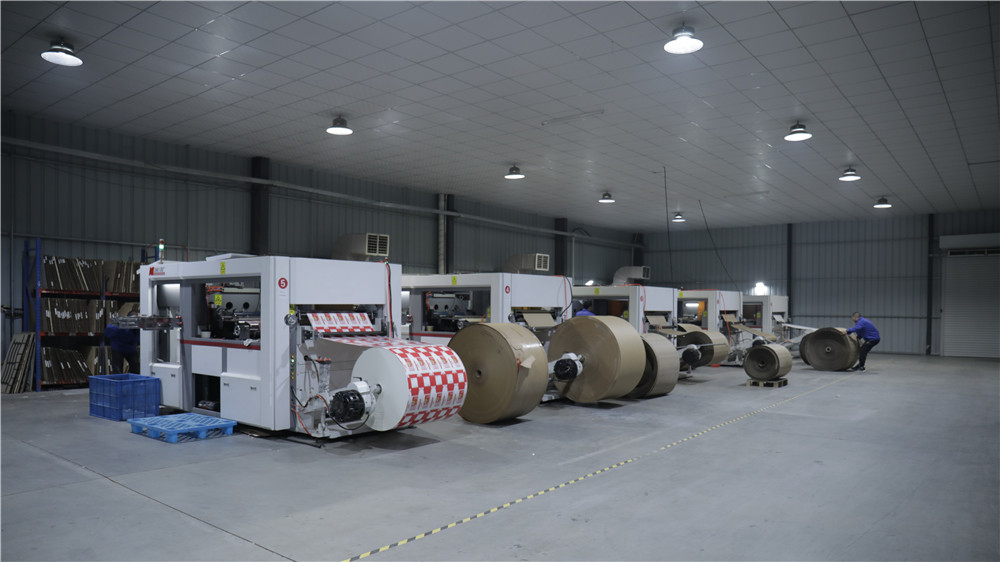
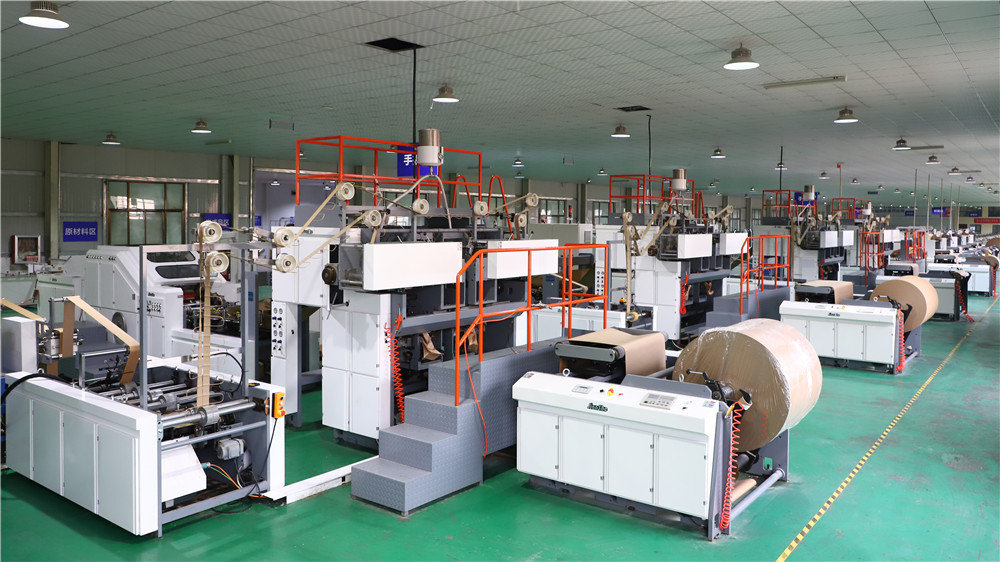
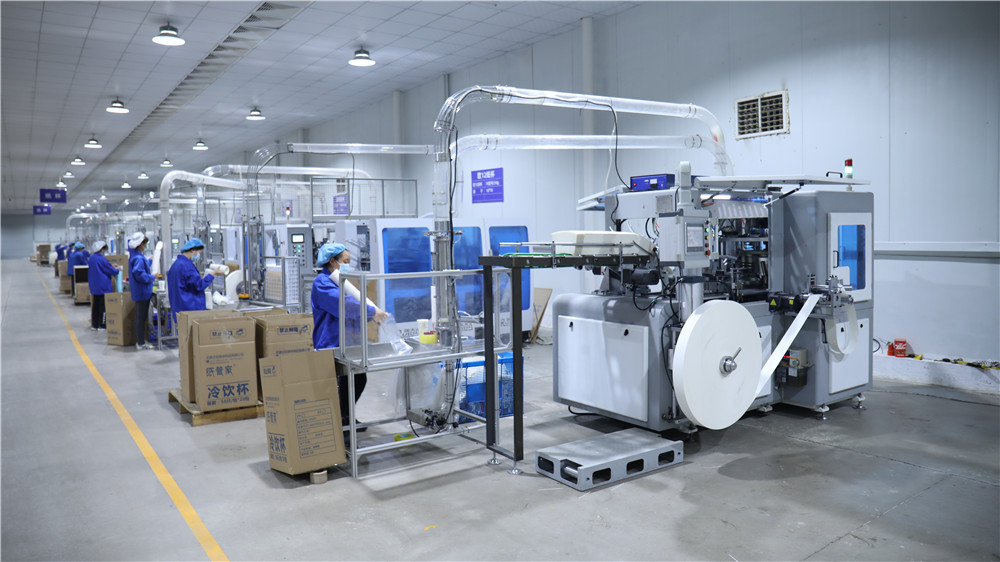
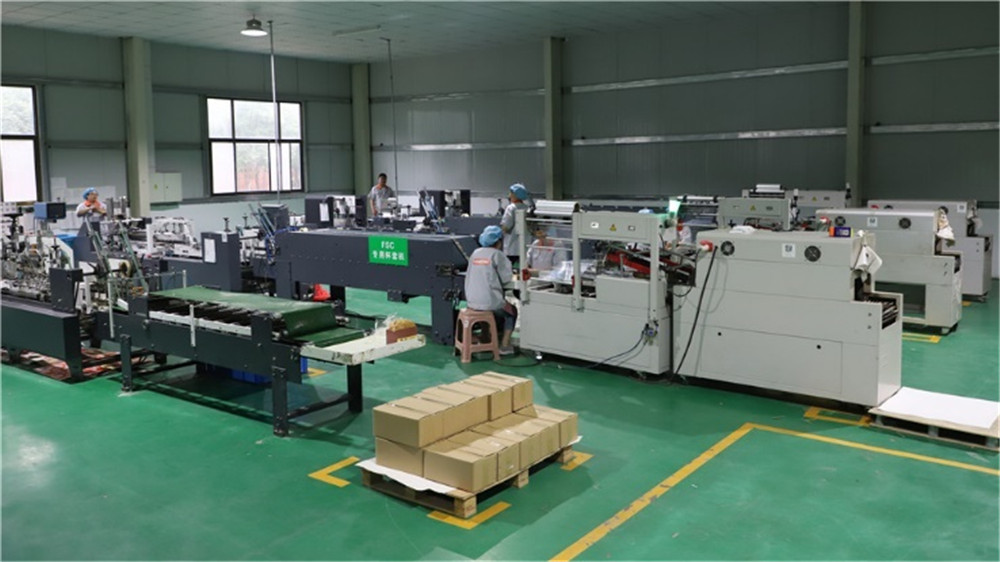
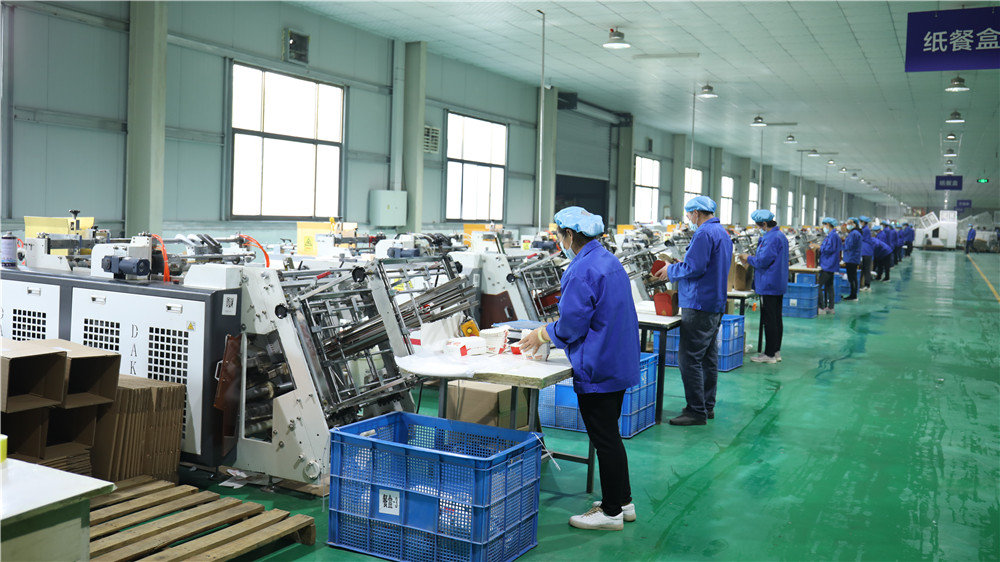
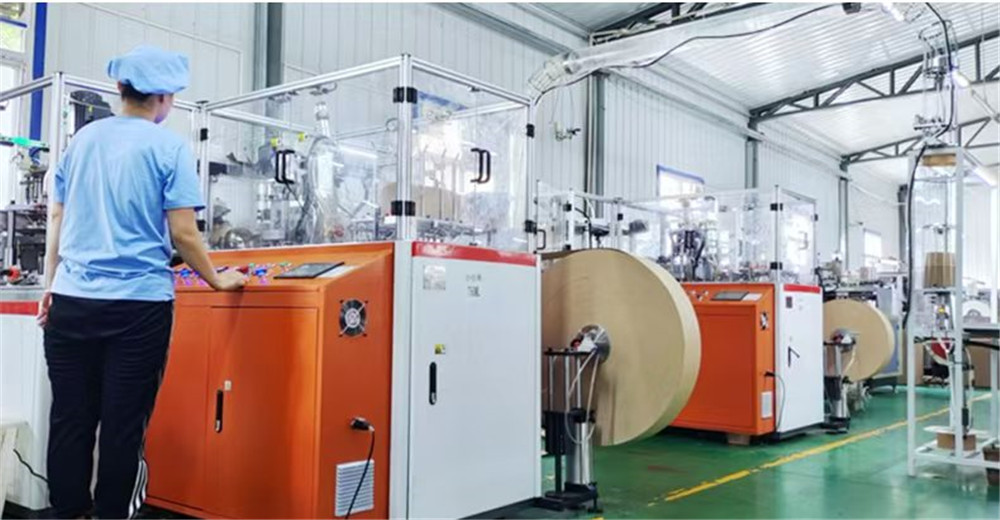
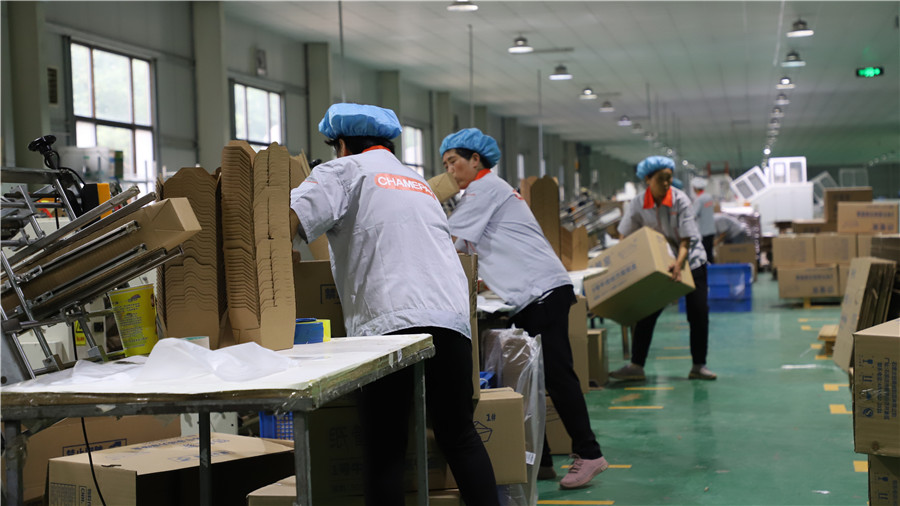
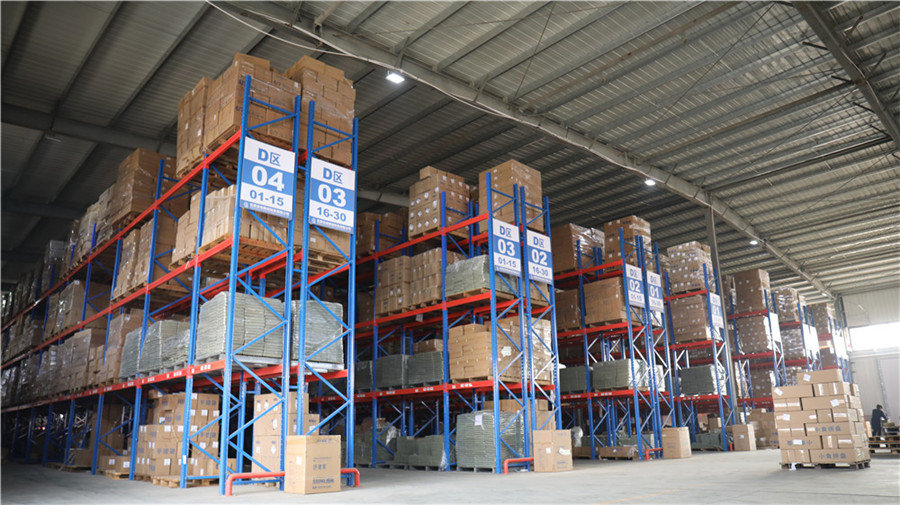
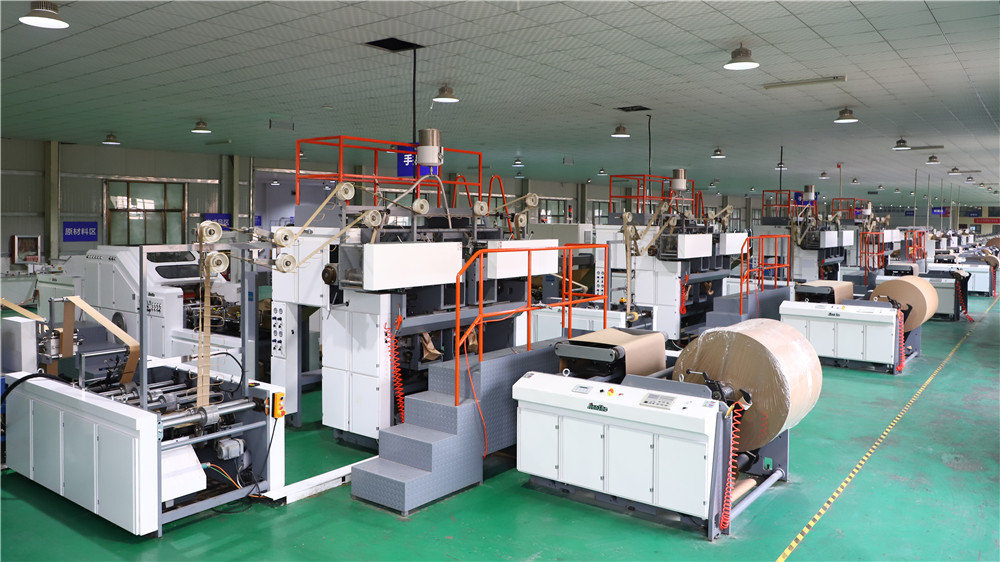
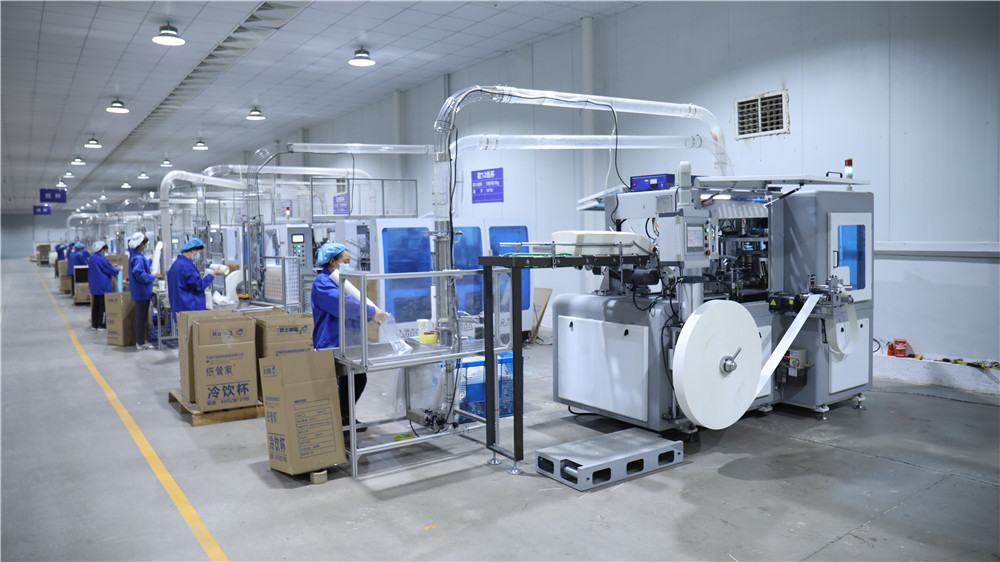
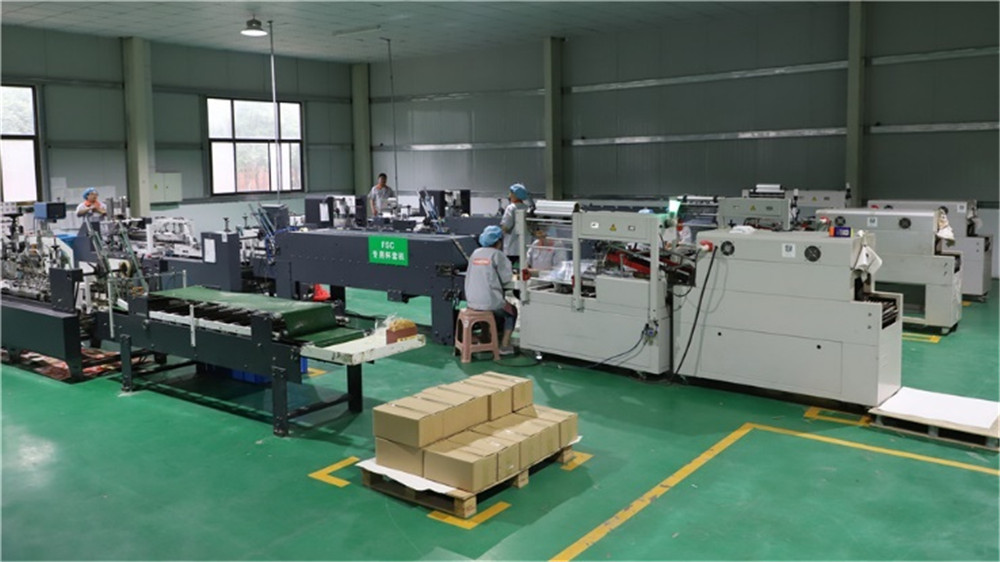
Our production facility is equipped with automated thermoforming, printing, and cup-forming machinery designed to handle biopolymers and virgin pulp materials under strict food-grade conditions.
One of the primary historical limitations of standard PLA cups has been their relatively low glass transition temperature (Tg), typically hovering around 55–60°C. In real-world distribution pathways, containers sitting in unconditioned transport containers or subject to direct sunlight can undergo warping or structural softening. To combat this limitation, our technical roadmap incorporates modern compounding and additive chemistry.
By blending PLA with specific nucleating agents or introducing stereocomplex crystallization (interlocking L-Lactide and D-Lactide polymer chains), we can increase the heat deflection limit up to 90°C. This allows our PLA-lined paper bowls and hot-cup designs to maintain structural integrity when holding hot coffee, soups, and fried foods. This structural stability bypasses the need for traditional polyethylene (PE) coatings, facilitating chemical-free composting.
Blending D-PLA and L-PLA to yield a highly crystalline matrix with improved barrier properties and heat-deformation performance.
Integrating microscopic mineral clays to lower the OTR, preventing carbonated beverage decarbonation and maintaining crisp freshness.
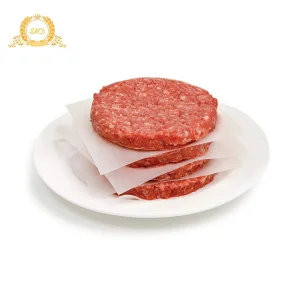
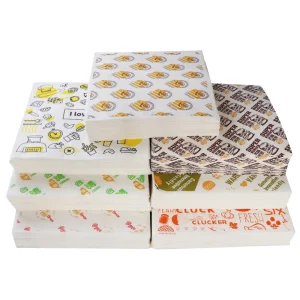
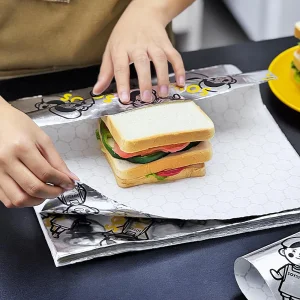
Deploying food-safe bio-wax alternatives and plant proteins to eliminate synthetic fluorine chemicals in paper wrap production.
Customized packaging configurations tailored for specific commercial verticals and regional regulatory environments.
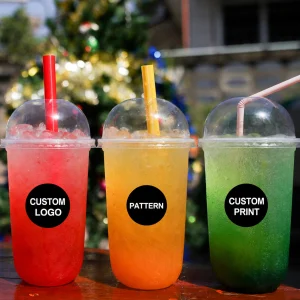
High-volume custom branding with water-based flexographic inks. Safe, leak-proof designs for carbonated beverages, smoothies, and takeaway combo boxes.
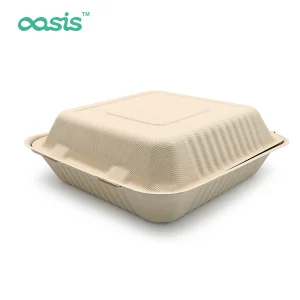
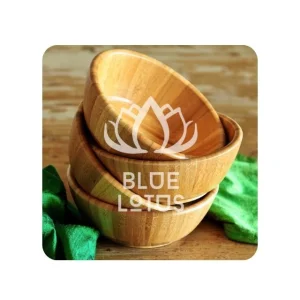
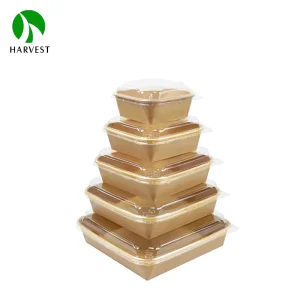
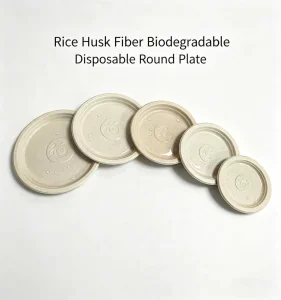
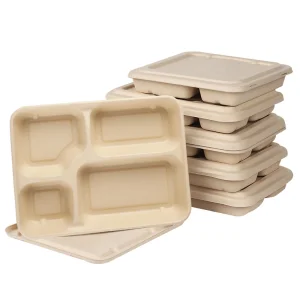
Bulk provisioning of PLA cold drink cups, sugarcane pulp lunchboxes, and compostable bamboo fiber smoothie bowls matching corporate green initiatives.
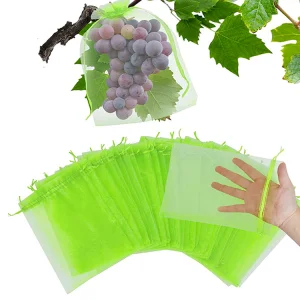
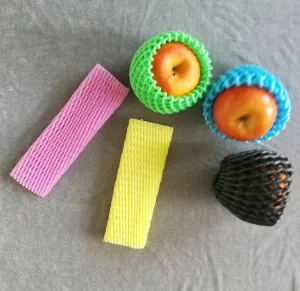
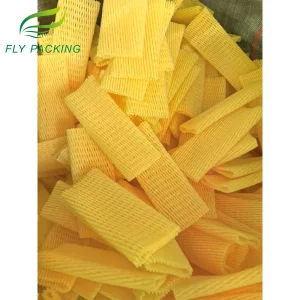
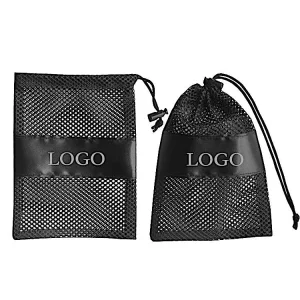
Breathable agricultural packaging including mesh protection bags and protective foam sleeves designed to control humidity and reduce post-harvest rot.
Moving from traditional plastics to sustainable alternatives involves more than swapping materials. It requires a systemic assessment of your storage conditions, logistics cycles, labeling compliance, and municipal waste handling. Our team offers a structured methodology to support companies throughout this transition, helping to minimize operational downtime and reduce procurement overhead.
Our macro solutions package integrates custom branding with structural packaging engineering. By conducting life-cycle analysis (LCA) profiling, we calculate the exact CO2-equivalent reductions your business achieves when migrating to PLA and paper-based substrates. This quantitative data assists your investor relations, ESG disclosures, and marketing teams in communicating measurable environmental impact.
Direct answers to common questions about thermal stability, storage guidelines, and industrial biodegradation.
Under ideal warehouse conditions, PLA cups maintain structural integrity for up to 18–24 months. Because they are derived from polylactic acid, they are susceptible to thermal degradation if exposed to temperatures above 45°C (113°F). Store cargo in cool, dry facilities away from direct sunlight and radiant heaters to prevent warping.
Under industrial composting conditions (regulated heat, humidity, and microbial activity), PLA cups disintegrate completely within 60–90 days, breaking down into carbon dioxide, water, and organic biomass. In contrast, standard PET cups can persist for up to 450 years in typical landfill environments. In household compost bins or cold soil, PLA will degrade at a significantly slower rate.
Standard clear PLA cold cups are designed for cold liquids up to approximately 50°C (122°F). Pouring boiling liquids directly into standard PLA will cause it to soften and deform. For hot beverages, we recommend crystallized PLA (C-PLA) or paper-based cups with high-heat resistant PLA interior lining designed for hot applications.
We utilize high-speed flexographic and offset printing technologies with eco-friendly water-based or UV-cured inks. These inks are formulated to comply with FDA and EU food contact regulations, ensuring zero chemical migration while presenting sharp branding graphics.
Yes, our paper wraps, sugarcane boxes, and PLA lining applications are processed without synthetic fluorine-based compounds. We rely on physical barriers, starch coatings, and vegetable-based waxes to achieve oil and moisture resistance, ensuring complete safety and easier compliance with changing PFAS bans.
Explore our secondary and specialized product inventory, covering food protection, takeaway solutions, and natural fiber designs.
 PsiPrime Packaging