
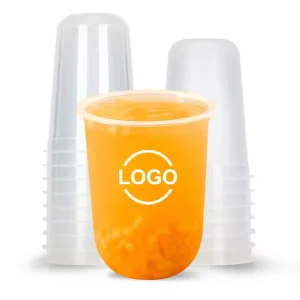
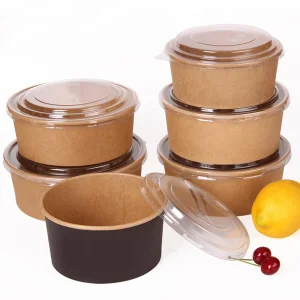
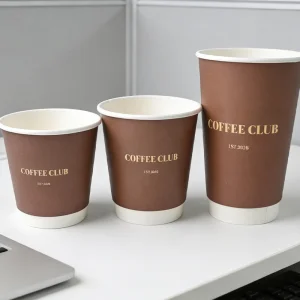
The international food service, catering, and packaging industries are undergoing a massive transition. Tightening regulations around the world—such as the European Union's Single-Use Plastics Directive (SUPD), national legislation banning PFAS (per- and polyfluoroalkyl substances) in food contact papers, and strict municipal composting mandates—have made standard plastic and fluorinated paper coatings obsolete. Global enterprise brands are actively restructuring their supply chains, moving away from legacy linear polymers toward advanced bio-based substrates and high-barrier coatings.
In this regulatory landscape, custom eco-friendly packaging must balance environmental performance with functional integrity. Packaging cannot merely be biodegradable; it must also withstand heat, repel oils, and maintain structural integrity during transit. Achieving these properties requires deep material engineering and advanced manufacturing controls, ensuring that the packaging effectively protects food without compromising sustainability.
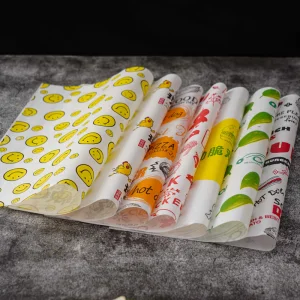
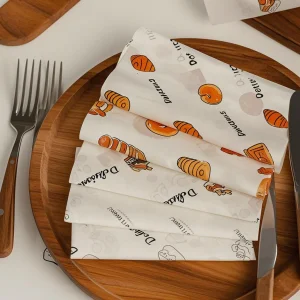
Traditional grease-resistant papers relied on fluorochemical treatments to prevent oil penetration. Leading manufacturers now utilize mechanical super-calendering combined with vegetable-based starch or aqueous acrylic dispersions to achieve high kit levels (grease resistance) without using harmful forever chemicals.
Evaluating eco-friendly packaging suppliers requires analyzing their material portfolios. The table below outlines the mechanical performance, thermal limits, and environmental end-of-life characteristics of the dominant food-grade packaging materials used today:
| Material Class | Primary Feedstock | Max Temp Limit | Grease & Water Barrier Method | End-of-Life Profile |
|---|---|---|---|---|
| Sugarcane Bagasse | Agricultural byproduct fiber | 120°C (Hot water / oil) | Molded fiber density & sizing agents | Compostable (EN 13432, ASTM D6400) |
| Aqueous Coated Paper | FSC Kraft/White pulp wood | 100°C (Boiling water) | Water-based polymer dispersion coating | Repulpable, recyclable & compostable |
| PLA & CPLA | Fermented cornstarch lactic acid | 50°C (PLA) / 85°C (CPLA) | Inherent hydrophobic thermoplastic barrier | Industrial composting required |
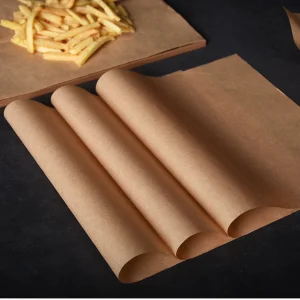
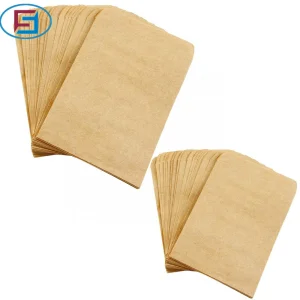
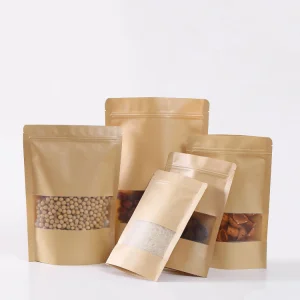
| Kraft Paper (Uncoated) | Long-fiber virgin coniferous pulp | 150°C (Dry heat) | Mechanical densification (calendering) | Highly recyclable & home compostable |
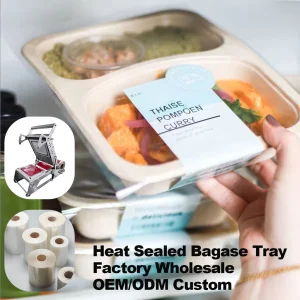
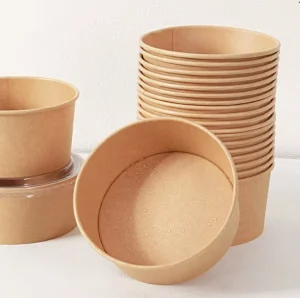
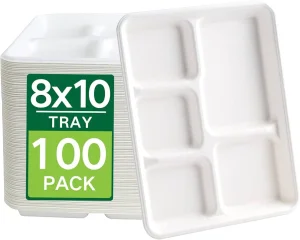
A byproduct of sugar extraction, bagasse fibers are pressed under high pressure. These products feature structural rigidity and excellent insulating properties, making them ideal for heavy takeaway meals and multi-compartment food trays.
This technology replaces traditional PE plastic lining with an ultra-thin, water-based barrier coating. During recycling processes, this coating breaks down easily, allowing the fibers to be recovered and reused within normal paper recovery channels.
By crystallizing standard Polylactic Acid (PLA), manufacturers increase its heat resistance to 85°C. This makes CPLA a suitable biopolymer alternative for items requiring elevated heat resistance, such as hot beverage lids and cutlery.
Shandong PsiPrime Packaging Co., Ltd. is a specialized developer and manufacturer of eco-friendly food-grade packaging solutions. The company is committed to advancing sustainable packaging and helping food service, delivery, and retail brands transition away from single-use plastics. By focusing on certified compostable materials and innovative paper-based technologies, PsiPrime delivers packaging that meets the operational demands of international clients.
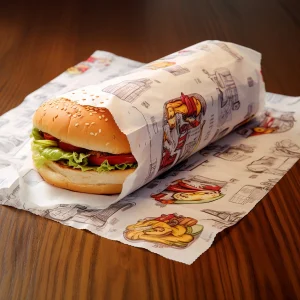
PsiPrime's product portfolio includes compostable food containers, paper-based packaging, eco-friendly bags, food wraps, and disposable catering supplies. The company offers end-to-end customization services, including custom CAD sizing and high-fidelity printing with food-safe inks, allowing brands to implement sustainable packaging that aligns with their corporate environmental targets.
Through integrated production processes and structured quality control, the company ensures consistent material density and precise dimensions for automated processing lines. PsiPrime is focused on developing biodegradable alternatives to help businesses reduce plastic usage and build resilient, sustainable packaging supply chains.
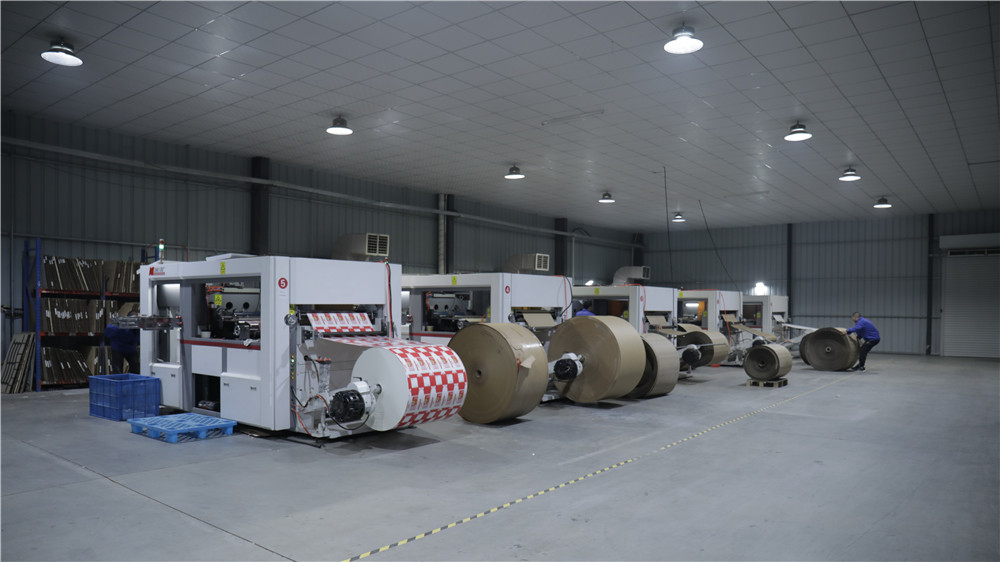
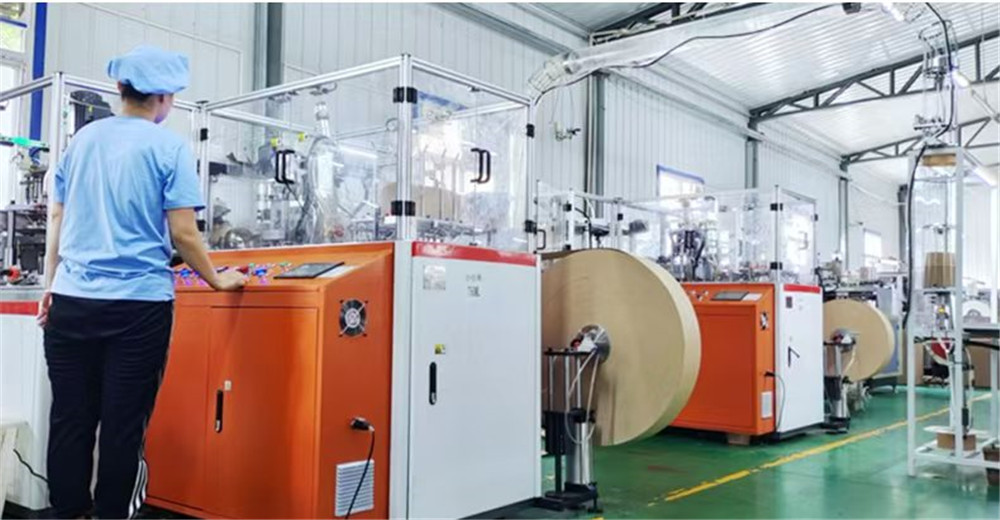
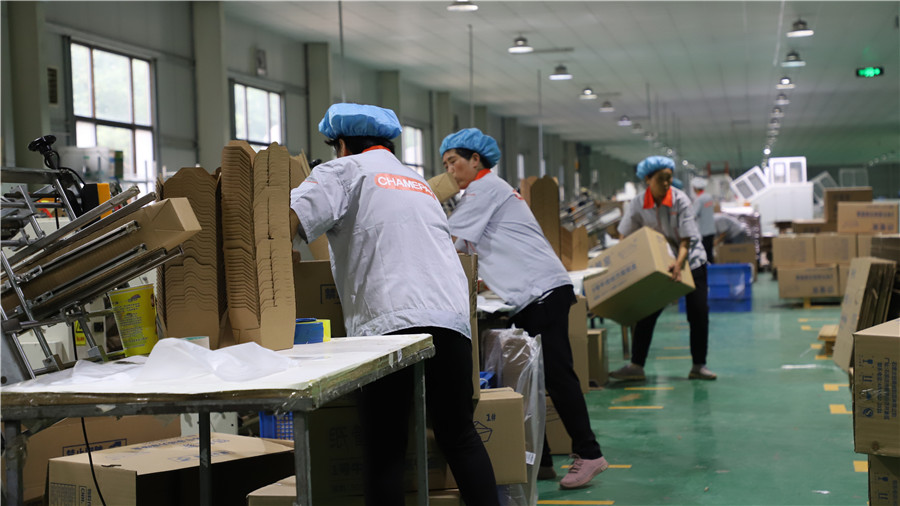
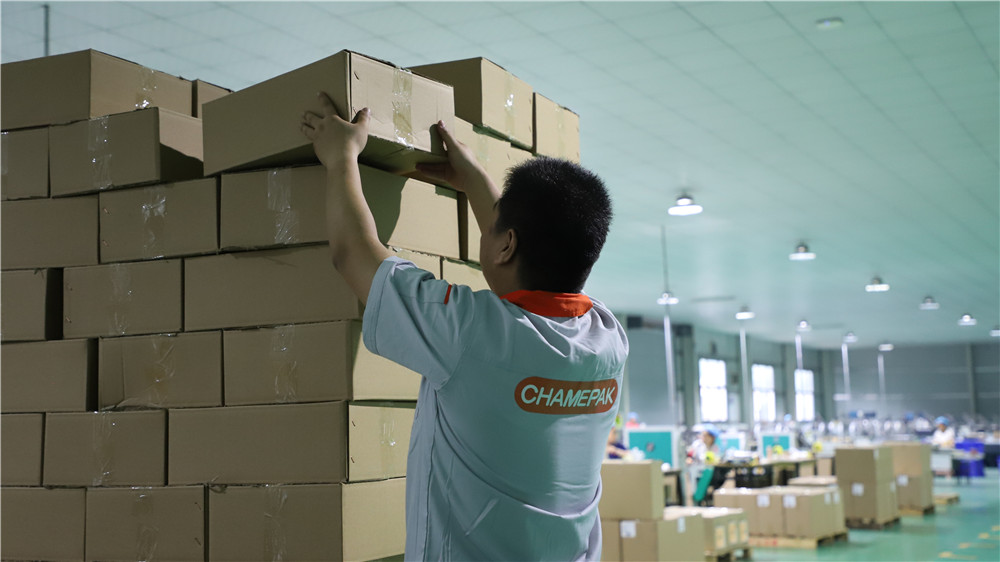
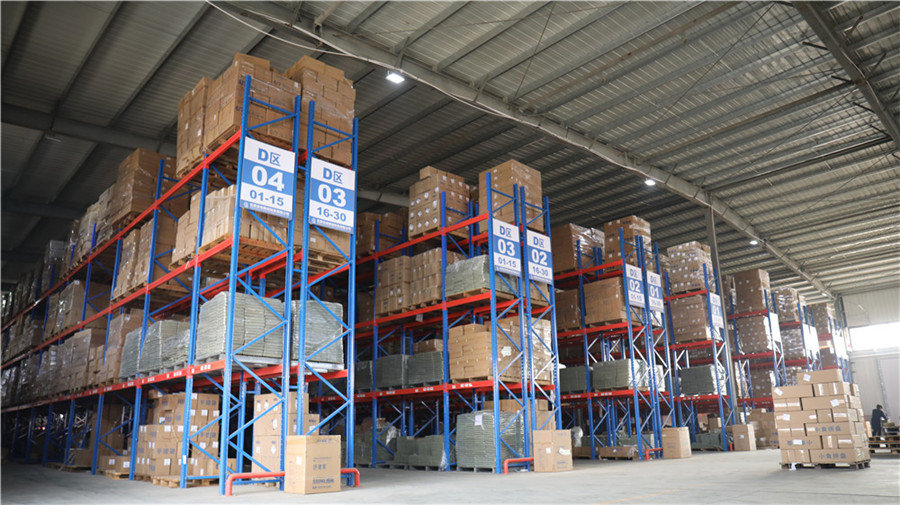
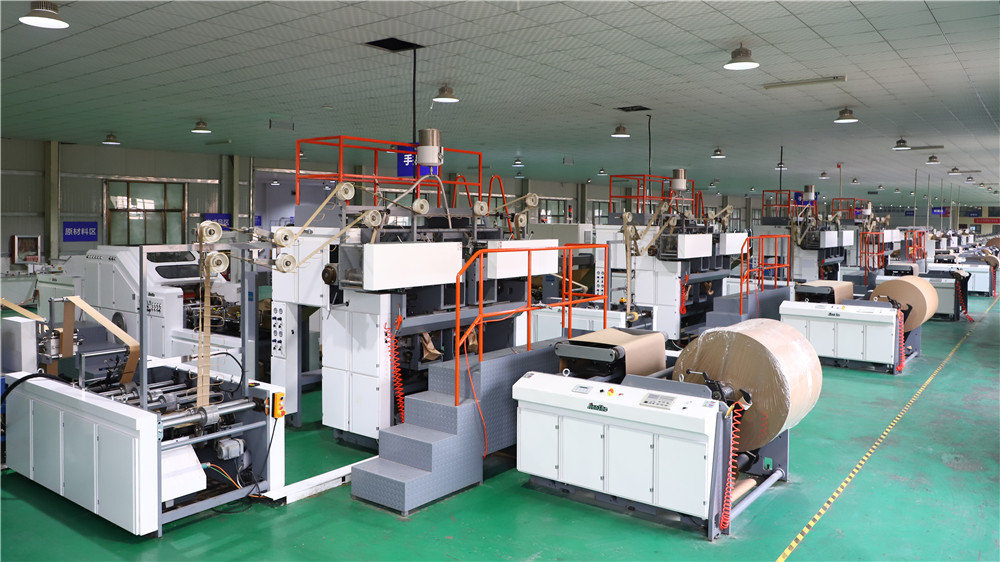
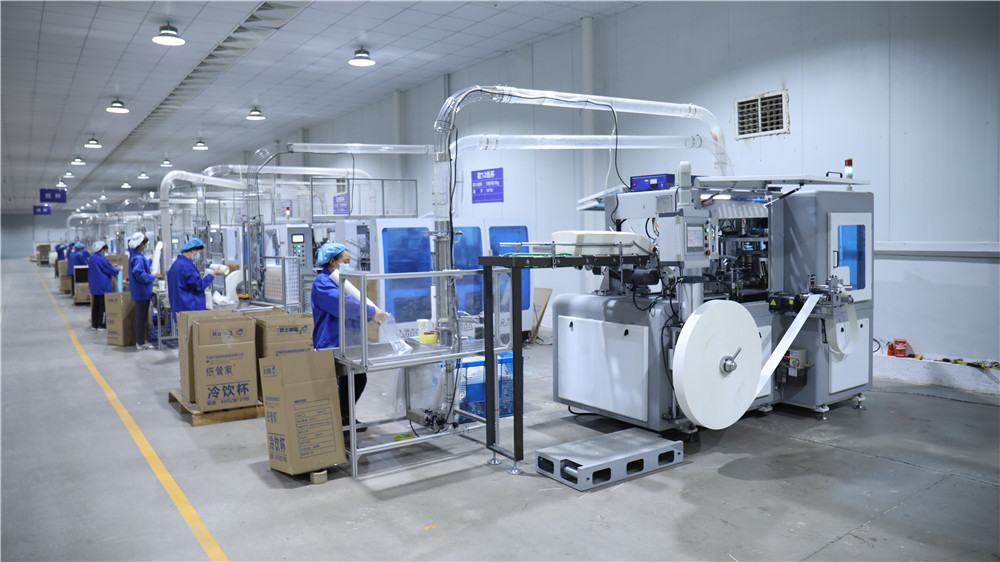
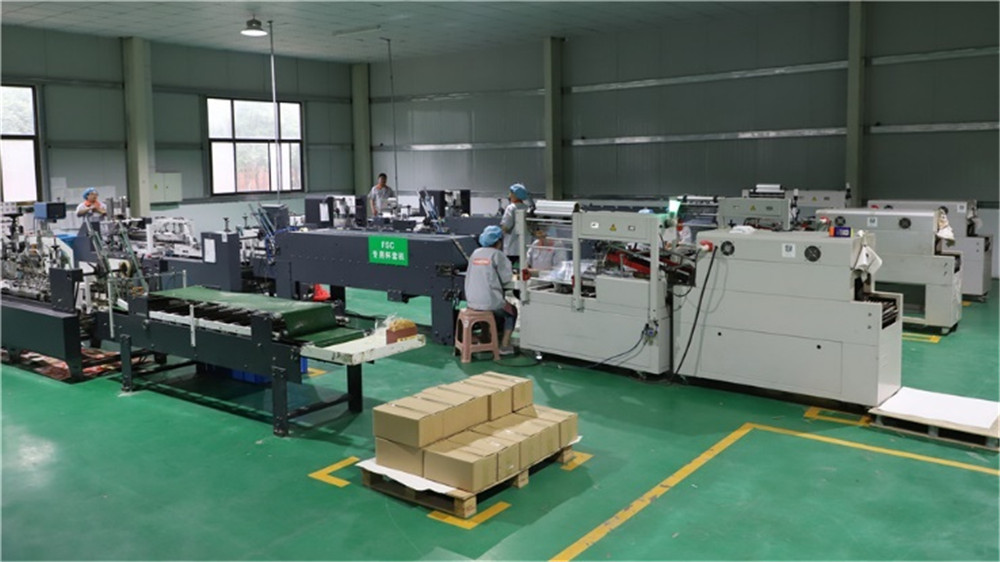
PsiPrime's manufacturing facility uses automated production lines to maintain quality and scale. Precision slitting, thermodynamic cup forming, and inline checking processes are integrated to control dimensions, fiber density, and seal strength. The factory floor plan below displays the machinery and steps involved in producing PsiPrime's eco-friendly food packaging:
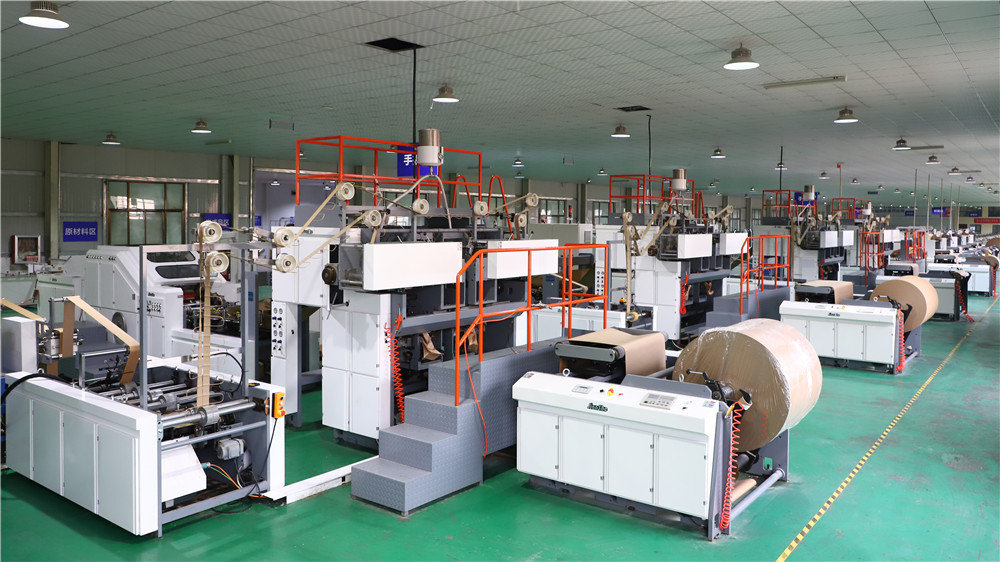
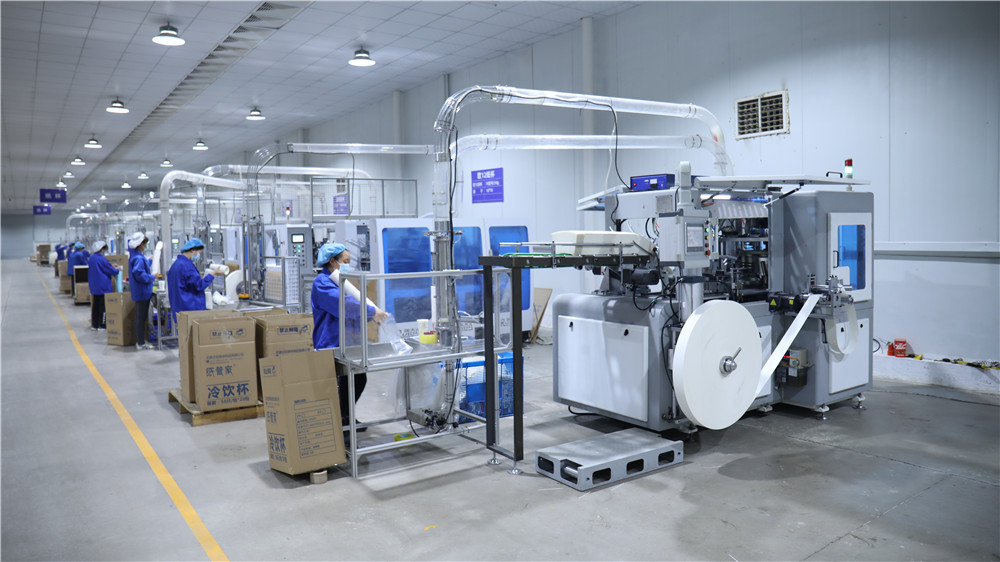
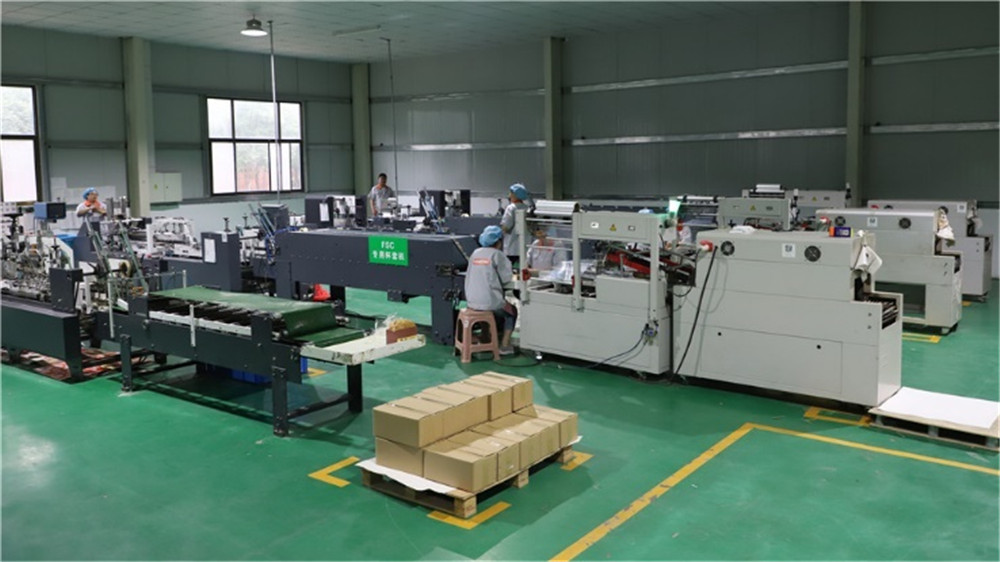
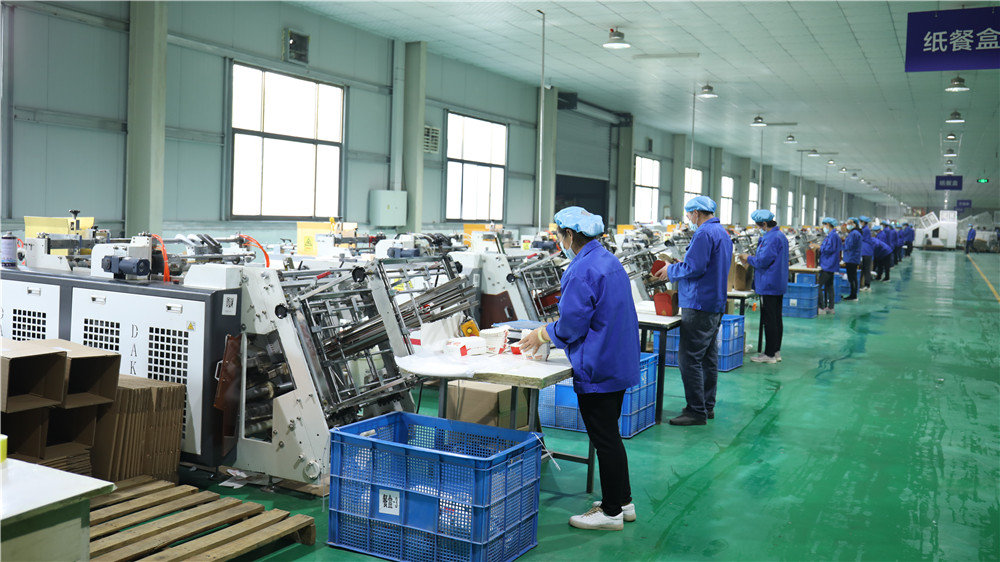
In the sustainable packaging sector, certifications serve as the baseline verification for material safety. Exporters must provide comprehensive documentation confirming food contact safety and biodegradation timelines under independent testing protocols. Essential standards include:
This European standard sets strict criteria for packaging recovery through industrial composting. It requires at least 90% biodegradation of the material within 180 days under controlled conditions, and tests the compost for ecotoxicity.
The standard specification for plastics designed to be composted municipally or industrially. Testing verifies that materials decompose at a rate comparable to known compostable substrates, leaving no toxic residues behind.
Forest Stewardship Council certification tracks wood fiber from responsibly managed forests to the final paper product. This guarantees that packaging fibers do not contribute to deforestation or illegal logging activities.
Furthermore, raw materials must comply with FDA 21 CFR regulations for food contact safety in North America, as well as Regulation (EC) No 1935/2004 in Europe. This ensures that no hazardous monomers, heavy metals, or plasticizers migrate into food items, even at high operational temperatures.
Sustainable packaging is shifting toward materials with lower environmental impacts and improved performance. Over the next decade, manufacturers are focusing on three main phases of material evolution:
Traditional PE coatings are being phased out in favor of water-based dispersions and plant-derived PLA. This transition helps simplify recycling processes and reduces reliance on fossil-fuel-based polymers.
Integrating agricultural residues, such as bagasse, wheat straw, and bamboo fibers, into production. Utilizing these fast-growing crops reduces pressure on forest resources and makes use of agricultural waste streams.
Developing marine-degradable barriers using seaweed extracts and PHA (polyhydroxyalkanoates). These natural polymers are designed to decompose in ambient marine environments, addressing long-term waste challenges.
Aqueous dispersion-coated boards use an ultra-thin barrier of water-based polymers. Unlike PLA-coated paper, which requires industrial composting facilities, aqueous-coated products can be processed in standard recycling mills alongside corrugated boxes and newsprint. This improves post-consumer recovery rates.
We achieve oil resistance through mechanical treatments that refine the pulp fibers to create a dense paper structure, combined with food-grade starch sizing. This configuration prevents oils from penetrating the paper, providing grease resistance without the use of fluorochemicals.
Compostable molded-fiber products have a dry-storage shelf life of up to 24 months. To prevent premature degradation, they should be stored in a dry, temperature-controlled environment away from direct UV exposure and high humidity levels.
PsiPrime structures its materials to fall within EU guidelines. For plastic-free designations, we supply uncoated calendered papers and aqueous barrier coatings verified to break down easily in standard paper recycling lines.
 PsiPrime Packaging