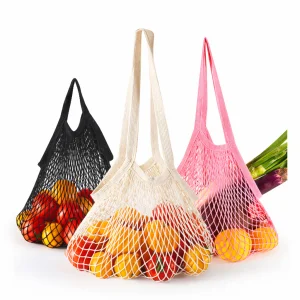
Explore our premium grade sustainable packaging and reusable mesh carrier selections engineered for environmental compatibility.
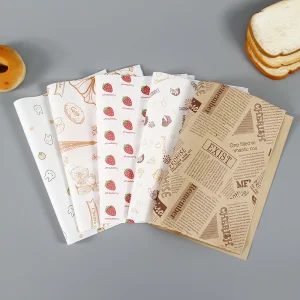
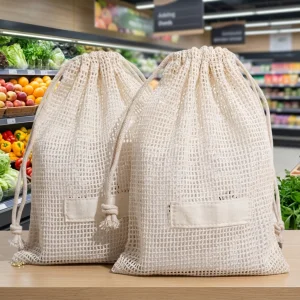
The global foodservice industry is witnessing an unprecedented transition. Driven by stringent regulations such as the European Union's Single-Use Plastics Directive (SUPD), the United States' regional styrofoam prohibitions, and China's intensive carbon-neutral directives, commercial sectors are rapidly divesting from conventional petroleum-based polymers.
This macro-shift has elevated plant-based dinnerware from a niche marketing attribute to an absolute compliance and operational requirement. Modern procurement structures look beyond simple product replacement; they demand comprehensive life cycle assessment (LCA) data, high structural integrity, food safety certification, and scalable unit-cost economics. At Shandong PsiPrime Packaging Co., Ltd., we develop functional solutions to meet these criteria.
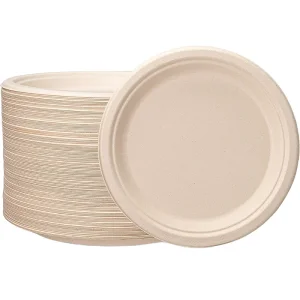
To replace traditional polymers like Polypropylene (PP) and Polystyrene (PS), our material engineering focuses on natural biomolecules. Sugarcane bagasse pulp, rich in cellulose and hemicellulose fibers, is refined and molded under high pressure. The resulting structural matrix offers high rigidity and naturally degrades within 60 to 90 days in industrial composting setups without leaving synthetic chemical residues.
For flexible structures and container lids, we process Polylactic Acid (PLA) synthesized through the fermentation of plant-derived starches. By modifying these formulations, our research team has improved the thermal deformation boundaries of standard PLA. This allows our containers to withstand temperatures up to 95°C (203°F), rendering them suitable for hot culinary applications, micro-waving, and delivery environments.
Why international brands trust Shandong PsiPrime for industrial-scale supply of plant-based packaging.
Our facility in Shandong occupies a highly developed packaging manufacturing cluster. This gives us immediate access to raw agricultural materials, specialized chemical formulations, tool-and-die fabrication centers, and major ports, reducing transit time and supply chain disruption risks.
We utilize automated high-pressure molding systems, precision die-cutting equipment, and robotic sorting systems. This automation ensures tight dimensional tolerances, decreases physical scrap rates, and delivers consistent unit pricing on volume runs.
Our products undergo comprehensive physical and chemical evaluations. From migration profiling to heavy metal testing, our dinnerware complies with FDA, LFGB, and European Union food contact standards, safeguarding your brand's international reputation.
A step-by-step overview of our production stages and specialized machinery at Shandong PsiPrime Packaging Co., Ltd.
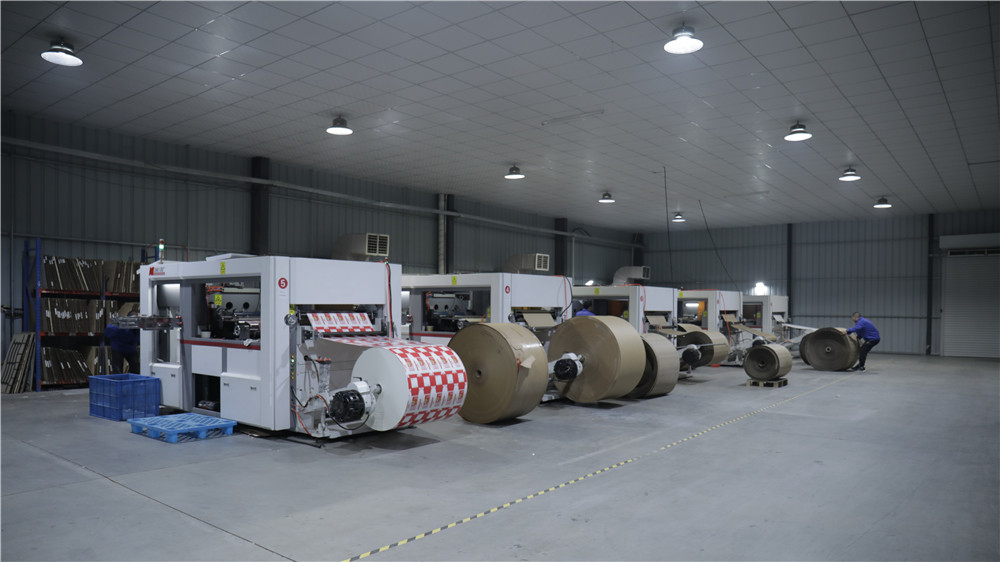
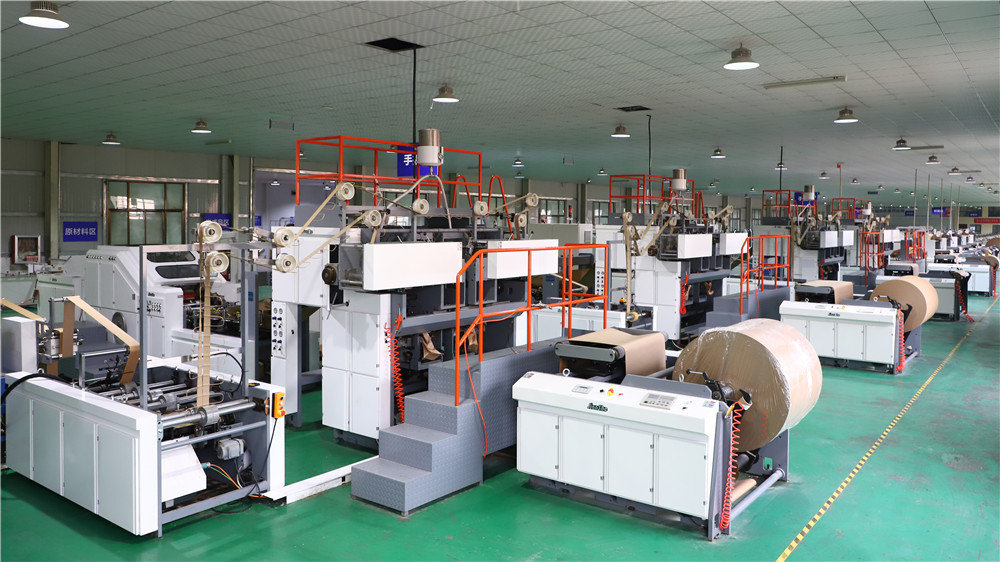
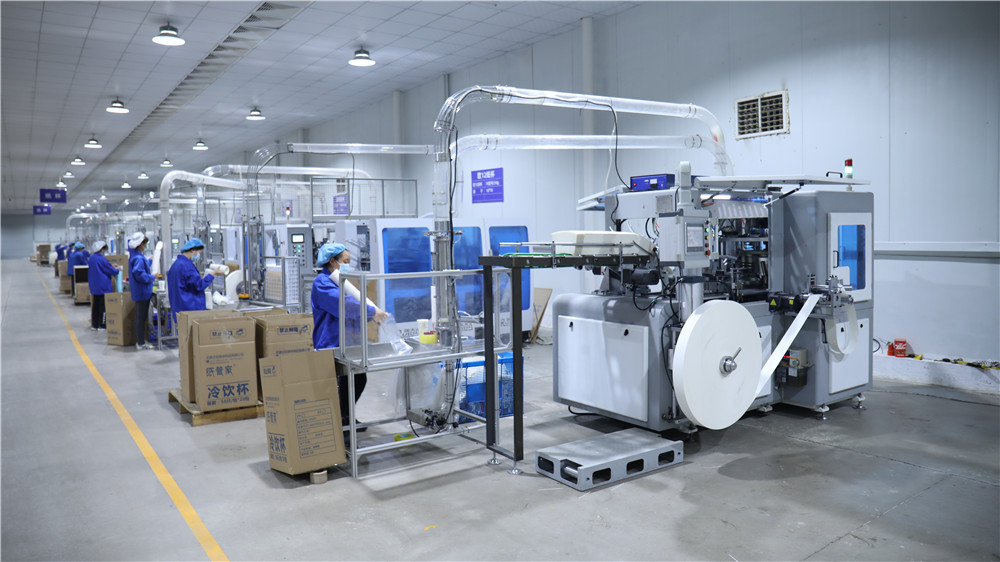
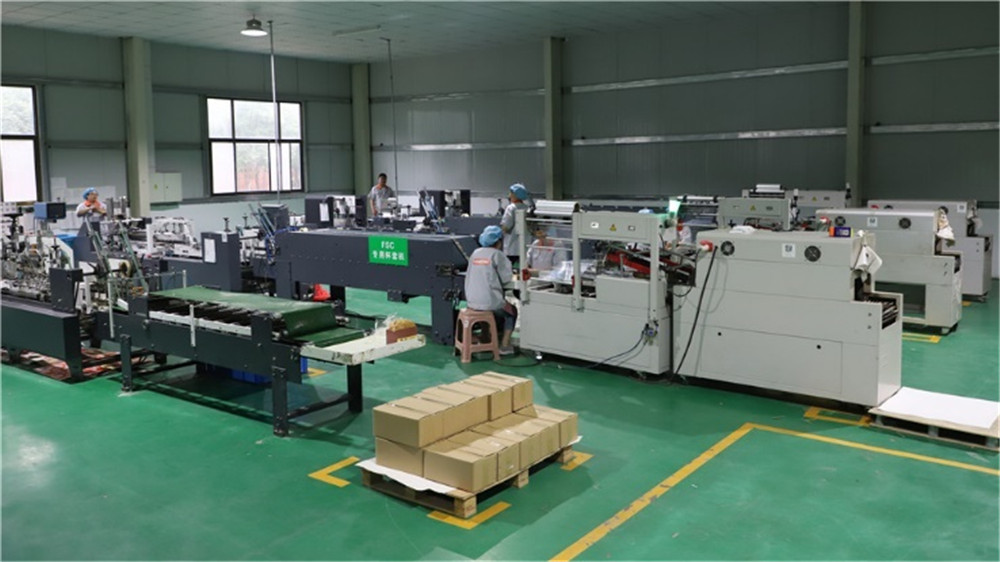
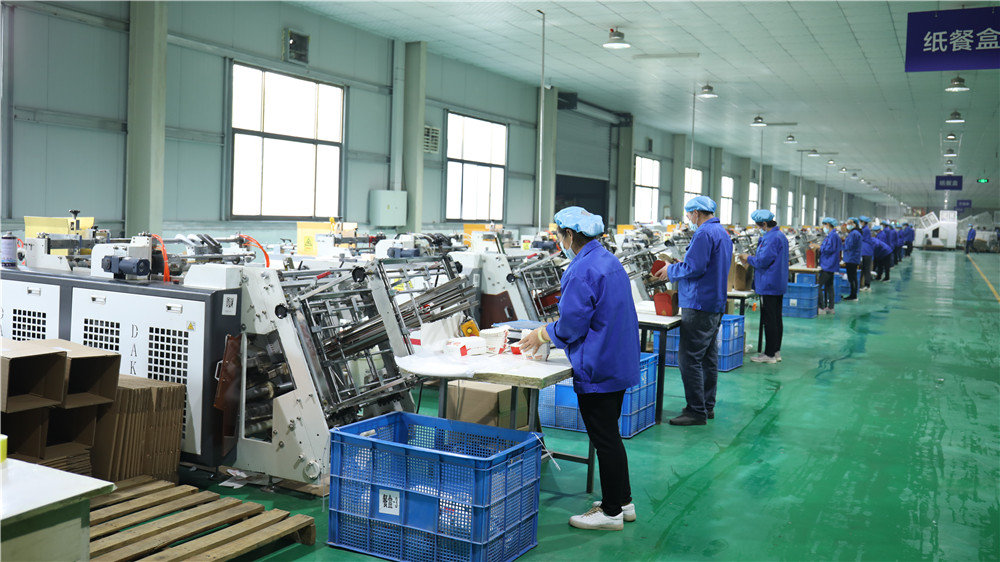
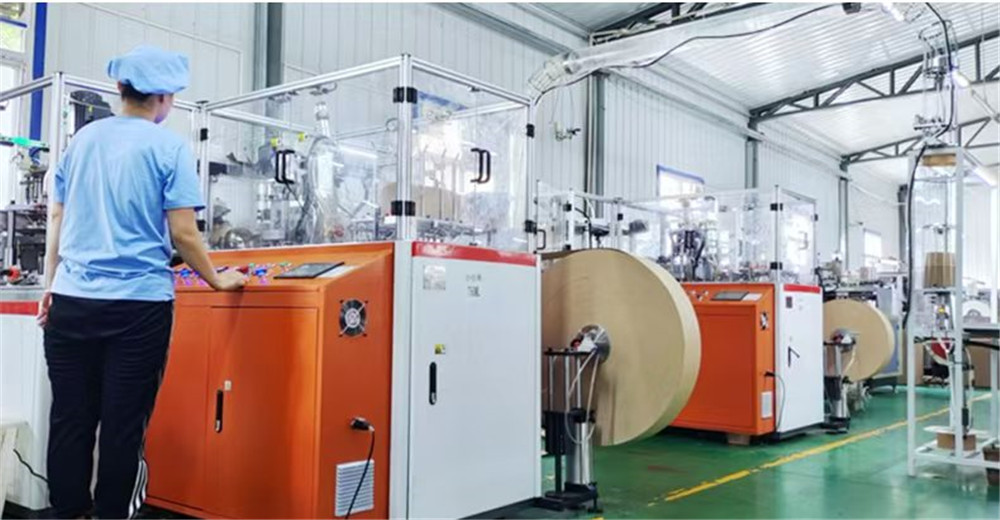
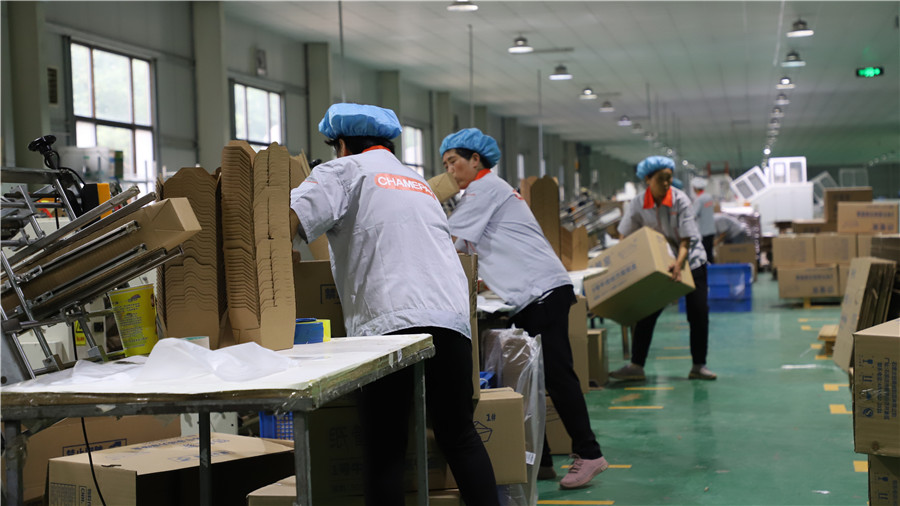
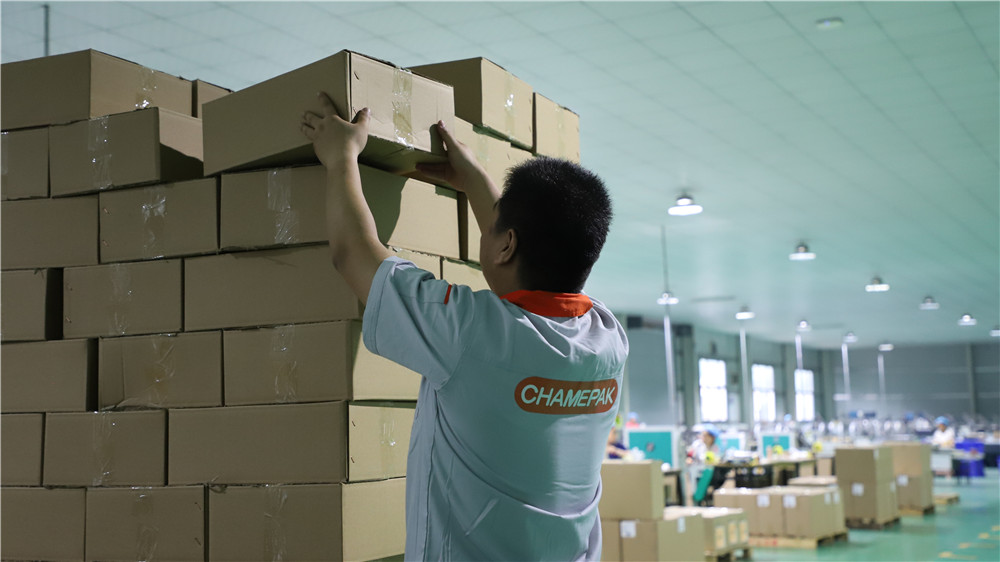
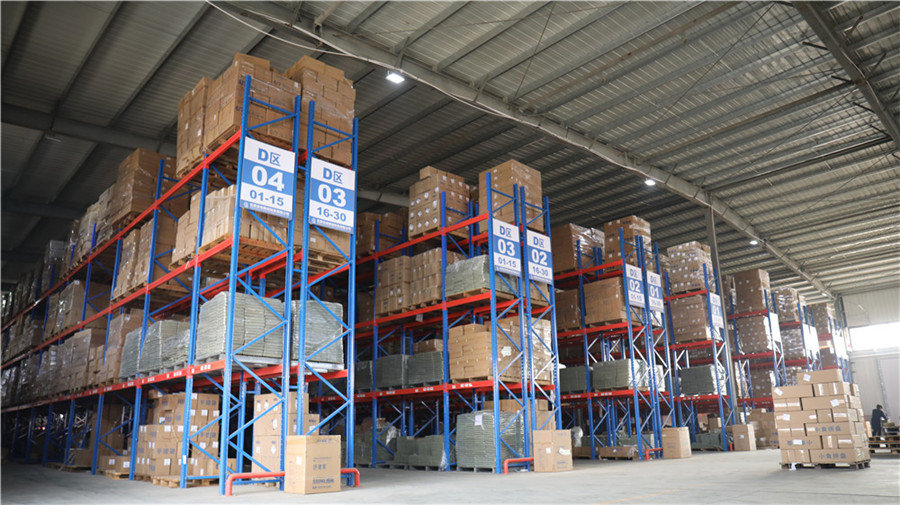
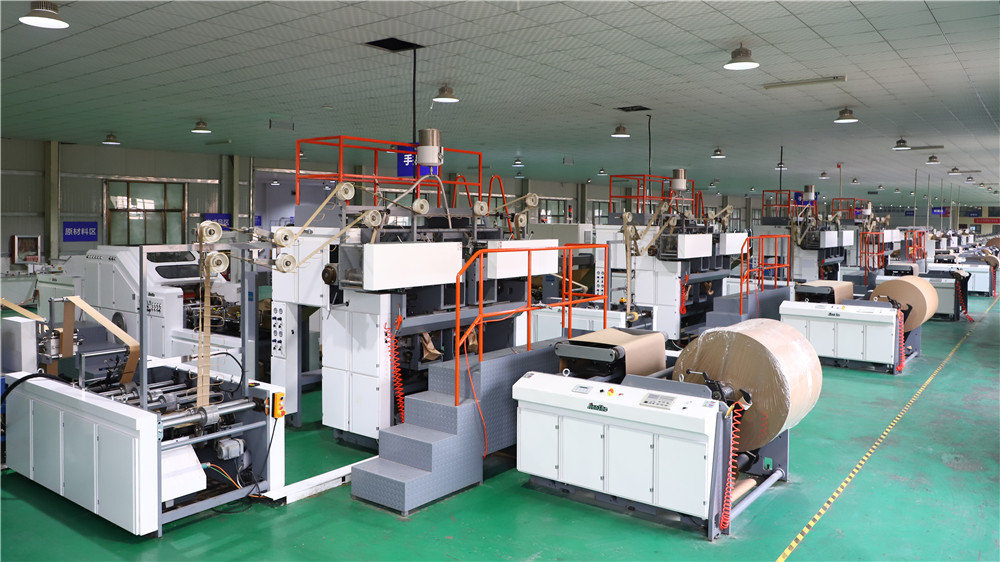
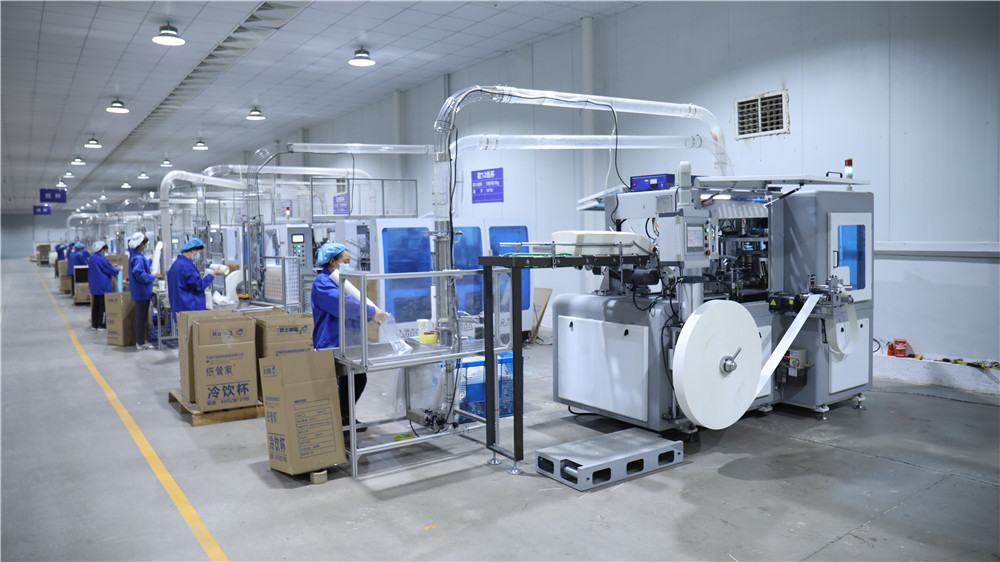
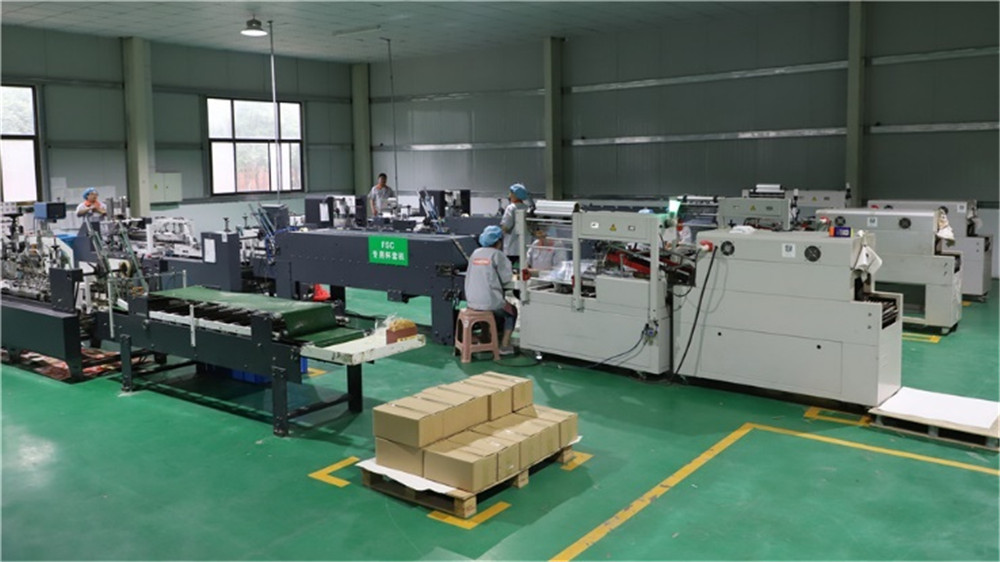
Shandong PsiPrime Packaging Co., Ltd. provides customized manufacturing to support clients from initial concept to physical production. Our engineering teams utilize 3D computer-aided design (CAD) and rapid prototyping tools to generate structural samples, allowing clients to test fit, form, and functionality prior to full production runs.
Our OEM capabilities cover more than basic branding. We offer structural customization, including custom compartment configurations, reinforced sidewalls for stacking strength, and custom locking mechanisms designed for quick-service restaurant (QSR) delivery lines. In addition, we utilize food-grade, water-based, and soy-based inks for custom printing, ensuring the final product remains fully biodegradable and safe for composting.
Our engineers also optimize the weight-to-strength ratio of our molded pulp items, helping clients balance target structural rigidity with raw material consumption to manage unit costs effectively.
We generate precise 3D models and SLA prototypes to verify dimensions, fluid capacity, and structural integrity before tooling manufacturing begins.
Our internal CNC machining centers produce custom compression molds, which reduces lead times for tooling development and maintains tight tolerances during volume runs.
We formulate custom material blends (such as bagasse, bamboo, and wood pulp composites) to meet specific oil resistance, moisture barrier, or thermal insulation performance goals.
Shandong PsiPrime Packaging Co., Ltd. is committed to advancing sustainable packaging solutions and promoting the reduction of single-use plastics, helping foodservice and food-related industries transition toward more environmentally responsible operations.
The company strongly believes that biodegradable and compostable packaging materials represent the future of sustainable development. It actively promotes the concept of "plastic alternatives" and works to raise awareness of eco-friendly packaging across global markets. With extensive industry experience and a reliable supply chain, we provide high-quality, sustainable food packaging solutions to customers in many countries and regions.
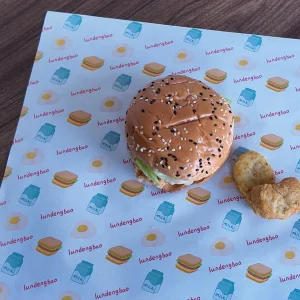
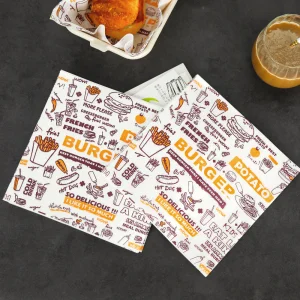
Shandong PsiPrime Packaging Co., Ltd. specializes in the research, development, and manufacturing of eco-friendly food-grade packaging products. Its product portfolio includes compostable food containers, paper-based food packaging, eco-friendly paper bags, food wrapping paper, and disposable catering supplies. These solutions are designed to meet the diverse needs of restaurants, food delivery platforms, food processors, and retail businesses.
The company is dedicated to a customer-centric philosophy, offering one-stop customization services ranging from product design and material selection to custom printing. This enables clients to build strong, recognizable brand packaging while maintaining sustainability goals. At the same time, we emphasize stable delivery performance and strict quality control to ensure efficient and reliable global supply.
Through continuous improvements in production processes and supply chain management, Shandong PsiPrime Packaging Co., Ltd. enhances both cost efficiency and operational reliability, supporting clients in achieving sustainable growth in competitive markets.
Looking ahead, the company will continue investing in innovation in biodegradable materials and expanding the application of compostable products across more industries, working together with global partners to build a low-carbon, environmentally friendly, and sustainable future.
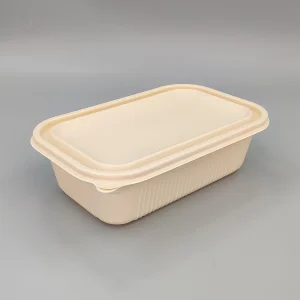
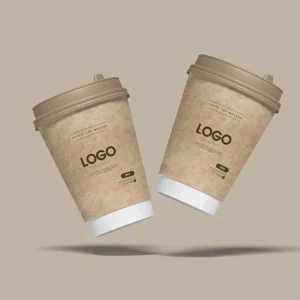
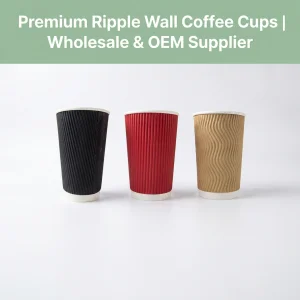
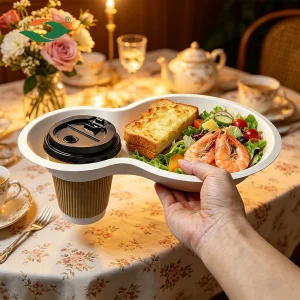
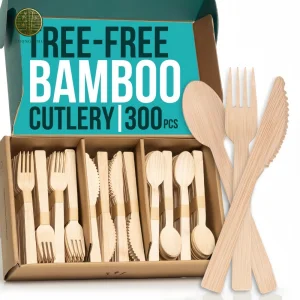
Explore our structural paper cups, biodegradable containers, sugarcane plates, and transport accessories.
Providing clear, professional information on industrial specifications, compliance, and material performance.
Our raw materials and finished plant-based dinnerware are certified by recognized international bodies. Our molded sugarcane bagasse and PLA ranges are tested to comply with FDA (US Food and Drug Administration) and LFGB (German Food and Feed Code) requirements for direct food contact. For environmental claims, our compostable products carry certifications from BPI (Biodegradable Products Institute) under ASTM D6400 standards, as well as TÜV Austria OK Compost (Home & Industrial) meeting EN 13432 European criteria.
While "biodegradable" refers generally to any material that decomposes via biological processes over an indefinite timeframe, "compostable" requires the material to meet specific conditions: it must degrade into nutrient-rich humus within 90 to 180 days in an industrial composting facility, leaving no toxic synthetic residues behind. Our products are formulated to be compostable, providing a clear end-of-life path that supports municipal organic waste programs.
Our molded sugarcane bagasse products are naturally oil-resistant and water-repellent, handling liquids up to 95°C (203°F) and oils up to 120°C (248°F) without structural breakdown or leakage. They are microwave-safe and freezer-safe. For PLA-lined cups or heat-resistant PLA lids, the material is engineered to maintain its shape up to 90°C, preventing structural warping during normal take-out food delivery.
For custom printing (using soy or water-based inks) on standard sizes, our MOQ typically starts at 50,000 units per design. For completely custom physical shapes requiring dedicated tool-and-die fabrication, the tooling deposit is offset against orders starting at 100,000 units, depending on product dimensions and processing complexity. We can provide custom volume-based quotes upon receipt of design files.
Under dry, ventilated storage conditions, our plant-based dinnerware remains stable for up to 2 years without loss of performance. Biodegradation is triggered by the combination of active micro-organisms, high humidity, and elevated heat found in composting environments, meaning the products will not degrade prematurely in storage or on inventory shelves.
 PsiPrime Packaging