Direct from Factory: High-Quality Sustainable Packaging & Plant-based Alternatives for International Procurement
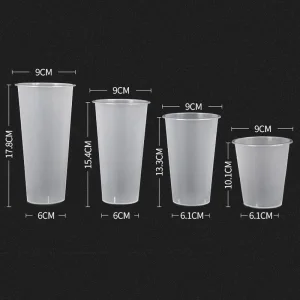
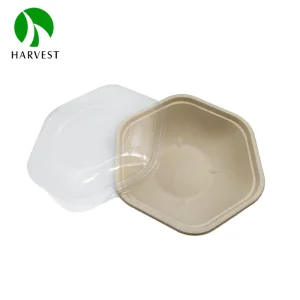

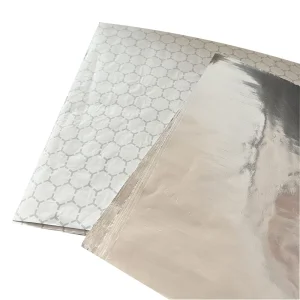
Synthesizing ESG Goals, Regulatory Mandates, and B2B Material Science in Modern Catering Ecosystems
Governments worldwide are accelerating bans on single-use plastics. The European Union's Single-Use Plastics Directive (SUPD), California's SB 54, and corresponding policies across Asia-Pacific are reshaping standard procurement. Transitioning to certified plant-based materials is no longer merely a PR strategy; it is a critical regulatory necessity for importers and global restaurant chains.
True sustainability requires analyzing the Life Cycle Assessment (LCA). Plant-based cutlery made from PLA, CPLA, and agricultural residues (sugarcane bagasse) yields up to a 60-80% reduction in carbon footprint compared to traditional polystyrene (PS) or polypropylene (PP). Modern sourcing demands clarity on soil-to-soil loops and industrial compostability timelines.
End consumers actively seek brands that prioritize circular packaging. Offering a robust range of bio-cutlery options directly enhances customer retention and matches the green procurement directives of multinational corporate cafeteria accounts, major airlines, and delivery applications.
A B2B Leader in Sustainable Material Engineering and High-Volume Manufacturing
Shandong PsiPrime Packaging Co., Ltd. is committed to advancing sustainable packaging solutions and promoting the reduction of single-use plastics, helping foodservice and food-related industries transition toward more environmentally responsible operations.
The company strongly believes that biodegradable and compostable packaging materials represent the future of sustainable development. It actively promotes the concept of “plastic alternatives” and works to raise awareness of eco-friendly packaging across global markets. With extensive industry experience and a reliable supply chain, we provide high-quality, sustainable food packaging solutions to customers in many countries and regions.
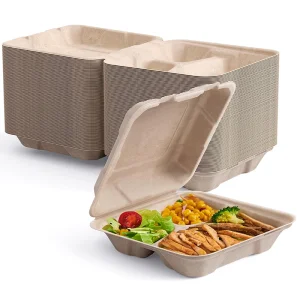
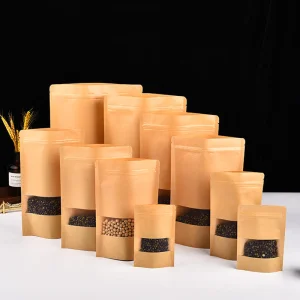
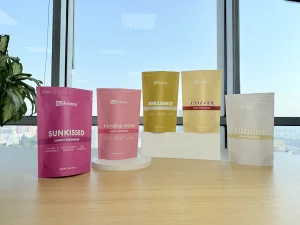
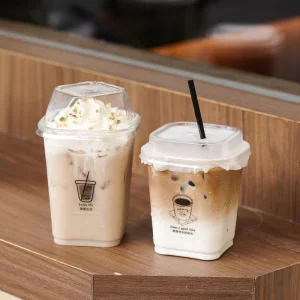
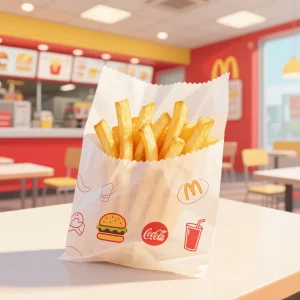
We specialize in the research, development, and manufacturing of eco-friendly food-grade packaging products. Our product portfolio includes compostable food containers, paper-based food packaging, eco-friendly paper bags, food wrapping paper, and disposable catering supplies. These solutions are designed to meet the diverse needs of restaurants, food delivery platforms, food processors, and retail businesses.
Through continuous improvements in production processes and supply chain management, we enhance both cost efficiency and operational reliability, supporting clients in achieving sustainable growth in competitive markets. Looking ahead, the company will continue investing in innovation in biodegradable materials and expanding the application of compostable products across more industries, working together with global partners to build a low-carbon, environmentally friendly, and sustainable future.
B2B Sourcing Parameters: Comparing Thermal Thresholds, Degradation Conditions, and Environmental Impacts
| Material Class | Primary Raw Source | Heat Tolerance | Tensile & Flexural Performance | Standard Degradation Timeline | Primary Commercial Use Cases |
|---|---|---|---|---|---|
| PLA (Polylactic Acid) | Fermented Corn Starch / Cassava | Up to 45°C / 113°F | High transparency, rigid but slightly brittle | 90-180 days in industrial facilities | Cold drink cups, transparent lids, salad bowls, straws |
| CPLA (Crystallized PLA) | Poly-L-lactide with mineral modifiers | Up to 85°C / 185°F | Enhanced rigidity, excellent flexural modulus | 90-180 days in industrial facilities | Heavy-duty hot cutlery (forks, knives, spoons), hot cup lids |
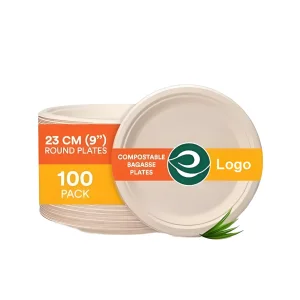
| Sugarcane Bagasse | Upcycled Sugarcane Fiber byproduct | Up to 100°C / 212°F (Microwave-safe) | Fibrous, highly durable, oil and water-resistant | 60-90 days in home/industrial compost | Clamshell containers, plates, molded heavy soup bowls |
| Kraft Paper (FSC) | Sustainably harvested virgin wood pulp | Up to 95°C / 203°F (with correct barrier) | High tear resistance, highly foldable & printable | Naturally degrades in soil (approx. 30-60 days) | Shopping bags, wrapping paper, double-wall coffee cups |
*Note: Selecting the proper material prevents failures in transit or service. For high-temperature liquids or hot soup, CPLA and sugarcane bagasse are recommended over standard PLA.
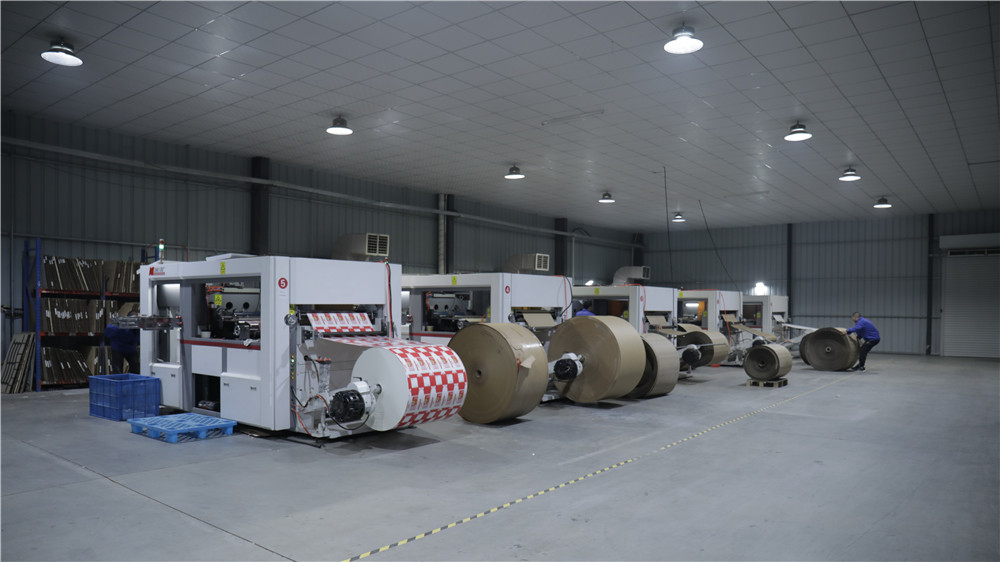
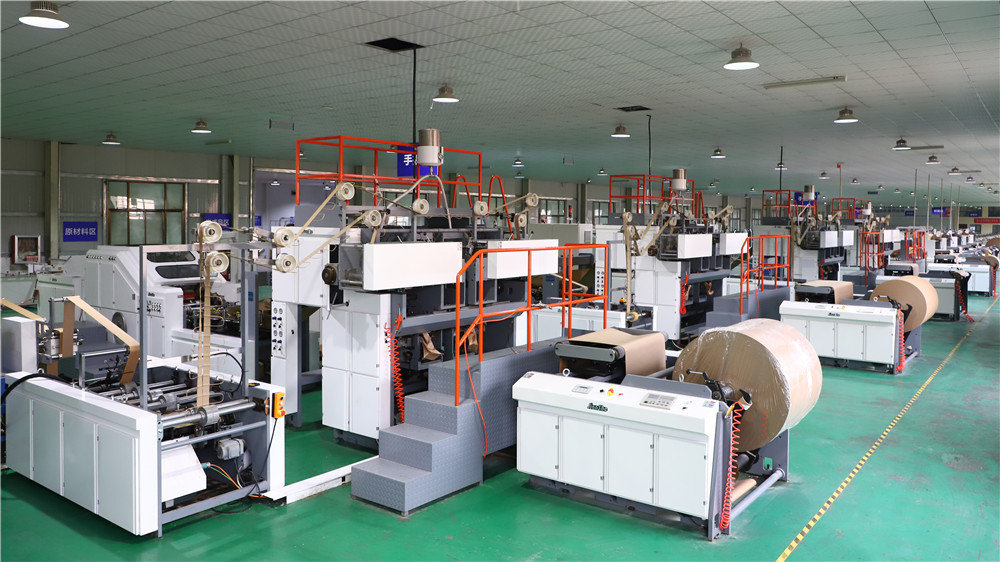
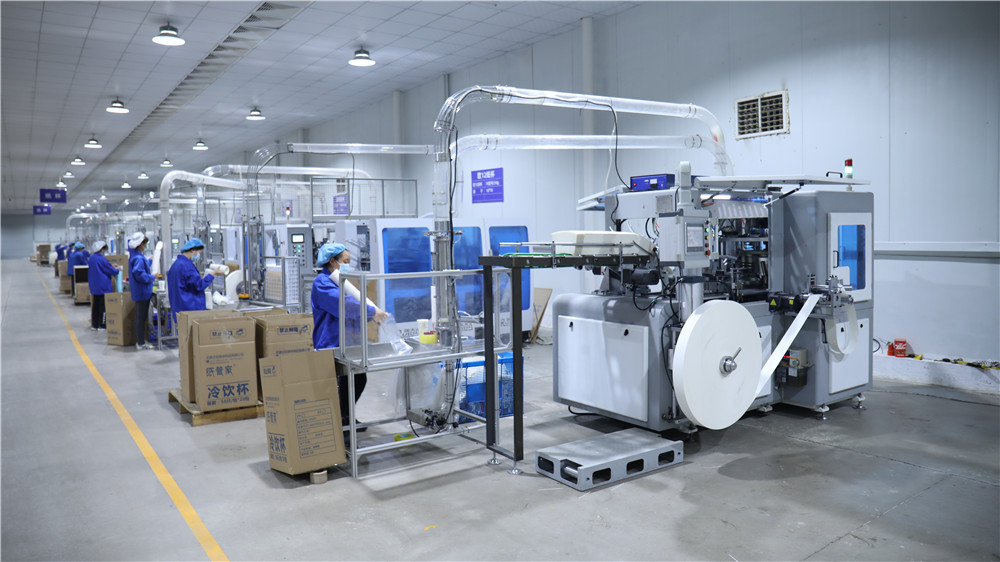
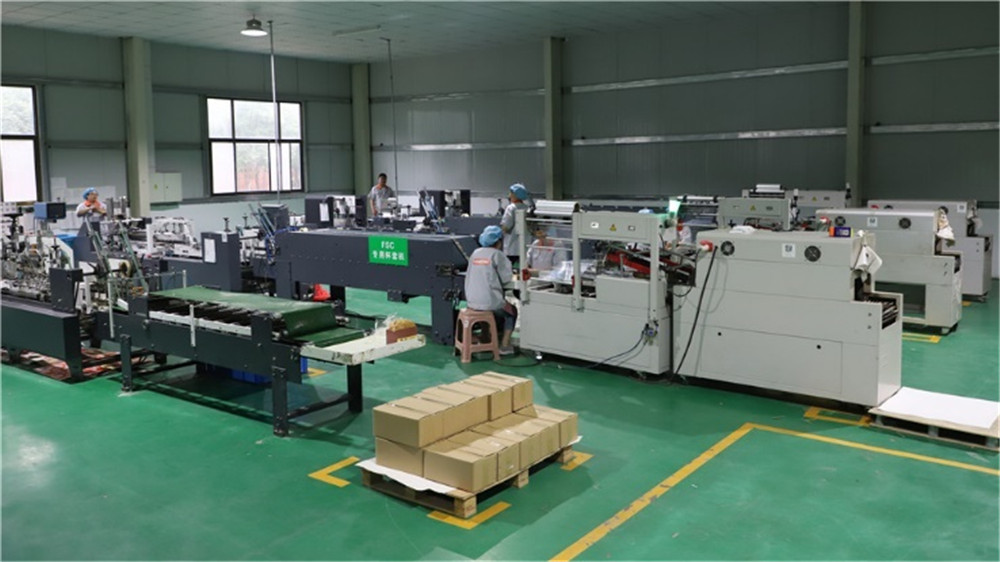
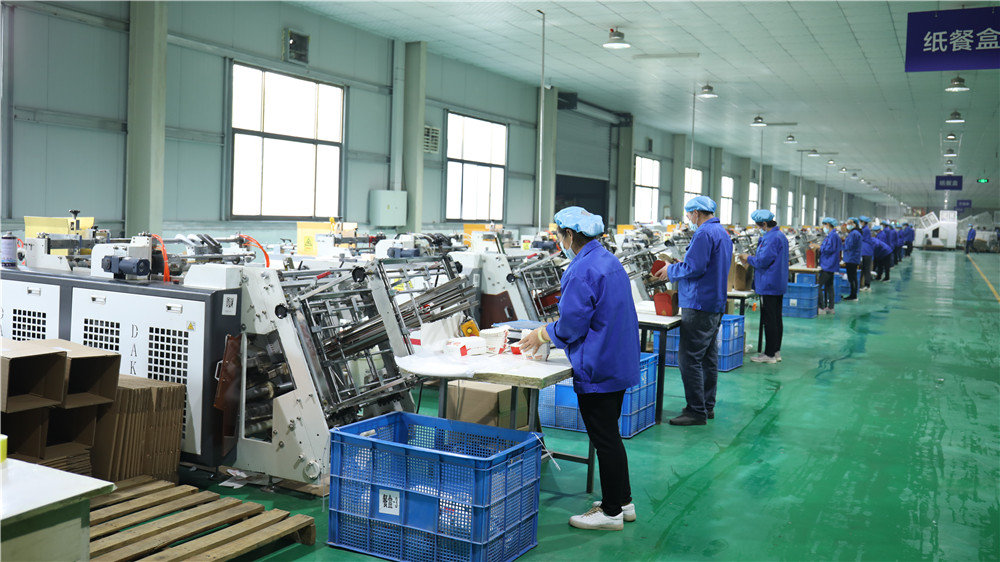
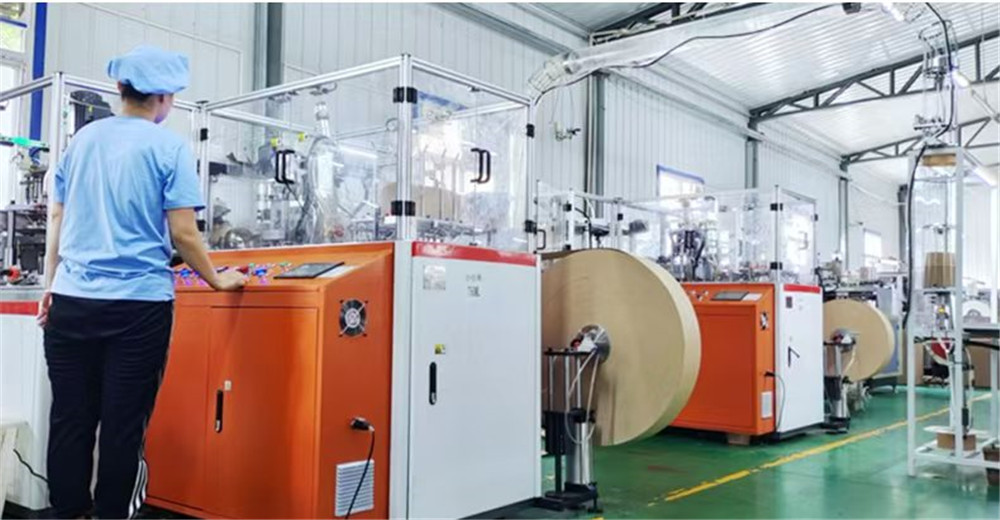
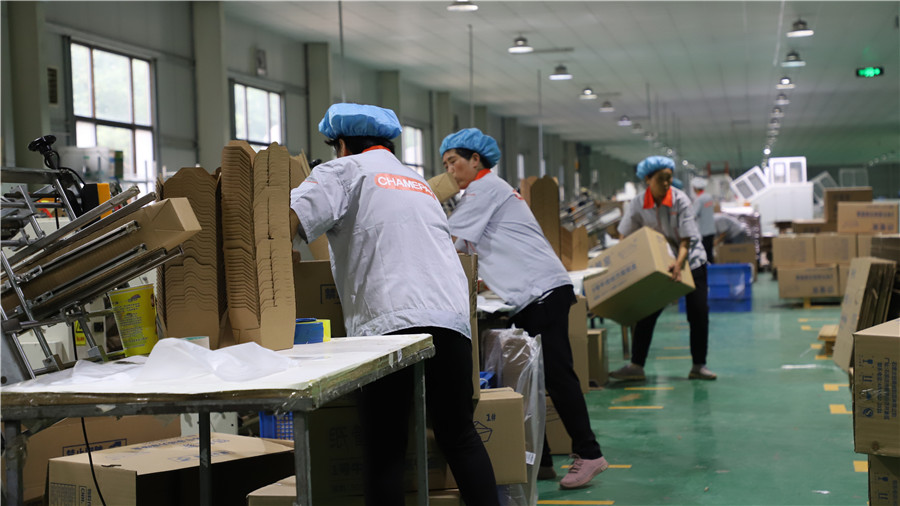
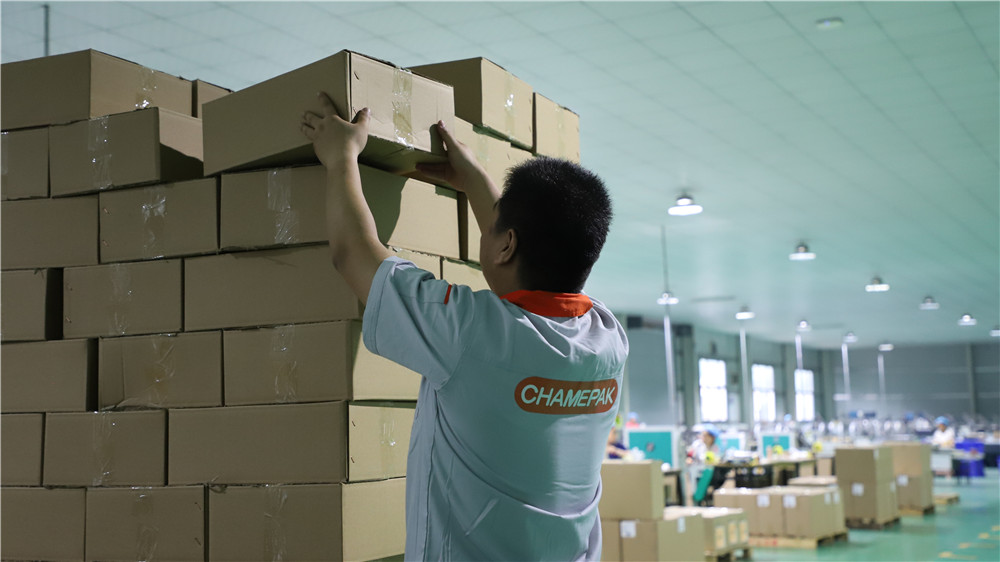
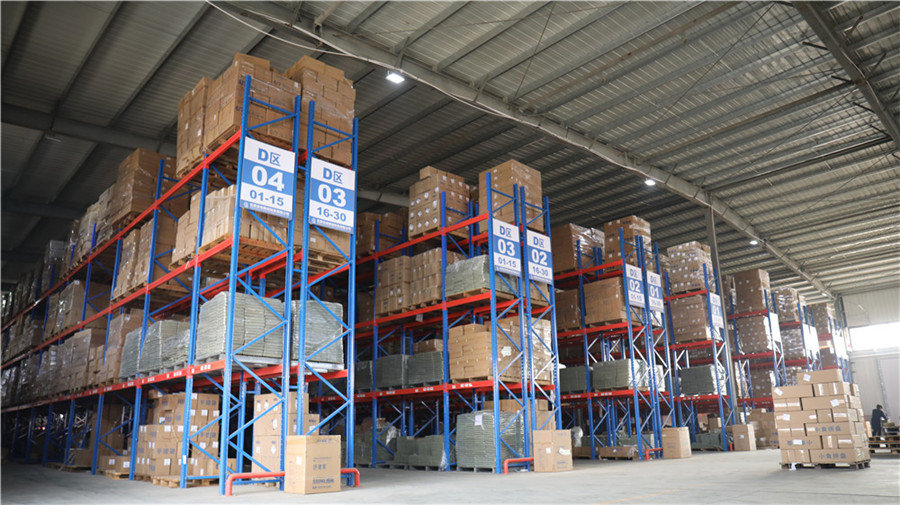
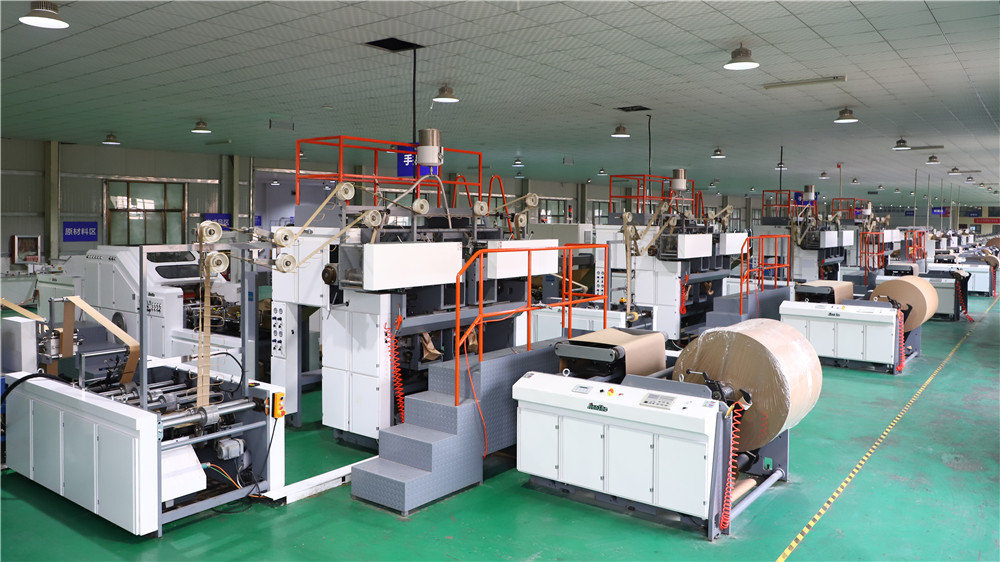
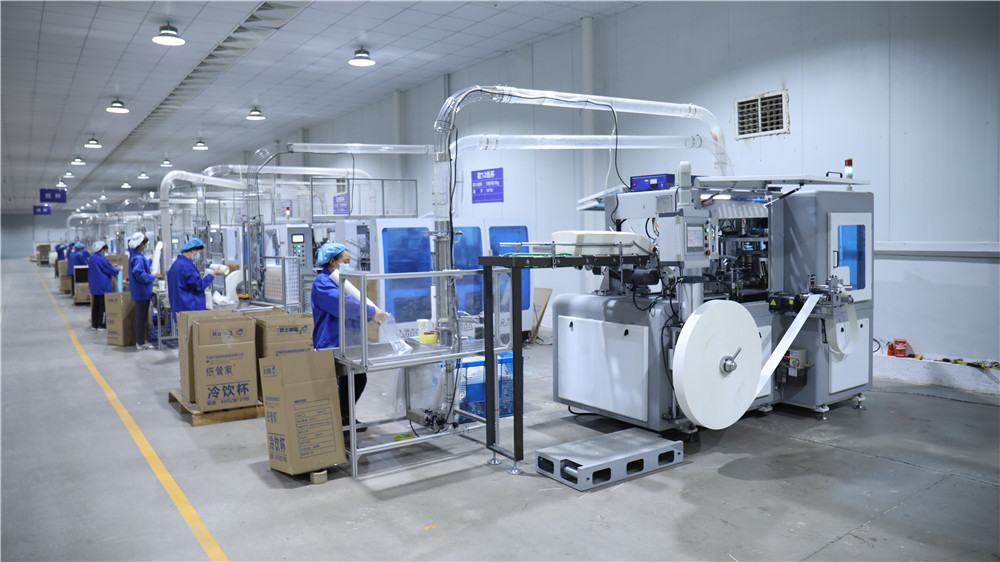
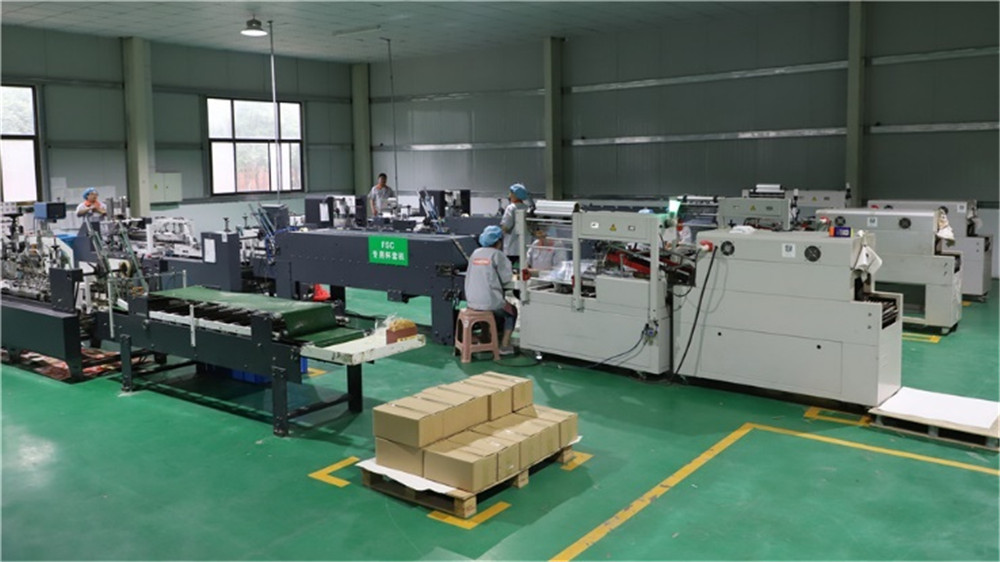
A Visual Walkthrough of our Advanced Production Lines, Automated Molding, and Inspection Protocols
Aligning Custom Branding Requirements with International Testing Standards
We ensure that our products meet standard global regulations. All plant-based products conform to EN 13432 (European compostability standard), ASTM D6400 (US standard), BPI (Biodegradable Products Institute), and FDA regulations for food-contact safety. Additionally, all paper-based packaging is FSC certified, guaranteeing responsible forestry management.
We provide full-service OEM and ODM capabilities. We offer custom structural molding for customized tableware designs, embossed corporate branding, and high-definition flexographic printing utilizing soy-based or water-based eco-friendly inks. Our dedicated industrial design team creates prototypes to verify dimensions, ergonomics, and weight tolerances before mass tooling starts.
With massive production capacity across multiple automated forming lines, Shandong PsiPrime guarantees stable delivery, even during peak seasonal rushes. We partner with top-tier global shipping alliances to manage dry container shipping parameters, preventing premature exposure to heat or humidity in transit and ensuring that products arrive in optimal condition.
Analyzing Emerging Technologies, PHA Development, and the Future of Circular Tableware
While industrial composting standards (like ASTM D6400) require specific thermal and humidity environments, the industry is transitioning toward materials that decompose in soil and marine environments. PHA (Polyhydroxyalkanoates), synthesized through bacterial fermentation of lipids or sugars, represents the next phase of bio-material research. PHA cutlery can degrade in backyard compost bins or natural water systems without leaving microplastic residues.
At Shandong PsiPrime Packaging, we actively track and invest in material science innovations, such as plant-based barrier coatings for paper cups and bowls. By replacing traditional plastic linings with water-based barriers, we enable packaging products to be repulped and recycled directly in municipal paper waste systems, removing the need for specialized sorting equipment.
Addressing Common Technical, Commercial, and Regulatory Questions from Professional Importers
Complete Your Sustainable Procurement Checklist with Our Certified High-Performance Solutions
 PsiPrime Packaging