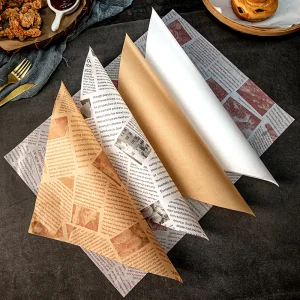
Innovative, high-performance disposable packaging designed to transition global markets away from single-use plastics.
In the modern food packaging industry, greaseproof paper stands as an essential pillar of global food safety, brand presentation, and sustainable material science. Historically utilized to protect food quality, prevent grease migration, and maintain product integrity, greaseproof and parchment papers have undergone massive structural changes. Driven by environmental regulations, consumer demand for clean labels, and the urgent necessity to phase out single-use plastics, the market has pivoted toward highly engineered, bio-based barrier membranes.
Greaseproof paper operates on a basic chemical-physical principle: creating a hydrophilic network of densely packed cellulose fibers that resists hydrophobic oils and fats. To achieve this, pulp undergoes intense mechanical refining (hydration) to gelatinize the fibers, which are then compressed during the paper-making process. The result is a highly dense, translucent, or opaque sheet with low porosity. While traditional techniques relied on fluorocarbon treatments (such as PFAS) to achieve exceptional oil barrier properties (measured by Kit Levels), modern standards demand PFAS-free alternatives.
Regulatory frameworks like the European Union's Single-Use Plastics Directive and the US FDA's bans on PFAS (per- and polyfluoroalkyl substances) in food contact materials have reshaped export criteria. Modern manufacturing lines must utilize biological waxes, water-based dispersion coatings, or advanced mechanical treatments to pass stringent zero-fluorine audits while retaining high resistance scores (Kit 6 to Kit 12).
Procurement departments frequently navigate complex terminology when specifying greaseproof paper. The structural differentiation lies in the processing method:
Shandong PsiPrime Packaging Co., Ltd. is committed to advancing sustainable packaging solutions and promoting the reduction of single-use plastics, helping foodservice and food-related industries transition toward more environmentally responsible operations. By deploying advanced material sciences and modern processing lines, we serve as an authoritative link in the global green supply chain.
The company strongly believes that biodegradable and compostable packaging materials represent the future of sustainable development. It actively promotes the concept of “plastic alternatives” and works to raise awareness of eco-friendly packaging across global markets. With extensive industry experience and a reliable supply chain, we provide high-quality, sustainable food packaging solutions to customers in many countries and regions.
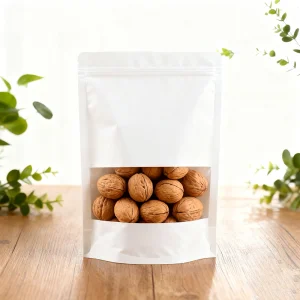
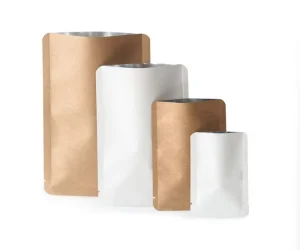
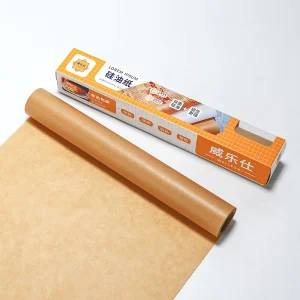
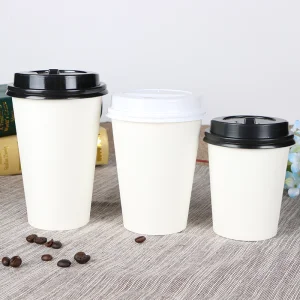
Shandong PsiPrime Packaging Co., Ltd. specializes in the research, development, and manufacturing of eco-friendly food-grade packaging products. Its product portfolio includes compostable food containers, paper-based food packaging, eco-friendly paper bags, food wrapping paper, and disposable catering supplies. These solutions are designed to meet the diverse needs of restaurants, food delivery platforms, food processors, and retail businesses.
The company is dedicated to a customer-centric philosophy, offering one-stop customization services ranging from product design and material selection to custom printing. This enables clients to build strong, recognizable brand packaging while maintaining sustainability goals. At the same time, we emphasize stable delivery performance and strict quality control to ensure efficient and reliable global supply.
Through continuous improvements in production processes and supply chain management, Shandong PsiPrime Packaging Co., Ltd. enhances both cost efficiency and operational reliability, supporting clients in achieving sustainable growth in competitive markets. Looking ahead, the company will continue investing in innovation in biodegradable materials and expanding the application of compostable products across more industries, working together with global partners to build a low-carbon, environmentally friendly, and sustainable future.
As the packaging industry adapts to circular economy models, the technical roadmap for greaseproof paper focuses on three core pillars: dispersion coatings, nanocellulose integration, and high-speed customization. The goal is to maximize performance while minimizing environmental footprints.
Replacing traditional PE (Polyethylene) and PLA linings with water-based polymer dispersions. These coatings form an impermeable layer during drying but break down easily in standard paper recycling mills, achieving high recyclability.
Incorporating nanostructured cellulose directly into the wet-end of the paper machine. MFC forms a dense barrier against oxygen and grease at a microscopic level, significantly reducing the basis weight without compromising strength.
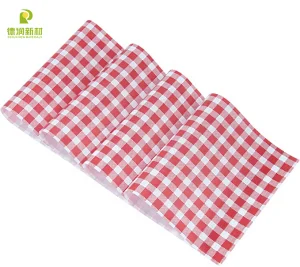
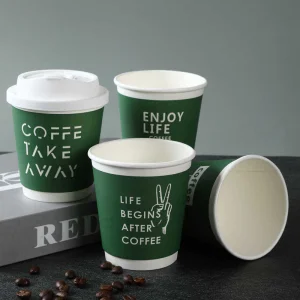
Utilizing soy-based and water-based flexographic inks for custom branding. This ensures that customized greaseproof burger wraps and bags remain 100% compostable and certified for direct food contact.
PsiPrime delivers end-to-end B2B solutions tailored for high-volume distributors, QSR (Quick Service Restaurant) chains, and food processing plants:
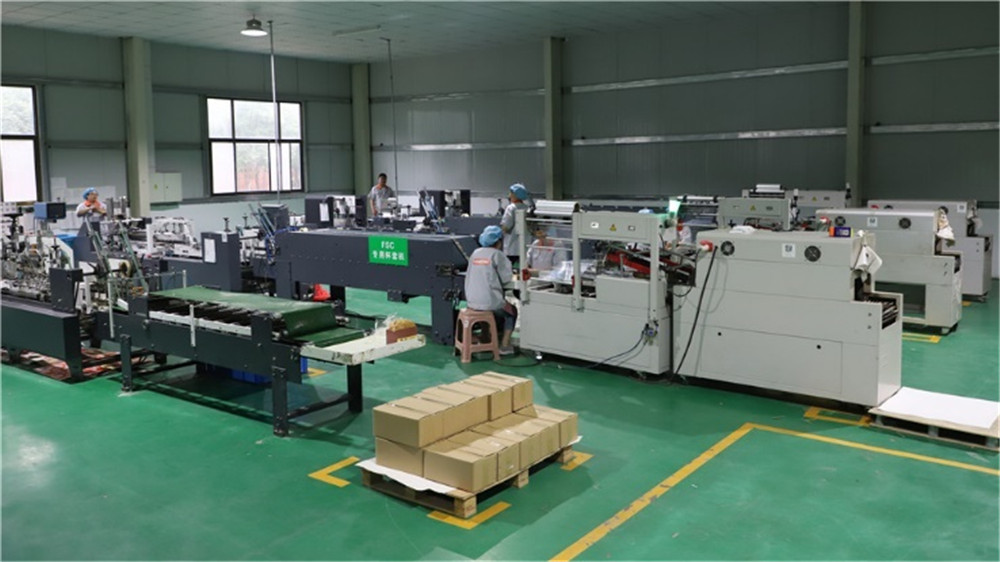
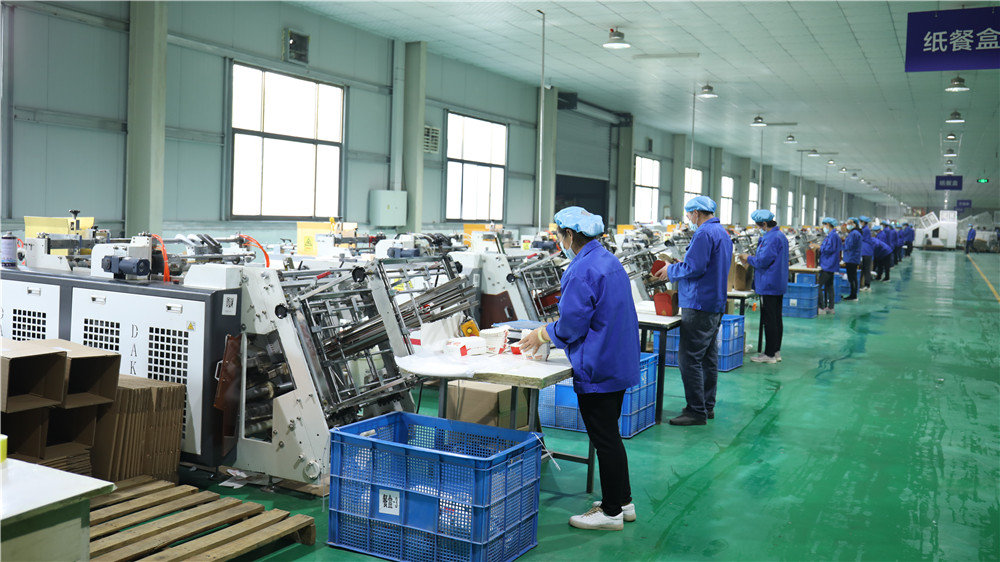
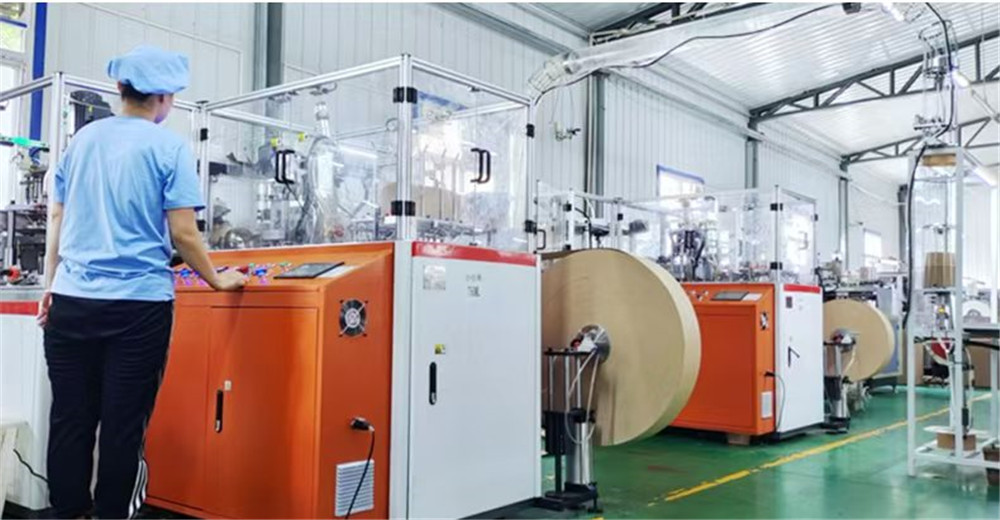
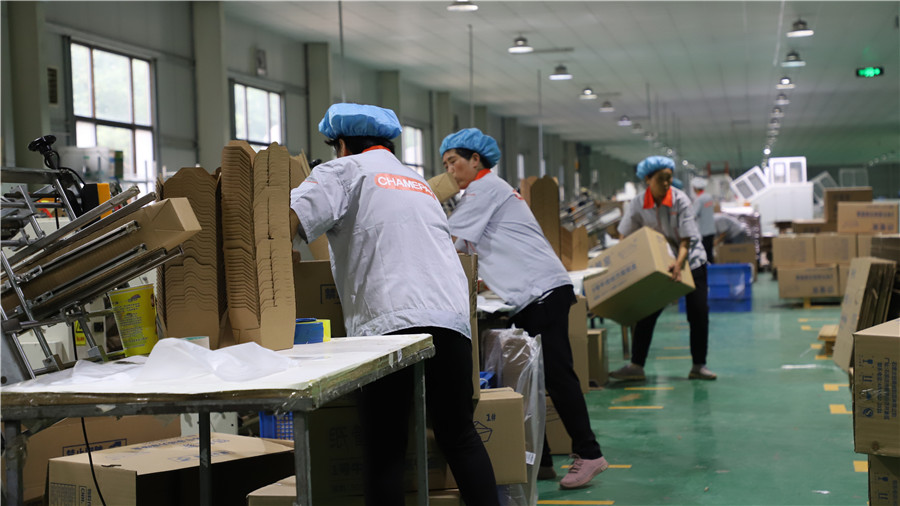
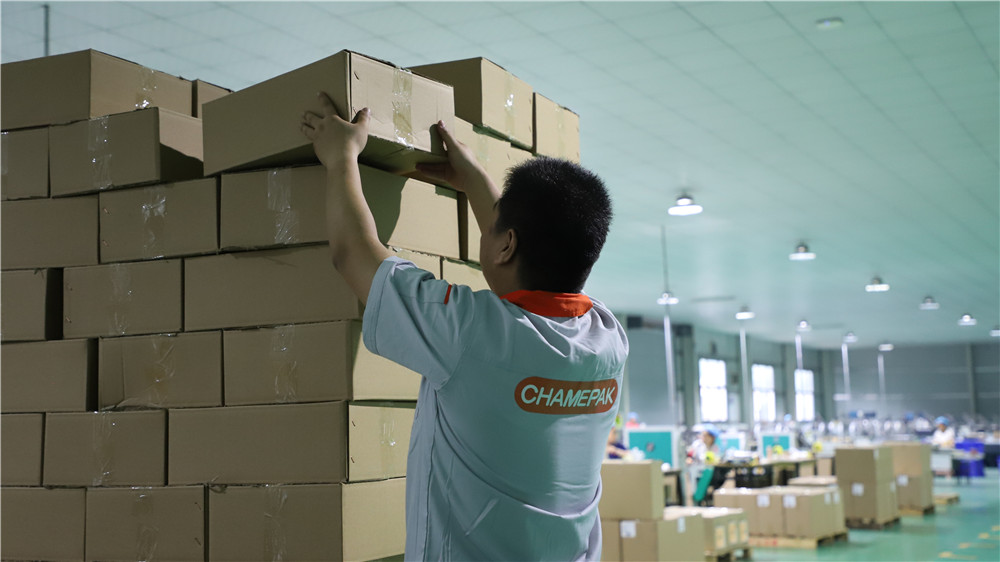
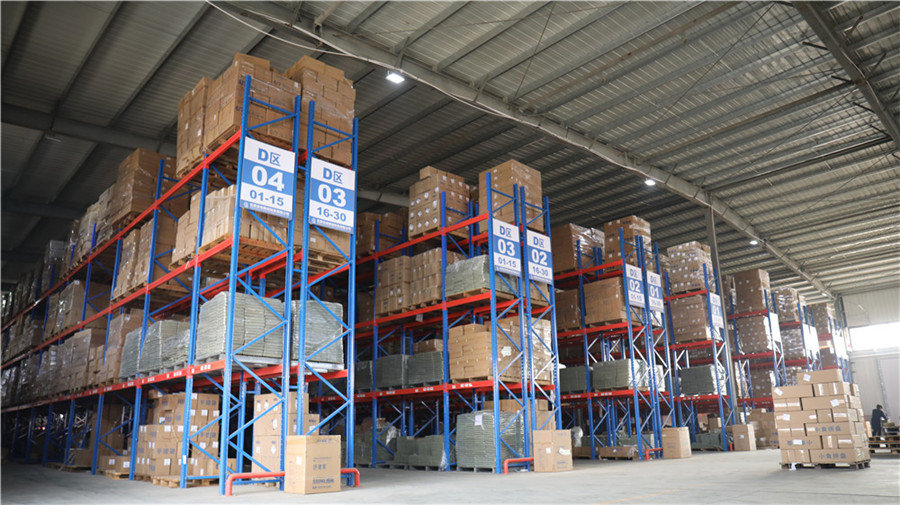
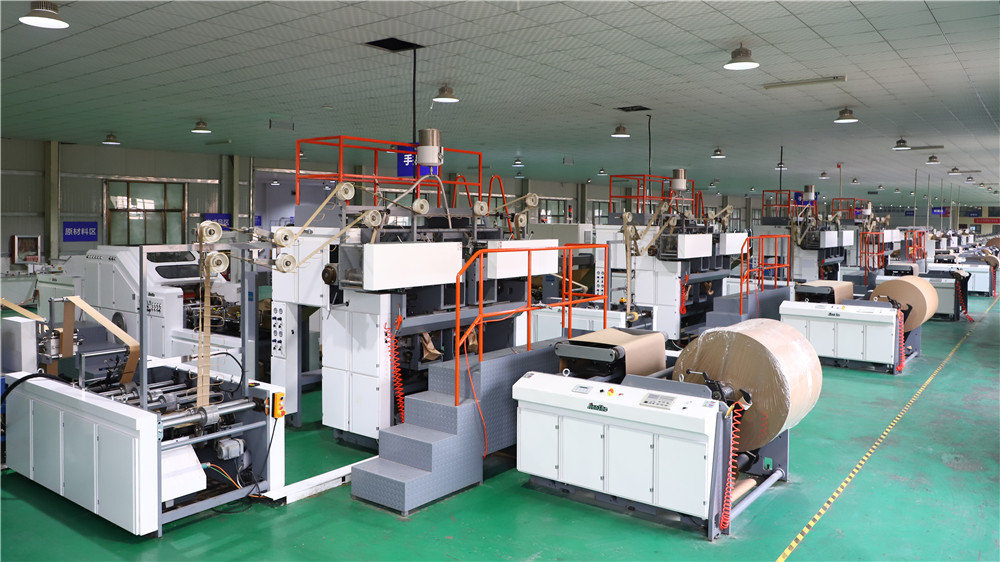
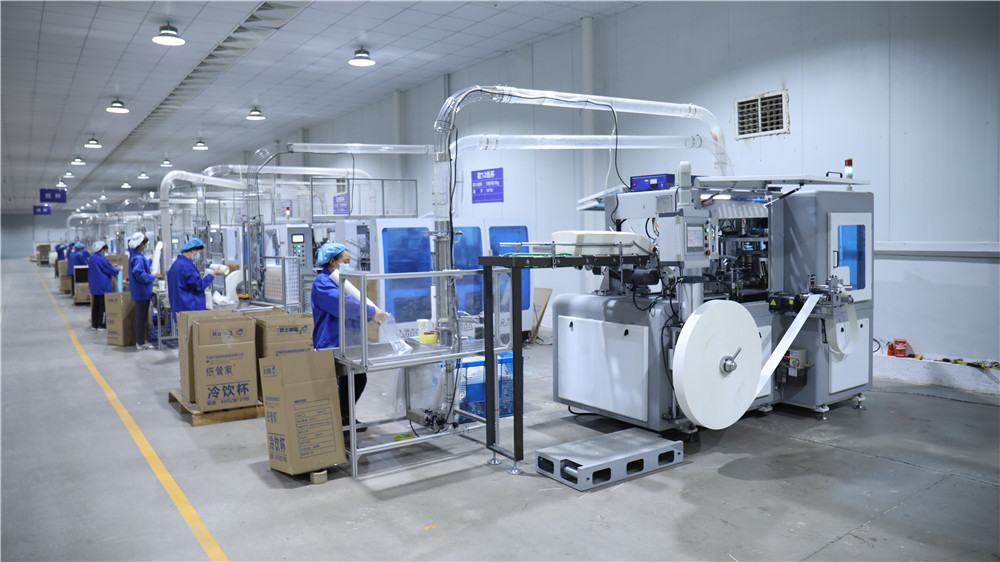
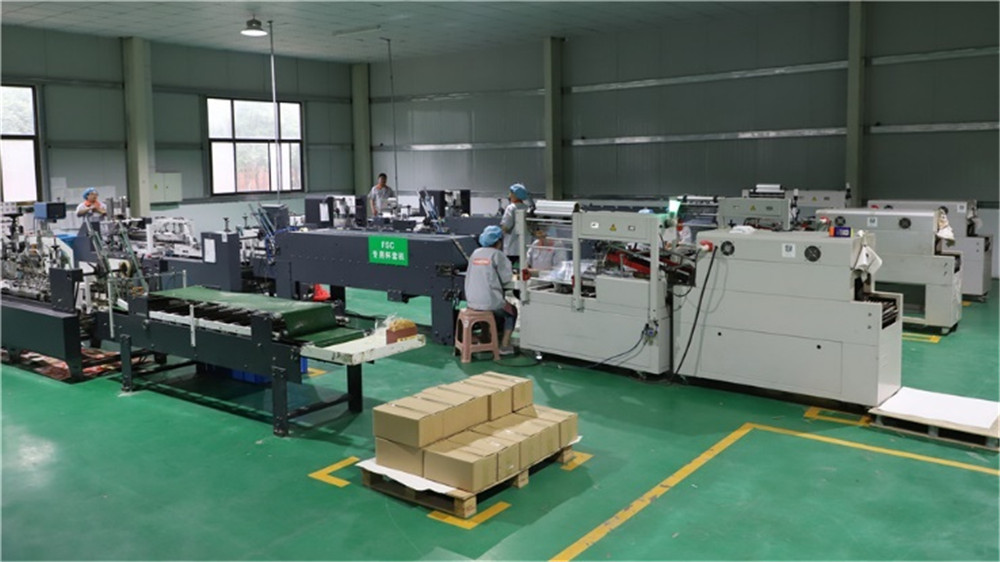
A look inside Shandong PsiPrime's production facility. Our advanced machinery and strict quality control processes ensure reliable, high-volume production for international markets.
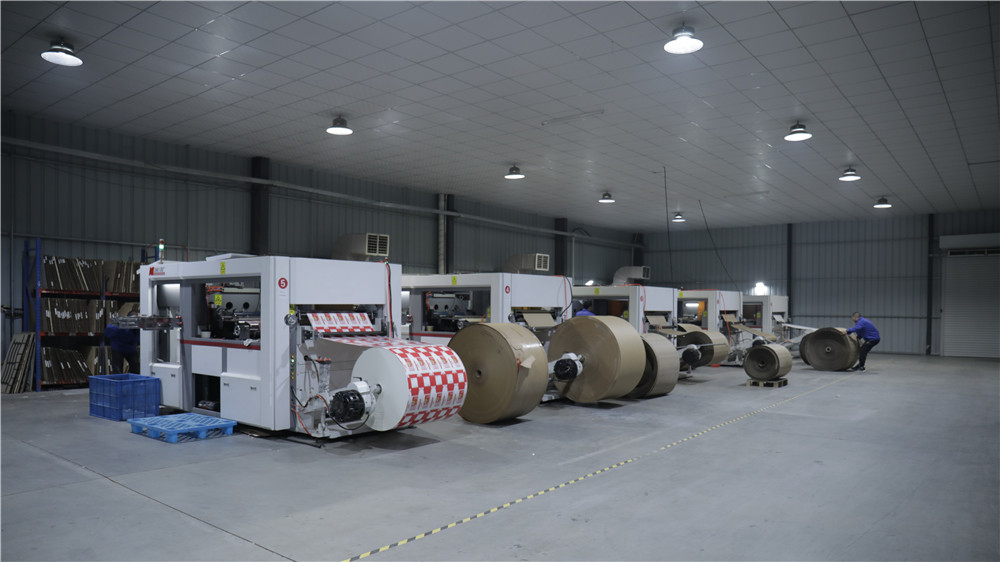
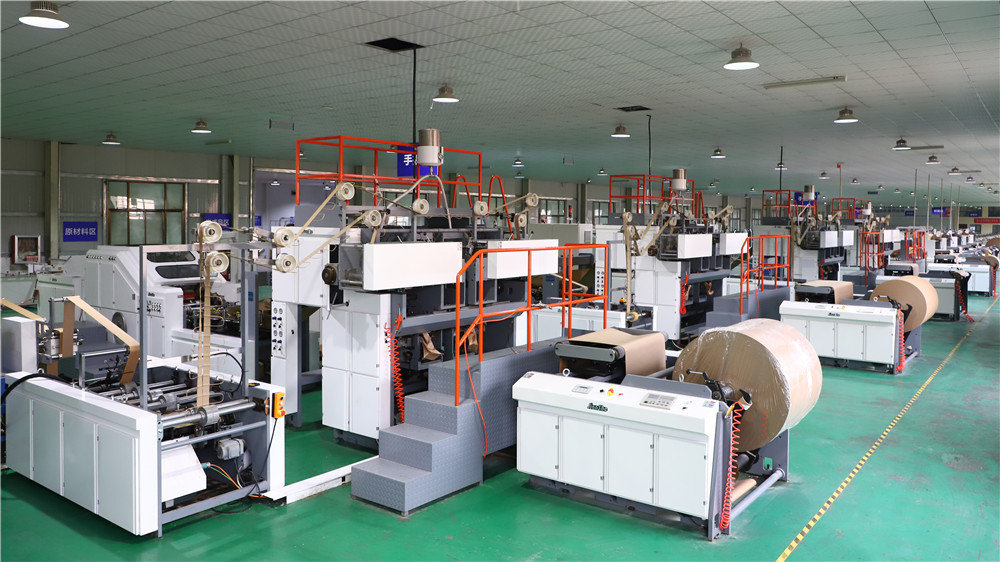
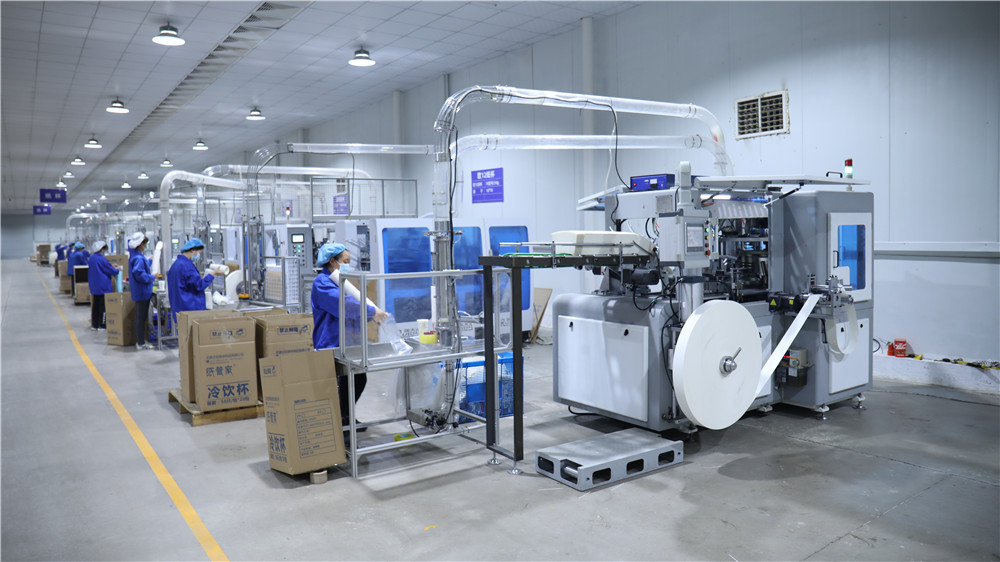
Essential guidance on selecting, sourcing, and certifying greaseproof food-grade paper products.
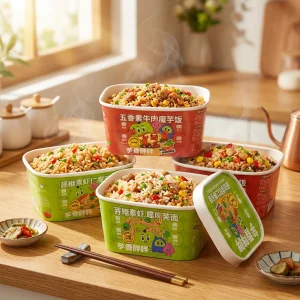
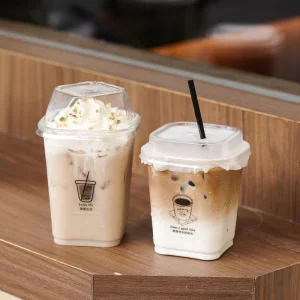
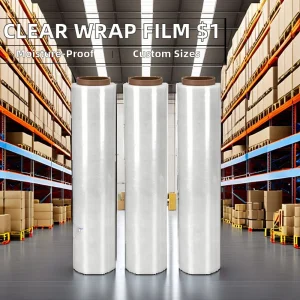
From flexible packaging solutions to paper bags and takeaway food containers, our range is designed to support sustainable operations.
 PsiPrime Packaging