High-performance bio-based solutions engineered to meet the operational and environmental standards of modern enterprises.

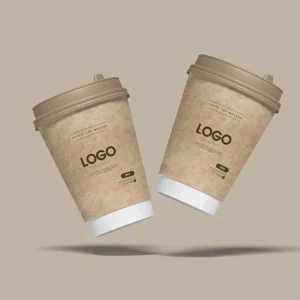
Shandong PsiPrime Packaging Co., Ltd. is at the forefront of the global movement towards sustainable, high-integrity packaging systems. Our commitment to ecological preservation underpins our core mission: to significantly reduce single-use plastic pollution across international foodservice channels, retail industries, and industrial packaging networks. By systematically engineering high-performance alternatives to traditional petroleum-based polymers, we empower enterprises worldwide to meet ambitious ESG targets and transition into a circular economy.
The commercial imperative for sustainable materials is clear. Legislative changes, such as the European Union’s Single-Use Plastics Directive (SUPD) and various state-level bans in the United States, have changed the requirements for commercial food packaging. At Shandong PsiPrime Packaging Co., Ltd., we combine technological R&D, certified raw materials, and robust manufacturing facilities to provide solutions that balance environmental sustainability with physical performance.
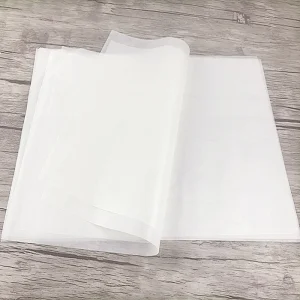
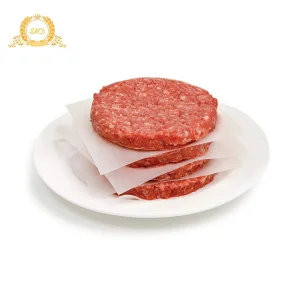
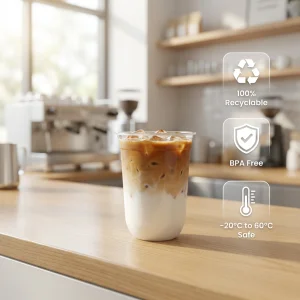
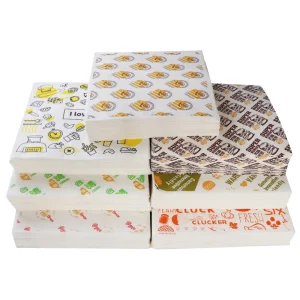
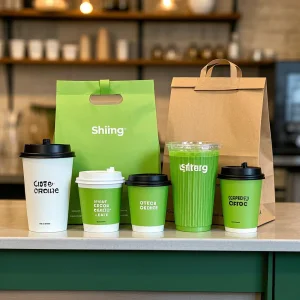
We specialize in developing compostable food packaging, including sugarcane bagasse plates, biodegradable coffee cups, food-grade wrapping paper, and customized barrier sheets. Our production facilities use automated precision systems to maintain strict quality standards, ensuring our products comply with FDA, EN 13432, and ASTM D6400 regulations.
Understanding the macroeconomic factors, regulatory pressures, and structural shifts driving the adoption of compostable tableware worldwide.
B2B buyers, distributors, and QSR (Quick Service Restaurant) chains face evolving regulatory compliance requirements. Extended Producer Responsibility (EPR) laws hold brand owners accountable for the lifecycle of their packaging materials. In addition, major retailers demand packaging solutions that support compostability and high-efficiency material recovery.
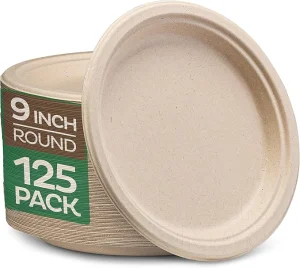
Shandong PsiPrime Packaging Co., Ltd. addresses these demands through bulk-scale production of sugarcane bagasse and plant-fiber tableware. Our compostable plates offer high structural integrity, resisting grease penetration and thermal breakdown up to 120°C in microwaves and ovens. By selecting bagasse—a renewable byproduct of the sugar extraction process—we ensure a low carbon footprint from raw material sourcing to final composting.
From fiber preparation to high-speed forming: a look at our automated production systems and quality control workflows.
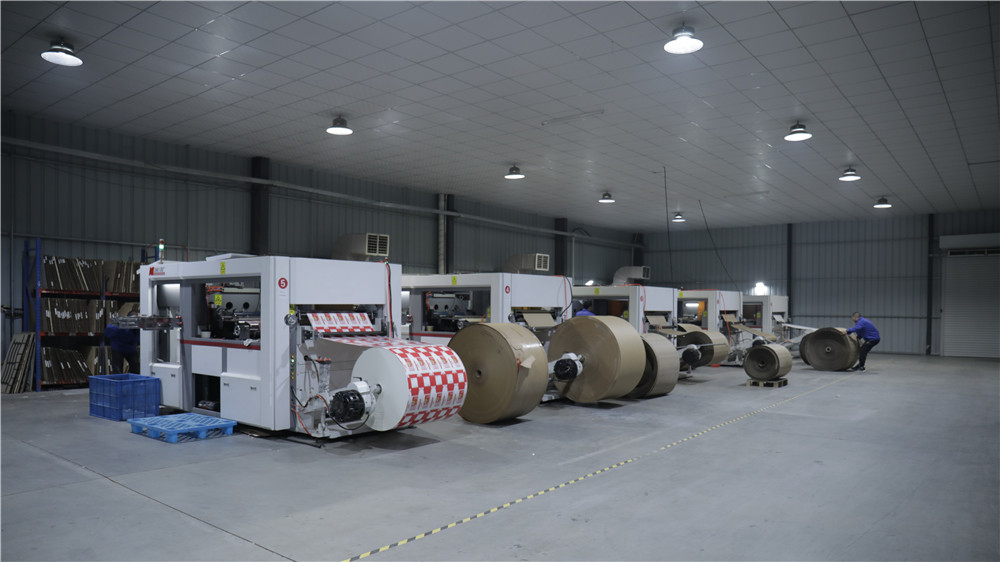
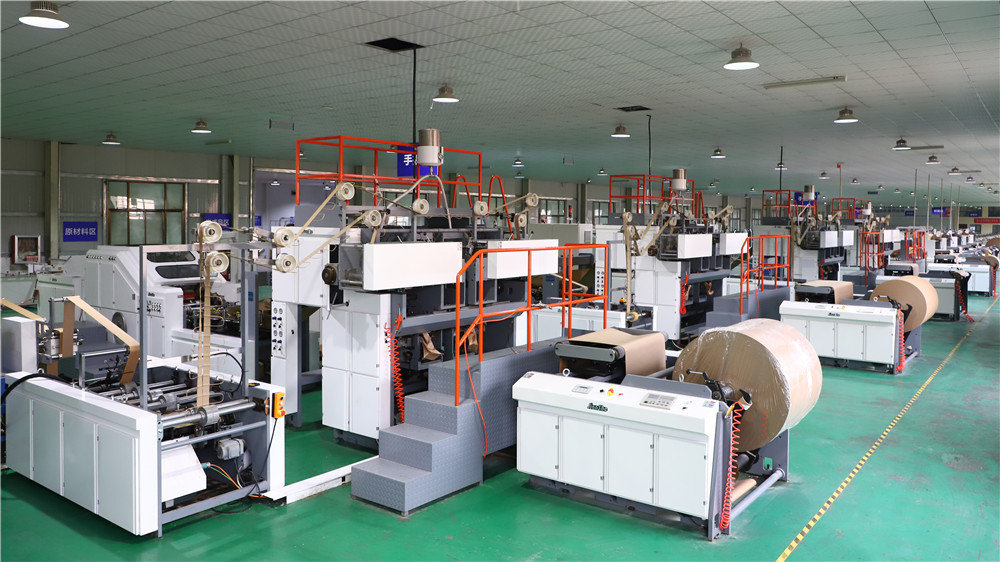
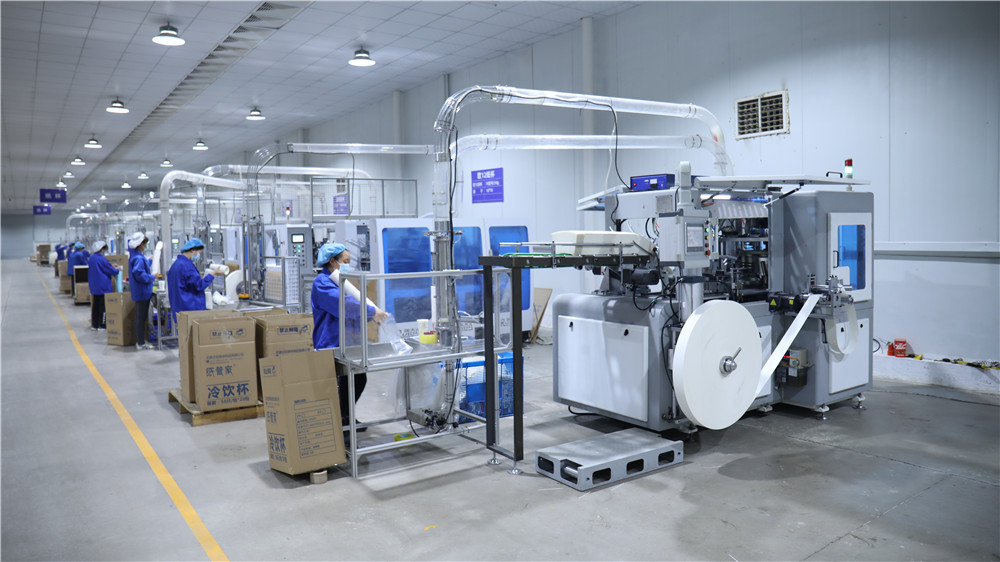
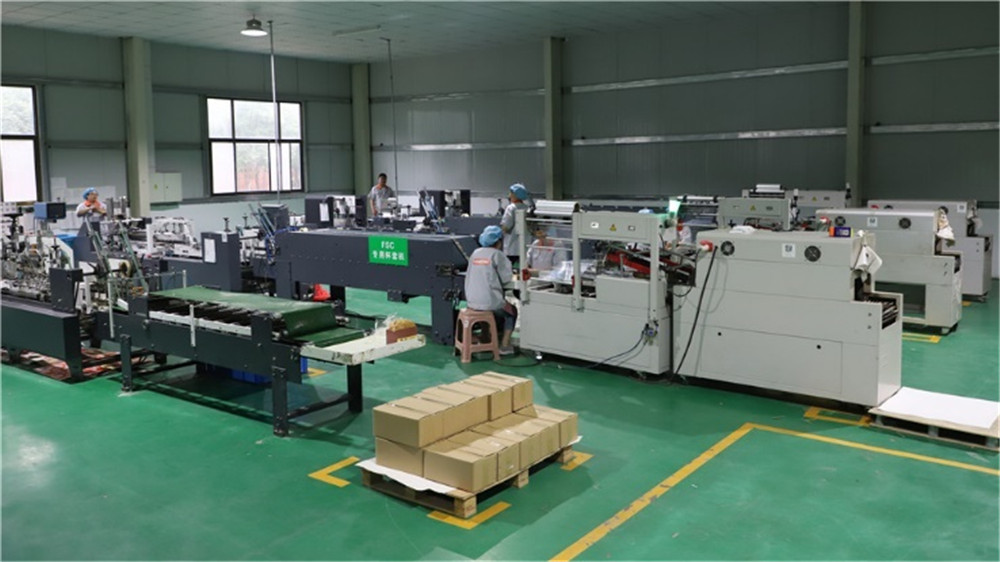
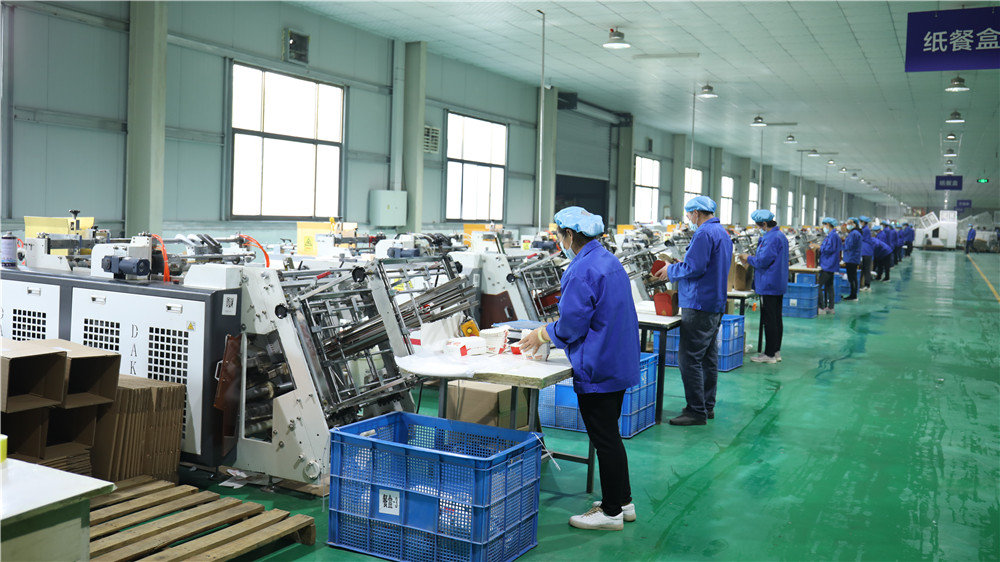
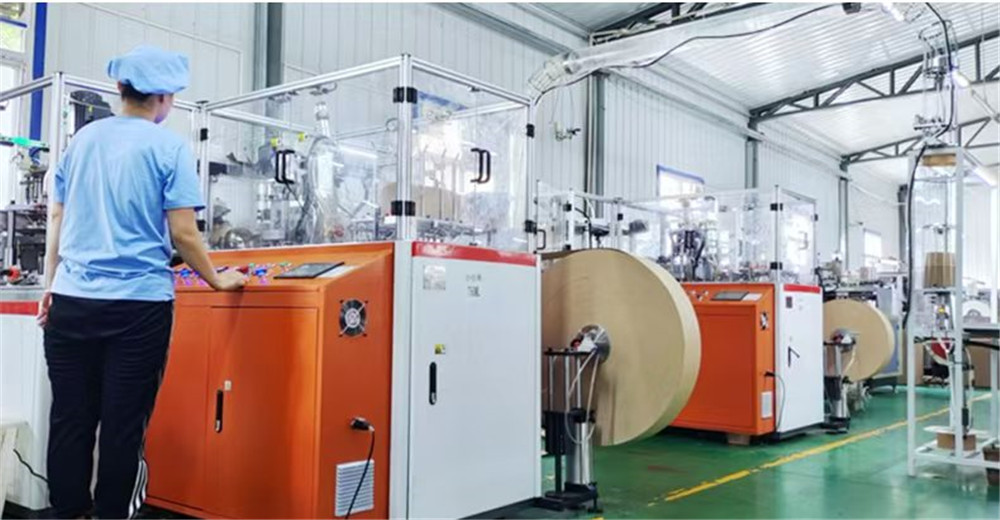
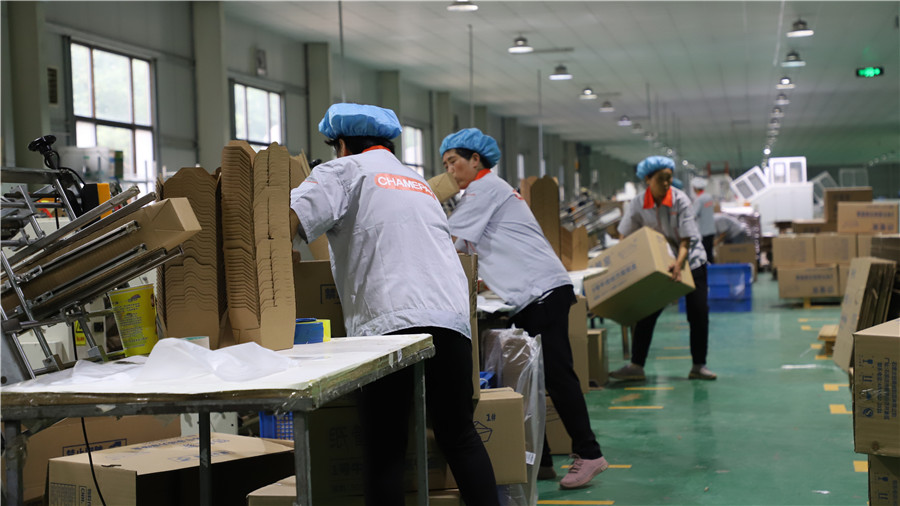
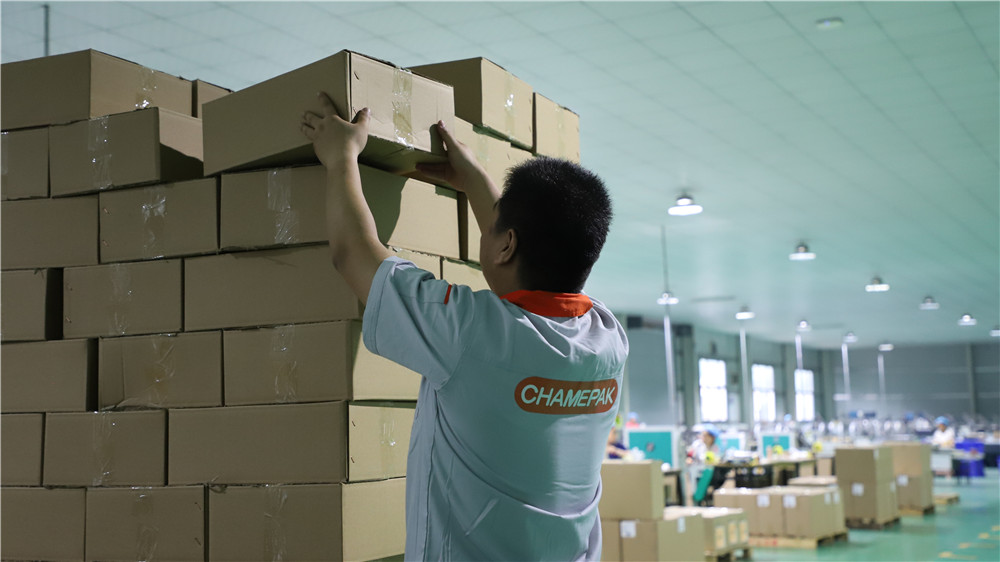
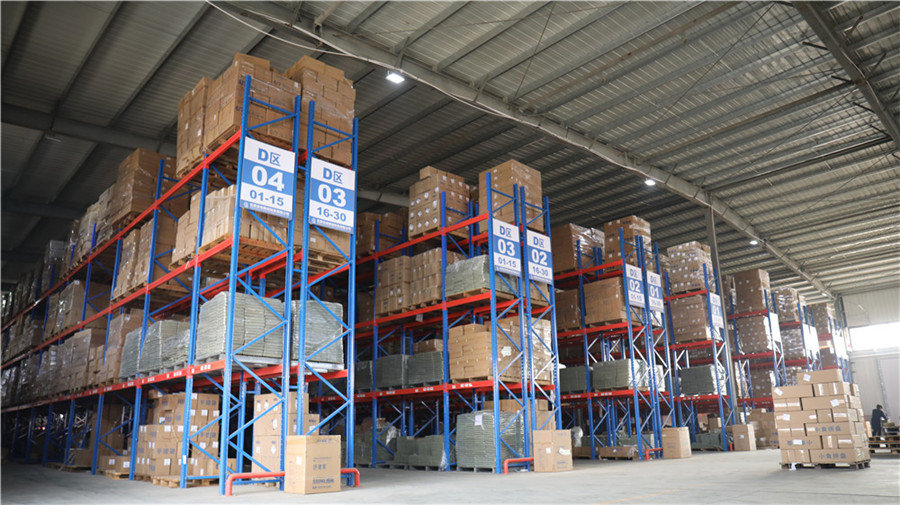
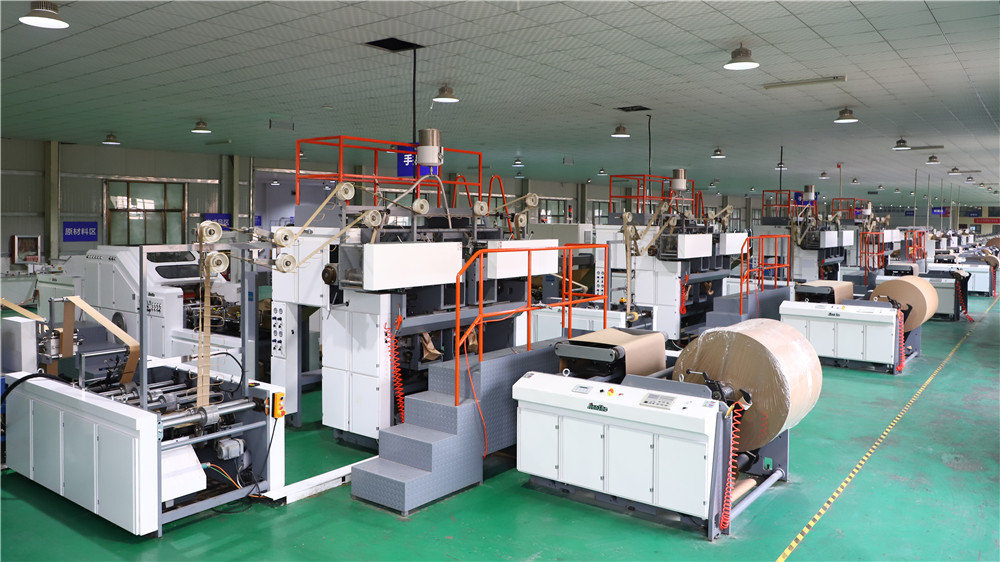
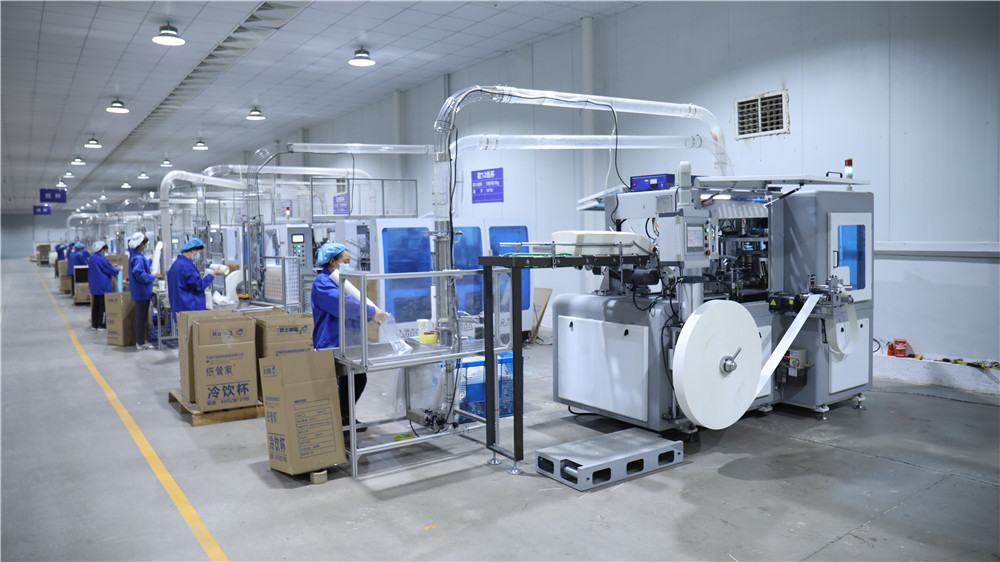
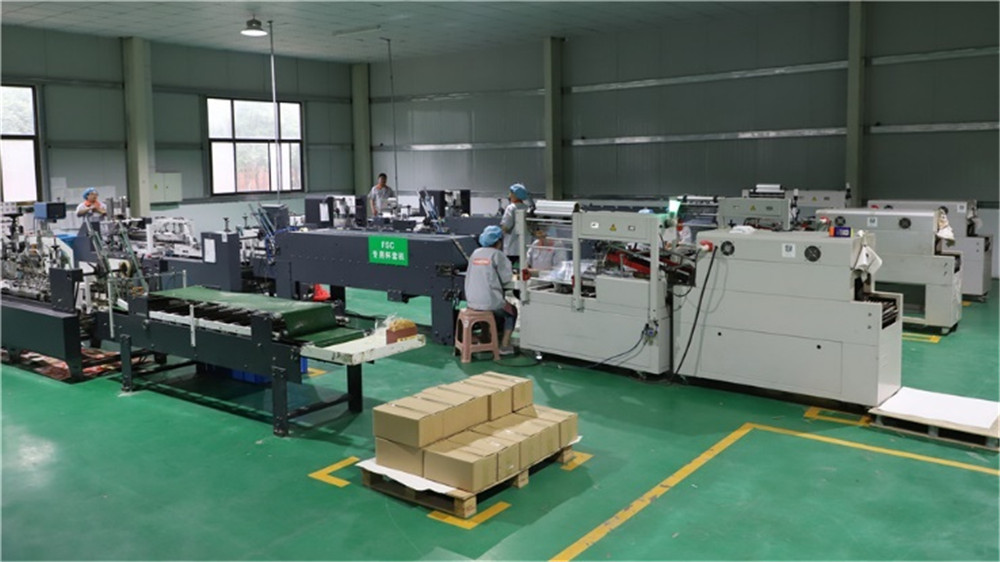
The production of functional compostable tableware requires careful raw material formulation. At Shandong PsiPrime Packaging Co., Ltd., we use natural agricultural residues, primarily sugarcane bagasse and plant fibers, to create high-durability products.
Sugarcane bagasse is rich in cellulose and hemicellulose. Through our thermoforming processes, these fibers bond to form a dense, hydrophobic, and lipophobic structure without the addition of synthetic plastics. To prevent liquid absorption in hot food applications, we offer advanced coatings such as PLA (polylactic acid), PBS (polybutylene succinate), and water-based barrier coatings. These coatings provide greaseproof and waterproof properties while maintaining compostability in industrial composting systems.
Tailored business models and product configurations to streamline your transition to sustainable operations.
We provide supply chain services from our production facilities in Shandong, China, located near major container ports. This proximity allows us to manage sea freight logistics efficiently, ensuring timely delivery and offering mixed-container consolidation options to optimize shipping costs.
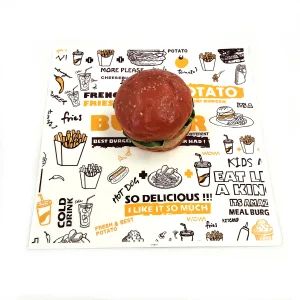
Our in-house design team provides custom printing and shape development. Using food-safe soy-based inks, we can apply custom logos and branding directly to coffee cups, packaging paper, and bagasse plates. We offer flexible design revisions to align with your corporate identity.
We supply products that meet global standards for compostability and food safety. Our components are certified under BPI (ASTM D6400), DIN CERTCO/TÜV AUSTRIA (EN 13432), and US FDA regulations, reducing regulatory risk for your operations.
To evaluate the benefits of plant-based packaging, we must analyze its lifecycle from raw material extraction to end-of-life disposal. Traditional packaging relies on non-renewable fossil fuels, which generate greenhouse gases during extraction, refining, and manufacturing. At end-of-life, traditional plastics often persist in landfills or oceans for centuries, decomposing into microplastics.
In contrast, Shandong PsiPrime Packaging Co., Ltd.’s sugarcane bagasse tableware utilizes agricultural residues that would otherwise be discarded or burned, releasing carbon back into the atmosphere without utility. The production of molded bagasse fibers requires less energy compared to polystyrene synthesis. Our manufacturing processes also utilize water recycling systems to minimize environmental impact.
When composted in industrial facilities, our tableware breaks down within 60 to 90 days, returning to the soil as organic matter. This supports circular carbon cycles, reduces landfill waste, and helps lower municipal waste management costs.
Our research and development program focuses on three main objectives to enhance compostable packaging performance:
Answers to key B2B procurement queries, material certifications, and shipping questions.
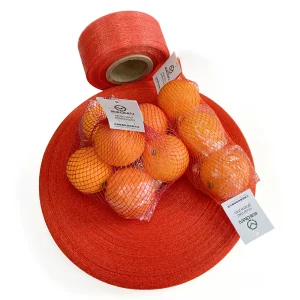
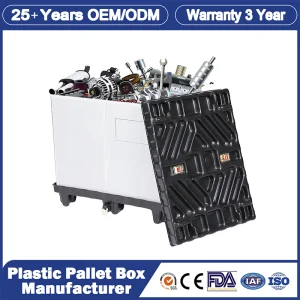
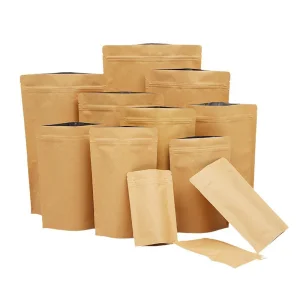
Explore our full line of eco-friendly packaging and industrial shipping containers.
 PsiPrime Packaging