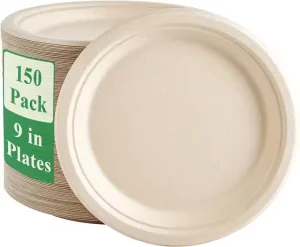
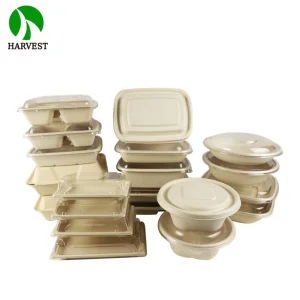
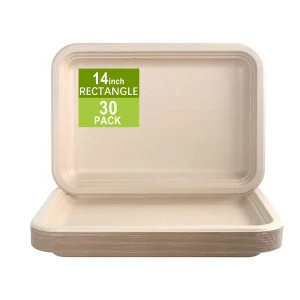
Highly durable, heat-resistant, and 100% compostable options engineered for catering, corporate, and humanitarian aid operations in South Sudan.
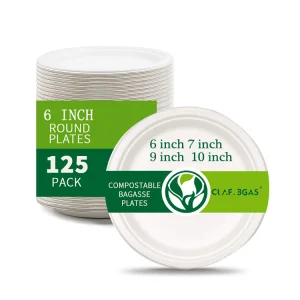
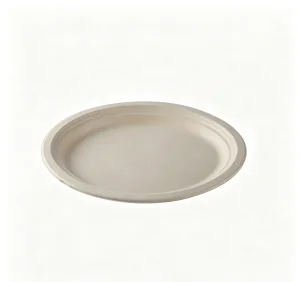
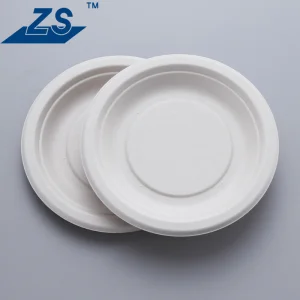
South Sudan's municipal infrastructure, particularly in rapid-growth cities like Juba, Wau, and Malakal, is experiencing significant changes. As urban commerce accelerates, the local food service, hospitality, and institutional catering sectors are growing quickly. However, this progress brings challenges in waste management. Urban centers have historically relied on single-use plastics and polystyrene (Styrofoam) food containers, which clog drainage systems, worsen seasonal flooding, and impact local ecosystems, including the White Nile.
To address this, South Sudan's Ministry of Environment and Forestry is promoting stronger policies against plastic waste. While enforcement continues to develop, a growing number of corporate clients, international NGOs, and hotel groups (such as those serving Juba's diplomatic quarter) are taking the lead. By adopting 100% biodegradable and compostable sugarcane bagasse plates, these organizations are aligning with global Environmental, Social, and Governance (ESG) standards. Transitioning to bagasse plates helps reduce solid waste disposal issues in regions where commercial recycling plants are not yet available.
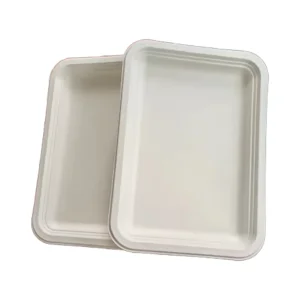
Sugarcane bagasse is the fibrous residue that remains after sugarcane stalks are crushed to extract juice. This natural byproduct is rich in cellulose and lignin, providing excellent raw material for durable, disposable tableware. The manufacturing process turns this agricultural residue into sturdy plates without needing to harvest trees or use petroleum-based plastics.
Compared to paper or plastic alternatives, bagasse plates offer unique physical properties that make them suitable for South Sudan's warm climate:
How local industries and organizations use PsiPrime's compostable bagasse solutions to improve environmental performance.
International agencies and feeding programs in South Sudan require lightweight, high-volume, and non-polluting food packaging. Our bulk bagasse plates simplify cleanup and prevent chemical pollution in temporary camps and rural communities.
Juba's business hotels, diplomatic cafeterias, and catering companies use natural, eco-friendly dinnerware to meet the expectations of international visitors, upgrading their dining presentation with sustainable materials.
Unlike paper plates that can weaken in damp conditions, our sugarcane bagasse plates are formulated to resist high humidity during transit and warehouse storage, preserving their quality for local suppliers.
As a leading supplier, Shandong PsiPrime Packaging Co., Ltd. manages the complex logistics required to ship goods from China to East Africa. We coordinate transport from major Chinese ports like Qingdao or Shanghai directly to South Sudan. Our team routes containers via the port of Mombasa (Kenya) or Port Sudan, followed by land transport to Juba. We ensure efficient customs preparation and use protective container packaging to safeguard the items during long ocean transit.
We work with international logistics providers to offering flexible shipping options, including Full Container Load (FCL) and Less than Container Load (LCL) options. This helps South Sudanese importers optimize transport costs and maintain stable inventory levels throughout the year.
Shandong PsiPrime Packaging Co., Ltd. is committed to helping industries transition toward more environmentally responsible operations. The company strongly believes that biodegradable and compostable packaging materials represent the future of sustainable development. It actively promotes the concept of “plastic alternatives” and works to raise awareness of eco-friendly packaging across global markets. With extensive industry experience and a reliable supply chain, we provide high-quality, sustainable food packaging solutions to customers in many countries and regions.
Shandong PsiPrime Packaging Co., Ltd. specializes in the research, development, and manufacturing of eco-friendly food-grade packaging products. Its product portfolio includes compostable food containers, paper-based food packaging, eco-friendly paper bags, food wrapping paper, and disposable catering supplies. These solutions are designed to meet the diverse needs of restaurants, food delivery platforms, food processors, and retail businesses.
The company is dedicated to a customer-centric philosophy, offering one-stop customization services ranging from product design and material selection to custom printing. This enables clients to build strong, recognizable brand packaging while maintaining sustainability goals. At the same time, we emphasize stable delivery performance and strict quality control to ensure efficient and reliable global supply.
Through continuous improvements in production processes and supply chain management, Shandong PsiPrime Packaging Co., Ltd. enhances both cost efficiency and operational reliability, supporting clients in achieving sustainable growth in competitive markets. Looking ahead, the company will continue investing in innovation in biodegradable materials and expanding the application of compostable products across more industries, working together with global partners to build a low-carbon, environmentally friendly, and sustainable future.
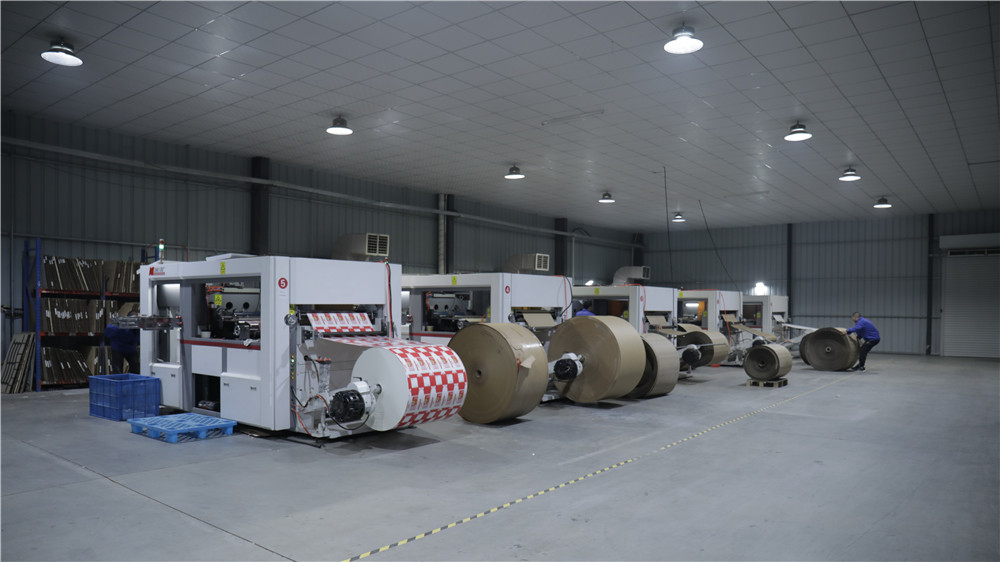
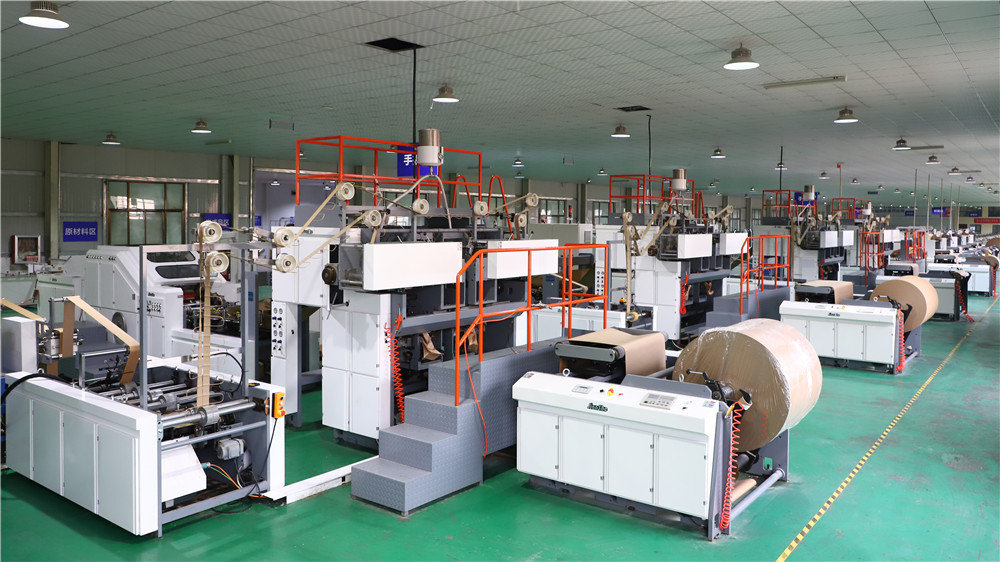
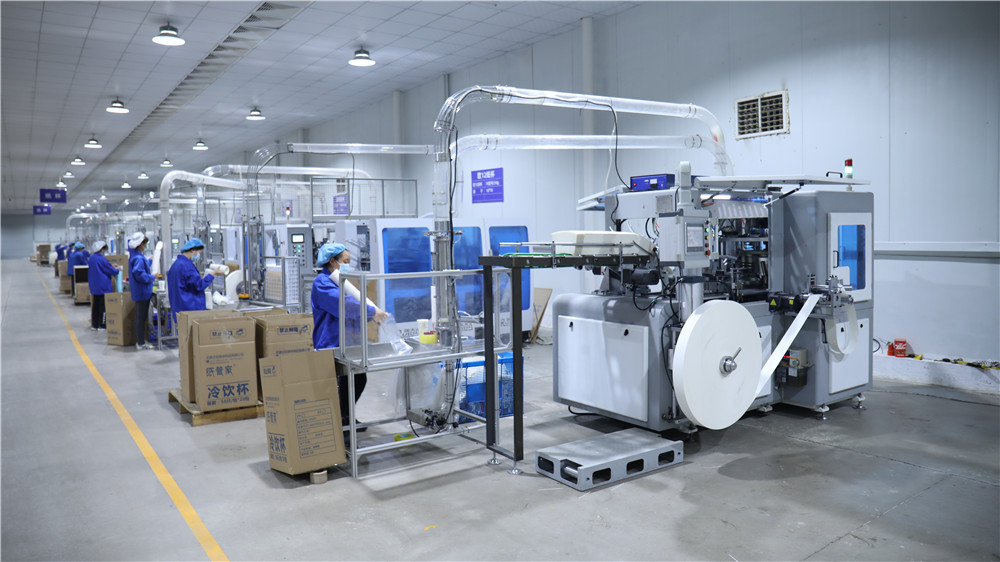
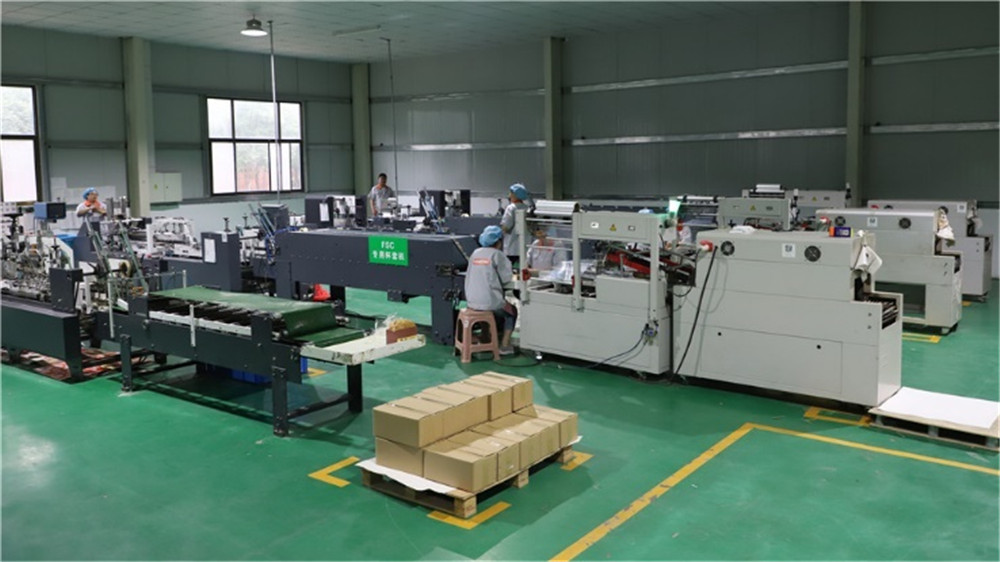
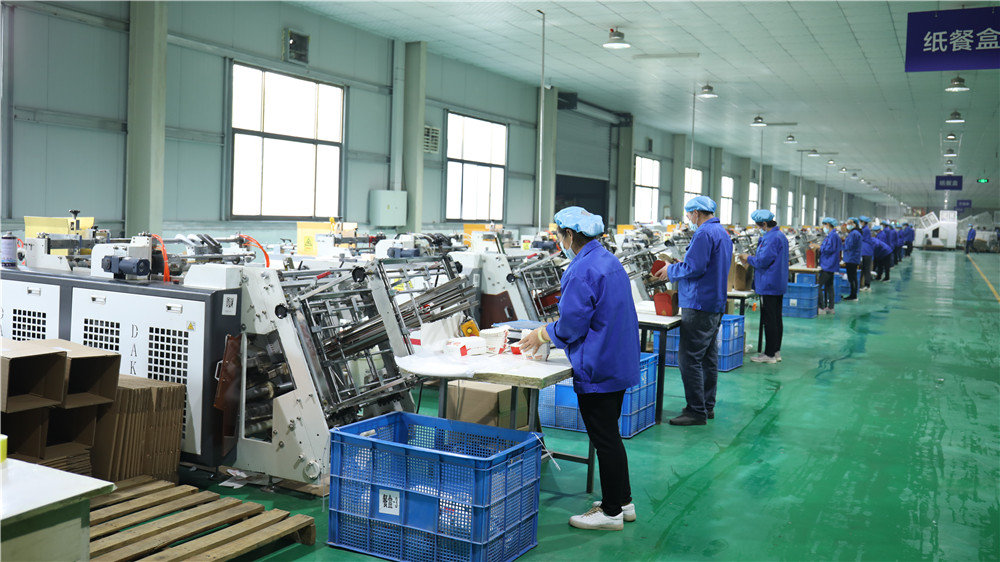
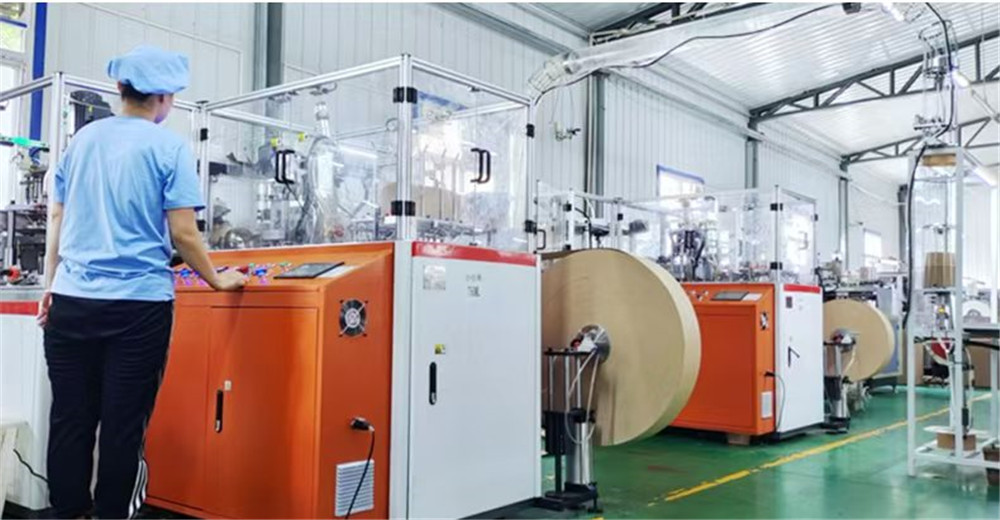
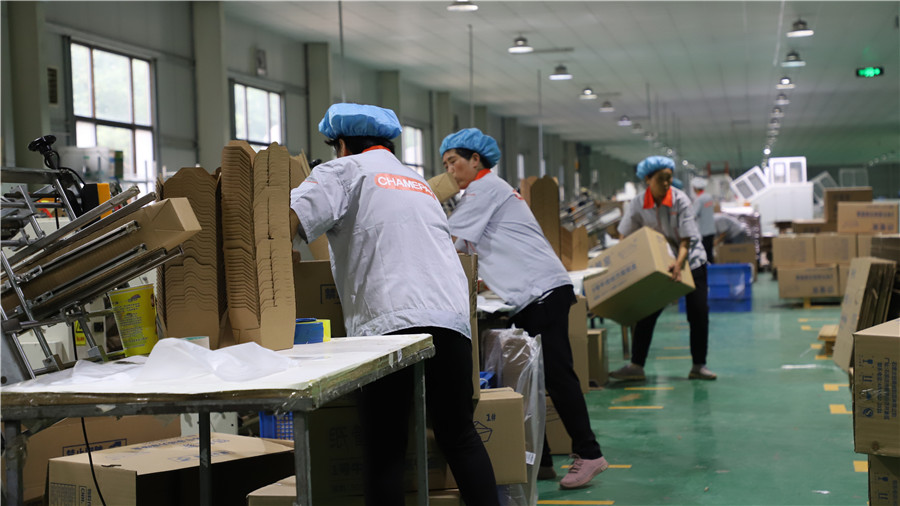
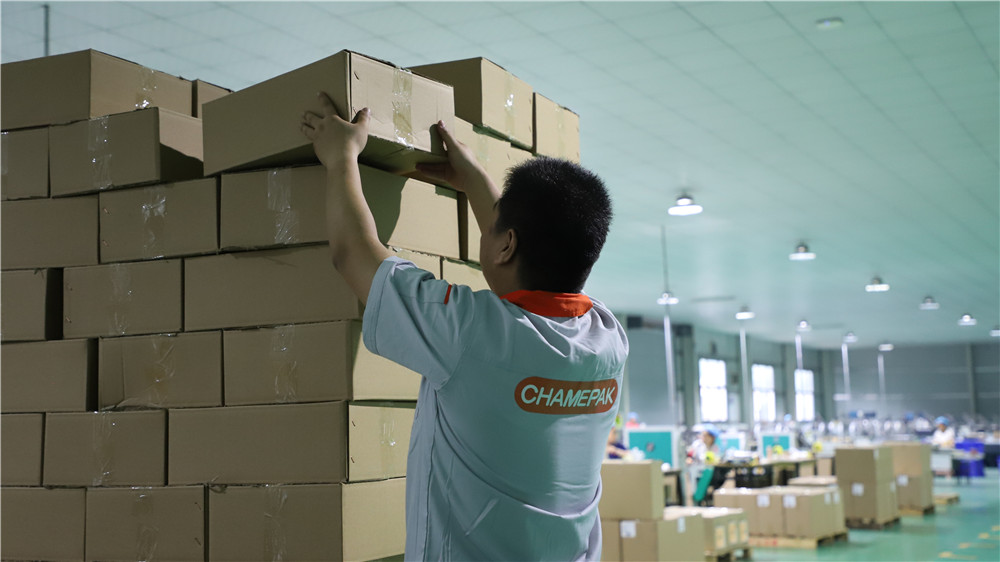
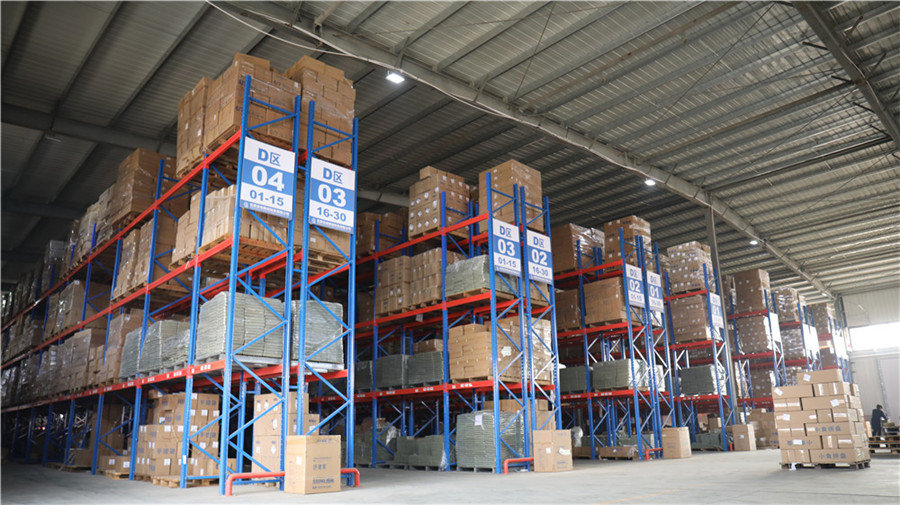
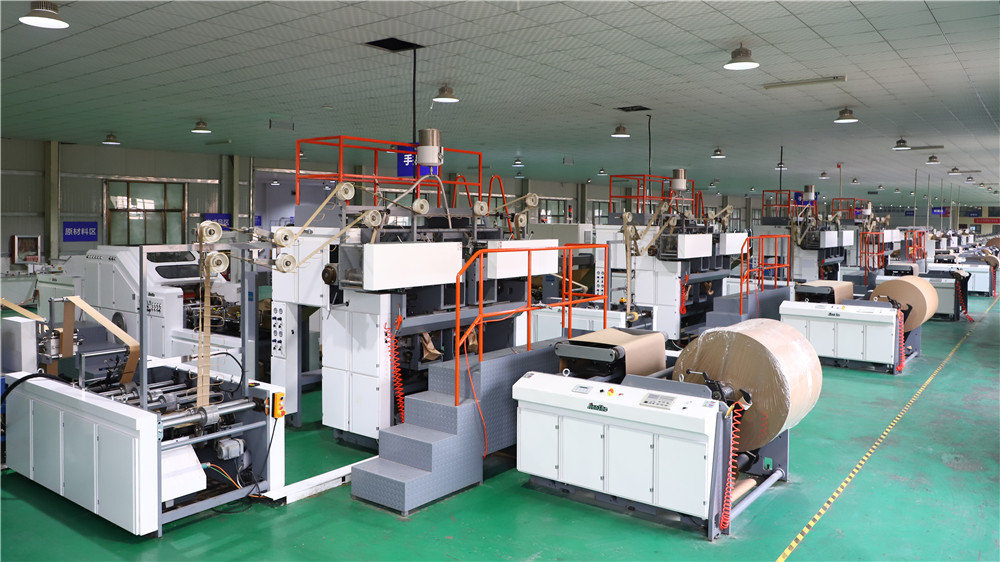
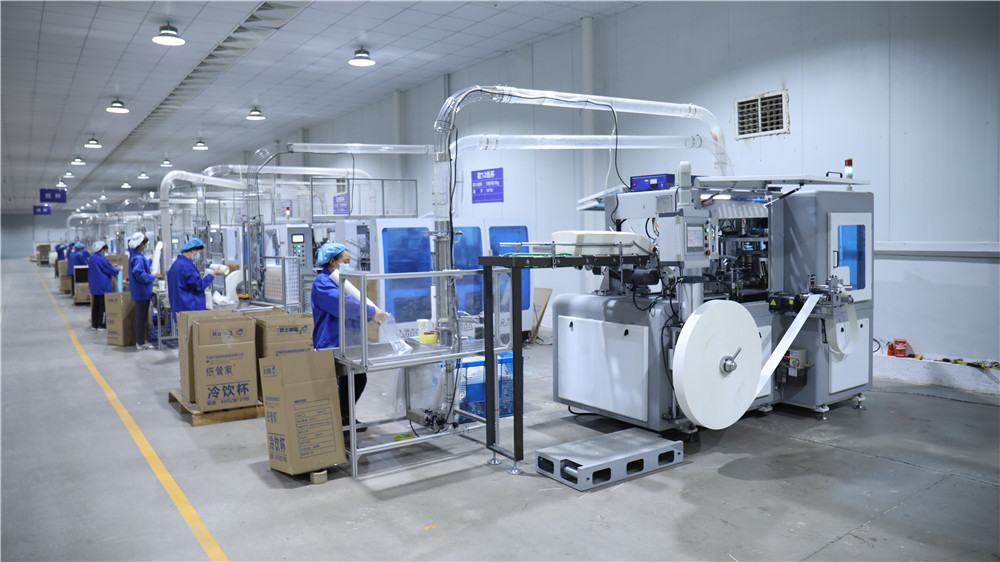
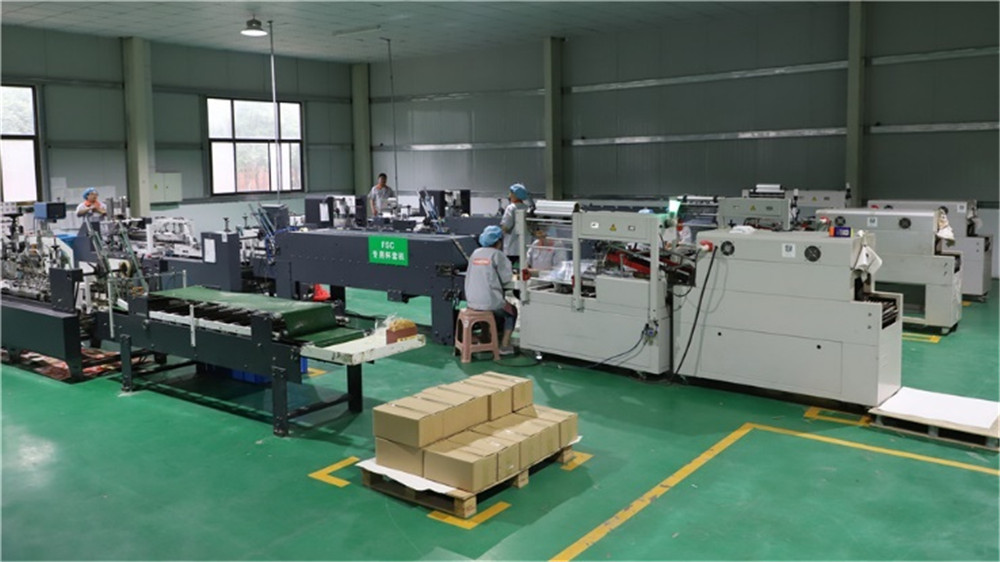
A look inside the Shandong PsiPrime Packaging Co., Ltd. production facility, showing our quality control and manufacturing processes.
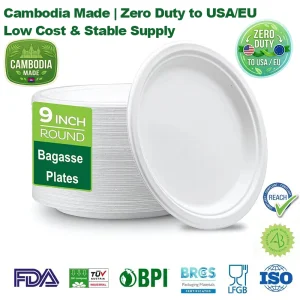
Explore our full line of sugarcane bagasse and plant-fiber products, available for direct wholesale import to East Africa.


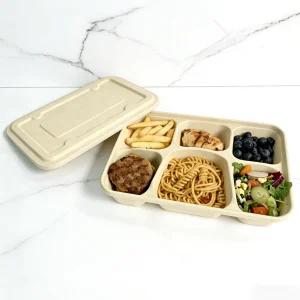
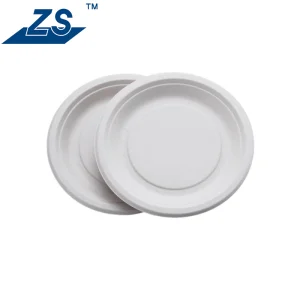
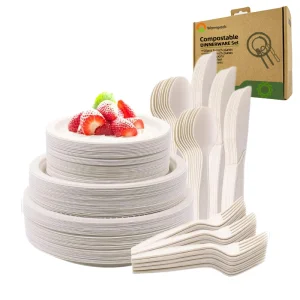

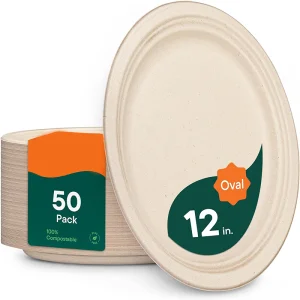
Sourcing eco-friendly products requires careful planning around customs, transport times, and quality standards. For businesses in Juba and other East African commercial hubs, working directly with an established manufacturer like Shandong PsiPrime Packaging Co., Ltd. helps streamline the procurement process. Direct sourcing provides consistent product quality, stable pricing, and access to necessary certifications compared to using regional distributors.
Find answers to common questions about sourcing, logistics, and using compostable bagasse tableware in South Sudan.
Get factory-direct pricing, certified quality standards, and reliable logistics support for your business in South Sudan. Let's work together toward a sustainable future.
Send Inquiry Now PsiPrime Packaging