High-integrity compostable bagasse plates engineered for bulk import, commercial catering, and retail packaging needs across Rwanda.
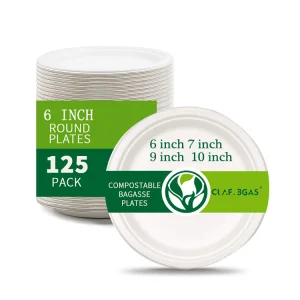
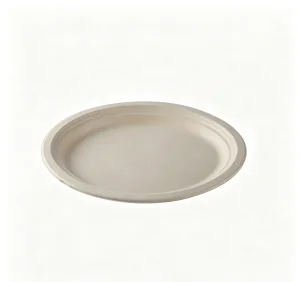
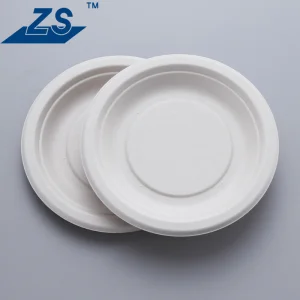
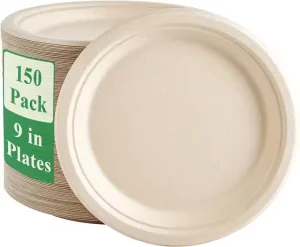
An in-depth regulatory and industrial outlook on why compostable sugarcane bagasse has become the primary packaging standard in East Africa.
Rwanda stands globally recognized as a leading nation in environmental preservation. Under Law N° 17/2019, the manufacturing, importation, use, and sale of single-use plastic items are strictly prohibited. This historic environmental legislation has prompted businesses in the hospitality, food packaging, and consumer goods sectors to urgently source viable plastic-alternative products.
As the capital Kigali expands its green footprint and smart-city frameworks, local distributors, hotel chains, and event management firms are transitioning directly to sugarcane bagasse packaging. Bagasse products present a superior, sturdy, heat-resistant, and entirely compostable alternative that perfectly aligns with REMA (Rwanda Environment Management Authority) guidelines.
Sugarcane bagasse is the fibrous residue remaining after sugar extraction. Globally, the demand for bagasse plates is surging at a projected CAGR of over 7.5%, driven by carbon reduction commitments and conscious consumer choices. Unlike traditional paper plates that require tree harvesting, bagasse is an agricultural by-product, making it highly sustainable.
Internationally, B2B procurement focuses on PFAS-free (per- and polyfluoroalkyl substances) products, ensuring safety for human consumption. Modern commercial food-service groups require suppliers to have certified compostability compliance, ensuring the tableware leaves no persistent chemical footprints behind in municipal composting infrastructures.
Shandong PsiPrime Packaging Co., Ltd. is committed to advancing sustainable packaging solutions and promoting the reduction of single-use plastics, helping foodservice and food-related industries transition toward more environmentally responsible operations.
The company strongly believes that biodegradable and compostable packaging materials represent the future of sustainable development. It actively promotes the concept of “plastic alternatives” and works to raise awareness of eco-friendly packaging across global markets. With extensive industry experience and a reliable supply chain, we provide high-quality, sustainable food packaging solutions to customers in many countries and regions.
Shandong PsiPrime Packaging Co., Ltd. specializes in the research, development, and manufacturing of eco-friendly food-grade packaging products. Its product portfolio includes compostable food containers, paper-based food packaging, eco-friendly paper bags, food wrapping paper, and disposable catering supplies. These solutions are designed to meet the diverse needs of restaurants, food delivery platforms, food processors, and retail businesses.
Explore Commercial PartnershipsFor businesses importing to Rwanda, sourcing directly from Chinese manufacturing giants like Shandong PsiPrime provides significant cost-efficiency, scale, and consistency advantages:
Examine our state-of-the-art production floors, advanced forming machinery, and strict quality checking standards.
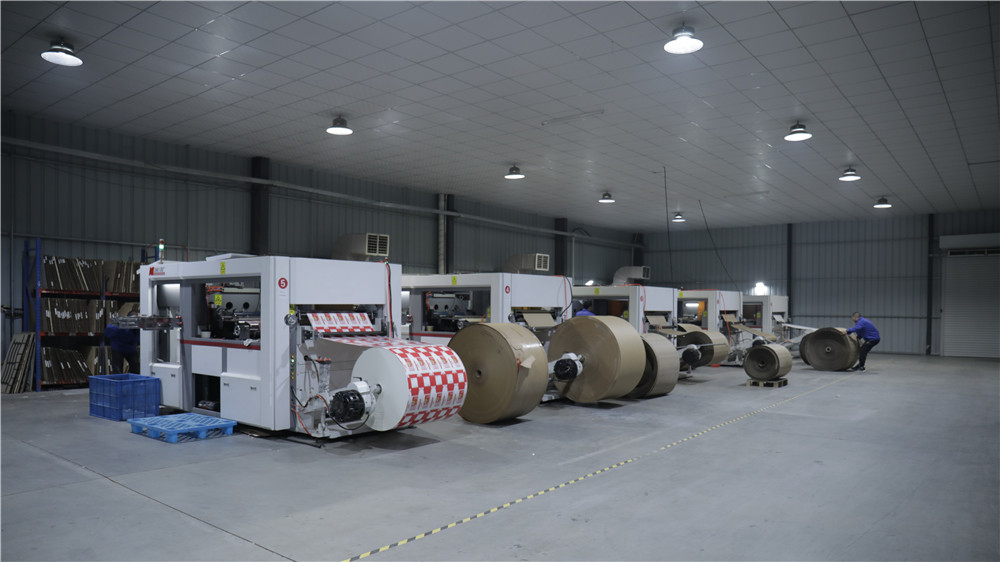
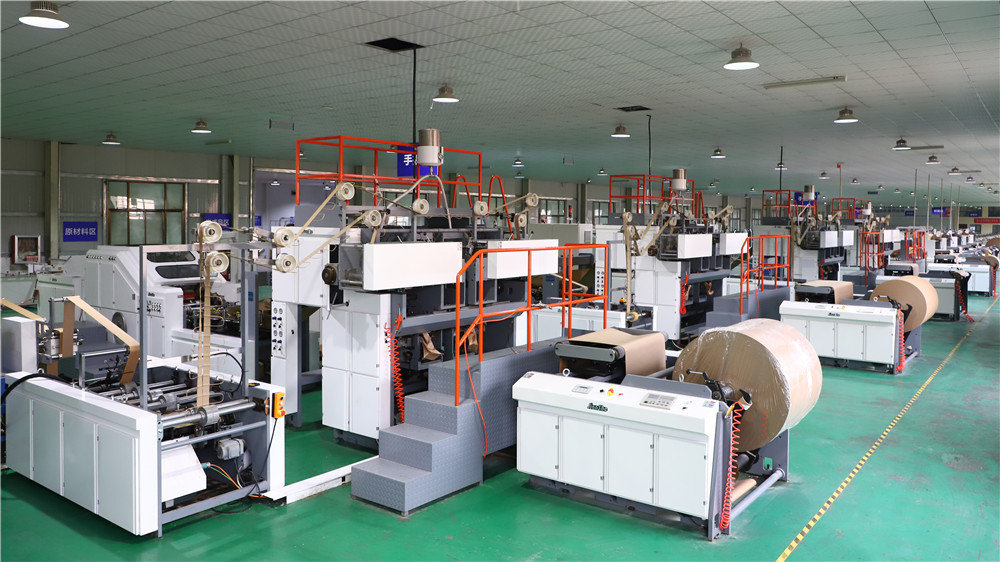
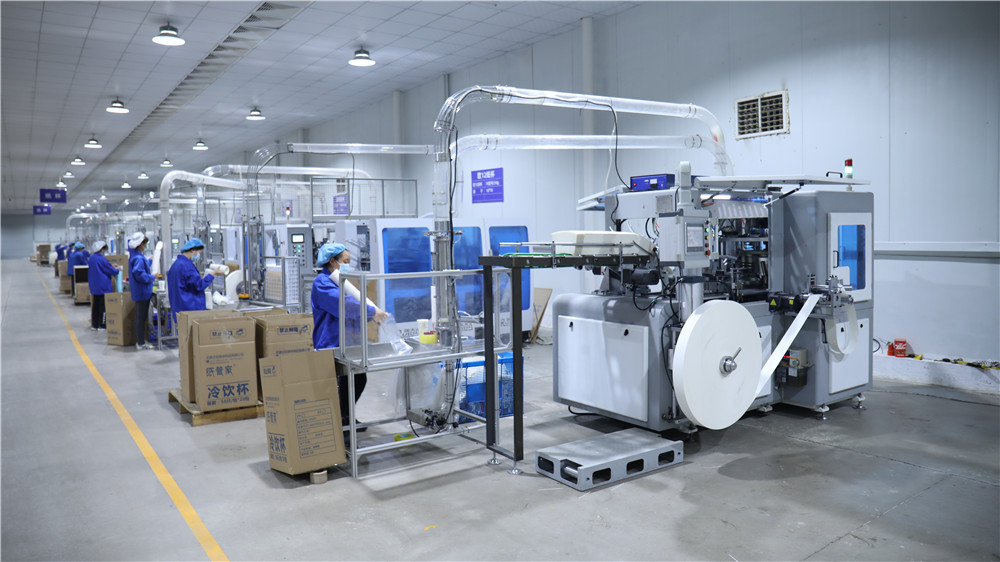
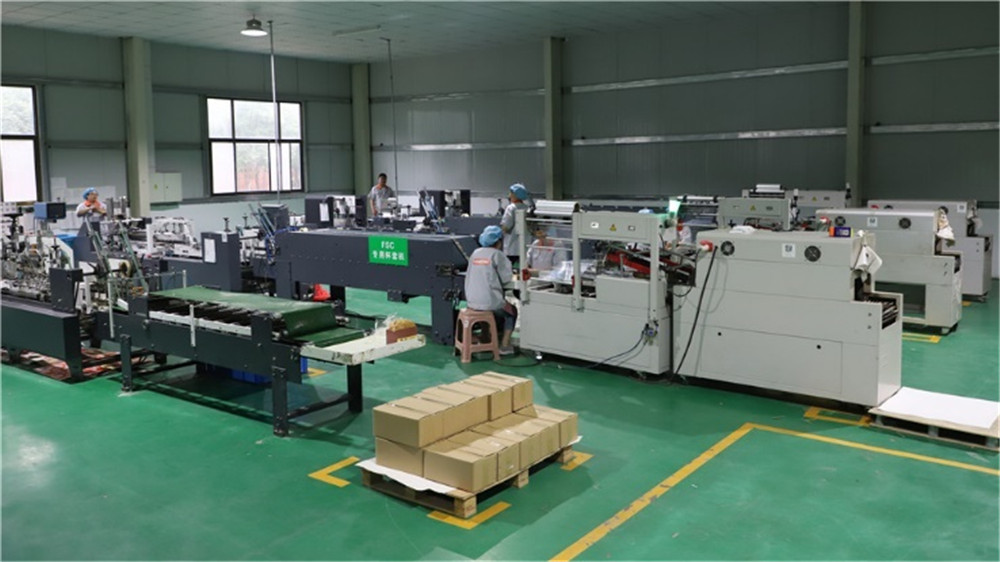
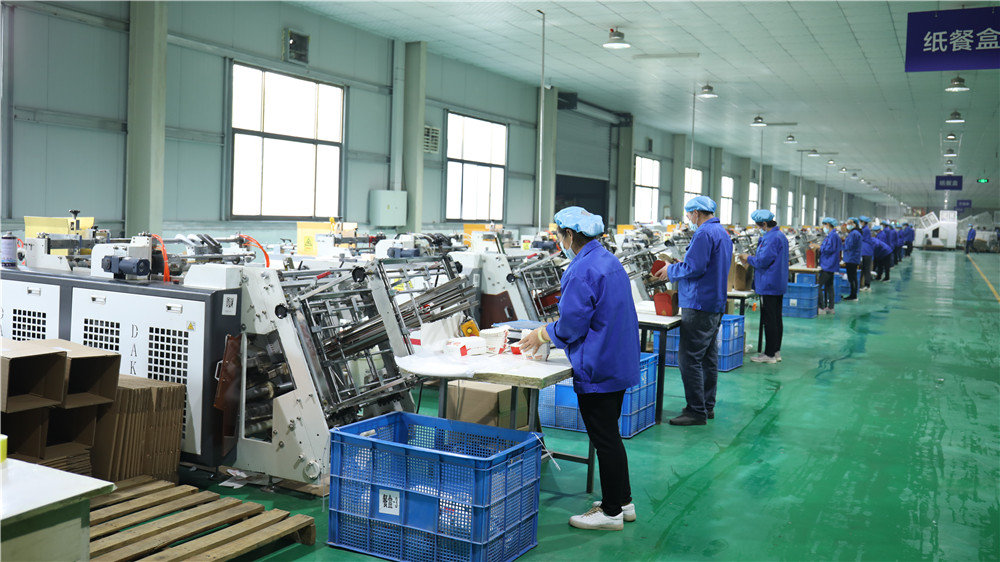
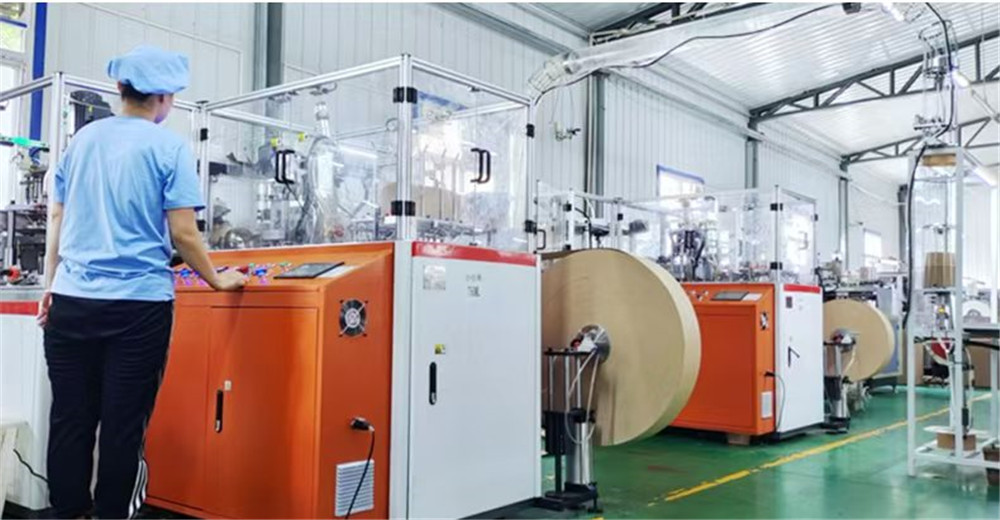
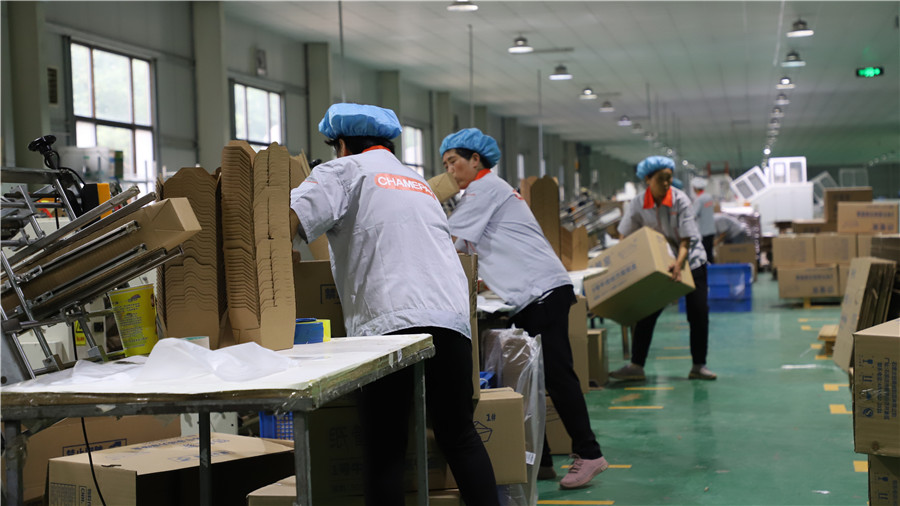
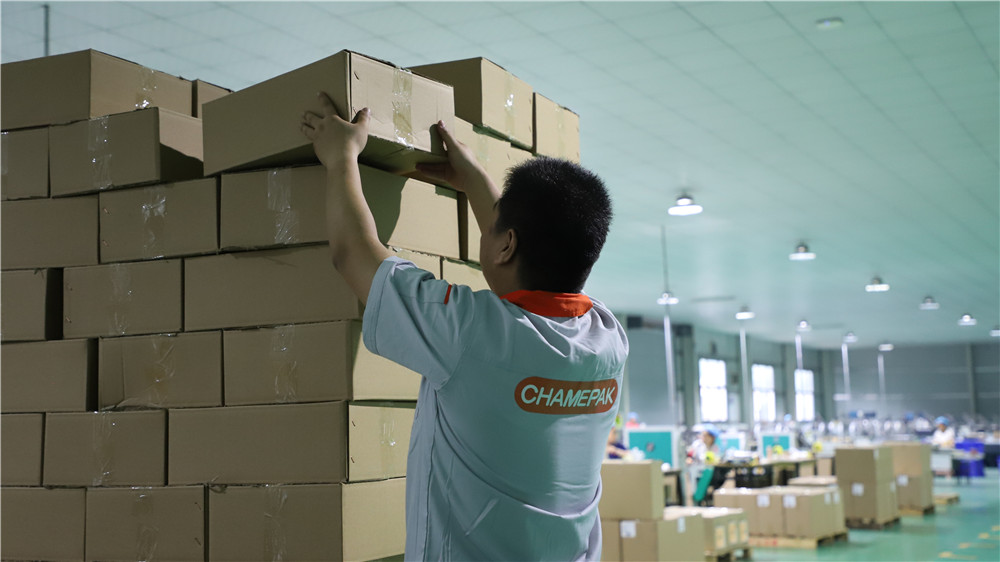
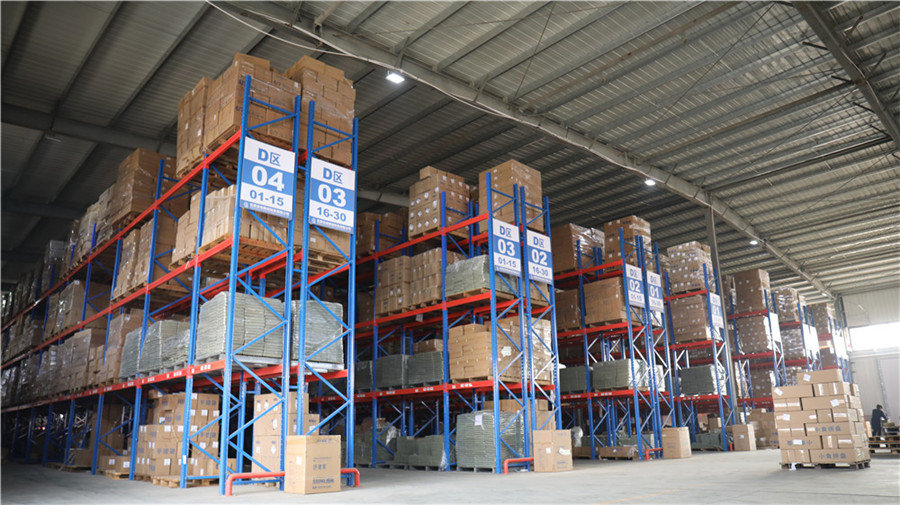
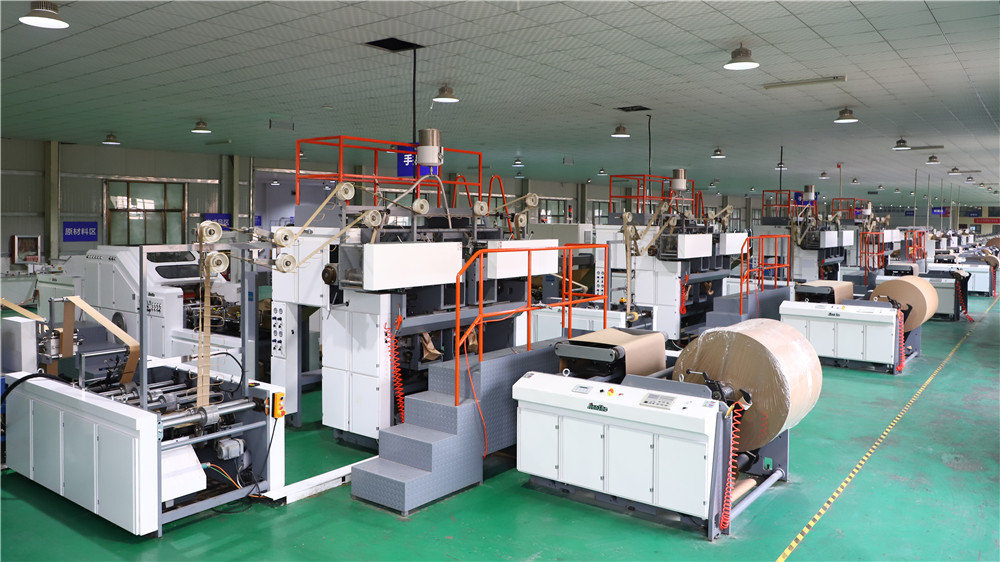
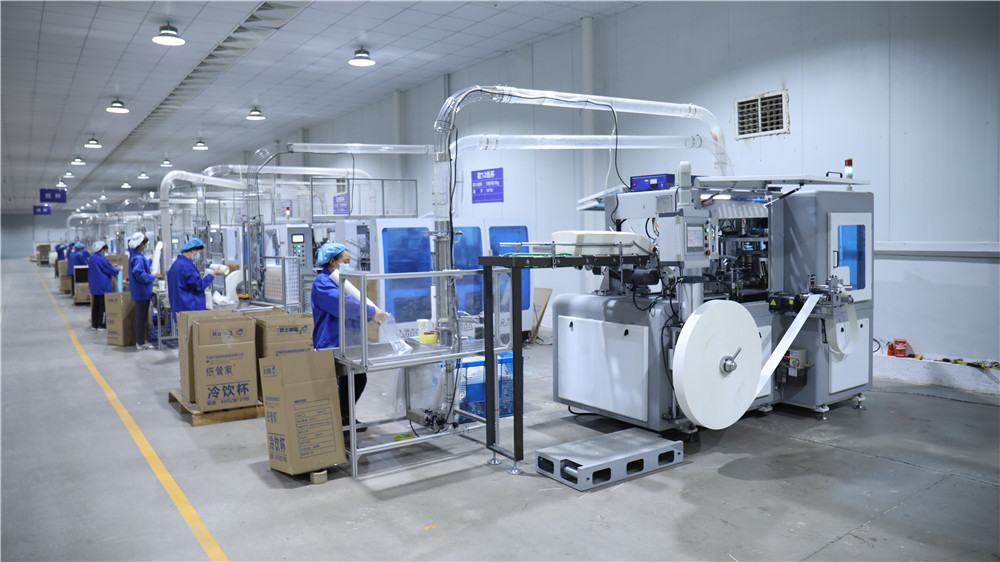
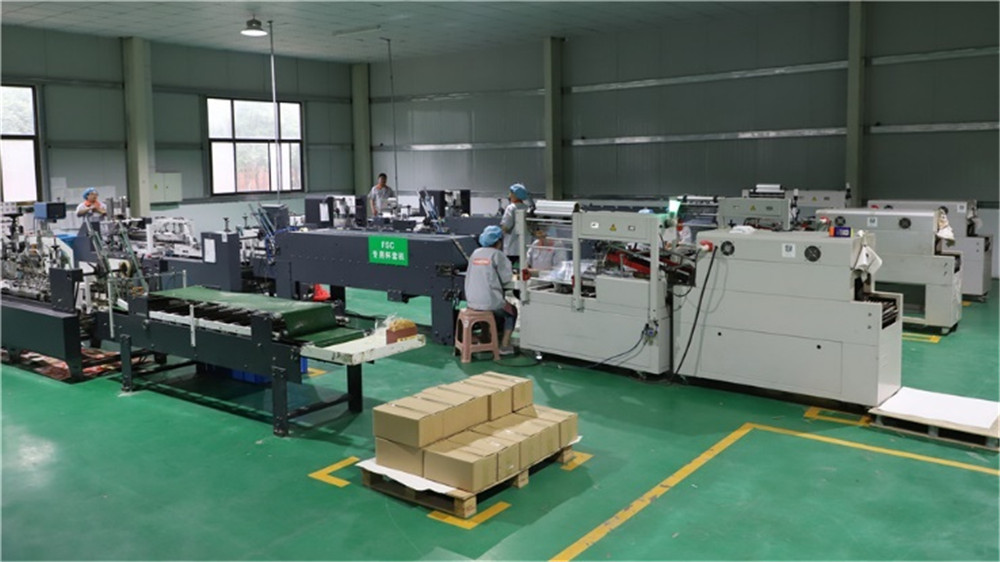
Through continuous improvements in production processes and supply chain management, Shandong PsiPrime Packaging Co., Ltd. enhances both cost efficiency and operational reliability, supporting clients in achieving sustainable growth in competitive markets. Looking ahead, the company will continue investing in innovation in biodegradable materials and expanding the application of compostable products across more industries, working together with global partners to build a low-carbon, environmentally friendly, and sustainable future.
How different industrial and hospitality sectors utilize our sugarcane bagasse tableware to achieve environmental conformity.
From Volcanoes National Park to Akagera National Park, Rwanda's luxury lodges cater to eco-conscious international travelers. Providing food in non-biodegradable containers degrades the natural aesthetic. Our 100% compostable bagasse plates ensure a zero-waste guest dining experience.
Quick Service Restaurants (QSRs) in Kigali require highly structural takeaway options. The oil-proof and water-resistant nature of bagasse allows for high-temperature food packaging (such as stews, chips, and barbecues) without melting or releasing harmful toxins.
Government events, international summits, and large institutional gatherings in Rwanda choose bagasse plates to comply with municipal carbon reduction goals. The stackable design saves transport costs, while biological breakdown minimizes waste management expenses.
Essential quality benchmarks that international procurement officers, regional distributors, and government contractors must evaluate.
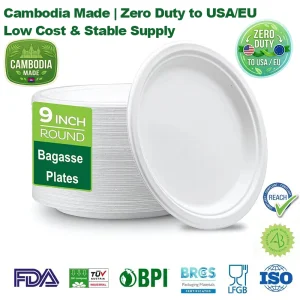
Procuring safe and compliant tableware involves validating critical standard certifications:
Rwanda is landlocked, making coordinated logistics pipelines essential:
Understanding emerging raw material innovations and technological milestones shaping global packaging.
Developing seaweed-based or bio-wax coatings to replace traditional plastic barriers, offering superior hot-liquid holding times without compromising compostability.
Blending sugarcane bagasse pulp with bamboo fiber, wheat straw, or rice husks to customize tensile strength, elasticity, and aesthetics based on regional application needs.
As cities like Kigali build advanced organic waste facilities, smart commercial packaging integrates RFID or color-coded markers for automated sorting.
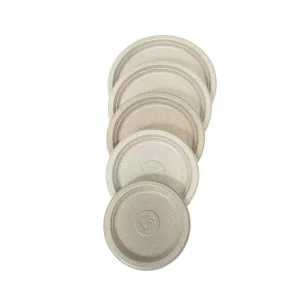
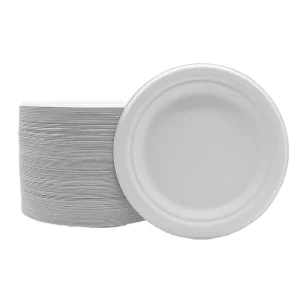
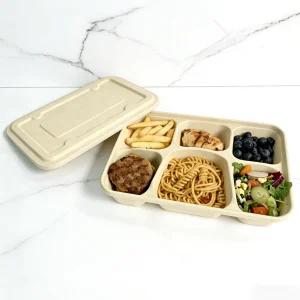
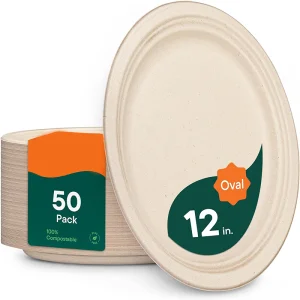
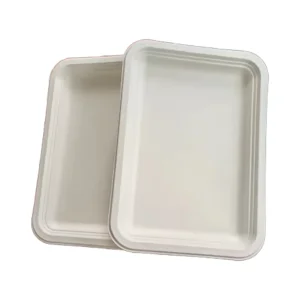
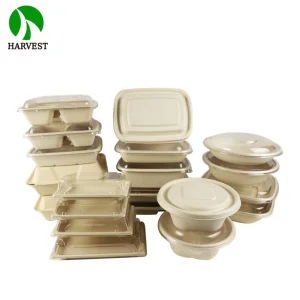
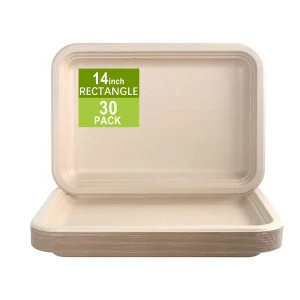
Engineered shapes, square plates, and division compartments designed for versatile food service structures in Rwanda.
Get answers to typical logistics, custom tooling, performance, and certification queries regarding sugarcane bagasse plates.
Yes. Sugarcane bagasse is naturally oil-resistant and water-resistant. It can withstand hot liquids up to 100°C and is microwave-safe for reheating purposes. It also remains structurally stable in freezers.
Yes, our entire export catalog is tested to meet international standards. We supply certified PFAS-free product lines that comply with global chemical regulations, ensuring safety for food service.
Production generally takes 20 to 30 days depending on the order volume. Sea transit from Chinese ports to Mombasa or Dar es Salaam takes around 25 to 30 days, followed by land transport to Kigali customs, totaling roughly 50 to 70 days.
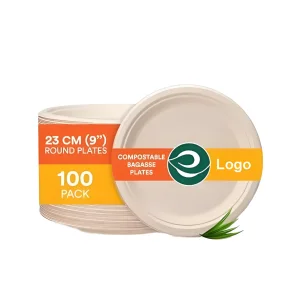
Yes. We provide complete OEM/ODM solutions. We can engrave your logo directly onto the plate mold or customize the packaging sleeve. Customized molds require a development phase of approximately 10 to 15 days.
Bagasse plates are stronger, more rigid, and require less chemical processing. Because they utilize agricultural by-products rather than virgin wood pulp, they protect forests while providing superior insulation and structural strength.
Select from our complete range of certified eco-friendly bagasse boxes, trays, and plates for distribution in East Africa.
 PsiPrime Packaging