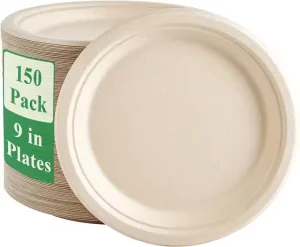
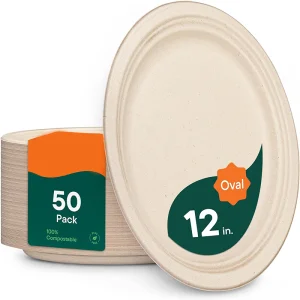
High-density thermoformed sugarcane pulp dinnerware customized for Kyrgyzstan's hospitality sector, catering distributors, and eco-tourism initiatives.
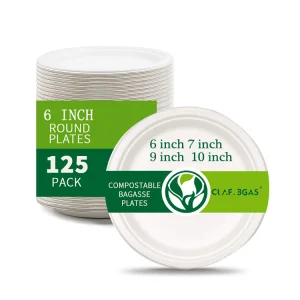
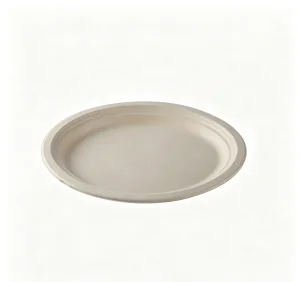
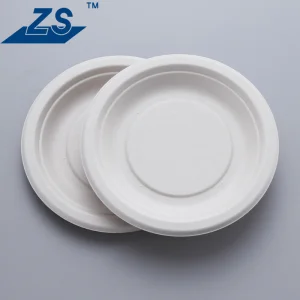
The Kyrgyz Republic is undergoing a profound legislative and ecological shift toward sustainability. Driven by Presidential Decrees aiming to protect the biosphere zones of Lake Issyk-Kul and reduce plastic accumulation in municipal landfill sites around Bishkek and Osh, the local government has steadily restricted single-use thin-film plastic products. As municipal waste management frameworks modernize, B2B wholesale buyers, food distributors, and the HoReCa (Hotel, Restaurant, Catering) industry require robust, biodegradable packaging alternatives that comply with both domestic environmental goals and regional customs unions.
Transitioning from petroleum-based expanded polystyrene (EPS) trays and petrochemical plastic plates to sugarcane bagasse packaging resolves key ecological challenges in Central Asia. Unlike traditional plastics, which persist for centuries in mountainous ecosystems, bagasse dinnerware degrades within 90 days in industrial composting facilities and leaves no toxic residue. This aligns with Kyrgyzstan’s active participation in regional environmental preservation initiatives and global ESG mandates, ensuring local enterprises remain ahead of upcoming national bans on non-biodegradable plastics.
Sugarcane bagasse is the fibrous residue remaining after extracting juice from sugarcane stalks. Historically treated as agricultural waste and burned, it is now processed into high-strength, eco-friendly foodware. This material has superior structural advantages over typical wood pulp and traditional plastics:
Sugarcane bagasse fibers naturally consist of cellulose (approx. 45-55%), hemicellulose (20-25%), and lignin (18-24%). This composite blend provides high natural rigidity, tensile strength, and flexural resistance, eliminating the need for synthetic binding polymers.
The natural matrix structure withstands temperatures from -20°C (freezing) up to 220°C in microwaves, as well as 120°C for hot oils. It remains structural and does not deform, split, or leach harmful chemicals like styrene or bisphenol-A (BPA).
From a global perspective, the carbon footprint of manufacturing bagasse-based dinnerware is up to 70% lower than that of virgin plastic production. Because sugarcane absorbs carbon dioxide throughout its growth cycle, the lifecycle of bagasse tableware operates near net-zero greenhouse gas emissions. For industrial buyers in Kyrgyzstan looking to secure international export contracts or supply major multinational catering chains, utilizing bagasse plates satisfies stringent green supply chain procurement policies.
Packaging products in Kyrgyzstan must endure unique culinary and environmental demands. Traditional Kyrgyz food is heavy, lipid-dense, and served piping hot. Dishes such as *Beshbarmak* (boiled meat with noodles and rich broth), *Plov* (savory rice cooked with mutton fat and oil), and *Shashlik* (grilled meat skewers) quickly saturate conventional paper plates, causing structural failure. Our heavy-duty bagasse plates are specifically engineered with cross-linked natural fibers to handle greasy, moisture-heavy meals without leaking or softening.
Furthermore, Kyrgyzstan's high-altitude geography and extreme seasonal temperature variations (ranging from below -20°C in winter to over 35°C in summer) require packaging that performs consistently across thermal extremes. Our products are ideal for cold-storage packaging, ready-to-eat meal deliveries in Bishkek, outdoor catering at mountain resorts in Karakol, and eco-friendly tourist sites around Lake Issyk-Kul. They perform reliably in high-altitude environments without becoming brittle.
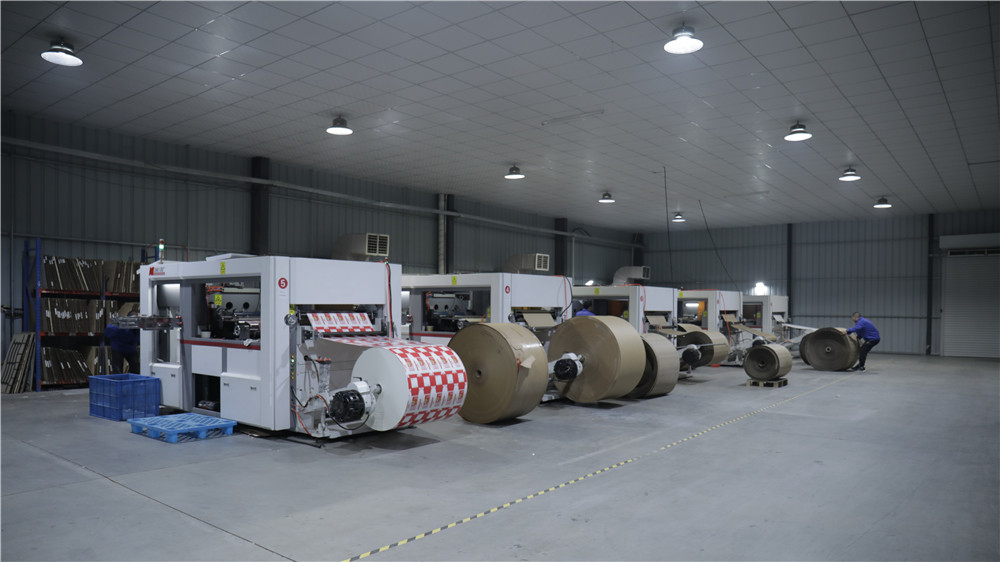
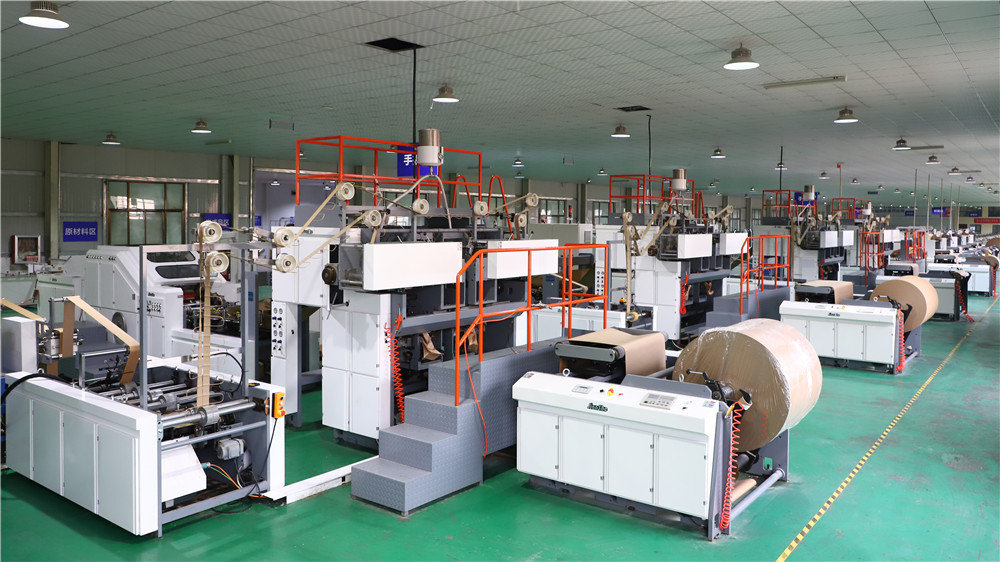
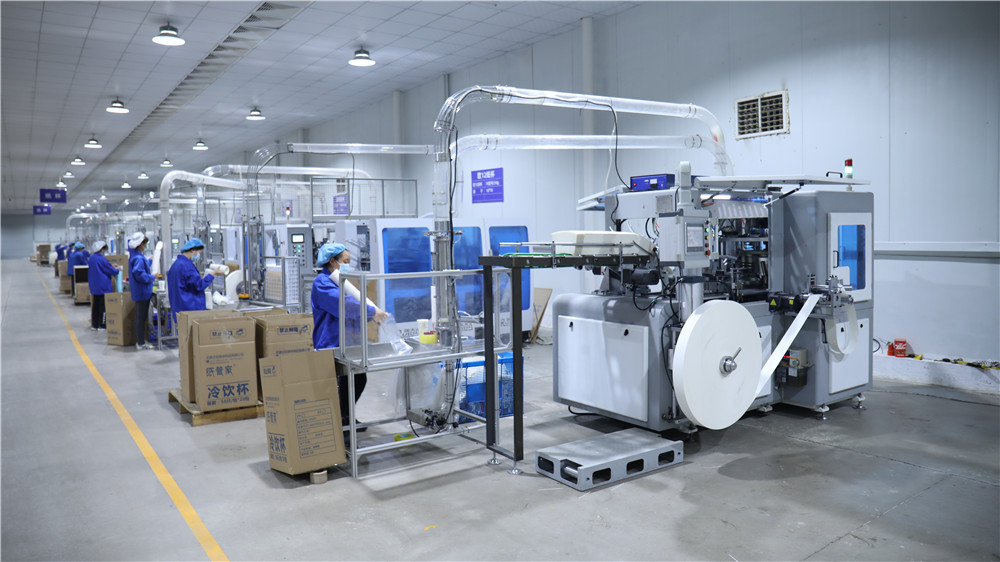
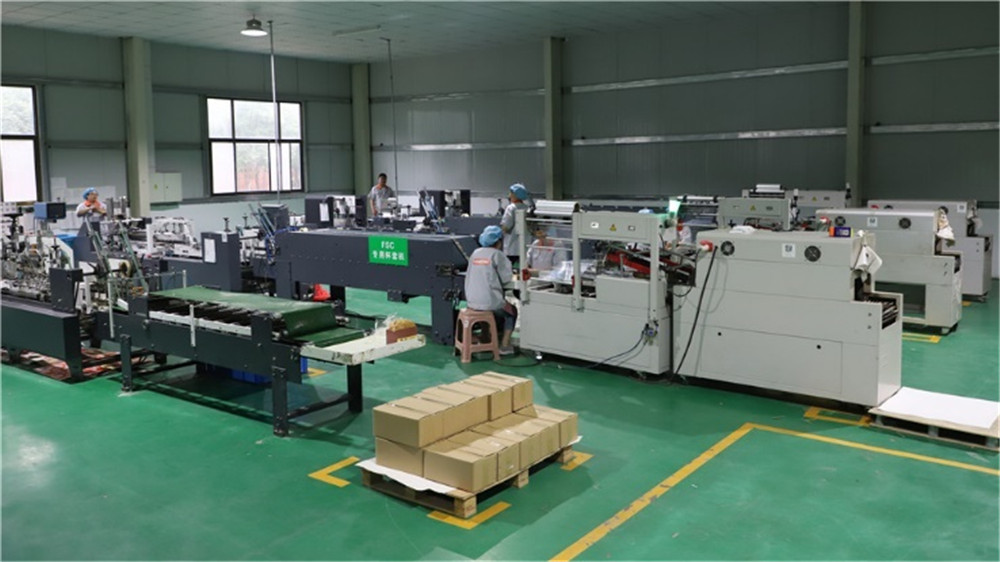
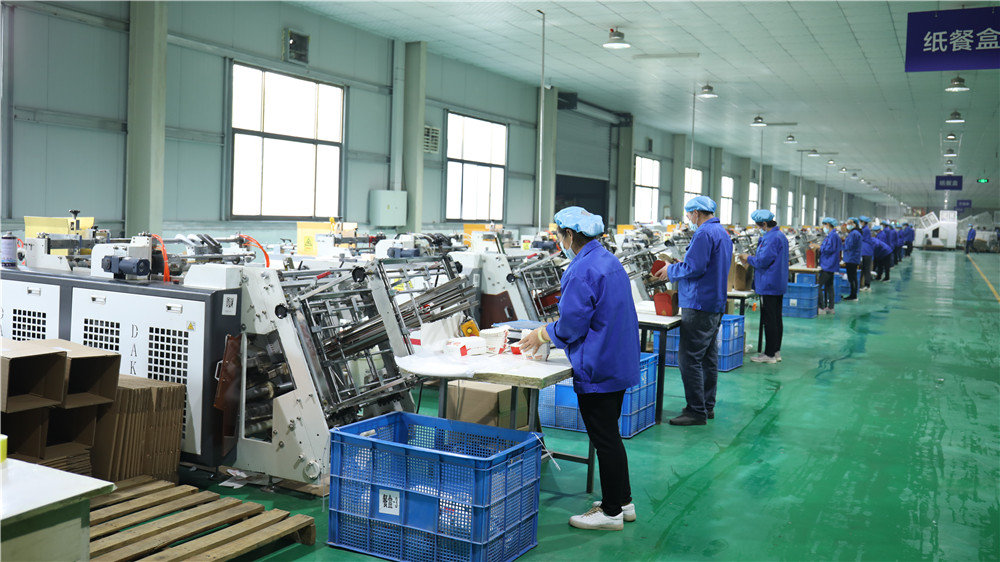
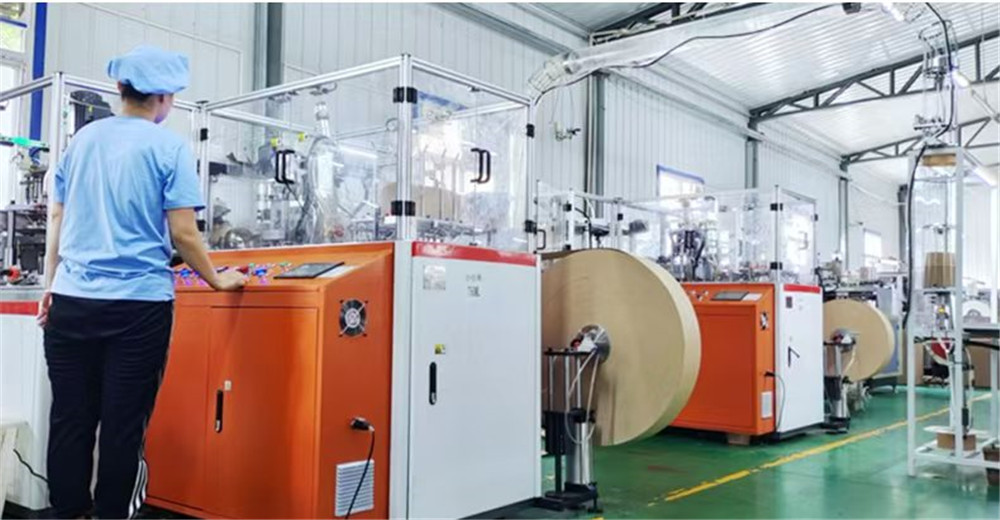
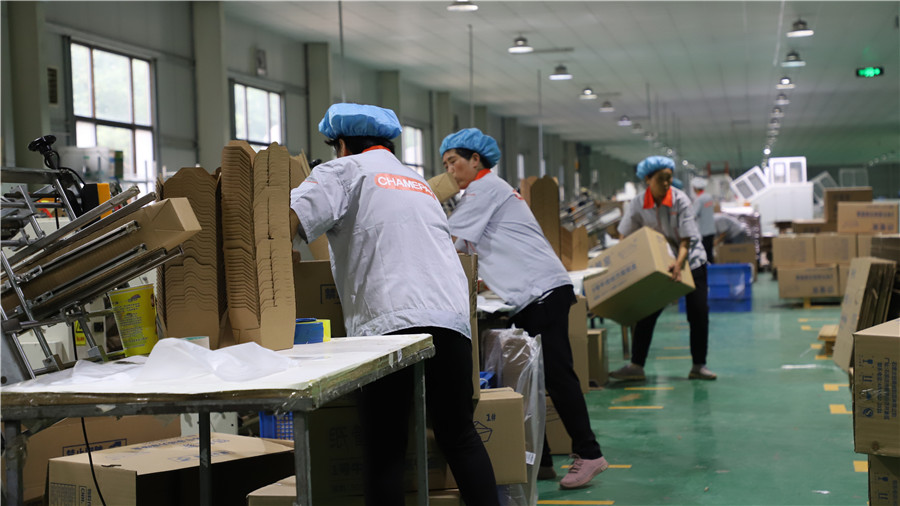
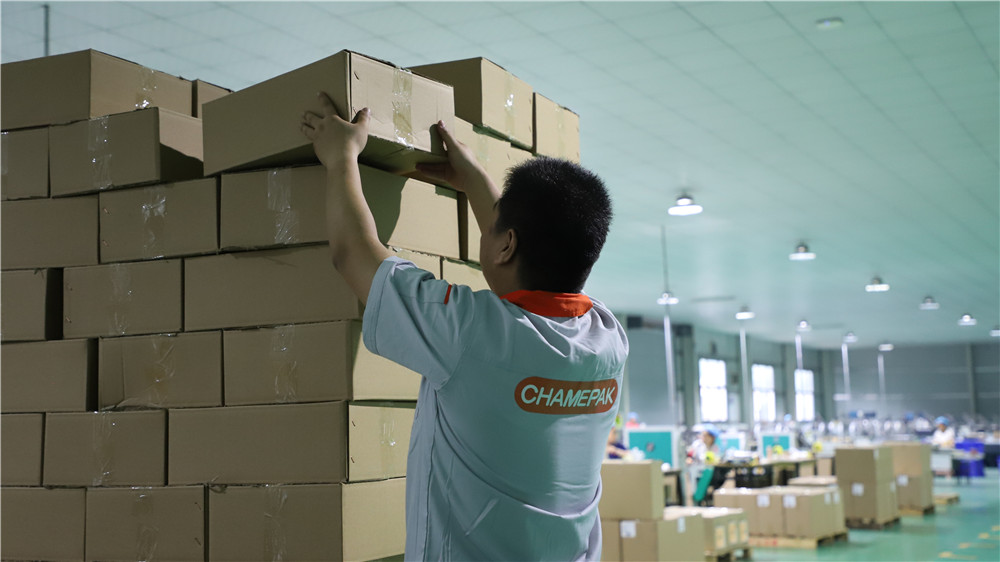
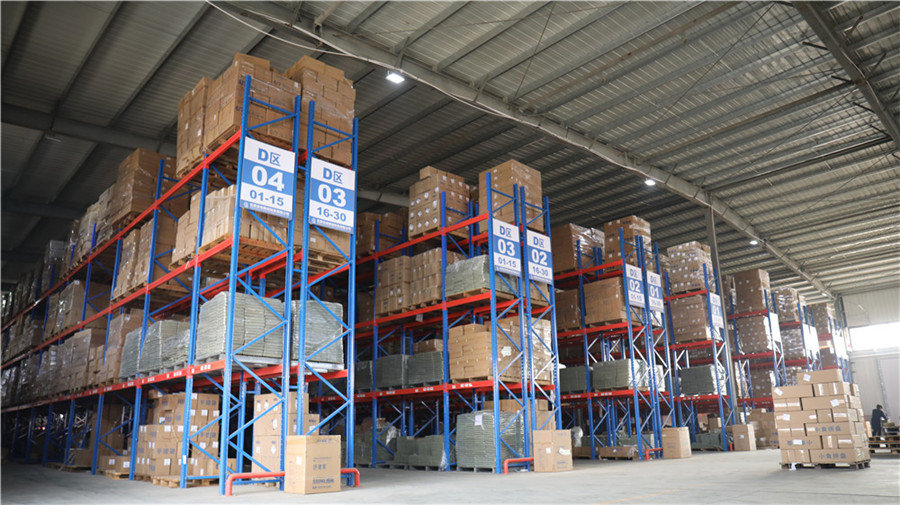
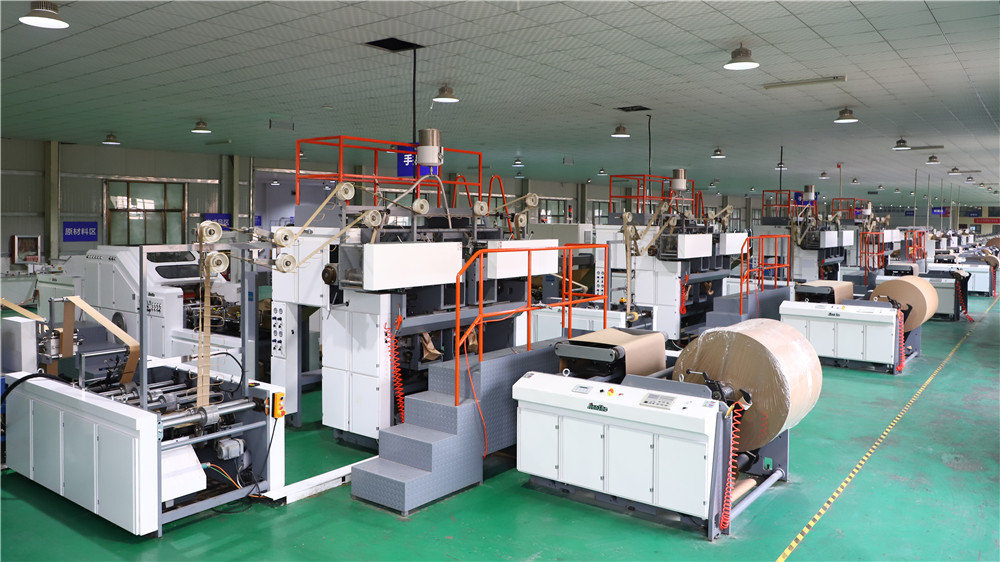
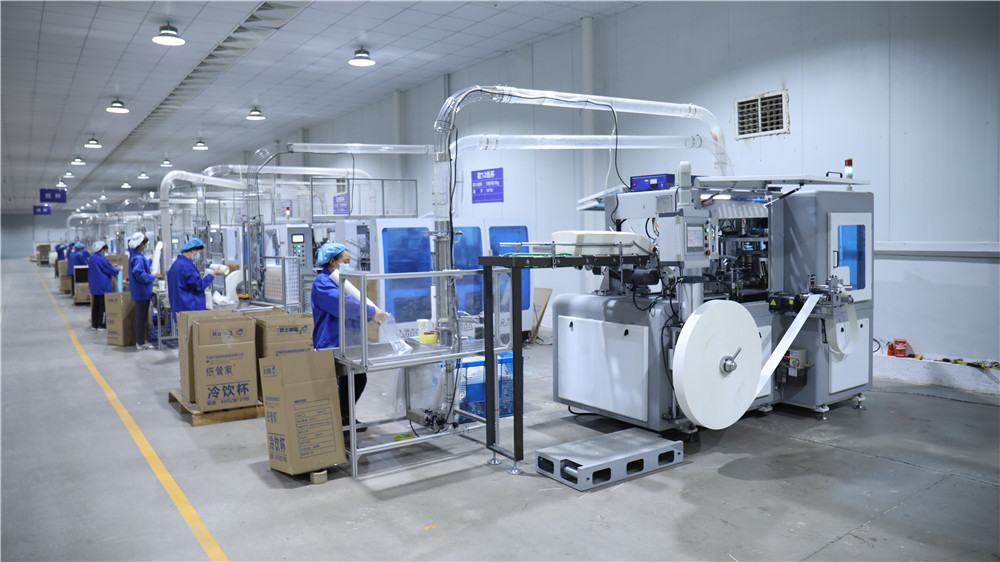
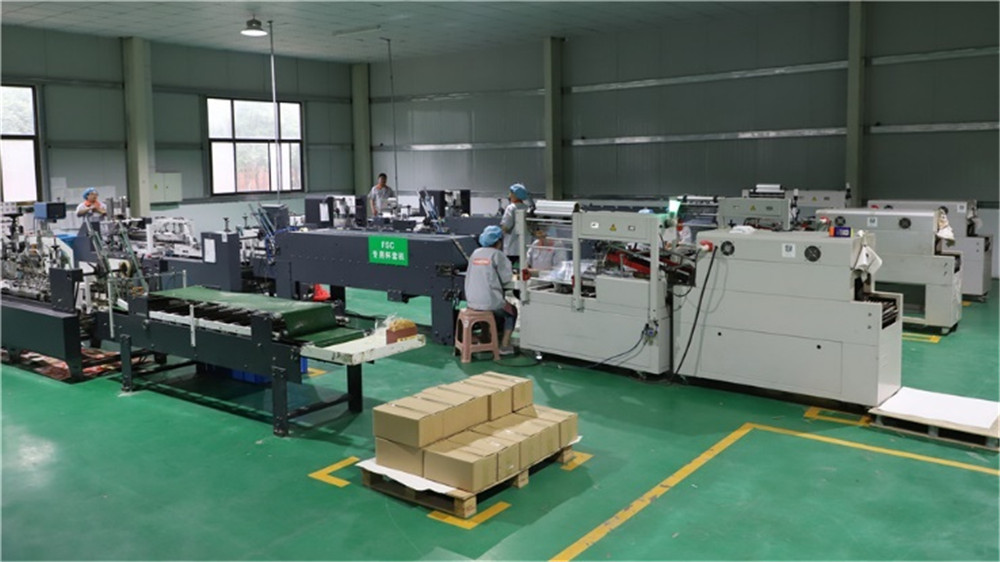
Shandong PsiPrime Packaging Co., Ltd. utilizes advanced thermoforming machinery, automatic pulp molding systems, and rigorous quality control protocols to supply premium-grade bagasse products globally. Below is our integrated manufacturing process, showcasing our operational capabilities from raw materials to final packaging.
Exporting single-use biodegradable dinnerware to Kyrgyzstan requires navigating local regulatory policies and import logistics. Since Kyrgyzstan is a member of the Eurasian Economic Union (EAEU), all food-contact packaging must comply with the regional safety framework TR CU 005/2011 (Safety of Packaging). This certification requires strict limits on heavy metals, chemical migration, and microbiological contamination. We guarantee that all bagasse products shipped to Kyrgyz ports of entry carry the necessary EAC (Eurasian Conformity) declaration documents, ensuring smooth customs clearance through Alashankou or Khorgos dry ports.
Regarding logistics, Shandong PsiPrime Packaging Co., Ltd. has established supply channels utilizing the China-Europe Railway Express (Lanzhou-Xinjiang-Bishkek route) and cross-border trucking lines. This dual logistics route provides flexibility: transit times range from 15 to 25 days depending on the selected customs clearing point (Torugart or Irkeshtam passes). We provide custom packaging options designed to protect the cargo from humidity and mechanical shifts during transit across Central Asia's mountainous routes.
With evolving global limits on per- and polyfluoroalkyl substances (PFAS) in food packaging, Shandong PsiPrime Packaging Co., Ltd. leads in structural barrier technology. Traditional oil repellents rely on PFAS additives to prevent grease penetration. To address consumer health demands and new EU/US export guidelines, our R&D center has developed advanced PFAS-free bagasse plates. By utilizing natural oil-repellent agents and biodegradable polymer barriers (such as thin PLA or PBAT layers), we deliver exceptional oil resistance without synthetic fluorine compounds, providing our buyers with a strong competitive advantage.
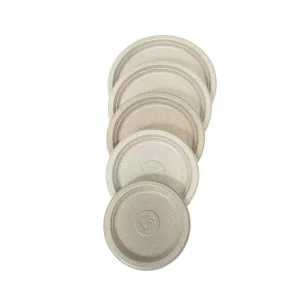
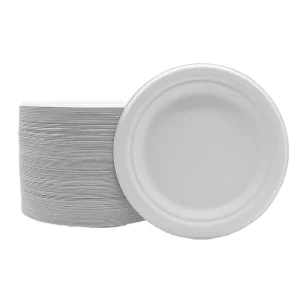
Browse our full range of biodegradable, heavy-duty dinnerware, trays, and food boxes designed for commercial distributors and high-volume catering.

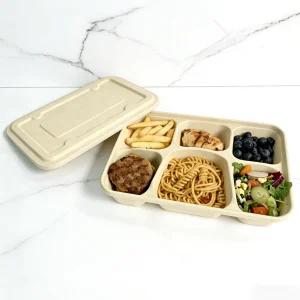
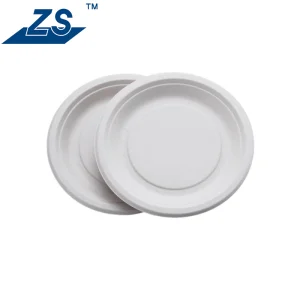
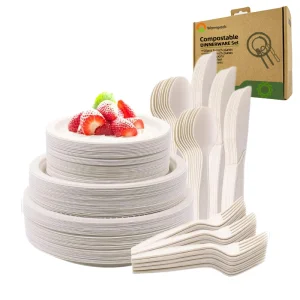
Partner with a trusted manufacturer to supply your Kyrgyz retail, catering, or distribution business with certified sugarcane tableware. Get technical specifications, compliance paperwork, and direct shipping quotes to Bishkek and beyond.
 PsiPrime Packaging