In the Japanese agricultural supply chain, preservation packaging is not merely a utility; it is a critical determinant of product value, shelf-life longevity, and ecological alignment. As Japan targets comprehensive circularity in plastics under the Containers and Packaging Recycling Act and pushes for biological alternatives, agricultural cooperatives (JA) and commercial food packaging wholesalers require high-performance, precision-manufactured storage solutions. High-density polyethylene (HDPE), polypropylene (PP), nylon, and organic cotton mesh storage configurations serve as critical infrastructure to maintain respiratory equilibrium for fresh produce like onions, grapes, potatoes, and citrus.
Shandong PsiPrime Packaging Co., Ltd. integrates advanced polymer extrusion, warp-knitting, and precision sewing methodologies to deliver custom-manufactured mesh fruit and vegetable storage bags tailored for Japan's high-standard distributors. By implementing strict quality controls and innovative material engineering, we ensure that every batch of mesh bags exported to the Japanese market meets both mechanical safety standards and strict food preservation requirements.
Engineered high-breathability structures designed to prevent moisture accumulation and mechanical abrasion during logistics.
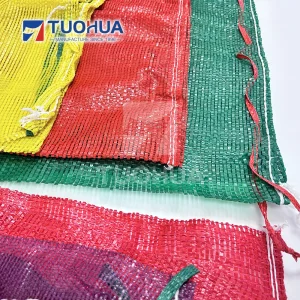
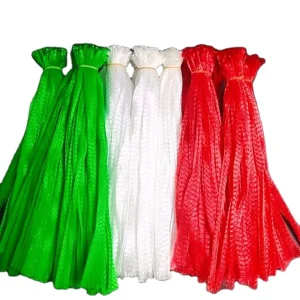
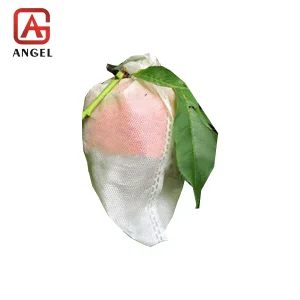
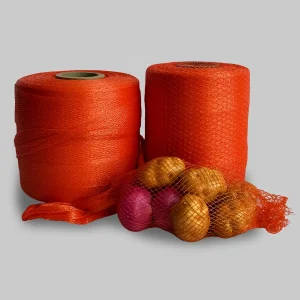
Understanding the stringent regulatory frameworks and qualitative demands of Japan's premium food market.
Japan's fresh produce market is recognized globally for its strict presentation standards and low tolerance for waste. According to data from the Ministry of Agriculture, Forestry and Fisheries (MAFF), preservation quality at the post-harvest phase is critical due to Japan's warm, humid summers (the *Tsuyu* rainy season). Under these atmospheric conditions, solid polymer packaging creates a microclimate that accelerates fungal spore germination and ethylene accumulation. High-breathability mesh configurations provide a solution by allowing constant air exchange, reducing heat retention, and preventing condensation.
Additionally, Japanese commercial buyers focus heavily on plastic reduction. Under the Act on Promotion of Resource Circulation for Plastics (enacted in April 2022), manufacturers, retailers, and packaging suppliers must actively optimize raw material usage, design for recyclability, or transition to bio-based polymers. Shandong PsiPrime Packaging Co., Ltd. addresses this transition by manufacturing tubular nets and flat Raschel mesh bags using reduced-gauge high-performance resins and certified biodegradable compounds (PLA/PBAT), helping Japanese importers minimize recycling tax liabilities.
Developing advanced performance metrics through specialized polymer blending and weaving technologies.
Our flat and tubular warp-knitting systems employ lock-stitch technology. If a single filament breaks during transport, the surrounding mesh structures hold to prevent unravelling. This is essential for heavy-weight crops like Hokkaido onions and potatoes.
Unlike standard solid film packaging, our multi-filament mesh configurations feature a high aperture ratio. This design allows ethylene gas (a natural ripening agent) to escape quickly, delaying decay and keeping products fresh on supermarket shelves.
We use organic, non-toxic masterbatches that comply with Japanese safety requirements. These pigments remain stable and will not run or fade under water washing, cold storage condensation, or friction.
To support circular economy goals, we produce single-polymer (100% HDPE or PP) mesh bag systems, including the drawstring. Eliminating multi-material construction makes these bags fully recyclable in standard municipal post-consumer streams without requiring manual separation.
Shandong PsiPrime Packaging Co., Ltd. - An industry-trusted manufacturing partner for global eco-packaging solutions.
Shandong PsiPrime Packaging Co., Ltd. is committed to advancing sustainable packaging solutions and promoting the reduction of single-use plastics, helping foodservice and food-related industries transition toward more environmentally responsible operations.
The company strongly believes that biodegradable and compostable packaging materials represent the future of sustainable development. It actively promotes the concept of "plastic alternatives" and works to raise awareness of eco-friendly packaging across global markets. With extensive industry experience and a reliable supply chain, we provide high-quality, sustainable food packaging solutions to customers in many countries and regions.
Shandong PsiPrime Packaging Co., Ltd. specializes in the research, development, and manufacturing of eco-friendly food-grade packaging products. Its product portfolio includes compostable food containers, paper-based food packaging, eco-friendly paper bags, food wrapping paper, and disposable catering supplies. These solutions are designed to meet the diverse needs of restaurants, food delivery platforms, food processors, and retail businesses.
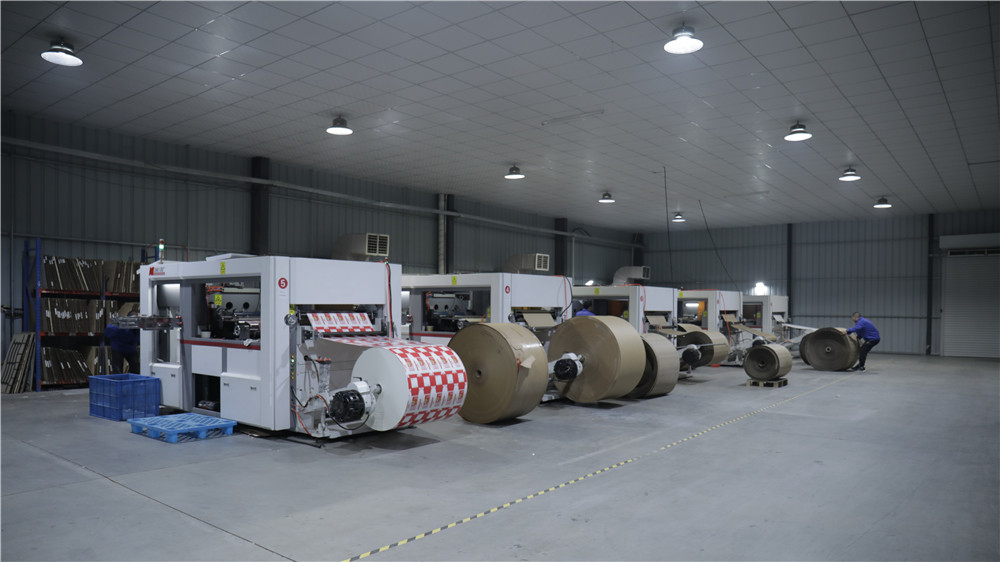
Cutting
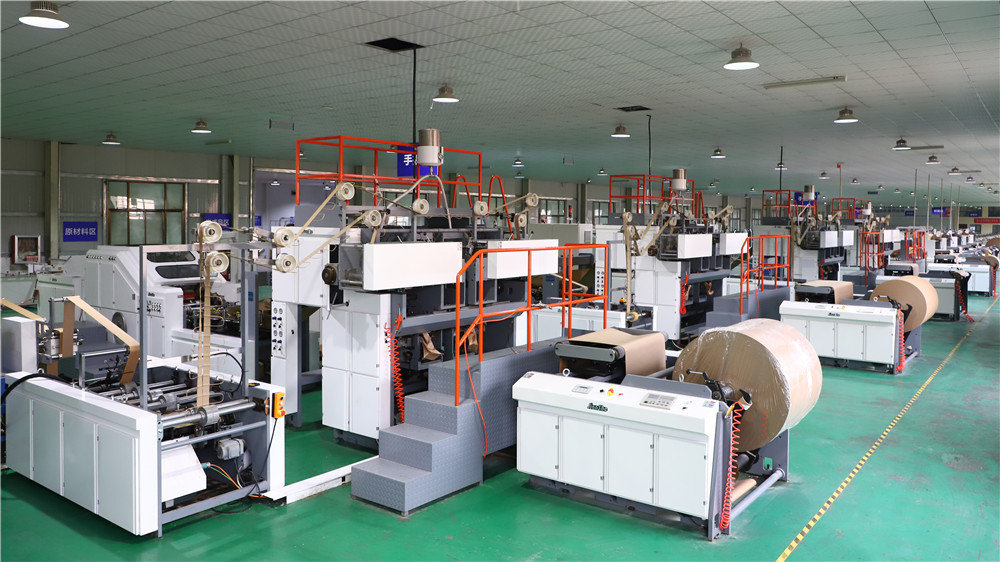
Paper Bag Making
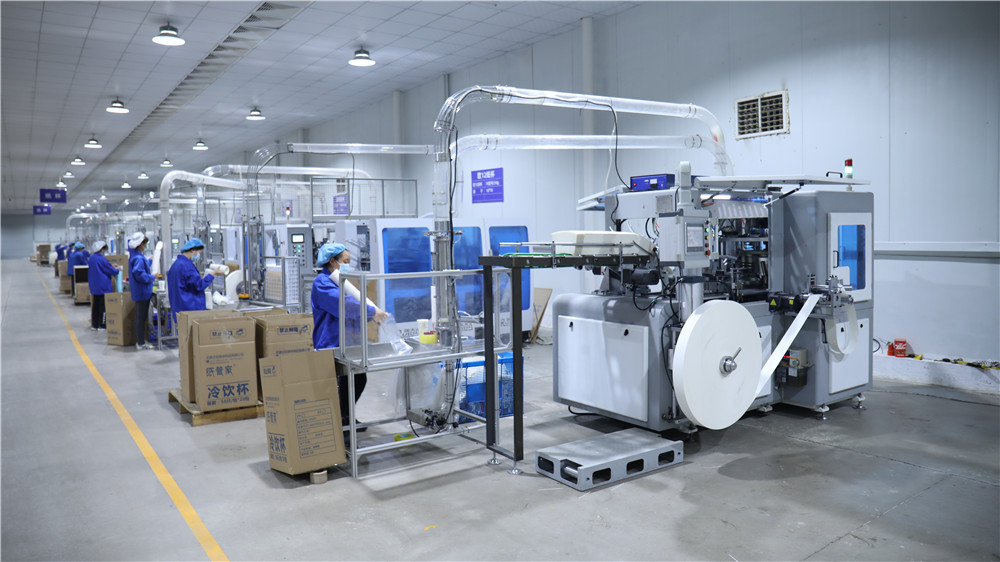
Paper Cup Making
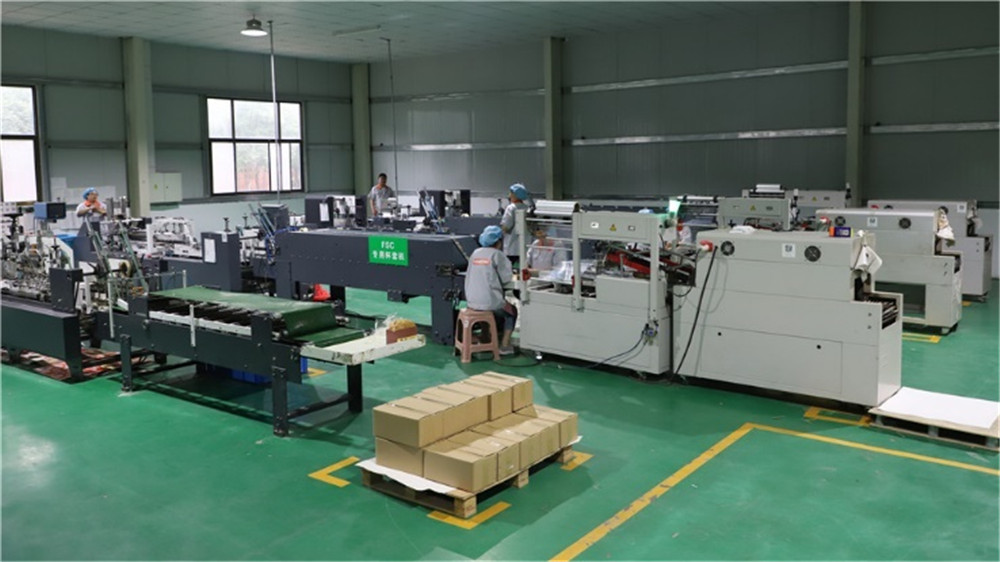
Paper Cup Sleeve Making
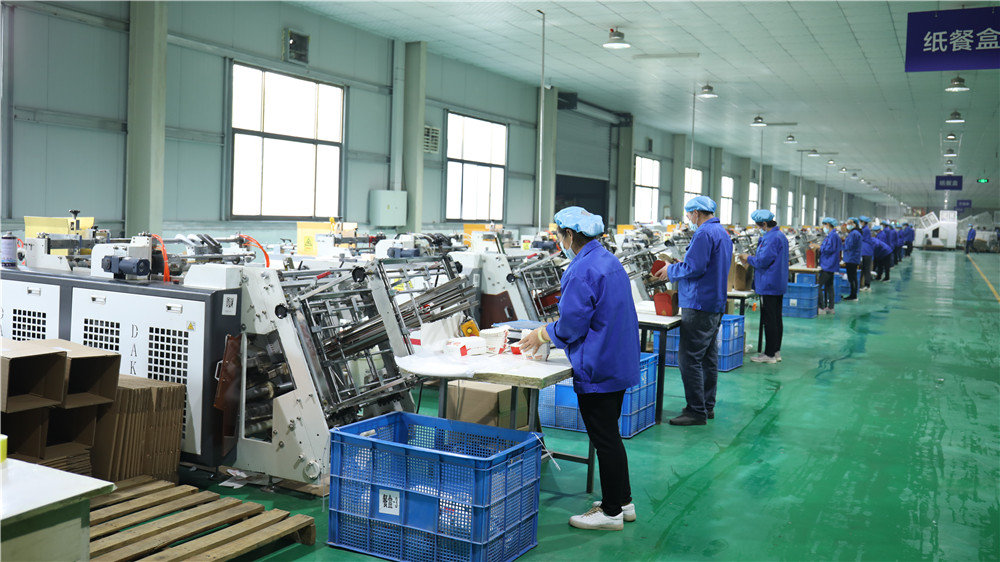
Paper Box Making
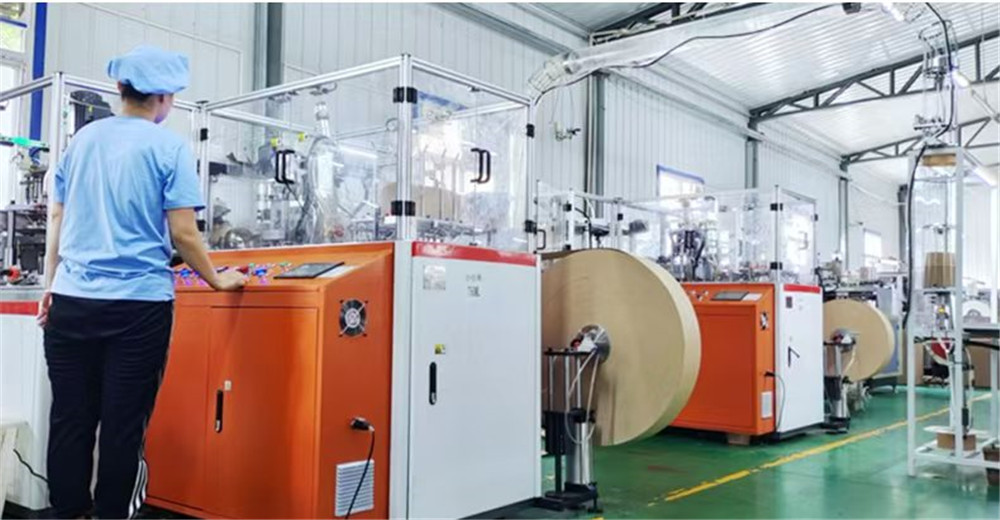
Paper Bowl Making
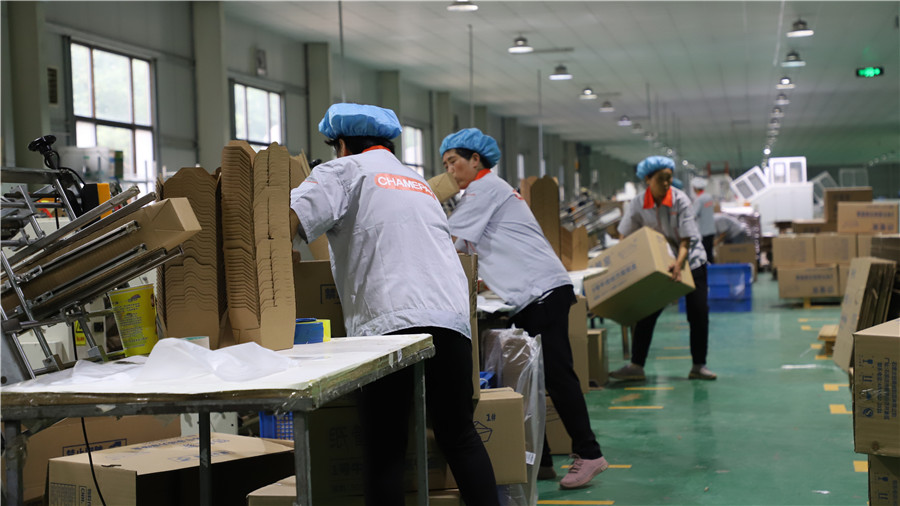
Checking
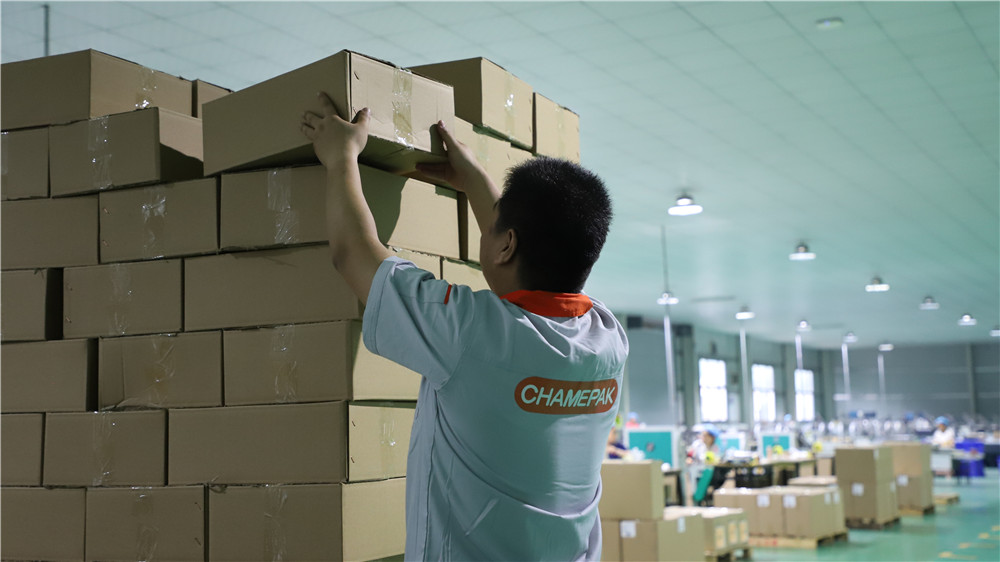
Packing
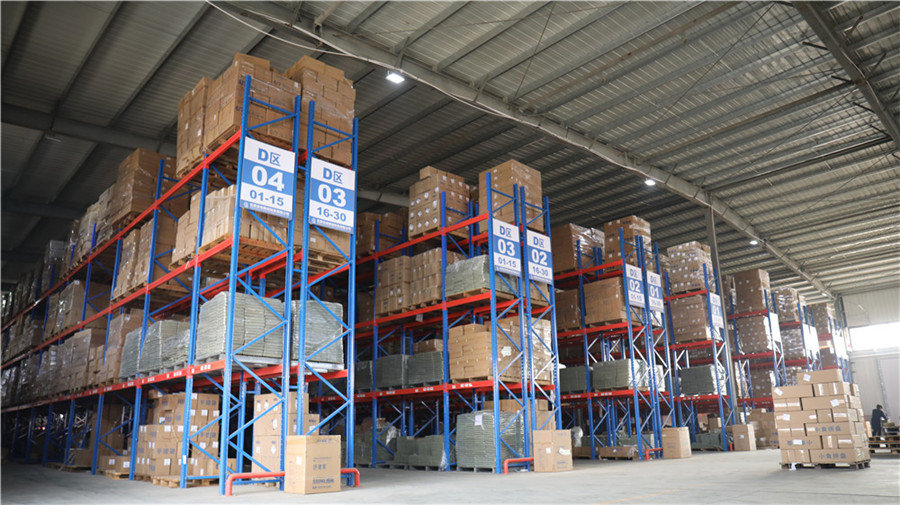
Finished Products
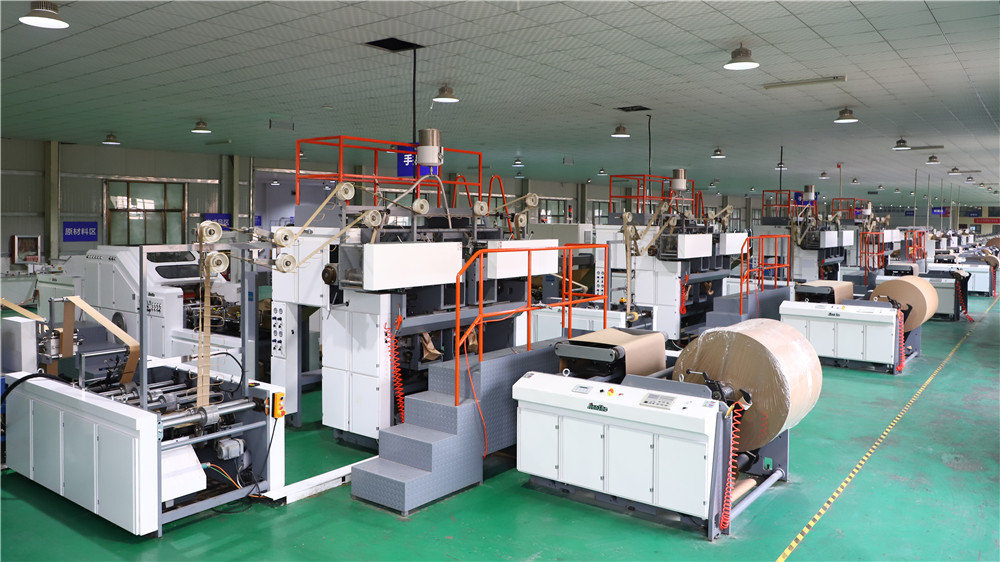
Paper Bag Forming Machine
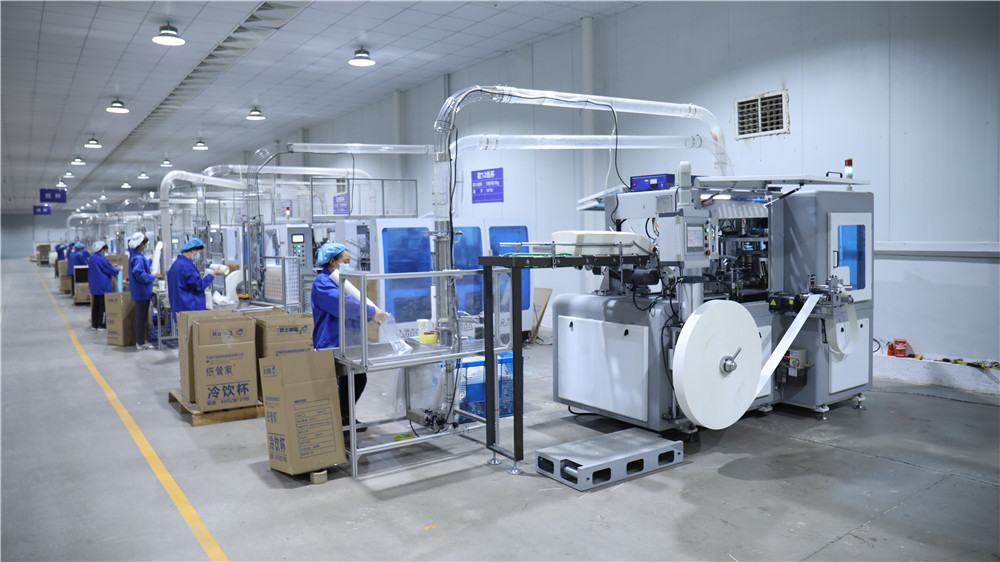
Paper Cup Forming Machine
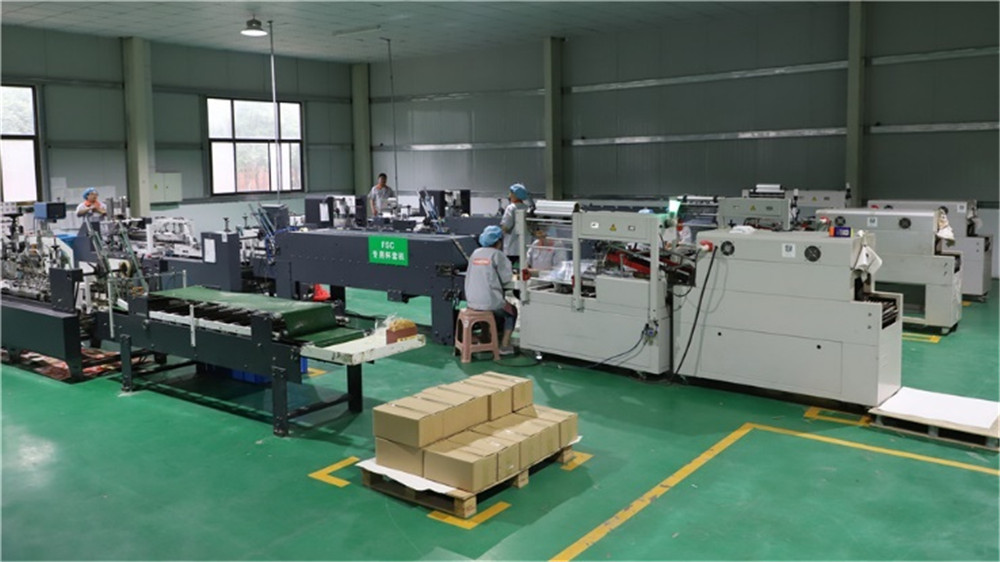
Paper Cup Sleeve Forming Machine
The company is dedicated to a customer-centric philosophy, offering one-stop customization services ranging from product design and material selection to custom printing. This enables clients to build strong, recognizable brand packaging while maintaining sustainability goals. At the same time, we emphasize stable delivery performance and strict quality control to ensure efficient and reliable global supply.
Through continuous improvements in production processes and supply chain management, Shandong PsiPrime Packaging Co., Ltd. enhances both cost efficiency and operational reliability, supporting clients in achieving sustainable growth in competitive markets. Looking ahead, the company will continue investing in innovation in biodegradable materials and expanding the application of compostable products across more industries, working together with global partners to build a low-carbon, environmentally friendly, and sustainable future.
Connect directly with our technical packaging engineers to receive optimized packaging solutions for the Japanese market.
A complete selection of agricultural nets, protective covers, and reusable mesh systems customized for Japanese distribution standards.
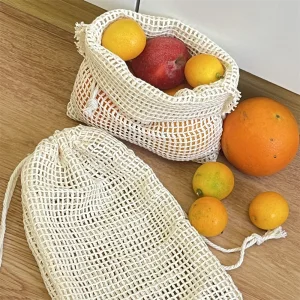
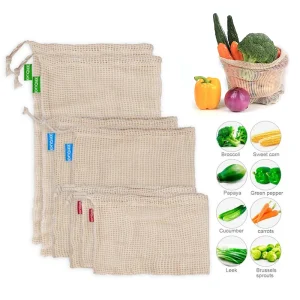
Developing tailored solutions for the distinct stages of the Japanese fresh produce supply chain.
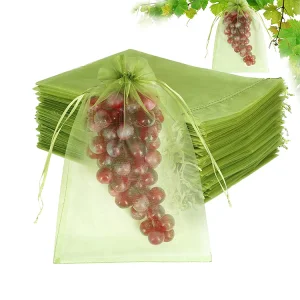
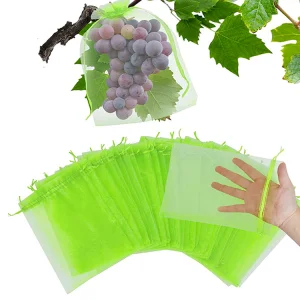
For high-value crops like grapes (Yamanashi Prefecture) and peaches (Fukushima Prefecture), our micro-mesh protective sleeves block insects and birds while maintaining light exposure and ventilation to ensure even skin color.
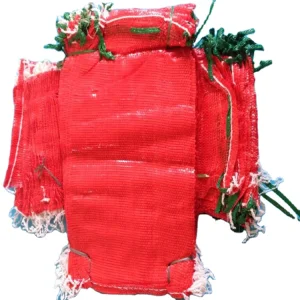
Bulk shipments require packaging that stands up to automated grading and palletized transport. Our heavy-duty Raschel mesh bags feature reinforced seams to prevent tearing during rapid distribution cycles.
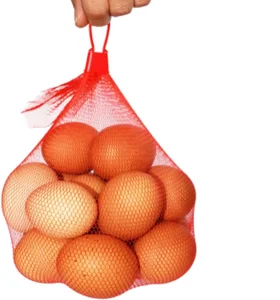
At the consumer level, visual appeal is key. We supply tubular mesh sleeves in custom colors (such as deep red for onions and orange-yellow for citrus) that improve shelf presentation and highlight product freshness.
Additionally, our factory produces customized configurations using UV-stabilized PP and HDPE resins. Exposure to sunlight during logistics and outdoor display can degrade untreated plastics. Our UV-stabilized mesh maintains its tensile strength and color even under continuous exposure, reducing the risk of tearing during transport and handling.
Answering regulatory, structural, and shipping questions for Japanese commercial buyers and agricultural cooperatives.
Yes. All raw polymer resins (HDPE, LDPE, PP, Nylon) and organic pigments we use comply with MHLW Notification No. 196 (and the positive list system implemented under the Food Sanitation Act). We test regularly through certified third parties (like SGS and Intertek) to ensure zero migration of heavy metals, plasticizers, and primary aromatic amines.
Yes. We offer biodegradable configurations made from PLA (polylactic acid) and PBAT blends. These materials decompose into carbon dioxide and water under industrial composting conditions within 180 days, matching the environmental standards required by the Japan Organics Recycling Association (JORA).
We provide full customization, including dimensional width (flat lay 15cm to 80cm), length (cut-to-size or continuous rolls), denier strength (from light consumer wrap to heavy agricultural transport), mesh counts, and drawstring materials. Custom branding labels and tags can also be integrated into the seams.
We use a strict testing system during production. Samples from every batch undergo automated optical inspections for structural defects, followed by mechanical drop and tear testing. We maintain a defect rate of under 0.5%, meeting the quality expectations of Japanese importers.
Our typical MOQ is 100,000 pieces for standard sizes and 200,000 pieces for custom sizes. Standard production lead time is 15 to 25 days following design approval. With our close proximity to Qingdao Port, shipping to major Japanese ports (Kobe, Osaka, Tokyo, Yokohama) generally takes 3 to 5 days, ensuring stable inventory replenishment.
Leverage Shandong PsiPrime Packaging Co., Ltd.'s manufacturing capabilities and quality control processes to optimize your fresh produce packaging systems for the Japanese market.
 PsiPrime Packaging