Explore our premier selections optimized for the Maldivian luxury hospitality sector, combining extreme marine compatibility with functional durability.
The Republic of Maldives—renowned for its breathtaking coral reefs, unique marine biodiversity, and ultra-luxury overwater villa resorts—is at the forefront of the global movement against plastic pollution. Under the Maldives Environmental Protection Act and the national initiative to phase out single-use plastics (SUPs) by 2023, the importation, distribution, and utilization of non-biodegradable plastics have faced strict prohibitions. This regulatory sea change has transformed the Maldivian resort market from a traditional consumer of low-cost plastics to one of the world's most demanding procurement hubs for high-performance, marine-safe, compostable tableware.
Operating a luxury hospitality property in the Maldives introduces specialized supply chain challenges. Unlike mainland hospitality, Maldivian resorts are scattered across isolated atolls, separated by extensive open water. Tableware, cutlery, and packaging must undergo prolonged transit times involving sea freight from China, customs clearance at Malé, and subsequent transfer via local dhonis (traditional transport vessels) or speedboats. The high relative humidity (frequently exceeding 80%), combined with saline marine air, accelerates the degradation of low-quality bio-plastics. Consequently, global resort brands mandate hydrophobic structural integrity, long shelf life under tropical storage conditions, and strict marine biodegradation properties to safeguard the surrounding coral ecosystems.
Procurement departments of international luxury hotel chains operating in the Maldives (such as Marriott, Hilton, Soneva, and Four Seasons) require rigorous certifications. Eco-friendly cutlery imports must satisfy specific technical standards:
Bridging the gap between scale, ecological compliance, and cost-effective distribution for the Maldives market.
Utilizing state-of-the-art thermoforming, high-pressure molding, and precise mechanical cutting lines. Our facility operates under cleanroom-standard automation, ensuring absolute hygiene and dimensional consistency across millions of units.
From laser-engraved luxury logos on birchwood handles to custom-designed kraft paper sleeves, we provide deep bespoke options. Align your plastic-free goals with a premium brand experience that resonates with eco-conscious travelers.
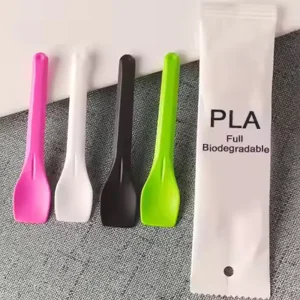
Specially engineered primary packaging prevents moisture ingress, keeping products pristine during long voyages. Individually wrapped paper or PLA options ensure complete sterility for beachside banquets and fine dining venues alike.
A comprehensive view of our specialized machinery and multi-stage testing processes, maintaining strict global environmental certifications.
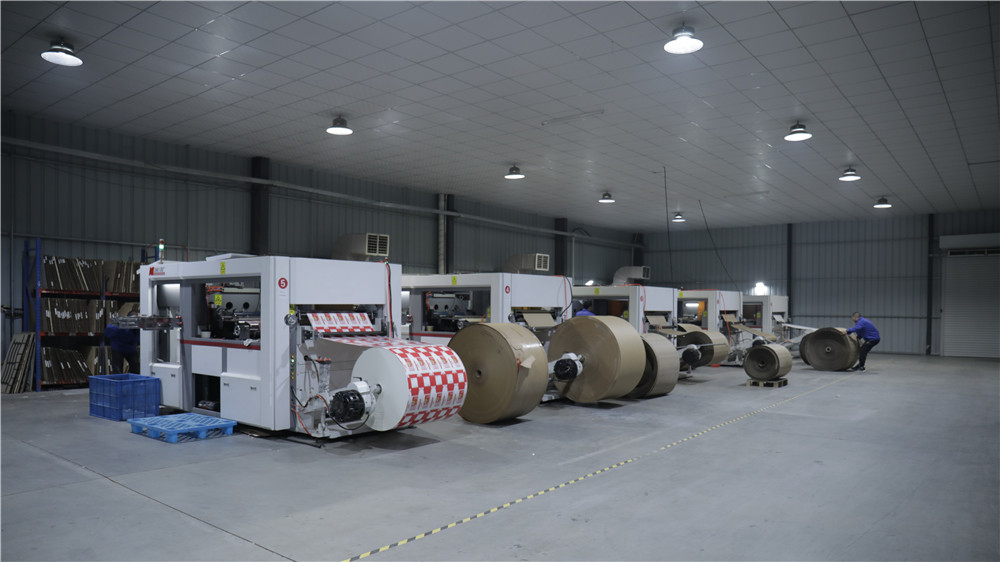
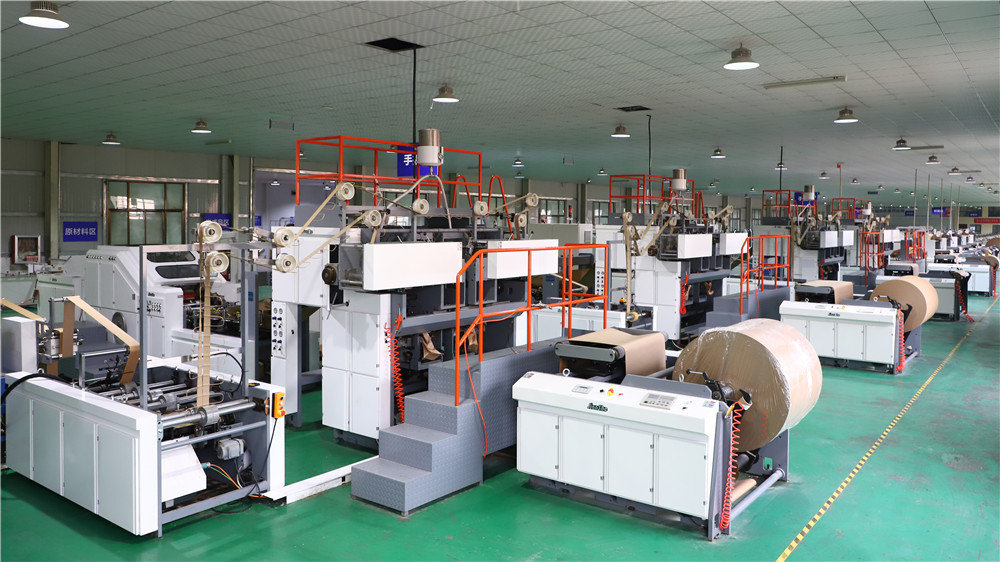
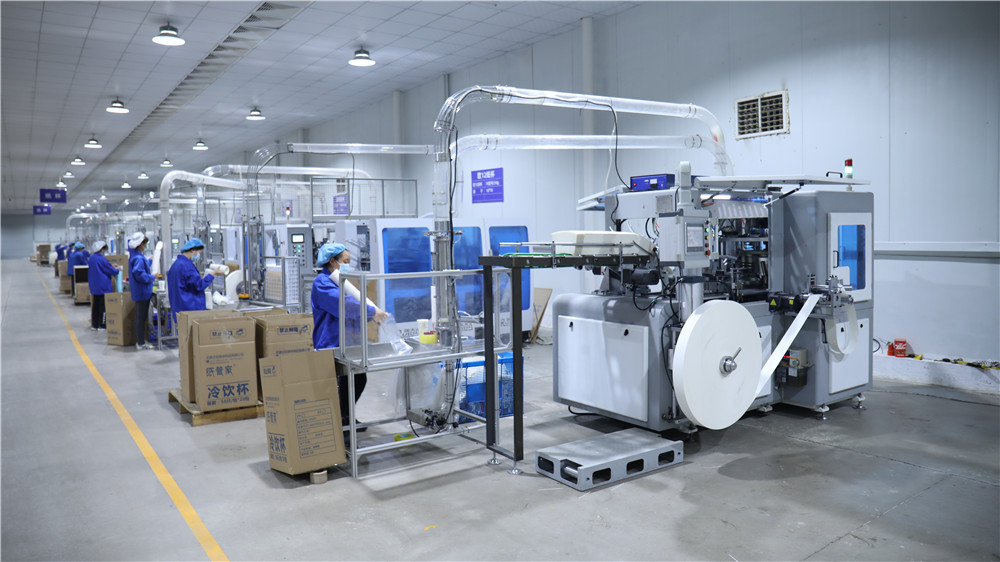
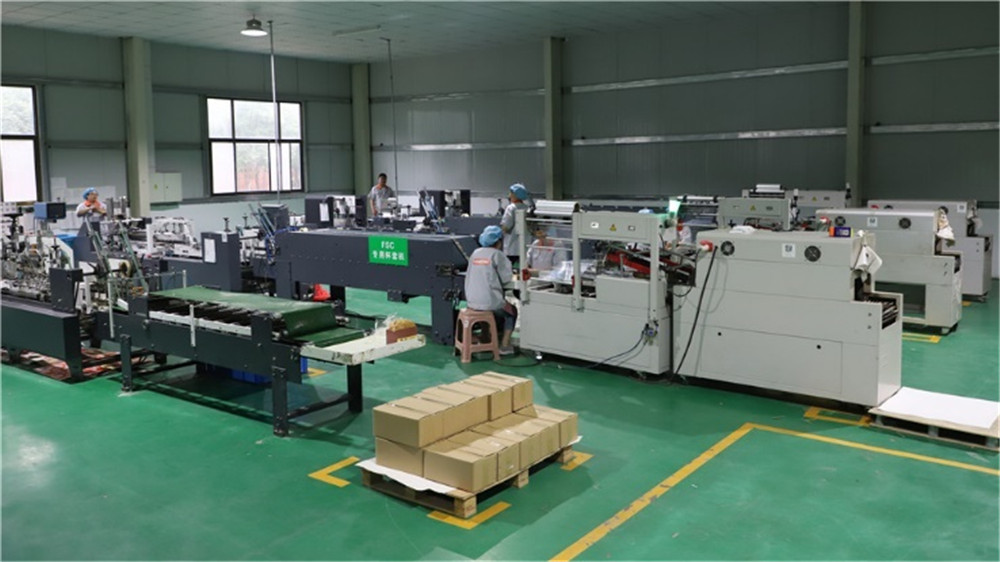
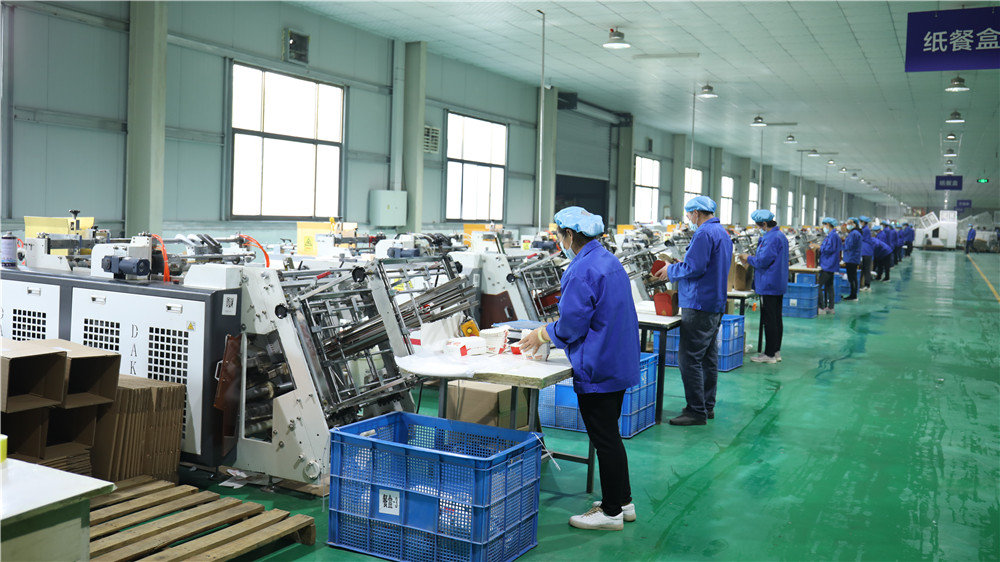
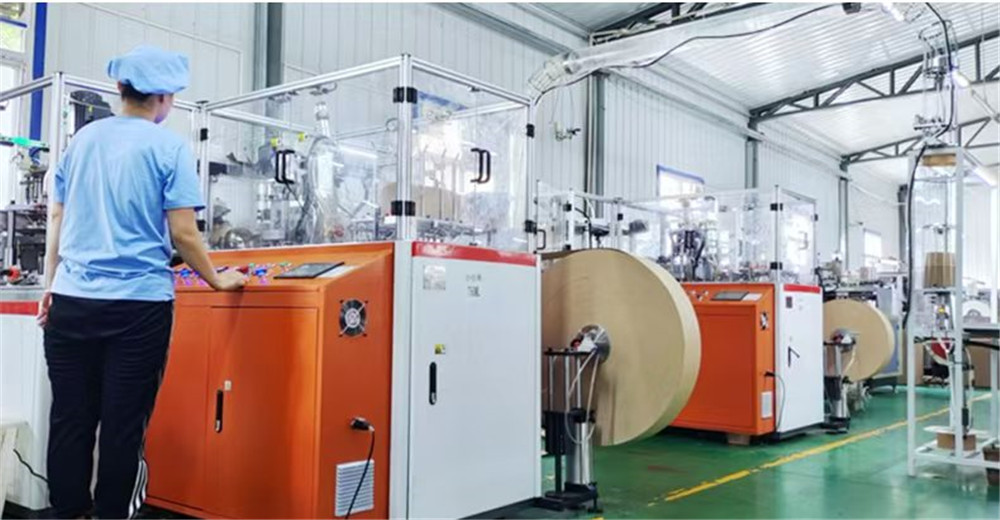
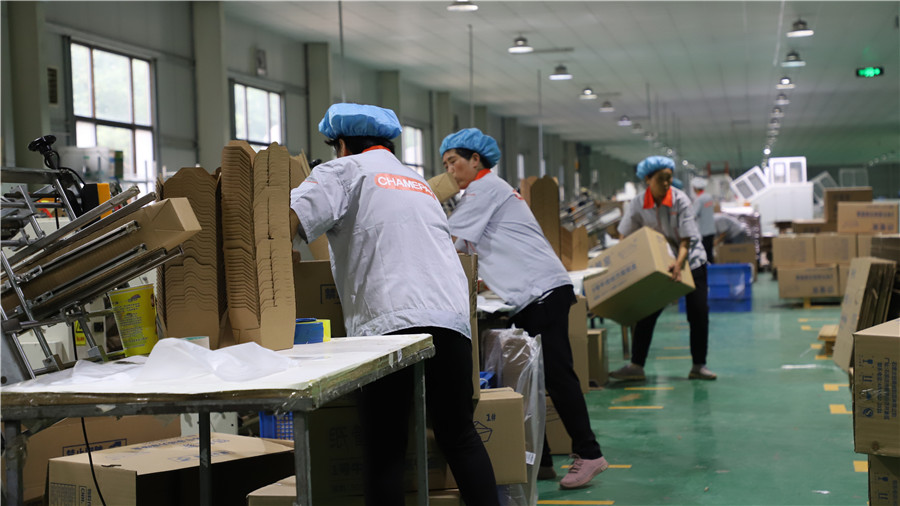
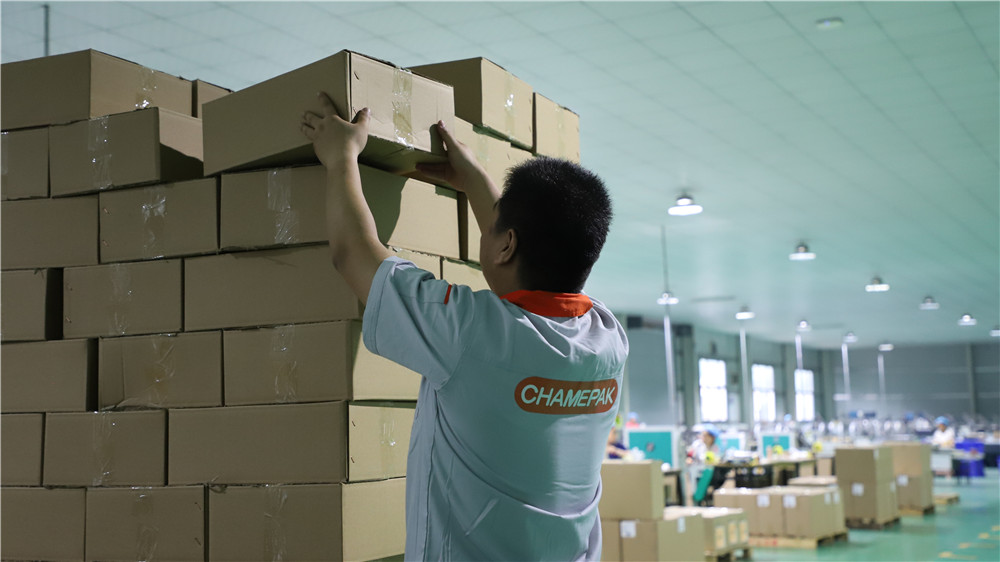
Our specialized machinery forms raw birch wood veneers and bamboo fibers under precise temperatures. This process increases tensile strength by up to 25%, preventing splintering and breaking when used with demanding menu items.
We utilize state-of-the-art CNC CO2 lasers to etch resort logos directly onto the wood without using chemical inks. This keeps the product 100% compostable and organic.
Eliminating traditional plastic adhesives. Our paper bags, hot cup sleeves, and wraps are fused using high-frequency ultra-sonic welds, maintaining structural integrity even when exposed to high heat and steam.
Our products are designed to deliver reliable performance across diverse, high-humidity food service scenarios throughout the archipelago.
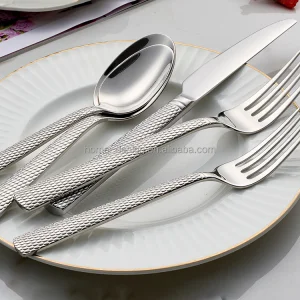
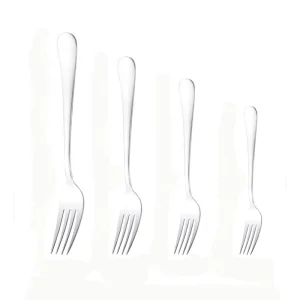
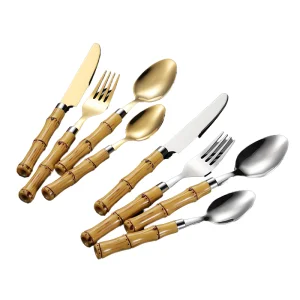
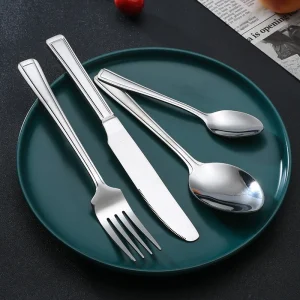
Provide premium-weight, highly polished reusable or compostable cutlery. Our Portuguese-style stainless steel flatware pairs seamlessly with high-end culinary presentations, offering refined aesthetics and resistance to saline ocean air.
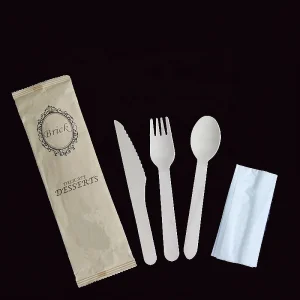
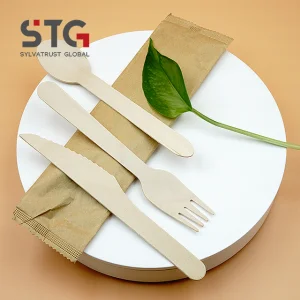
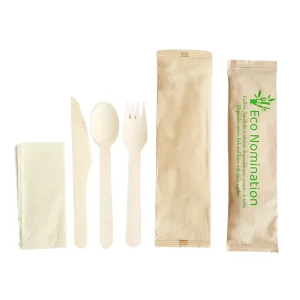
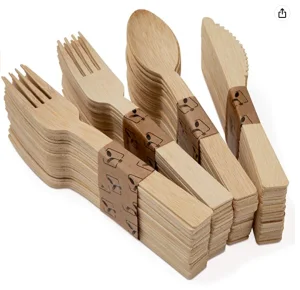
Lightweight, zero-plastic wooden cutlery sets packaged in water-resistant kraft paper. Perfectly matches the organic aesthetic of sandbank excursions, degrading naturally without leaving trace residues in the surrounding biosphere.
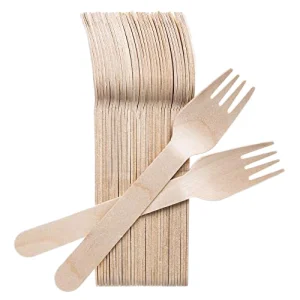
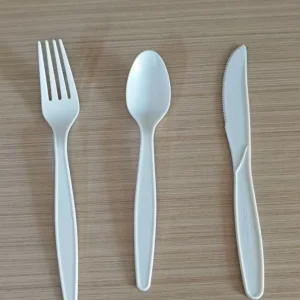
Durable CPLA and wooden cutlery optimized for takeaway and food delivery platforms. Standard dimensions and highly competitive bulk pricing help local fast-food chains and urban cafes comply easily with municipal plastic bans.
Select from our certified ranges, customized for regional distributors, resort purchase coordinators, and international yacht charters.
The biodegradable dinnerware sector is shifting away from first-generation starch compounds to more advanced biomaterials and smart barrier coatings. For Maldives resorts, where guest experience must remain uncompromisingly premium, structural failures—such as a spoon softening in hot soup or a fork bending under mechanical pressure—can harm resort brand value. Research and development at Shandong PsiPrime Packaging Co., Ltd. focuses on addressing these concerns through several material engineering innovations:
Traditional eco-friendly paper packaging often relies on hidden plastic films (like PE or PLA) for hot-liquid barrier protection. While PLA is industrially compostable, it does not easily degrade in cold marine environments. To address this, our factory utilizes advanced Aqueous Barrier Coatings (water-based emulsion coatings). This process applies a thin, water-repellent barrier directly to our paper structures. It biodegrades in soil and marine environments similarly to unprinted paper, while providing excellent resistance to hot oils and liquids.
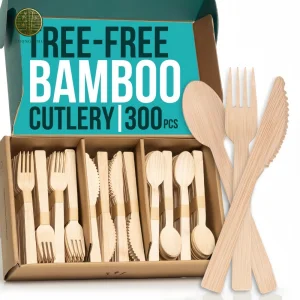
In close proximity to the sensitive marine reserves of the Maldives, natural woods (like Birchwood and Bamboo) offer distinct ecological advantages over bioplastics. Birchwood has naturally tight fibers, allowing it to be smoothed and shaped purely through mechanical compression without chemical coatings. This yields chemical-free utensils that are fully functional, water-resistant, and break down quickly if exposed to sea water. Bamboo, a fast-growing grass, provides higher tensile strength than softwoods, making it a reliable option for heavier culinary uses.
While standard PLA softens at around 55°C (131°F), making it unsuitable for hot coffee or tea in warm tropical climates, crystallized PLA (CPLA) is formulated to withstand temperatures up to 85°C (185°F). Crystallizing the PLA polymer chain significantly increases heat deflection temperatures, offering a reliable plant-based option for hot beverages and meals at resort dining venues.
Crucial technical, logistics, and material information for Maldives hospitality procurement managers.
 PsiPrime Packaging