The Republic of Kiribati, comprising 32 atolls and one raised coral island, stands at the absolute frontline of global climate change and marine conservation. As a nation deeply dependent on its marine resources, managing solid waste is one of the most critical challenges facing municipalities like South Tarawa. Traditional petroleum-based plastics are highly persistent, fragmenting into microplastics that directly contaminate the fragile lagoon ecosystems and pelagic fisheries that sustain Kiribati's food security.
In response to these localized environmental pressures, Kiribati’s public sector and local tourism boards are rapidly moving toward the adoption of strict eco-friendly import guidelines. Transitioning from non-recyclable expanded polystyrene (EPS) and single-use plastics to certified 100% compostable and biodegradable materials is no longer just a corporate social responsibility initiative—it is a critical requirement for maintaining ocean health, preventing landfill overflow in restricted island geographies, and supporting the thriving domestic eco-tourism and fisheries sectors.
Because Kiribati lacks high-temperature industrial composting infrastructure, the selection of materials is highly critical. Shandong PsiPrime focuses on providing 100% naturally compostable bagasse (sugarcane pulp) and compostable paper food packaging, which can break down safely under backyard soil compost conditions or home composting setups within 90 to 180 days.
Shandong PsiPrime Packaging Co., Ltd. is a globally recognized pioneer in sustainable material sciences and the volume manufacturing of high-performance food-grade packaging. We operate with a firm commitment to the global "plastic substitution" initiative, developing technical pathways that ensure zero microplastic output during degradation. Our advanced production facilities are equipped to handle high-precision thermal molding and custom packaging design for the food service, hotel, and retail packaging sectors.
By combining raw material processing, clean energy production lines, and strict quality control standards, we enable international businesses to build recognizable, eco-conscious brands. From initial design consulting and barrier coating formulation to customized high-definition printing and maritime shipping coordination, we offer a comprehensive one-stop supply chain solution.
Not all biodegradable packaging behaves identically. To maximize ecological benefits in Kiribati's warm, humid oceanic climate, selecting the appropriate material substrate is imperative. Below is an engineering overview of our primary product lines:
| Material Base | Technical Characteristics | Ideal Degradation Environment | Suitability for Kiribati |
|---|---|---|---|
| Sugarcane Bagasse Pulp | 100% agricultural byproduct fibers. Natural wet strength, high structural rigidity, oil/water repellent. | Home composting, open soil exposure, marine environments (leaves no toxic residue). | Excellent (Best Choice): Readily composts in tropical soils without specialized high-heat machinery. |
| PLA (Polylactic Acid) | Bioplastic derived from fermented plant starch (corn). Transparent, crystal clear, highly moisture-resistant. | Requires Industrial Composting Facilities (58°C+ temperature and high humidity controls). | Moderate: Best restricted to temperature-controlled applications and closed recovery loops. |
| Kraft Paper (Unbleached) | Long-fiber wood pulp. Outstanding tensile strength. Lined with bio-coatings (PLA or aqueous dispersion). | Naturally degrades in soil or landfill environments within 2-4 months depending on coating type. | Highly Recommended: Excellent for dry foods, street food vendors, bakery goods, and hot soups. |
| Bamboo Fiber | Fast-growing woody grass crop. Extremely high mechanical strength and thermal stability. | Composts in typical soil matrices within 120-180 days. | Excellent: High durability option for institutional dining, high-traffic resorts, and maritime use. |
The introduction of eco-friendly, biodegradable containers aligns with the unique industrial demands of Kiribati's key commercial operations:
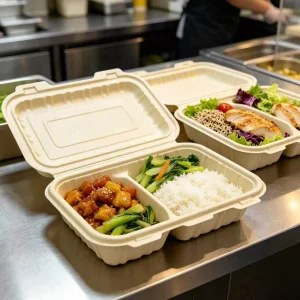
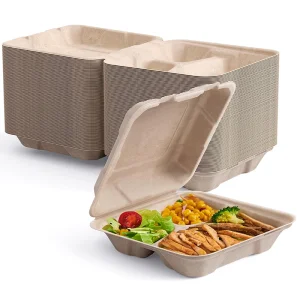
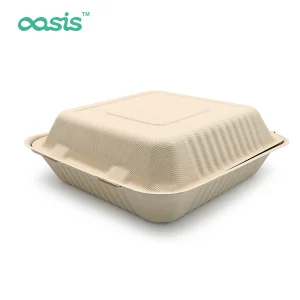
Resorts in Kiribati cater to international environmentalists and luxury travelers seeking pristine natural habitats. Offering takeaway breakfasts and beachfront picnic baskets using high-end, embossed sugarcane clamshells reinforces a premium sustainability brand, protecting fragile lagoon corals from plastic contamination.
From raw tuna, reef fish, to local agricultural produce sold in urban centers, food-contact safety and oil resistance are critical. Our hot-pressed leak-proof bowls and multi-compartment containers serve as highly functional, clean packaging that complies fully with public health sanitation requirements.
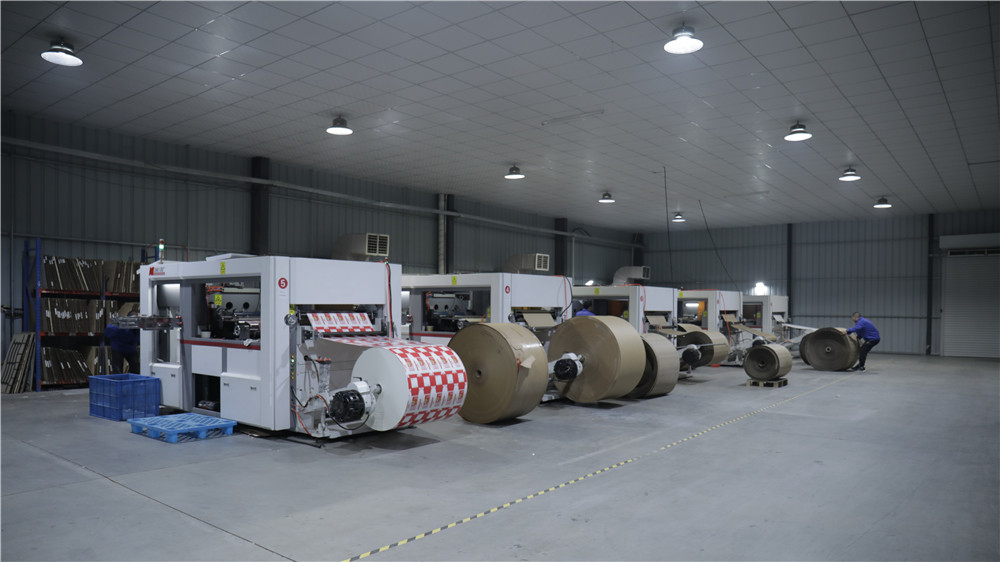
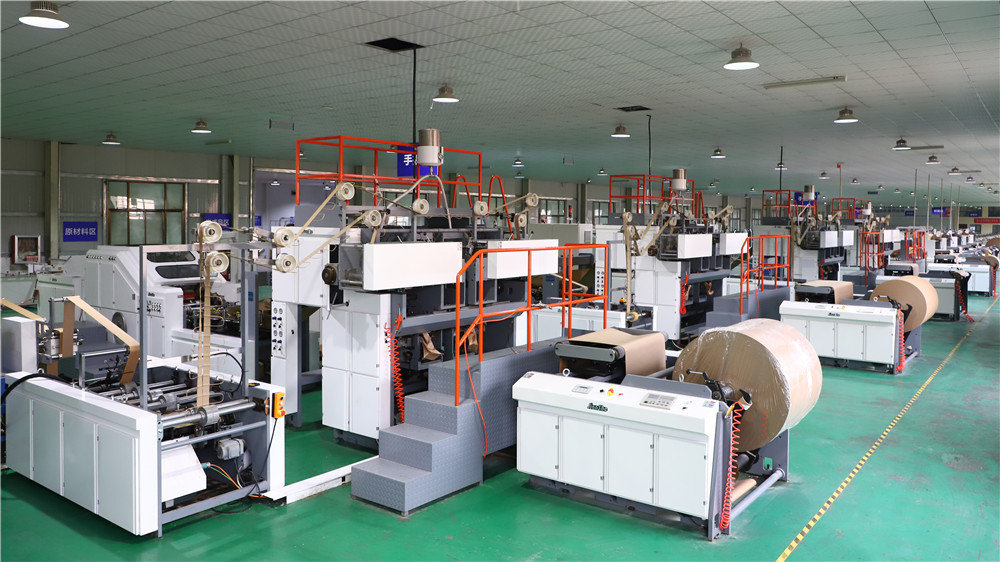
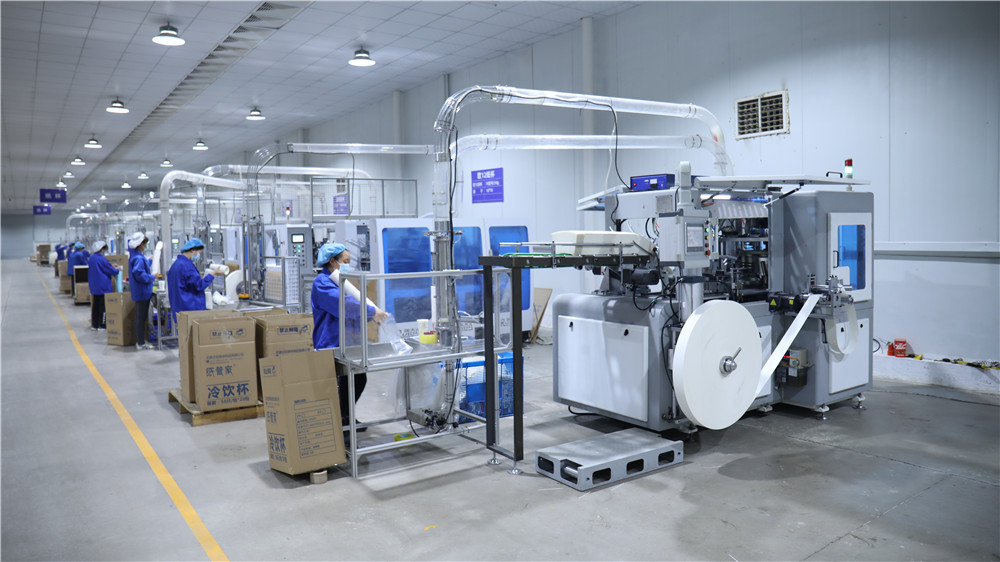
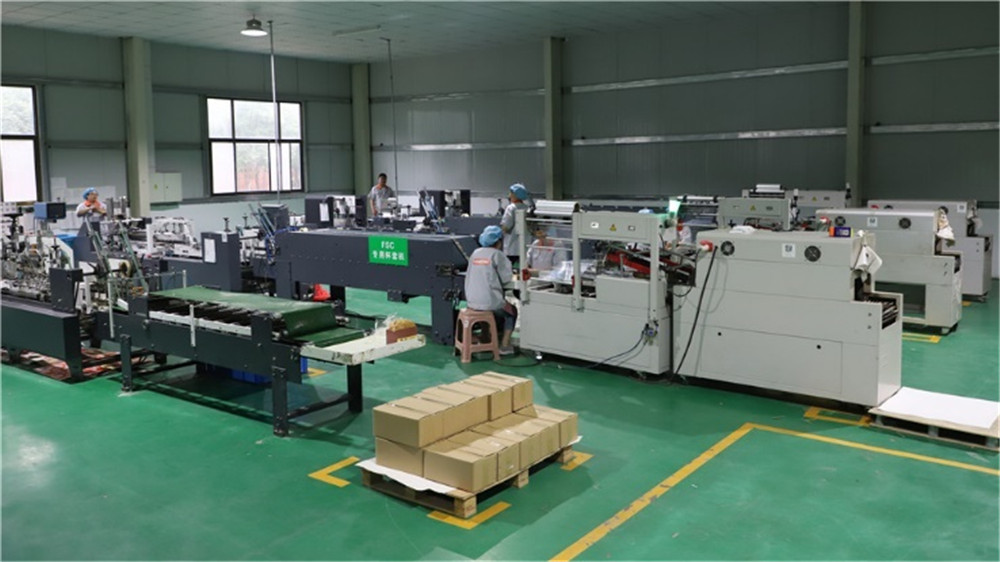
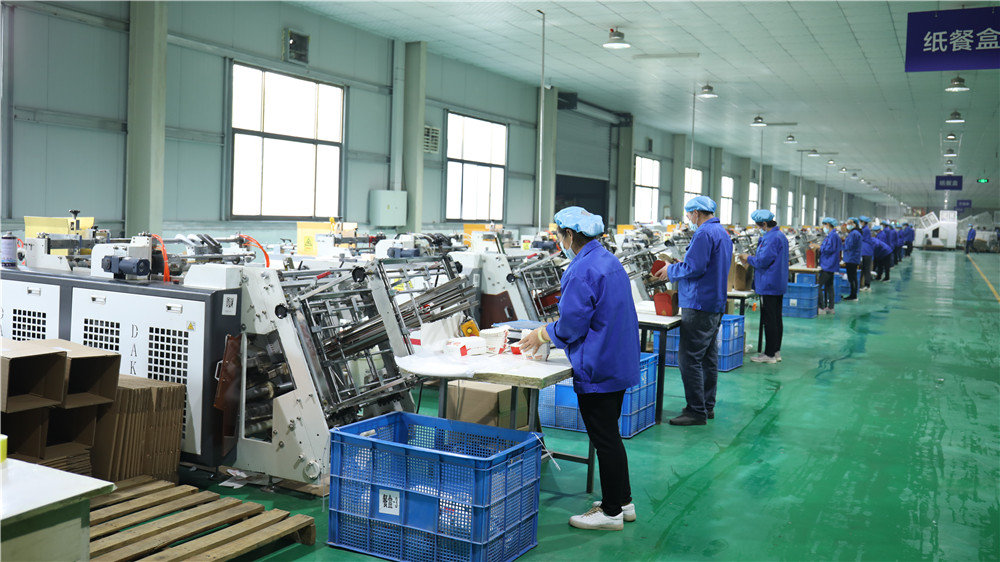
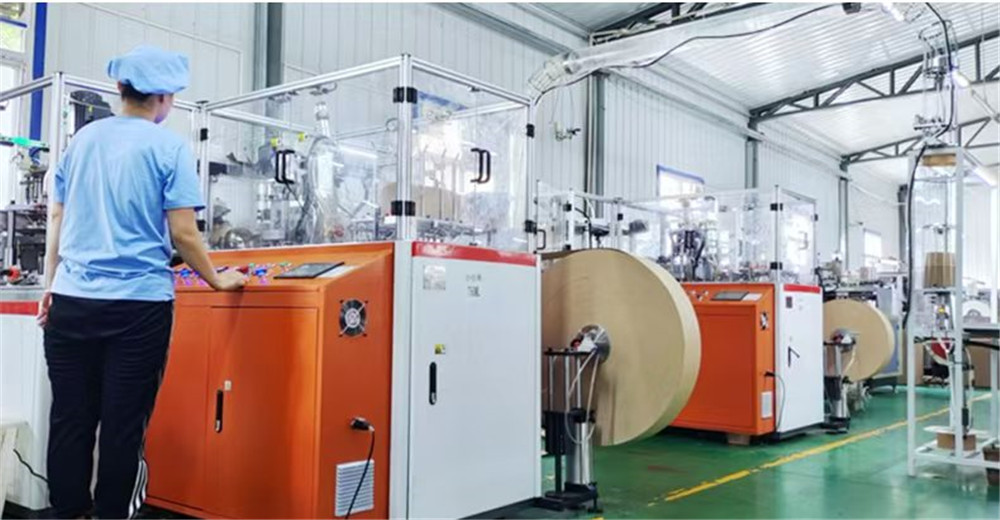
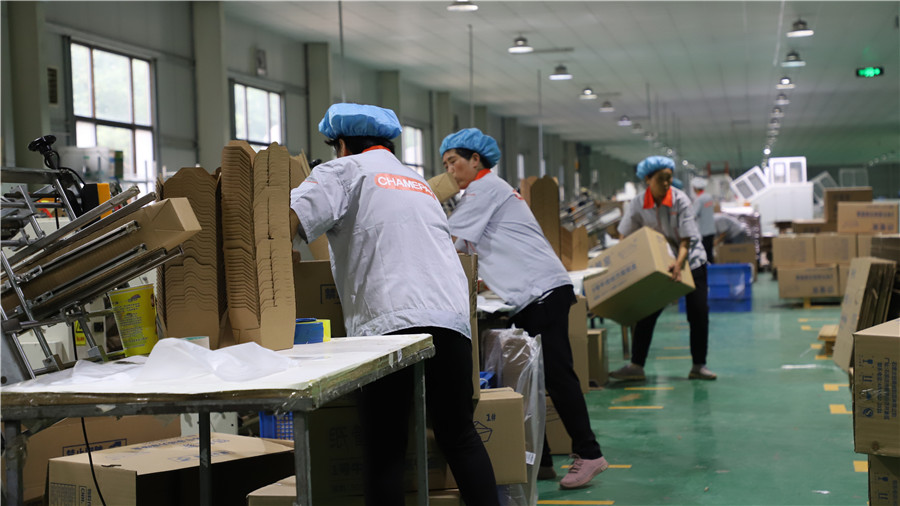
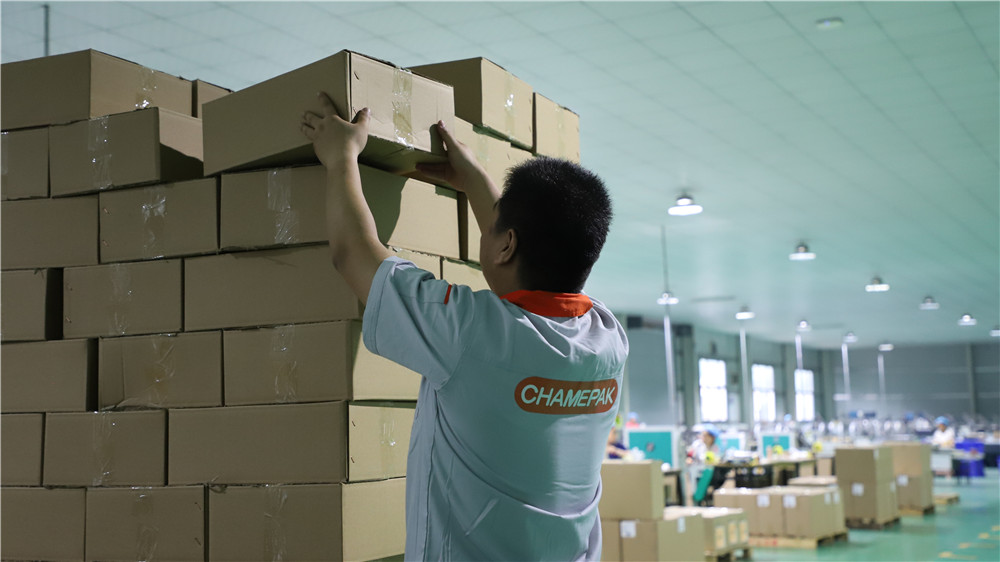
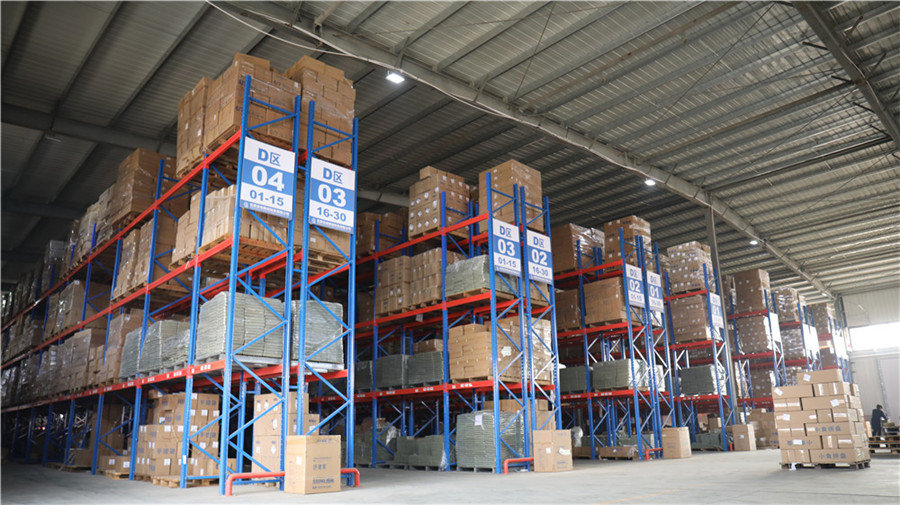
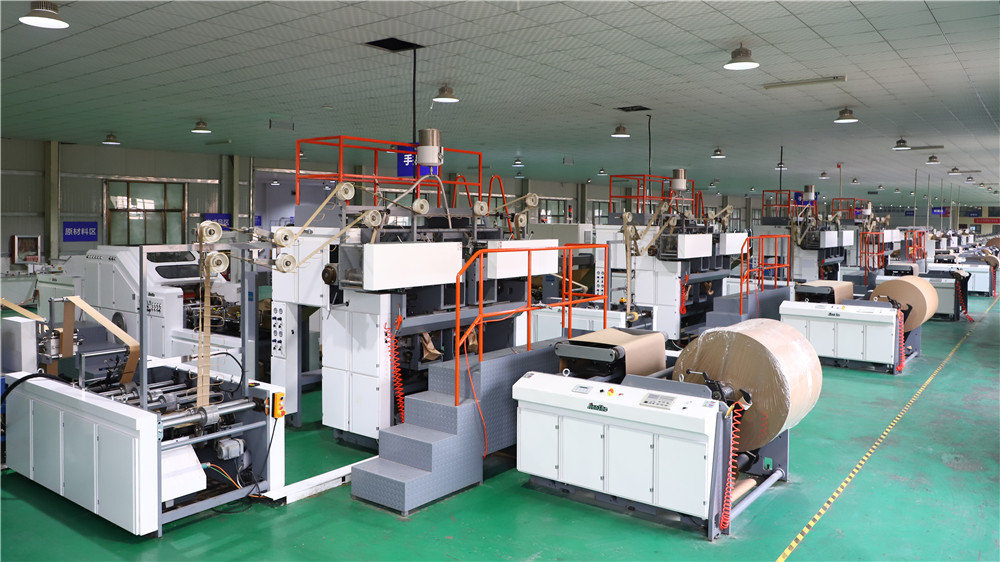
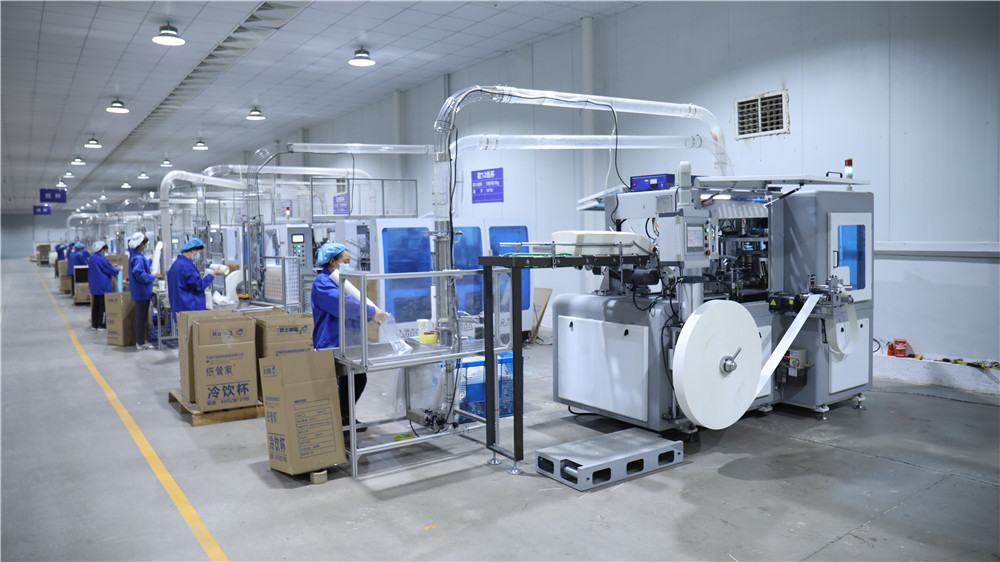
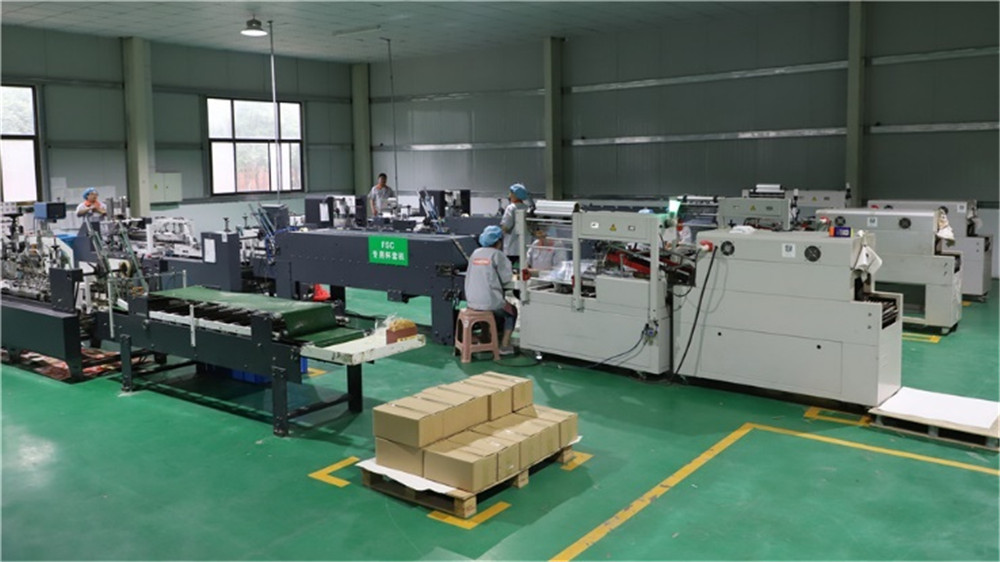
Take a look inside the modern Shandong PsiPrime production ecosystem. Every manufacturing stage is automated to prevent manual contamination and secure steady wholesale throughput.
Importing bulky eco-friendly packaging to isolated Pacific Island nations requires a strategic logistical roadmap to control landed costs and secure consistency of inventory:
Shandong PsiPrime utilizes key departures from Qingdao Port, China's premiere shipping hub. We coordinate consolidated shipping configurations (Less than Container Load - LCL) and Full Container Loads (FCL) transiting through regional Pacific hubs such as Suva (Fiji) or Brisbane (Australia) to guarantee direct delivery into Betio Port, South Tarawa.
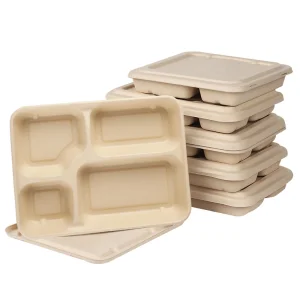
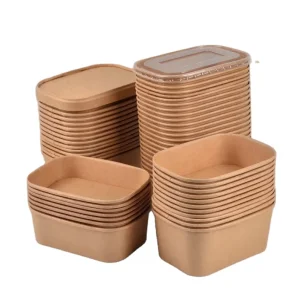
Ocean freight cost is calculated based on volume. Our folding paper boxes and nesting sugarcane trays are structurally designed to ship nested or flat. This maximizes container utilization density, saving Kiribati businesses up to 35% on logistics costs compared to imported rigid plastic containers.
Sailing across tropical marine paths exposes paperboard products to extreme relative humidity. Every pallet shipped from Shandong PsiPrime is vacuum-sealed with heavy-gauge LDPE protective stretch film and paired with premium silica gel desiccants to guarantee that the biodegradable goods arrive crisp, sterile, and structurally sound.
We accommodate the unique purchasing scale of island distributors, offering flexible MOQ structures. Our automated lines produce and dispatch container-level shipments within 15 to 25 working days, ensuring your domestic supply chain never runs dry.
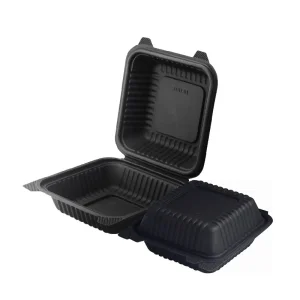
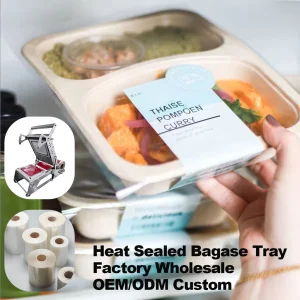
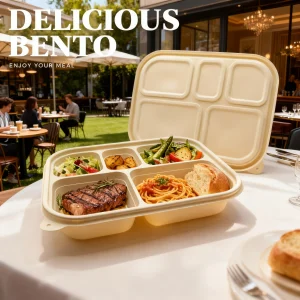
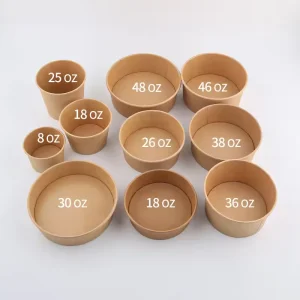
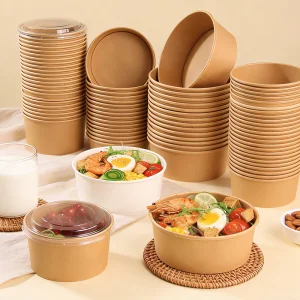
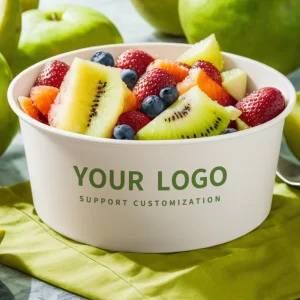
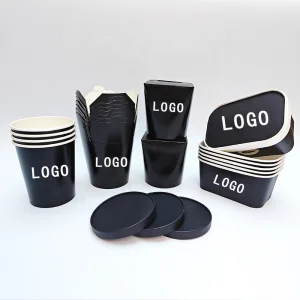
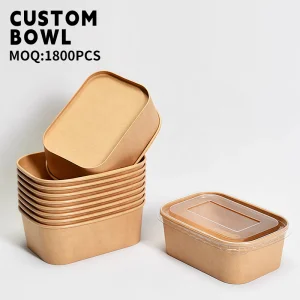
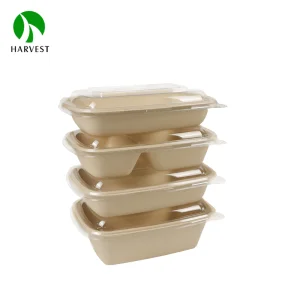
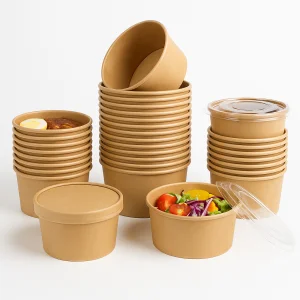
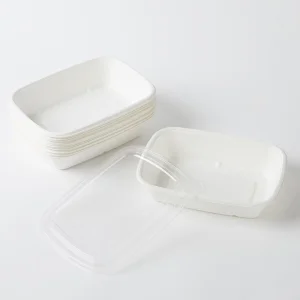
Our secondary catalog features robust sugarcane pulp, renewable bamboo, and unbleached kraft paper containers tailored for heavy-duty food delivery.
To assist procurement directors and environmental regulation officers in Kiribati, we have compiled detailed solutions addressing international supply logistics and technical specifications.
Sugarcane bagasse is composed of natural cellulose fibers. Unlike synthetic polymers or industrial-grade PLA, bagasse containers do not require high-temperature industrial treatment facilities. When discarded in local backyard soil piles or tropical environments, ambient moisture, warmth, and natural soil microbes degrade the packaging into organic compost within 90 to 180 days, leaving zero toxic chemical residues.
Yes. Our sugarcane pulp and kraft paper bowls are treated with food-grade moisture and oil repellent linings. They can safely handle hot foods and liquids up to 120°C (such as local stews, soups, and hot fried seafood) without structural sagging or leaking.
We offer certified "PFAS-Free" products in our eco-friendly catalog. These products are manufactured using proprietary organic formulations that comply with strict North American and European Union health directives, preventing harmful fluorinated compounds from entering Kiribati's vulnerable water table.
Production typically takes 15 to 25 days depending on the volume and customization needs. Ocean transit time from Qingdao Port to Betio Port, South Tarawa generally spans 30 to 45 days, depending on shipping line schedules and transshipment connections in Fiji or Australia. We advise our clients in Kiribati to plan orders 2 to 3 months in advance to maintain safe, steady inventory levels.
Absolutely. We support high-definition custom flexographic printing using eco-friendly, water-based inks. You can print brand logos, QR codes, or custom patterns directly on the kraft paper containers and sugarcane boxes to showcase your business's environmental commitment.
Contact our specialized technical engineering and export logistics team today. We provide free material samples, custom layout proofs, and competitive wholesale CIF shipping quotes direct to Kiribati ports.
Send Inquiry Now PsiPrime Packaging