Explore our foundational range of certified food service packaging solutions, from customizable paper cups and bagasse plates to specialized industrial boxes.
How Modern Food Packaging Infrastructure Adapts to Environmental Pressures, Microplastic Bans, and Enhanced Thermal Mechanics.
In the contemporary global food supply chain, packaging represents more than a functional containment unit. It acts as an active preservation system, a marketing canvas, and a direct reflection of corporate sustainability initiatives. In particular, the demand for **waxed food containers**, greaseproof wraps, and structural compostable bases has grown significantly. Globally, foodservice brands are eliminating traditional petroleum-based polymers and fluorinated chemicals (PFAS) in favor of vegetable-based, bio-wax, and water-based barrier options.
The Search Quality Rater Guidelines from Google place a major emphasis on *Information Gain*—delivering original, data-driven, and highly specialized content rather than recycling basic industry copy. From a materials science perspective, the technology behind waxed food containers hinges on moisture vapor transmission rate (MVTR) control, Cobb values (evaluating water absorption capacity over a set duration), and structural stability under varying temperatures. This whitepaper analyzes the capabilities, compliance criteria, and supply chain strategies of the world's leading manufacturers of food containers and protective packaging liners.
“Regulatory shifts, notably the EU’s Single-Use Plastics Directive (SUPD) and individual state-level mandates across the US, are forcing a complete rewrite of specifications for foodservice procurement. Companies must secure certified suppliers capable of matching scale, strict certifications, and localized customization.”
Historically, paraffin wax was the standard for dry-wax and wet-wax food wrapping because of its low cost and water-repellent properties. However, because paraffin is a petroleum byproduct, it faces scrutiny in modern circular economies. The global packaging sector is transitioning to three core coating architectures:
Soy-wax, carnauba wax, and beeswax formulations. These provide solid grease barrier performance and are compostable in industrial settings. They are ideal for wrapping baked goods, deli items, and fast-serve foods.
Polyethylene (PE) coating provides high-strength barrier for hot beverages and greasy meals, but complicates recycling. Polylactic Acid (PLA) serves as a biodegradable alternative, offering excellent moisture protection and thermal resistance.
Also known as "plastic-free" barriers. These use water-based polymer dispersions applied to paperboard, making the final container easy to recycle in standard pulping systems while maintaining grease and oil resistance.
Ensuring legal compliance across key jurisdictions: USA (FDA), Europe (EC), and local Extended Producer Responsibility (EPR) schemas.
For multinational food brands, sourcing container systems is not just about unit costs. It relies heavily on strict compliance verification. A single regulatory failure can lead to costly border delays, fines, and damage to brand reputation. Different markets require specific certifications to ensure materials are safe for direct food contact and meet environmental claims.
| Region | Primary Regulatory Standards | Focus Areas | Verification Requirements |
|---|---|---|---|
| United States | FDA 21 CFR (e.g., Section 176.170, 176.180), California Proposition 65 | Direct contact limits, heavy metal presence, restriction of added PFAS. | FDA food-grade compliance certification, third-party laboratory reports. |
| European Union | EC No 1935/2004, EU No 10/2011, Single-Use Plastics Directive (SUPD) | Overall migration limits (OML), plastic reduction mandates, specific migration limits (SML). | Declaration of Conformity (DoC), EN 13432 certification for compostability. |
| Germany | BfR Recommendation XXXVI (Paper, Cardboard, and Cartonboard) | Transfer of substances from packaging to food, sensory evaluations (taste/odor transfer). | Robinson Test verification, chemical residue analyses. |
| Global Standards | ISO 9001 (Quality Management), ISO 22000 / FSSC 22000 (Food Safety) | Hygiene, supply chain transparency, quality control in cleanroom environments. | Accredited third-party audits, factory trace logs. |
When selecting a manufacturer, procurement directors should request certified documentation from internationally accredited testing bodies such as SGS, TÜV Rheinland, or Intertek. It is also important to verify that the supplier uses forest fibers from certified sustainable sources (FSC or PEFC) to guarantee responsible environmental stewardship throughout the product lifecycle.
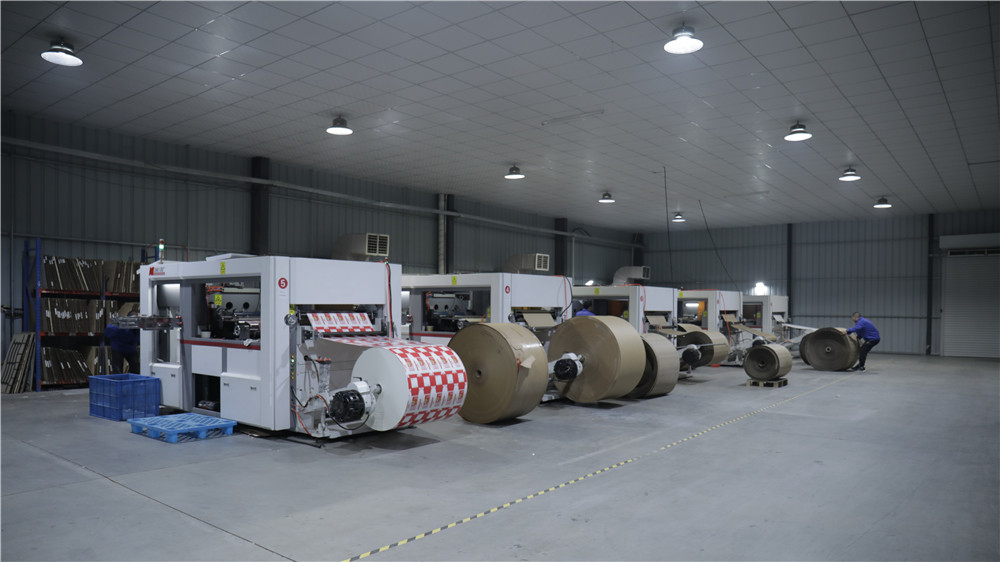
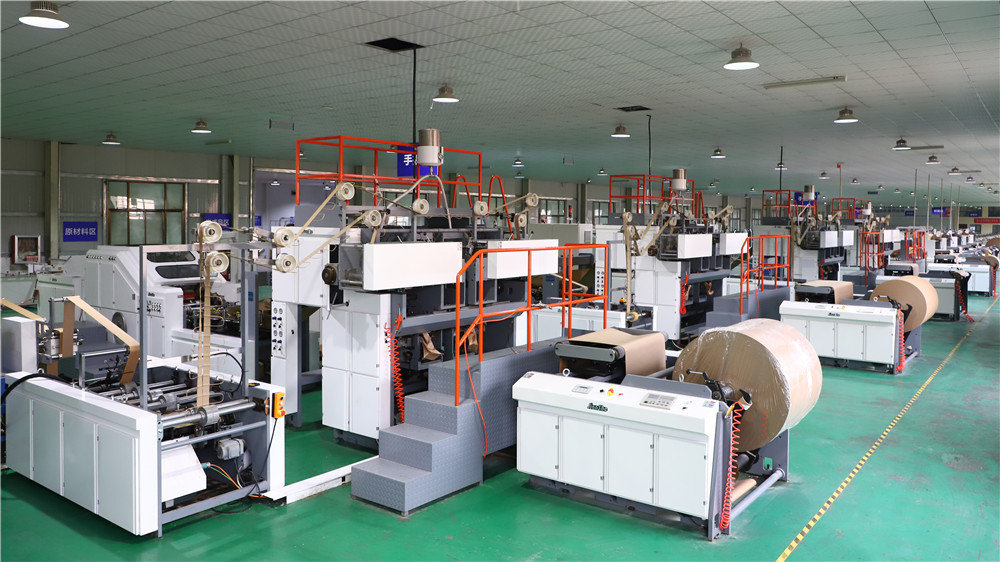
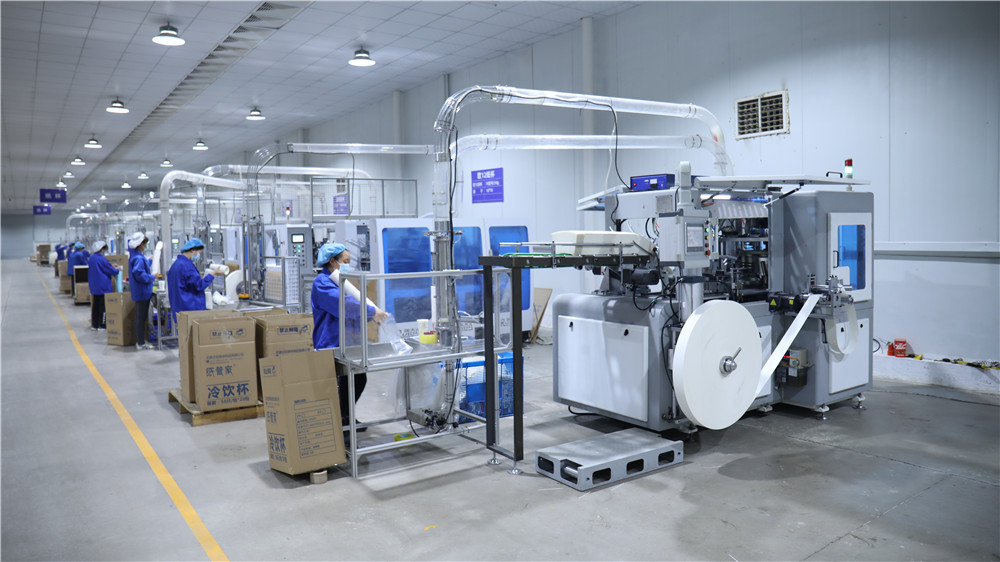
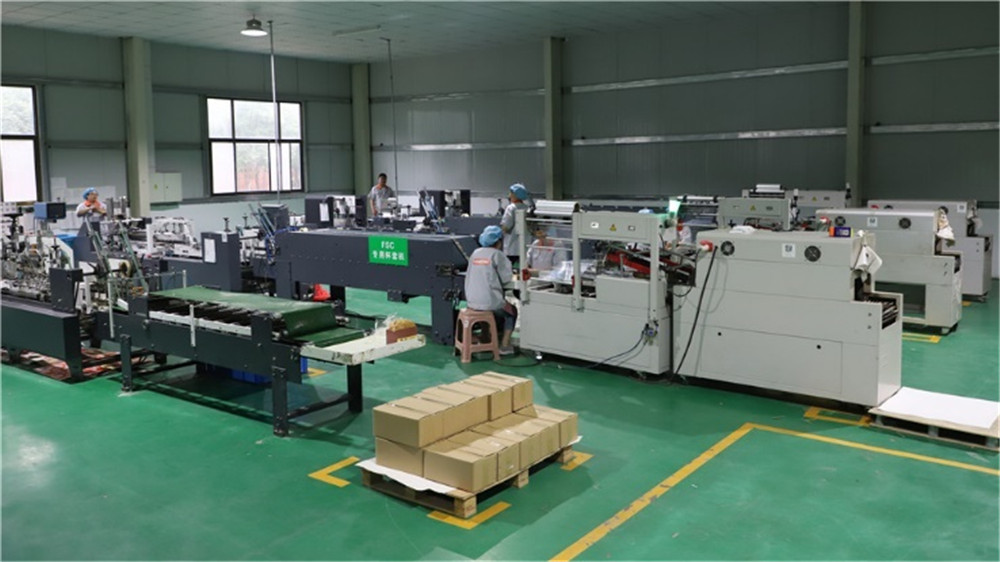
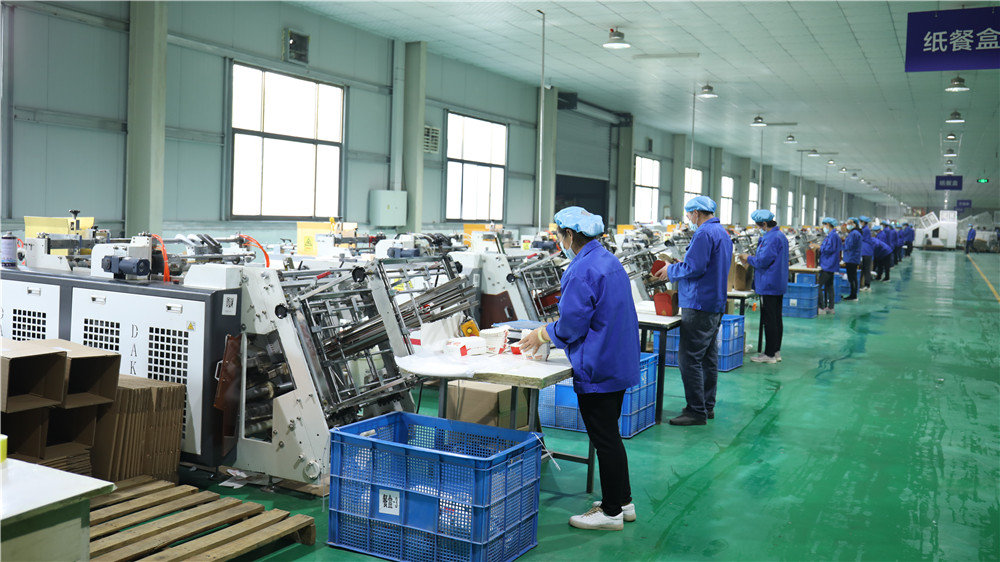
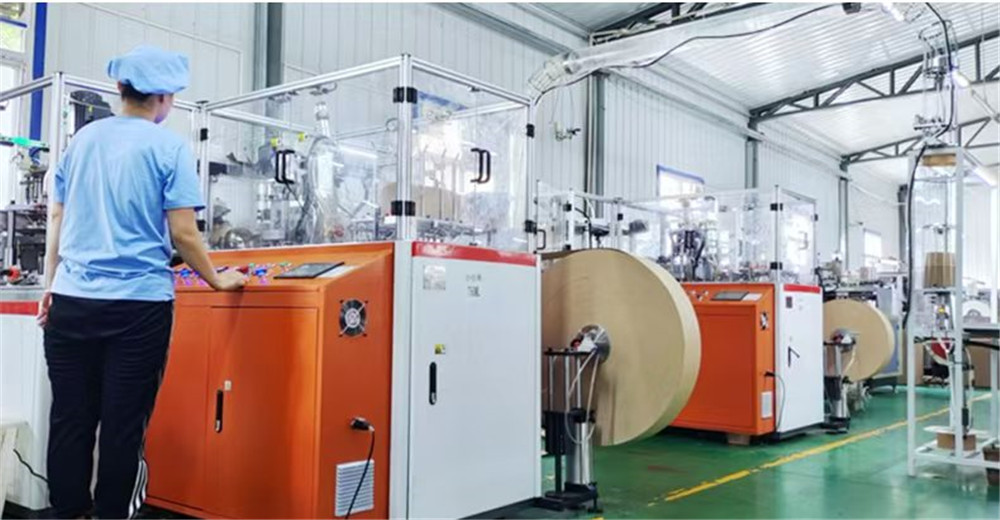
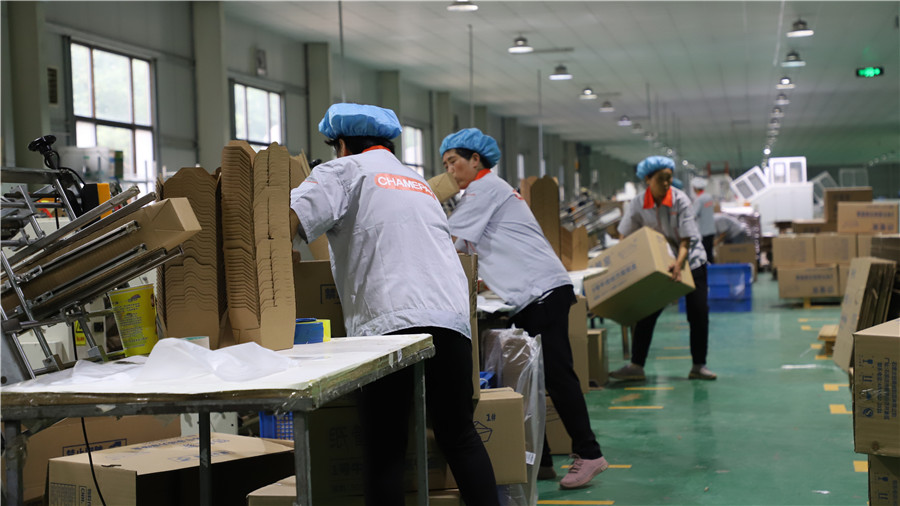
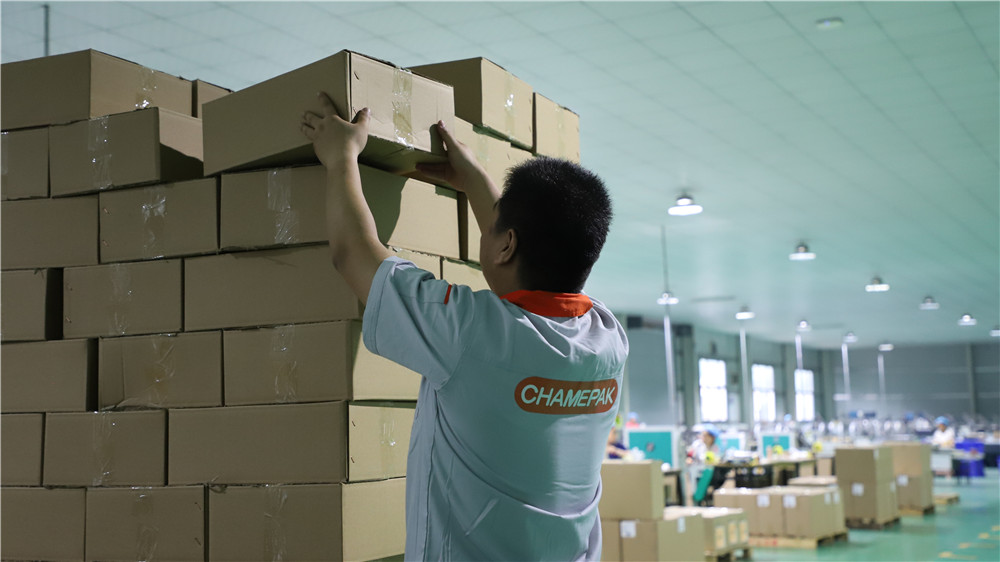
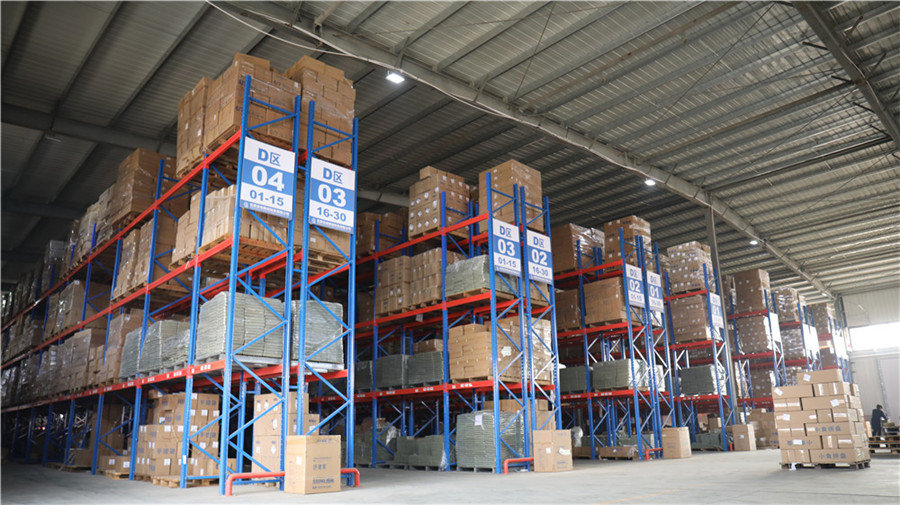
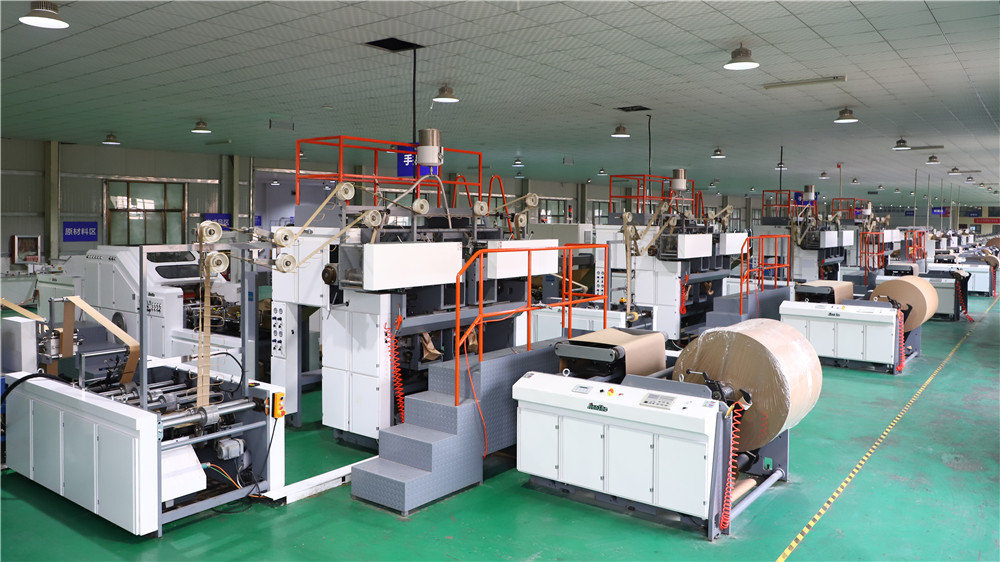
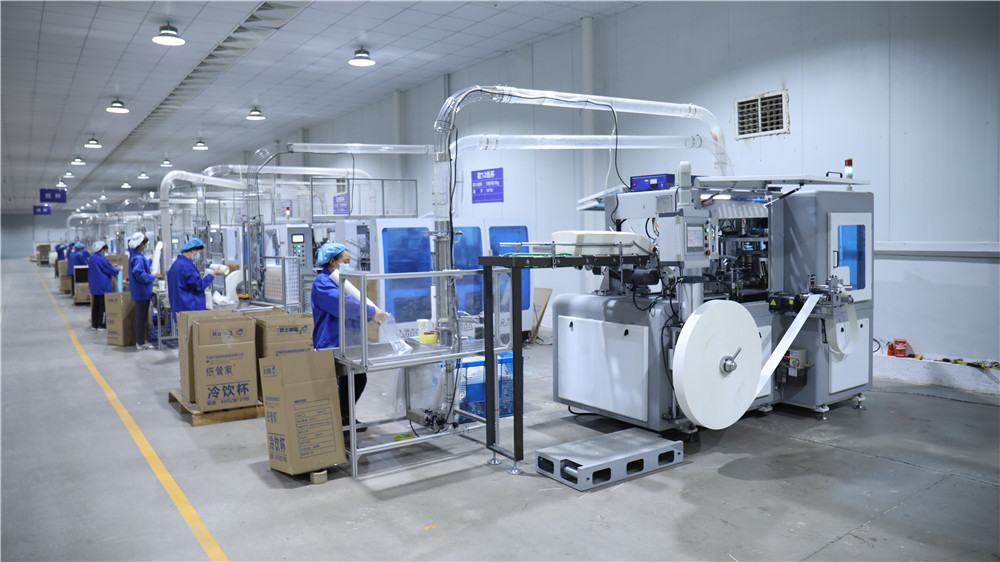
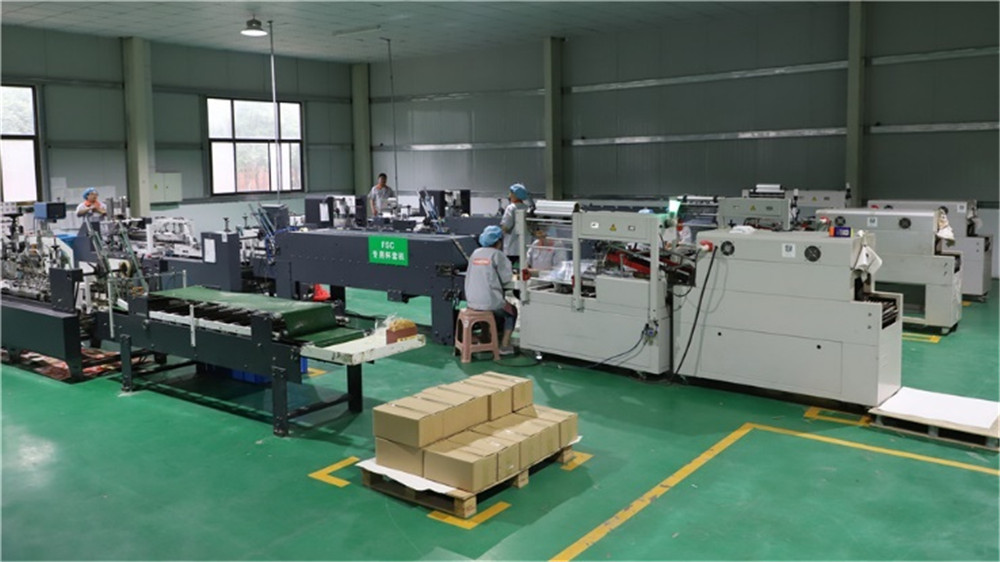
Examining the automated manufacturing infrastructure, production flexibility, and raw material integration that define China's leading packaging hubs.
Shandong PsiPrime Packaging Co., Ltd. is committed to advancing sustainable packaging solutions and promoting the reduction of single-use plastics, helping foodservice and food-related industries transition toward more environmentally responsible operations.
The company strongly believes that biodegradable and compostable packaging materials represent the future of sustainable development. It actively promotes the concept of “plastic alternatives” and works to raise awareness of eco-friendly packaging across global markets. With extensive industry experience and a reliable supply chain, we provide high-quality, sustainable food packaging solutions to customers in many countries and regions.
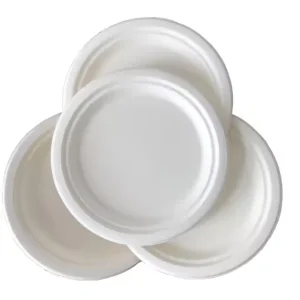
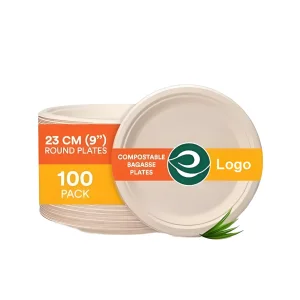
Shandong PsiPrime Packaging Co., Ltd. specializes in the research, development, and manufacturing of eco-friendly food-grade packaging products. Its product portfolio includes compostable food containers, paper-based food packaging, eco-friendly paper bags, food wrapping paper, and disposable catering supplies. These solutions are designed to meet the diverse needs of restaurants, food delivery platforms, food processors, and retail businesses.
The company is dedicated to a customer-centric philosophy, offering one-stop customization services ranging from product design and material selection to custom printing. This enables clients to build strong, recognizable brand packaging while maintaining sustainability goals. At the same time, we emphasize stable delivery performance and strict quality control to ensure efficient and reliable global supply.
Through continuous improvements in production processes and supply chain management, Shandong PsiPrime Packaging Co., Ltd. enhances both cost efficiency and operational reliability, supporting clients in achieving sustainable growth in competitive markets. Looking ahead, the company will continue investing in innovation in biodegradable materials and expanding the application of compostable products across more industries, working together with global partners to build a low-carbon, environmentally friendly, and sustainable future.
Different food sectors require unique performance characteristics from their packaging. Below is how modern designs fit distinct use cases.
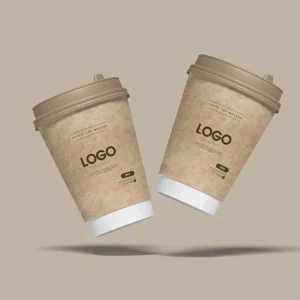
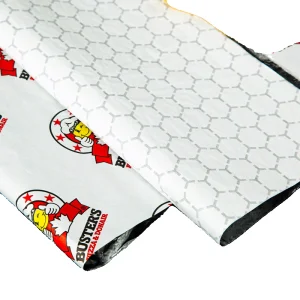
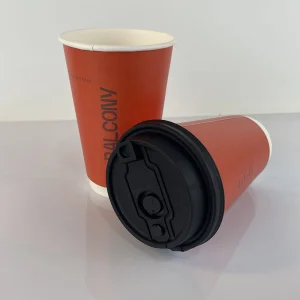
Fast food chains need durable, heat-retaining containers that resist oil transfer. Custom PE-coated deli papers and insulated double-wall cups protect hands from hot food and keep hands clean during transport.
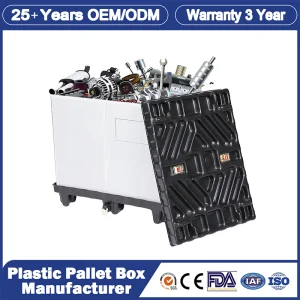
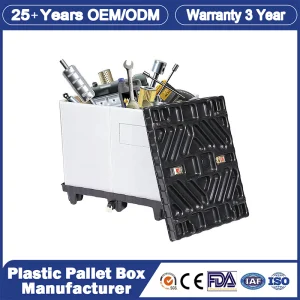
High-humidity environments degrade standard paperboard. Heavily waxed containers or plastic pallet boxes are required to maintain structural strength when exposed to melting ice and water during transit.
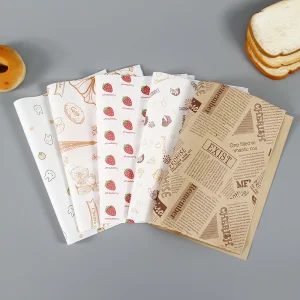
Bakery wrapping requires moderate grease resistance and high air permeability to prevent warm pastries from becoming soggy. Natural soy-waxed paper provides this balance, keeping products fresh while presenting an organic look.
Key technological advances shaping the next generation of food-contact containers and materials.
The transition toward circular economies is accelerating innovation in the packaging industry. Several key technological trends are currently redefining production processes:
“Modern procurement processes evaluate packaging based on its lifecycle impact. Suppliers must show verified carbon footprints, reliable supply chains, and transparent raw material sourcing.”
Answers to common technical, regulatory, and procurement questions regarding waxed food containers and sustainable packaging.
Wet-waxed paper has a wax coating applied to both sides, which penetrates the sheet and leaves a shiny surface layer. This makes it highly resistant to water and grease, making it suitable for cold food storage. Dry-waxed paper undergoes a heat process where the wax is driven deep into the sheet, leaving no surface residue. This option offers good grease resistance and is often used for hot foods without melting onto the product.
Traditional paraffin-coated containers are difficult to recycle because the wax can clog standard pulping equipment. However, new aqueous-coated and bio-waxed packaging can be processed in modern recycling facilities. It is important to check local guidelines and verify that the product carries recognized compostability certifications, such as EN 13432.
Reputable manufacturers use barrier coatings made from natural starches, water-based polymers, or plant waxes instead of fluorinated chemicals. Buyers should request independent laboratory reports, such as a Total Fluorine analysis, to verify that there are no added PFAS compounds in the materials.
MOQs for custom-printed items typically range from 10,000 to 50,000 units, depending on the complexity of the printing and the size of the container. Production times generally run between 15 to 30 days after design approval. Choosing a manufacturer with integrated extrusion and printing lines can help shorten delivery times and reduce shipping costs.
Traditional waxed paper is not suitable for microwave use, as high heat can melt the wax into the food. For microwave-safe applications, buyers should specify containers coated with heat-resistant materials like high-temperature PLA or specialized aqueous dispersions designed to handle thermal heating.
Browse our selection of specialized industrial boxes, heat-resistant hot drink cups, and protective packaging materials.
 PsiPrime Packaging