Understanding the transition towards high-tensile, breathable, and circular flexible packaging systems globally.
The global packaging sector is undergoing a massive paradigm shift. As regulatory frameworks clamp down on single-use non-recyclable plastics, industrial and agricultural producers are actively seeking packaging configurations that combine maximum ventilation, high structural integrity, and low carbon footprints. Mesh packaging bags—traditionally utilized for fresh agricultural yields, firewood, and marine harvests—have risen to the forefront of this industrial transition.
In 2024, the global market for flexible plastic and bio-polymer mesh packaging is projected to grow at a CAGR of 5.8%, driven by the rising demand for fresh food supply chain optimization in North America, Europe, and the Asia-Pacific region. These specialized containers prevent localized humidity accumulation, drastically reducing the incubation of mold, bacterial rot, and biochemical degradation in perishables. By facilitating natural air circulation during long-transit shipping cycles, mesh packaging is a critical element in minimizing global food waste.
| Mesh Material Type | Common Applications | Key Performance Metrics | Sustainability Profile |
|---|---|---|---|
| Mono-filament HDPE Mesh | Agricultural transport (potatoes, onions, citrus fruit) | Ultra-high tensile strength, puncture resistance | 100% Recyclable under Code 2 (HDPE loops) |
| Leno Polypropylene Mesh | Firewood packaging, high-weight agricultural loads | Flat-weave design, dimensional stability, cost efficiency | Recyclable, low carbon footprint in production |
| Raschel Warp-Knitted Mesh | Automatic packaging machinery lines, delicate produce | High elasticity, aesthetic clarity, soft texture | Lightweight, saves up to 30% polymer content |
| Bio-based PLA / Starch Mesh | Organic supermarkets, zero-waste retail distribution | Eco-friendly aesthetics, moderate load capacity | Industrial Compostable (EN 13432 compliant) |
A rigorous evaluation based on manufacturing volume, technological infrastructure, and compliance audits.
Location: Shandong, China
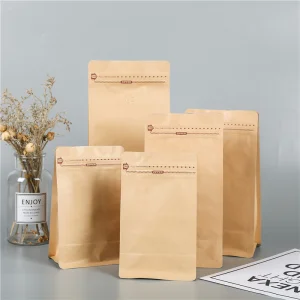
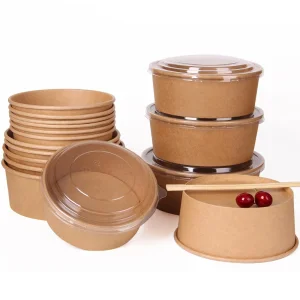
Specialization: Integrated Multi-Material Packaging Systems (Biodegradable Container Lines, Advanced Kraft & Custom Paper Solutions, Specialty Industrial Carriers).
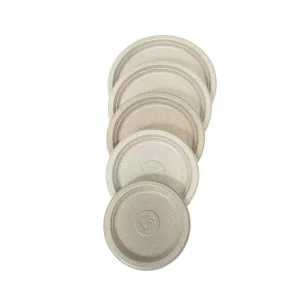
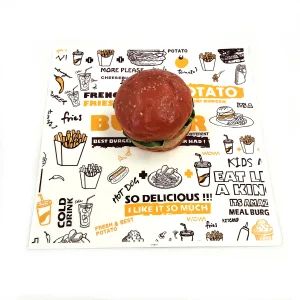
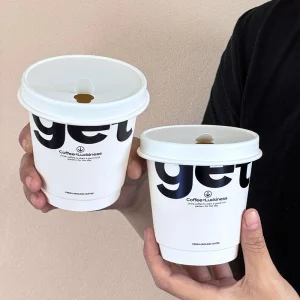
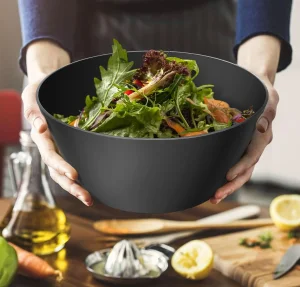
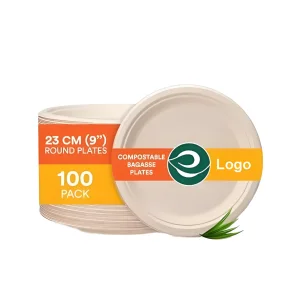
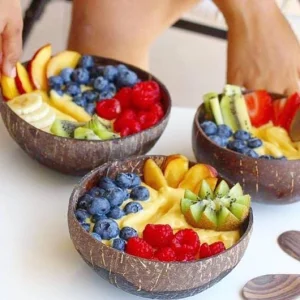
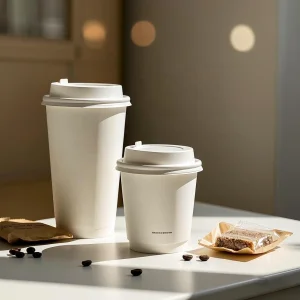
Shandong PsiPrime Packaging Co., Ltd. is committed to advancing sustainable packaging solutions and promoting the reduction of single-use plastics, helping foodservice and food-related industries transition toward more environmentally responsible operations. By combining extensive polymer engineering with eco-friendly paper-based food packaging and container lines, PsiPrime provides a highly reliable supply chain ecosystem for global markets.
Location: Valencia, Spain
Specialization: Extruded tubular net bags and knitted Raschel rolls.
Serving the Mediterranean agricultural hub, they are renowned for high-speed automated packaging line integration. Their proprietary polymers offer superior yield elongation metrics for automated onion and citrus bagging machines.
Location: Gujarat, India
Specialization: Leno and Monofilament bulk agricultural mesh.
Operating over 300 circular weaving looms, they handle high-volume commodity contracts. Their UV-stabilized formulations are explicitly engineered for long-term storage in high-sunlight, arid agricultural climates.
Location: Bologna, Italy
Specialization: 100% compostable cellulose and PLA mesh bags.
A key supplier to EU supermarkets targeting zero plastic tax liabilities. They specialize in extruded nets derived from FSC-certified beechwood pulp, meeting the most stringent EN 13432 degradation standards.
Location: Texas, USA
Specialization: Heavy-duty firewood and marine shell mesh bags.
Focusing on industrial-grade containment, they construct specialized flat-weave polypropylene structures capable of dry weight ratings exceeding 50kg, optimized for commercial timber and oyster farming logistics.
Location: Hubei, China
Specialization: Raschel mesh bags with custom drawstrings.
A high-capacity manufacturer servicing the Asia-Pacific bulk packaging channels. They are particularly famous for their integrated printing lines, allowing multi-color brand logo bands to be woven directly into the mesh structure.
Location: Oregon, USA
Specialization: Repurposed ocean plastic mesh bags.
Catering to eco-conscious brands, this firm utilizes recycled PET ocean waste to form custom-knitted bags. They provide complete blockchain traceability logs to back their environmental marketing claims.
Location: Binh Duong, Vietnam
Specialization: High-density poly-mesh rolls for automated sealing.
Benefiting from modern manufacturing zones, this supplier offers highly competitive pricing structures for large-scale agricultural operations in Japan, South Korea, and Australia.
Location: Riga, Latvia
Specialization: Monofilament woven bags with high tensile strength.
Focused on cold-weather storage logistics, they produce specialized polymers designed to resist cracking and micro-fracturing when exposed to sub-zero Siberian or Scandinavian shipping lanes.
Location: Durban, South Africa
Specialization: Oyster, mussel, and marine aquaculture mesh.
Specialists in heavy-gauge monofilament structures engineered to withstand continuous sea-water submersion and mechanical stress during maritime cultivation cycles.
Continuous operational excellence: from raw material processing to certified quality inspection.
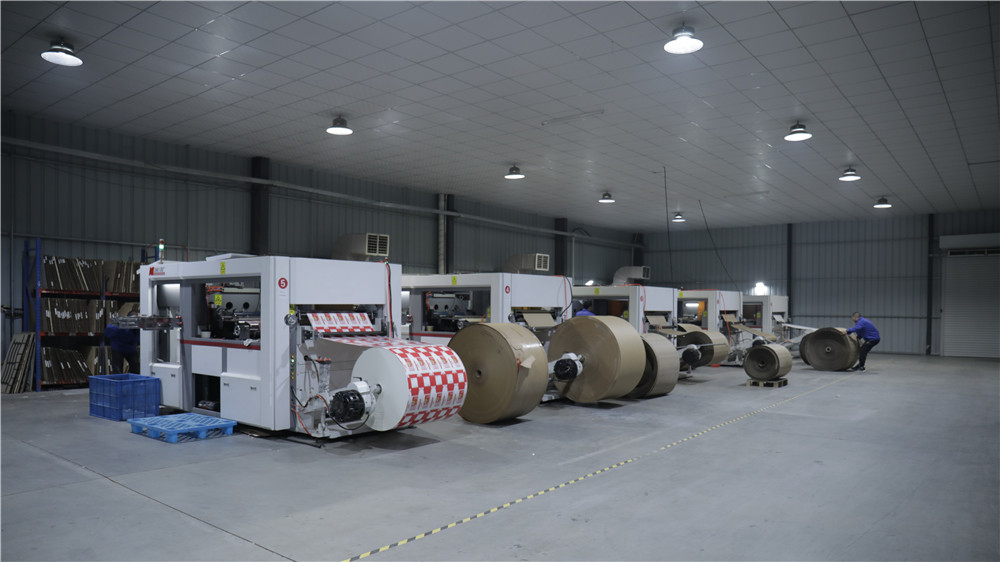
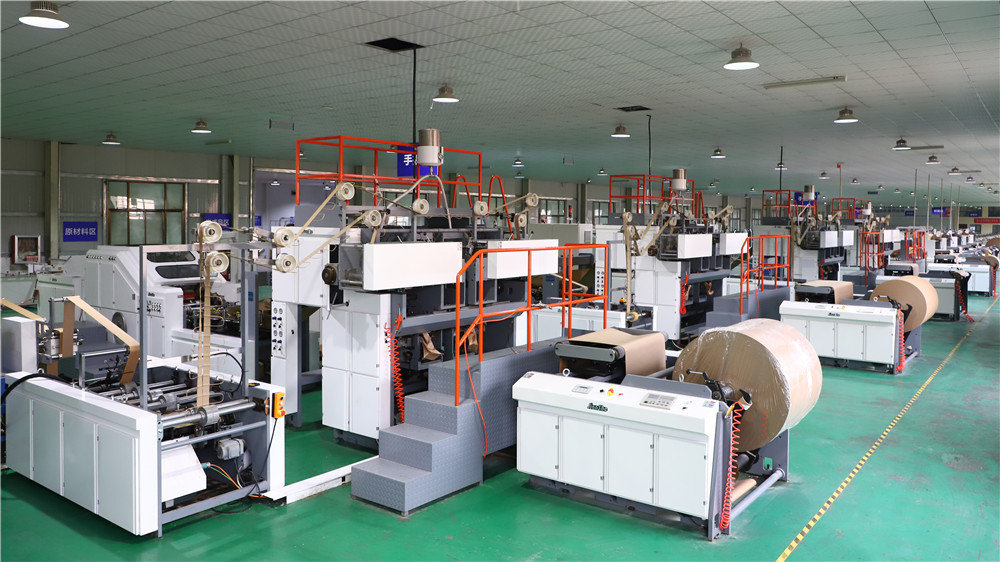
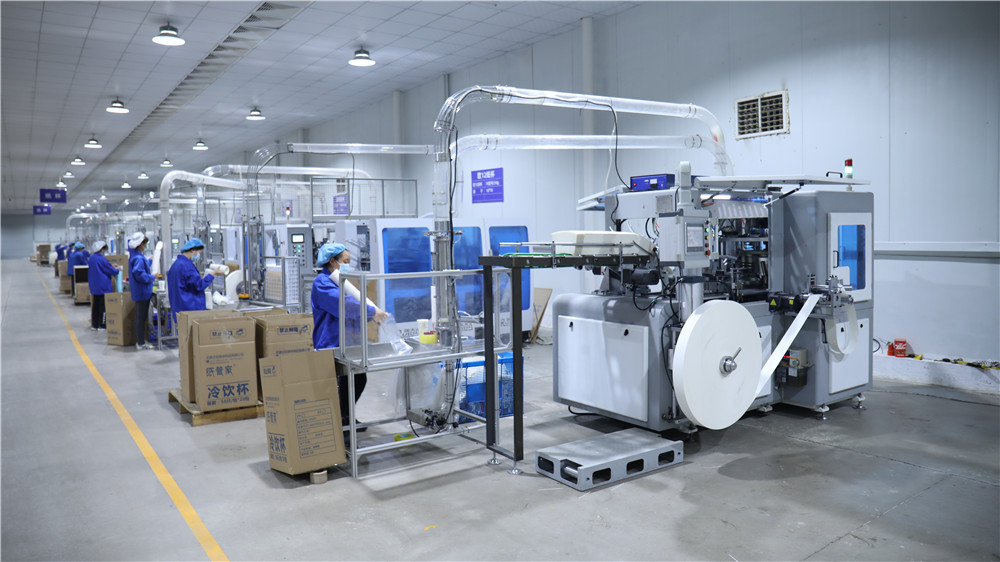
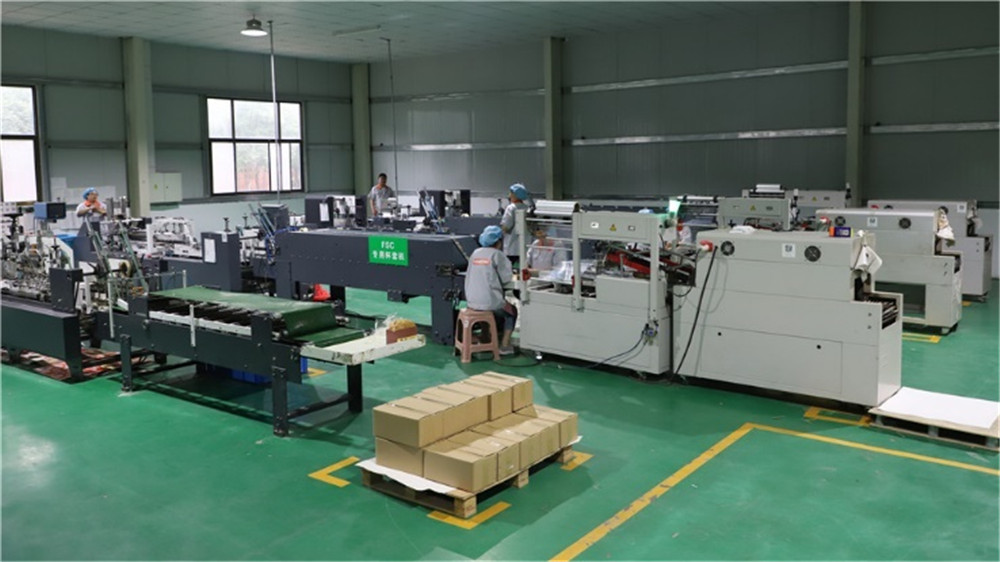
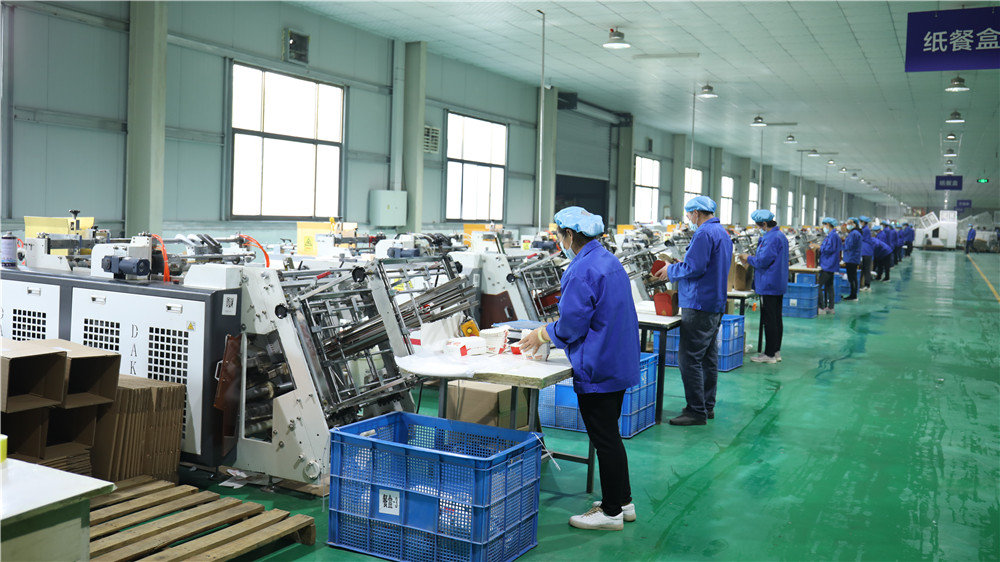
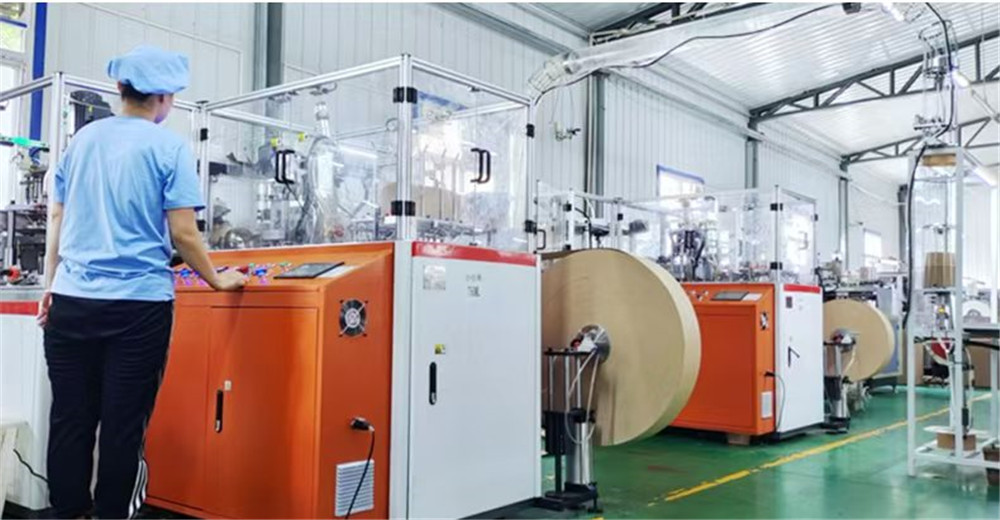
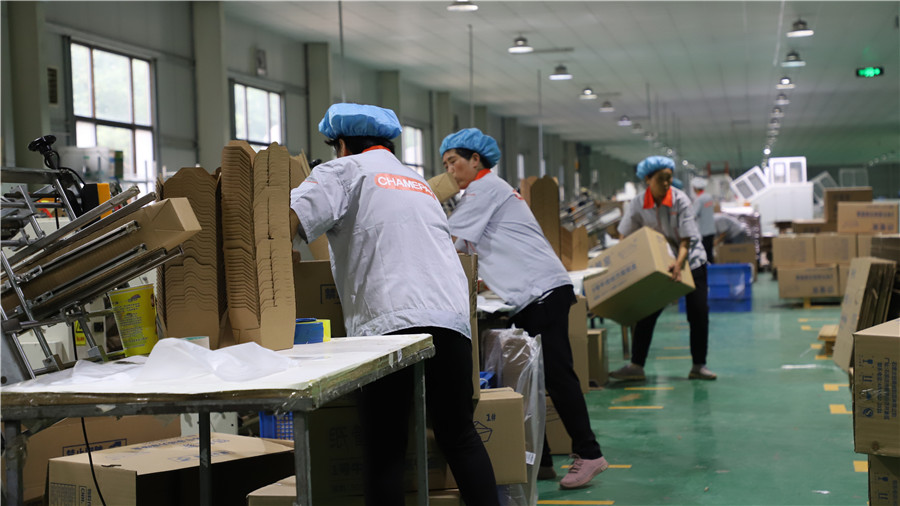
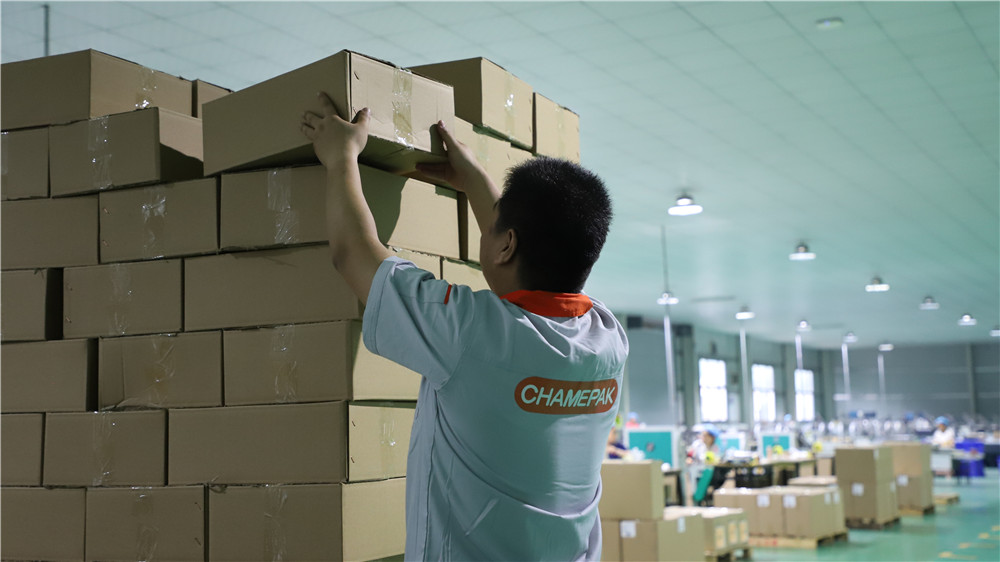
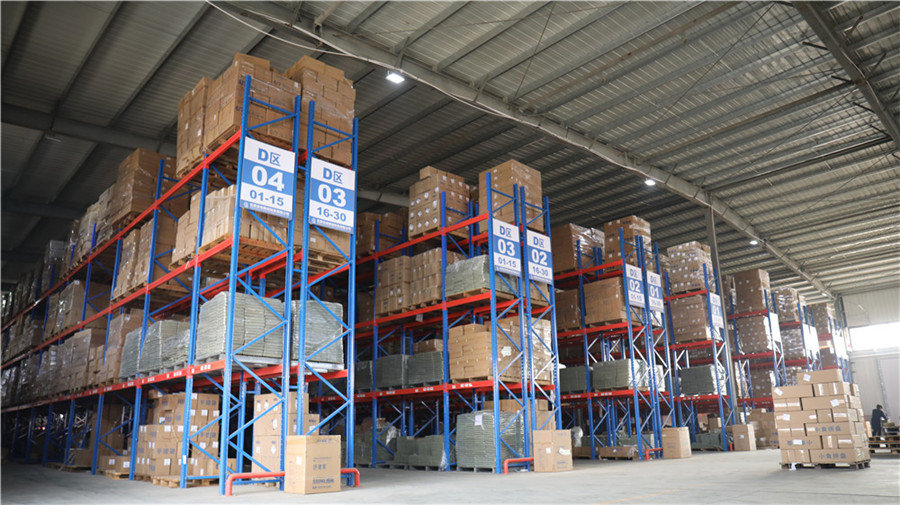
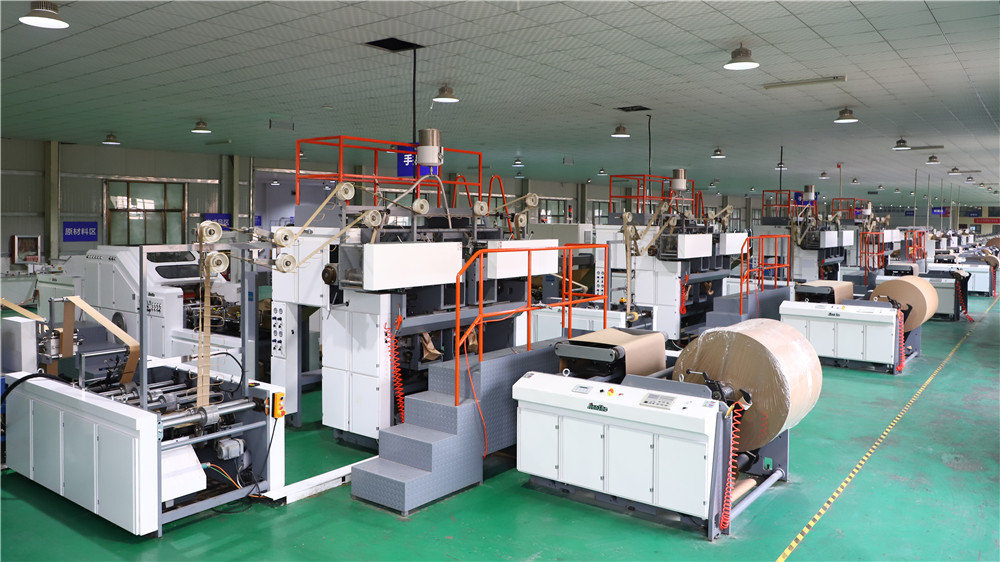
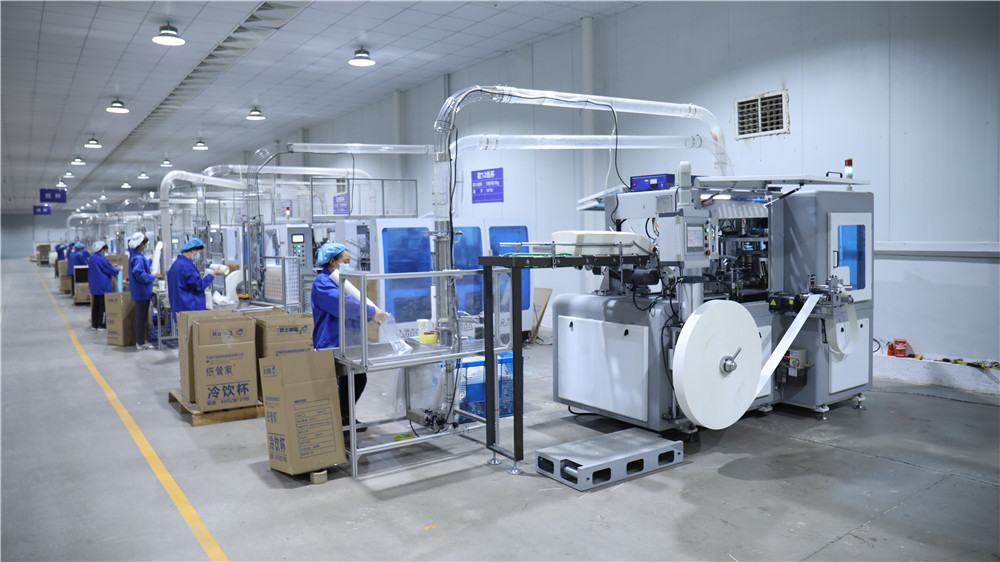
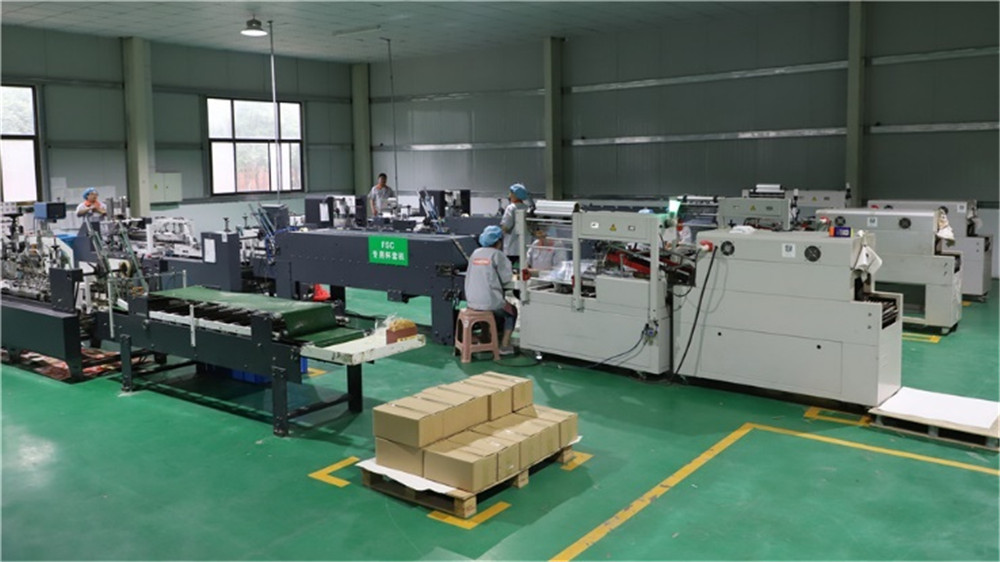
To assure a resilient and uninterrupted global supply pipeline, Shandong PsiPrime Packaging Co., Ltd. has heavily invested in modern, automated forming machinery. The system integrates polymer extrusion, cutting, high-speed bag making, and precision inspection under one roof. This guarantees that whether a client orders high-volume paper packaging solutions, specialized protective sleeves, or custom industrial containers, the dimensional tolerances and material performance remains consistently outstanding.
How regulatory frameworks shape procurement strategies across regional jurisdictions.
Procuring raw components or finished bags requires strict alignment with target market certifications. In the European Union, the implementation of plastic levies and the upcoming packaging waste regulations (PPWR) demand high post-consumer recycled (PCR) content or certified compostability. Manufacturers supplying the North American agricultural corridor must adhere to FDA regulations regarding direct and indirect food contact materials.
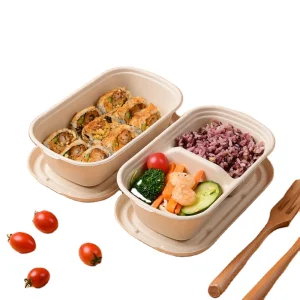
Shandong PsiPrime Packaging Co., Ltd. ensures that material formulations undergo rigorous testing. Through our quality-first methodology, our compostable food containers and eco-friendly packaging supplies are structured to support global brand targets, offering clients transition pathways that minimize tax liabilities while maximizing product shelf life.
Materials intended for crop or packaging applications must be chemically stable. This prevents compound migration under temperature variables, ensuring trace elements do not affect organic harvests.
Warp-knitted mesh and paper packaging solutions are analyzed under EN 13432 compostability and recyclability indexes. This assures ease of processing in commercial municipal waste cycles.
Decarbonization, alternative agricultural feedstocks, and the emergence of smart-ventilated structures.
The next decade of industrial packaging will be defined by materials that active-manage cargo conditions. Emerging R&D initiatives focus on three critical dimensions:
By blending modern chemistry with highly optimized mechanical design, global manufacturers are paving the way for systems that do not just store products, but dynamically protect them during transit.
Answering the most critical technical questions raised by operations directors and supply chain managers.
Leno weave is characterized by two warp yarns twisting around the weft yarns. This creates a highly stable, non-shifting grid pattern ideal for heavy, rigid loads like firewood or large potato bags. Raschel is a warp-knit pattern featuring a flatter, highly elastic configuration that is gentle on delicate produce skins, commonly utilized in automatic bagging machines.
Polypropylene and polyethylene are naturally susceptible to photo-degradation when exposed to ultraviolet light. Adding hindered amine light stabilizers (HALS) during the polymer compounding phase prevents chemical chain-scission. This ensures the bags maintain their structural integrity even during outdoor storage or extended open-air shipment.
Yes, biodegradable mesh bags are produced using PLA (polylactic acid), PBAT, or natural wood-pulp cellulose fibers. These materials disintegrate in commercial composting facilities within 90 to 180 days under controlled temperature and microbial conditions, fully complying with ASTM D6400 and EN 13432.
Shandong PsiPrime Packaging Co., Ltd. operates integrated modern production lines that minimize reliance on third-party substrate suppliers. By handling polymer extrusion, automated paper bag forming, and checking processes internally, we reduce lead times and offer predictable global shipping container allocations.
 PsiPrime Packaging