Explore our top-tier, food-grade biodegradable and compostable packaging products engineered to reduce carbon footprints while maintaining structural integrity.
The global snack food industry is undergoing a monumental paradigm shift. Driven by stringent regulatory frameworks, such as the European Union's Single-Use Plastics Directive (SUPD) and Extended Producer Responsibility (EPR) schemes worldwide, consumer packaged goods (CPG) brands are rapidly phasing out fossil-fuel-derived polymers. The transition to sustainable snack packaging is no longer merely a corporate social responsibility (CSR) initiative; it is a core operational necessity to mitigate supply chain risks and avoid escalating plastic taxes.
Historically, snack packaging relied heavily on multi-layer flexible laminates (typically combinations of BOPP, PET, and PE) due to their exceptional barrier properties against oxygen, moisture, and light. However, these multi-material structures are notoriously difficult to recycle, ending up in landfills or incinerators. Today, the market demands high-performance, mono-material, compostable, or paper-based alternatives that match the shelf-life performance of traditional plastics. The global eco-friendly packaging market is projected to reach over USD 380 billion by 2028, with the snack food segment representing one of the fastest-growing verticals.
Achieving optimal barrier performance without synthetic plastics requires advanced material engineering. Modern eco-friendly snack packaging utilizes several key bio-based materials, each offering distinct mechanical and chemical properties:
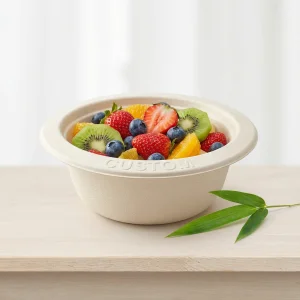
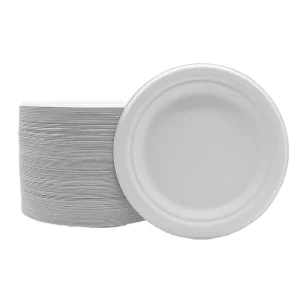
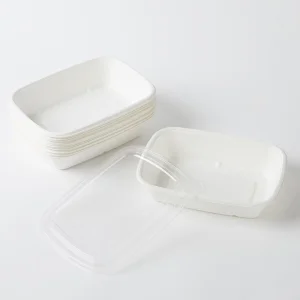
A byproduct of sugarcane extraction. Bagasse fibers are molded under high pressure to create rigid, microwave-safe, and highly durable containers. Naturally grease-resistant and 100% compostable.
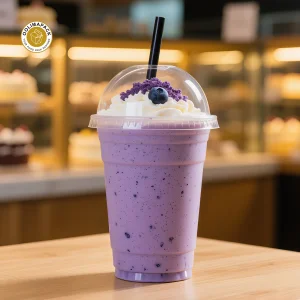
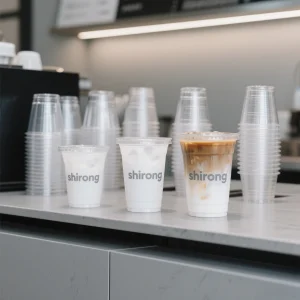
Polylactic Acid (PLA) derived from cornstarch and Polyhydroxyalkanoates (PHA) synthesized by microbial fermentation. These offer clear, flexible barrier films ideal for windowed pouches and cold-drink cups.
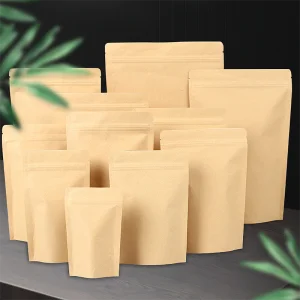
Unbleached kraft paper coated with water-based dispersion barriers or metallized PLA. This structure provides excellent Water Vapor Transmission Rates (WVTR) and Oxygen Transmission Rates (OTR).
| Material Type | Primary Applications | Barrier Performance (OTR/WVTR) | Compostability Standard | Thermal Resistance |
|---|---|---|---|---|
| Sugarcane Bagasse | Clamshells, Plates, Salad Bowls | Moderate (Best for short-term/takeout) | EN 13432 / ASTM D6400 | -20°C to 120°C (Microwave safe) |
| PLA (Cornstarch-based) | Cold Drink Cups, Clear Windows, Straws | Low to Moderate (Improved with coatings) | Industrial Compostable | Up to 50°C (Cold use only) |
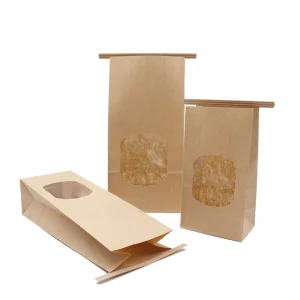
| Coated Kraft Paper | Stand-up Pouches, Coffee Bags, Wraps | High (With aqueous/metallized barrier) | Home & Industrial Compostable | Up to 100°C |
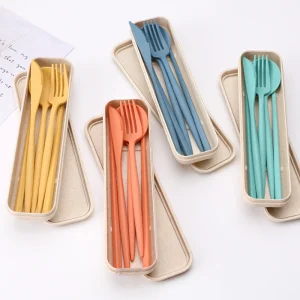
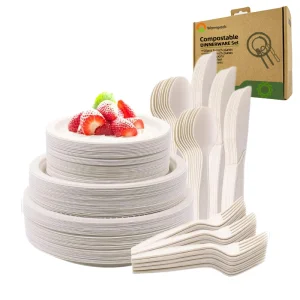
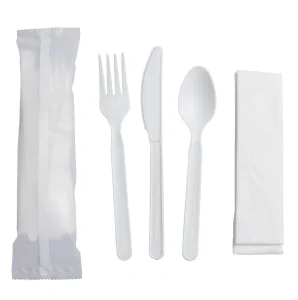
| Cornstarch Cutlery | Forks, Knives, Spoons, Heavy-duty plates | N/A (Structural rigidity focused) | ASTM D6400 | Up to 90°C (Heat resistant) |
Shandong PsiPrime Packaging Co., Ltd. is committed to advancing sustainable packaging solutions and promoting the reduction of single-use plastics, helping foodservice and food-related industries transition toward more environmentally responsible operations.
The company strongly believes that biodegradable and compostable packaging materials represent the future of sustainable development. It actively promotes the concept of "plastic alternatives" and works to raise awareness of eco-friendly packaging across global markets. With extensive industry experience and a reliable supply chain, we provide high-quality, sustainable food packaging solutions to customers in many countries and regions.
Shandong PsiPrime Packaging Co., Ltd. specializes in the research, development, and manufacturing of eco-friendly food-grade packaging products. Its product portfolio includes compostable food containers, paper-based food packaging, eco-friendly paper bags, food wrapping paper, and disposable catering supplies. These solutions are designed to meet the diverse needs of restaurants, food delivery platforms, food processors, and retail businesses.
The company is dedicated to a customer-centric philosophy, offering one-stop customization services ranging from product design and material selection to custom printing. This enables clients to build strong, recognizable brand packaging while maintaining sustainability goals. At the same time, we emphasize stable delivery performance and strict quality control to ensure efficient and reliable global supply.
Through continuous improvements in production processes and supply chain management, Shandong PsiPrime Packaging Co., Ltd. enhances both cost efficiency and operational reliability, supporting clients in achieving sustainable growth in competitive markets.
Looking ahead, the company will continue investing in innovation in biodegradable materials and expanding the application of compostable products across more industries, working together with global partners to build a low-carbon, environmentally friendly, and sustainable future.
China Sourcing Advantage: By integrating raw material processing, high-speed automated forming machinery, and direct port logistics, Chinese manufacturers like Shandong PsiPrime offer up to 30-40% cost efficiency advantages over Western counterparts, combined with rapid prototyping cycles (5-7 days for custom samples).
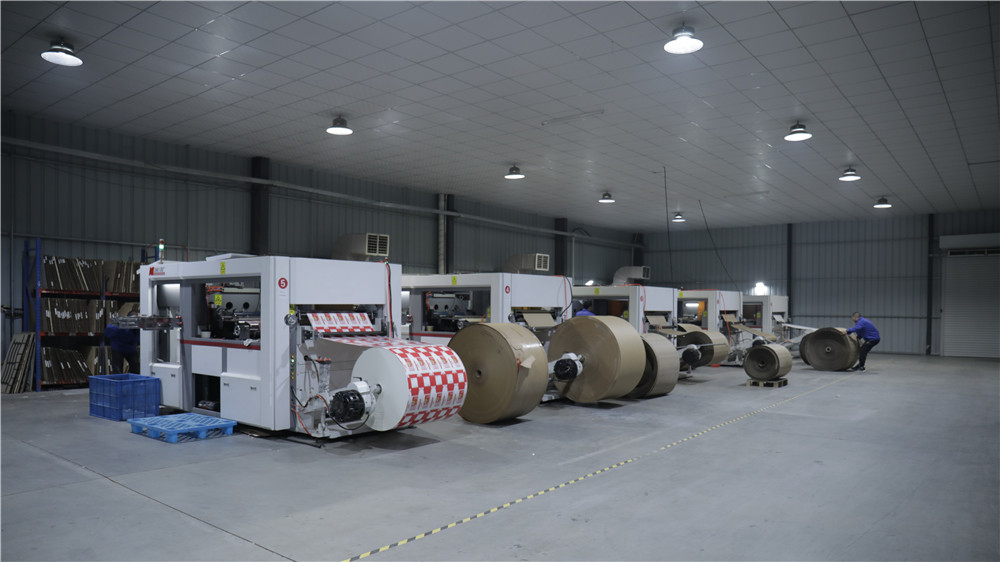
Precision Material Cutting
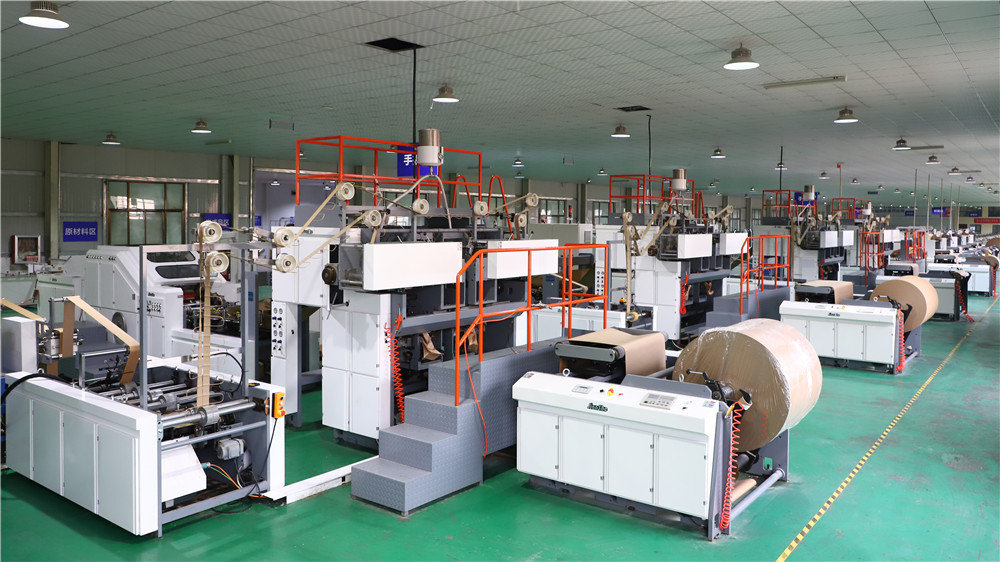
Paper Bag Making
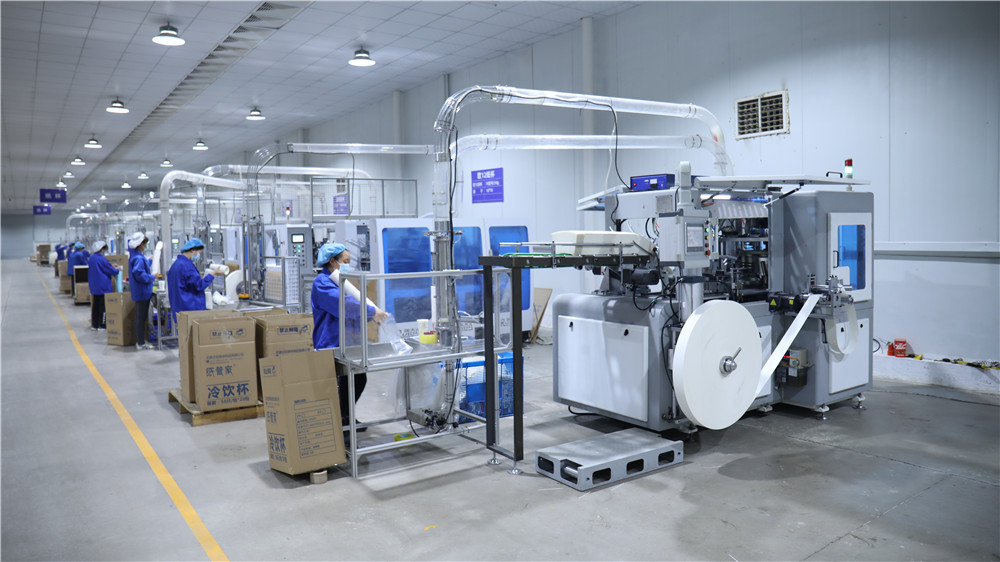
Paper Cup Making
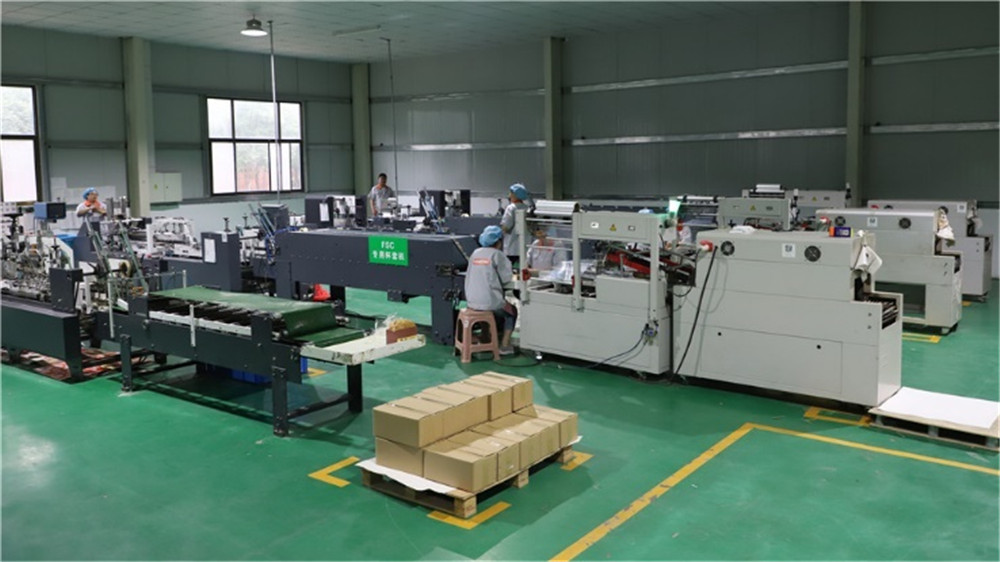
Paper Cup Sleeve Making
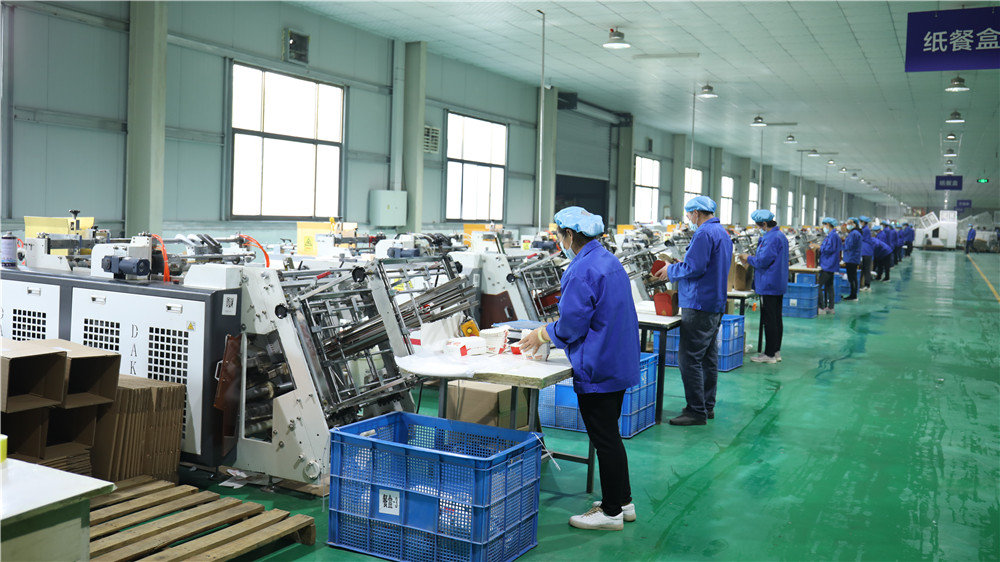
Paper Box Making
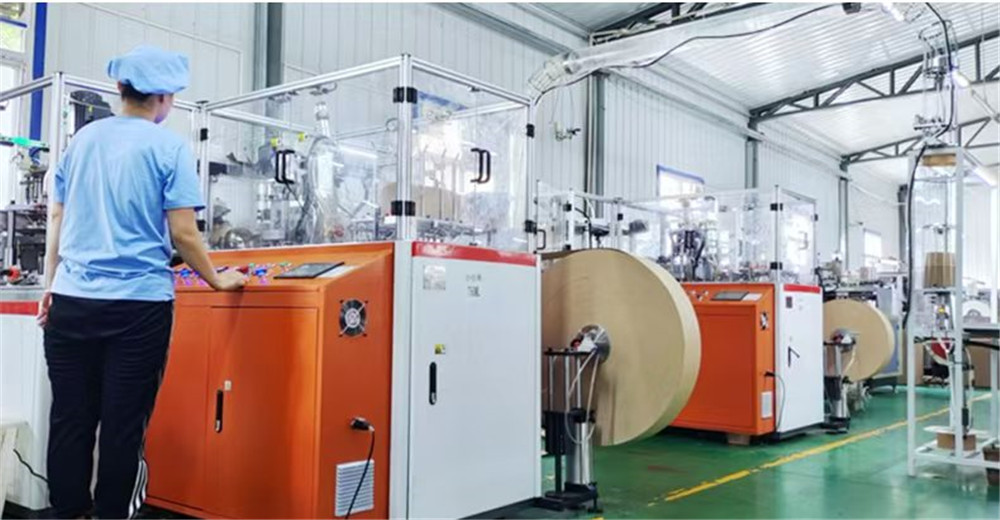
Paper Bowl Making
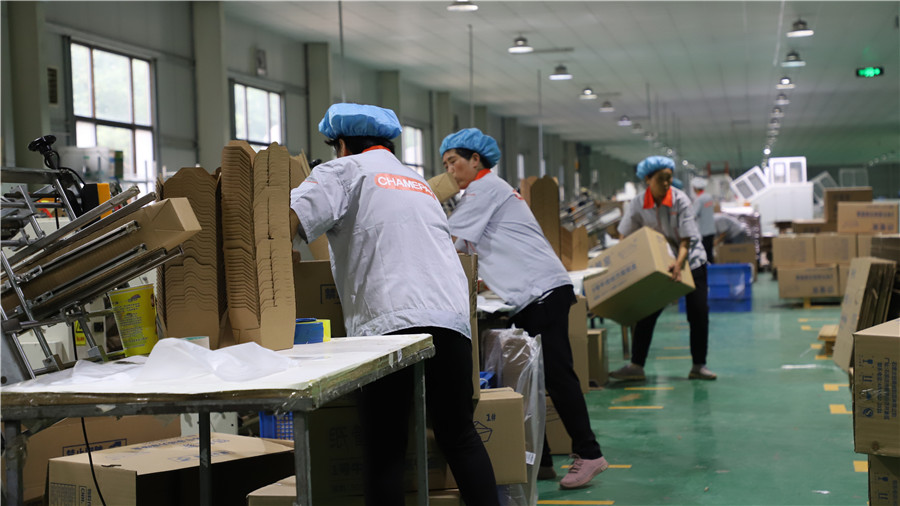
Quality Checking & Inspection
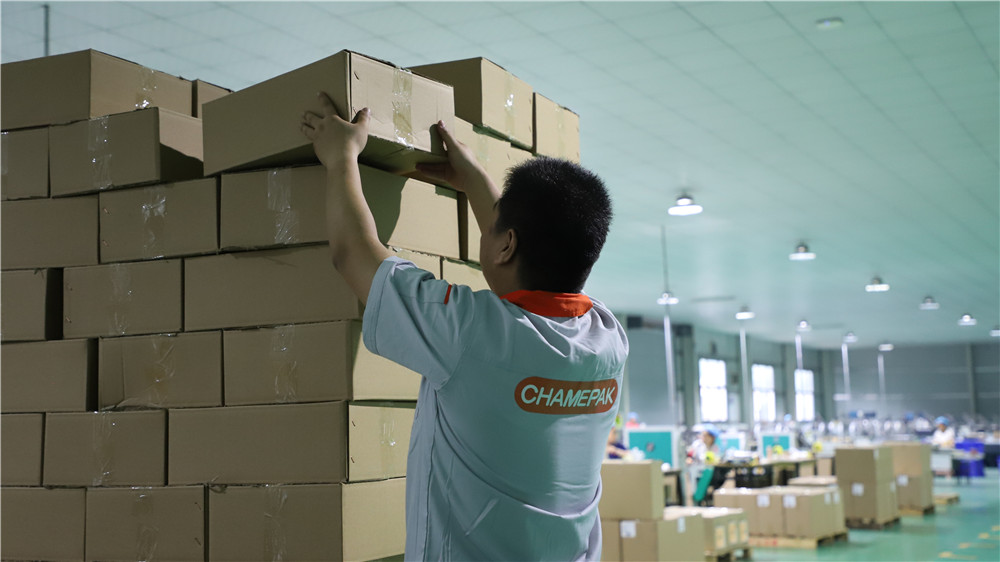
Automated Packing
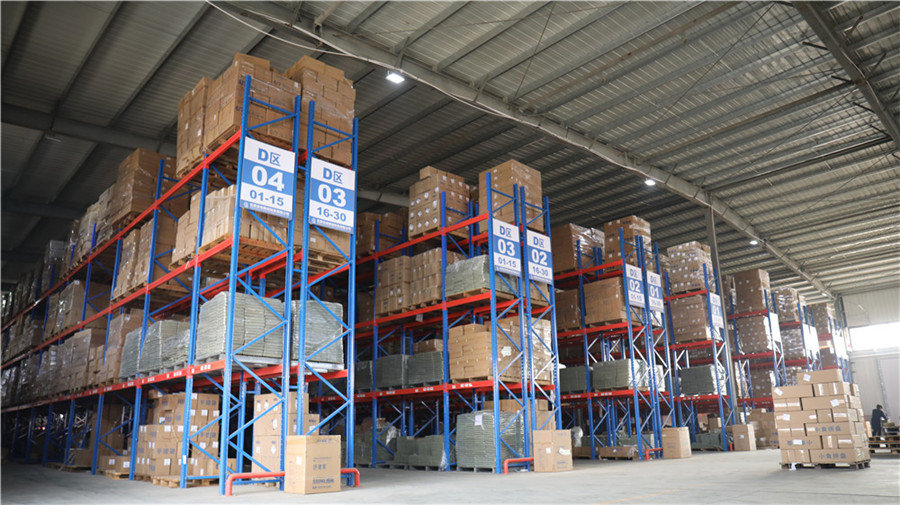
Finished Products Ready for Export
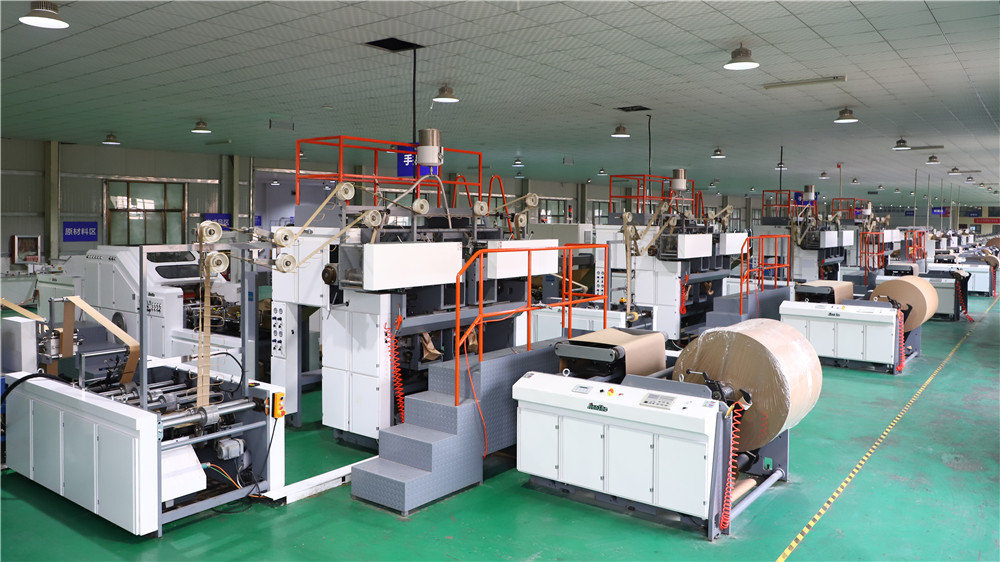
Paper Bag Forming Machine
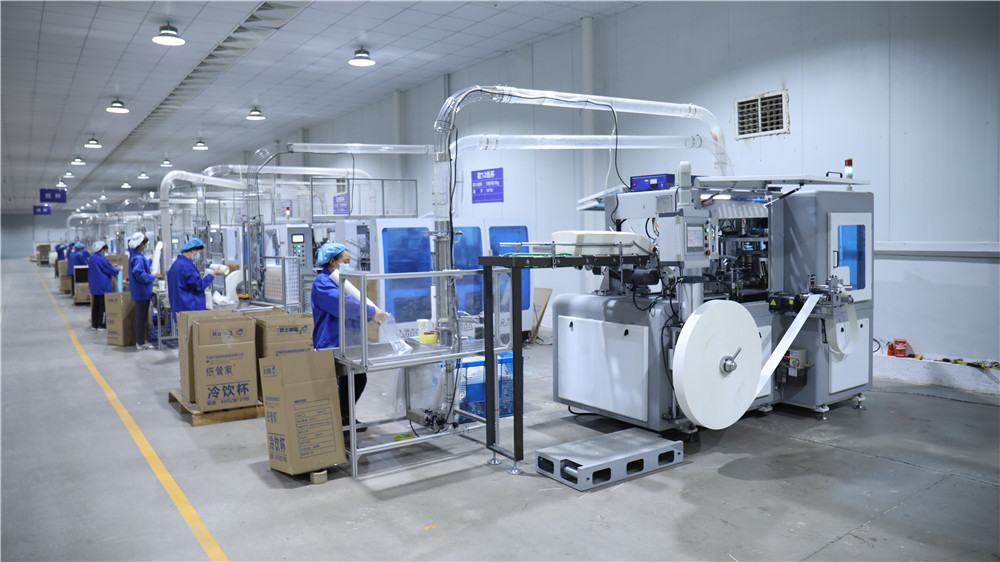
Paper Cup Forming Machine
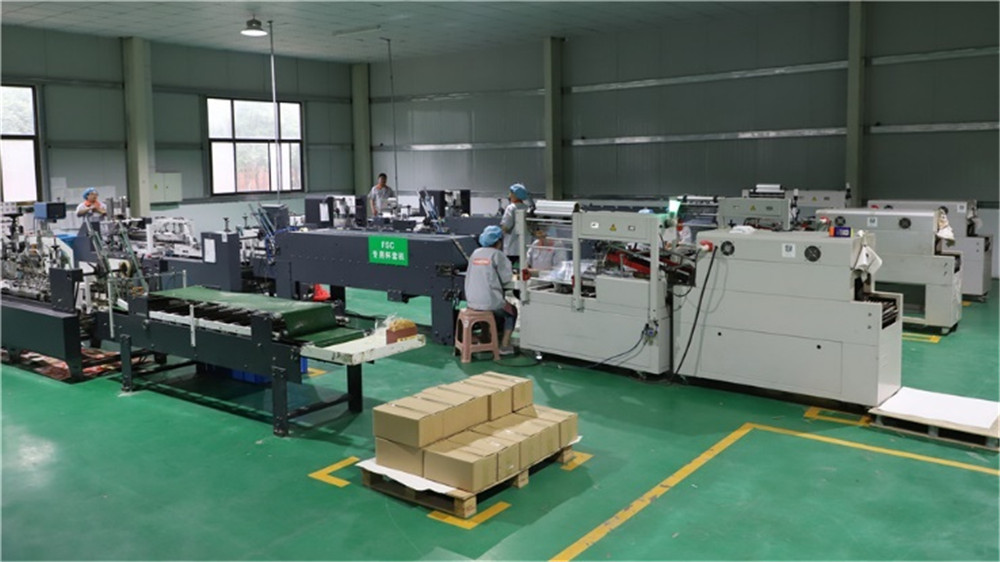
Paper Cup Sleeve Forming Machine
Different food sectors require tailored packaging structures. Sourcing managers must evaluate the specific physical demands of their products before choosing materials:
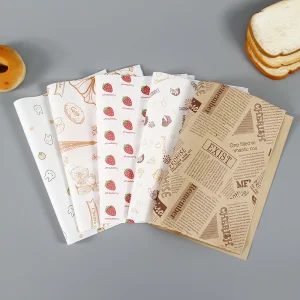
Requires high grease resistance and thermal stability. Sugarcane bagasse bowls and greaseproof wrapping papers are ideal here. They prevent oil leakage from burgers, fries, and salads while maintaining structural integrity in delivery bags.
Requires high-barrier stand-up pouches (Doypacks) with resealable zippers. Kraft paper laminated with PLA or metallized biopolymer films prevents oxidation and moisture ingress, extending shelf life up to 12 months.
Demands double-wall insulated paper cups and compostable PLA smoothie cups. The focus is on leak-proof heat sealing, high-clarity branding, and compatibility with compostable lids.
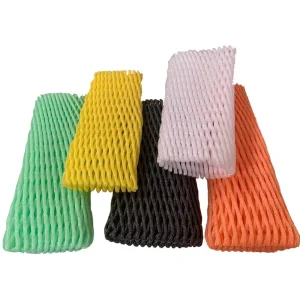
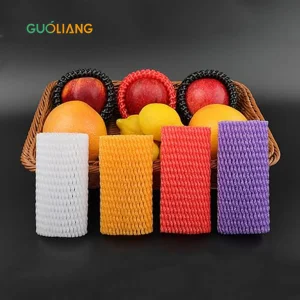
Utilizes protective foam-net mesh sleeves and breathable plant fiber trays. These protect delicate items (like apples, peaches, or wine bottles) during transit while allowing gas exchange to prevent premature decay.
To import food-contact packaging into major global markets (US, EU, Australia), buyers must verify compliance with local food safety and environmental laws. Below is the essential compliance framework:
Expert answers to common technical and commercial questions regarding sustainable snack packaging procurement.
A: Under standard storage conditions (cool, dry environment away from direct sunlight), PLA-lined packaging has a shelf life of 12 to 18 months. Unlike PE, PLA is sensitive to extreme heat (above 50°C) and high humidity, which can initiate the degradation process early. Proper warehouse climate control is recommended.
A: We utilize advanced mechanical refining of the pulp combined with FDA-approved, plant-based bio-wax or aqueous dispersion coatings. This provides excellent grease and water resistance suitable for hot food applications without relying on fluorinated chemicals.
A: Yes. We offer full-color custom printing using eco-friendly, water-based or soy-based inks. These inks do not compromise the compostability of the packaging and comply with EN 13432 heavy metal limits.
A: For standard stock items, MOQs can be as low as 10,000 units. For fully customized sizes, shapes, or custom-printed designs, MOQs typically range from 30,000 to 50,000 units depending on the product type and production line setup.
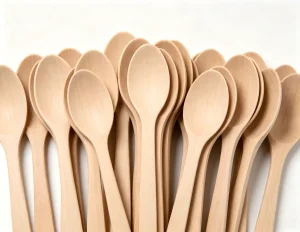
Browse our full range of sustainable tableware, protective packaging, and biodegradable cutlery designed for global distribution.
 PsiPrime Packaging