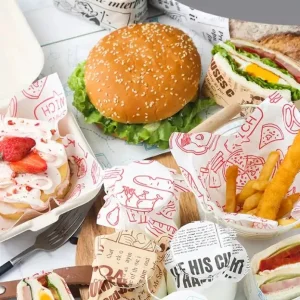
High-performance sustainable alternatives engineered for global food service and preservation needs.
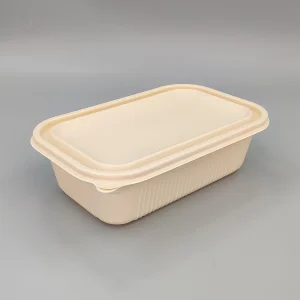
The global logistics of fresh agricultural products requires highly optimized packaging that protects the structural integrity of sensitive perishables while maintaining freshness. Fresh agricultural produce undergoes continuous metabolic respiration, moisture transpiration, and ethylene gas generation. Consequently, standard commercial boxes are inadequate for modern global cold chains.
Industrial fresh produce packaging is a complex field. Manufacturers are transitioning from simple protective barriers to active, modified-atmosphere packaging (MAP) and eco-friendly structural solutions. The global market is shaped by changing consumer habits, stricter environmental laws, and the rising costs of food waste. Major trade centers in North America, the European Union, and Asia-Pacific are setting new standards for material safety, biological recycling, and carbon footprint reduction.
"According to market intelligence, active and intelligent packaging for fresh produce is expected to grow significantly, driven by regional laws restricting single-use plastics and demand for longer produce shelf-lives."
Custom OEM/ODM manufacturing partnerships are essential to address these challenges. By working directly with factories, agricultural brands can customize structural sizes, mechanical properties, and permeability levels to fit specific produce types, transport lanes, and ambient conditions.
Shandong PsiPrime Packaging Co., Ltd. is a specialized manufacturer of eco-friendly, food-grade packaging solutions. The company is committed to advancing sustainable packaging and helping businesses reduce their use of single-use plastics. It supports food service operations and agricultural exporters in transitioning to environmentally responsible packaging.
The company focuses on biodegradable and compostable packaging materials as the foundation of sustainable development. PsiPrime actively promotes plastic alternatives, raising awareness and supplying high-quality, sustainable solutions to customers worldwide. With deep industry experience and a reliable supply chain, we deliver consistent quality to key international markets.
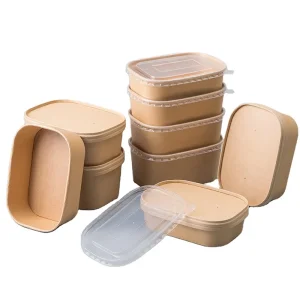
Shandong PsiPrime Packaging Co., Ltd. manages the research, development, and high-volume production of eco-friendly food packaging. The product range includes compostable food containers, paper-based packaging, eco-friendly bags, food-grade wrapping papers, and disposable catering products. These are tailored to the needs of modern restaurants, food delivery networks, food processing operations, and agricultural distributors.
The company offers comprehensive customization services, guiding projects from concept and material selection through to custom printing. This allows clients to build distinct brand identities while meeting environmental goals. We prioritize stable production delivery and strict quality control to ensure a reliable global supply.
By constantly optimizing manufacturing processes and logistics, Shandong PsiPrime Packaging Co., Ltd. helps customers balance cost efficiency with product performance. Looking ahead, the company continues to invest in biopolymer innovations and expand compostable packaging into new markets, supporting a lower-carbon future.
High-quality packaging requires advanced manufacturing control. The factory floor combines automated forming machinery, high-precision cutting systems, and clean inspection zones to maintain food-grade safety standards.
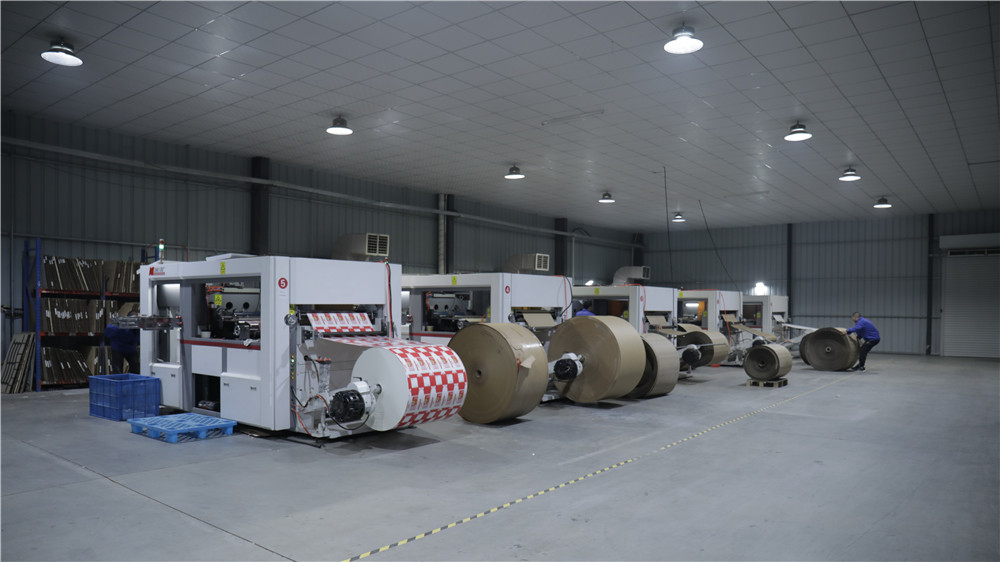
High-precision roll slitting and cutting of paper and film substrates, ensuring clean edges and exact tolerances for down-stream processing.
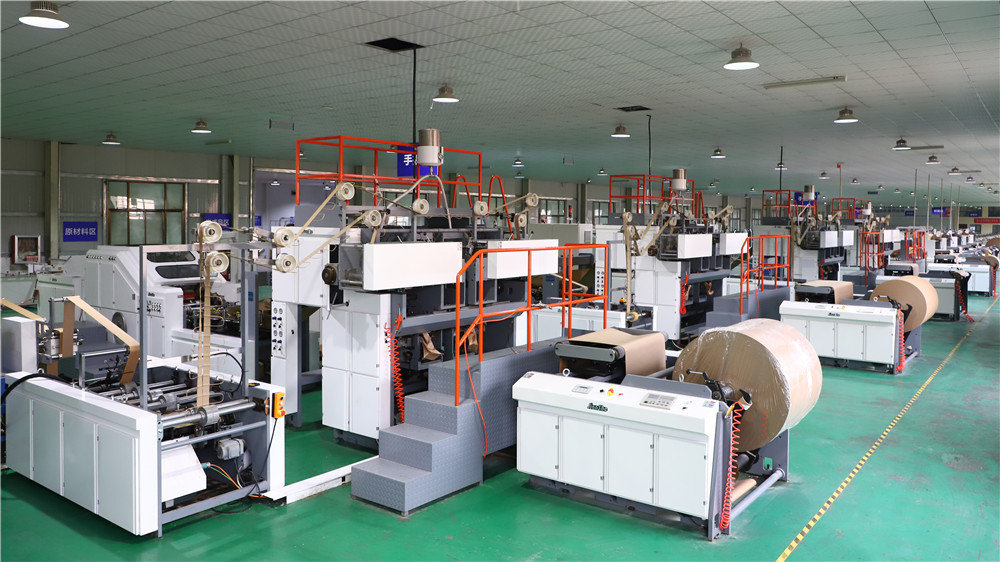
Automated forming, folding, and gluing lines for eco-friendly carrying and delivery bags with reinforced handles.
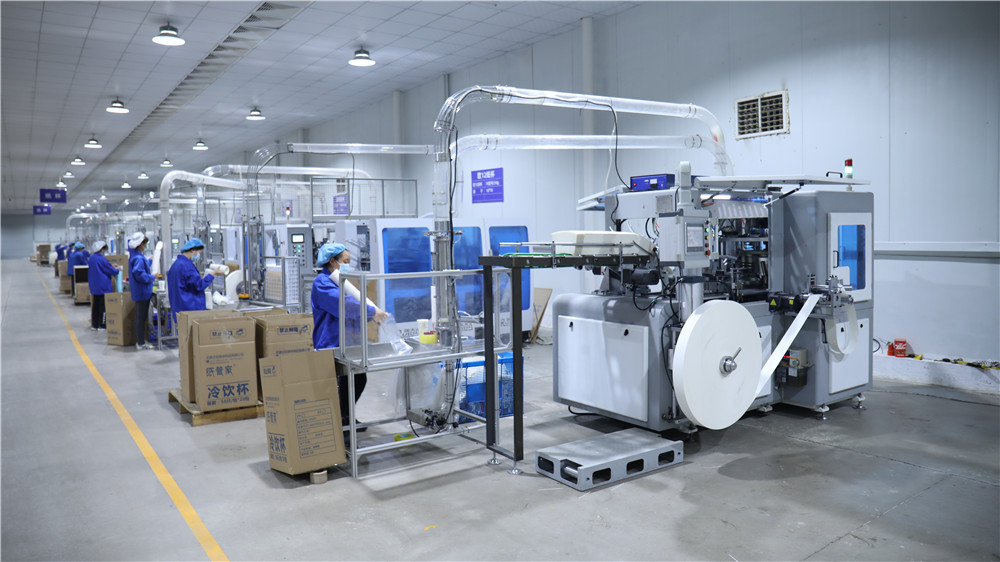
High-speed hot forming lines that shape single and double-wall cups, maintaining tight tolerances to prevent leaks.
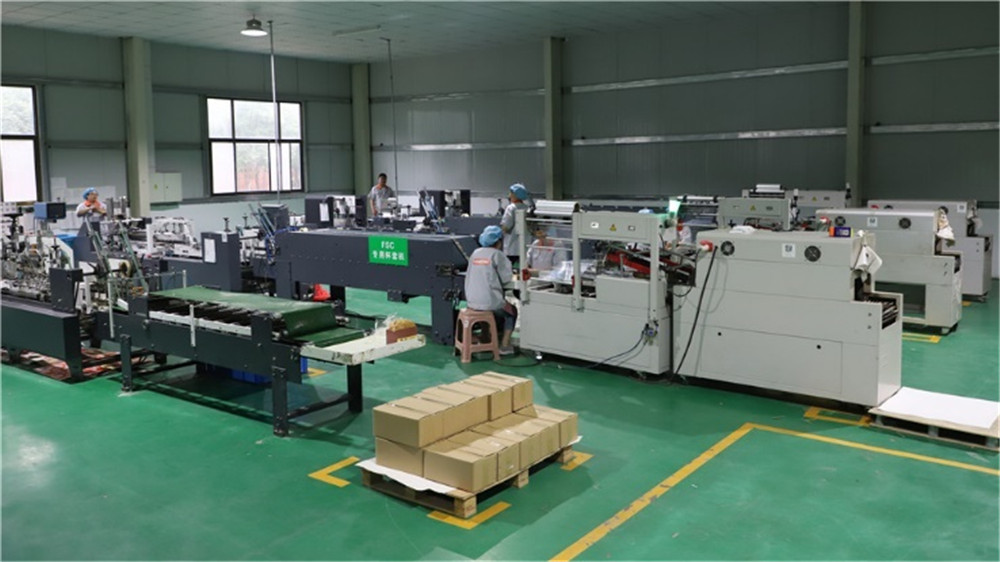
Rotary die-cutting and embossing machines producing corrugated heat-protective sleeves.
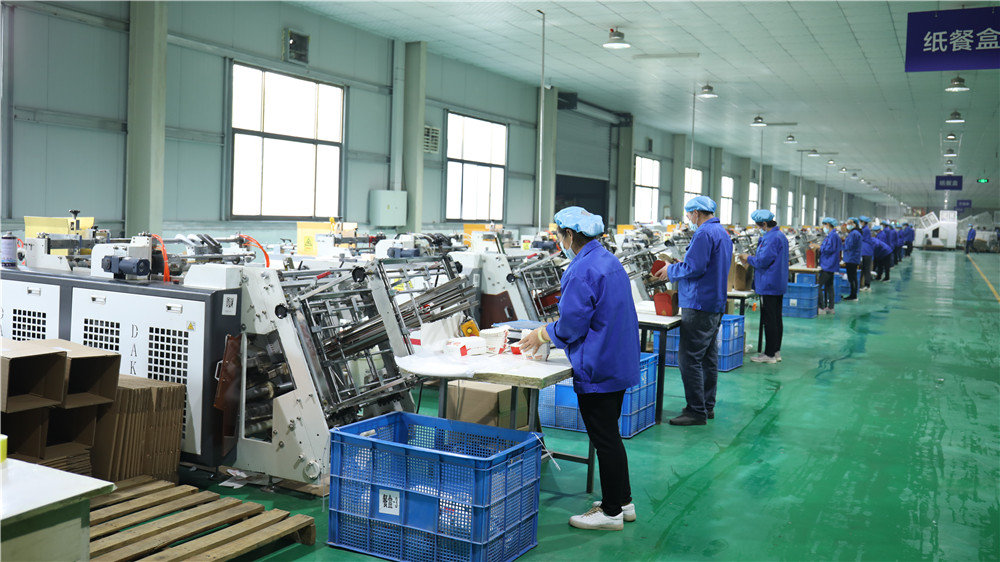
Multi-point gluing and creasing lines producing rigid, flat-pack food and agricultural boxes.
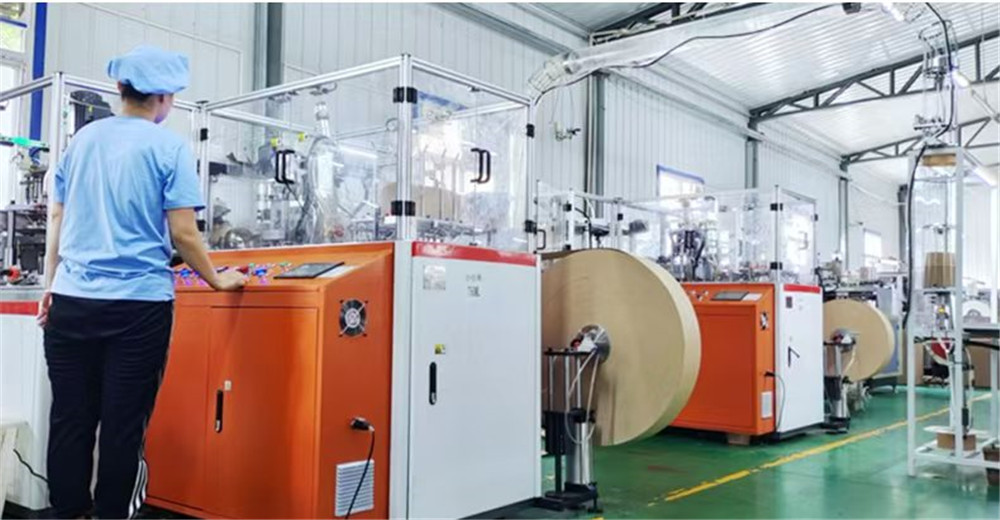
Deep-draw paper pressing machinery producing leakproof salad and hot food containers.
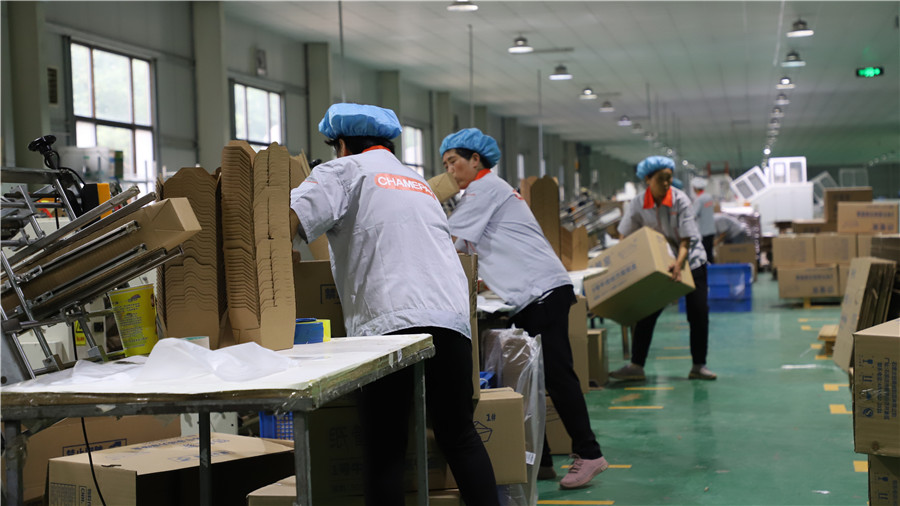
Visual and mechanical inspection points verifying print registration, seal strength, and structural integrity.
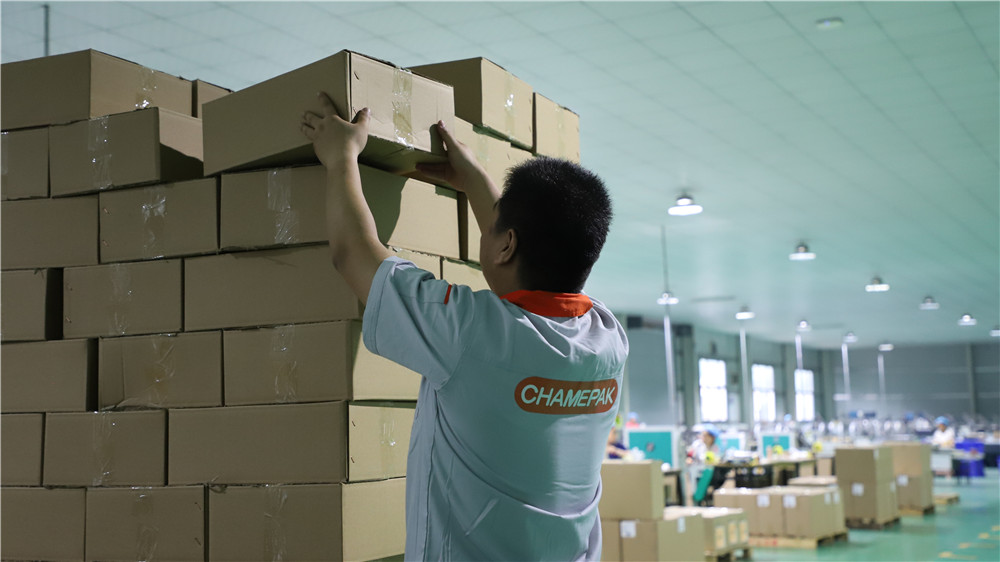
Sanitary bulk bagging and cartoning to prepare finished products for international shipping.
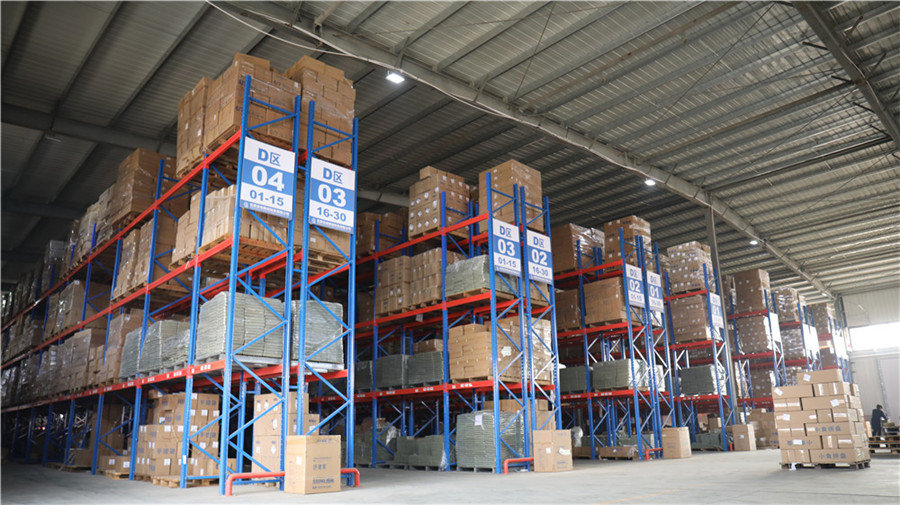
Palletized and trace-coded stock stored in clean, climate-controlled warehouses before shipping.
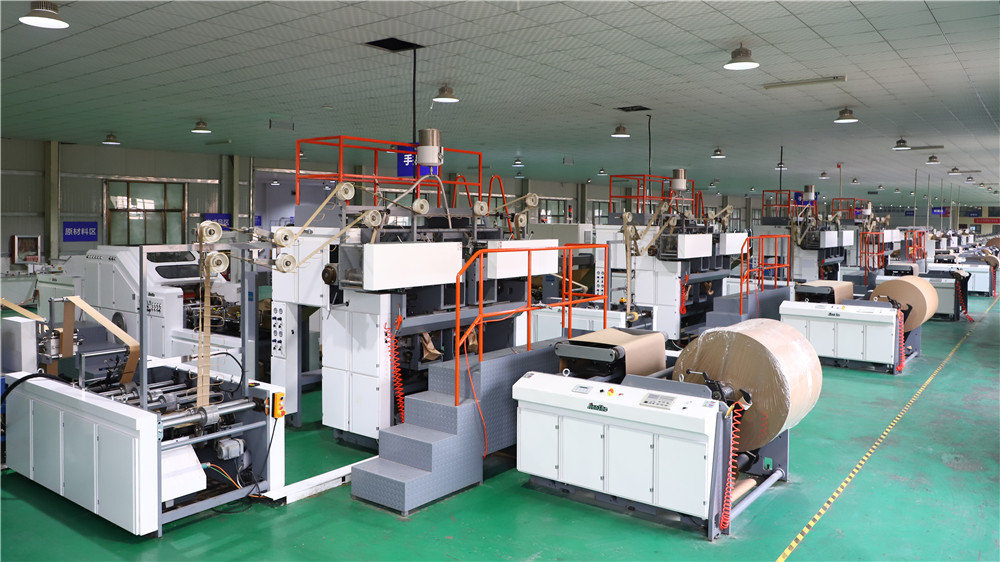
High-efficiency automated lines that handle roll feeding, gusseting, and bottom sealing in a single pass.
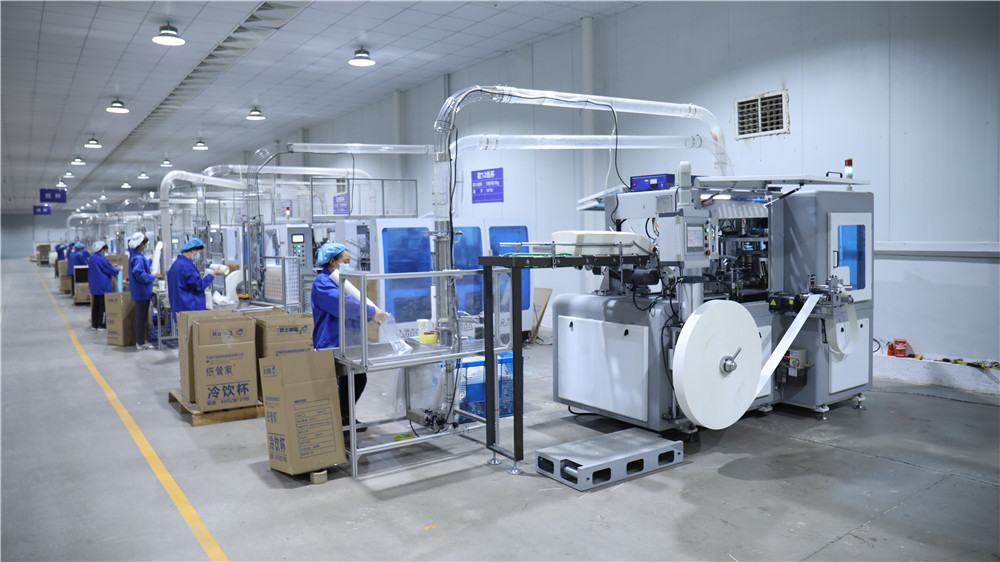
Advanced high-speed thermal forming units designed for consistent seal quality at scale.
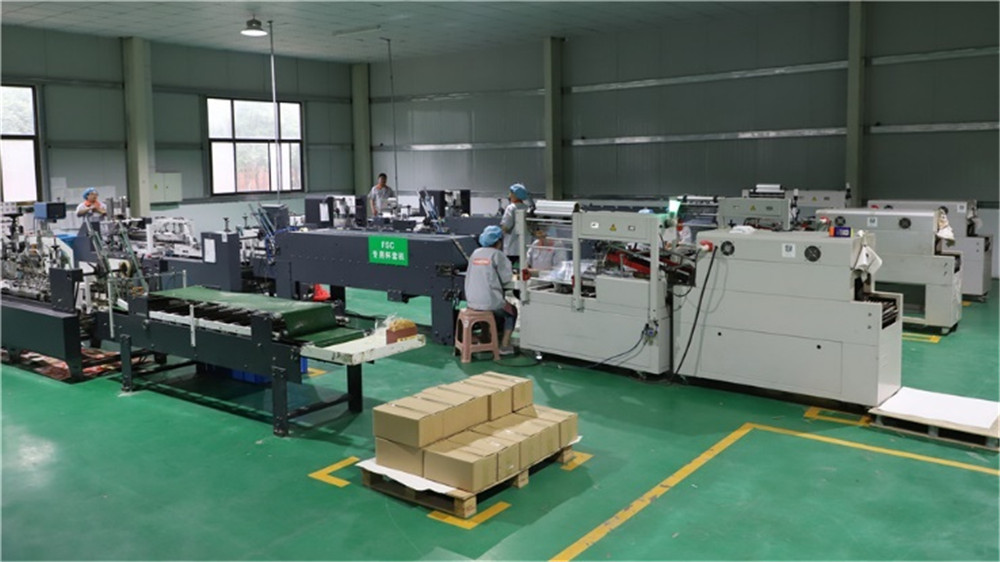
High-precision glue application and forming lines producing protective corrugated cup sleeves.
Developing agricultural packaging requires careful balancing of water resistance, gas transmission rate (GTR), and mechanical strength. Standard polymers like PET and PP provide durability but persist in landfills. Conversely, raw bio-based polymers can degrade prematurely if exposed to condensation in agricultural cold chains.
PsiPrime addresses these challenges by blending bio-based materials like PLA, PBAT, and cornstarch. This improves heat resistance, moisture resistance, and tensile strength while maintaining compostability.
| Material Family | Primary Application | Key Performance Property | Certifications / Standards |
|---|---|---|---|
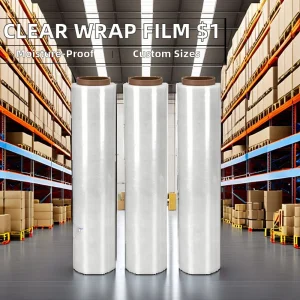
| Polylactic Acid (PLA) / PBAT Blend | Cling Film & Clear Windows | High optical clarity, high tensile elongation, balanced CO₂/O₂ gas transmission. | EN 13432, ASTM D6400 |
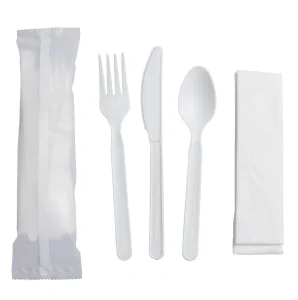
| Cornstarch Biocompounds | Heavy-Duty Cutlery & Boxes | Excellent rigidity, thermal stability up to 105°C, high compression strength. | FDA Food-Grade Compliant |
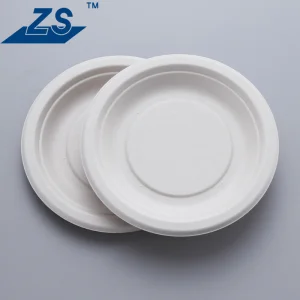
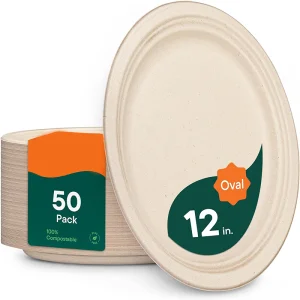
| Sugarcane Bagasse Pulp | Molded Plates & Trays | Natural oil resistance, high structural stiffness, microwave and freezer safe. | 100% Home Compostable |
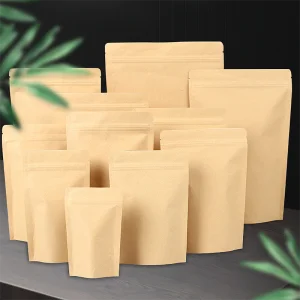
| Coated Kraft Paper | Pouches & Shopping Bags | High burst strength, water-resistant vegetable wax or PLA barrier coatings. | FSC Certified, Recyclable |
Because agricultural conditions vary widely around the world, one-size-fits-all packaging is often inefficient. A successful OEM/ODM process requires tailored planning and execution:
We match packaging breathability to the specific respiration rate of the target produce, whether it is high-respiration broccoli or lower-respiration apples.
Modified surface energy prevents water droplets from gathering, reducing microbial growth risk and maintaining high visibility for retail displays.
Molded fiber trays and corrugated structures are designed to withstand stacked ocean containers and bumpy road transport.
Biodegradable packaging uses natural plant starches (like cornstarch) or compostable biopolymers (PLA/PBAT) that allow heat and humidity to pass through naturally. This helps prevent condensation buildup, which is a major cause of mold and decay during transport.
By blending structural bio-polyesters (like PBAT) with water-resistant bio-coatings, we protect the packaging's strength. This ensures it stays rigid and reliable even in humid cold storage (0-4°C at 90%+ Relative Humidity) and degrades only when composted.
OEM (Original Equipment Manufacturer) produces packaging to your exact pre-existing specifications and structural drawings. ODM (Original Design Manufacturer) handles the entire process, where our engineers design, test, and manufacture customized packaging based on your shelf-life and shipping goals.
Yes, all our food packaging products comply with FDA and EU food contact regulations. We use raw materials that are free from heavy metals, chlorine bleach, and fluorinated chemical treatments (PFAS-free options available).
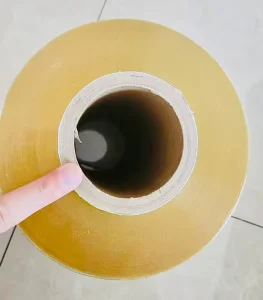
Our PLA-based films match the clarity and stretch of PVC. They also offer excellent breathability, allowing carbon dioxide and oxygen to balance naturally. This extends the freshness of items like leafy greens and berries.
MOQs depend on the product type. Standard items like paper bags and coffee cups range from 10,000 to 50,000 units. Custom molded fiber trays and specialty films depend on tooling requirements, and we can discuss smaller test runs for new partners.
Engineered high-performance materials for logistics, agriculture, and direct food retail.
 PsiPrime Packaging