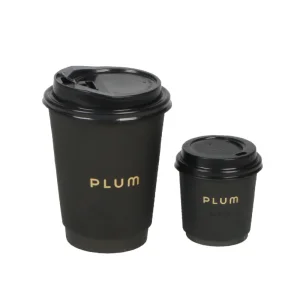
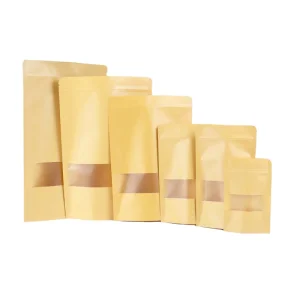
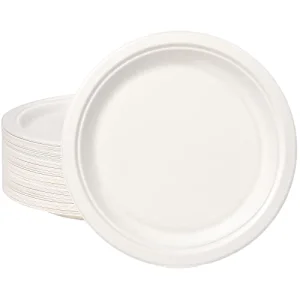
Explore our flagship range of biodegradable compostable packaging options designed to fulfill strict environmental mandates without compromising on performance or design aesthetics.
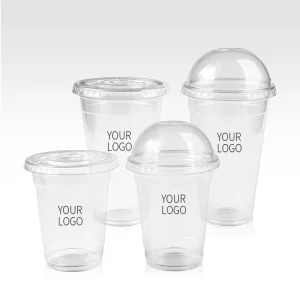


As the international community converges on strict decarbonization protocols and circular economy mandates, packaging has become the center of legislative and ecological scrutiny. The proliferation of Extended Producer Responsibility (EPR) laws across North America, the EU Single-Use Plastics Directive (SUPD), and tightening restriction updates from the FDA and LFGB require businesses to adopt future-proofed materials.
Modern consumers and corporate stakeholders no longer view ecological commitment as a marketing perk, but as an indicator of corporate stability and systemic risk management. Transitioning away from conventional polyethylene (PE) and polystyrene (PS) involves navigating complex material science. Today's commercial foodservice applications must leverage plant-based resources, industrial compostability, and high-performance grease/barrier solutions to satisfy operational expectations while achieving true ecological targets.
Leading the Transition to Sustainable Foodservice and High-Performance Custom Packaging Solutions.
Shandong PsiPrime Packaging Co., Ltd. is committed to advancing sustainable packaging solutions and promoting the reduction of single-use plastics, helping foodservice and food-related industries transition toward more environmentally responsible operations.
The company strongly believes that biodegradable and compostable packaging materials represent the future of sustainable development. It actively promotes the concept of “plastic alternatives” and works to raise awareness of eco-friendly packaging across global markets. With extensive industry experience and a reliable supply chain, we provide high-quality, sustainable food packaging solutions to customers in many countries and regions.
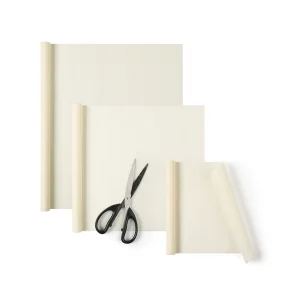
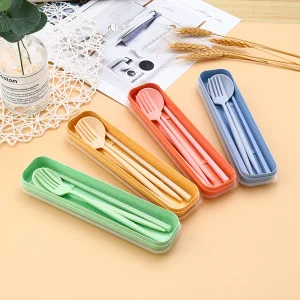
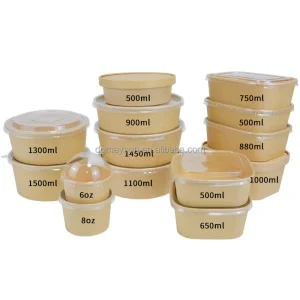
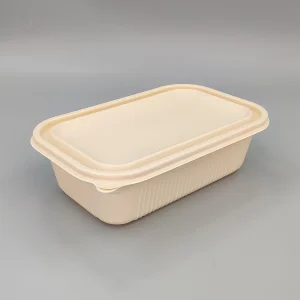
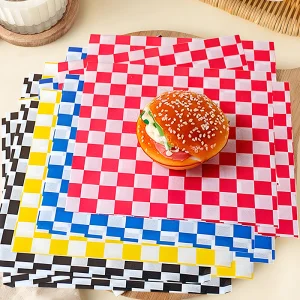
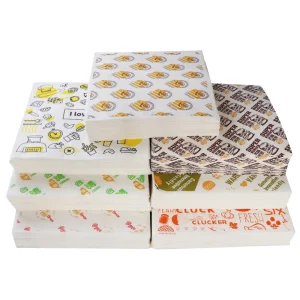
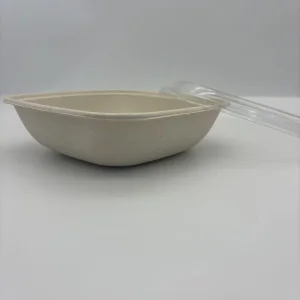
Specializing in the research, development, and manufacturing of eco-friendly food-grade packaging products, Shandong PsiPrime Packaging Co., Ltd.’s product portfolio includes compostable food containers, paper-based food packaging, eco-friendly paper bags, food wrapping paper, and disposable catering supplies. These solutions are designed to meet the diverse needs of restaurants, food delivery platforms, food processors, and retail businesses.
We are dedicated to a customer-centric philosophy, offering one-stop customization services ranging from product design and material selection to custom printing. This enables clients to build strong, recognizable brand packaging while maintaining sustainability goals. At the same time, we emphasize stable delivery performance and strict quality control to ensure efficient and reliable global supply.
Through continuous improvements in production processes and supply chain management, Shandong PsiPrime Packaging Co., Ltd. enhances both cost efficiency and operational reliability, supporting clients in achieving sustainable growth in competitive markets. Looking ahead, we will continue investing in innovation in biodegradable materials and expanding the application of compostable products across more industries, working together with global partners to build a low-carbon, environmentally friendly, and sustainable future.
Developing customized formulations of sugarcane pulp, bamboo fibers, PLA, and high-temperature CPLA to deliver excellent thermal stability and moisture resistance without relying on microplastic-producing coatings.
Providing streamlined OEM/ODM design programs, precision tool manufacturing, rapid prototyping, and custom surface relief embossing to support brand-differentiated structural packaging requirements.
Ensuring production facilities and materials comply with FDA, LFGB, BPI, TUV OK Compost, and EN13432 guidelines to facilitate smooth custom clearance and regional distribution.
Our engineering approach focuses on matching molecular performance with environmental degradability.
Derived from fermented corn starch or sugarcane dextrose. PLA offers excellent optical clarity and tensile strength, making it ideal for cold cup systems, deli containers, and clear lid configurations. Under industrial composting conditions (60°C, 95% humidity), it breaks down into water and CO2 in 60 to 90 days.
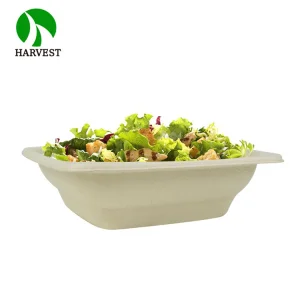
An agricultural byproduct from raw sugarcane extraction. The remaining sugarcane fibers are repurposed into strong tableware. Bagasse products handle temperatures up to 120°C in oil and 95°C in water. They are freezer and microwave-safe, and decompose naturally in home composting settings in under 90 days.
Replacing traditional poly-coatings with a water-based dispersion barrier. This technology coats paperboard containers directly with hydrophobic and oleophobic polymers. The coated fibers are easily recyclable in standard paper recovery systems, helping brands transition away from single-use plastics.
Take a look inside our cleanroom production facilities, from raw pulp refining to finished case packing and shipping logistics.
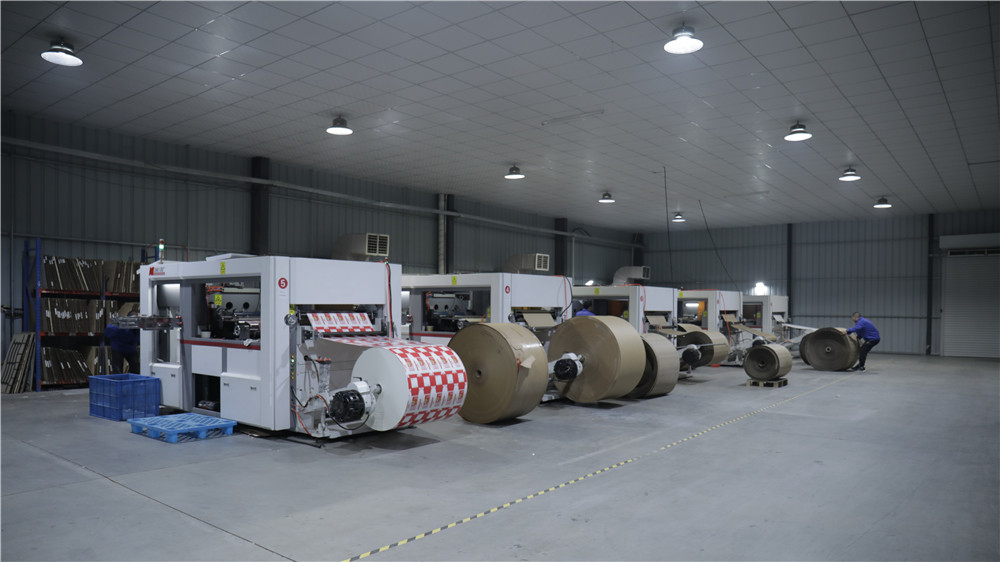
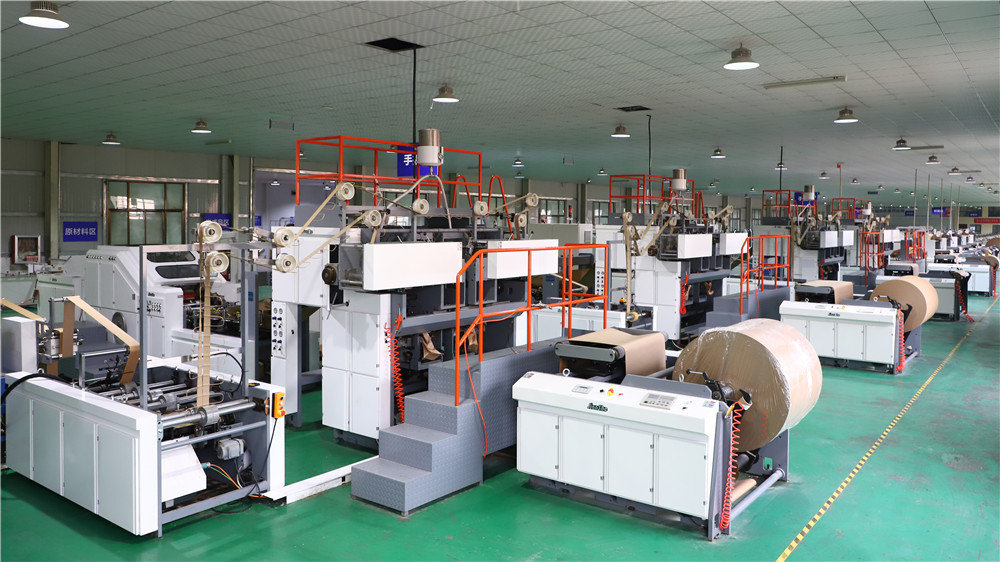
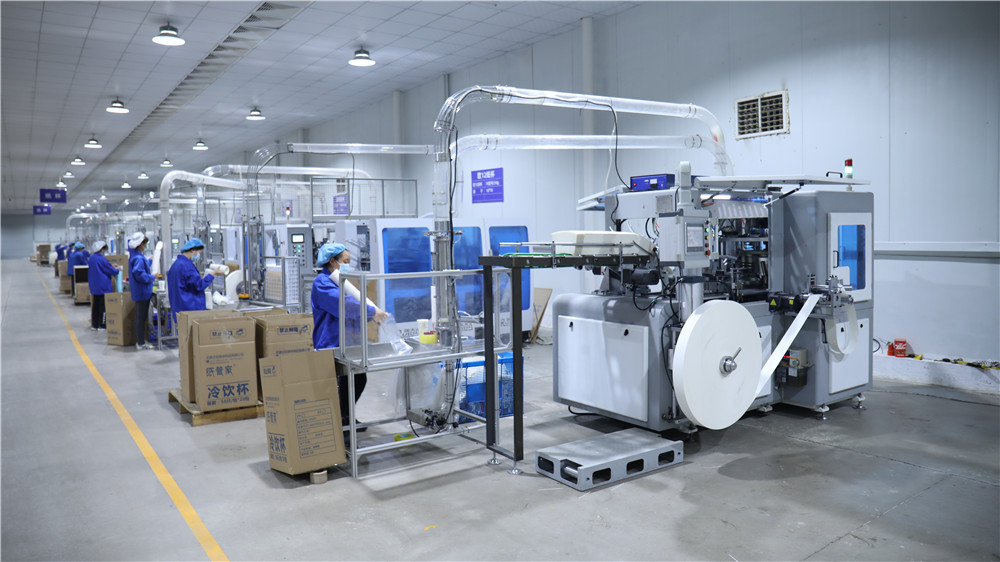
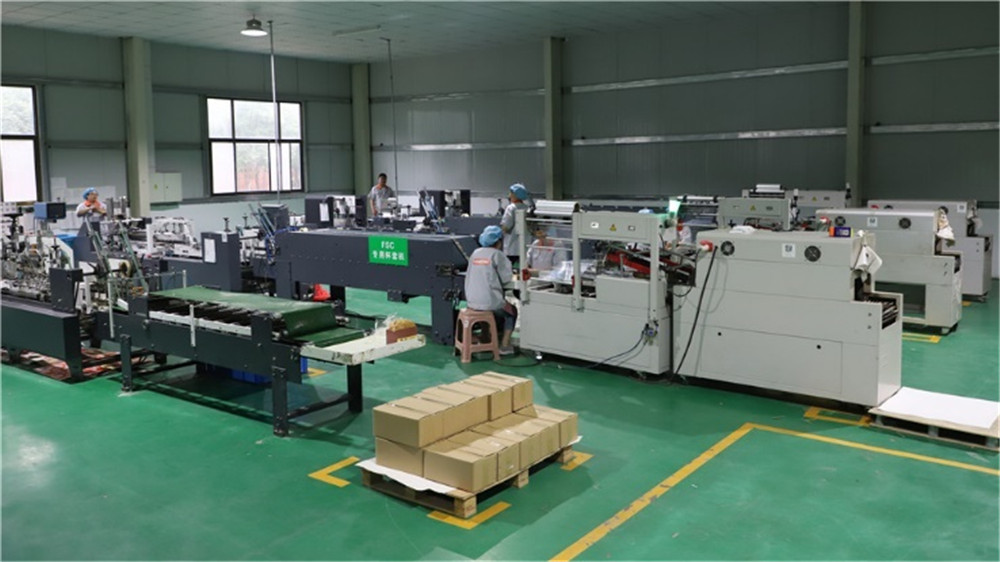
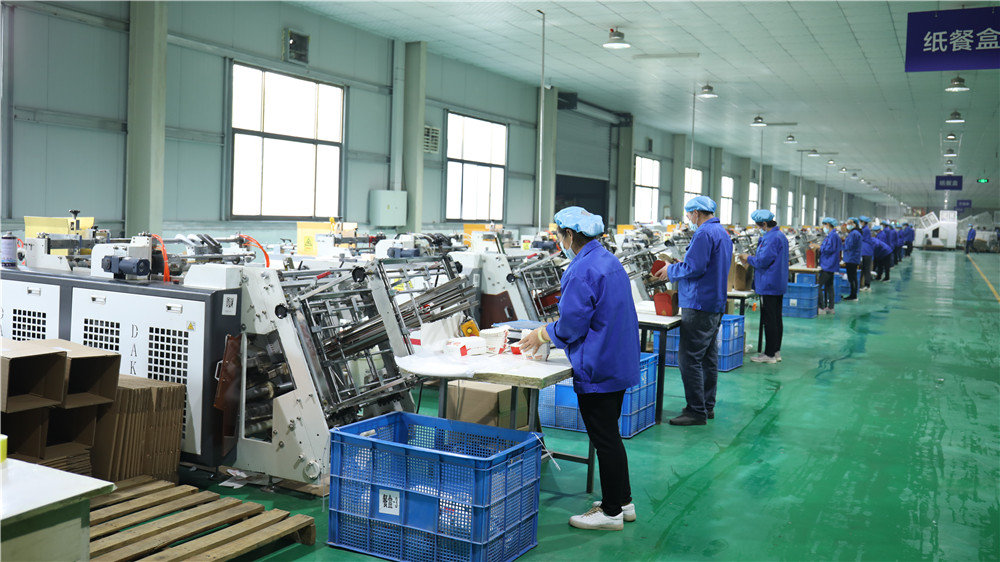
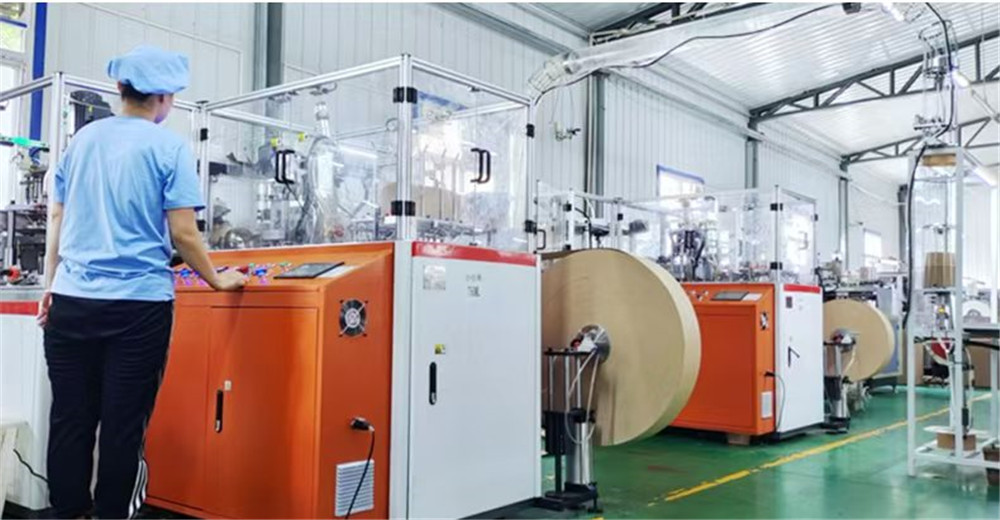
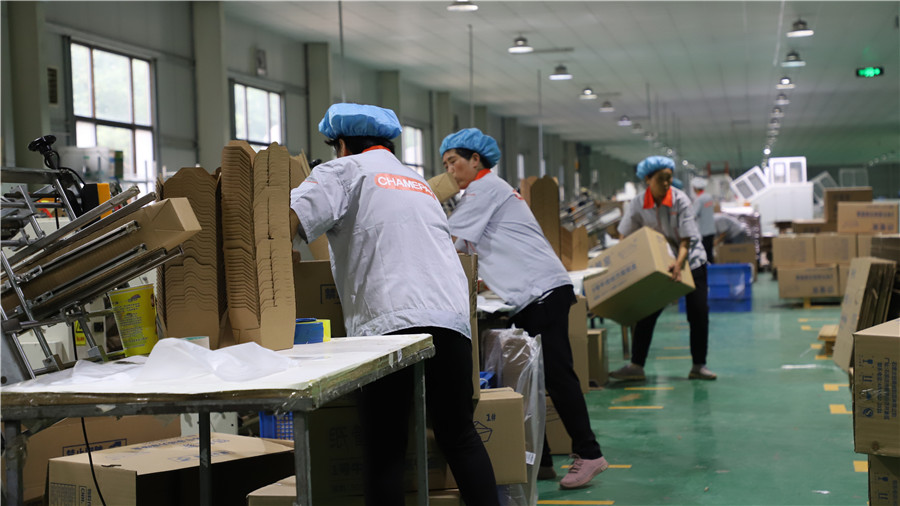
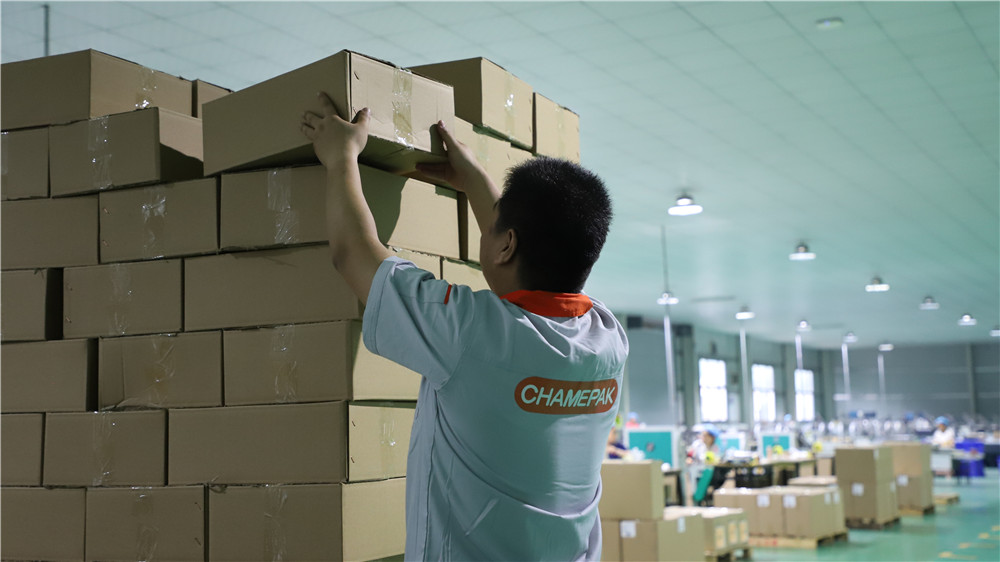
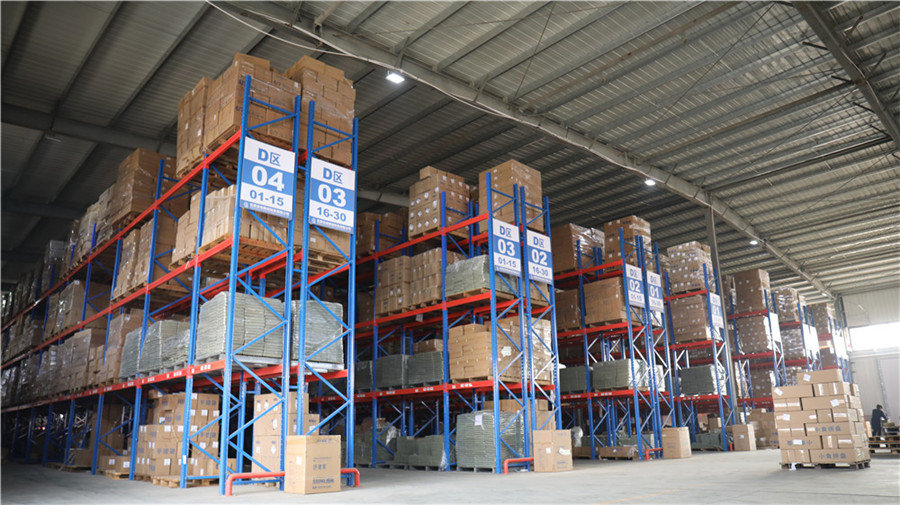
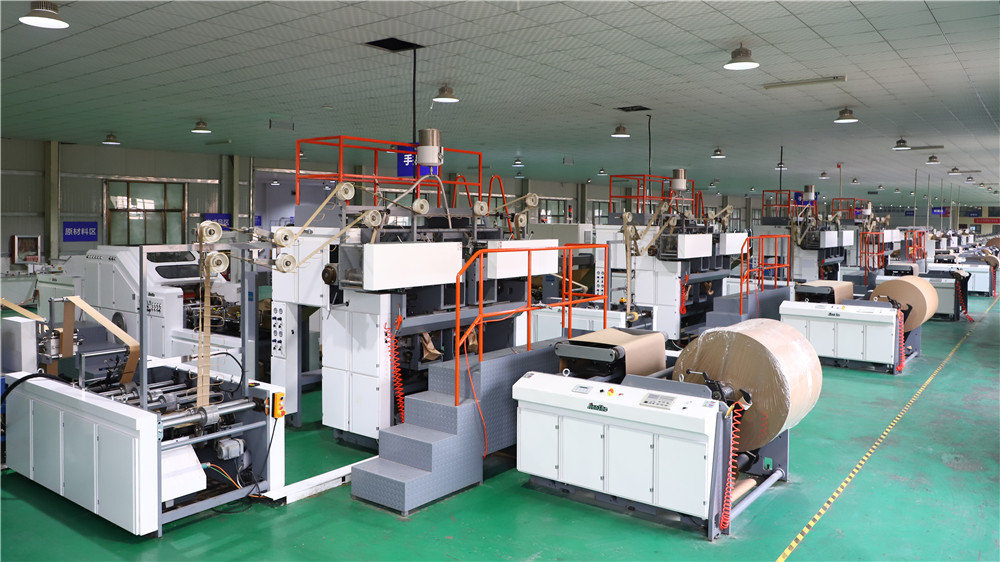
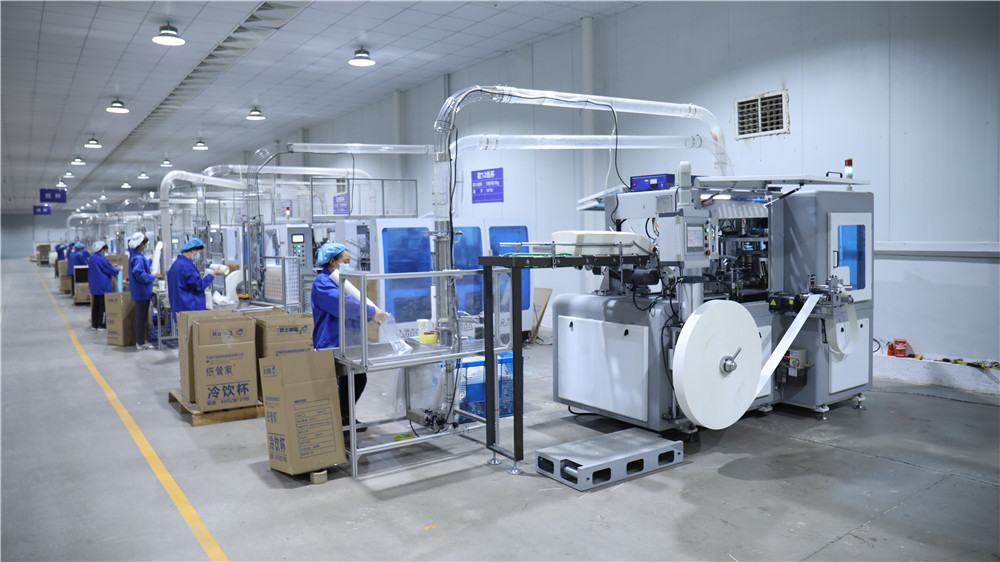
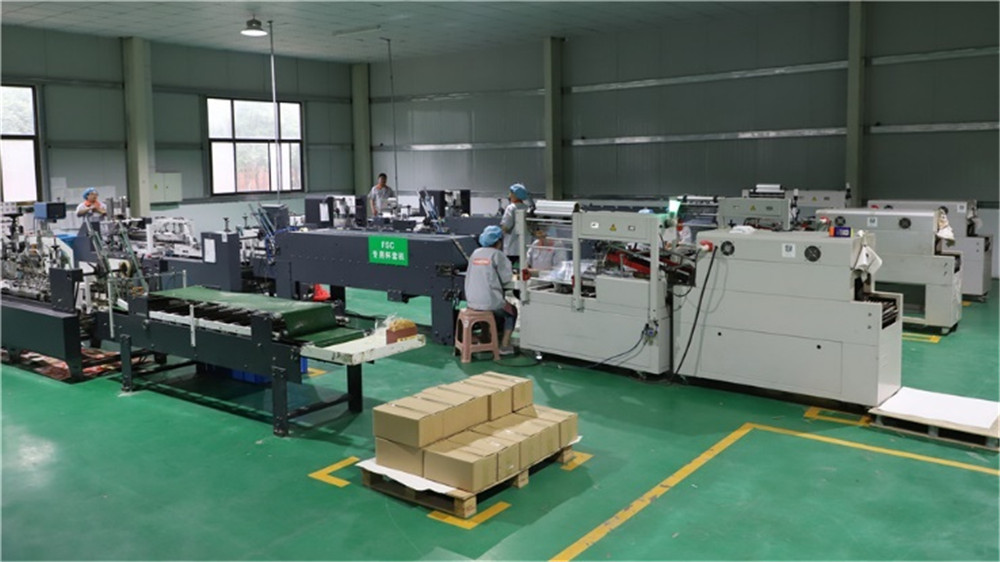
Shandong PsiPrime Packaging Co., Ltd. relies on China's integrated industrial infrastructure to ensure supply chain stability. Our factory is located near major container transport hubs in Shandong, which provides strategic access to raw materials and optimizes global shipping routes. This proximity helps insulate our international partners from market disruption and logistics volatility.
We combine high-speed automated forming systems with multi-point quality control. By integrating prepress structural design, automated molding, and customized printing within one facility, we reduce lead times while maintaining strict control over specifications. This streamlined approach minimizes production waste and helps keep pricing competitive for our clients.
We support various sizes, customized paper weights, functional aqueous barriers, and personalized multi-color flexographic or soy ink offset printing to match your brand requirements.
From visual inspection units to hot-fill testing, each production lot is cataloged and trace-coded to guarantee compliance and food safety.
We offer customized logistics consolidation, mixed container load-outs, and flexible freight terms (FOB, CIF, DDP) to simplify procurement processes.
Our products are engineered to comply with regional packaging regulations, offering food businesses globally consistent safety and performance standards.
| Target Market | Applicable Certifications | Material Focus | Ideal Application |
|---|---|---|---|
| North America (US & Canada) | FDA, ASTM D6400, BPI Certified | Sugarcane Pulp, PLA, Aqueous Cups | Quick Service Food Prep, Office Catering, Festivals |
| European Union (EU) | EN 13432, LFGB Food-Grade, OK Compost | Plastic-Free Coatings, Bagasse Bowls | Eco-conscious Cafes, Home Food Deliveries, Corporate Hubs |
| Australia & New Zealand | AS4736 (Industrial), AS5810 (Home) | Home-Compostable Straws, Kraft Bowls | Take-out Food Outlets, School Canteens |
| Latin America & APAC | ISO 9001, General Food Safety Compliance | Starch-Blend Food Boxes, Paper Wraps | Street Food Operations, Hotel Room Dining, Events |
Answers to common technical, logistics, and material compliance questions for OEM/ODM partners.
Traditional paper cups use a polyethylene (PE) plastic lining to hold liquid. This plastic lining is difficult to separate from the paper fibers during typical recycling operations, meaning most PE cups end up in landfills. Aqueous-coated paper cups utilize a water-dispersed polymer barrier that is absorbed into the paper fibers. This barrier prevents liquid penetration while remaining repulpable, allowing the cups to be recycled alongside standard cardboard in regular paper mills.
Polylactic Acid (PLA) is a transparent biopolymer that softens at temperatures above 45°C (113°F), meaning it is best suited for cold drinks and room-temperature foods. Crystallized Polylactic Acid (CPLA) undergoes an additional crystallization process under heat during manufacturing. This thermal treatment increases its heat resistance to 85°C (185°F), making CPLA ideal for hot cup lids, soup spoons, and coffee stirrers. We recommend storing all PLA and CPLA products in dry, cool conditions away from direct sunlight.
In a certified municipal composting facility, sugarcane bagasse products generally decompose within 60 to 90 days. Because they are made from natural cellulose fibers, they also break down in home compost piles, typically in 90 to 120 days depending on local soil temperature, humidity, and microbial activity. They leave behind no microplastics or harmful chemical residues.
Yes, we prioritize health and environmental safety by offering fluorochemical-free oil and grease resistance. We use mechanical compression styling and certified plant-based barrier additives to prevent grease and water leakage without relying on fluorinated compounds (PFAS), ensuring compliance with international regulations.
Our standard MOQs for custom logo printing on existing cup or bowl shapes range from 30,000 to 50,000 pieces per size, depending on design complexity. For completely custom sizes or new product shapes, the MOQ is determined by tooling requirements, usually beginning at 100,000 pieces to offset design and mold production costs. Please contact our support team for a detailed quotation.
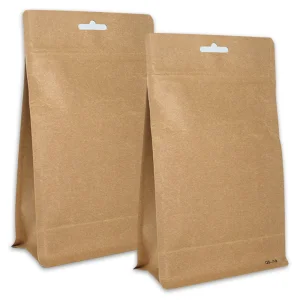
Browse our specialized packaging wraps, pouches, and durable, eco-friendly catering products.
 PsiPrime Packaging