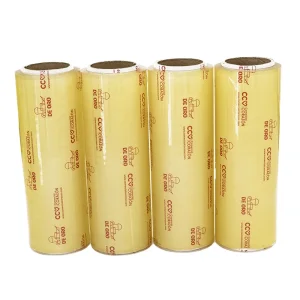
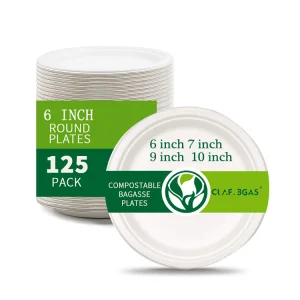
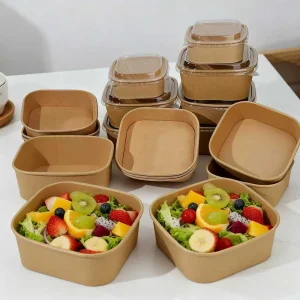
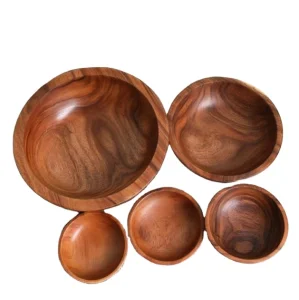
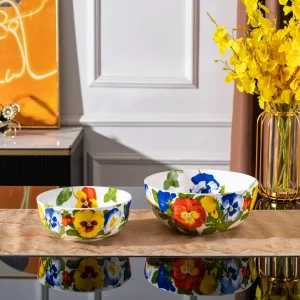
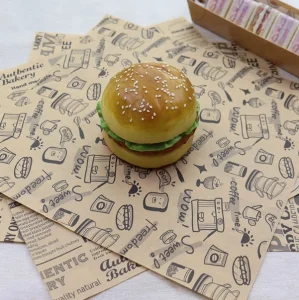
High-performance sustainable alternatives engineered to substitute single-use plastics without performance trade-offs.
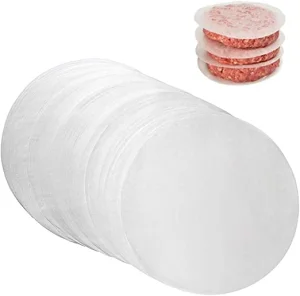
An engineering deep-dive into compostable raw materials and industrial polymer synthesis.
Polylactic Acid (PLA) synthesized from fermented plant starch (corn or sugarcane) combined with biodegradable co-polyesters like PBAT ensures excellent elasticity, high tensile strength, and reliable food-contact safety profiles.
Overcoming historical oxygen and moisture transmission issues through advanced nano-clay compounding. Our films regulate Water Vapor Transmission Rate (WVTR) and Oxygen Transmission Rate (OTR) to extend food shelf-life.
Zero chemical residues or toxic heavy metals left post-degradation. Complies fully with FDA regulations for direct food contact and certified under strict compostability protocols globally.
In the wake of heightened environmental mandates and strict national policies targeting single-use plastics, packaging procurement is undergoing a structural transition. Legacy flexible plastics, primarily composed of low-density polyethylene (LDPE) and polyvinyl chloride (PVC), present persistent ecological challenges due to their centuries-long degradation timelines and microplastic generation. For global food brands, supermarkets, and catering networks, adopting biopolymer food wraps is no longer just a marketing differentiator—it is a regulatory and logistical imperative.
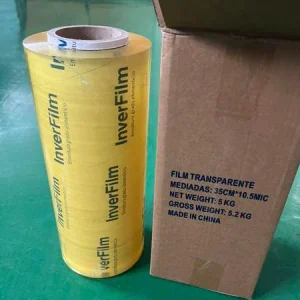
As a leading OEM/ODM Compostable Food Wrap Factory & Supplier, we resolve the historical trade-offs associated with sustainable films: tear propagation, poor heat stability, and inadequate cling mechanics. By compounding Polylactic Acid (PLA) with Polybutylene Adipate Co-Terephthalate (PBAT) and thermoplastic starches (TPS), we produce high-performance, certified compostable wraps. These advanced films mimic the mechanical stretch and self-adhesion of PVC cling wraps while ensuring 100% organic breakdown in commercial composting facilities, returning to carbon dioxide, water, and biomass without chemical phytotoxicity.
Modern compostable films engineered by industrial OEM partners achieve tensile strength at break of 30-45 MPa (comparable to LDPE at 10-25 MPa) and retain an elongation at break exceeding 400%. This ensures durability on automated packaging lines, minimizing structural failure during high-tension wrapping.
Shandong PsiPrime Packaging Co., Ltd. - Driving sustainable industrial excellence.
Shandong PsiPrime Packaging Co., Ltd. is committed to advancing sustainable packaging solutions and promoting the reduction of single-use plastics, helping foodservice and food-related industries transition toward more environmentally responsible operations.
The company strongly believes that biodegradable and compostable packaging materials represent the future of sustainable development. It actively promotes the concept of “plastic alternatives” and works to raise awareness of eco-friendly packaging across global markets. With extensive industry experience and a reliable supply chain, we provide high-quality, sustainable food packaging solutions to customers in many countries and regions.
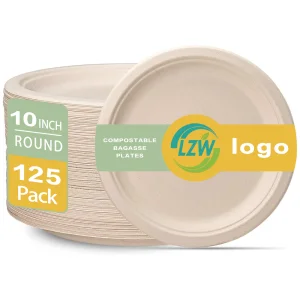
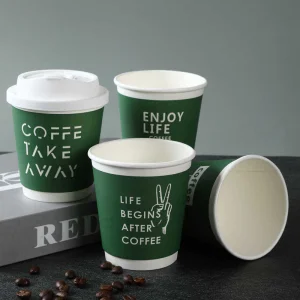
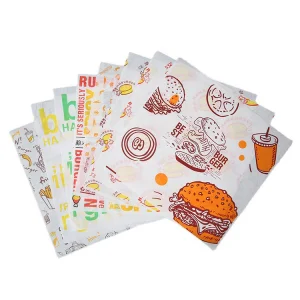
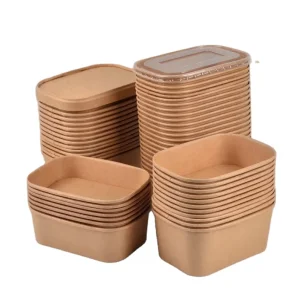
Shandong PsiPrime Packaging Co., Ltd. specializes in the research, development, and manufacturing of eco-friendly food-grade packaging products. Its product portfolio includes compostable food containers, paper-based food packaging, eco-friendly paper bags, food wrapping paper, and disposable catering supplies. These solutions are designed to meet the diverse needs of restaurants, food delivery platforms, food processors, and retail businesses.
The company is dedicated to a customer-centric philosophy, offering one-stop customization services ranging from product design and material selection to custom printing. This enables clients to build strong, recognizable brand packaging while maintaining sustainability goals. At the same time, we emphasize stable delivery performance and strict quality control to ensure efficient and reliable global supply.
Through continuous improvements in production processes and supply chain management, Shandong PsiPrime Packaging Co., Ltd. enhances both cost efficiency and operational reliability, supporting clients in achieving sustainable growth in competitive markets.
Looking ahead, the company will continue investing in innovation in biodegradable materials and expanding the application of compostable products across more industries, working together with global partners to build a low-carbon, environmentally friendly, and sustainable future.
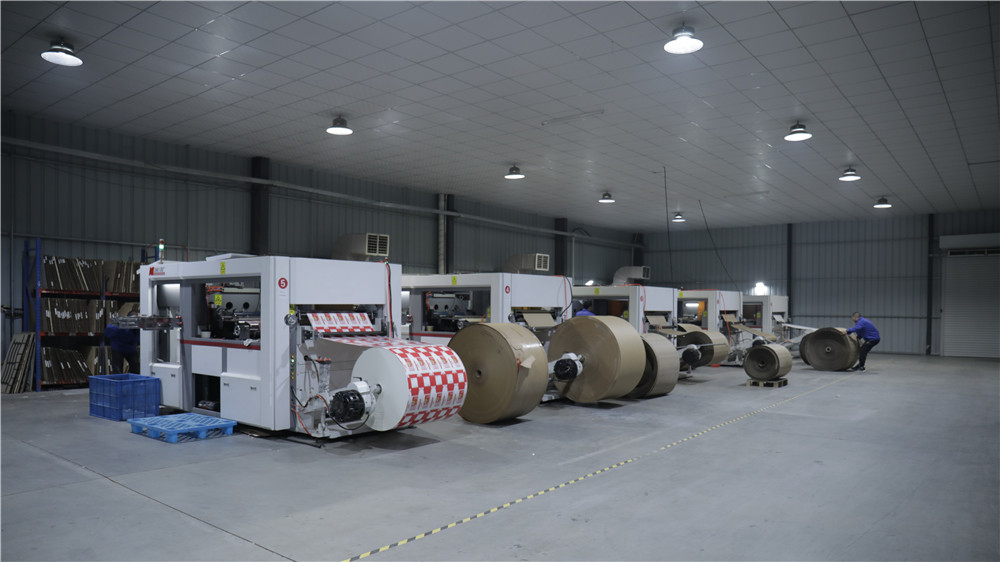
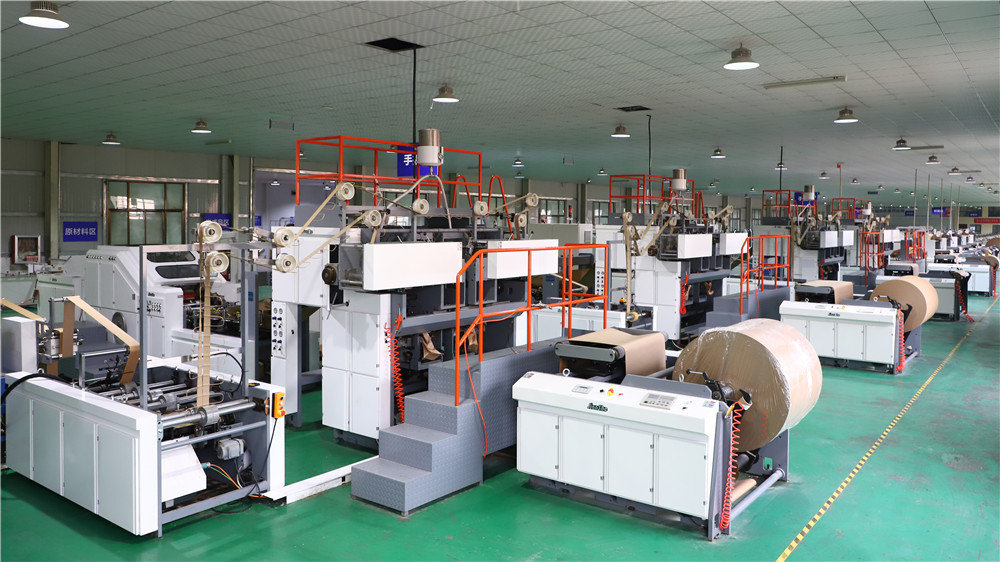
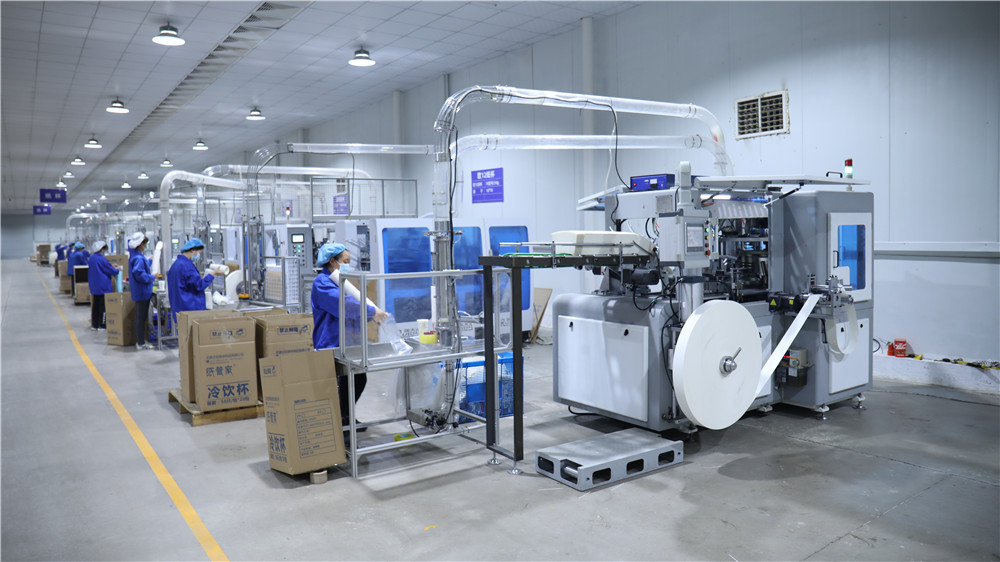
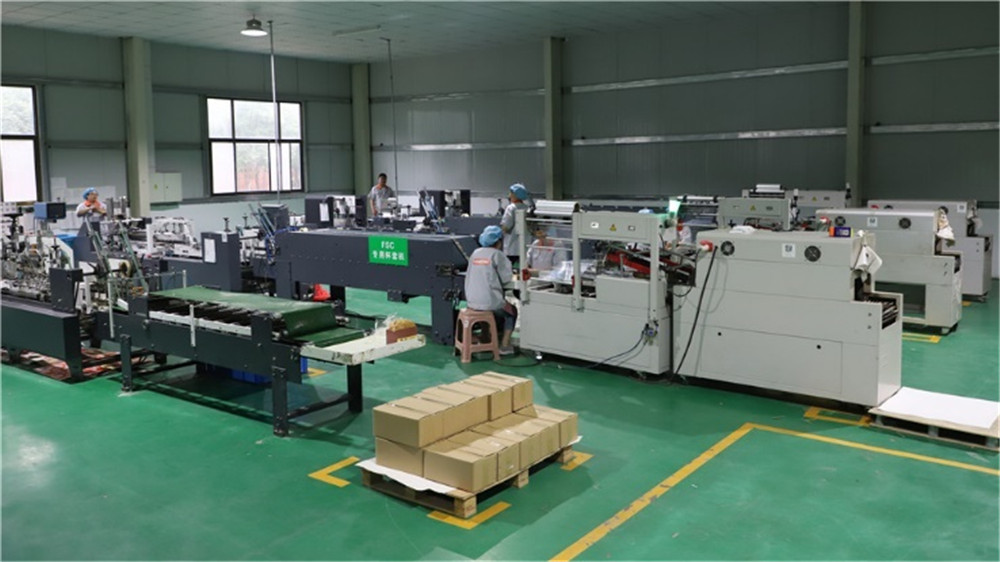
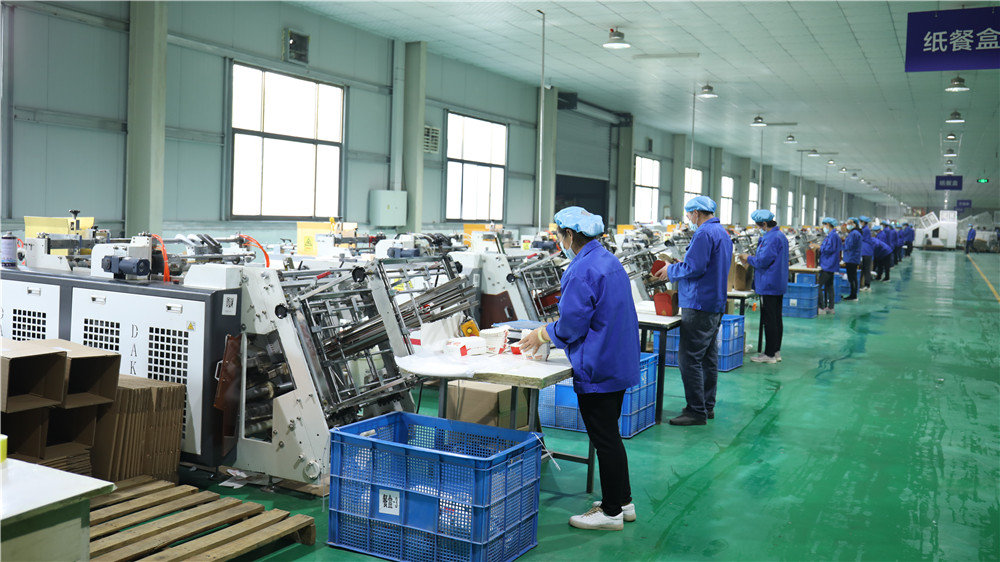
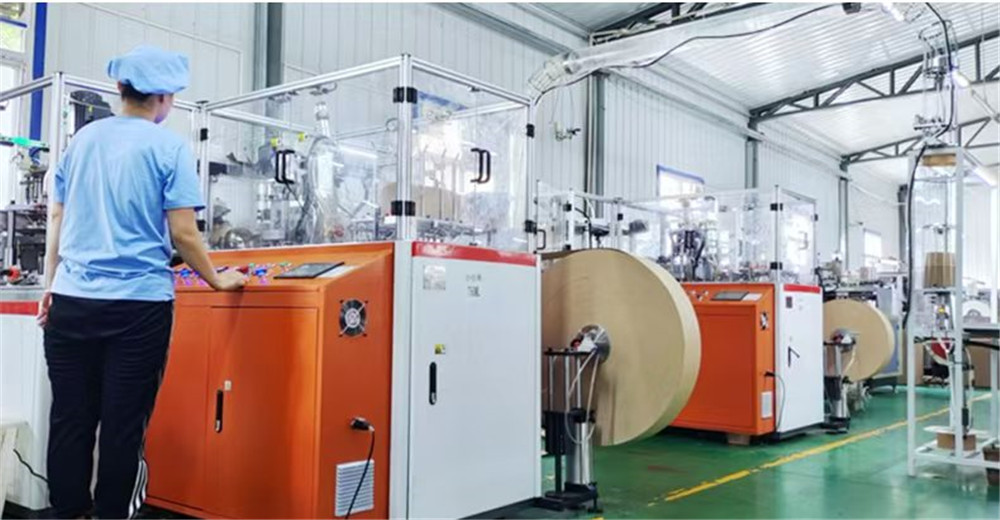
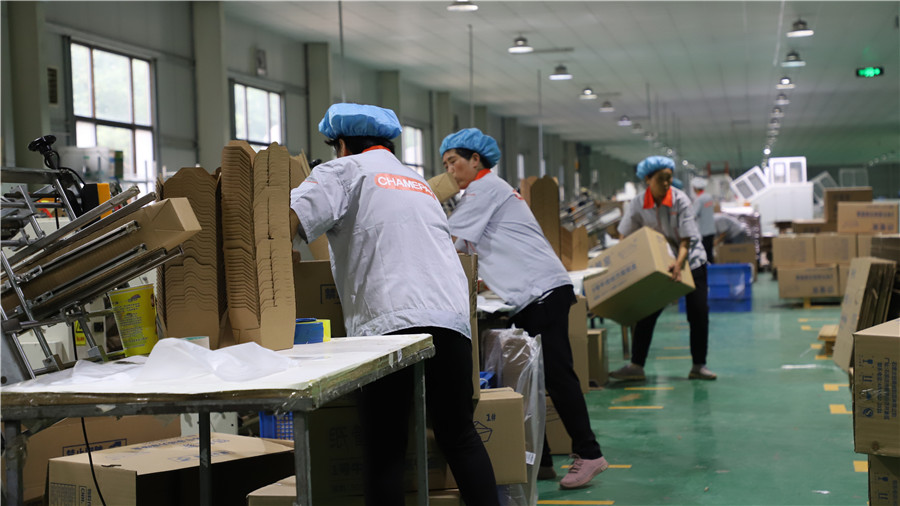
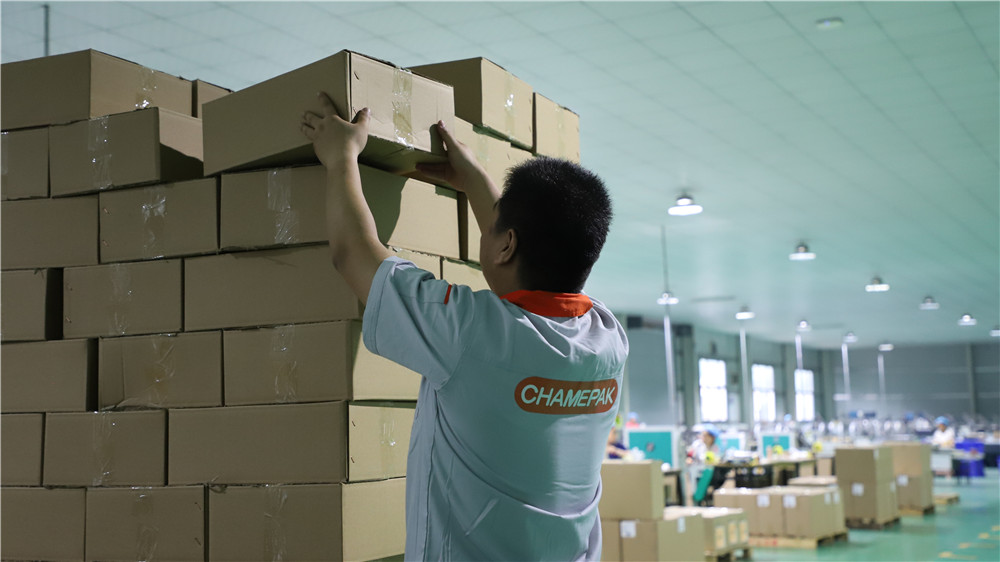
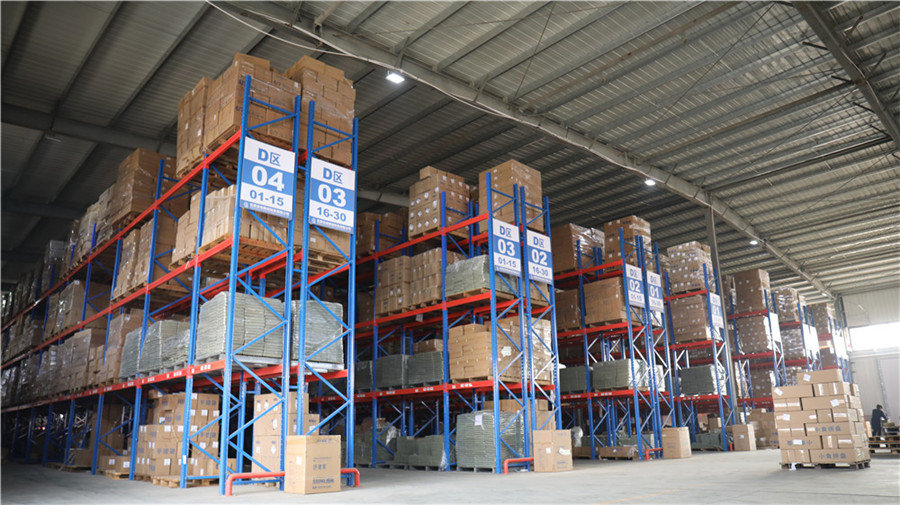
A visual tour of our vertically integrated extrusion, conversion, and quality-control facility.
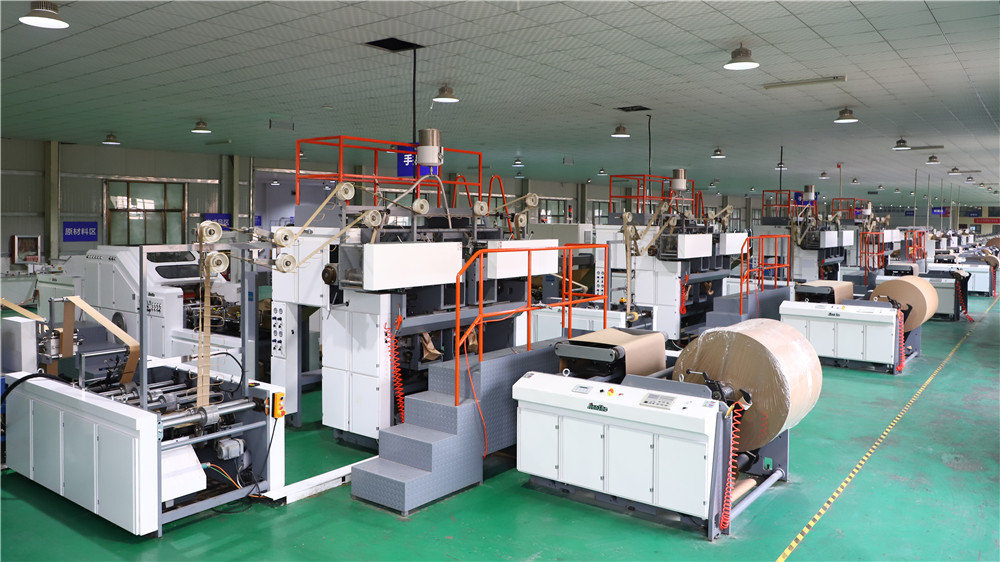
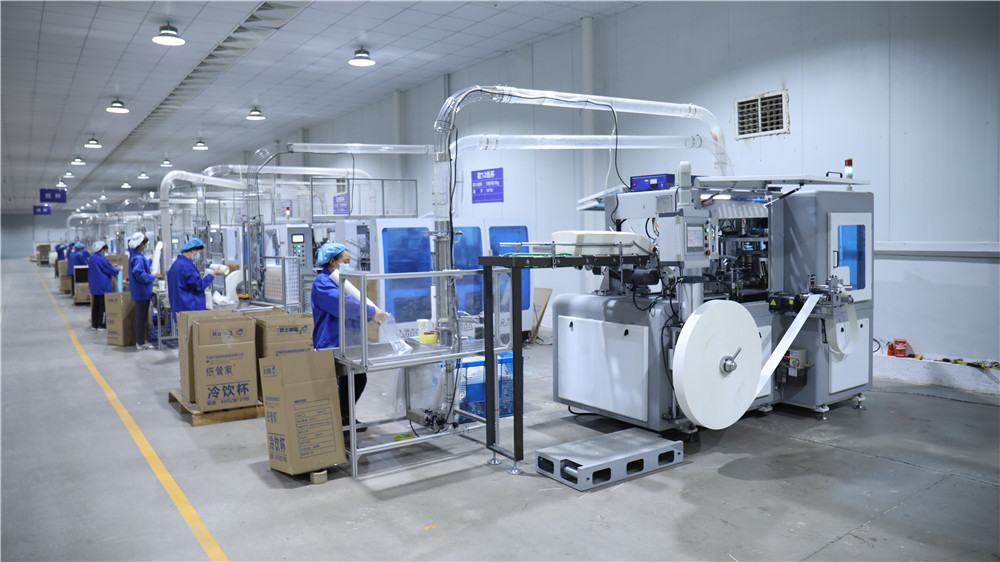
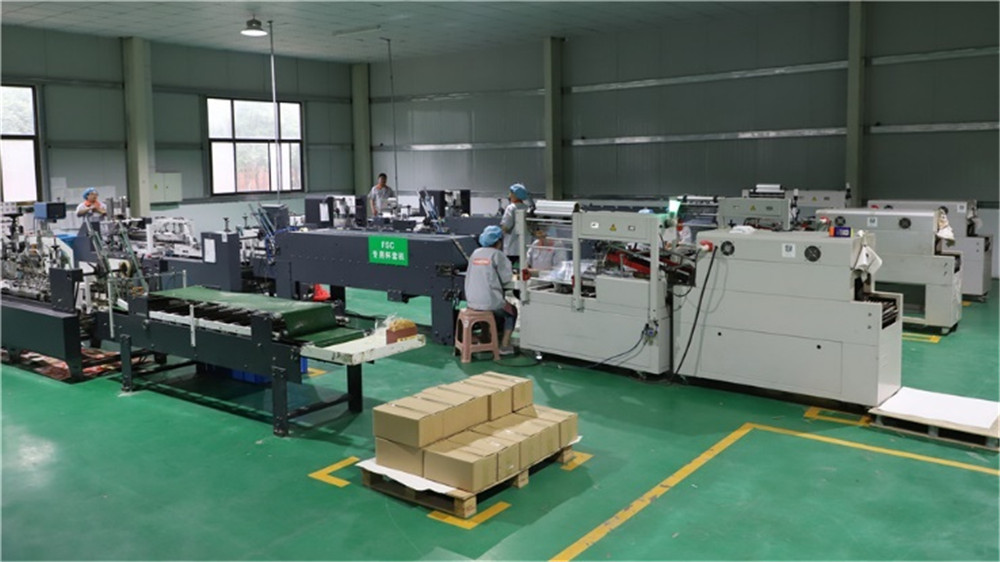
Deciphering geopolitical policies, compliance shifts, and buyer expectations.
The compostable packaging industry is experiencing rapid regulatory-driven growth. Procurement executives from multinational hotel chains, global food-service brands, and grocery networks are restructuring their procurement frameworks to satisfy regional packaging mandates. In the European Union, the proposed Packaging and Packaging Waste Regulation (PPWR) outlines strict targets for plastic reduction, mandating that many everyday packaging applications become compostable. Similarly, in North America, state-level bans on expanded polystyrene (EPS) and single-use plastics are pushing major buyers toward compostable paperboard and flexible film alternatives.
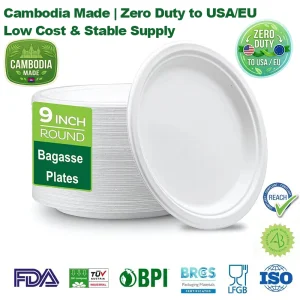
A critical challenge in the eco-friendly packaging chain has been the presence of Per- and Polyfluoroalkyl Substances (PFAS), historically used for oil and water resistance in molded fiber products. Our latest sugarcane bagasse and bamboo fiber ranges are engineered with organic barrier coatings to remain 100% PFAS-Free, ensuring alignment with strict limits in California, New York, and the EU.
To navigate these changes, modern supply chains require dynamic manufacturers capable of producing high-volume, compliant alternatives. Procurement teams evaluate potential partners on key criteria:
Tailoring physical properties, custom sizing, and chemical engineering to specific industry applications.
No two packaging configurations are identical. High-volume industrial users, from automated protein packaging plants to quick-service restaurant (QSR) operators, require tailored solutions. Our OEM/ODM service adapts raw material formulations to target specific physical properties:
By adjusting the ratio of PBAT (yielding high flexibility) to PLA (yielding rigid strength), we customize cling wraps with the specific stretch, adhesion, and clarity required for manually or mechanically wrapped food items.
For fresh produce, high moisture-transmission is needed to prevent condensation and mold. For dried foods, low moisture-permeability is essential. We customize co-extrusion profiles to match these needs.
Using water- or soy-based inks, we offer high-fidelity custom printing for private-label brands. These eco-friendly formulations contain zero heavy metals, ensuring the completed wrap safely biodegrades.
Our industrial support extends past film extrusion. We operate modern converting machinery to supply materials in varied formats: large rolls for commercial food processing lines, pre-cut sheets for deli wrapping, and boxed consumer-size rolls with integrated compostable cutting bars. This complete capability ensures clients can transition away from legacy plastics while keeping their existing packaging lines and operations intact.
Maintaining strict international standards, custom clearances, and duty-free benefits.
International distribution of food-contact products requires meticulous compliance. Importing countries apply strict standards to materials touching food. Shandong PsiPrime Packaging Co., Ltd. maintains a robust quality assurance program that covers both raw materials and finished goods.
In addition to safety compliance, international shipping costs and duties impact procurement decisions. We optimize our shipping routes, export documentation, and container loading densities to minimize logistics costs. Operating out of modern manufacturing hubs, we leverage efficient logistics networks to guarantee consistent supply, stable pricing, and reliable delivery to global ports.
Previewing the future of eco-friendly packaging and advanced polymer science.
The bio-packaging sector continues to evolve rapidly. Our R&D team is focused on addressing the current limitations of compostable polymers through several key initiatives:
We are actively testing Polyhydroxyalkanoates (PHA), biosynthesized by bacterial fermentation. Unlike PLA, PHA-based wraps degrade in marine and home environments, offering a solution for areas lacking industrial composting access.
Through crystalline modification of PLA (creating C-PLA), we are improving heat tolerance. This enables compostable wraps and lids to perform safely at temperatures exceeding 90°C (194°F) without structural failure.
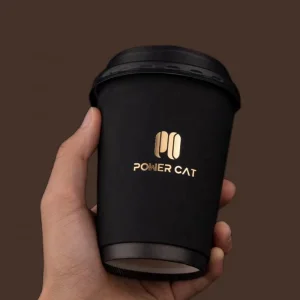
Developing seaweed- and plant-wax based coatings to replace synthetic barrier resins on paper plates and coffee cups. This ensures a clean, 100% natural, and PFAS-free surface.
By investing in these advanced materials, we help our partners future-proof their supply chains against changing environmental regulations. Our goal is to develop highly functional, sustainable packaging that seamlessly replaces fossil-fuel plastics, supporting a circular economy.
Answering technical, regulatory, and procurement questions from business buyers.
Discover our comprehensive range of plates, bowls, wraps, and specialty food prep supplies.
 PsiPrime Packaging