Driving the global transition to low-carbon, zero-plastic packaging ecosystems through material innovation, certified food safety, and premium high-performance manufacturing.
Shandong PsiPrime Packaging Co., Ltd. is a pioneering force in the global green packaging revolution. Committed to advancing sustainable packaging solutions and promoting the systemic reduction of single-use plastics, we empower food service brands, industrial manufacturers, and retail enterprises to transition toward circular, carbon-neutral, and environmentally responsible packaging systems.
Our technical philosophy centers on the absolute replacement of fossil-based plastic bags with certified compostable alternatives. Guided by strict adherence to global safety protocols (FDA, LFGB, EN 13432, ASTM D6400), we research, formulate, and manufacture premium bio-based compounds. From high-barrier flexible materials to compostable food service items, our engineering processes focus on maintaining structural integrity, shelf-life performance, and rapid, toxin-free composting timelines.
We provide a comprehensive, customer-centric one-stop customization pipeline—integrating advanced industrial design, polymer formulation, precise digital customization, cleanroom production, and streamlined global freight logistics. This guarantees a stable, highly competitive supply of sustainable packaging products to clients in North America, Europe, Oceania, and Southeast Asia.
Analyzing global policy interventions, material-science innovations, and the fast-growing demand for high-performance sustainable packaging.
Global policies such as the European Union's Single-Use Plastics Directive (SUPD) and state-level plastic bag prohibitions in the United States and Australia are completely transforming retail infrastructure. Brands must pivot to certified packaging to avoid severe compliance penalties.
Traditional plastics (LDPE, LLDPE) are rapidly yielding to high-tech co-polyester blends like PLA (Polylactic Acid) and PBAT (Polybutylene Adipate Terephthalate). These structures achieve exceptional load-bearing performance and tensile flexibility while breaking down within 180 days in municipal facilities.
Market studies indicate over 78% of modern global consumers actively prefer purchasing brands that deliver goods in sustainable packaging. Utilizing OEM/ODM compostable bags directly increases conversion rates and strengthens long-term customer loyalty.
A clear scientific breakdown of tensile properties, oxygen barrier transmission rates, heat stability, and composting conditions.
| Material Formulation | Tensile Strength (MPa) | Water Vapor Barrier (WVTR) | Heat Resistance Limit | Industrial Composting Timeline | Eco-Toxicity & Residue |
|---|---|---|---|---|---|
| PLA + PBAT Copolymer | 22 - 35 | Moderate to High (Excellent for dry foods) | Up to 60°C (140°F) | 90 - 180 Days (EN 13432) | Non-toxic, breaks down into CO2, H2O, and biomass |
| Sugarcane Bagasse | High (Rigid Structure) | High (When laminated with bio-film) | Up to 120°C (248°F) | 60 - 90 Days | 100% Organic, zero chemical residues |
| Starch-Blended Resins (TPS) | 12 - 18 | Low (Highly breathable, best for produce) | Up to 50°C (122°F) | Home/Industrial: 60-120 Days | Perfectly safe, naturally digested by soil microorganisms |
| Conventional Polyethylene (LDPE) | 15 - 25 | Very High (Barrier to moisture) | Up to 90°C (194°F) | Non-biodegradable (Lasts centuries) | Degrades into dangerous microplastics, bioaccumulative |
Resolving the friction points in the supply chain for enterprise buyers, including scale capacity, consistent thickness control, and long-term shelf stability.
Our extrusion machinery features real-time, closed-loop thickness measurement systems, maintaining variance within ±3%. This level of control ensures runnability and prevents high-speed tear issues during automated packing operations.
To protect food shelf life, we construct customized multi-layer structures. We combine plant-based starches with high-performance PLA, preserving original organoleptic properties and freshness metrics.
Our technical engineers formulate custom melting points for the sealing layers of our pouches. This delivers hermetic seals at lower operating temperatures, speeding up throughput and decreasing energy costs on automatic packaging lines.
We optimize shipping layouts and package configurations to minimize product exposure to excessive heat and humidity in transit. This ensures that the bags arrive in prime condition and perform reliably throughout their storage life.
We design and manufacture customized packaging solutions optimized for different industry-specific demands and requirements.
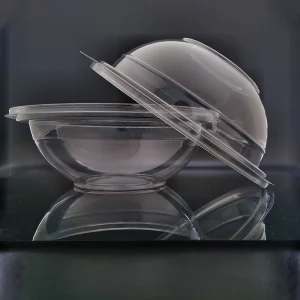
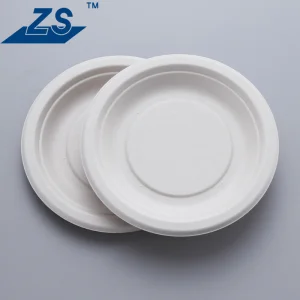
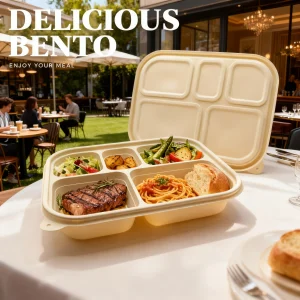
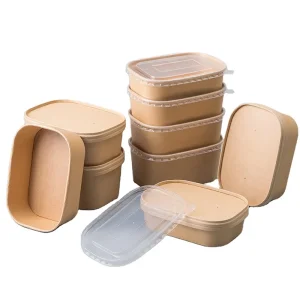
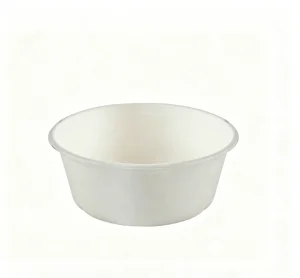
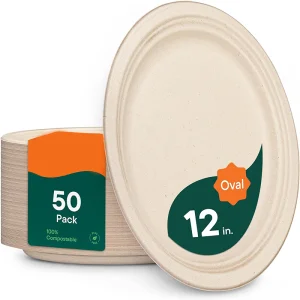
We provide high-barrier greaseproof paper bags, PLA salad bowls, and compostable bagasse lunch boxes designed to withstand temperatures of up to 120°C. These materials prevent oil seepage and grease transfer while remaining completely compostable with food scrap waste.
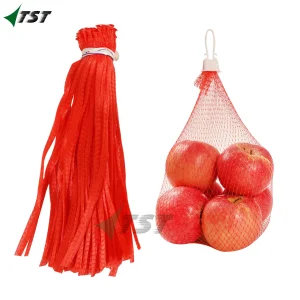
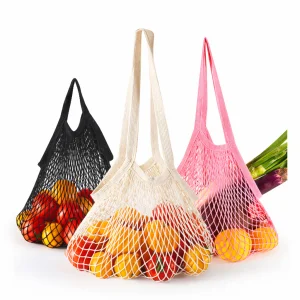
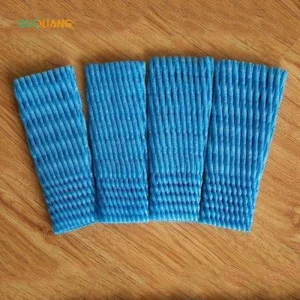
Our breathable organic mesh netting, compostable fruit sleeves, and PLA protective films balance moisture retention with breathability. This helps prevent premature rotting and extends produce shelf life during shipment.
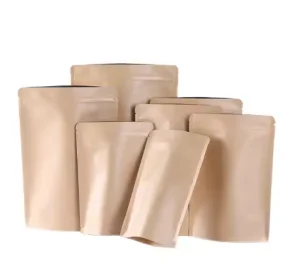
Our stand-up kraft paper pouches, complete with resealable zippers and high-barrier linings, protect delicate products (such as coffee, tea, nuts, and dry cereals) from moisture and oxygen ingress.
Step-by-step production flow, highlighting our cleanroom standards, processing equipment, and rigorous QA verification protocols.
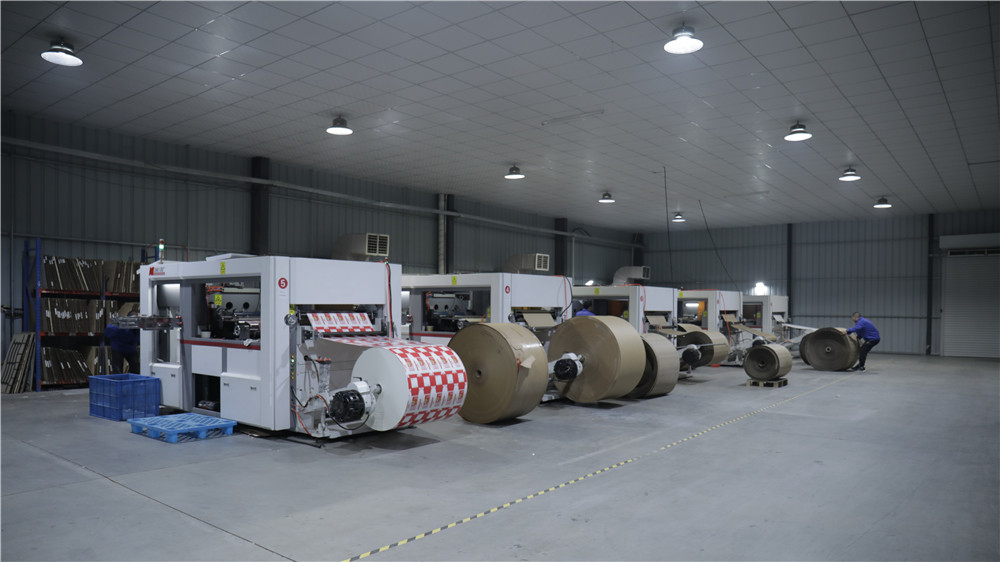
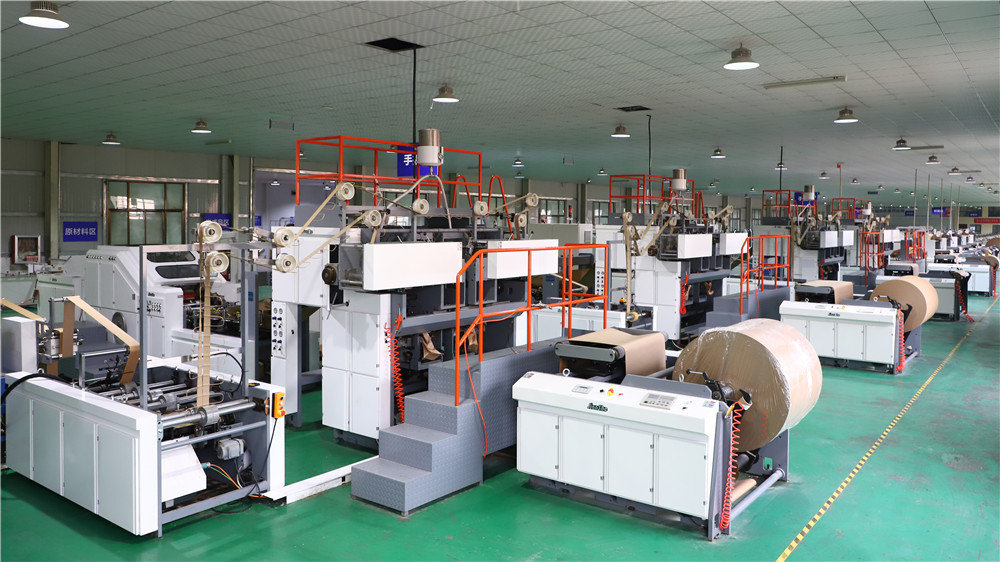
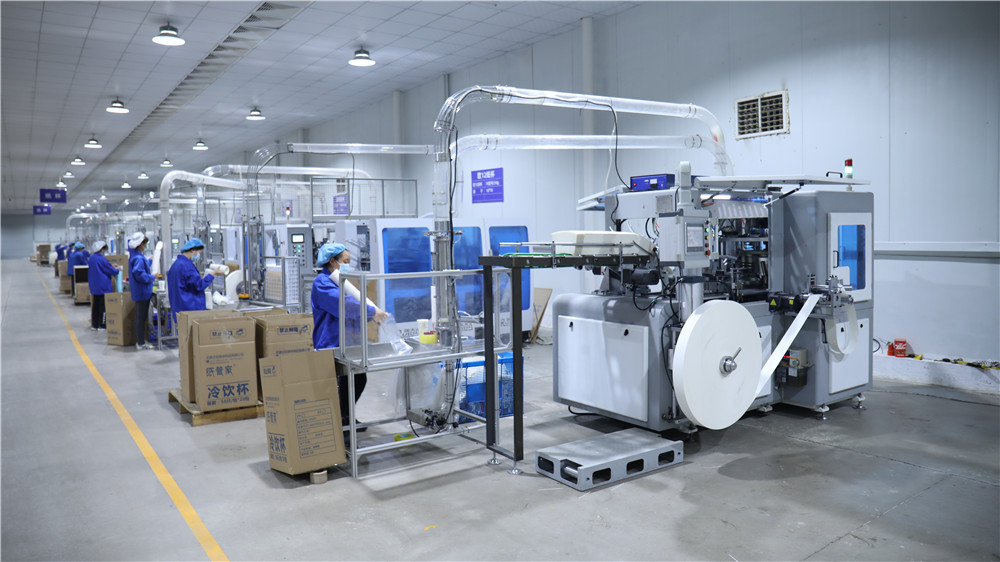
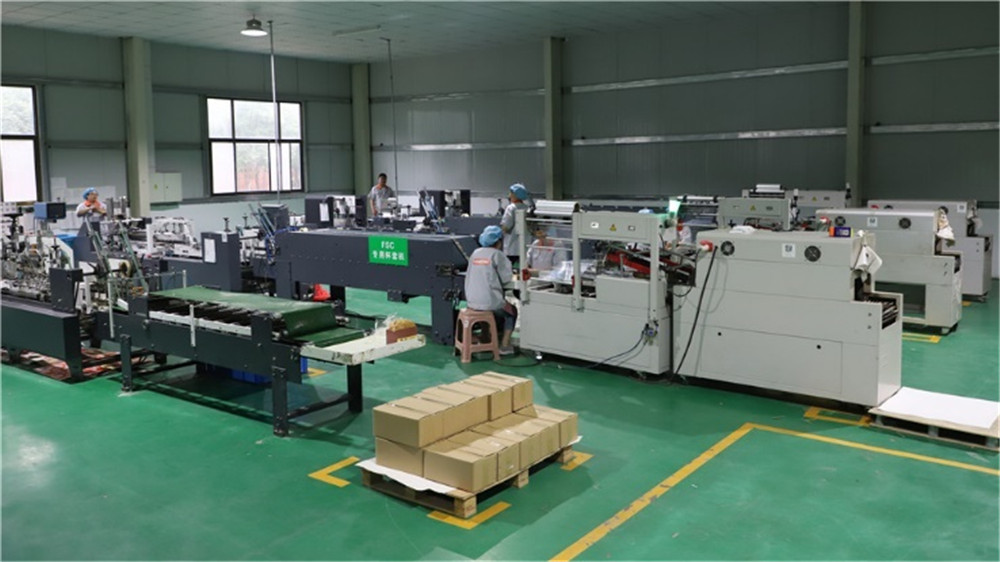
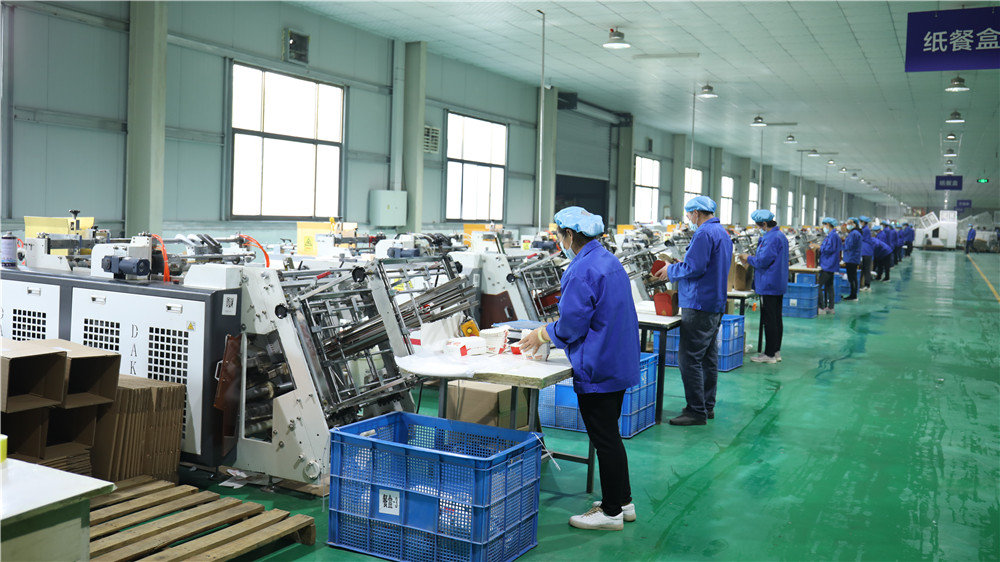
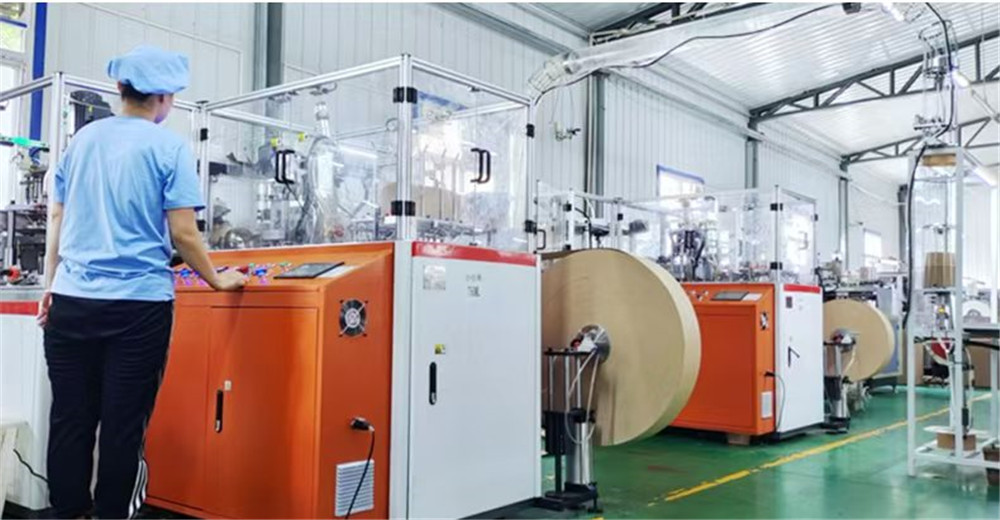
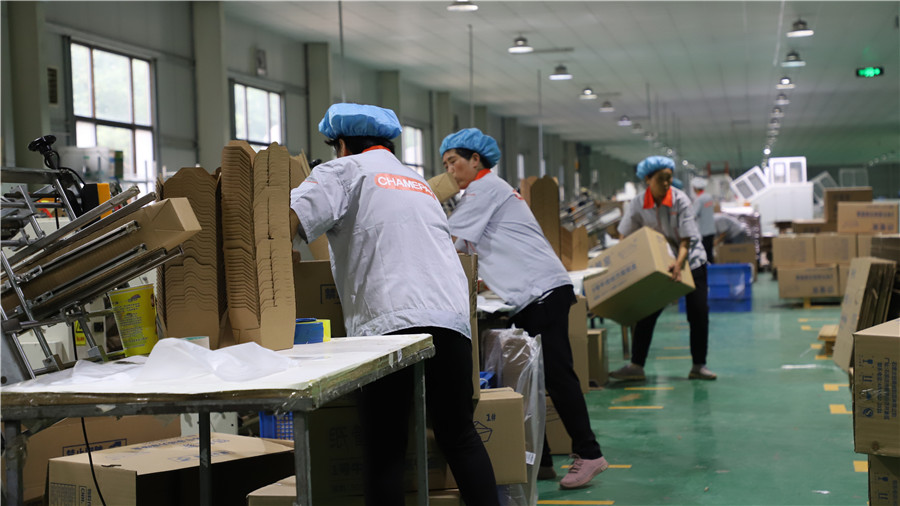
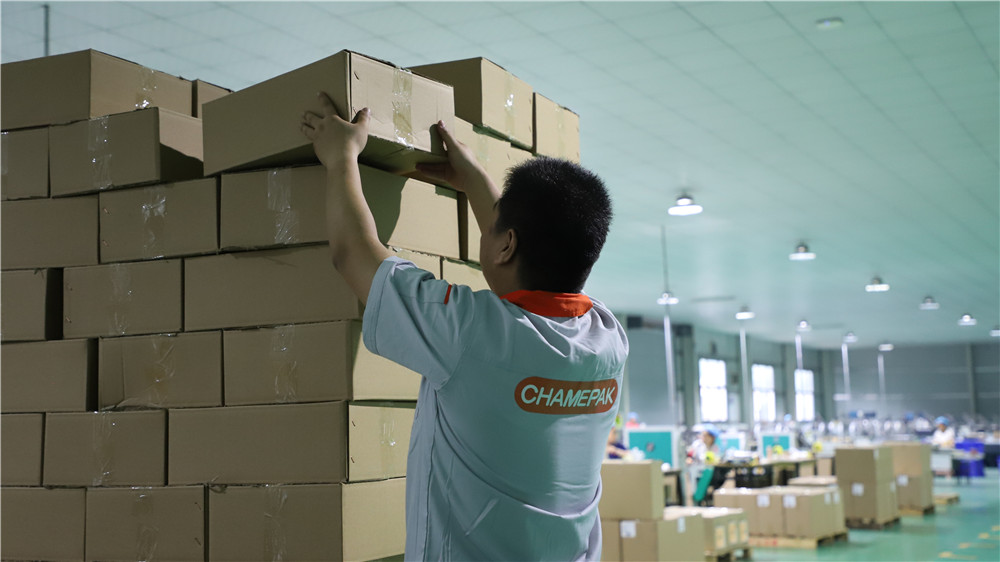
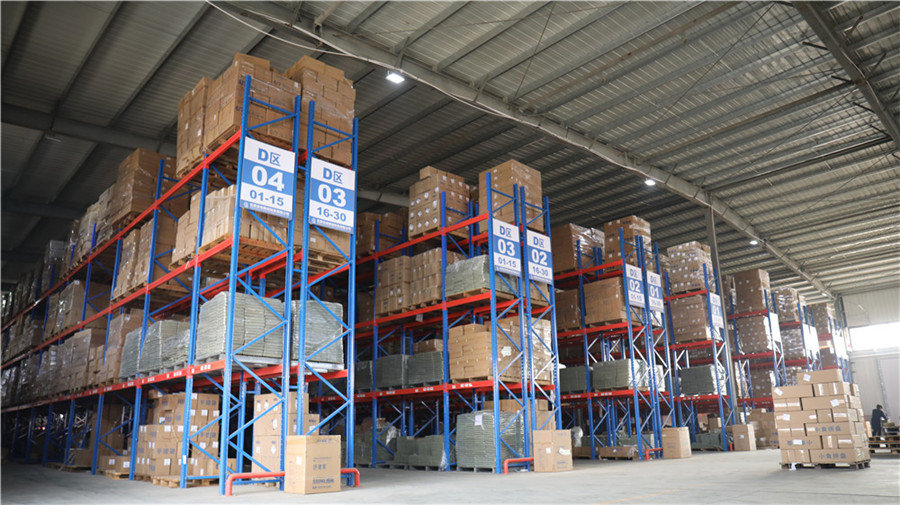
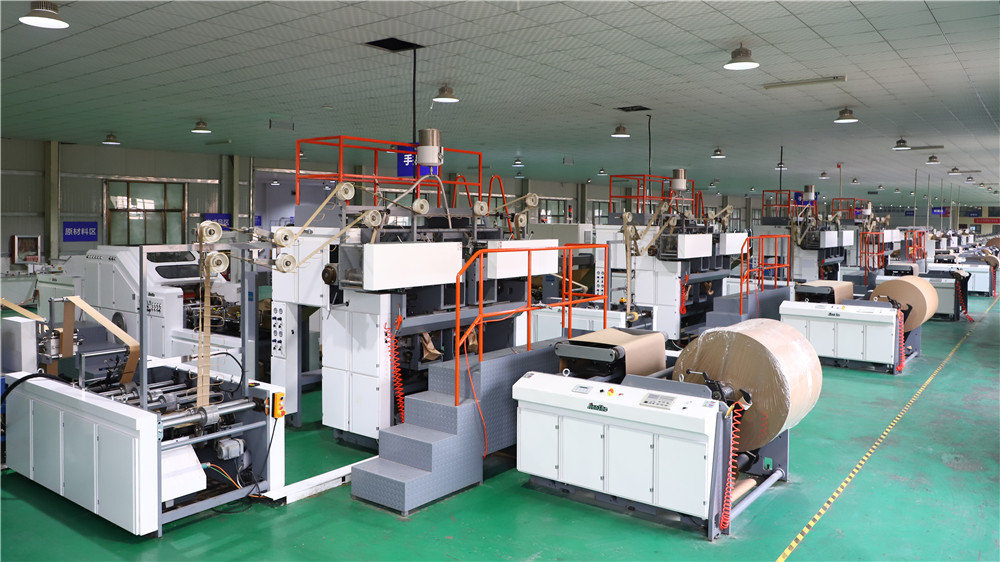
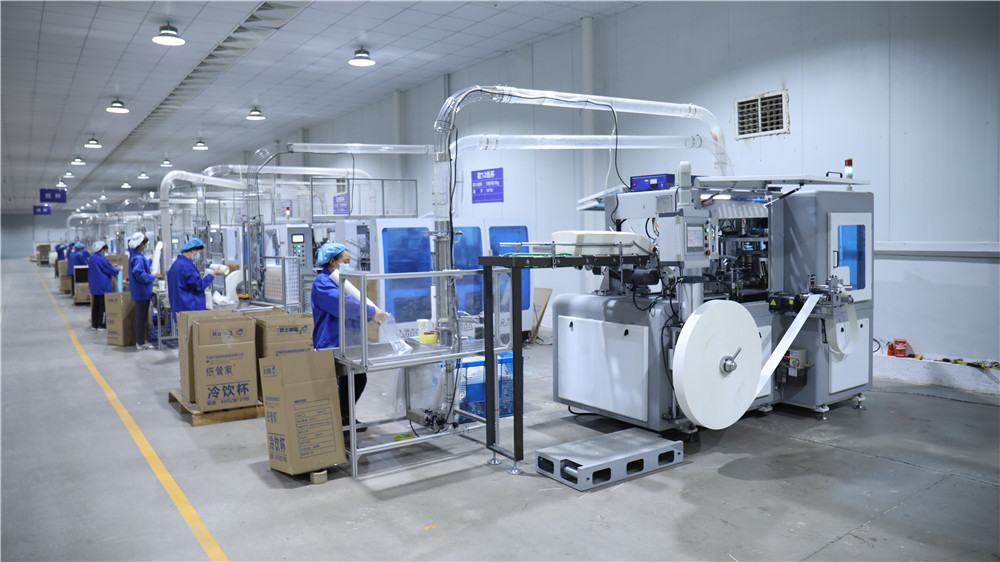
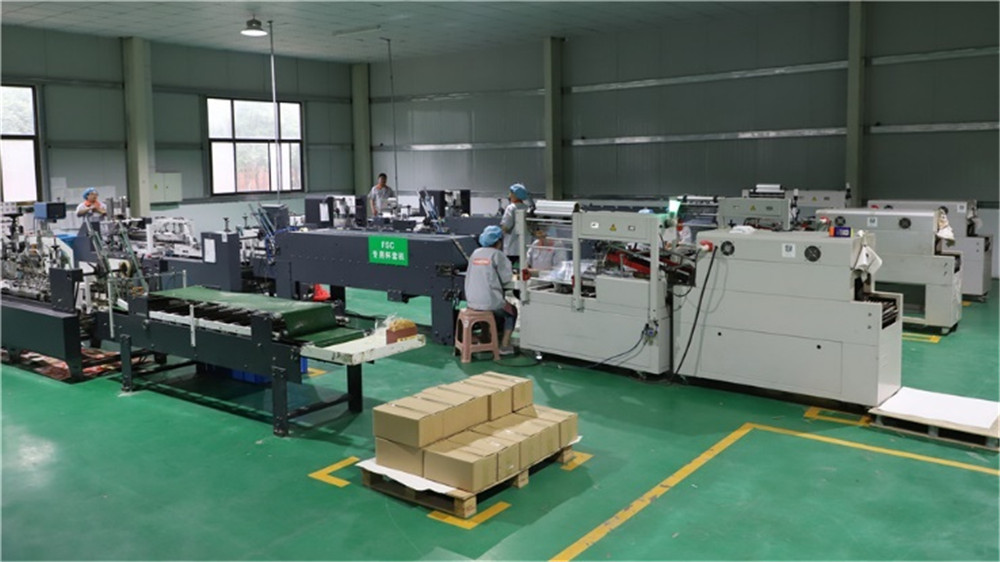
Every batch of biodegradable polymer film and compostable board undergoes rigorous laboratory verification. We evaluate mechanical features using tensile test equipment, and test heat seal strength at varying pressure curves. We also verify compostability timelines through simulated composting setups. These steps guarantee our materials break down into natural organic matter without releasing harmful residues.
How we support global clients through regional compliance standards and third-party certifications.
Operating in the international packaging arena requires strict adherence to localized ecological and food contact regulations. Our team actively updates our product designs to comply with changing legislative requirements in destination countries, ensuring smooth customs processing and hassle-free retail distribution.
We supply comprehensive testing documentation with each production run, ensuring your compliance team has clear records for auditing and customs clearance.
Our ongoing R&D initiatives focus on pushing the performance boundaries of biodegradable materials.
We are currently scaling production processes for PHA (Polyhydroxyalkanoates). Derived from bacterial fermentation, PHA materials completely break down in marine environments, leaving zero microplastic footprint.
Our engineering team is refining water-based dispersion barriers. This tech replaces standard PLA linings in cups and bowls, improving recycling efficiency in traditional paper repulping systems.
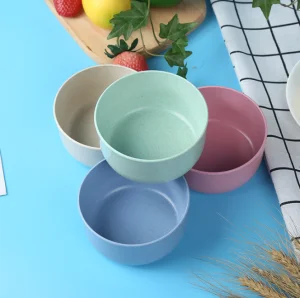
We are blending agricultural waste fibers (such as wheat straw, bamboo, and bagasse) with natural binders. This creates high-rigidity structural packaging that cuts down on raw polymer consumption.
Answers to common technical, regulatory, and production questions regarding our compostable packaging line.
 PsiPrime Packaging