Explore our premium range of commercial bio-based food service disposables, designed for food grade safety, environmental durability, and certified compostability.
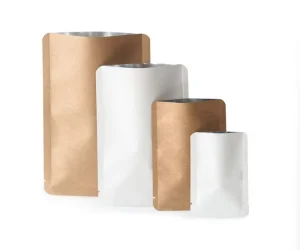
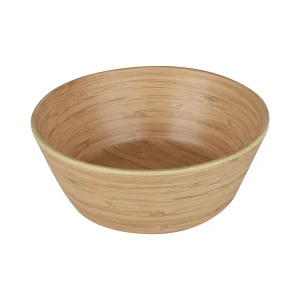
Compostable & Plant-Based
Countries Exported To
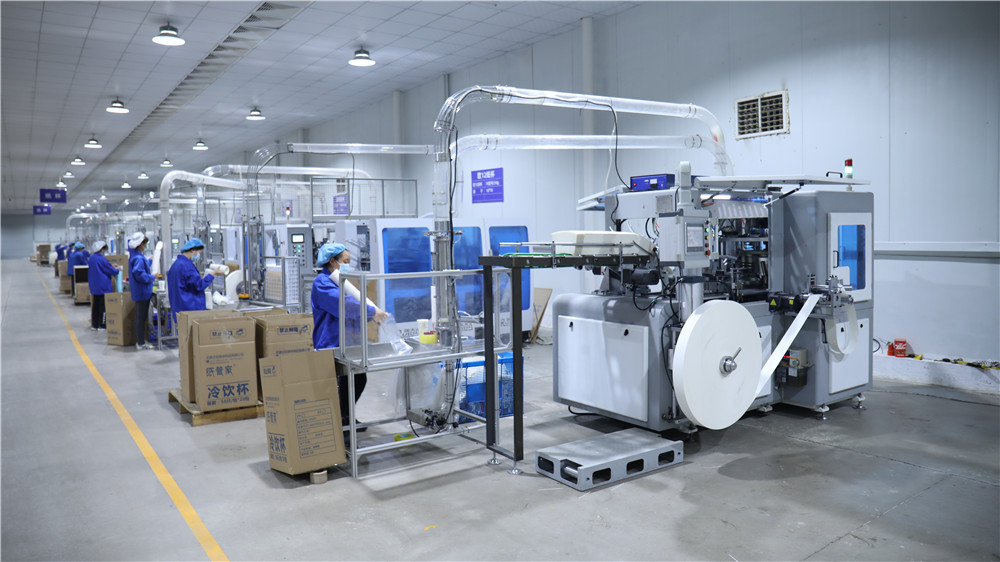
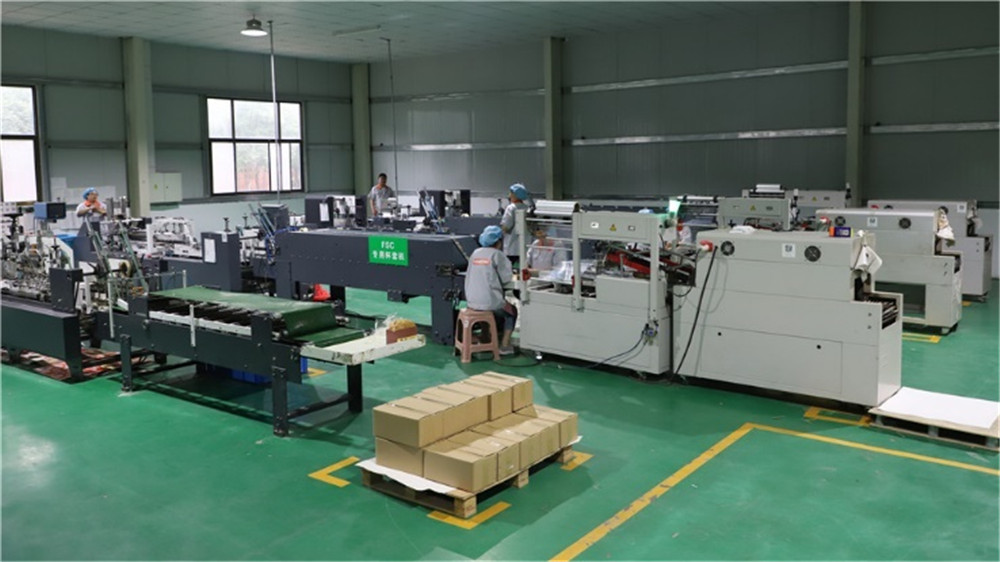
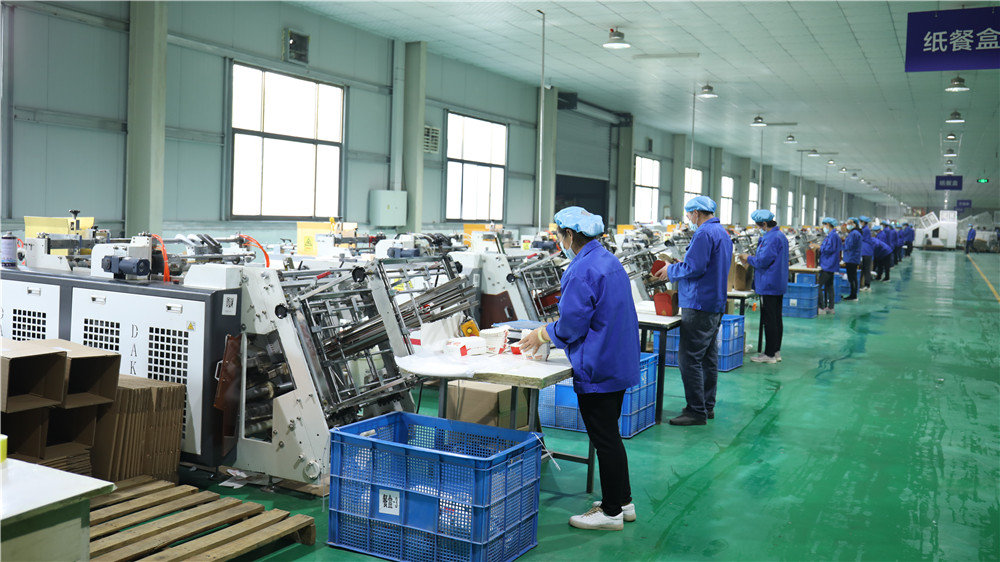
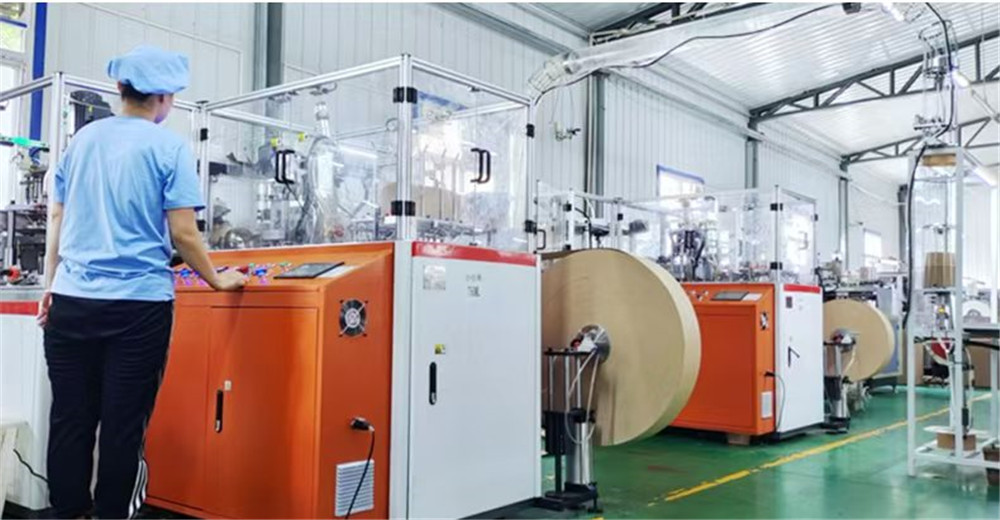
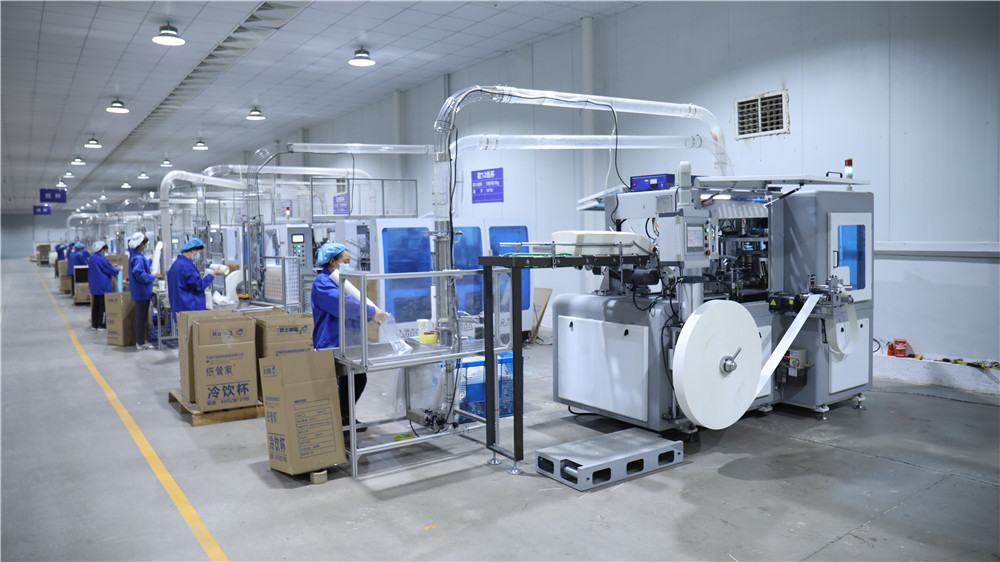
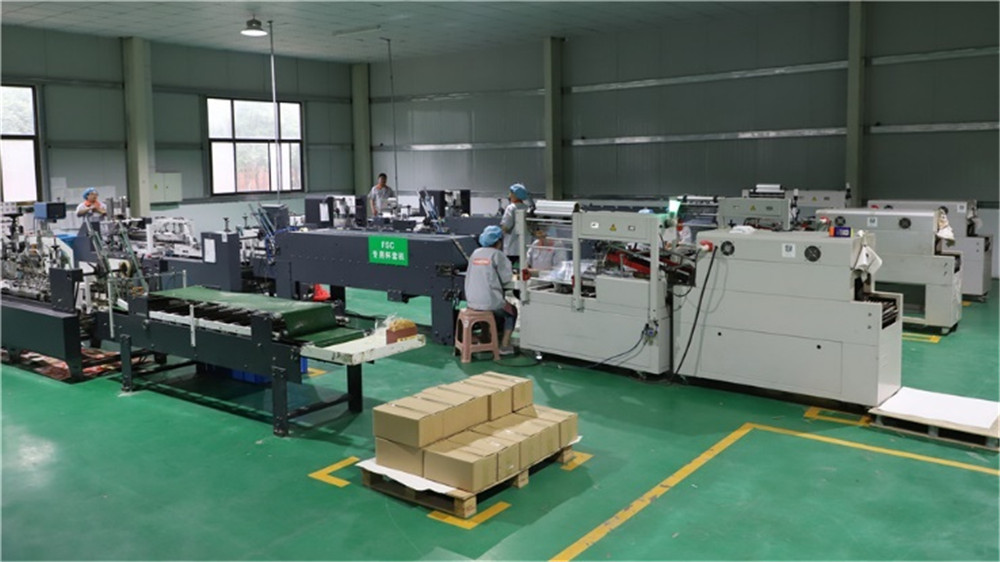
Advanced Production Area
Certifications Standard
Shandong PsiPrime Packaging Co., Ltd. is committed to advancing sustainable packaging solutions and promoting the reduction of single-use plastics, helping foodservice and food-related industries transition toward more environmentally responsible operations.
The company strongly believes that biodegradable and compostable packaging materials represent the future of sustainable development. It actively promotes the concept of “plastic alternatives” and works to raise awareness of eco-friendly packaging across global markets. With extensive industry experience and a reliable supply chain, we provide high-quality, sustainable food packaging solutions to customers in many countries and regions.
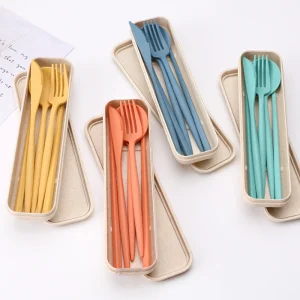
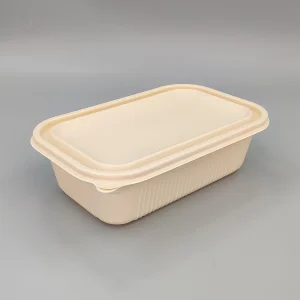
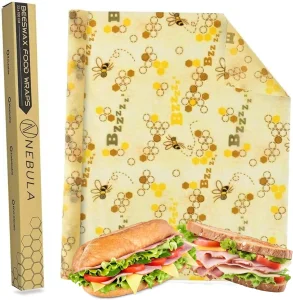
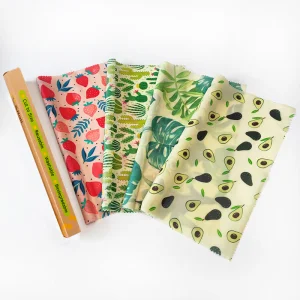
Shandong PsiPrime Packaging Co., Ltd. specializes in the research, development, and manufacturing of eco-friendly food-grade packaging products. Its product portfolio includes compostable food containers, paper-based food packaging, eco-friendly paper bags, food wrapping paper, and disposable catering supplies. These solutions are designed to meet the diverse needs of restaurants, food delivery platforms, food processors, and retail businesses.
The company is dedicated to a customer-centric philosophy, offering one-stop customization services ranging from product design and material selection to custom printing. This enables clients to build strong, recognizable brand packaging while maintaining sustainability goals. At the same time, we emphasize stable delivery performance and strict quality control to ensure efficient and reliable global supply.
Through continuous improvements in production processes and supply chain management, Shandong PsiPrime Packaging Co., Ltd. enhances both cost efficiency and operational reliability, supporting clients in achieving sustainable growth in competitive markets.
Looking ahead, the company will continue investing in innovation in biodegradable materials and expanding the application of compostable products across more industries, working together with global partners to build a low-carbon, environmentally friendly, and sustainable future.
As the international community converges on strict regulatory horizons for plastic usage, multinational food service enterprises, massive quick-service restaurant (QSR) chains, and fresh-produce exporters are undergoing an unprecedented shift toward eco-friendly packaging materials. Polylactic Acid (PLA) and Crystallized Polylactic Acid (CPLA) represent the vanguard of this transition, offering the structural integrity and clarity of traditional polymers like Polyethylene Terephthalate (PET) and Polystyrene (PS) but with a drastically reduced carbon footprint and zero petroleum footprint.
Global procurement directives are increasingly governed by Extended Producer Responsibility (EPR) laws, landfill tax penalties, and microplastic containment policies. Industrial buyers require packaging that not only adheres to strict safety limits but also conforms to localized waste stream infrastructures. Our PLA-lined paper bowls, corn starch containers, and bagasse plates provide the precise physical barrier properties needed for high-moisture and hot-grease food applications, without compromising on certified post-use commercial compostability.
The primary hurdle in enterprise-scale transition to sustainable packaging is operational integration. Shandong PsiPrime Packaging Co., Ltd. delivers customized solutions that minimize operational disruption. By designing containers that function seamlessly on automated high-speed filling lines, we eliminate the downtime traditionally associated with transitioning away from standard plastics. Our technical design team focuses on specific parameters such as nesting behavior, denesting ease, high mechanical compression resistance, and stackability in transport.
Moreover, our macro industrial solutions incorporate life-cycle assessment (LCA) optimization. We assist buyers in assessing the overall carbon offset generated by replacing conventional polymers with PLA, bagasse, and crop-waste cellulose alternatives. This allows brands to back up their marketing with empirical carbon reduction statistics, aligning with corporate ESG metrics and satisfying third-party auditors.
Designed for post-consumer recovery within industrial composting streams, reducing landfill volumes and closed-loop degradation.
Proprietary mineral and starch formulations customized for elevated heat performance and grease resistance.
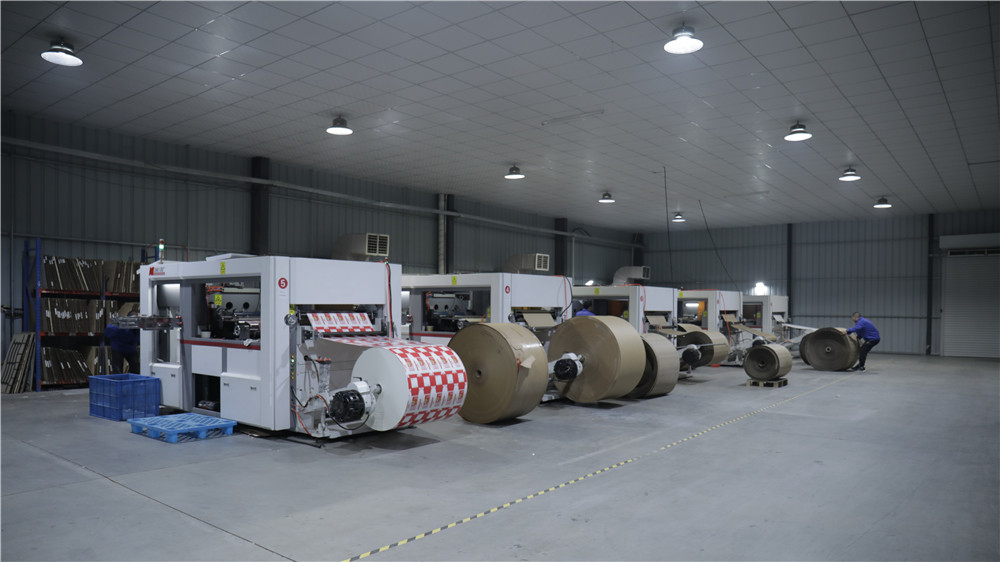
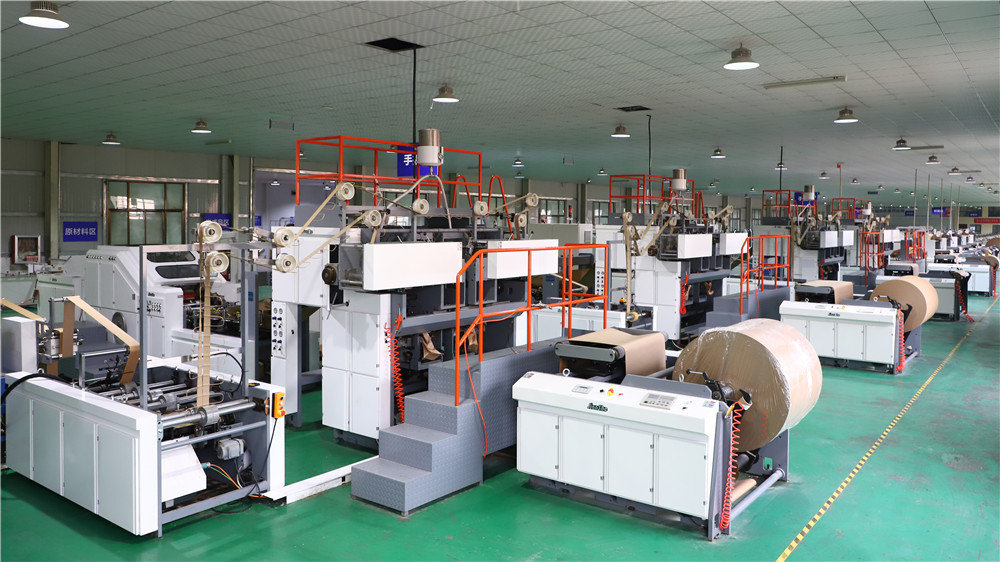
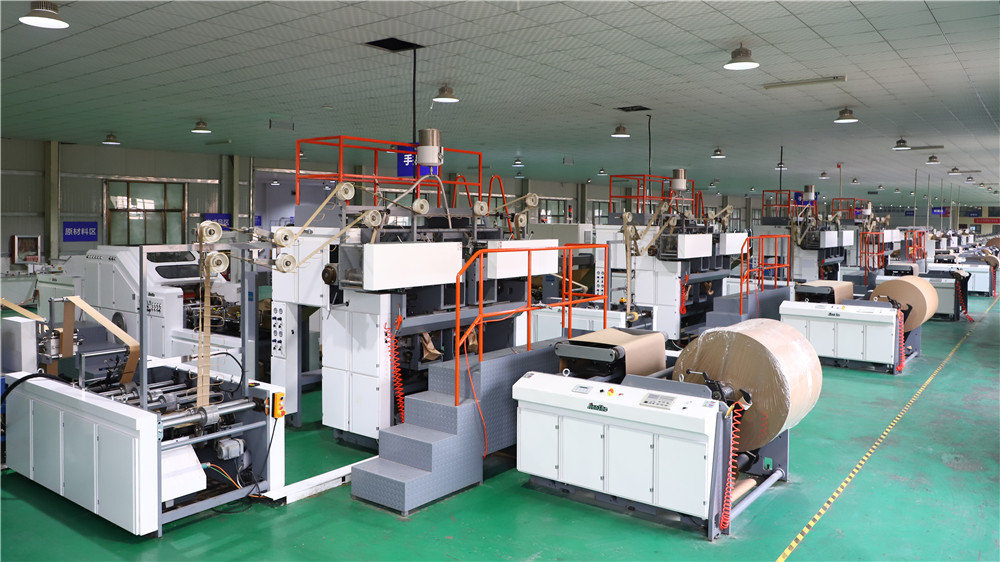
Continuous machinery lines running high-precision thermoforming and container pressing for bulk distribution.
Traditional PLA possesses a thermal deformation threshold of approximately 50°C to 55°C, making it unsuitable for boiling liquids or high-temperature takeaway delivery. Shandong PsiPrime Packaging's R&D department is focused on overcoming these thermal limitations through molecular-weight optimization and the synthesis of stereocomplex PLA. By combining L-lactide and D-lactide chains, we create crystal structures that elevate the melting point and raise heat resistance up to 90°C (194°F) in our CPLA ranges.
The technical roadmap also targets high-barrier biodegradable coatings. Traditionally, paper food containers required thin Polyethylene (PE) laminations to prevent leaks, which unfortunately rendered the paper non-compostable and difficult to recycle. Our engineering solutions utilize water-based dispersion coatings and bio-polyester (PBS/PBAT) barrier technologies. This provides the ultimate moisture defense for piping hot soups, curries, and beverages while ensuring the entire container biodegrades seamlessly in standard commercial composting conditions.
The transition toward bio-plastics is accelerating. The global bioplastics market is projected to grow exponentially, driven primarily by packaging demands. China, as the world's leading manufacturing hub, has established robust vertical integration of the PLA supply chain—from lactic acid fermentation using domestic corn or sugarcane starch to polymerization, compound modification, thermoforming, and global logistics. Shandong PsiPrime Packaging sits at the center of this industrial cluster, giving us access to highly competitive material costs, reliable quality control, and superior process efficiencies.
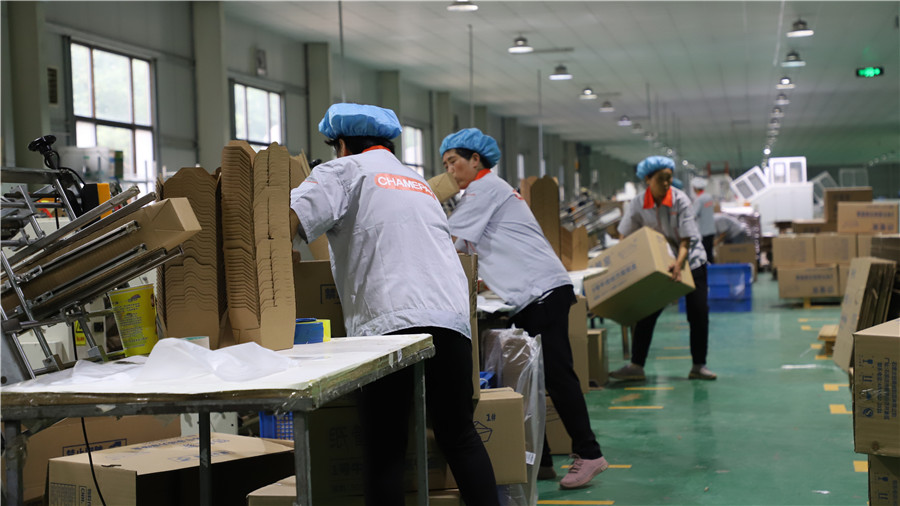
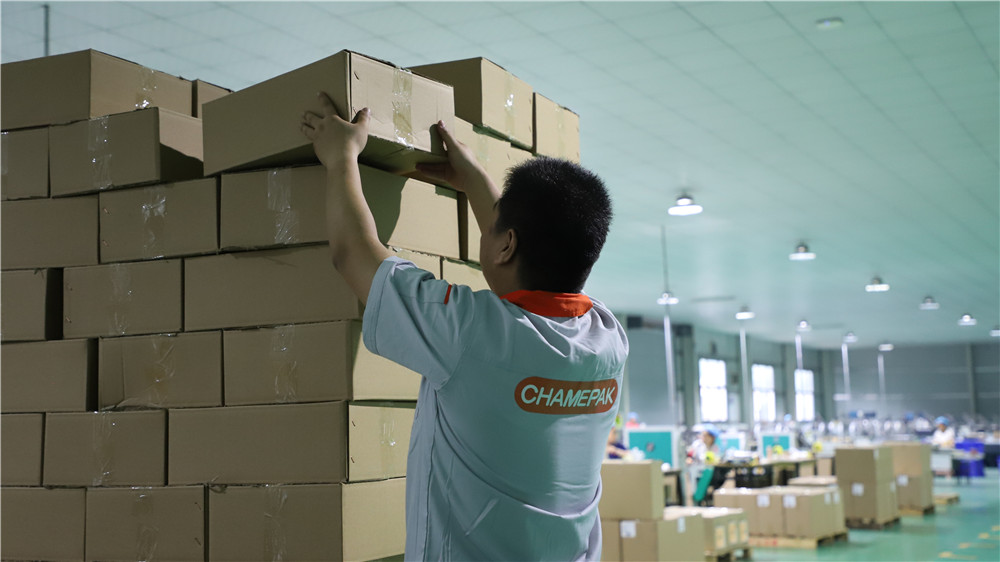
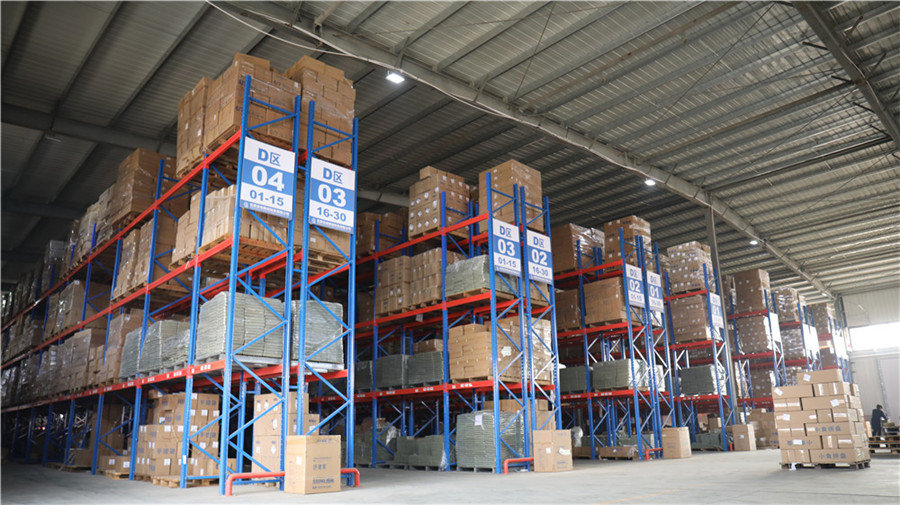
A closer look inside Shandong PsiPrime's clean-room production workshops, high-speed automated forming processes, and end-to-end quality assurance systems.
Shipping bio-based food contact products requires deep understanding of different target market food safety standards. Shandong PsiPrime Packaging ensures that all raw material batches and finished containers undergo strict migration and heavy metal testing. Our production processes are fully aligned with the following certifications to guarantee effortless clearance through customs:
To support global supply chains, our regional service networks provide customs document preparation, certificates of origin, and comprehensive logistics tracing. From full container load (FCL) sea transit to multimodal overland shipping, we ensure prompt container delivery to key shipping hubs in North America, Western Europe, Australia, and beyond.
Find answers to common questions about material performance, minimum order quantities, customization options, and global shipping policies.
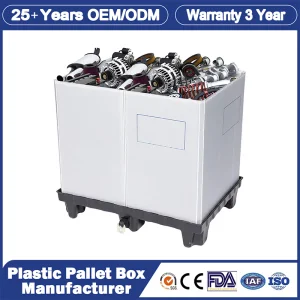
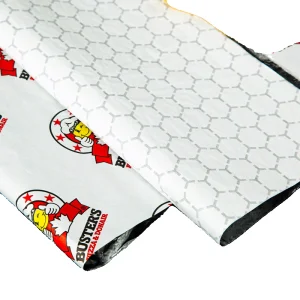
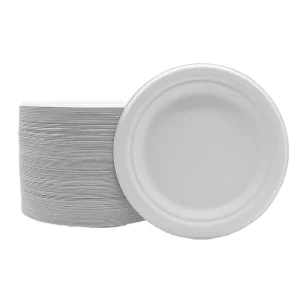
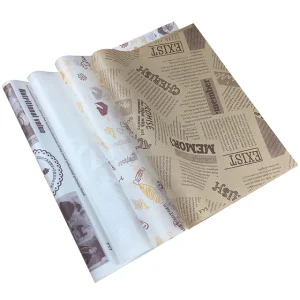
A comprehensive selection of bio-based paper bowls, industrial packaging, and greaseproof wraps to support every stage of food service and transit.
 PsiPrime Packaging