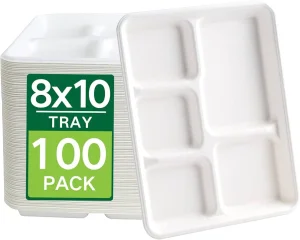
Engineered to meet stringent food-safety requirements while optimizing structural integrity and compostability.
In the global food service, QSR (Quick Service Restaurants), and food processing sectors, packaging is no longer viewed as a mere utility. It has become a key interface of brand identity, a touchpoint for compliance, and a critical component of corporate sustainability mandates. Under the steering force of regulatory frameworks such as the EU single-use plastic ban, regional PFAS prohibitions, and North American EPR (Extended Producer Responsibility) programs, procurement directors are shifting their focus. The demand for reliable, cost-efficient, and certified paper-based food containment has positioned Chinese paper food tray manufacturers as vital strategic partners.
Shandong PsiPrime Packaging Co., Ltd. is at the forefront of this transition, committed to advancing sustainable packaging solutions and promoting the reduction of single-use plastics. By helping foodservice and food-related industries transition toward more environmentally responsible operations, Shandong PsiPrime leverages advanced raw material processing, state-of-the-art automated production, and structured quality assurance systems to deliver functional, high-value alternatives that don't compromise performance.
The baseline criteria for modern food tray performance are oil resistance, thermal retention, structural rigidity, and leakproof barriers. Meeting these parameters without standard plastics (PE coatings) requires advanced material science. Modern manufacturers utilize a variety of substrate classes tailored to specific temperature profiles and food types:
China's dominance in the global paper food tray market is not merely a matter of unit-cost efficiency; it is built on deep structural advantages that cannot easily be replicated elsewhere:
Integrated Supply Chain Ecosystem: Shandong's industrial clusters place raw pulp mills, machinery manufacturers, printing chemical suppliers, and shipping ports within a small geographic radius. This minimizes internal logistics costs, reduces lead times, and cushions B2B buyers against sudden supply chain disruptions.
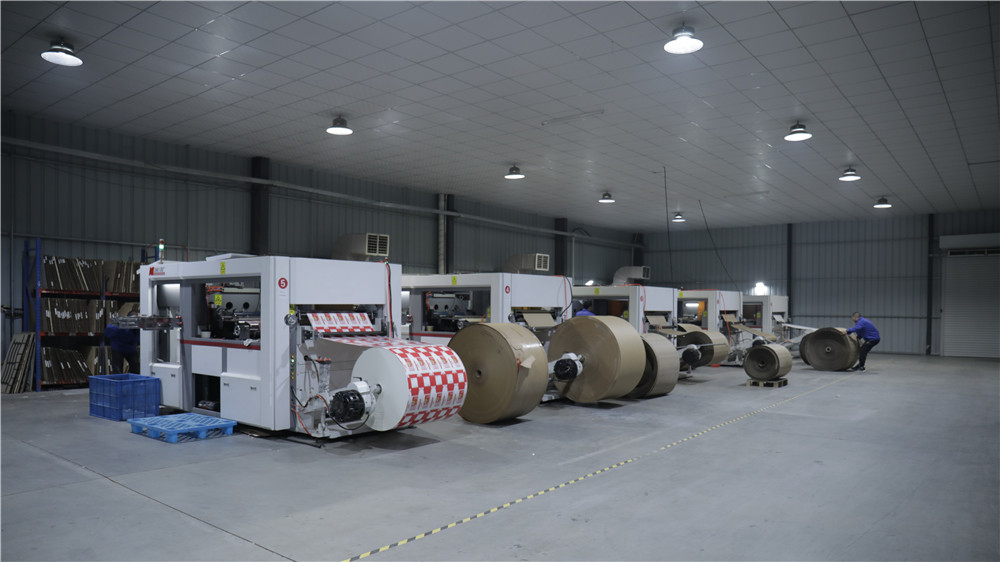
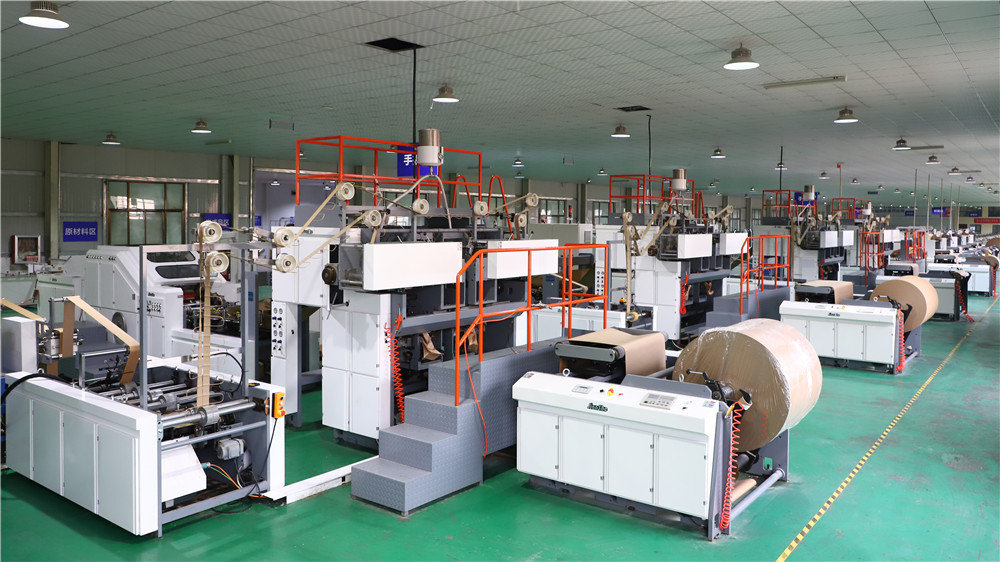
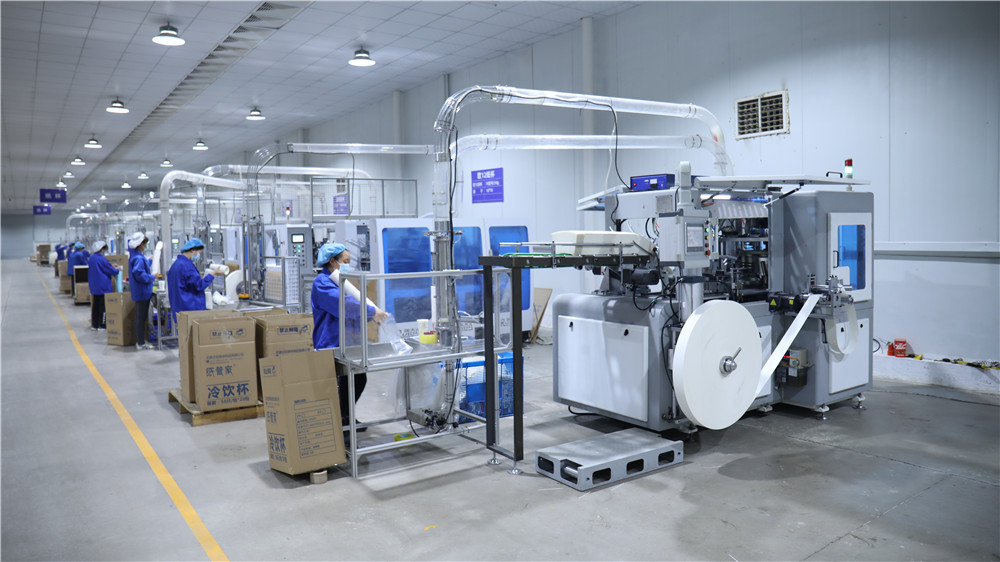
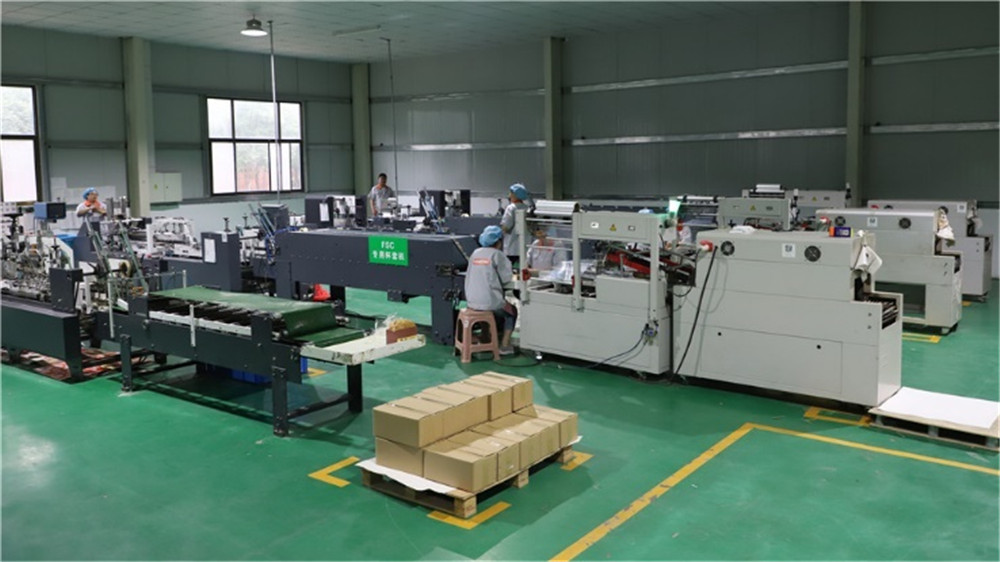
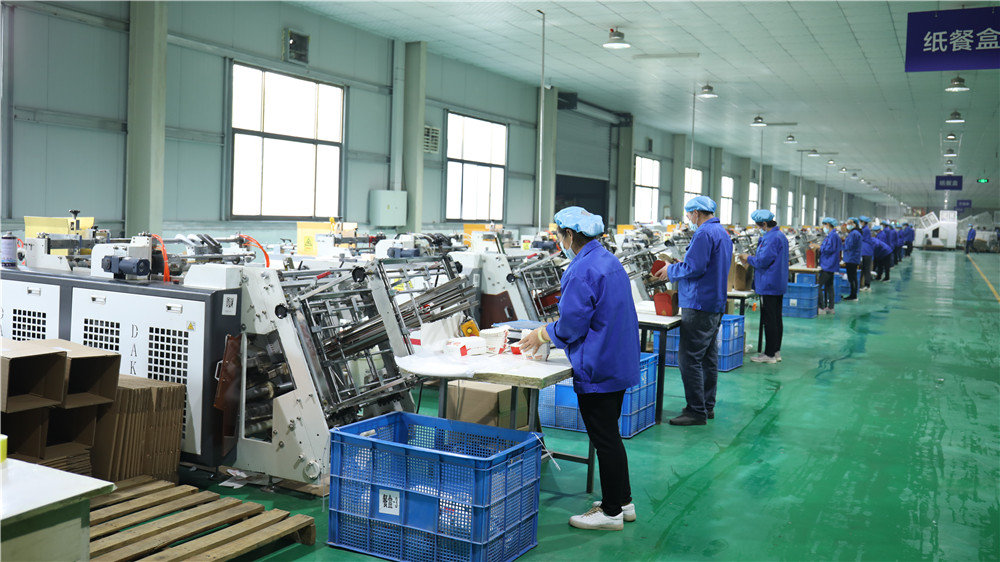
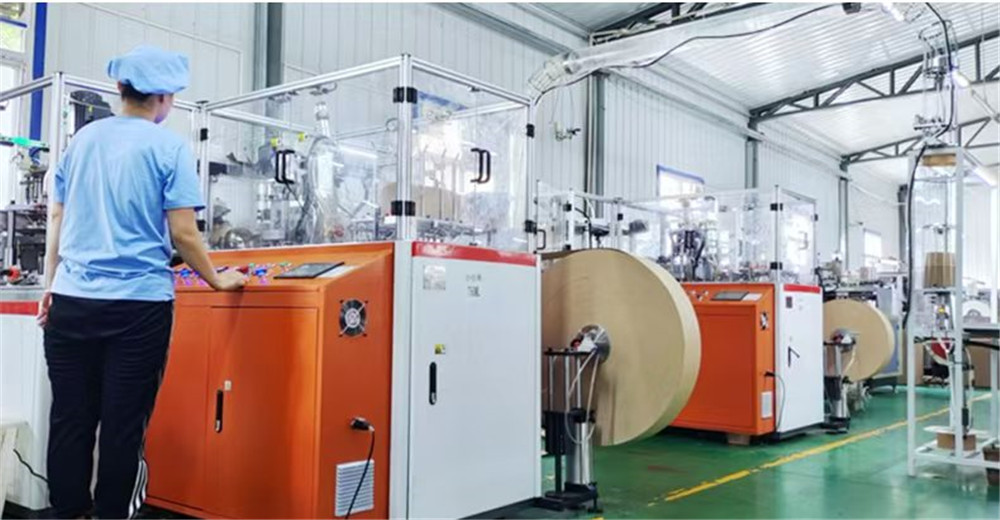
High-Speed Automation and Scale: Chinese factories utilize state-of-the-art rotary die-cutting machines, multi-point gluing apparatus, and high-speed forming units. This allows for rapid scaling of orders. When a fast-food chain launches a global marketing campaign, factories like Shandong PsiPrime can scale production from prototype to millions of units in a matter of weeks.
Pioneering Customization & Brand Integration: Sourcing directly from the manufacturer enables advanced OEM/ODM customization. This includes custom structural designs (e.g., locking lids, integrated dipping compartments, heat-safe sleeves) and high-fidelity printing. Employing eco-friendly, food-grade soy inks and flexographic printing processes ensures vibrant branding without violating eco-certifications.
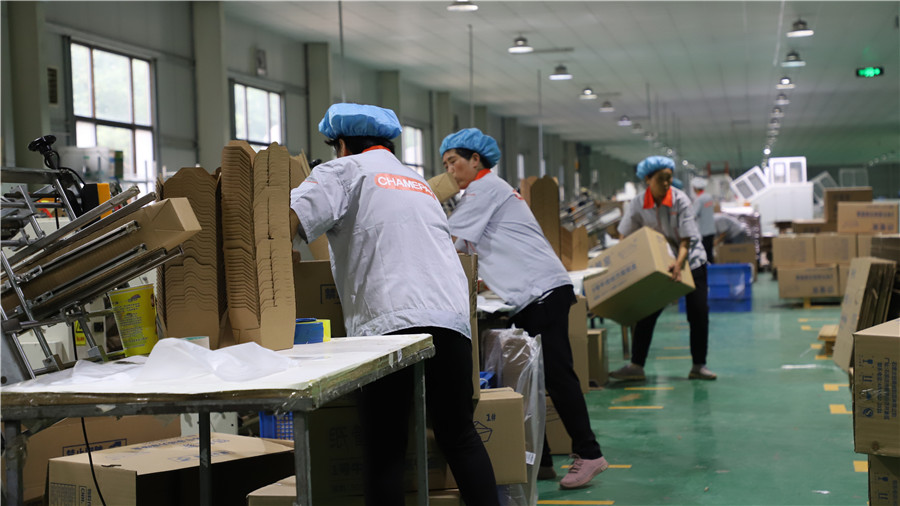
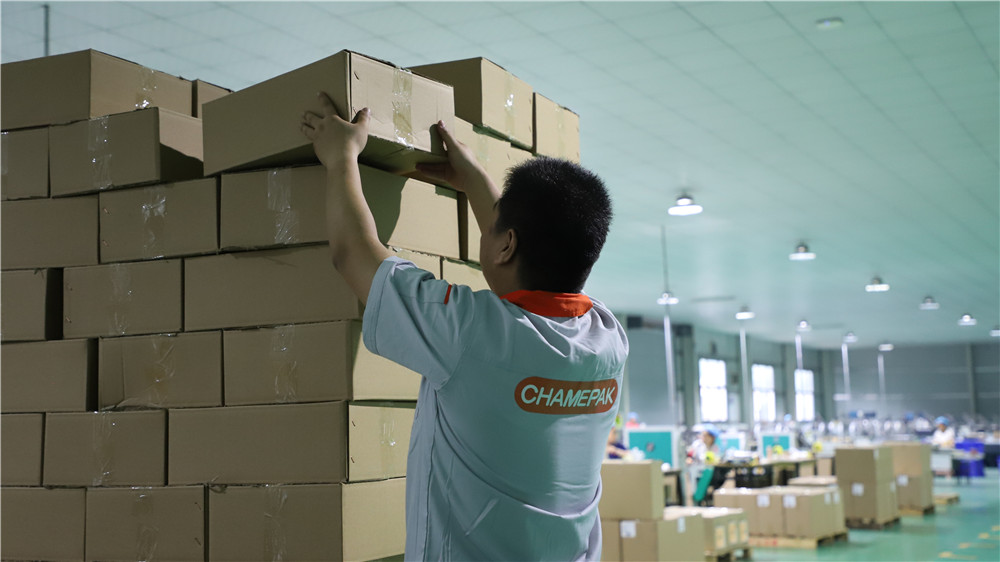
A transparent look inside our manufacturing processes, from precision die-cutting to automated packaging.
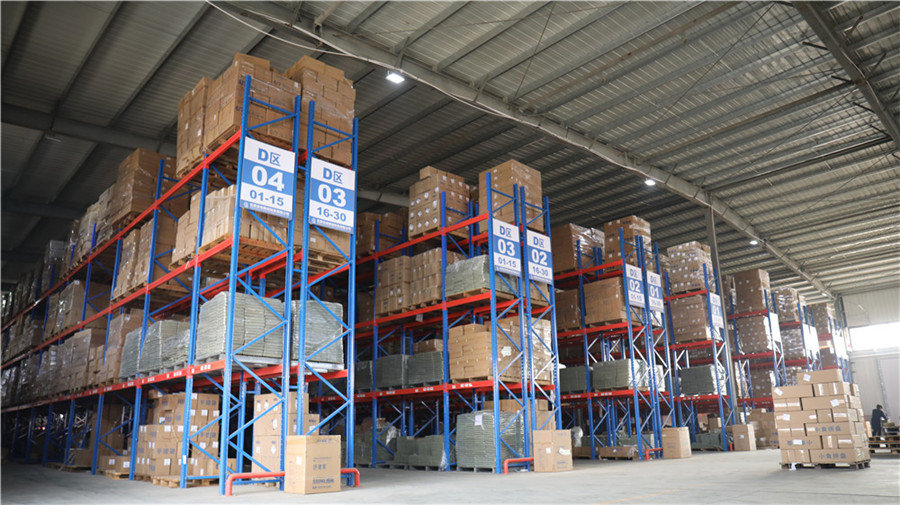
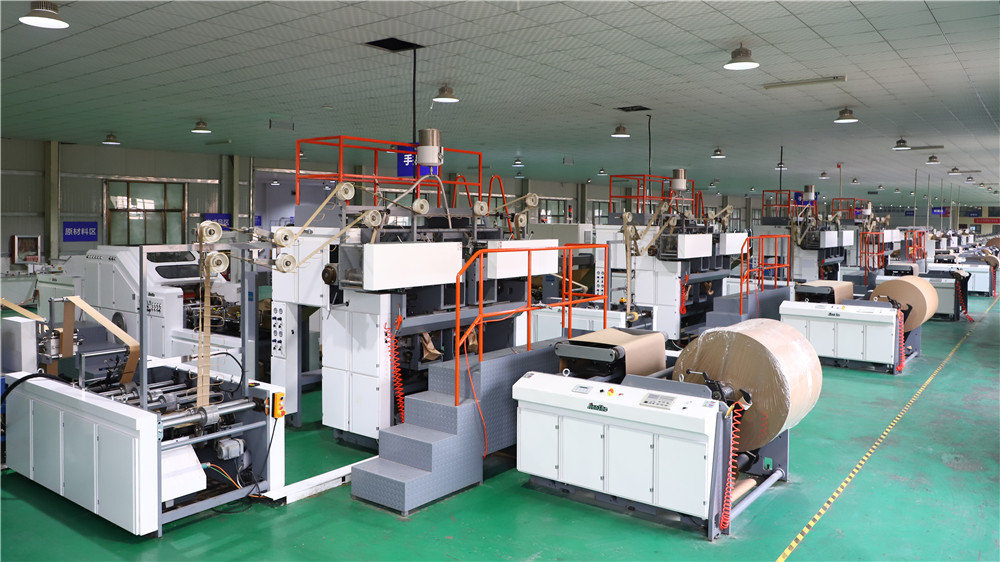
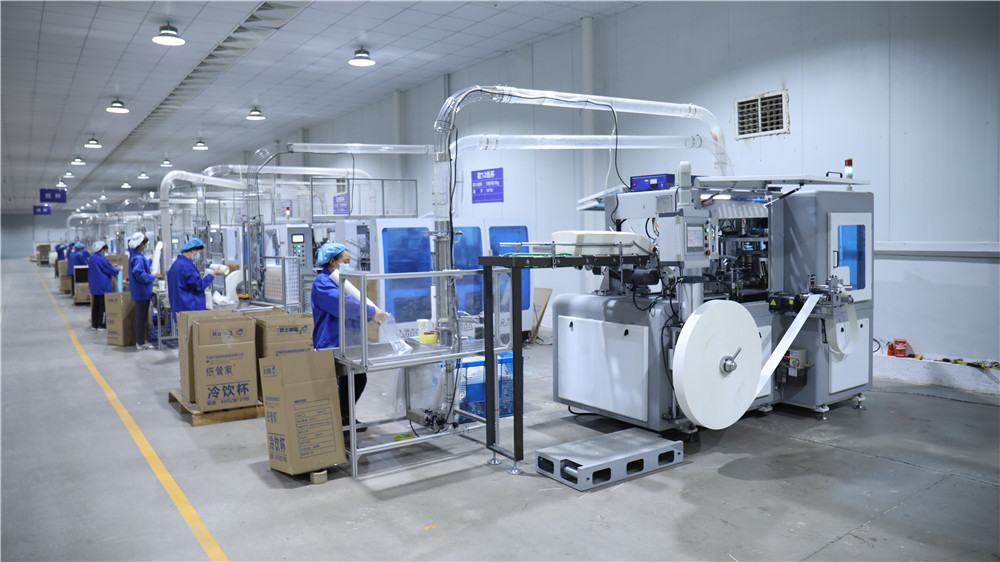
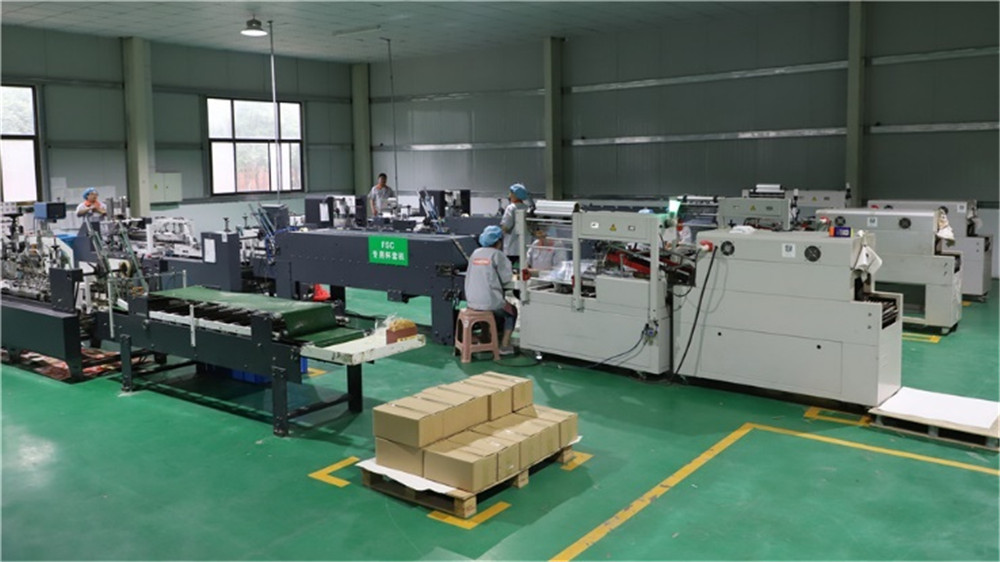
The regulatory push to reduce single-use plastics has prompted continuous innovation in paper packaging substrates. The industry is currently defined by three major trends:
1. Strict Elimination of PFAS (Per- and Polyfluoroalkyl Substances): Historically, paper and bagasse products relied on PFAS to achieve oil and water repellency. However, due to bioaccumulation concerns, global authorities (such as the US FDA and EU EFSA) are enacting strict limits. Forward-thinking manufacturers are leading this shift by developing PFAS-free alternative treatments, including mechanical refinement of pulp and organic barrier additions.
2. Micro-Flute Corrugated Construction: Trays made from micro-flute corrugated materials (F-flute, G-flute) are gaining popularity. They offer enhanced structural stiffness and superior heat insulation with lower weight per unit, helping to reduce shipping costs and lower carbon footprints.
3. Smart, Interactive Packaging Integration: Integrating QR codes, RFID trackers, and interactive consumer portals directly into the tray print helps brands track products through the supply chain and engage users with compostability instructions.
To deliver true value, paper food trays must perform across diverse, highly demanding operational environments:
Shandong PsiPrime Packaging Co., Ltd. implements a strict multi-tier quality control protocol designed to satisfy the rigorous audits of international food chains. Every production batch is subjected to standard testing protocols:
Pulp and Fiber Sourcing Inspections: Testing virgin fibers for heavy metals and chemical residue. Ensure FSC chain of custody documentation is verified.
Cobb Sizing Test (Moisture Absorption): Measures the liquid-absorption rate of paperboards under a set time duration to ensure consistent moisture barrier integrity.
Hot-Oil Cobb & Grease Resistance Tests: Submitting production run tray samples to high-temperature oil contact to guarantee long-term leakage resistance.
Automated Vision System Defect Sorting: High-definition inspection systems monitor forming machine outputs in real-time, detecting printing defects, incorrect cuts, or glue variations, which are flagged and rejected immediately.
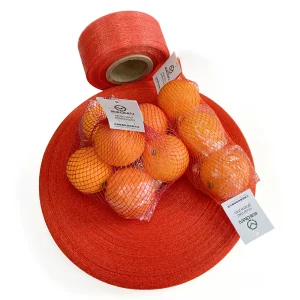
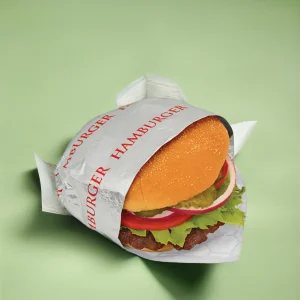
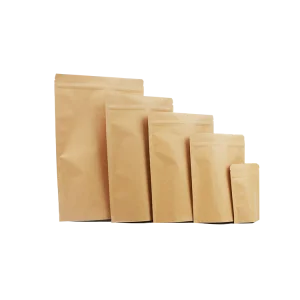
Explore our secondary lineup of food-grade containers, mesh storage, and flexible bags.
 PsiPrime Packaging