Explore our premium grade materials designed to preserve post-harvest freshness, reduce transport losses, and align with environmental mandates.
The global fresh produce supply chain is undergoing a profound transformation. Escalating consumer demands for farm-fresh quality, combined with stringent international policies aimed at curbing post-harvest wastage, have forced agricultural businesses to re-evaluate their transit architectures. According to the Food and Agriculture Organization (FAO), roughly 20-30% of harvested fresh fruits and vegetables are lost during handling and transport. High-grade fresh produce crates serve as the primary defensive barrier against these systemic losses.
In modern cold chain networks, crates are no longer viewed as static holding containers. They are dynamic units of value delivery. They must facilitate rapid cooling, maintain structural integrity under high humidity, survive dynamic compression on bumpy transit routes, and resist microbial contamination. The integration of advanced polymer blends and eco-friendly raw materials ensures that fresh products reach global supermarket shelves without bruising, premature rot, or visual deterioration.
Furthermore, global environmental policies—such as the European Packaging and Packaging Waste Regulation (PPWR)—are placing unprecedented pressure on businesses to move away from single-use wood or low-quality plastics. Modern supply chains are demanding transition models: combining reusable, heavy-duty logistics crates (like PP pallet boxes) with biodegradable retail packaging components. This hybrid approach ensures heavy-duty protection in cargo ships while maintaining zero plastic waste at the consumer touchpoint.
Unpacking the supply chain efficiencies, technological depth, and cost structures of the world's leading plastics and packaging manufacturing hub.
Chinese manufacturers are at the forefront of polymer blending technology. By combining High-Density Polyethylene (HDPE) or Polypropylene (PP) with specialized elastomeric modifiers, factories create crates that do not become brittle in ultra-low sub-zero temperatures (below -20°C) or deform in humid tropical climates.
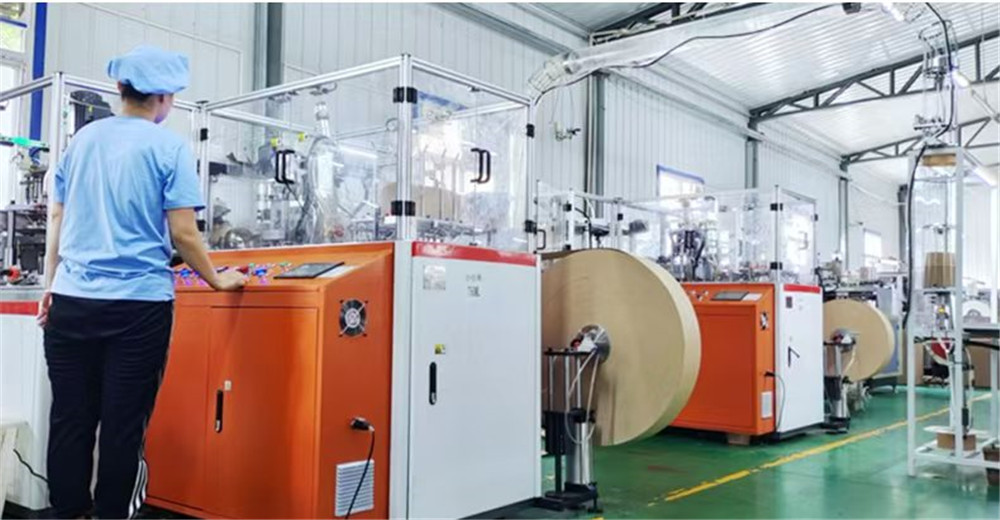
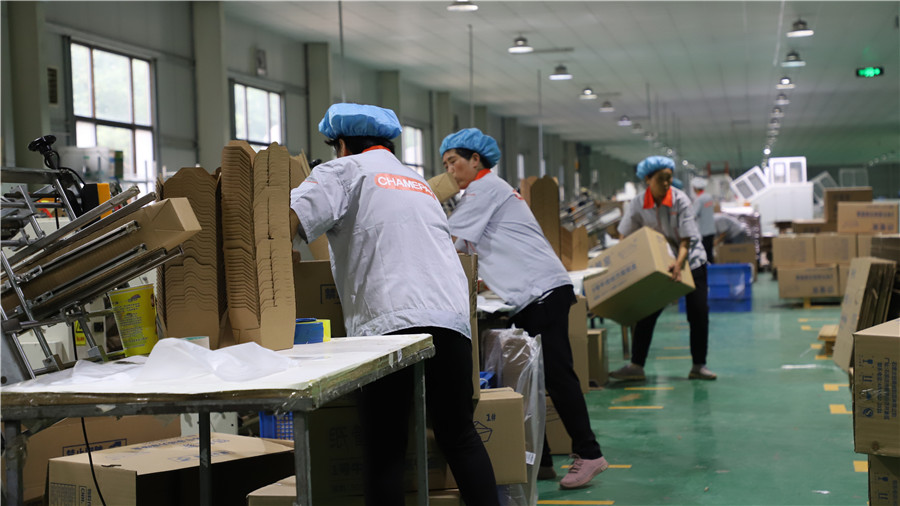
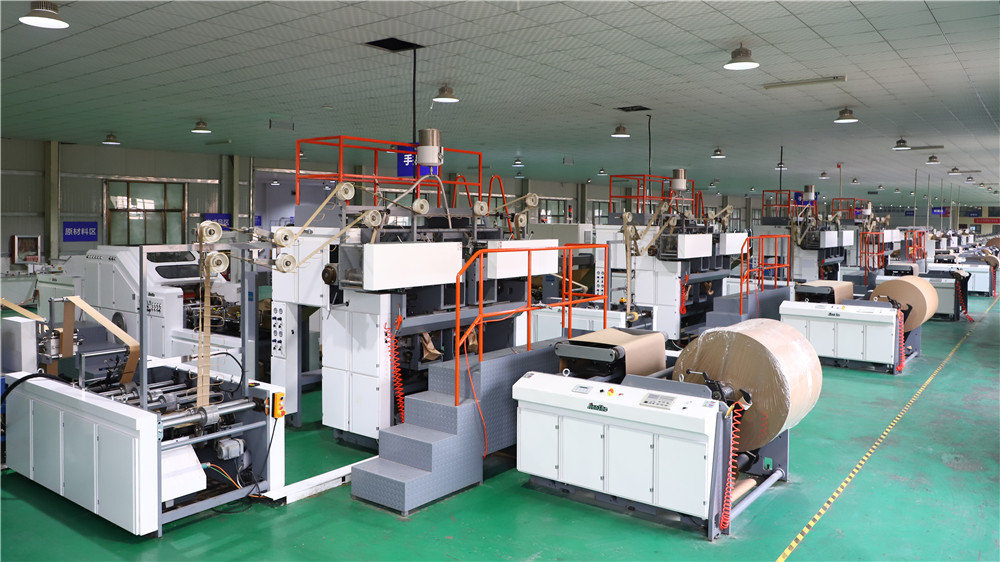
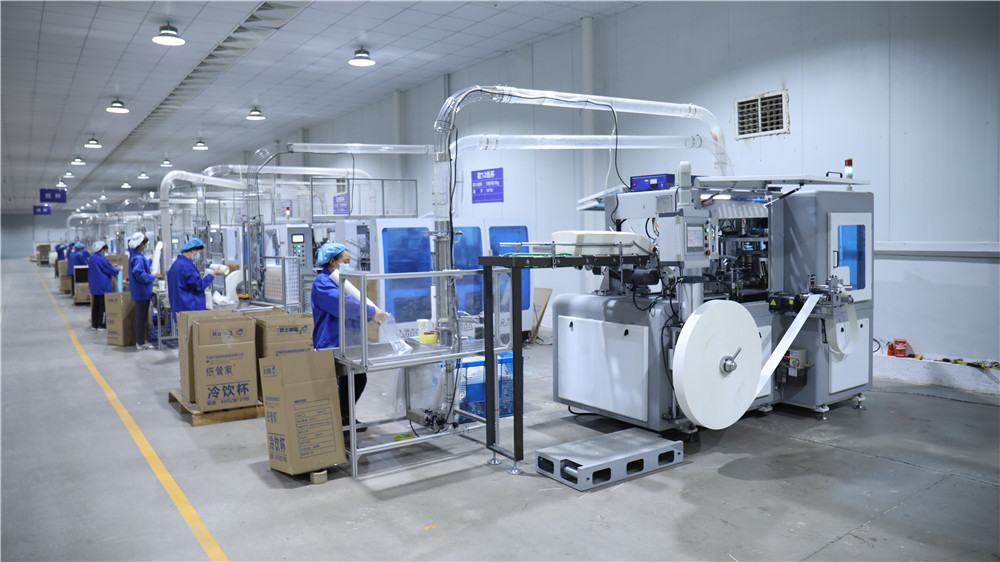
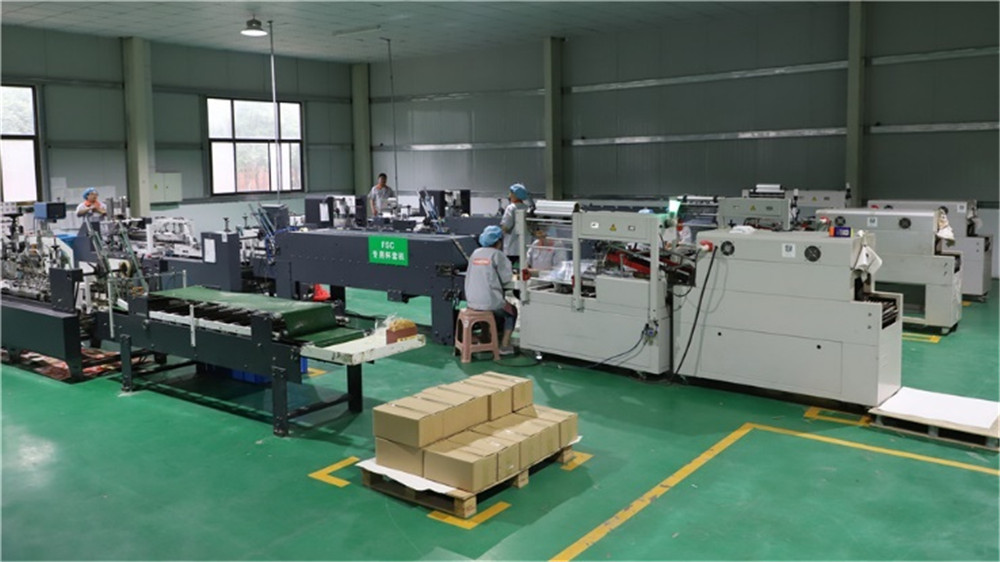
From mold design and precision tooling fabrication to high-tonnage injection molding and automated hot-stamping custom branding, the proximity of raw materials and auxiliary industries in manufacturing clusters significantly minimizes lead times and setup costs.
Export-oriented Chinese facilities adhere strictly to certifications like ISO 9001, FDA food safety contact standards, EU food safety mandates (EC 1935/2004), and global phytosanitary standards, ensuring hassle-free imports and compliance globally.
To optimize shipping costs, cargo space utilization, and produce survival rates, procurement departments must analyze specific packaging geometries and materials. Different stages of logistics require different physical characteristics:
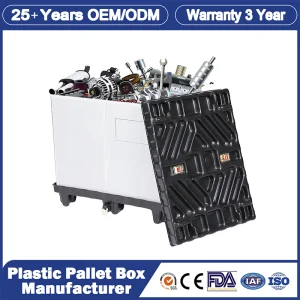
For high-volume transit, lightweight yet heavy-duty plastic containers like the *1200*1000*975mm/1200*1000*1000mm PP Plastic Pallet Corrugated Dunnage Box* offer unmatched benefits. These large-format containers distribute pressure uniformly, allowing stacking heights of up to 4-5 units when fully loaded. The absence of wheels prevents unwanted movement in marine cargo holds, making them ideal for heavy fresh commodities like melons, root vegetables, and seafood transit.
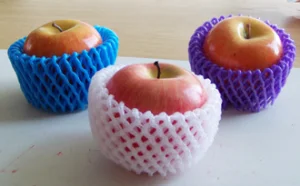
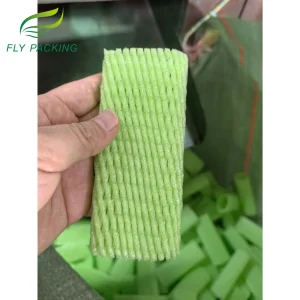
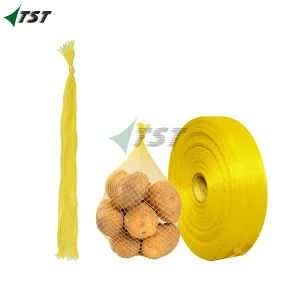
Delicate soft fruits (such as avocados, peaches, and berries) require individualized protection. Without shock-absorbing sleeves like *EPE Foam Wine Bottle Mesh Nets* or *6X12cm Avocado Packaging Foam Sleeves*, point-to-point friction causes localized rot. These structures dynamically expand to fit the fruit's shape, distributing exterior compression forces away from the soft skin.
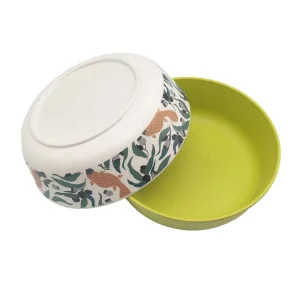
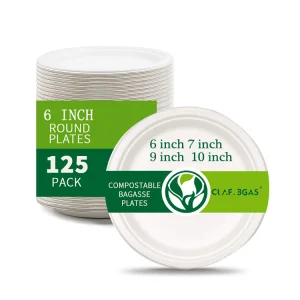
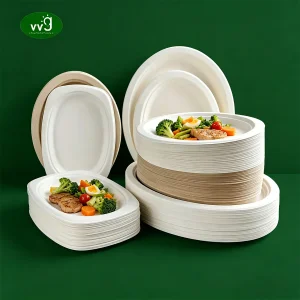
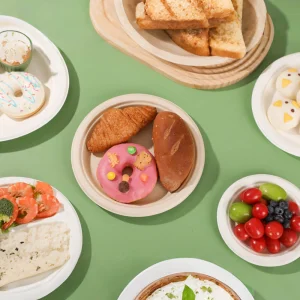
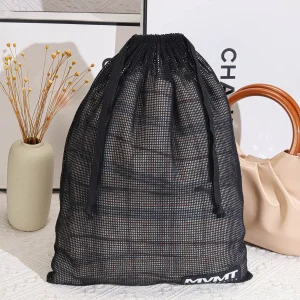
Once raw produce reaches packing houses or retail outlets, the transition to compostable consumer containers is essential. Solutions like *sugarcane bagasse oval plates*, *bamboo fiber soup/salad bowls*, and *organic cotton drawstring mesh bags* provide breathable, organic containment. Breathability prevents the buildup of warm, moisture-rich microclimates within retail displays, effectively extending shelf-life by preventing mold development.
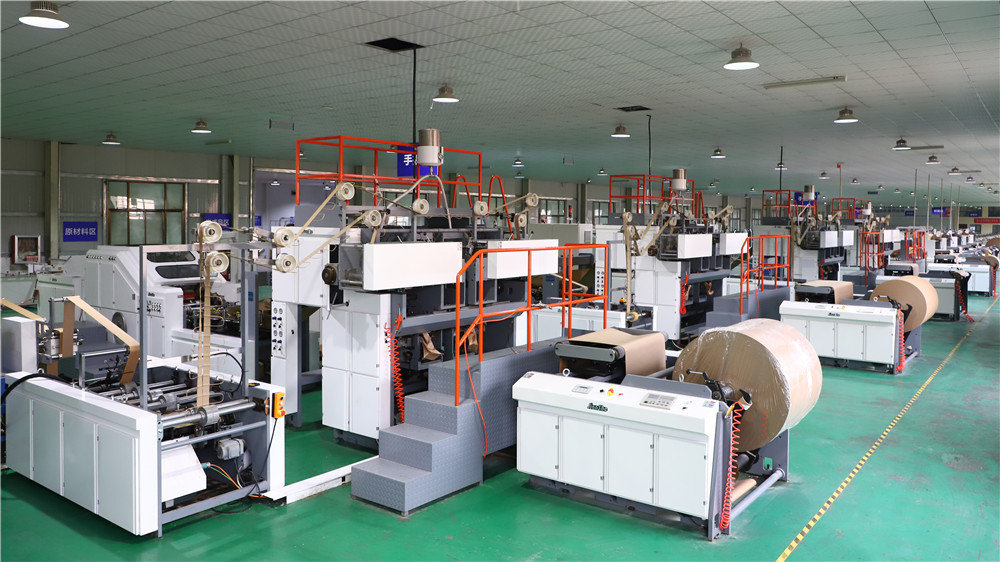
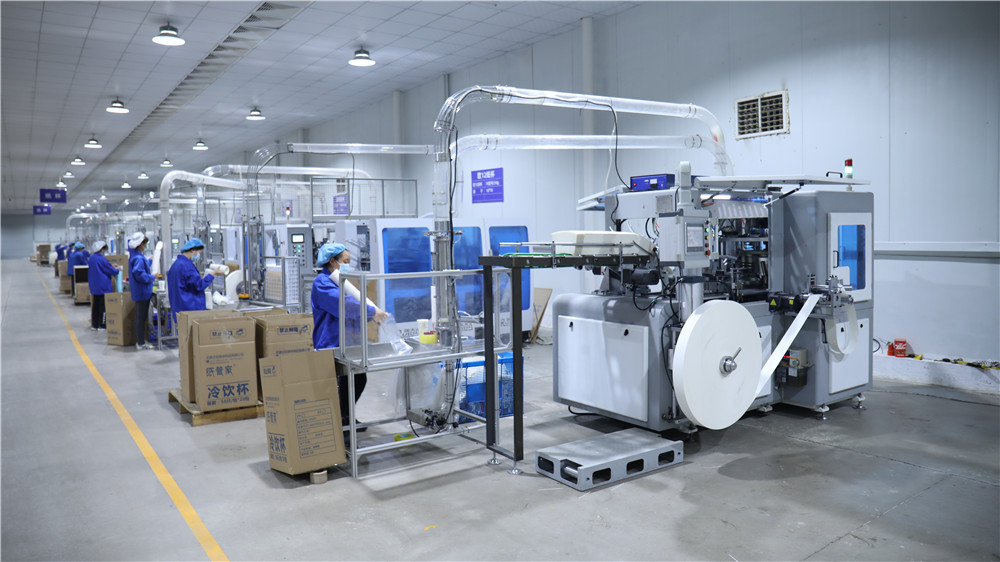
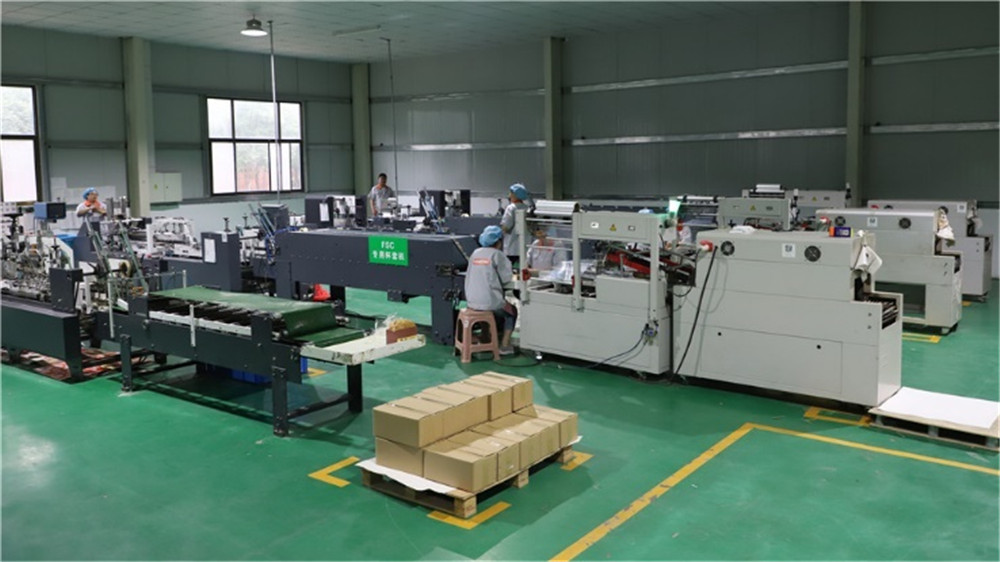
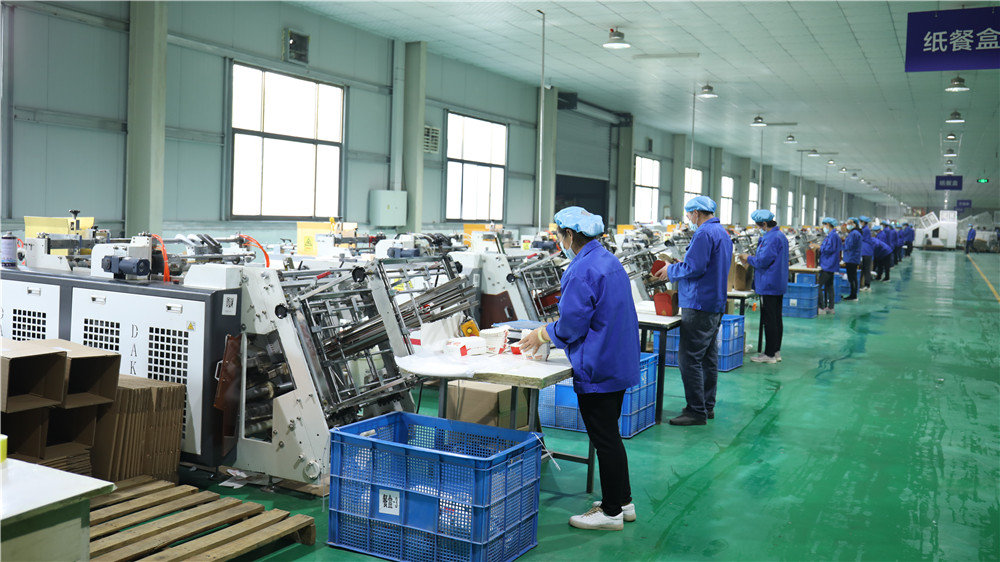
Shandong PsiPrime Packaging Co., Ltd. is committed to advancing sustainable packaging solutions and promoting the reduction of single-use plastics, helping foodservice and food-related industries transition toward more environmentally responsible operations.
The company strongly believes that biodegradable and compostable packaging materials represent the future of sustainable development. It actively promotes the concept of “plastic alternatives” and works to raise awareness of eco-friendly packaging across global markets. With extensive industry experience and a reliable supply chain, we provide high-quality, sustainable food packaging solutions to customers in many countries and regions.
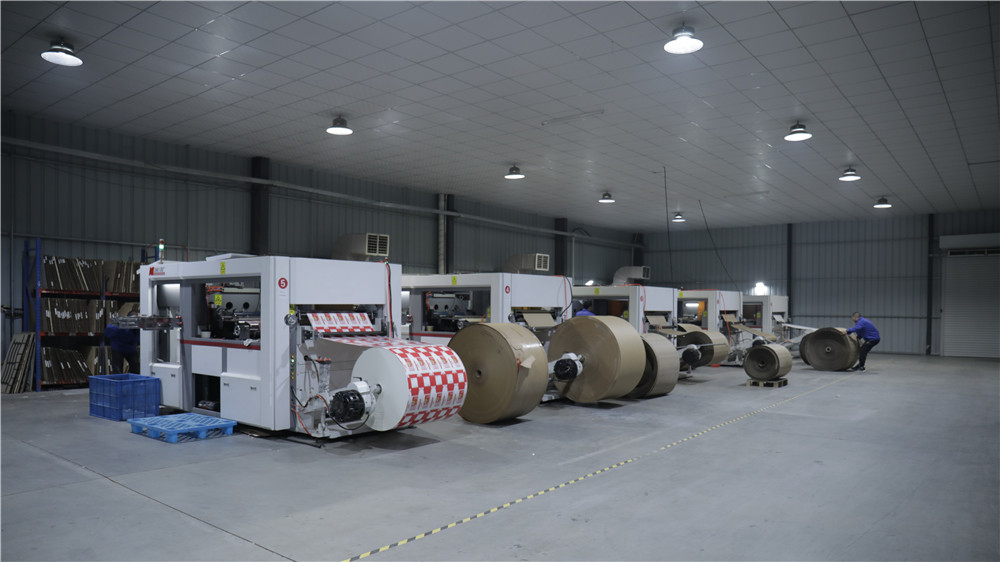
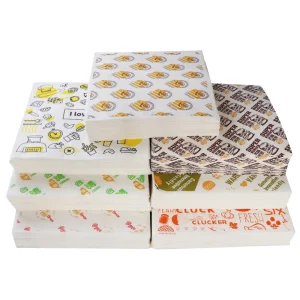
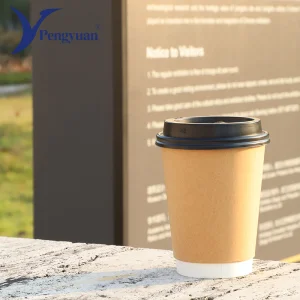
Shandong PsiPrime Packaging Co., Ltd. specializes in the research, development, and manufacturing of eco-friendly food-grade packaging products. Its product portfolio includes compostable food containers, paper-based food packaging, eco-friendly paper bags, food wrapping paper, and disposable catering supplies. These solutions are designed to meet the diverse needs of restaurants, food delivery platforms, food processors, and retail businesses.
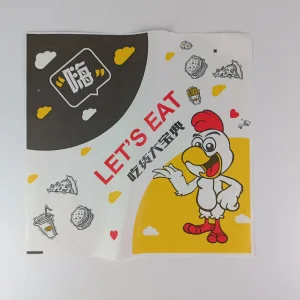
The company is dedicated to a customer-centric philosophy, offering one-stop customization services ranging from product design and material selection to custom printing. This enables clients to build strong, recognizable brand packaging while maintaining sustainability goals. At the same time, we emphasize stable delivery performance and strict quality control to ensure efficient and reliable global supply.
Through continuous improvements in production processes and supply chain management, Shandong PsiPrime Packaging Co., Ltd. enhances both cost efficiency and operational reliability, supporting clients in achieving sustainable growth in competitive markets.
Looking ahead, the company will continue investing in innovation in biodegradable materials and expanding the application of compostable products across more industries, working together with global partners to build a low-carbon, environmentally friendly, and sustainable future.
Successful packaging deployment requires mapping the crate types and materials directly to localized conditions:
For supply chain directors sourcing wholesale crates from China, a rigorous quality inspection protocol is vital. Ensure your selected manufacturer checks all boxes:
1. Polymer Composition & Virgin Certification: Verify whether raw resins are 100% virgin PP/HDPE or contain post-consumer recycled (PCR) plastics. Virgin polymers are required for direct food contact under FDA/EU laws.
2. Load-Bearing Validation & Drop Testing: Ensure crates undergo simulated compression testing, dynamic vibration trials, and fall tests at sub-zero temperatures to prevent failures during transport.
3. Sanitation Compliance: Crates used for fresh produce must feature smooth interior surfaces without sharp corners or dirt traps to prevent bacterial growth and simplify chemical washing.
Direct answers to critical sourcing, compliance, and material engineering questions asked by global supply chain managers.
Explore our complete ecosystem of secondary, tertiary, and retail-ready packaging components.

 PsiPrime Packaging