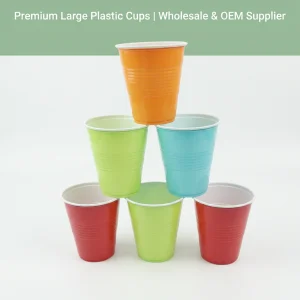
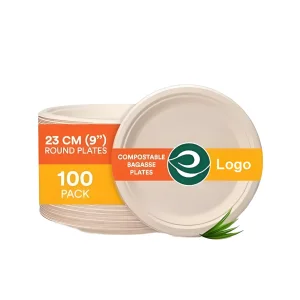
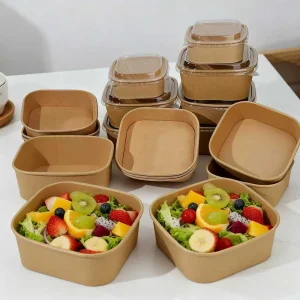
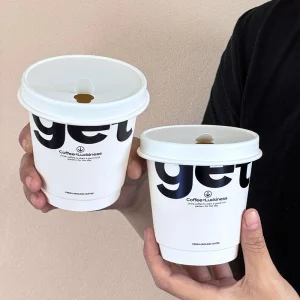
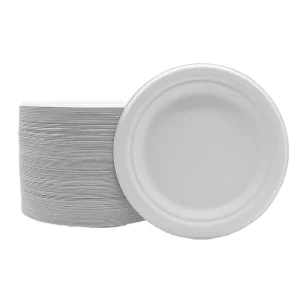
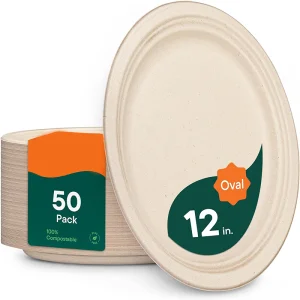
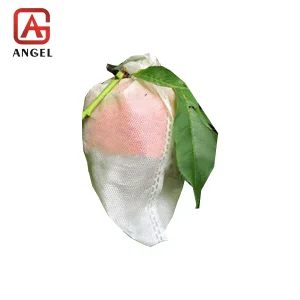
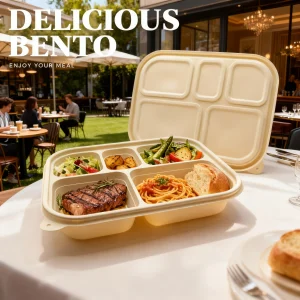
Discover our highly customized, certified compostable and biodegradable primary packaging solutions engineered for global compliance.
The global packaging paradigm is undergoing a massive shift. As regulatory frameworks target single-use plastics and consumers demand transparent sustainability, Kraft paper wraps have emerged as a leading alternative. In this whitepaper, we examine the material science, manufacturing pathways, and commercial solutions driving this change, highlighting the capabilities of Shandong PsiPrime Packaging Co., Ltd.
Modern commercial packaging faces dual challenges: maintaining product integrity while minimizing environmental impact. Legislative policies such as the European Union's Single-Use Plastics Directive (SUPD) and state-level plastic bans in North America are reshaping packaging procurement. For global food brands, quick-service restaurants (QSR), and industrial manufacturers, transitioning to paper-based alternatives is no longer optional—it is a critical compliance and brand requirement.
Kraft paper wraps offer a highly versatile platform. Produced via the chemical kraft process, which preserves the structural integrity of wood fibers, these wraps provide high tensile strength, puncture resistance, and flexibility. Shandong PsiPrime Packaging Co., Ltd. is at the forefront of this transition, helping companies reduce plastic consumption through engineered, biodegradable packaging options.
Standard paper is inherently porous and offers little resistance to water, oils, and grease. To serve the food-service and industrial shipping markets, kraft paper must undergo specialized surface engineering. Traditionally, fluorochemicals (PFAS) and polyethylene (PE) coatings were used to create barriers. However, microplastic persistence and regulatory bans on PFAS have forced the industry to adopt cleaner alternatives.
Polylactic Acid (PLA), derived from fermented plant starch (such as corn), is applied to kraft substrates to form a heat-sealable grease barrier that composts in industrial facilities.
Aqueous barrier coatings use water-based polymer dispersions applied to the paper web. When dried, they create a thin barrier that repels water and oils while remaining fully recyclable.
These advanced coatings allow kraft wraps to achieve high grease-resistance levels (tested using the TAPPI T559 kit test) without compromising biodegradability. This enables packaging to withstand hot steam, animal fats, and moisture while maintaining structural integrity during transport.
Kraft paper wraps are used across a wide variety of industries, each with its own set of performance requirements:
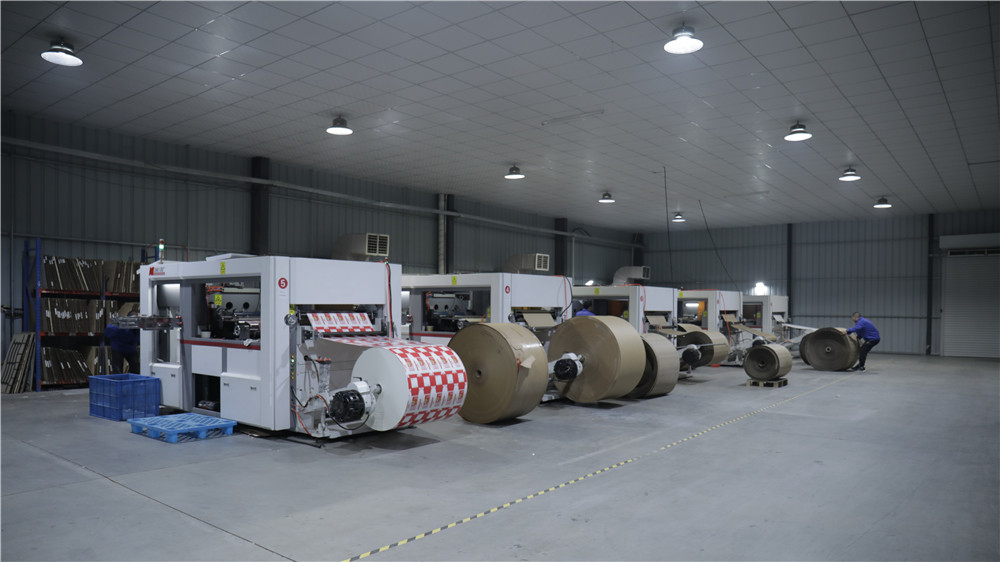
A look inside Shandong PsiPrime's advanced, vertically integrated production lines, showcasing our quality-controlled steps from raw materials to final packaging.
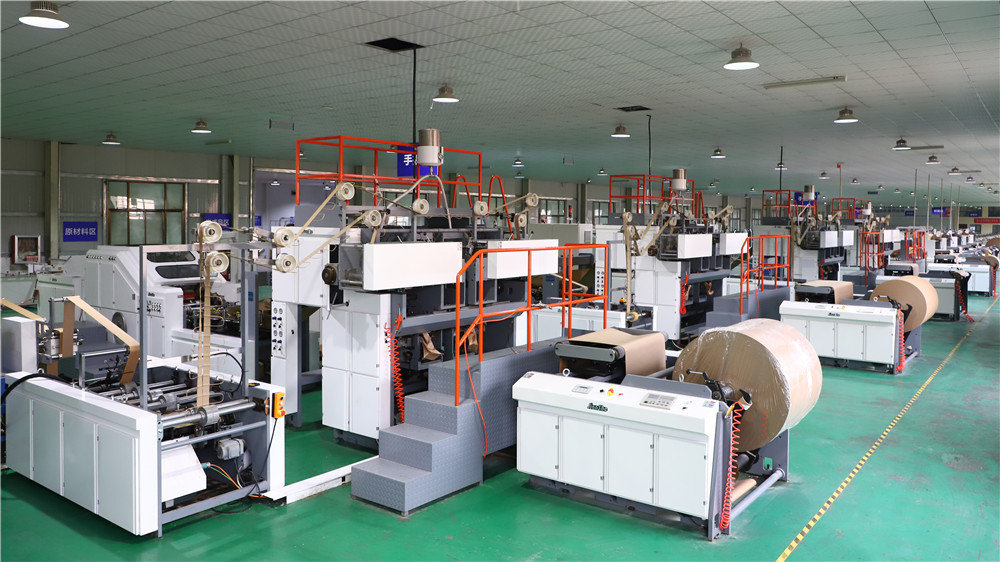
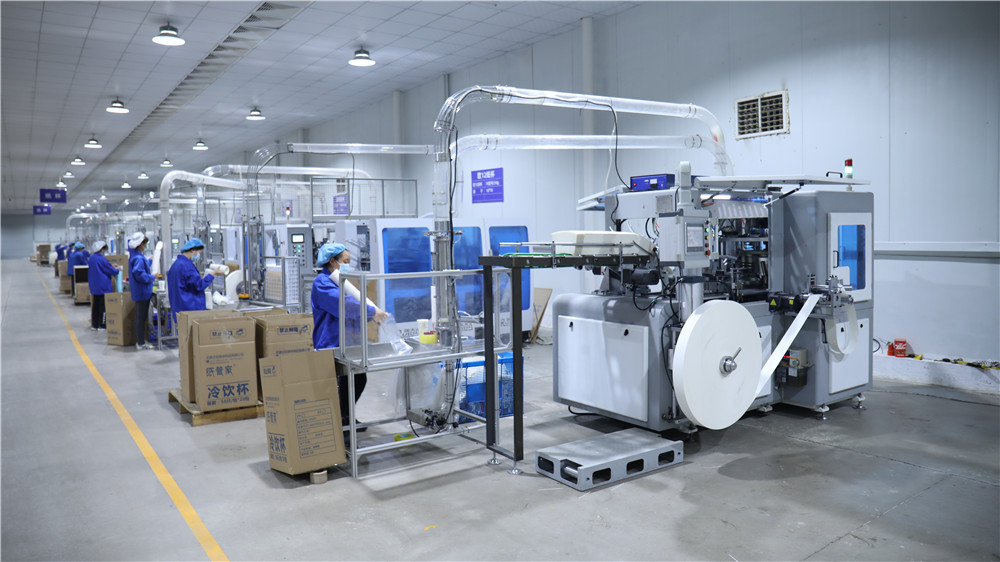
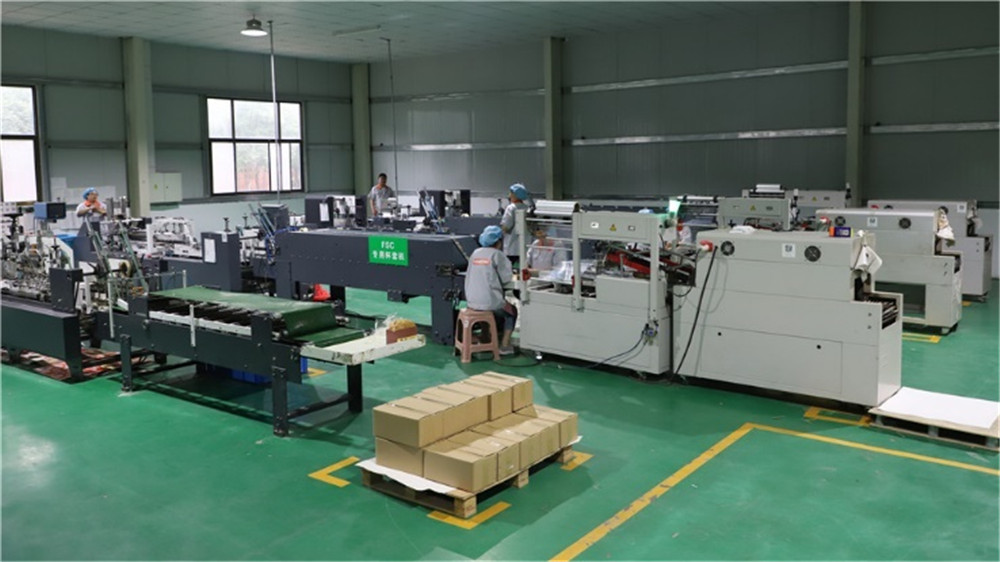
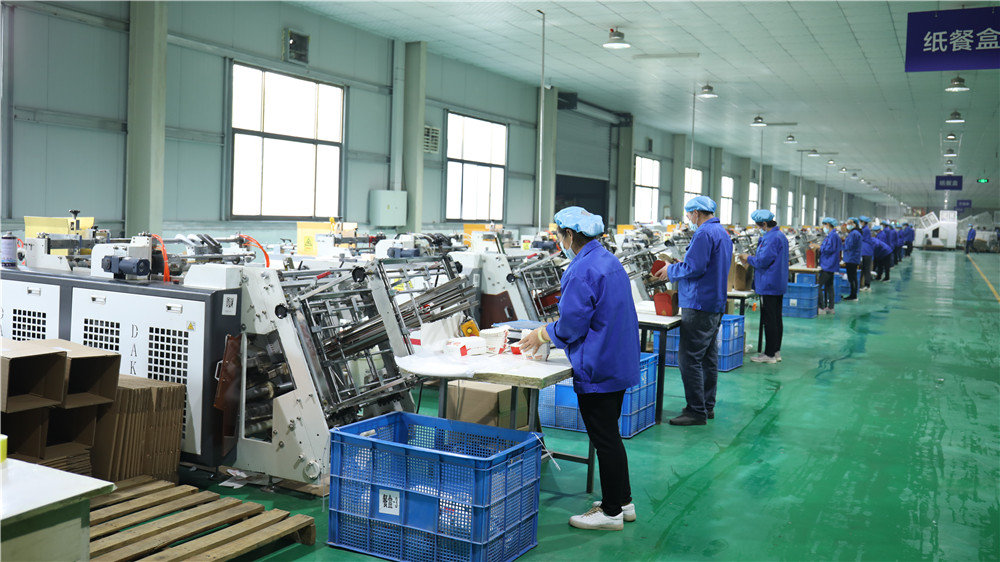
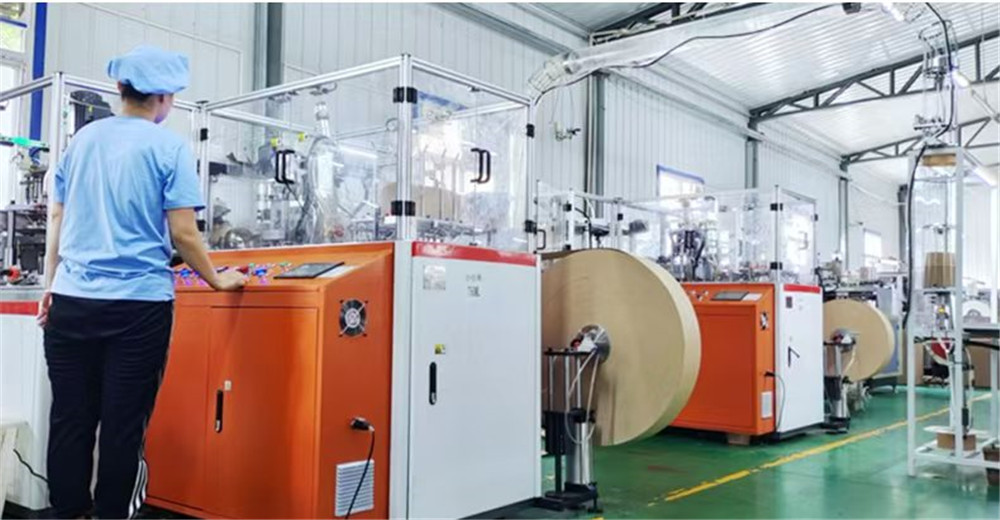
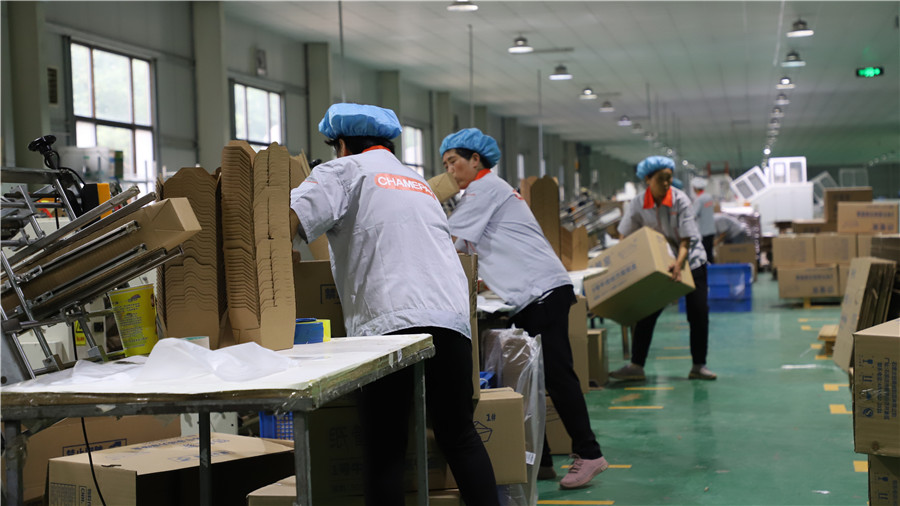
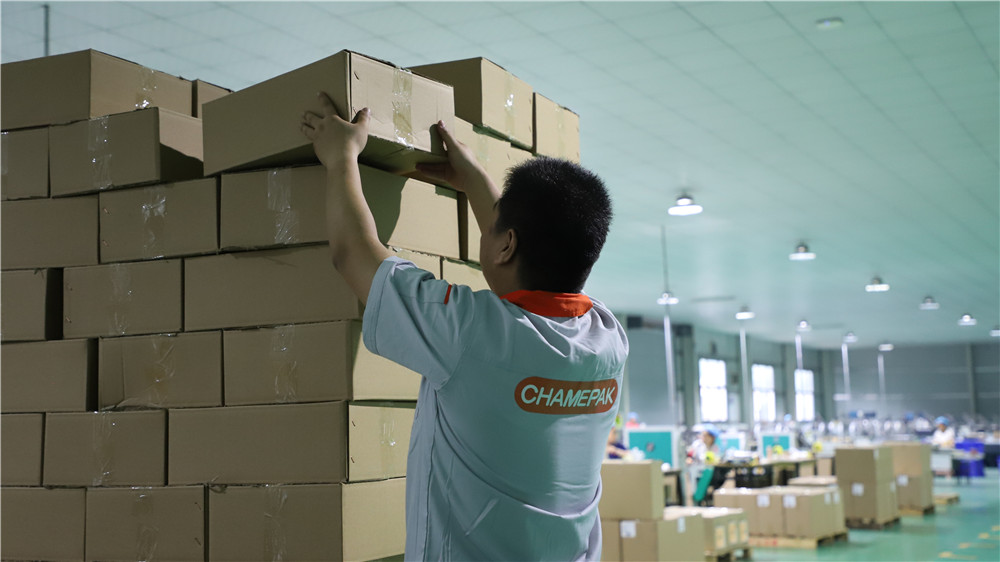
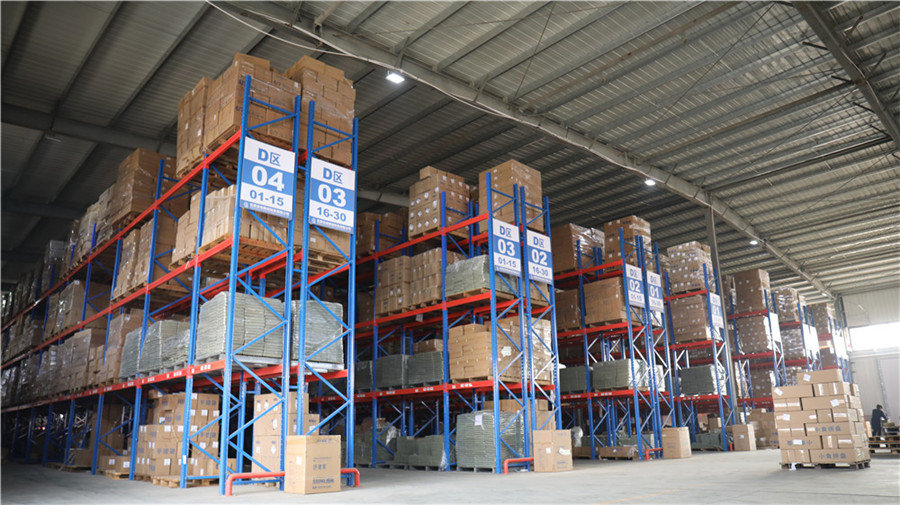
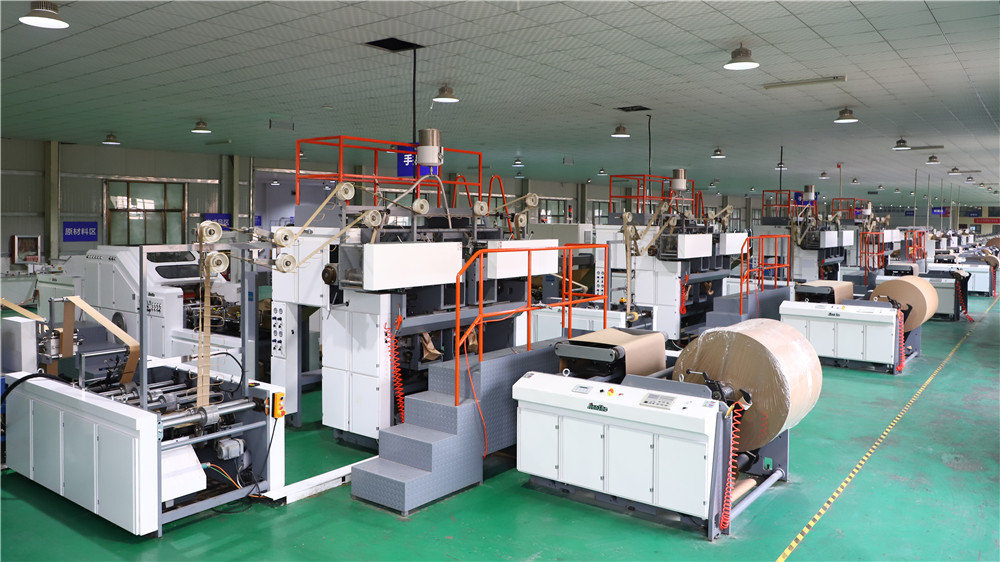
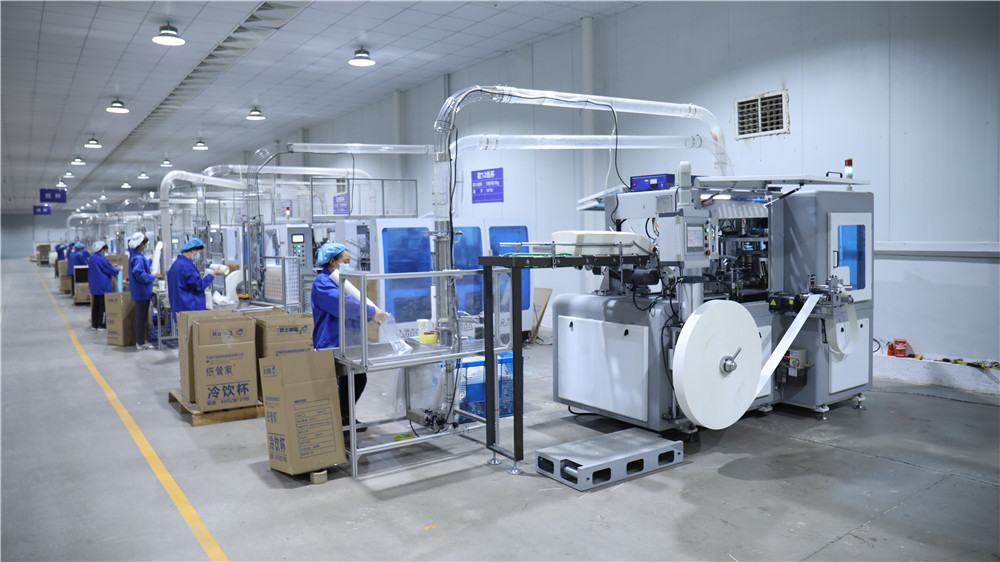
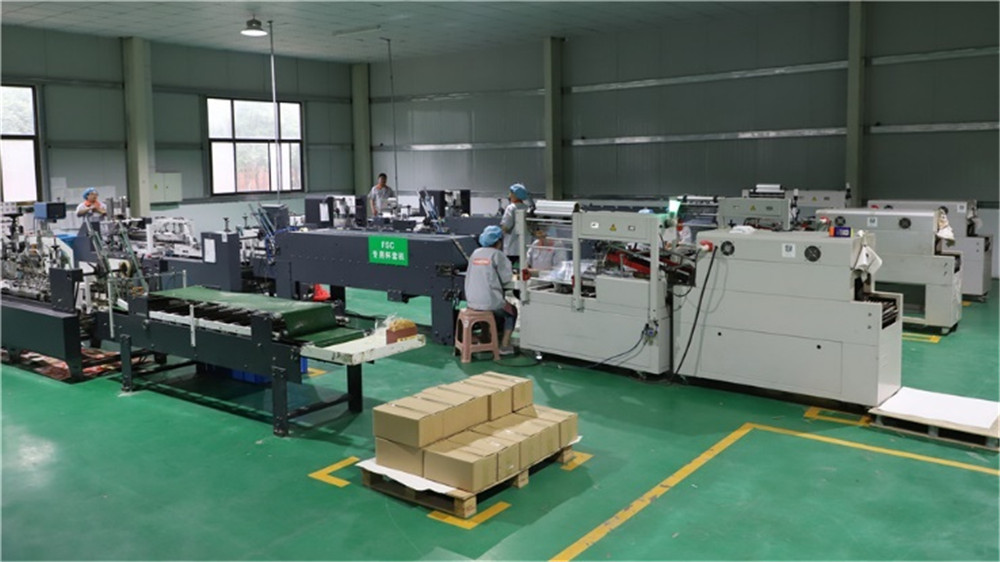
How Shandong PsiPrime addresses regulatory requirements and optimizes performance for international buyers.
From custom sizes and calipers to logo printing using soy-based and water-based inks, we help clients build recognizable brand packaging that meets sustainability goals.
Our raw wood pulp and barrier coatings undergo regular migrations testing, ensuring compliance with heavy metal regulations and global health and safety guidelines.
Through modern production processes and structured logistics management, we minimize lead times, help offset shipping costs, and ensure consistent supply.
Developing next-generation barrier technologies for fully compostable packaging.
We are researching new bio-polyesters (like PHA and PBS) to create flexible barriers that degrade quickly in home composting systems, expanding beyond industrial facilities.
We are collaborating with global recycling networks to ensure that our aqueous-barrier coated papers are easily sorted and repulped in standard recycling facilities, supporting circular economies.
Answers to common technical, material, and regulatory questions regarding Kraft paper wraps.
PE-coated paper uses a thin layer of polyethylene, a fossil-fuel-based plastic, which requires specialized facilities to separate and recycle. PLA-coated paper uses polylactic acid, a plant-derived bioplastic that is compostable under industrial conditions, helping reduce dependence on fossil fuels.
All our food-grade packaging materials are produced under strict quality control. Our products are tested regularly to ensure compliance with international food contact standards, including FDA 21 CFR regulations and EU 1935/2004 directives.
Yes, our production lines support custom printing. We use flexographic and offset presses with water-based or soy-based inks to ensure that customized branding remains food-safe and eco-friendly.
In industrial composting facilities, certified compostable kraft wraps and PLA-lined containers generally break down within 90 to 180 days, leaving no toxic residues. We are also working on barrier technologies suitable for home composting systems.
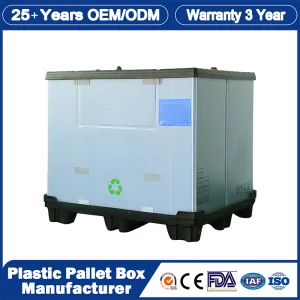
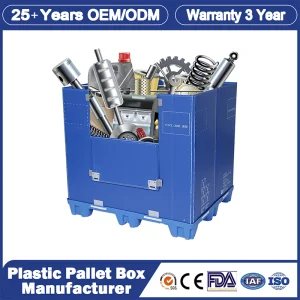
A selection of durable, multi-use logistics containment and food-service solutions designed to minimize waste.
 PsiPrime Packaging