Sustainable food packaging is becoming increasingly important in today’s world. Consumers are more aware of their impact on the environment. This shift is a key factor in understanding why is sustainable food packaging so popular now. People want eco-friendly options that reduce waste. Traditional packaging often contributes to pollution and landfill overflow.
The demand for sustainable materials reflects a growing concern for the planet. Companies are adapting to these preferences by developing biodegradable or recyclable options. This transition can benefit both businesses and consumers. However, the journey is not without its challenges. Not all sustainable choices perform equally well or are affordable.
As customers become more educated, they demand transparency. They want to know the materials and processes behind their packaging. This trend pushes companies to innovate and reassess their packaging methods. It raises questions about sustainability in food production. Ultimately, the rise in sustainable food packaging mirrors a larger movement toward environmental responsibility.
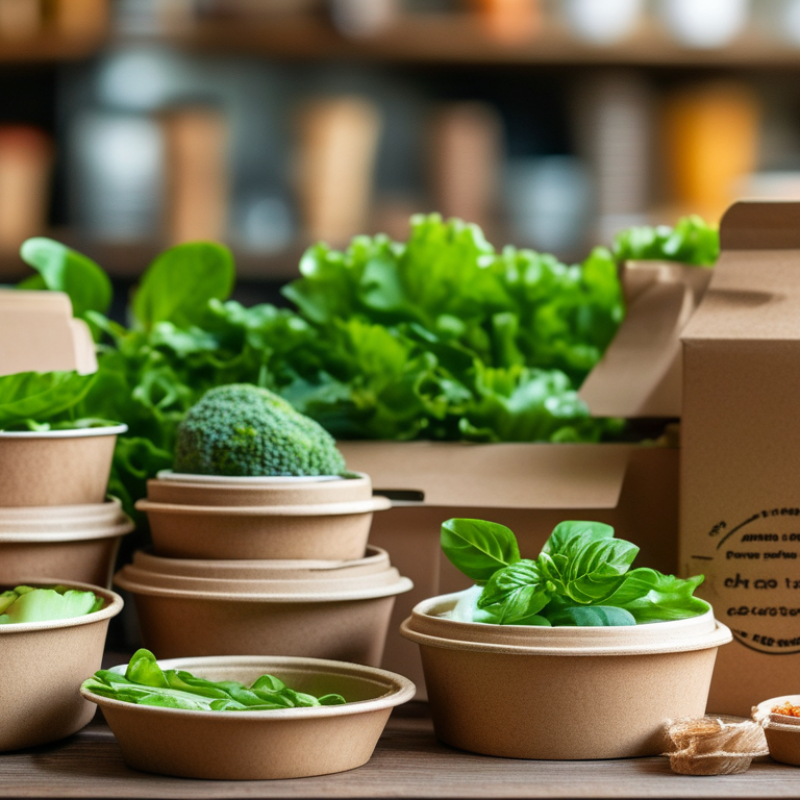
Sustainable food packaging is gaining traction in today's market. Consumers are becoming more conscious of their impact on the environment. With rising awareness, people prefer eco-friendly options over traditional materials. This shift is pushing businesses to adapt their packaging strategies.
The market for sustainable packaging is growing rapidly. In 2022, it reached significant revenue milestones. Companies are now experimenting with biodegradable and recyclable materials. These innovations aim to reduce waste and improve sustainability. Yet, challenges remain. Not all sustainable options are as effective or affordable. Balancing cost and eco-friendliness is a complex task for many businesses.
Furthermore, consumer expectations are rising. They demand transparency about the materials used. Brands face pressure to not only adopt green practices but to communicate them effectively. Failure to do so can lead to criticism. The journey toward sustainability is still fraught with obstacles, requiring constant reflection and adaptation.
The chart above illustrates the significant growth in the sustainable food packaging market over the years 2020 to 2023. As consumer awareness about environmental issues increases, the demand for sustainable packaging solutions has escalated, reflecting a rapid shift toward more eco-friendly practices in the food industry.
The growing trend towards sustainable food packaging is driven by several key factors. Increasing environmental awareness among consumers is prominent. People are more informed about plastic pollution and its effects. As a result, they seek alternatives that contribute less waste and harm to the planet.
Another significant driver is the rise of stricter regulations. Governments worldwide are implementing laws to reduce plastic usage. These regulations encourage businesses to explore eco-friendly options. Many companies are now embracing biodegradable and compostable materials. This shift reflects a larger movement toward corporate responsibility.
The demand for transparency is also influencing packaging choices. Consumers want assurance about product origins and manufacturing practices. They favor brands that share their values. This creates a need for packaging that aligns with these expectations. Despite the progress, challenges remain. Not all sustainable materials are cost-effective or widely available. The balance between affordability and eco-friendliness continues to be a topic for discussion.
Consumer awareness is a driving force behind the rise of sustainable food packaging. Today's shoppers are more informed about environmental issues. They seek alternatives to traditional packaging that harm the planet. Many consumers want eco-friendly options that reduce waste. This demand pushes companies to rethink their packaging strategies.
Sustainable packaging often involves biodegradable or recyclable materials. These options resonate with environmentally conscious buyers. However, some brands struggle to find the right materials that maintain product integrity. Not all sustainable alternatives work well for every food item. It's a complex balance between sustainability and functionality.
Additionally, consumers are increasingly vocal about their preferences. They share opinions on social media and drive trends. This feedback challenges brands to innovate continuously. Yet, some companies may focus more on marketing than genuine change. The journey toward truly sustainable packaging is ongoing and requires constant reflection.
The demand for sustainable food packaging is surging. Various regulations are driving this trend. Governments worldwide are implementing stricter guidelines to reduce plastic waste. These rules encourage companies to embrace eco-friendly materials. As a result, many businesses are reevaluating their packaging strategies.
Food packaging must now meet specific sustainability criteria. For example, biodegradable and compostable options are gaining traction. This shift often requires significant investment. Companies need to rethink their entire supply chain. The transition can be challenging. Some struggle with sourcing sustainable materials at scale. Others find it hard to communicate their new practices to consumers.
Regulatory pressure has led to innovation in the packaging industry. New technologies emerge to create healthier and greener alternatives. However, not all solutions are perfect. Some sustainable options still end up in landfills. Despite the challenges, the movement towards sustainable packaging is becoming essential. It reflects a growing recognition of our environmental responsibilities.
Sustainable food packaging is experiencing a surge in popularity, driven by innovative practices and trends. The growing concern over environmental issues has prompted food manufacturers to seek eco-friendly solutions. Advanced materials like biodegradable films and plant-based plastics are emerging as viable alternatives. These materials not only reduce waste but also conserve resources. The challenge remains in scaling production and ensuring durability.
Consumer awareness has influenced these trends significantly. People now demand transparency about packaging impacts. This shift is encouraging companies to rethink their design strategies. However, while some innovations are promising, others may lack sufficient testing. The effectiveness of new materials in preserving food must be scrutinized closely. Industry experts argue for a balanced approach where sustainability does not compromise food safety.
Technology plays a crucial role in this transformation. Smart packaging, which includes features like moisture control and freshness indicators, is becoming more prevalent. These advancements can enhance the consumer experience. Yet, the dependency on technology also raises concerns about data privacy. As the landscape evolves, ongoing dialogue among stakeholders will be essential to address potential pitfalls.
| Dimension | Data Point |
|---|---|
| Market Growth Rate | 25% (2021-2026) |
| Consumer Demand for Sustainable Packaging | 70% of consumers prefer eco-friendly options |
| Types of Sustainable Materials | Biodegradable, Recyclable, Compostable |
| Percentage of Companies Implementing Sustainable Practices | 45% of food companies |
| Investment in Sustainable Packaging Innovations | $2 billion annually |
| Challenges in Adopting Sustainable Packaging | Cost, Supply Chain Issues, Consumer Awareness |
| Expected CAGR of Sustainable Packaging Market | 12% through 2028 |
: Increased environmental awareness among consumers is a major factor. People seek alternatives to reduce waste.
Stricter regulations encourage businesses to explore eco-friendly options. Many companies are adopting biodegradable materials.
Consumer demand for transparency and assurance about product origins is significant. They favor brands that align with their values.
Not every sustainable material maintains product integrity. It’s a complex balance between functionality and sustainability.
Many consumers share their opinions on social media. This feedback pushes brands to innovate in packaging strategies.
Technological advancements like biodegradable films and smart packaging are rising. They aim to reduce waste and enhance user experience.
Cost-effectiveness and material availability remain challenges. Many brands struggle to find suitable alternatives.
No, it’s ongoing and requires reflection. Some companies may focus more on marketing than real change.
Technology in packaging may enhance experiences, but also poses data privacy concerns. This balance must be addressed carefully.
Brands must prioritize real sustainability over marketing claims. Continuous innovation and testing are vital.
The growing popularity of sustainable food packaging can be attributed to several key factors reshaping the market landscape. Increasing consumer awareness regarding environmental issues has heightened demand for eco-friendly packaging solutions, compelling manufacturers to shift their focus towards sustainable practices. Additionally, the impact of regulations encouraging reduced plastic use and the promotion of recyclable materials has further accelerated the adoption of these innovative packaging methods.
Moreover, advancements in technology have led to new materials that are both sustainable and effective, creating trends that cater to environmentally conscious consumers. As industries continue to adapt to these changing dynamics, it's clear that understanding "why is sustainable food packaging so popular now" is essential for businesses aiming to thrive in an increasingly eco-aware marketplace.

PsiPrime Packaging