How to Start a Plastic Free Catering Business in 2026?

Time:2026-08-11 Author:Charlotte
0%

Starting a plastic-free catering business in 2026 is a bold and necessary step. Many people are concerned about plastic waste. Catering options have often relied heavily on single-use plastics. By learning how to start a plastic free catering business, you can meet this growing demand while promoting sustainability.

The journey begins with planning and understanding your market. Sourcing materials is crucial. You can use biodegradable or reusable containers. Additionally, consider local suppliers for fresh, seasonal ingredients. Building a solid network will enhance your credibility.

Marketing your plastic-free approach helps attract eco-conscious customers. Share your story and the importance of sustainability. However, challenges will arise. Your commitment to eliminating plastic might limit some choices. This can be frustrating but reflecting on these hurdles can lead to creative solutions.
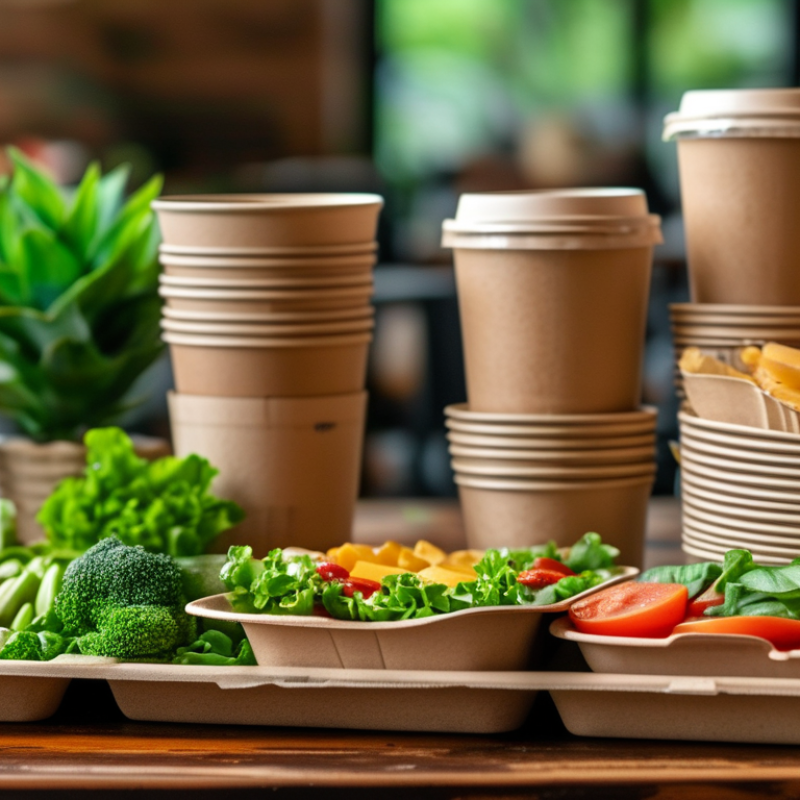
How to Start a Plastic Free Catering Business in 2026?

Identifying the Market Demand for Plastic-Free Catering Services

The demand for plastic-free catering services is on the rise. Many consumers are increasingly aware of environmental issues and seeking sustainable options. In 2026, this trend will only grow. People want to enjoy their meals while knowing they contribute to a healthier planet.

Tips for identifying market demand include engaging in community surveys. Local events can provide insight into preferences. Understand your audience by examining their behavior and interests online. Social media platforms are valuable for gauging trends and gathering feedback.

It's essential to offer a variety of options. Cater to different dietary needs without plastic waste. However, creating a fully sustainable menu can be challenging and may require continuous adaptations. Reflect on initial setbacks to improve future offerings. Being transparent about your efforts helps build trust with your clients. This open approach can lead to stronger connections and repeat business.

Researching Eco-Friendly Alternatives to Conventional Catering Supplies

Starting a plastic-free catering business requires careful research. You must explore eco-friendly alternatives to conventional supplies. Many options are available, but not all are perfect. Look for biodegradable plates made from materials like palm leaves or sugarcane. These are sturdy yet environmentally friendly.

Consider reusable containers that can be returned for cleaning and reuse. This approach reduces waste significantly. However, managing a return system poses challenges. You may experience logistical issues or difficulties with customer participation. Offering incentives can help encourage returns.

Don’t overlook sourcing local and seasonal ingredients. This not only reduces transport-related emissions but also supports the community. Nonetheless, relying solely on local produce may limit menu options in certain seasons. Balancing creativity with sustainability will be crucial. Integrating these principles will help you build a reliable and responsible catering business.

How to Start a Plastic Free Catering Business in 2026? - Researching Eco-Friendly Alternatives to Conventional Catering Supplies

Product Type Eco-Friendly Alternative Material Source Biodegradability Average Cost ($)
Plates Compostable Palm Leaf Plates Renewable Palm Leaves 100% Biodegradable 0.30
Cutlery Bamboo Utensils Bamboo 100% Biodegradable 0.15
Cups PLA Cups Corn Starch Biodegradable in Industrial Compost 0.25
Straws Paper Straws Recycled Paper 100% Biodegradable 0.10
Napkins Recycled Paper Napkins Recycled Paper 100% Biodegradable 0.05

Creating a Sustainable Business Model for a Plastic Free Catering Service

As we approach 2026, starting a plastic-free catering business offers both challenges and opportunities. The emphasis on sustainability is crucial for attracting eco-conscious clients. Establishing a sustainable business model begins with sourcing local, organic ingredients. These products are not only healthier but also reduce transportation-related carbon emissions. Involve local farmers to showcase community support and strengthen your supply chain.

A successful plastic-free service requires innovative packaging solutions. Consider using banana leaves, glass containers, or even compostable materials. Each choice should reflect environmental values. Training your staff on sustainable practices is essential. They must understand the importance of minimizing waste and promoting reusable items. Customer education can also enhance their experience. Provide information on why your business chooses to be plastic-free.

Navigating this market isn’t without hiccups. Initial investments may be high for sustainable materials. Convincing clients to embrace new packaging methods can also be challenging. Additionally, not every event is suited for a completely plastic-free approach. Continuous adaptation and open communication are key. Regularly seek feedback to improve your offerings and address any shortcomings. Ultimately, fostering a culture of sustainability depends on persistence and innovation.

Building Partnerships with Local Suppliers for Sustainable Ingredients

Building a plastic-free catering business requires strong partnerships with local suppliers. These relationships are key to sourcing sustainable ingredients. Connecting with local farmers ensures fresh, seasonal produce. It can significantly reduce your carbon footprint. Seek out suppliers who share your commitment to sustainability. This alignment is crucial for a successful venture.

Collaboration with local artisans is another aspect to consider. Work with bakers and beverage makers who focus on eco-friendly practices. However, challenges can arise. Not all suppliers may be able to meet your demands or stay consistent. Flexibility in sourcing and adapting to local availability can help navigate these hurdles. It’s essential to assess the reliability of potential partners regularly.

Transparency in your supply chain builds trust. Communicate openly about your goals and standards. This approach fosters strong relationships. Encourage feedback and share experiences with suppliers. They should feel part of your mission. Reflect on what works and what needs adjustment. Adaptability is vital in this journey toward a greener catering business.

Plastic Free Catering Business: Sustainable Ingredients Sourcing

Marketing Strategies to Promote Your Plastic-Free Catering Business

Marketing a plastic-free catering business requires creativity and authenticity. Start by building a strong online presence. Share engaging content on social media that highlights your eco-friendly practices. Use captivating visuals of your dishes, showcasing biodegradable packaging. This draws like-minded customers who value sustainability.

Community involvement is crucial. Partner with local farmers and markets to promote seasonal ingredients. Host events and workshops to educate consumers about the importance of reducing plastic waste. Collaborate with other eco-conscious businesses to expand your reach. Building relationships can help foster trust and authority in your brand.

Feedback is essential. Encourage customers to share their experiences. Use their insights to improve your services. Staying adaptable will help you navigate challenges. Embrace imperfections; they can lead to innovative solutions. Listen to your audience and evolve. A responsive approach builds loyalty and trust in your plastic-free catering business.

FAQS

: What is driving the demand for plastic-free catering services?

: Increased awareness of environmental issues is leading consumers to seek sustainable options.

How can I gather insights on market demand?

Engage in community surveys and analyze behavior on social media for trends.

What dietary considerations should I keep in mind?

It's important to cater to various dietary needs while minimizing plastic waste.

Are biodegradable supplies a good option?

Biodegradable plates from palm leaves or sugarcane are sturdy but not flawless.

How can I manage reusable containers effectively?

Offering incentives might encourage customers to return containers for cleaning and reuse.

Why is sourcing local ingredients important?

It reduces emissions and supports the community, but may limit menu diversity.

What marketing strategies should I use?

Build a strong online presence and share content that highlights your eco-friendly practices.

How can I build trust with my clients?

Be transparent about your sustainability efforts and listen to customer feedback.

What role does community involvement play in my business?

Partnering with local farms and hosting events fosters trust and expands your reach.

How should I handle imperfections in my business?

Embrace setbacks as learning opportunities. They can inspire innovative solutions.

Conclusion

Starting a plastic-free catering business requires a strategic approach to meet the growing market demand for sustainable services. Begin by identifying potential clients who prioritize eco-friendly options, then explore environmentally conscious alternatives to conventional catering supplies. This research phase is crucial for understanding how to start a plastic-free catering business effectively.

Creating a sustainable business model involves incorporating eco-friendly practices into every aspect, from sourcing ingredients to waste management. Building partnerships with local suppliers not only supports the community but also ensures that ingredients are fresh and sustainable. Finally, implementing targeted marketing strategies will help promote your plastic-free catering business, attracting clients who value sustainability. By following these steps, aspiring caterers can establish a successful and responsible catering service in 2026.

Charlotte

Charlotte

Charlotte is a seasoned marketing professional with a deep understanding of the company's portfolio and a passion for elevating its presence in the market. With a keen eye for detail and a commitment to excellence, she ensures that our professional blog is regularly updated with insightful articles......