As the demand for sustainable packaging grows, a critical question arises: can you reuse biodegradable takeaway bowls? Experts like Dr. Emily Green, a renowned environmental scientist, emphasize the practicalities of reusing such items. "While these bowls break down better than plastic, their safety for reuse depends on various factors," she notes.
Biodegradable takeaway bowls are designed to decompose over time. However, they may still harbor bacteria after use. This situation raises concerns about food safety and hygiene. Many consumers wonder if they can trust these bowls for multiple uses. The materials in some biodegradable bowls can also affect their reusability. For instance, compostable materials can weaken with each washing.
Research indicates that proper cleaning is essential. Yet, many people overlook this vital step. Not all biodegradable bowls are created equal, and some may not withstand repeated exposure to heat or water. Therefore, it's crucial to consider both safety and environmental impact when deciding on reuse. The conversation around can you reuse biodegradable takeaway bowls continues, with no one-size-fits-all answer. Awareness and discernment are key.
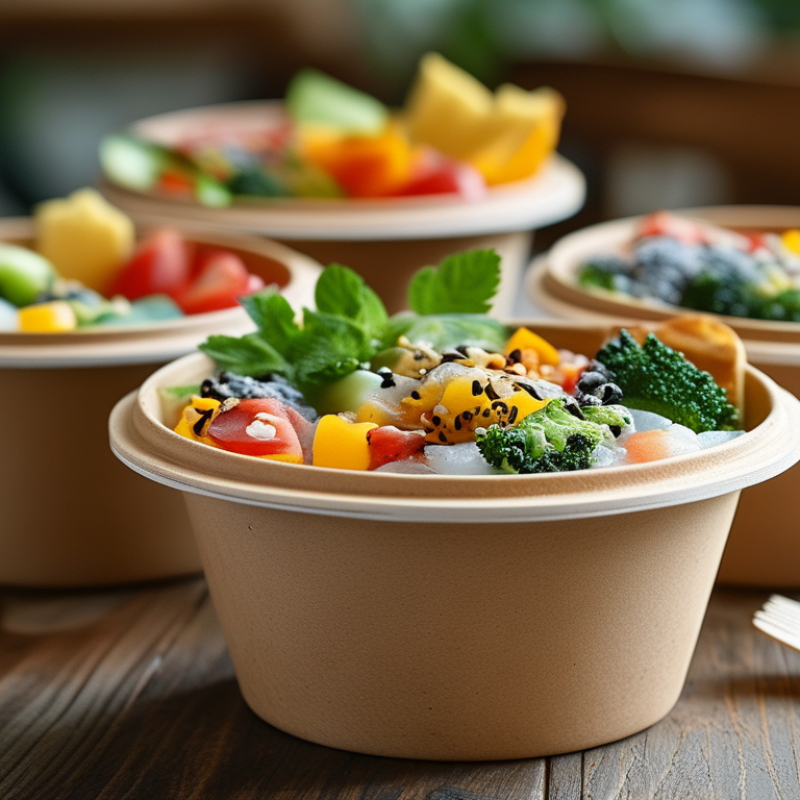
Biodegradable takeaway bowls are made from materials designed to break down easily. Common materials include cornstarch, bamboo, and sugarcane. These components provide an eco-friendly alternative to traditional plastic containers. According to a 2021 study by the Biodegradable Products Institute, around 64% of consumers prefer biodegradable options.
However, not all biodegradable bowls are created equal. The conditions for effective decomposition can vary widely. Some require industrial composting facilities, while others can degrade in home compost bins. A report from the Ellen MacArthur Foundation highlights that many consumers are unaware of these requirements. Misunderstandings can lead to improper disposal and pollution.
Reusing biodegradable bowls raises questions regarding safety. While these bowls can withstand heat and moisture, they may harbor bacteria after initial use. A study in the Journal of Environmental Health warned about potential contamination risks if bowls are reused without proper cleaning. Therefore, caution is advised when considering reuse. Understanding the type of biodegradable material is crucial for safe and responsible usage.
| Material Type | Biodegradable Properties | Reuse Safety | Composting Guidelines |
|---|---|---|---|
| PLA (Polylactic Acid) | Breaks down in industrial composting | Not recommended for reuse with hot foods | Compostable in industrial facilities |
| Sugarcane Fiber | Composts naturally and quickly | Safe to reuse for dry food items | Home compostable |
| Palm Leaf | Biodegradable and compostable | Safe for reuse with all types of food | Can be added to compost |
| Bamboo | Biodegradable and sustainable | Safe for reuse unless stained | Compostable in home compost |
| Paperboard | Decomposes in natural environments | Limited reuse; safe for dry food | Recycle if clean |
: Use hot, soapy water and a soft sponge. Scrub thoroughly to remove all grease and residue.
Yes, but wear and tear can occur. Check for cracks or degradation before each use.
Keep bowls in a clean, dry space. Use a tightly sealed container to avoid mold.
Moisture can build up in enclosed spaces. Good air circulation prevents this from happening.
Reusable containers and compostable materials are better choices for sustainability.
Compostable materials break down effectively in facilities, reducing waste compared to typical bowls.
Most don’t break down effectively in landfills. This raises environmental concerns over time.
Educating consumers about disposal methods can increase the effectiveness of sustainable materials.
They can provide access to composting services, making sustainable options more viable.
Periodic inspections help ensure they remain safe and hygienic for future use.
The article titled "Can You Reuse Biodegradable Takeaway Bowls Safely?" explores the intricacies of biodegradable materials used in takeaway bowls, highlighting their health and safety considerations when reused. It emphasizes that while biodegradable bowls are designed for single-use, the potential for safe reuse depends on proper cleaning and storage practices. The article discusses best practices for maintaining hygiene and preventing contamination, which is vital for food safety.
Additionally, it examines the environmental impact of reusing biodegradable bowls compared to disposal, suggesting that reusing can reduce waste and promote sustainability. Finally, the article presents alternatives to biodegradable bowls for those seeking sustainable takeaway options, raising awareness about the need for environmentally-friendly practices in the food industry. Overall, the discussion reinforces the importance of asking, "can you reuse biodegradable takeaway bowls," while providing insights into responsible usage and living sustainably.

 PsiPrime Packaging