In an era where environmental concerns are at the forefront, the fate of biodegradable materials like PLA plastic cups is crucial. Understanding "what happens to PLA plastic cups in a landfill" is vital for sustainable practices. Dr. Emily Johnson, a leading expert in waste management, emphasizes, “PLA doesn’t decompose quickly in landfill conditions.” This statement challenges the perception that all biodegradable plastics break down easily.
Many consumers believe that PLA plastic cups will vanish quickly. However, they often remain intact in landfills. Factors like lack of oxygen and appropriate heat hinder their degradation. Moreover, the potential for microplastics to form raises more worries about long-term environmental impacts. Observations reveal that while PLA has superior characteristics compared to traditional plastics, it does not automatically translate to a solution.
As we grapple with the realities of waste, it is important to reflect on our consumption habits. The sustainability of products like PLA cups requires examination beyond their marketing claims. Understanding their true lifecycle can influence better choices for the planet.
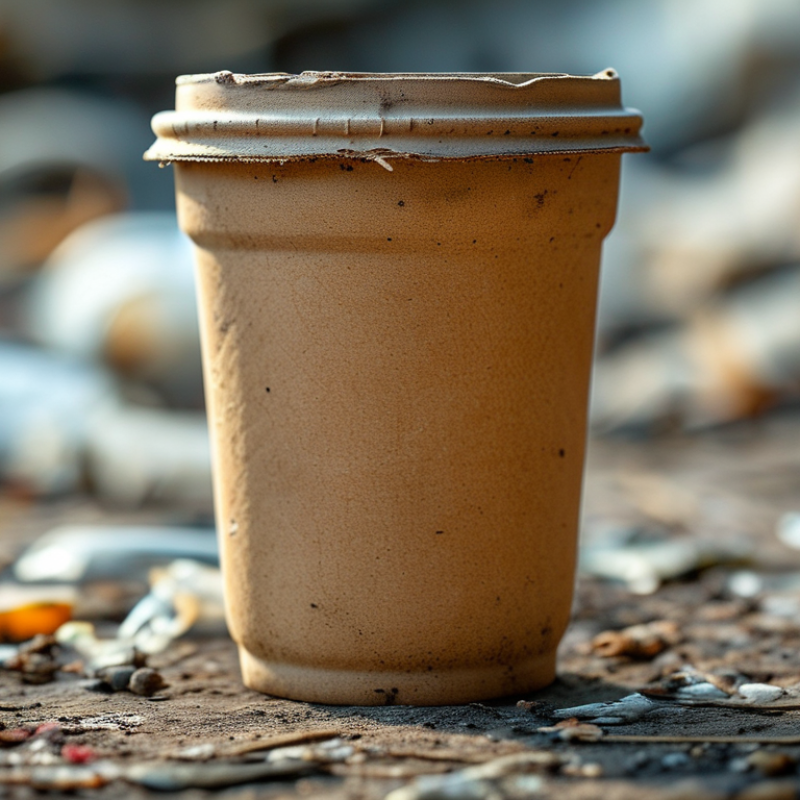
The Composition and Properties of PLA Plastic Cups
PLA, or polylactic acid, is a biodegradable plastic derived from renewable resources like corn starch and sugarcane. It has gained popularity for making eco-friendly products, such as plastic cups. However, understanding PLA cups’ behavior in landfills is crucial for sustainability efforts. According to a report from the European Bioplastics Association, PLA requires specific conditions to decompose effectively, often lacking in traditional landfill environments.
In a standard landfill, PLA cups can take years to break down due to inadequate moisture and temperature levels. Studies indicate that under optimal composting conditions, PLA may decompose within 90 to 180 days. Yet, in a landfill, this process is significantly delayed. A report from the U.S. Environmental Protection Agency highlights that approximately 80% of biodegradable plastics do not break down properly in landfills. This raises concerns about the effectiveness of using PLA as an environmentally friendly option.
While PLA cups are marketed as sustainable, they can still pose challenges. The compostability often hinges on proper disposal practices. Many consumers fail to separate PLA from regular plastics, complicating recycling efforts. Additionally, the energy used in producing and processing PLA needs evaluation against its environmental benefits. There is an ongoing need for education and infrastructure improvements to realize the full potential of PLA products.
The Landfill Environment and Its Impact on PLA Degradation
Landfills are complex environments. The conditions inside affect how materials break down. PLA, or polylactic acid, is a bioplastic often viewed as eco-friendly. However, in a landfill, its degradation is not as effective as expected.
PLA requires specific conditions to decompose. High temperatures and moisture are essential, but landfills usually lack these optimal conditions. Instead, PLA can remain intact for years, contributing to landfill mass. This is troubling, given the initial intent behind creating biodegradable plastics.
The impact of the landfill environment on PLA shows a gap in our understanding. We often celebrate bioplastics for their potential to reduce waste. Yet, many assume they biodegrade quickly. Landfills are not the compost piles we envision. This misconception needs addressing. We must consider how various settings influence ecological solutions. The fate of PLA in landfills urges us to rethink our approach to sustainability.
Comparison of PLA Cups to Traditional Plastic in Landfills
PLA cups, made from plant-based materials, are often marketed as environmentally friendly alternatives to traditional plastic cups. However, the reality of their breakdown in landfills is complex. While PLA is designed to be compostable, it still requires specific industrial conditions to decompose effectively. In a typical landfill, the lack of oxygen and heat slows down this process significantly.
In contrast, traditional plastic cups can take hundreds of years to break down, releasing harmful toxins during that time. Yet, they do not rely on special conditions to degrade. Both types of cups contribute to landfill waste, but PLA's green image may be misleading. Many people assume PLA is an instant solution for waste management, which it is not.
Tips: Always check the disposal methods for PLA products. Many municipalities do not compost PLA effectively. Educate yourself on local waste management practices. For everyday use, consider reusable options instead. Making small changes can lead to big environmental impacts.
Current Practices for Managing PLA Waste in Landfills
PLA (polylactic acid) plastic cups are often touted as eco-friendly alternatives to traditional plastics. However, their fate in landfills raises pressing concerns. Unlike conventional plastics, PLA is derived from renewable resources like corn starch. Yet, the reality in landfills is quite different from what many expect.
Current practices for managing PLA waste in landfills are not always effective. Many landfills are not equipped to handle bioplastics specifically. They lack the necessary conditions for PLA to decompose properly. Ideal conditions for PLA require heat and microbial activity, often found only in industrial composting facilities. In landfills, PLA may remain intact for years. This is contrary to the promise of a biodegradable solution.
The lack of awareness about PLA management compounds the problem. Many consumers believe these cups will break down easily in landfills. This misconception leads to improper disposal practices. While there is potential for progress in waste management technologies, we still face significant challenges. Improving public understanding of PLA waste is crucial. Without change, PLA's intended environmental benefits may not materialize in the long term.
Future Innovations and Alternatives to PLA Plastic Cups
PLA plastic cups are marketed as a greener alternative to traditional plastic. However, in landfills, their biodegradation process can be slow. Future innovations in materials science are leading to the development of biodegradable alternatives. Researchers are exploring new polymers that decompose more rapidly without harming ecosystems. According to a report by the Biodegradable Products Institute, only 9% of all plastics are recycled globally. This highlights the necessity for creating materials that can break down efficiently.
Organizations are investigating alternatives such as compostable cups made from agricultural waste or other plant-derived materials. These options show promise and could replace PLA cups. Innovation in bioplastics aims to enhance their degradation timelines. For example, some prototypes can biodegrade within months under ideal conditions. Such advances are crucial as they can ease the burden on landfills.
Tips: Always choose certified compostable products. Look for cups labeled with reliable certifications. Educate yourself about local composting guidelines for proper disposal. Making informed choices can influence market trends and reduce landfill issues. Transitioning to better alternatives is essential for a sustainable future, but awareness is key.
FAQS
Landfills lack the high temperatures and moisture needed for effective PLA decomposition.
PLA can remain intact in landfills for many years, contributing to waste buildup.
No, many landfills are not equipped to handle PLA properly, affecting its degradation.
Many consumers mistakenly believe PLA breaks down easily in landfills, which is not true.
Researchers are developing new polymers that decompose more quickly and safely.
Yes, options like compostable cups made from agricultural waste are being investigated.
Consumers should look for certified compostable products and understand local composting guidelines.
Mismanagement can prevent PLA from providing its intended environmental benefits and contribute to landfill issues.
Improved public understanding can lead to better disposal practices and enhance sustainability efforts.
Conclusion
The article "What Happens to PLA Plastic Cups in a Landfill Today?" delves into the characteristics of polylactic acid (PLA) plastic cups, highlighting their biodegradable nature derived from renewable sources. It examines the conditions prevalent in landfills and their effect on PLA degradation, noting that while PLA is designed to break down more easily than traditional plastics, the anaerobic conditions of landfills can significantly impede this process.
Furthermore, the article compares the disposal of PLA cups to conventional plastics, emphasizing the challenges and environmental implications of both materials in landfill settings. It discusses current waste management practices concerning PLA, including composting and recycling, and explores future innovations aimed at enhancing the sustainability of PLA products. Ultimately, understanding "what happens to PLA plastic cups in a landfill" is crucial for improving waste management strategies and minimizing environmental impact.

 PsiPrime Packaging