Why Are Fast Food Chains Switching to Paper Packaging Trends?

Time:2026-08-16 Author:Ethan
0%

In recent years, the question of "why are fast food chains switching to paper packaging" has gained significant attention. A 2022 report by the National Restaurant Association indicates that 73% of consumers prefer eco-friendly packaging. This shift reflects growing environmental concerns and consumer preferences, urging major brands to rethink traditional packaging.

With plastic waste becoming a critical issue, businesses are under pressure to adopt sustainable solutions. A survey by Mintel revealed that 62% of consumers believe that restaurants should prioritize sustainable practices. Fast food chains recognize this demand, leading to innovative alternatives in packaging.

Despite the benefits, challenges remain. Paper packaging might not be as durable as plastic and could lead to potential food safety issues. Brands are navigating these complexities while striving to meet consumer demands. The transition is not perfect, but it represents a necessary evolution in the fast food industry.
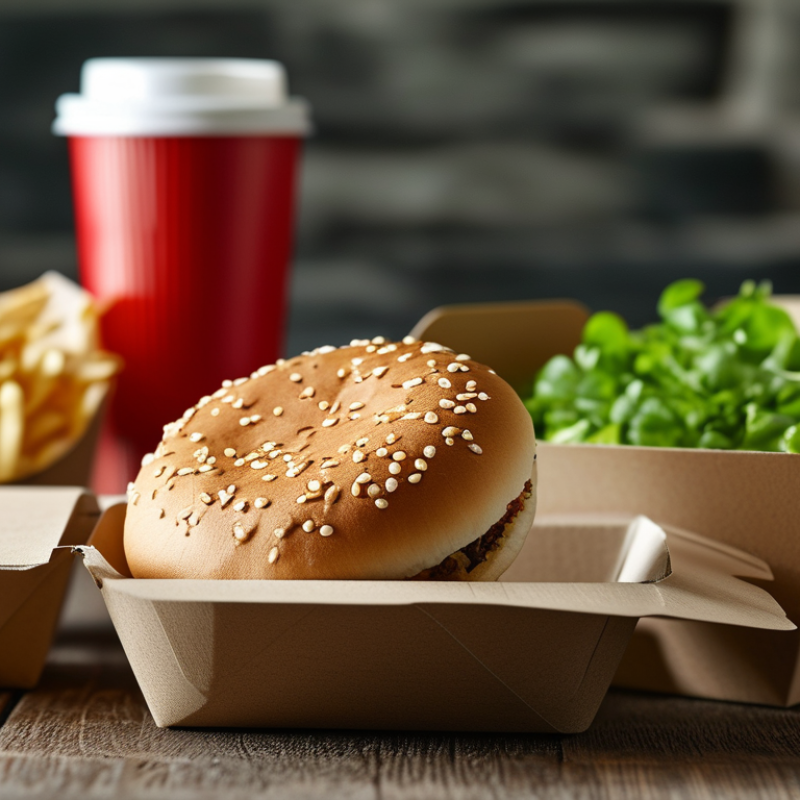
Why Are Fast Food Chains Switching to Paper Packaging Trends?

Reasons Behind Fast Food Chains' Shift to Paper Packaging

The fast food industry is experiencing a marked shift towards paper packaging. This change responds to growing consumer demand for sustainable practices. According to a recent report by the Food Packaging Institute, 63% of consumers prefer brands that use environmentally friendly materials. Paper packaging presents an appealing alternative to plastic due to its biodegradable nature.

Many fast food chains are adopting paper to meet regulatory pressures. As countries tighten restrictions on single-use plastics, paper seems more compliant. Additionally, the Global Sustainability Coalition reported that switching to paper can reduce carbon footprints by over 30%. This statistic encourages brands to reconsider their packaging methods. However, not every paper option is eco-friendly. Sourcing materials irresponsibly can negate environmental benefits.

Yet, transitioning to paper isn't without challenges. The quality and durability must match consumer expectations. In trials, many companies faced issues with moisture resistance and insulation. Consumers often noticed soggy packaging, leading to dissatisfaction. This reflects the need for innovation in paper technology. Brands must invest in research to overcome these hurdles and enhance their offerings.

Impact of Environmental Concerns on Fast Food Packaging Choices

Fast food chains are increasingly aware of their environmental impact. Many customers prefer brands that prioritize sustainability. This shift is primarily due to rising concerns about plastic waste and pollution. Environmentally friendly packaging options, like paper, are becoming more popular. They are biodegradable and often recyclable. This choice reflects a commitment to reducing the carbon footprint.

One tip for consumers: look for icons on packaging that indicate recyclability. Not all paper products are created equal. Some still contain harmful coatings. Ask restaurant staff about their packaging materials to ensure eco-friendly choices.

Fast food businesses face pressure to adapt. Customers are more educated than ever about environmental issues. They seek transparency and responsibility in their choices. Yet, plastic is still cheaper and easier to use. Transitioning to sustainable options can be a challenge for some. Frequent reflection on methods can drive genuine progress. Companies must prioritize long-term solutions over short-term gains.

Why Are Fast Food Chains Switching to Paper Packaging Trends? - Impact of Environmental Concerns on Fast Food Packaging Choices

Packaging Type Percentage Increase in Use (2022-2023) Main Environmental Concern Addressed Consumer Preference (%)
Paper Bags 25% Plastic Pollution 78%
Paper Cups 30% Landfill Waste 75%
Cardboard Containers 20% Deforestation 72%
Biodegradable Packaging 35% Eco-Friendliness 80%

Consumer Preferences Driving the Demand for Sustainable Materials

Consumer preferences are reshaping the fast food industry's approach to packaging. Recent surveys highlight that 72% of consumers prefer sustainable packaging over traditional options. This shift signifies a growing awareness of environmental issues among diners. As a result, many fast food chains are transitioning to paper and biodegradable materials.

A report from the Sustainable Packaging Coalition indicates that 67% of consumers are willing to pay extra for products that utilize eco-friendly materials. This behavior stems from a desire to reduce plastic waste. Interestingly, while brands rush to meet this demand, some struggle with maintaining cost-effective solutions. Transitioning to sustainable alternatives can often lead to higher production expenses.

Additionally, the rise of fast casual dining has elevated consumer expectations. Diners now seek not only convenience but also responsibility in their dining choices. The challenge? Balancing sustainability with functionality. Paper may not always hold up as well as plastic. Some fast food establishments face backlash when their packaging fails to perform adequately. This highlights an essential reflection point for the industry: the need for innovation alongside sustainability.

Shift to Paper Packaging in Fast Food Chains

Industry Statistics: Growth of Paper Packaging in Fast Food Sector

The fast food industry is experiencing a notable shift towards paper packaging. Recent industry statistics reveal a significant growth in the use of sustainable packaging options. In fact, the demand for paper-based materials is projected to increase by over 15% in the next five years. Such a change reflects a growing awareness among consumers about environmental impacts.

Switching to paper is not just a trend; it’s a necessity. Fast food chains are responding to customer preferences for eco-friendly alternatives. Many customers are now concerned about plastic waste and its long-term effects. Paper packaging can often be more biodegradable than plastic. This contributes to reducing landfill waste.

**Tip:** Choose brands that emphasize sustainability in their packaging. These brands often make efforts to source renewable materials and minimize their carbon footprint.

However, the transition to paper is not without challenges. Some chains face hurdles in cost and supply chain adjustments. Balancing quality and eco-friendliness can be tricky.

**Tip:** Look for certifications on packaging that guarantee sustainable practices. This helps consumers make informed choices about their purchases.

Case Studies: Successful Paper Packaging Implementations by Chains

The shift towards paper packaging in the fast-food industry reflects growing environmental concerns. Many chains are now exploring innovative designs. The use of paper instead of plastic offers a sustainable alternative. It reduces waste and appeals to eco-conscious customers. For example, some chains have successfully transitioned to paper wraps and boxes. These changes not only lower environmental impact but also provide a unique brand image.

Implementing paper packaging can be challenging. Some companies faced issues with moisture control and durability. However, enhancements in materials have addressed these concerns. Brands that have tested high-quality coated papers report positive feedback. Customers appreciate the tactile experience and design versatility. Brands must prioritize the quality of their packaging to ensure functionality remains intact.

Tips: Conduct thorough research before switching to paper. Understand the different types of paper and their properties. Consider customer feedback during the trial phase. Explore partnerships with suppliers who specialize in sustainable materials. Such collaborations can enhance credibility and innovation in your packaging strategy.

FAQS

: Why are consumers demanding sustainable packaging?

: Consumers aim to reduce plastic waste and show environmental awareness. This shift influences food packaging choices.

Are consumers willing to pay more for eco-friendly materials?

Yes, 67% of consumers are open to paying extra for sustainable options. This reflects their commitment to environmental responsibility.

How is the fast food industry responding to sustainability trends?

Many fast food chains are switching to paper and biodegradable materials. This aligns with growing consumer preferences for eco-conscious packaging.

What are the challenges of using paper packaging?

Paper may not always provide the same durability as plastic. Some brands face issues with moisture and product integrity.

What innovations are effective for paper packaging?

High-quality coated papers have improved durability and customer satisfaction. These innovations enhance the overall packaging experience.

How should companies prepare for switching to paper?

Conduct research on paper properties. Collect customer feedback during trials to improve packaging quality.

Is there a concern about cost when transitioning to sustainable materials?

Yes, higher production expenses can occur during the shift. Balancing costs with consumer demands remains a challenge.

What’s an important aspect to consider in sustainable packaging?

Ensuring functionality while being eco-friendly is crucial. Poor performance can lead to customer backlash and dissatisfaction.

Conclusion

The article "Why Are Fast Food Chains Switching to Paper Packaging Trends?" explores the pivotal reasons driving this significant shift in packaging materials within the fast food industry. Environmental concerns have become a leading factor, as chains increasingly recognize the need to reduce their ecological footprint. The growing demand from consumers for sustainable packaging options further propels this change, as customers opt for brands that demonstrate a commitment to eco-friendly practices.

Industry statistics highlight the remarkable growth of paper packaging in the fast food sector, showcasing a trend that aligns with evolving consumer attitudes toward sustainability. Through various case studies, the article illustrates successful implementations of paper packaging by fast food chains, demonstrating practicality and positive reception. Overall, the insights provided address the question of why fast food chains are switching to paper packaging and emphasize the wider implications for both the industry and the environment.

Ethan

Ethan

Ethan is a seasoned marketing professional with a deep expertise in our company's innovative product line. With a passion for sharing knowledge and insights, he takes the lead in regularly updating our corporate blog, where he explores industry trends, product features, and effective marketing......