Disposing of compostable takeout boxes at home can be confusing. Many people believe these containers belong in the compost bin. However, this isn't always the case. According to Dr. Emily Green, an expert in sustainable waste management, "Many compostable boxes require specific conditions to break down properly." Understanding how to dispose of compostable takeout boxes at home is crucial for effective waste management.
When compostable takeaway containers end up in the wrong waste stream, they can do more harm than good. Many municipalities don't have the infrastructure to process these materials. Consumers might think they’re making an eco-friendly choice, but it could lead to increased landfill waste.
To tackle this issue, individuals need clear and practical steps. This includes checking local disposal guidelines and understanding what makes a box truly compostable. Even eco-conscious efforts can fall short if proper disposal methods aren't followed. Knowing how to dispose of compostable takeout boxes at home ensures you’re contributing positively to the environment.
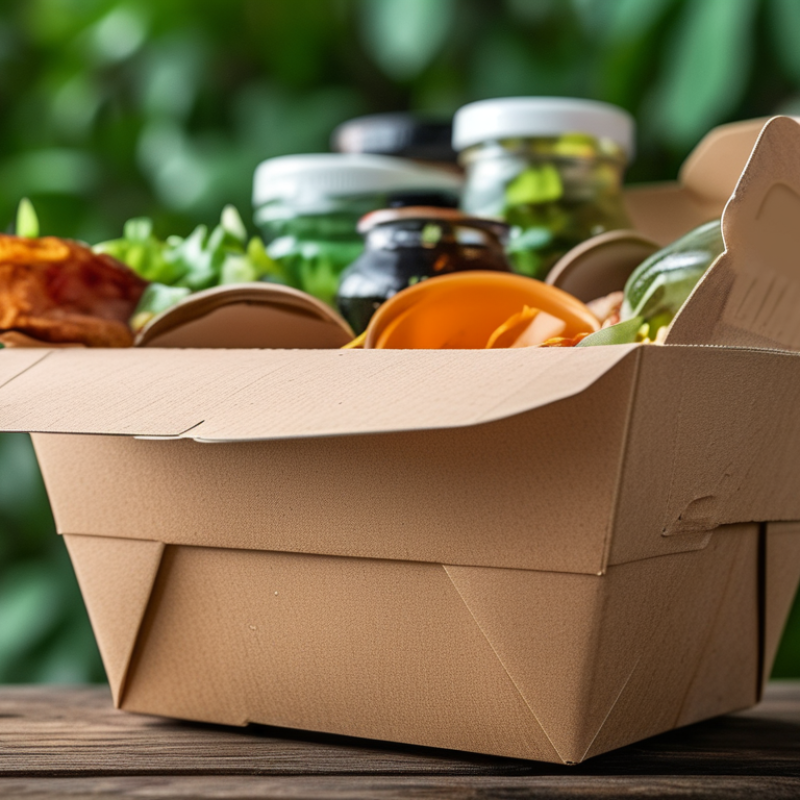
Compostable materials are designed to break down in composting conditions. They differ from traditional plastics, which can take hundreds of years to decompose. Studies show that only about 30% of consumers understand the properties of compostable packaging. This gap in knowledge can lead to improper disposal.
Compostable takeout boxes are typically made from plant-based materials. They include substances like cornstarch and sugarcane. These materials require specific conditions to decompose properly. That includes heat, moisture, and microorganisms, often found in commercial composting facilities. However, home composting can also work, although it may take longer. Anecdotal evidence suggests home composters might see decomposition take 3-6 months.
Despite good intentions, many people discard compostable items with regular waste. Research indicates that less than 25% of compostables are actually processed correctly. This leads to increased landfill waste and greenhouse gas emissions. Understanding the right disposal methods can make a significant difference. Education on composting practices is crucial, as not all compostable items break down equally in home systems.
In your kitchen, identifying compostable takeout boxes can be simple yet requires some attention. Look for specific labels. Terms like "compostable" or "organic" are key indicators. These boxes may be made from materials like plant fibers or sugarcane. It's essential to check for a certification logo. This logo often signifies compliance with specific composting standards.
Not all seemingly eco-friendly boxes are truly compostable. Some may have plastic lining, which complicates the breakdown process. Tap on the box surface; a smooth texture may indicate plastic. Moreover, observe the box’s color. Darker shades can hint at additional chemicals. Remember, disposable containers may feel convenient but their disposal impacts our environment. While it’s easy to rely on takeout, consider the long-term effects on our landfills and soil health.
| Takeout Box Type | Compostability Status | Disposal Method | Notes |
|---|---|---|---|
| PLA Takeout Boxes | Compostable | Compost bin | Ensure no food residues are left |
| Bamboo Takeout Boxes | Compostable | Compost bin | Break down into smaller pieces |
| Paper-Made Takeout Boxes | Generally Compostable | Compost bin | Check for coatings that may not be compostable |
| Foam Takeout Boxes | Non-Compostable | Trash | Avoid if possible |
| Sugarcane Takeout Boxes | Compostable | Compost bin | Break into smaller pieces for faster decomposition |
Compostable takeout boxes offer a
sustainable alternative to plastic. However, many people are
unsure how to dispose of them properly. To begin with, you should check if your local composting facilities accept
these boxes. This varies by location. If you can’t find information online, consider calling your local waste
management service for guidance.
Before disposing of your compostable takeout boxes, prepare them. Remove any leftover food. Scrape off grease, if
possible. This step helps the composting process. If the boxes are heavily
stained or greasy, they may not compost well. Sometimes, you’ll need to tear them into smaller pieces to aid in
decomposition.
When you're ready to throw them away, place the boxes in your compost bin or cart. If you don’t have a bin,
consider starting a small compost pile at home. This allows you to contribute to the environment while reducing
kitchen waste. Remember that not all takeout containers labeled as compostable can break down effectively. This makes
your role in proper disposal crucial.
Composting takeout boxes at home can greatly reduce waste. These boxes, often made from materials like plant-based plastics, can be composted if done correctly. Checking for compostability labels is the first step. If the box has a certification, it is likely to break down in a composting environment.
When adding these boxes to your compost, tear them into smaller pieces. This helps speed up the decomposition process. Keep the compost pile aerated and moist for optimal conditions. A balance of green materials, like food scraps, and brown materials, such as dry leaves, is essential. These ratios can be challenging to maintain, so be mindful of what you add.
Not all boxes will compost as expected. Sometimes, they can contaminate your compost if not properly sorted. The breakdown may take longer than expected. Reflect on your choices and adjust accordingly. Learning from trial and error is key to effective composting. Pay attention to your compost’s temperature and smell—this will guide you in making adjustments.
Disposing of compostable takeout boxes can seem straightforward, but many people make common mistakes. A recent report indicates that nearly 30% of compostable materials end up in landfills due to improper disposal. One prevalent issue is confusion between compostables and recyclables. Often, takeout boxes are mistakenly placed in the recycling bin, causing contamination.
Another mistake happens when users overlook local composting guidelines. According to research by the Composting Association, about 40% of compostable items are not accepted in curbside programs. People frequently assume that all compostable products are suitable for home composting, but some require industrial facilities. Ignoring these nuances can hinder compost quality.
Lastly, cleanliness plays a critical role. Many users discard boxes still containing food residue, which can attract pests and create foul odors. A study by the National Waste Management Institute highlighted that clean compostables have a 50% higher chance of being processed correctly. Understanding these pitfalls is essential for effective compost disposal. Addressing these mistakes can enhance the efficacy of composting efforts.
: Compostable materials break down in composting conditions, unlike traditional plastics that decompose over centuries.
Decomposition at home can take about 3-6 months, depending on conditions.
Many lack knowledge about proper disposal methods, leading to increased landfill waste.
Remove leftover food and grease to aid in composting.
Tear boxes into smaller pieces and maintain moisture in your compost pile.
Consider starting a small compost pile at home for proper disposal and waste reduction.
No, not all labeled compostable items break down effectively, which may require careful sorting.
Monitor the compost's temperature and smell to make necessary adjustments regularly.
Achieving a balance of green and brown materials can be difficult but is essential for success.
Consider your results and learn from mistakes to improve future composting efforts.
In today's environmentally conscious world, understanding how to dispose of compostable takeout boxes at home is essential for reducing waste. The article begins by explaining the properties of compostable materials and how they differ from regular plastics. It then guides readers on identifying which takeout boxes are suitable for composting, ensuring they make the right choices in their kitchens.
The core of the piece outlines the steps for proper disposal, emphasizing the importance of following any local composting guidelines. Best practices for home composting, such as shredding the boxes and maintaining a balanced compost pile, are also highlighted. Additionally, the article addresses common mistakes to avoid, ensuring a successful composting experience. By following these guidelines, individuals can effectively contribute to a more sustainable environment while properly disposing of their compostable takeout boxes.

PsiPrime Packaging