How to Choose Greaseproof Wrapping Paper for Restaurants?

Time:2026-06-19 Author:Charlotte
0%

Choosing the right greaseproof wrapping paper is essential for any restaurant. This choice impacts both food quality and customer experience. Greaseproof wrapping paper serves multiple purposes, ensuring that food remains fresh and visually appealing. It also prevents oil and moisture from seeping through, which is crucial for takeaway items.

Why do restaurants use greaseproof wrapping paper? It provides a barrier against grease and moisture, enhancing the overall integrity of the food. A well-wrapped item creates a positive impression on customers. Moreover, selecting the right paper can reflect a restaurant's brand identity. Color, texture, and design play significant roles in this selection process.

However, not all greaseproof papers are created equal. Some may not hold up well against high-fat foods or takeout containers. Restaurants should consider the type of cuisine, presentation, and environmental impact when making their choice. This decision can be tricky and requires both insight and trial-and-error. Ultimately, the goal is to enhance the dining experience, making every detail matter.
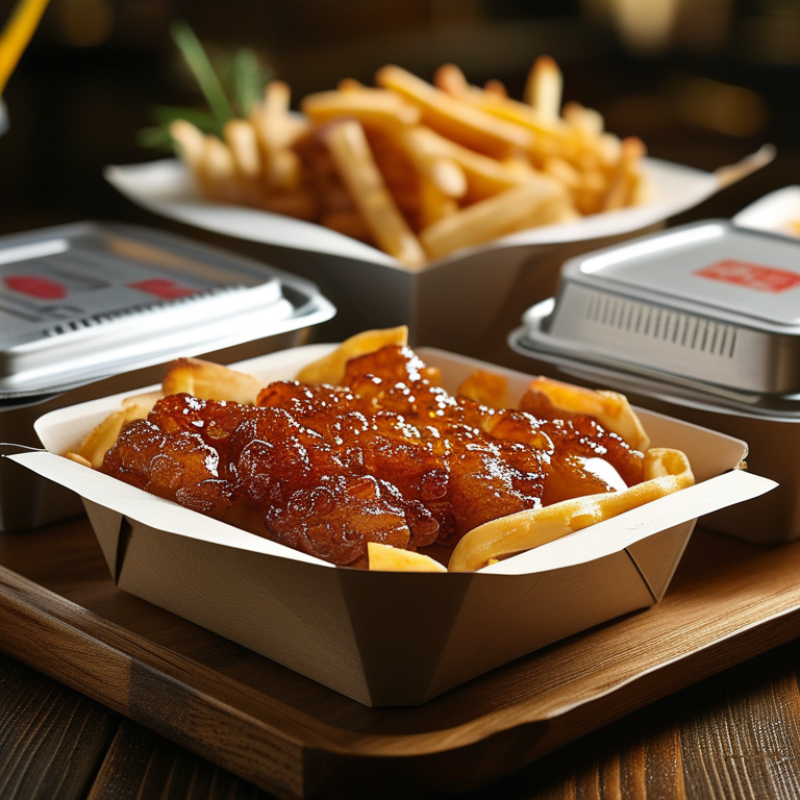
How to Choose Greaseproof Wrapping Paper for Restaurants?

Understanding the Importance of Greaseproof Wrapping Paper in Restaurants

In the competitive restaurant industry, the choice of greaseproof wrapping paper significantly impacts food quality and customer experience. Greaseproof paper is designed to repel oil and moisture, keeping meals fresh and presentable. According to a report from the Food Packaging Association, restaurants using high-quality greaseproof materials have seen a 20% increase in customer satisfaction. This highlights the crucial role of effective packaging.

When selecting greaseproof wrapping paper, consider both the material and construction. Look for paper that not only provides a barrier against grease but is also compostable or recyclable. According to industry reports, sustainable packaging options are becoming increasingly popular, with 75% of consumers willing to pay more for eco-friendly materials. This trend affects how restaurants are perceived and can boost their brand image.

Tips: Always test different brands to find the right thickness and coating. Paper that is too thin may tear easily, while overly thick paper can be difficult to manage. Consider the type of food being wrapped. Items with high oil content, like fried foods, require thicker papers for optimal performance. Lastly, regular feedback from customers can help improve your packaging choices. Assess packaging effectiveness routinely; it’s essential for sustaining quality over time.

Key Features to Look for in Greaseproof Wrapping Paper

When selecting greaseproof wrapping paper for restaurants, key features play a significant role. First, moisture resistance is crucial. This helps protect food from sogginess and keeps it fresher for longer. A quality paper should act as a barrier against grease, ensuring that the packaging remains intact and does not compromise the food’s taste or texture.


Another essential feature is strength. The wrapping paper needs to withstand handling and transport. It should be durable enough to hold various food items without tearing or puncturing. Additionally, the paper’s thickness can affect its performance. Too thin may lead to leaks, while too thick could make it cumbersome.


It’s also important to consider eco-friendliness. Consumers are increasingly aware of environmental impacts. Using recyclable or biodegradable materials can appeal to customers' values. Lastly, visual appeal shouldn't be ignored. Attractive designs can enhance the dining experience. However, balance is key; the focus should always remain on the paper's functional attributes. Reflect on how different papers perform in real-world settings. Testing various options may lead to improvement in your packaging choices.

Evaluating Different Materials for Greaseproof Wrapping Solutions

When evaluating materials for greaseproof wrapping solutions, consider several factors. First, look at the durability of the paper. High-quality options resist tearing and ensure food stays secure. This is vital for takeout or delivery services.

Another crucial aspect is moisture resistance. Wrapping paper should protect food from grease and moisture. Materials like waxed paper or special coatings can enhance this feature. They keep food fresh and prevent leaks.

Sustainability is also a key consideration. Many restaurants aim to reduce their environmental impact. Discover biodegradable or compostable options that align with eco-friendly practices. However, these may not always perform as well as traditional materials.

Ultimately, it’s important to test different types. Each material has strengths and weaknesses. Take time to assess which fits your specific needs best. The right choice enhances food presentation and customer satisfaction while ensuring a reliable packaging solution.

Assessing Environmental Impact and Sustainability Options

Choosing greaseproof wrapping paper for restaurants involves understanding its environmental impact. Many options are available, but not all are created equal. Biodegradable papers may seem ideal, yet they often lack durability. It's crucial to balance practicality with eco-friendliness.

When evaluating sustainability, consider sourcing. Recycled materials can reduce the carbon footprint of your operations. However, check certifications to ensure genuine sustainability. Look for papers that are compostable. These can break down naturally, minimizing landfill waste.

Understand that sustainability is a journey. Some greaseproof papers may still use harmful chemicals in production. Being informed allows restaurant owners to make better choices. Engage with suppliers who prioritize eco-friendly practices. Open conversations often reveal hidden benefits in sustainable options.

Comparison of Environmental Impact of Different Greaseproof Wrapping Papers

Comparing Cost-Effectiveness of Various Greaseproof Papers

When selecting greaseproof wrapping paper for restaurants, cost-effectiveness is vital. Not all greaseproof papers offer the same durability or protection. Thicker options may resist grease better, but they often come at a higher price. Thin papers can be more affordable, but they might lack the necessary grease resistance. This trade-off can affect customer satisfaction.

Consider the potential waste from inadequate wrapping. If food leaks through, it can lead to additional costs. Choosing a reliable product can save money in the long run. Comparing prices across suppliers can reveal the best deals. Look beyond just the price tag. Evaluate how much each option will protect food and enhance the dining experience.

Smaller restaurants may hesitate to invest in premium options. However, investing in quality can lead to better customer retention. An effective greaseproof wrapper maintains food integrity and is more environmentally friendly. It’s necessary to balance cost with performance for long-term gains. Reflect on how customers perceive their meals. A well-packaged dish can elevate their dining experience.

FAQS

: What is the purpose of greaseproof wrapping paper in restaurants?

: It repels oil and moisture, keeping meals fresh and presentable.

How can greaseproof paper affect customer satisfaction?

Using high-quality materials can lead to a 20% increase in customer satisfaction.

What should I consider when selecting greaseproof wrapping paper?

Consider material quality, moisture resistance, durability, and eco-friendliness.

Why is moisture resistance important in wrapping paper?

It prevents food from becoming soggy and keeps it fresher for longer.

How does the thickness of wrapping paper matter?

Thinner paper may tear easily, while thicker paper can be harder to handle.

Are eco-friendly packaging options popular among consumers?

Yes, about 75% of consumers prefer to pay more for sustainable materials.

How can visual appeal impact the choice of wrapping paper?

Attractive designs enhance the dining experience but should not compromise functionality.

Why is it essential to test different paper types?

Each type offers different strengths and weaknesses. Testing ensures better performance.

What materials should be considered for moisture resistance?

Waxed paper or specially coated papers are effective at keeping food fresh.

How do regular customer feedback and assessments help?

They can guide improvements in packaging choices over time, enhancing quality.

Conclusion

Greaseproof wrapping paper plays a crucial role in the restaurant industry, primarily for its ability to contain grease and moisture, thereby preserving the quality of food during transportation and service. Understanding why do restaurants use greaseproof wrapping paper involves recognizing its essential features, such as resistance to grease penetration and durability. Restaurants must also consider various materials available for these wrappers, as well as their environmental impact and sustainability options.

Additionally, evaluating the cost-effectiveness of different greaseproof papers ensures that restaurants make informed choices that align with their budget while maintaining quality standards. By balancing these factors, restaurants can effectively utilize greaseproof wrapping paper to enhance customer experience while also being mindful of sustainability and operational costs.

Charlotte

Charlotte

Charlotte is a seasoned marketing professional with a deep understanding of the company's portfolio and a passion for elevating its presence in the market. With a keen eye for detail and a commitment to excellence, she ensures that our professional blog is regularly updated with insightful articles......