When preparing to serve delicious burgers, how to wrap a burger with food grade paper is an essential skill. Proper wrapping not only enhances presentation but also maintains freshness. Using food grade paper ensures safety, especially when dealing with hot, juicy burgers.
Many people overlook the significance of wrapping. A messy presentation can detract from the burger's appeal. Poor wrapping could lead to grease stains or even spills. It's crucial to master the technique for an impressive burger experience. Familiarity with the right materials is key. Food grade paper is designed to withstand heat and moisture, handling the messiness of sauces and toppings.
As you learn how to wrap a burger with food grade paper, consider practicing different methods. Test how each approach affects appearance and ease of consumption. Observing how customers react can offer valuable insights. Wrapping burgers may seem straightforward, but the details matter. A well-wrapped burger speaks volumes about care and quality.
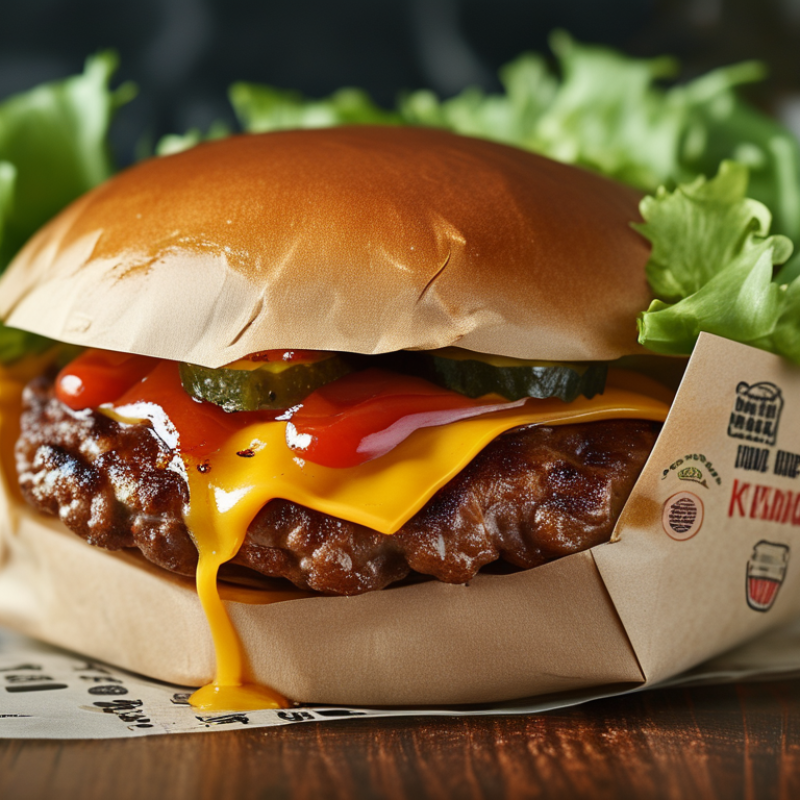
When wrapping burgers, the choice of food grade paper is crucial. Various types offer different benefits. For instance, waxed paper is moisture-resistant. It keeps burgers from becoming soggy. However, it may not be recyclable. Parchment paper, on the other hand, is safe for high temperatures. It’s great for grilled items but might not hold up as well with oily foods.
Safety standards for food grade paper are essential for ensuring consumer health. The FDA regulates materials that come into contact with food. This includes testing for harmful chemicals. Many papers must comply with specific standards to ensure safety. It's vital to check for certifications before purchasing. While many papers claim to be food-safe, not all meet stringent criteria.
Choosing food grade paper requires careful consideration. Not all options will suit every burger type. Some papers may tear easily or allow grease to seep through. This could compromise the burger's quality. It’s always a good practice to test different types before settling on the best choice for your needs.
When preparing your burger for wrapping, consider the quality of your ingredients. Fresh patties make a difference. The type of bread you choose matters too. Using firm, non-soggy bread can enhance the overall experience. Don’t forget to add a touch of sauce or seasoning. It elevates the flavor profile. Choose wisely, as too much can make wrapping difficult.
Temperature control is another key factor. Ensure that the burger is not too hot. High temperatures can lead to condensation, making the paper soggy. Ideally, let it cool slightly before wrapping. This small step can prevent messiness. Additionally, the way you assemble your burger can impact the wrapping process. Layer your ingredients properly to avoid overflow when you wrap. Finding a balance here can be tricky.
The wrapping technique itself also warrants attention. Wrap too loosely, and the burger may fall apart. Wrap too tightly, and you risk crushing it. Practice makes perfect. Don’t hesitate to try different methods. Use food-grade paper that is breathable yet sturdy. It should keep your burger fresh without compromising its structure. Remember, there is always room for improvement in making the perfect burger wrap.
Wrapping burgers securely is crucial for maintaining freshness and preventing spills. Start with food-grade paper, as it’s safe and sturdy. A well-structured wrapping can elevate the dining experience. Lay the paper flat before placing the burger on it. This step seems simple, but many forget this foundation.
Next, fold the sides of the paper over the burger. Tuck the edges snugly to keep everything in place. Some might struggle with tightness, risking the burger falling apart. After securing the sides, fold the bottom of the paper up. This creates a neat package. Make sure the folds are not too loose, or the burger might escape.
Lastly, don’t underestimate the importance of practice. Even seasoned wrappers can find it challenging at times. Experimenting with different techniques can improve your skills. Observing how the burger looks when wrapped is helpful. Adjustments may be necessary for a perfect wrap. Each attempt brings valuable lessons on packaging, offering a chance for growth.
Using food grade paper for wrapping burgers offers numerous benefits. This type of paper is specially designed to be safe and reliable for food contact. It can enhance the overall dining experience for customers. The paper prevents grease and moisture from leaking, keeping everything intact. This is crucial for maintaining a fresh taste and appealing presentation.
Moreover, food grade paper is often biodegradable or recyclable. This adds an environmental benefit to your burger packaging. Eco-conscious consumers appreciate sustainable choices. Wrapping burgers in this paper shows that a business cares about the planet. It can make a positive impression and attract more customers.
However, not all food grade papers are equal. Some may not hold up as well under heavy moisture or heat. It's essential to select high-quality options that meet safety standards. Businesses should continually evaluate their packaging to ensure reliability. Regular testing can help identify potential issues before they impact customer satisfaction.
Wrapping burgers in food-grade paper is just the beginning. Storing these wrapped delights properly ensures that they remain fresh and flavorful. After wrapping, consider using airtight containers. These help maintain moisture and prevent freezer burn. Store burgers in a cool, dry place. Avoid areas with fluctuating temperatures.
For long-term storage, a freezer is ideal. However, ensure that the paper is freezer-friendly. Using waxed paper can be a mistake. It may not withstand freezing. After thawing, consume the burgers within a day for optimal taste.
Regularly check your stock. If a burger is discolored or has an off smell, discard it. Trust your senses; they’re your best guide. Remember, it's not just about wrapping; it's about how you treat your cherished creations post-wrapping.
: Waxed paper is moisture-resistant, while parchment paper is safe for high temperatures.
Not all food-grade papers meet safety standards. Check for certifications before buying.
Use fresh ingredients and firm bread. Temperature control is also crucial for freshness.
A loose wrap can lead to spillage; too tight can crush your burger. Practice different methods.
Use airtight containers and store in a cool place. Avoid fluctuating temperatures.
It's not recommended. Waxed paper may not withstand freezing conditions.
Consume thawed burgers within a day for the best flavor.
Discoloration or an off smell are indicators. Trust your senses.
Proper layering helps avoid overflow, making wrapping easier. Finding balance can be tricky.
Some papers may tear or let grease through, affecting the burger's quality.
In the article "China Top 10 Tips for Wrapping Burgers in Food Grade Paper," we explore the essential aspects of using food-grade paper for wrapping delicious burgers. The article begins by explaining the different types of food-grade paper and the safety standards that ensure the protection of food items. Preparing your burger involves key factors to consider before wrapping, such as temperature and moisture levels.
The step-by-step guide provides detailed instructions on how to wrap a burger with food grade paper securely to maintain its freshness. Additionally, it highlights the benefits of using this type of paper, such as preventing contamination and enhancing the overall eating experience. Finally, the article offers valuable tips for properly storing wrapped burgers to ensure they stay fresh and ready to enjoy.

PsiPrime Packaging