As the demand for eco-friendly packaging rises, compostable salad bowls are becoming increasingly popular in China. Many consumers wonder about the durability of these bowls. They may ask, "what temperature can compostable salad bowls withstand?" Understanding this is crucial for safe food handling and packaging.
Compostable salad bowls are designed to decompose naturally. However, they must also meet specific temperature requirements to remain functional. Most compostable materials can withstand moderate heat, usually up to 120°F (49°C). Exceeding this limit can compromise their structure. This is essential information for restaurants and catering services that want to maintain the quality of their food.
Yet, these bowls might not perform well in extreme temperatures. Foods served hot could lead to leaks or deformation. This inadequacy reminds us that while these bowls offer an eco-friendly alternative, they have limitations. As more businesses make the shift to compostable options, understanding their properties is vital for both sustainability and practicality.
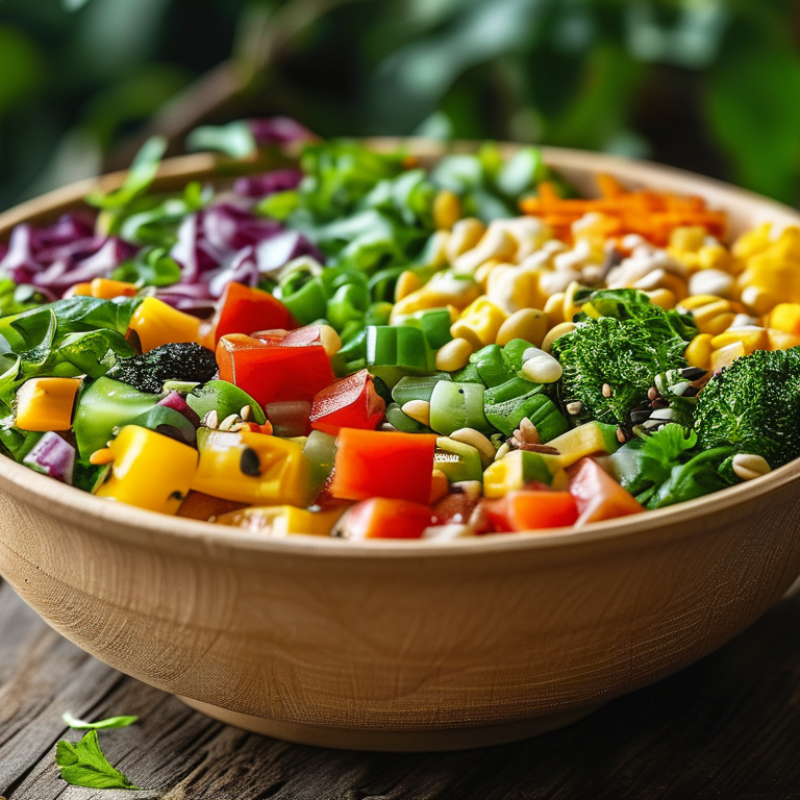
When it comes to compostable salad bowls, understanding temperature limits is key. Many users expect their eco-friendly options to perform well under various conditions. Yet, not all compostable bowls are created equal. Some may warp or lose structural integrity at higher temperatures. This can lead to messy situations if the bowl is not suited for hot foods.
Temperature limits often vary widely among different products. Some bowls can handle temperatures up to 200°F, while others may only withstand 150°F. This discrepancy can impact your meal presentation and safety. If a bowl softens too quickly, it may not hold dressings or hot ingredients effectively. It’s crucial to refer to product specifications to avoid mishaps.
However, even with clear guidelines, misuse can occur. Consumers may not realize that exposure to extreme heat, like leaving bowls in direct sunlight, can compromise them. There’s also a learning curve regarding their handling and storage. These factors highlight the importance of user awareness. Engaging with the product and understanding its limitations can enhance the overall experience.
Compostable salad bowls are gaining popularity in the food service industry. Their key materials determine their heat resistance. Commonly, these bowls are made from polylactic acid (PLA), sugarcane, or bamboo. PLA can endure temperatures up to 120°F (49°C). This limit is crucial for hot foods. Exceeding this temperature may lead to deformation.
Sugarcane bowls offer better heat resistance. They can handle temperatures up to 200°F (93°C). This makes them suitable for various dishes. However, many consumers believe all compostable options are similar. This misunderstanding creates challenges for food service providers. They need to educate their staff about temperature limits.
Bamboo bowls provide moderate heat resistance, roughly 175°F (80°C). While sustainable, their durability is sometimes questioned. The variability in performance can confuse buyers. Industry data suggests that nearly 25% of users have experienced issues with heat exposure in compostable bowls. Understanding material properties is essential for effective use.
Compostable salad bowls are increasingly gaining attention in China due to their eco-friendly characteristics. The industry standards governing these products are pivotal. Many manufacturers aim to provide reliable options for consumers who seek sustainability. However, there is often confusion about temperature limits for these products. Some bowls can withstand temperatures up to 120°C, while others may start to degrade at lower temperatures. This inconsistency raises concerns about their use in hot food applications.
Recent observations show that many manufacturers may not provide clear labeling regarding temperature limits. This lack of transparency can lead to misuse and disappointment. It's essential for consumers to understand the specifications of each product. Understanding the temperature tolerance is crucial. Many compostable salad bowls are designed for cold or room temperature foods.
There are significant gaps in awareness about these standards among both producers and consumers. Education around the right conditions for use is necessary. As compostable products become more popular, ensuring compliance with industry standards is critical. Supporting research into better materials can help solve current limitations. Addressing these challenges can improve product performance and consumer satisfaction.
| Rank | Brand | Material Type | Temperature Limit (°C) | Capacity (ml) | Certification |
|---|---|---|---|---|---|
| 1 | Brand A | PLA | 40 | 500 | ASTM D6400 |
| 2 | Brand B | CPLA | 50 | 700 | EN 13432 |
| 3 | Brand C | Bagasse | 60 | 600 | FDA |
| 4 | Brand D | Wood Pulp | 45 | 300 | Compostable |
| 5 | Brand E | PS | 42 | 400 | ISO 17088 |
| 6 | Brand F | Hemp | 55 | 650 | BPI |
| 7 | Brand G | Plant Fiber | 48 | 500 | TUV Austria |
| 8 | Brand H | Sugarcane | 52 | 450 | OK Compost |
| 9 | Brand I | Bamboo | 58 | 600 | SCS |
| 10 | Brand J | Corn Starch | 46 | 550 | Biodegradable |
When examining the temperature limits of compostable salad bowls, it's crucial to understand their material properties. Many of these bowls are made from plant-based materials, such as cornstarch or bamboo fiber. These materials have varying degrees of heat resistance. Generally, most compostable salad bowls can withstand temperatures up to 120°C (248°F). However, exceeding this limit may lead to deformation or melting.
In daily use, these bowls should remain stable when filled with salads that aren't excessively hot. For instance, warm dishes may cause issues if they exceed the temperature threshold. It’s important to conduct real-time tests, especially in different settings like outdoor events. Feedback from users often indicates problems with hot food items. Over time, it's evident that more research is necessary to refine these products for better heat resistance.
Consider the impact of temperature on the overall usability of compostable bowls. Some users report that the bowls become fragile at lower temperatures than expected. A reflective approach can drive innovation in this sector, ensuring that the next generation of compostable salad bowls can handle higher temperatures effectively. Balancing sustainability with practical performance remains a challenge worth exploring.
This chart illustrates the temperature limits of the top 10 compostable salad bowls, highlighting their capability to withstand heat without compromising the integrity of the material. The data shows the maximum temperature (in degrees Celsius) that each type of bowl can endure.
Compostable salad bowls are becoming popular in modern dining. However, proper use and disposal are essential for their effectiveness. These bowls are designed to break down under specific conditions. To maximize their lifespan, users should avoid exposing them to extreme temperatures.
The temperature limit for most compostable salad bowls typically hovers around 120°F (49°C). Exceeding this can lead to structural weakening or deformation. Users should refrain from placing hot food directly into these bowls. It's a good idea to let food cool before serving. This reduces the risk of wasting a bowl due to heat damage and ensures safety.
Disposal is crucial. These bowls should go into a composting bin that can handle organic materials. Regular trash bins do not allow for the breakdown process. Many communities now offer composting services. If unavailable, users can consider home composting options. Awareness about disposal methods is increasing, but many still find confusion here. It’s something worth reflecting on. Proper guidelines can lead to better use of eco-friendly products.
: They are bowls designed to break down naturally, reducing environmental impact.
Most can handle up to 120°F (49°C). Some degrade at lower temperatures.
Exposing bowls to extreme heat can cause damage and reduce usability.
Place them in a composting bin. Regular trash bins are not suitable.
Yes, many bowls lack clear temperature limit labeling, leading to misuse.
It's best to let food cool before placing it in the bowls. It prevents damage.
Many consumers still have confusion about disposal methods, which needs attention.
You can create a composting setup to manage organic waste from these bowls.
Awareness gaps exist among producers and consumers, affecting product effectiveness.
Yes, better materials and transparency can enhance product performance and satisfaction.
This article examines the temperature limits of compostable salad bowls available in China, answering the pivotal question: what temperature can compostable salad bowls withstand? It provides an overview of the top ten options in the market, highlighting the materials used in their construction and their respective heat resistance capabilities. The discussion includes a look at industry standards governing compostable products in China, particularly focusing on salad bowls and their compliance with these regulations.
Additionally, a comparative analysis reveals the varying temperature limits among different compostable salad bowls, enabling consumers to make informed choices. The article concludes with practical guidelines on the proper use and disposal of these eco-friendly products, emphasizing the importance of adhering to recommended temperature limits to ensure optimal performance and environmental sustainability.

PsiPrime Packaging