Biodegradable coffee cups have gained popularity in recent years. They offer an eco-friendly alternative to traditional plastic and Styrofoam cups. But what are biodegradable coffee cups made from? Understanding the materials used is essential for making informed choices.
These cups are typically made of organic materials such as plant fibers, cornstarch, and other renewable resources. This shift not only helps reduce plastic pollution but also utilizes resources that can regenerate. One notable example is bamboo, a fast-growing plant that contributes to sustainability. While these materials seem promising, some challenges remain.
The effectiveness of biodegradability depends on disposal methods. Inadequate composting facilities can hinder the breakdown process. Certainly, there is room for improvement in the supply chain. Overall, the movement towards biodegradable options is a step in the right direction, but further advancements are needed. So, next time you grab a cup of coffee, think about what it’s made from and its impact on our planet.
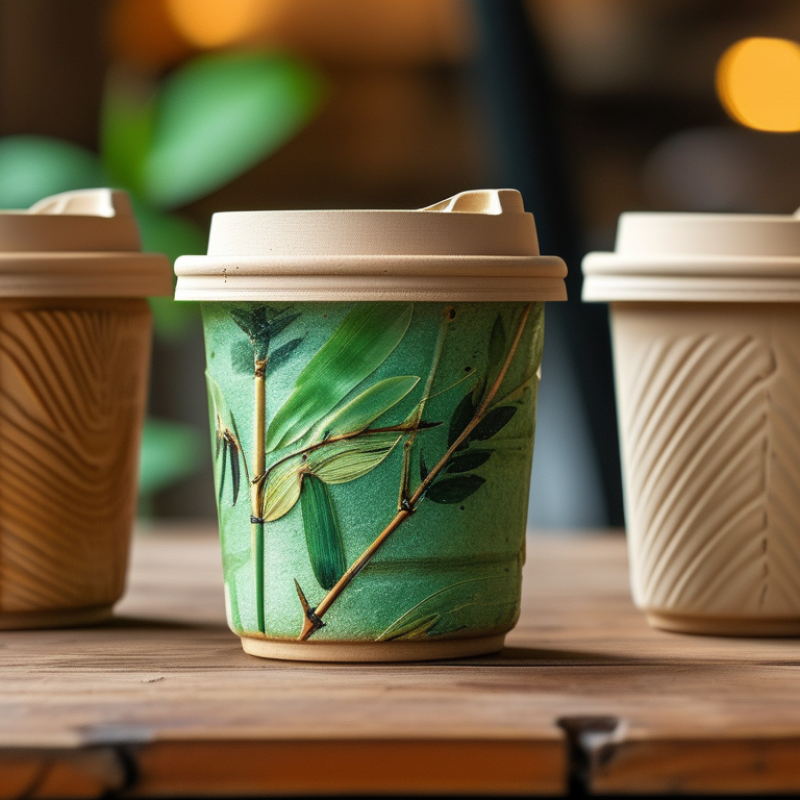
Biodegradable coffee cups offer an eco-friendly alternative to traditional cups. They are often made from organic materials like plant starches, which break down naturally. Reports indicate that over 300 billion coffee cups are used in the U.S. each year, contributing significantly to landfill waste. A staggering 90% of these cups end up there because they are lined with plastic, making them non-recyclable.
Switching to biodegradable options can reduce this waste. These cups can decompose within 90 days in a composting environment. This is significantly faster than standard cups, which can take decades to break down. Additionally, research shows that compostable cups emit less carbon dioxide compared to their plastic counterparts during degradation.
Tip: Look for cups certified by reliable organizations to ensure their compostability. Another tip is to check local composting facilities. Not all facilities accept biodegradable materials. Reflect on the habits we’ve formed: are we truly making environmentally conscious decisions? This awareness can drive change.
When it comes to biodegradable coffee cups, organic materials play a crucial role. Made from plant-based sources, these materials significantly reduce environmental impact. They break down naturally, unlike traditional plastic. This decomposition process is essential for sustainability, offering a viable alternative to single-use plastics.
Organic materials like cornstarch and sugarcane are common choices. These ingredients offer strength and durability while remaining eco-friendly. They can degrade in commercial composting facilities within weeks, making them preferable over their synthetic counterparts. However, not all biodegradable cups break down effectively in home composting settings. This inconsistency can lead to confusion among consumers.
Challenges remain in the production of these cups. Sourcing organic materials can be costly. Additionally, not all manufacturers strictly adhere to sustainable practices. This can result in misleading labeling and consumer distrust. Continuous education on proper disposal methods is necessary to ensure effectiveness. Raising awareness about the true benefits of biodegradable coffee cups is vital for minimizing waste.
In recent years, the growing awareness of environmental issues has prompted a shift towards biodegradable coffee cups. These cups, made from organic materials, provide a sustainable alternative to traditional plastic cups. Research indicates that over 300 million tons of plastic are produced annually, with a significant portion ending up in landfills and oceans. The environmental impact is staggering; plastic can take hundreds of years to decompose.
Transitioning to biodegradable cups significantly reduces this timeline. According to a report by the Biodegradable Products Institute, biodegradable materials can break down within 90 to 180 days under the right conditions. This transformation leads to reduced landfill waste and promotes healthier ecosystems. Interestingly, statistics show that consumers are becoming more mindful of their choices. Surveys indicate that around 70% of coffee drinkers prefer establishments that use eco-friendly packaging.
However, the journey towards full adoption of biodegradable cups isn't smooth. Many businesses face challenges, such as higher costs and limited availability of these products. Some biodegradable options also require specific conditions to break down effectively, which is not always provided in commercial settings. This mismatch points to the need for better infrastructure and consumer education about proper disposal methods and composting practices.
| Material Type | Environmental Impact | Decomposition Time (Years) | Source |
|---|---|---|---|
| PLA (Polylactic Acid) | Derived from renewable resources; compostable; reduces carbon footprint | 1-3 years | Corn starch |
| Bagasse | Utilizes sugarcane waste; biodegradable; supports waste valorization | 60-90 days | Sugarcane |
| Recycled Paper | Made from post-consumer waste; biodegradable; reduces landfill waste | 2-6 months | Recycled paper pulp |
| Coconut Coir | Renewable resource; contributes to sustainable agriculture; biodegradable | 3-5 years | Coconut husks |
Biodegradable coffee cups are different from traditional plastic options in many ways. Unlike plastic, which can take centuries to decompose, biodegradable cups break down more quickly. They are often made from organic materials like cornstarch or sugarcane. These materials can decompose in a matter of months under the right conditions.
The environmental impact of traditional plastic is significant. Plastics contribute to pollution and harm wildlife. Biodegradable options aim to reduce this harm. However, not all biodegradable cups are created equal. Some still require specific conditions to fully break down. Many consumers are unaware of these details.
Choosing biodegradable cups can be a step toward sustainability. But it's essential to understand their limitations. They still need appropriate disposal methods to be effective. Awareness and education are crucial in making informed choices. The shift to biodegradable options is a positive trend, but it also calls for deeper reflections on our consumption habits.
This chart illustrates the environmental impact of biodegradable coffee cups compared to traditional plastic options, highlighting the significant reduction in CO2 emissions associated with biodegradable materials.
The rise of biodegradable coffee cups made from organic materials reflects a growing awareness of environmental issues. However, the production and disposal of these cups face significant challenges. The sourcing of organic materials often demands precision in agriculture and sustainable practices, which can drive up costs. This raises questions about affordability for consumers and businesses alike.
In addition, the disposal of biodegradable coffee cups is not as straightforward as one might think. Many municipal waste systems are not equipped to process these materials correctly. If biodegradable cups end up in landfills, they may not break down efficiently. This creates a conflict between intended environmental benefits and actual waste management practices. Some consumers assume these cups decompose quickly, but that is not always the case.
The need for better education and infrastructure is critical. Many people are unaware that composting is often required for proper breakdown. This highlights the gap between production and effective disposal methods. Raising awareness can help bridge this gap, allowing biodegradable materials to achieve their eco-friendly goals. But real progress requires commitment from both consumers and producers to change existing habits and systems.
: Biodegradable coffee cups often use organic materials like cornstarch and sugarcane. These materials are plant-based and eco-friendly.
Under proper conditions, biodegradable cups can break down within 90 to 180 days. This is much quicker than traditional plastics.
Not all biodegradable cups break down well in home composting. Many require commercial facilities for effective decomposition.
Sourcing organic materials can be expensive and sustainable practices are not always followed, leading to consumer distrust.
They significantly reduce landfill waste, as they break down naturally. This helps promote healthier ecosystems compared to traditional plastics.
Many people are unaware that composting is often needed for breakdown. This education gap affects waste management practices.
Many municipal waste systems lack the proper conditions to process biodegradable materials, resulting in inefficient breakdown.
Being mindful of choices and supporting businesses that use eco-friendly packaging can drive demand for sustainable alternatives.
While they are better than plastic, challenges in production and disposal highlight the need for continuous improvement in practices.
Continuous education efforts and better infrastructure are essential to bridge the gap between production and disposal methods.
Biodegradable coffee cups represent a sustainable alternative to traditional plastic options, primarily because they are made from organic materials such as plant fibers, corn starch, and other natural substances. Understanding what biodegradable coffee cups are made from is crucial, as it highlights their role in reducing environmental impact. These cups break down more easily in composting environments, thereby addressing the growing global concern over plastic waste.
Transitioning to biodegradable coffee cups not only helps minimize landfill contributions but also supports a more eco-friendly approach to daily habits. However, challenges remain in the production and disposal processes, including ensuring that these cups break down effectively and are widely accepted in waste management systems. By examining the benefits and limitations of biodegradable options, consumers and businesses can make informed choices that contribute to a healthier planet.

PsiPrime Packaging