10 Best Ways to Tell If Food Packaging is Truly Eco Friendly?

Time:2026-07-03 Author:Liam
0%

In today's world, eco-friendly practices are essential in food packaging. Yet, many consumers remain confused about how to tell if food packaging is truly eco friendly. According to Dr. Emily Green, an environmental packaging specialist, "Not all packaging that claims to be sustainable is genuinely eco-friendly." This highlights the need for consumers to be informed.

Identifying genuine eco-friendly packaging involves understanding materials and certifications. Consumers must look beyond marketing claims. Many brands use misleading language that can obscure their sustainability practices. This can make it hard to differentiate between truly eco-friendly options and those that simply market themselves that way.

Remember, it’s not just about reducing plastic. It's about using biodegradable and compostable materials. Knowing how to tell if food packaging is truly eco friendly requires critical thinking. Reflecting on a brand’s entire lifecycle of packaging can reveal much. Pinpointing trusted certifications can aid consumers in making informed choices. Reliable information empowers consumers to support brands committed to the planet.
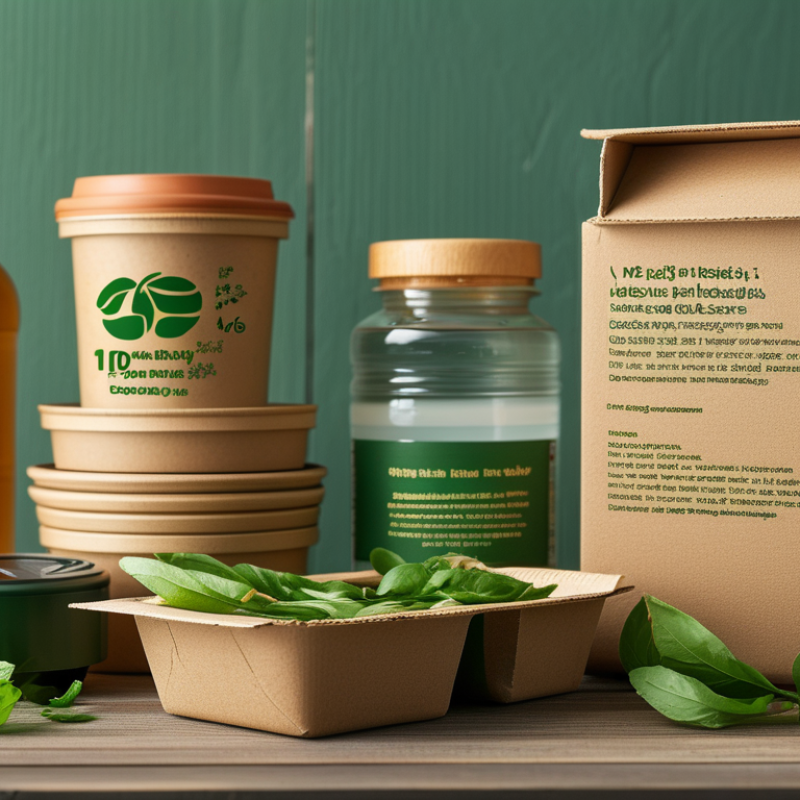
10 Best Ways to Tell If Food Packaging is Truly Eco Friendly?

Understanding Eco-Friendly Food Packaging Standards

Understanding eco-friendly food packaging standards is crucial for consumers. A significant report by the Ellen MacArthur Foundation states that 46% of plastic packaging ends up in landfills. This alarming statistic raises awareness about the importance of effective recycling systems. Eco-friendly packaging should be made from renewable resources and designed for easy recyclability. However, many products claim to be "green" without meeting comprehensive standards.

Certifications play a vital role in identifying truly eco-friendly options. The Forest Stewardship Council (FSC) certification ensures that paper and wood products are sourced sustainably. According to the Sustainable Packaging Coalition, it is essential to look for certifications like Biodegradable Products Institute (BPI) for compostable materials. Yet, not all claims are transparent. Some packaging may appear biodegradable but may take years to break down under improper conditions.

An ideal eco-friendly package meets stringent standards. It minimizes waste and reduces the carbon footprint. However, it is challenging to verify these claims. Research from the World Economic Forum highlights that only 9% of plastic is recycled effectively. This shows a gap in communication about what constitutes eco-friendliness. Educating consumers on these standards will help them make informed choices.

Understanding Eco-Friendly Food Packaging Standards

Identifying Recyclable Materials in Food Packaging

When evaluating food packaging, it's crucial to identify recyclable materials. According to the Environmental Protection Agency, 75% of the waste we generate is recyclable, yet only about 30% is actually recycled. This discrepancy highlights the importance of understanding packaging materials. Common recyclable types include PETE, HDPE, and cardboard. These materials often have a recycling symbol on their labels.

It's equally important to recognize non-recyclable materials. For instance, many food containers are made from mixed materials that cannot be easily separated. Plastic clamshells often contain several types of plastic, making them difficult to recycle. A study from the Ellen MacArthur Foundation found that less than 14% of plastics are recycled globally. This reflects the need for consumers to be vigilant when selecting products.

Tip: Always check for recycling symbols. Familiarize yourself with your local recycling guidelines, as they can vary. Remember that proper disposal helps reduce waste. Evaluate whether packaging can be reused before discarding it. Each small step contributes to a larger positive impact on our environment.

10 Best Ways to Tell If Food Packaging is Truly Eco Friendly?

Criteria Description Recyclable?
Material Type Check if the packaging is made from materials like paper, cardboard, or certain plastics. Yes, varies by local recycling rules
Biodegradability Assess if the packaging material is biodegradable or compostable. Yes, if marked
Recycling Symbols Look for recycling symbols and numbers indicating material type. Yes, if present
Post-Consumer Recycled Content Check if packaging includes a percentage of recycled material collected from consumers. Yes, if indicated
Certifications Look for eco-certifications like FSC or Green Seal. Yes, if available
Chemical Use Investigate if harmful chemicals are used in the production of the packaging. No, if it meets standards
Packaging Size Evaluate if the packaging is minimized to reduce waste. Yes, less is better
Reuse Potential Consider if the packaging can be reused for other purposes. Yes, if designed for it
Transport Efficiency Look at how efficiently the packaging facilitates transportation. Yes, if optimized
Consumer Education Check if the packaging provides information on how to recycle or dispose of it. Yes, if included

Assessing the Use of Biodegradable Components

When evaluating food packaging, one key factor is the use of biodegradable components. These materials can break down naturally, reducing waste in landfills. Look for labels stating the materials are compostable, but understand that not all biodegradable items decompose easily in every environment. For instance, some may need specific conditions to break down effectively.

It's essential to challenge the term "biodegradable." It often suggests a magic solution, yet many products can take years to decompose. In natural settings, exposure to elements can influence the breakdown process. A seemingly eco-friendly package might end up in a landfill, unable to fulfill its eco-promise. Additionally, sometimes, companies use misleading claims.

Research can unveil the truth. Look into certifications from reputable organizations. They often verify if packaging materials meet environmental standards. Always consider the full lifecycle of packaging, from production to disposal. Reflecting on your choices is vital in supporting genuine sustainable practices.

Evaluating Sustainable Manufacturing Practices

When assessing whether food packaging is eco-friendly, evaluating sustainable manufacturing practices is crucial. Sustainable practices often start with sourcing materials responsibly. Look for certifications that indicate the use of recycled or renewable materials. These certifications can bolster credibility. However, not all claims are verified. Transparency in sourcing is key.

Another factor is the production process. Water and energy consumption during manufacturing play a big role. Factories that use renewable energy sources, like solar or wind, usually have a smaller carbon footprint. Yet, many companies might not disclose their full processes. It's essential to ask questions and seek information.

Lastly, consider the end-of-life scenarios for the packaging. Compostability and recyclability are important. A package that breaks down naturally is preferable. Unfortunately, many products still end up in landfills. This creates a contradiction in sustainability claims. Consumers must remain vigilant and demand clarity.

Recognizing Certifications for Eco-Friendly Packaging

When evaluating eco-friendly food packaging, certifications play a crucial role. These markings provide insight into the environmental impact of the materials used. Look for seals from recognized organizations, such as the Forest Stewardship Council (FSC) or the Biodegradable Products Institute (BPI). These certifications indicate that the packaging meets specific environmental standards. A simple logo can signal a commitment to sustainability.

Not all packaging that claims to be eco-friendly is genuinely so. Some companies may use deceptive language. Terms like "biodegradable" can be misleading if the item requires industrial composting. To make an informed decision, research these certifications. Understanding their meanings can take time. Yet, it's essential for making responsible choices.

Ask yourself if you can identify the relevant labels on packages you frequently purchase. Noticing these details can improve your awareness. It leads to more sustainable consumption. Packaging should provide a transparent view of its eco-friendliness, but not all do. Reflect on the items in your pantry. Are they truly sustainable, or just marketed as such? Your choices matter for the planet's health.

FAQS

: What is the importance of biodegradable components in food packaging?

: Biodegradable components can reduce waste in landfills by breaking down naturally over time.

Are all biodegradable products the same?

No, not all biodegradable items decompose easily. Some need specific conditions to break down effectively.

How long does it take for biodegradable materials to decompose?

Many products can take years to break down, often longer than expected.

What should I look for to verify eco-friendly packaging?

Look for certifications from reputable organizations to verify environmental claims.

Why is transparency in sourcing materials important?

Transparency ensures that the materials used are genuinely sustainable and verified.

How can manufacturing practices affect sustainability?

The production process's water and energy consumption impact the overall carbon footprint significantly.

What role does renewable energy play in manufacturing?

Factories using renewable energy, like solar, often have a smaller carbon footprint.

What happens to packaging that isn't compostable or recyclable?

Many non-compostable packaging items end up in landfills, contradicting sustainability claims.

How can consumers ensure better packaging choices?

Consumers should ask questions, seek information, and demand clarity on packaging sustainability.

Do companies always disclose their manufacturing processes?

No, many companies may not share their full processes, leading to potential misinformation.

Conclusion

To determine how to tell if food packaging is truly eco friendly, it's vital to understand various standards that define eco-friendly practices. Recognizing recyclable materials in packaging is essential, as these materials contribute significantly to reducing waste. Additionally, assessing the use of biodegradable components can help identify environmentally responsible options.

Moreover, evaluating sustainable manufacturing practices provides insight into the overall environmental impact of the packaging process. Certifications for eco-friendly packaging serve as reliable indicators of a product's commitment to sustainability. By considering these factors, consumers can make informed choices that align with their values regarding eco-friendly food packaging, ultimately contributing to a healthier planet.

Liam

Liam

Liam is a dedicated marketing professional with a profound expertise in the industry, where he excels at highlighting the unique advantages of our core products. With a keen understanding of market trends and consumer needs, Liam frequently updates our company’s professional blog, providing......