How to Store Baked Goods Best Tips for Using Paper Bags?

Time:2026-08-01 Author:Oliver
0%

When it comes to preserving the freshness of baked goods, the method of storage plays a crucial role. According to renowned baker Emily Richards, "Using paper bags is one of the most effective ways to keep your baked treats fresh without compromising their texture." This highlights the importance of choosing the right materials for storage.

In recognizing how to store baked goods to keep them fresh in paper bags, it is essential to consider the type of baked goods you are dealing with. Items like cookies and bread can benefit greatly from the breathability of paper. This allows moisture to escape while keeping them fresh. However, not every item will thrive in this environment.

One must reflect on the details of their choices. Are the bags clean and dry? Did you seal them properly? These aspects are critical. Learning how to properly use paper for storage requires attention to detail. It may not yield perfect results every time, but with practice, the process can improve significantly.
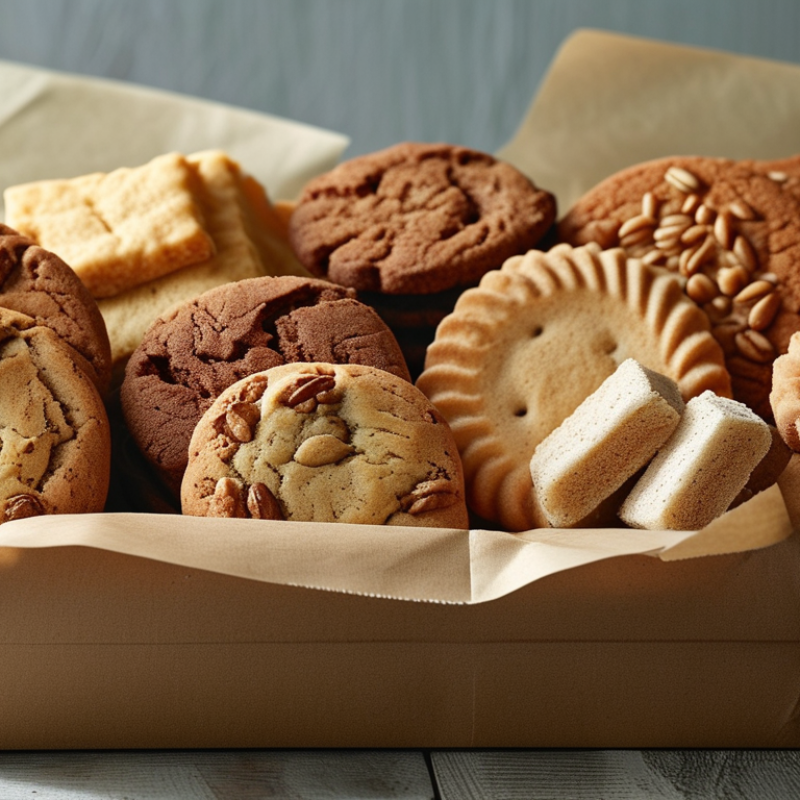
How to Store Baked Goods Best Tips for Using Paper Bags?

Understanding the Benefits of Using Paper Bags for Baked Goods

Using paper bags for baked goods offers numerous advantages that enhance both storage and freshness. Paper is breathable, allowing moisture to escape. This means your pastries and bread won’t become soggy. Instead, they can maintain an appealing crust. The natural fibers in paper bags help absorb excess moisture. This is crucial for items like cookies, which need to stay crisp.

Moreover, paper bags are more environmentally friendly than plastic. They are biodegradable and can be recycled. Choosing paper supports sustainable practices. It’s a small step towards reducing plastic waste, which benefits the planet. However, you must ensure paper bags are clean and dry before use. Any lingering moisture could lead to mold growth.

One challenge with paper bags is their durability. They may not withstand heavy or wet items. Using them for lighter baked goods works well, but caution is needed for more substantial items. Consider reinforcing them or using them in conjunction with other materials. Reflecting on these aspects can lead to better baked goods storage practices.

Choosing the Right Type of Paper Bag for Different Baked Items

When it comes to storing baked goods, choosing the right type of paper bag is crucial. Different baked items have unique storage needs. For instance, bread benefits from a breathable paper bag. This helps maintain moisture without trapping too much humidity. According to a 2021 industry report, 65% of bakers recommend using paper bags for artisanal breads to avoid sogginess.

Cookies, on the other hand, fare better in thicker paper bags. This added sturdiness helps preserve texture and prevent breakage. A study revealed that cookies stored in quality paper bags retain their crispness for an extended period compared to plastic wraps. Muffins should be treated similarly. Using a waxed paper bag can prevent excess moisture while still allowing the muffins to breathe.

Some bakers find that not all paper bags are equal. Generic paper may not provide adequate protection, leading to stale products. Furthermore, issues can arise with improper sealing. It’s essential to ensure that the bag fits well. Thoughtful attention to these details can profoundly impact the quality of baked goods over time.

Best Practices for Properly Storing Baked Goods in Paper Bags

Storing baked goods in paper bags is an effective way to maintain their freshness. Many experts recommend using paper instead of plastic. Paper allows for airflow, reducing moisture buildup. This helps avoid the dreaded soggy texture. A study published in the Journal of Food Science found that bread stored in paper retains its crustiness longer than bread stored in plastic bags.

It's essential to pay attention to the type of baked goods. Loaves of bread and pastries benefit from being wrapped in paper. This method keeps them from getting too hard while allowing them to breathe. Cookies, on the other hand, may require a different approach. For cookies, using a bag may dry them out quicker. A survey from a baking industry report highlighted that 35% of bakers noted losing texture when cookies were stored improperly.

Consider the temperature and environment as well. A cool, dry place is ideal for most baked goods. Remember, while paper bags provide a great alternative, they are not foolproof. Over time, baked goods might still lose some freshness, especially if they aren’t consumed quickly. Reflecting on your storage methods is crucial for improving your baking experience.

How to Maintain Freshness When Using Paper Bags for Baking

When it comes to maintaining the freshness of baked goods, using paper bags can be a smart choice. They allow some air circulation, preventing moisture buildup. This is key in keeping items like cookies crispy and bread from becoming soggy. Make sure the paper bags are clean and dry before placing your baked goods inside. This simple step helps prevent unwanted odors from affecting your treats.

To enhance freshness, you can also add a small piece of parchment paper in the bag. It acts as a barrier between the food and the paper, absorbing excess moisture. However, not all baked goods fare well in paper. Cakes, for instance, may dry out if exposed too long. Monitoring their condition regularly ensures they remain enjoyable longer. Trust your senses; if something feels off, it likely is.

Lastly, consider the storage environment. A cool, dry place is ideal for paper bag storage. Avoid direct sunlight, which can accelerate staleness. While paper bags are not foolproof, they can extend the life of your baked goods with a bit of care. Reflect on your own methods and adapt based on what works best for you.

How to Store Baked Goods Best Tips for Using Paper Bags? - How to Maintain Freshness When Using Paper Bags for Baking

Baked Good Type Recommended Storage Time Tips for Freshness
Cookies 1-2 weeks Store in a paper bag with a slice of bread to maintain moisture.
Muffins 2-3 days Use paper bags to absorb excess moisture, preventing sogginess.
Bread 2-4 days Store in a paper bag; avoid plastic to prevent mold growth.
Cakes 3-5 days Wrap in parchment paper before placing in a paper bag for better flavor retention.
Brownies 1 week Keep in a paper bag to help maintain texture and prevent drying out.

Tips for Recycling and Reusing Paper Bags After Storage

When it comes to storing baked goods, using paper bags can be an effective method. However, the impact extends beyond storage; it encompasses how we recycle and reuse these bags. Studies indicate that about 1 billion paper bags are used in the U.S. annually, with only about 20% being recycled correctly. This statistic highlights the need for better awareness in recycling practices.

After storing treats in paper bags, consider alternative uses. Instead of discarding them, paper bags can be transformed into craft materials. Cutting them into shapes for school projects or using them as gift wrap adds a personal touch. Over 60% of respondents in a recent survey supported the idea of reusing bags, indicating a positive trend towards sustainable practices.

While recycling seems straightforward, it's not free from challenges. Contaminated bags often end up in landfills, negating their environmental benefits. It’s crucial to ensure bags are clean and dry before placing them in recycling bins. By fostering community awareness, we can improve recycling rates. Each step counts in the journey toward sustainability, and every little effort matters. Embracing this mindset can lead to lasting change.

FAQS

: What type of paper bag is best for storing bread?

: A breathable paper bag is ideal. It helps maintain moisture without trapping too much humidity.

Why are thicker paper bags recommended for cookies?

Thicker bags preserve texture and prevent breakage. Cookies stay crisp longer compared to using plastic wrap.

How should muffins be stored for freshness?

Use waxed paper bags to prevent excess moisture while allowing them to breathe.

Can generic paper bags affect baked goods?

Yes, generic paper may not protect well. Poor sealing can lead to stale products over time.

What environment is best for storing baked goods?

A cool, dry place is preferable. Avoid direct sunlight to slow down staleness.

How can parchment paper help when using paper bags?

It can absorb excess moisture. This helps maintain the freshness of baked goods inside the bag.

Why might cookies lose texture in paper bags?

Improper storage can dry them out quicker, according to industry surveys.

Can cakes be stored in paper bags effectively?

Not really; cakes may dry out if exposed too long in paper bags.

How often should baked goods be monitored?

Regular checks are essential to ensure freshness. Trust your senses for quality.

What should I consider if my baked goods seem stale?

Reflect on your storage methods. Adjusting them can improve the overall quality.

Conclusion

When considering how to store baked goods to keep them fresh in paper bags, it's important to understand the various benefits that paper bags offer. They are breathable, which helps prevent moisture build-up that can lead to spoilage. Choosing the right type of paper bag tailored to specific baked items, such as breads, cookies, or pastries, enhances the storage process. Best practices include ensuring the baked goods are completely cooled before bagging them and avoiding overcrowding, which could lead to squishing and loss of texture.

To maintain freshness when using paper bags, store the items in a cool, dry place away from direct sunlight. Additionally, recycling and reusing paper bags can be an environmentally friendly option post-storage, reducing waste while still enjoying the versatility they provide for baked goods. By following these guidelines, you can effectively extend the life of your baked treats while keeping them deliciously fresh.

Oliver

Oliver

Oliver is a seasoned marketing professional with a wealth of expertise in driving brand awareness and engagement. With a deep understanding of our company's product offerings, he consistently delivers high-quality content that enriches our professional blog. His insights not only shed light on......