In today's eco-conscious world, finding sustainable solutions for food packaging has become vital. The question, "what is the best eco friendly packaging for greasy food," demands our attention. Greasy foods, such as fried items or pizza, present unique challenges. Traditional packaging often fails to handle oil and moisture effectively. This issue drives the need for innovative, eco-friendly solutions.
These solutions range from biodegradable materials to recyclable containers. Many businesses are now exploring plant-based options, which offer both sustainability and durability. A few popular choices include kraft paper, compostable trays, and bamboo containers. Each option has its merits. Some may not hold up well against high grease levels, while others might be overly costly.
It’s essential to evaluate these options critically. What works for one establishment might not suit another. We must not overlook customer convenience and product integrity. While striving for eco-friendly solutions, we should also consider practicality. As we navigate this increasingly green landscape, it’s clear that improvements are needed. There’s always room for innovation in creating better, sustainable packaging for greasy foods.
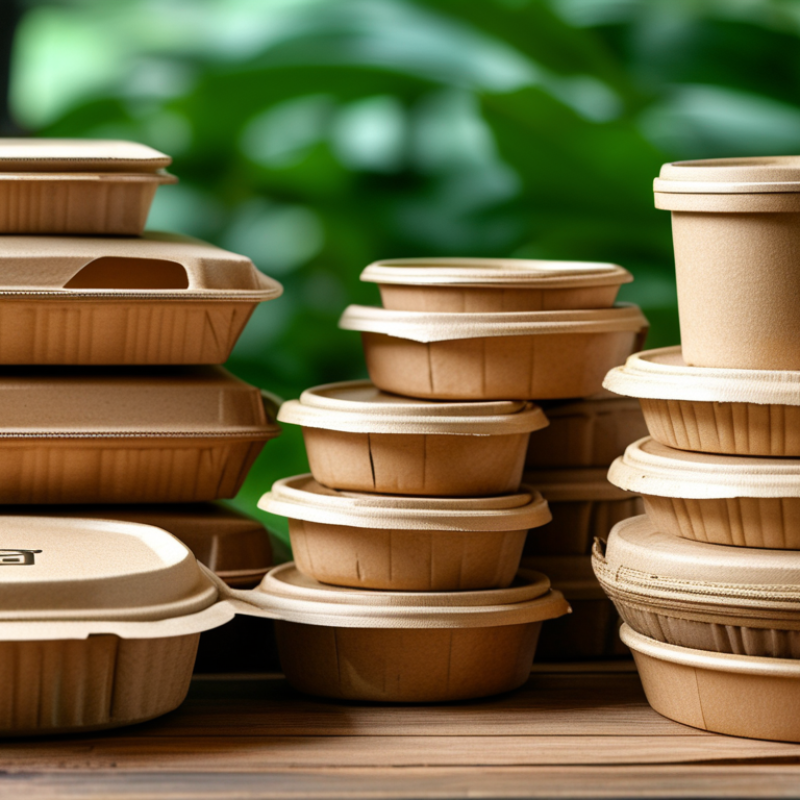
The demand for eco-friendly packaging is growing. Greasy foods present unique challenges. Traditional packaging often fails to contain oil and grease, making it unsuitable. Eco-friendly alternatives offer solutions that are effective and sustainable.
Biodegradable materials, such as plant-based options, can resist oil from foods. These materials break down naturally, reducing landfill waste. They are a step towards a cleaner planet. However, their durability in greasy food packaging is still under scrutiny. Tests must ensure they hold up under the weight of grease.
Another method includes compostable containers. This type of packaging can decompose in industrial composting facilities. Users should ensure appropriate disposal methods are available. Awareness remains necessary; not all compostable packaging breaks down in home environments. Some require specific conditions, which may not be accessible to everyone. Each solution has its pros and cons, highlighting the importance of informed choices.
When selecting eco-friendly packaging for greasy food, the choice of materials is crucial. Greasy foods can easily seep through packaging, causing mess and increasing waste. To address this, many manufacturers now look towards biodegradable materials, which offer a sustainable solution.
One popular option is compostable paper. This material is made from renewable resources and can break down in commercial composting facilities. According to the Biodegradable Products Institute, effective compostable packaging can reduce waste by up to 50%. Another alternative is plant-based bio plastics, which provide a barrier against grease while being more environmentally friendly than traditional plastics.
Tips: Always ensure your packaging meets industry standards for food safety. Look for certifications that verify the material is safe for greasy foods. Additionally, aim to choose suppliers focusing on sustainability practices.
Fiber-based materials are also effective for greasy food. They absorb excess oils, keeping the food fresh and preventing leaks. Interestingly, many fiber-based packages are made from recycled materials, adding to their eco-friendliness. However, not all fiber products perform equally; testing is vital to ensure they hold up under greasy conditions.
Tips: Consider the end-of-life options for your packaging. Opt for materials that are recyclable or compostable, which can minimize environmental impact. Engaging with your supplier about material properties will ensure better performance.
| Material Type | Recyclability | Biodegradability | Moisture Resistance | Grease Barrier | Cost Effectiveness |
|---|---|---|---|---|---|
| Biodegradable Paper | Yes | Yes | Moderate | Good | Low |
| PLA (Polylactic Acid) | Yes | Yes | High | Excellent | Moderate |
| Mushroom-Based Packaging | Yes | Yes | Good | Good | High |
| Bamboo Pulp | Yes | Yes | Moderate | Good | Low |
| Kraft Paper | Yes | Yes | Low | Moderate | Low |
| Cornstarch Packaging | Yes | Yes | Moderate | Good | Moderate |
| Plant-Based Coatings | Yes | Yes | High | Excellent | Moderate |
| Recycled Paperboard | Yes | Yes | Low | Moderate | Low |
| Sugarcane Bagasse | Yes | Yes | Moderate | Good | Moderate |
| Seaweed Packaging | Yes | Yes | Good | Excellent | High |
When it comes to greasy food packaging, innovation is key. Eco-friendly designs help us reduce waste while keeping our meals intact. One effective approach is using compostable materials. These materials break down after disposal, helping keep landfills smaller. Each transition to green materials is a step towards sustainability.
Consider the convenience of grease-proof paper. This type of packaging absorbs oil brilliantly and can be recycled. However, many still rely on plastic. It's a tough habit to break. Reflecting on our choices can lead to better decisions for the environment.
Tips for restaurants: Try using plant-based inks for printing on your packaging. These inks perform well and are less harmful than traditional options. Encourage your customers to dispose of packaging responsibly. Every little effort helps. Remember, each change, no matter how small, contributes significantly to a healthier planet.
When evaluating the environmental impact of packaging solutions for greasy food, several factors come into play. Traditional packaging often leads to significant waste. Greasy food can compromise many materials, making it essential to choose wisely. Eco-friendly options strive to reduce plastic use and enhance sustainability.
Biodegradable materials are becoming popular. They break down naturally without harmful residues. However, they sometimes require specific composting conditions to decompose effectively, leading to questions about their practicality. Many consumers aren't aware of these limitations.
Recyclable packaging offers another alternative. It can reduce landfill waste, but it often relies on consumer participation. If people don’t recycle correctly, these materials may still end up in landfills. Moreover, some recyclable options aren’t suitable for oily foods, which limits their effectiveness.
Tips: Choose packaging made from renewable resources. Assess whether it meets your needs for greasy foods. Always check the recycling guidelines in your local area. Consider reusable options as well. They can significantly cut down waste. Remember, even eco-friendly options have trade-offs to consider.
Eco-friendly packaging for greasy food is gaining traction among companies committed to sustainability. One well-documented case involved a local eatery that switched to compostable containers. Initially, they faced challenges with moisture retention. Greasy foods often compromised the strength and integrity of these materials. However, through continuous iterations and testing, the restaurant found a successful solution. They incorporated added barriers that improved the performance of the packaging.
Another example comes from a food truck that embraced plant-based packaging. At first, customers were skeptical. They questioned the containers' ability to hold greasy items. The food truck operator used social media to educate patrons about the environmental impact. Over time, feedback revealed that most customers appreciated the effort. Their willingness to adapt was key to their excitement about sustainable practices.
These case studies show that implementing eco-friendly solutions requires patience and perseverance. Not every attempt will meet expectations right away. Continuous improvement and honest communication with customers can foster a positive experience. The journey might be fraught with difficulties, but the eventual acceptance and support from customers make the effort worthwhile.
: Eco-friendly options include biodegradable materials, compostable containers, and fiber-based packages. They effectively manage grease.
Traditional packaging often fails to contain oil and grease, leading to leaks and waste.
They break down naturally, reducing landfill waste and promoting a cleaner planet.
Ensure appropriate disposal methods are available. Not all compostable packaging breaks down in home environments.
Not all perform equally. Testing is vital to ensure they withstand greasy conditions.
Sustainability improves brand image and attracts environmentally conscious customers.
Initial struggles with durability and moisture retention are common. Continuous testing is essential for improvement.
Choosing products with eco-friendly packaging and providing feedback can encourage more sustainable practices.
Yes, certifications ensure materials are safe for food and meet industry standards for greasy foods.
Open communication fosters understanding and patience, which can lead to customer support for sustainability efforts.
The article "10 Best Eco Friendly Packaging Solutions for Greasy Food" explores the critical need for sustainable packaging options specifically designed for greasy foods. It highlights various materials that are suitable for packaging, including biodegradable and compostable choices, while emphasizing innovative designs that minimize waste. The discussion extends to evaluating the environmental impacts of different packaging alternatives, helping businesses make informed decisions.
Through case studies, successful implementations of eco-friendly packaging solutions are showcased, providing practical insights into what is the best eco friendly packaging for greasy food. By understanding these approaches, businesses can effectively reduce their ecological footprint while maintaining product integrity and consumer satisfaction.

PsiPrime Packaging